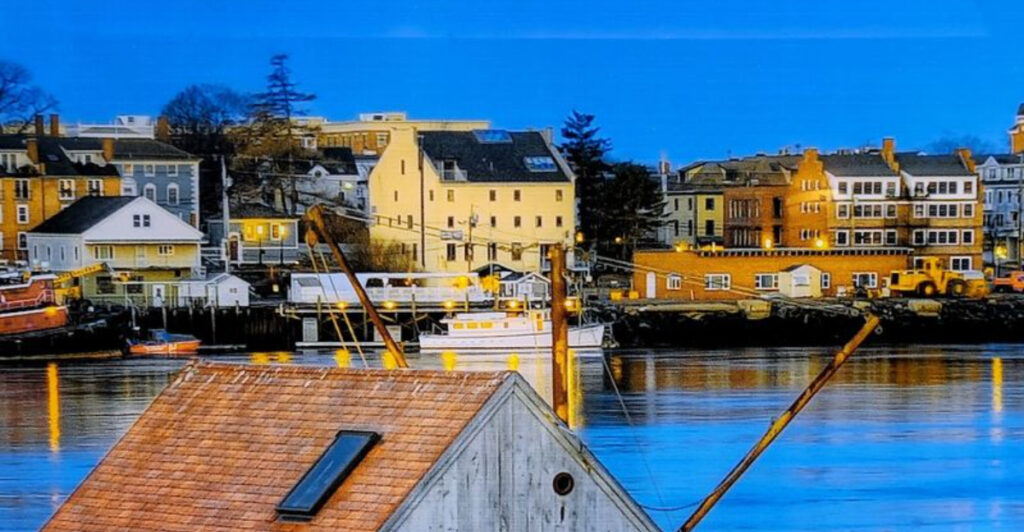
America’s rivers have always been more than just pretty scenery. They shaped where towns grew, how people traveled, and what communities became.
From the mighty Mississippi to the winding Lehigh, rivers gave birth to some of the most charming and historic places in the country. These 15 riverside towns prove that when a community embraces its waterfront, something truly special is created.
Harpers Ferry, West Virginia
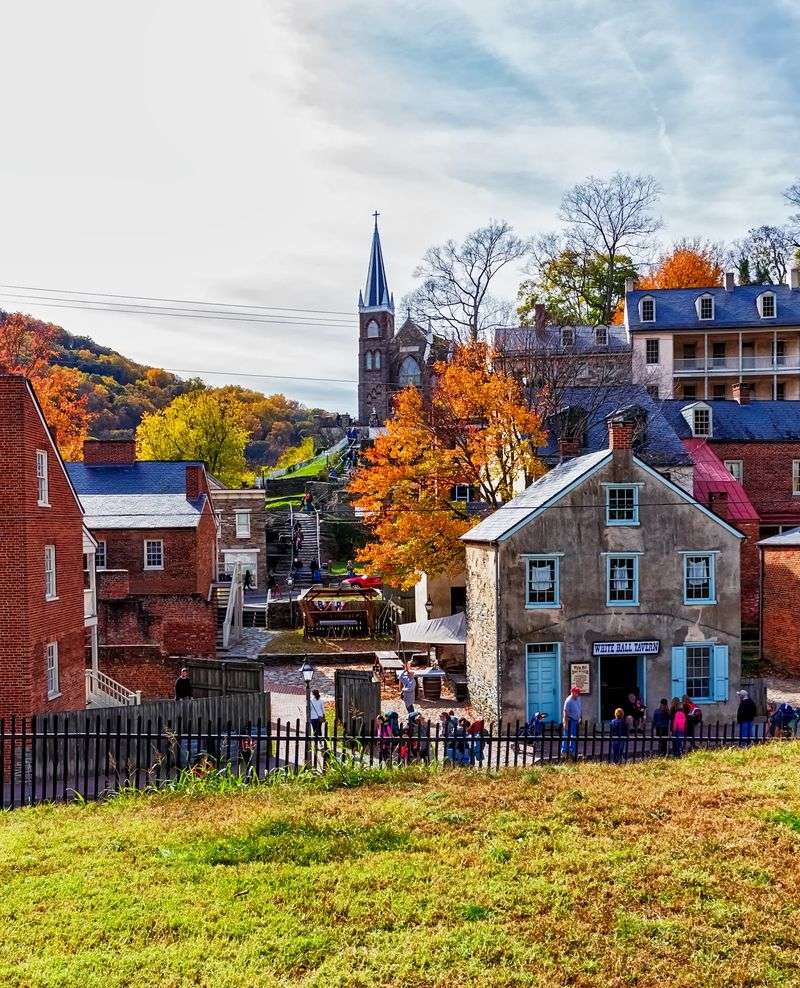
Two rivers meet here, and history decided to show up too. Harpers Ferry sits at the dramatic junction of the Shenandoah and Potomac rivers, cradled by the forested ridges of the Blue Ridge Mountains.
The National Park Service protects much of the historic Lower Town, making it feel like a living museum you can actually walk around in.
The geography alone is jaw-dropping. Historic stone and brick buildings sit almost at water level while steep hills rise sharply behind them.
Climb toward Jefferson Rock and both rivers stretch out below you in one sweeping Appalachian panorama that is genuinely hard to forget.
History piles on top of the scenery here. John Brown’s 1859 raid, Civil War battles, and the legacy of Storer College all echo through the streets.
The Appalachian Trail passes directly through town, making Harpers Ferry a favorite stop for long-distance hikers. Fall is the most spectacular season, when the surrounding mountains blaze orange and gold and the rivers reflect the color below.
Natchez, Mississippi
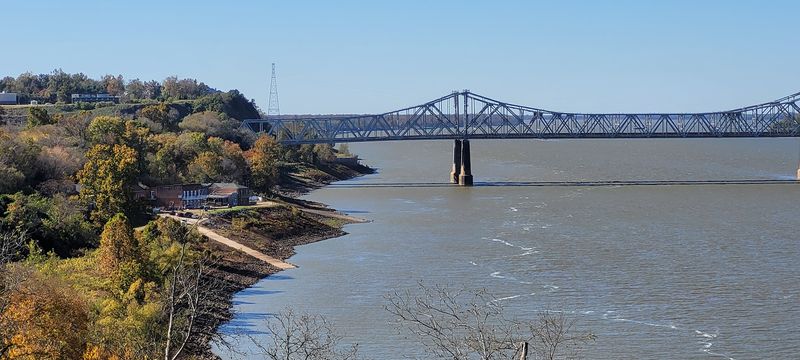
Natchez does not sit beside the Mississippi River. It watches it from above, perched on a bluff with the kind of view that makes you stop mid-sentence.
That elevated position over one of America’s greatest waterways gives the town a perspective unlike any other river destination on this list.
Bluff Park is the prime spot to catch the river at sunset, when the light spreads across the water and spills into the Louisiana lowlands beyond. The Mississippi looks enormous from up there, almost too wide to fully process.
It is the kind of view that sticks around in your memory long after you have driven home.
The town itself carries extraordinary architectural weight. Natchez traces its continuous European settlement to 1716, and more than 1,000 local buildings appear on the National Register of Historic Places.
Grand antebellum mansions, churches, and commercial buildings stand alongside sites connected to African American history and Mississippi River commerce. Natchez rewards slow exploration, whether you are wandering the bluff at dusk or stepping inside one of its meticulously preserved historic homes.
Hood River, Oregon
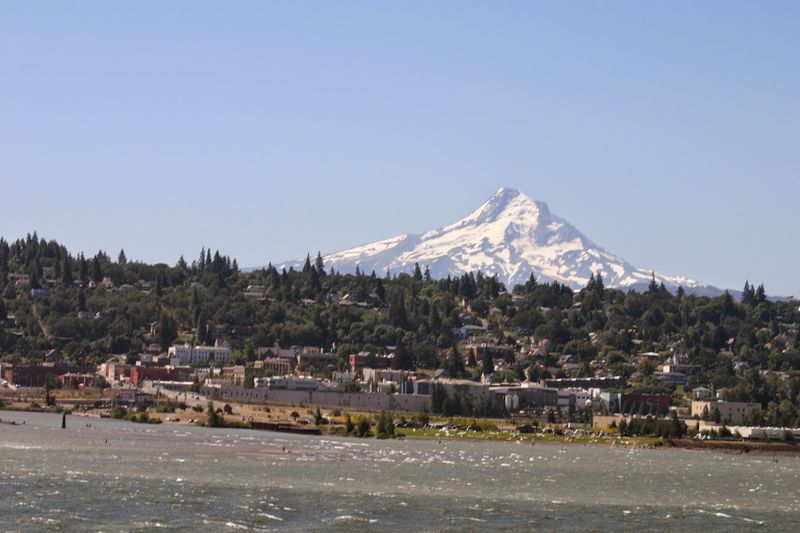
Windsurfers were the ones who figured this place out first. Hood River sits at the intersection of the Columbia River Gorge and the Cascade Range, where powerful wind funnels through a corridor of basalt cliffs and forested mountains.
That combination turned Hood River into one of the world’s most famous windsurfing destinations long before food and travel magazines caught up.
The river here is not ornamental. The Columbia runs wide, fast, and framed by dramatic scenery that changes character depending on which direction you look.
Waterfalls drop from cliffs, ferns cover the gorge walls, and the landscape shifts from volcanic rock to dense Pacific Northwest forest within a single view.
Downtown Hood River adds its own appeal with breweries, restaurants, galleries, and a lively independent commercial district. Drive just a few minutes inland and the scenery transforms again into orchards, vineyards, and farmland with Mount Hood looming behind everything.
Not many river towns can offer a powerful river in front and a snow-capped volcano behind. Hood River pulls it off with impressive ease and zero effort to impress you.
Stillwater, Minnesota
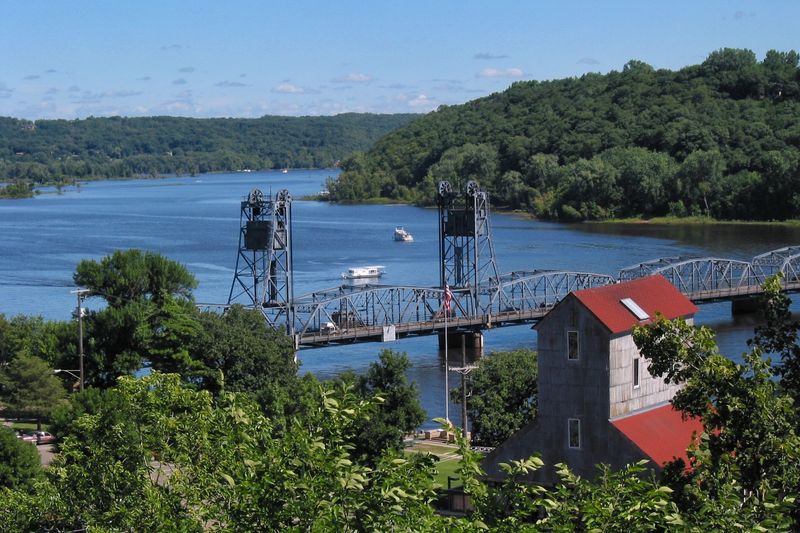
Stillwater is the kind of town that makes people want to move there after one visit. Brick buildings line the main street, wooded hills frame the St. Croix River, and a historic lift bridge ties the whole picture together in a way that feels almost too perfectly composed.
Minnesota calls Stillwater the Birthplace of Minnesota, and the town wears that title with genuine confidence.
Paddlewheel cruises still travel the St. Croix, which immediately earns bonus points for atmosphere. The river forms the Minnesota-Wisconsin border here, so you are essentially standing at the edge of two states while watching a boat glide past tree-covered bluffs.
Trails and overlooks offer quieter ways to take in the valley when the riverboats are not running.
Autumn is when Stillwater really shows off. The surrounding hills shift into deep reds, oranges, and yellows while the historic downtown stays perfectly walkable.
Wineries, breweries, antique shops, and restaurants fill the commercial streets without ever feeling overcrowded or touristy. Stillwater manages the impressive trick of being polished enough for a romantic getaway while staying historic enough that the river never feels like a manufactured backdrop.
New Hope, Pennsylvania
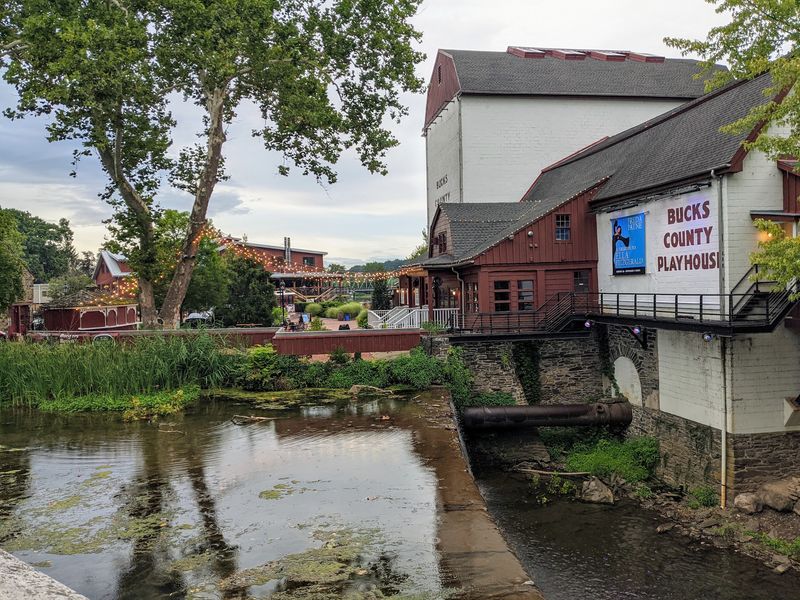
Somehow, New Hope managed to become an art town, a river town, a theater town, and a weekend-getaway town all at the same time. The Delaware River runs right beside it, and the town has spent decades figuring out creative ways to make that relationship work.
Visit Philadelphia describes New Hope as a riverfront oasis of art, culture, and community, which is honestly a pretty accurate summary.
Main Street runs roughly parallel to the river and fills up with independent shops, galleries, restaurants, historic inns, and small theaters. Then there is the bridge.
Walk across the New Hope-Lambertville Bridge and you cross the Delaware on foot, moving from Pennsylvania into New Jersey and arriving in another charming river town on the opposite bank. That two-town dynamic is something genuinely unusual.
Boat rides travel the Delaware beneath tree-shaded banks, and waterfront restaurants make it easy to spend an entire afternoon without moving more than a block from the water. Bucks County delivers brilliant fall foliage in October, but summer brings a more social and energetic version of the town.
Either season works beautifully. New Hope is one of those places that would lose half its personality without the river running beside it.
Astoria, Oregon
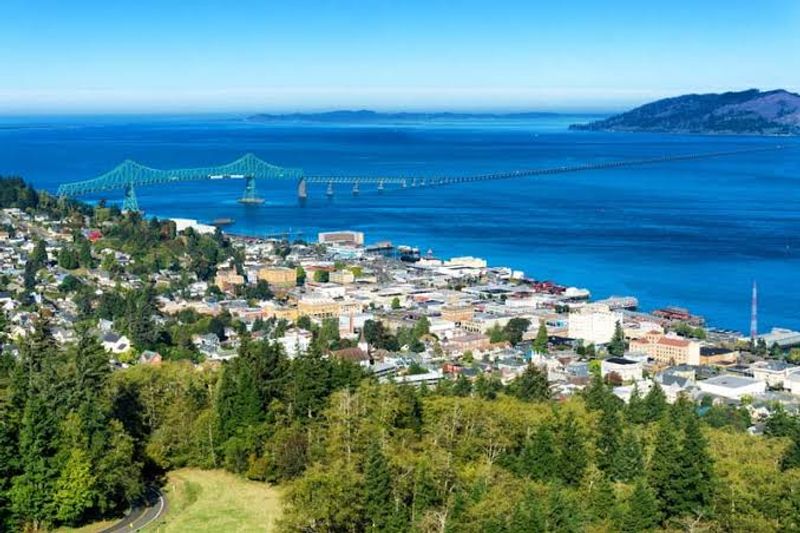
Oregon’s oldest city sits where the Columbia River finally gives up and meets the Pacific Ocean. That location has shaped everything about Astoria for more than two centuries, and the town makes absolutely no attempt to hide it.
Travel Oregon calls Astoria the first permanent U.S. settlement west of the Rocky Mountains, which gives it a frontier energy that most river towns simply cannot replicate.
The working waterfront is one of the most interesting on this entire list. Cargo ships, fishing boats, old cannery structures, sea lions, and the enormous Astoria-Megler Bridge create a scene that feels genuinely lived-in rather than staged for visitors.
The Riverwalk stretches roughly six miles along the Columbia, offering river views, bird-watching spots, and access to restaurants and maritime museums along the route.
Astoria’s hills add a dramatic second layer to the experience. Climb above downtown and rooftops tumble toward one of the widest rivers in North America, with the state of Washington visible on the opposite bank and the Pacific just beyond the horizon.
The town feels like three places at once: a river town, a seaport, and a frontier outpost that never quite forgot its origins. That combination is genuinely hard to find anywhere else.
Galena, Illinois
Galena’s river is modest. The town is not.
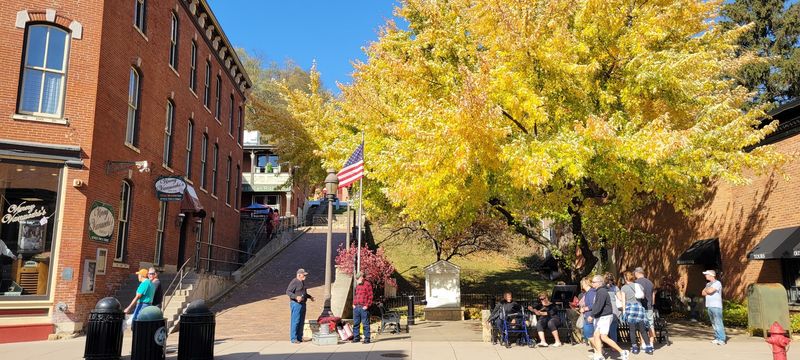
The Galena River winds through northern Illinois before curving past one of the most intact 19th-century downtowns in the entire Midwest, and the contrast between the quiet waterway and the grand brick architecture lining the valley floor is part of what makes this place so appealing. Enjoy Illinois calls it a preserved 19th-century town in the Mississippi River Valley, and the description holds up on every block.
The geography rewards exploration. Downtown Galena occupies the valley floor while historic homes and churches climb the surrounding hills on winding streets.
The river, trails, forested slopes, and old commercial buildings all sit within a compact area that is easy to cover on foot without needing a car or a plan. That kind of walkability feels like a genuine luxury.
Fall may be Galena’s defining season. The hillsides shift into warm reds and oranges, temperatures drop to the kind of weather that makes walking feel like a pleasure rather than an obligation, and the brick storefronts look almost purpose-built for October light.
The town also sits near the Mississippi, so a short drive can extend the river experience considerably. Galena is the kind of place that sneaks up on you and then refuses to leave your memory.
Hermann, Missouri
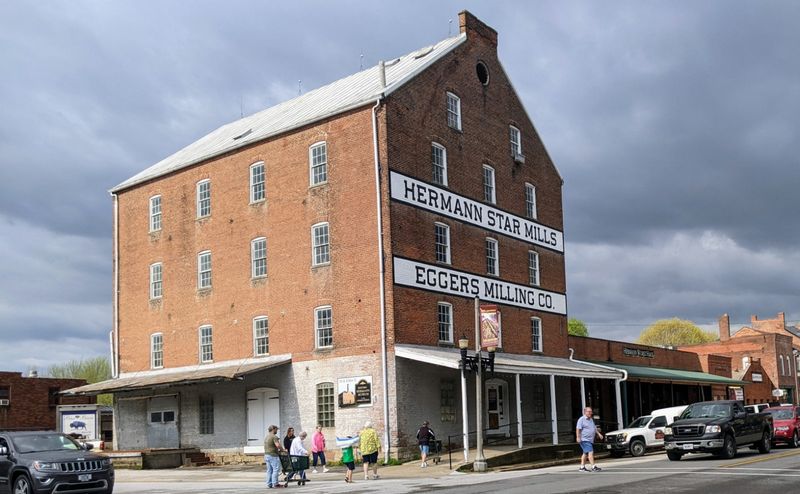
Hermann looks like a small German village that took a very long boat ride and ended up in Missouri. That was more or less the plan.
German immigrants founded the town in the Missouri River Valley during the 1800s, deliberately building it among steep wooded bluffs and agricultural land in a style that recalled the Rhine Valley back home. Visit Hermann calls it a picturebook village where 19th-century brick buildings line the streets in a style reminiscent of Germany.
The Missouri River has shaped Hermann for nearly two centuries and remains central to both the scenery and the town’s outdoor recreation. Bluffs rise sharply above the valley, offering broad views across the river and the surrounding farmland.
The compact downtown is easy to cover on foot, and the whole place has a tidiness and charm that feels intentional rather than accidental.
Then there are the vineyards, which deserve their own mention. Hermann sits within one of Missouri’s best-known wine regions, and local wineries add a layer of character that sets the town apart from other Midwest river destinations.
Autumn combines wine harvests, Oktoberfest traditions, and blazing forest color into something that feels festive and photogenic at the same time. Hermann is proof that river towns did not all develop the same culture.
Madison, Indiana
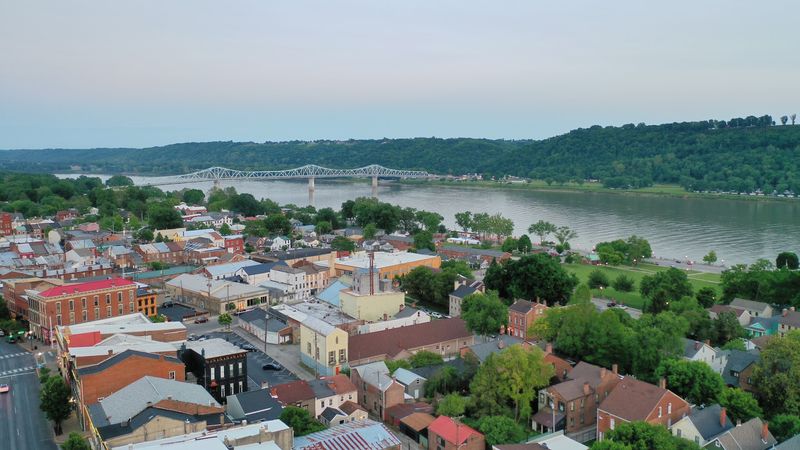
Madison, Indiana, holds a record that most people have never heard of. The town contains the largest contiguous National Historic Landmark District in the entire United States, which is a remarkable claim for a community sitting quietly on the Ohio River between Cincinnati and Louisville.
That historic district reaches directly toward the water, making the riverfront feel like a natural extension of the town’s architectural story.
Walking here is the right way to experience it. Federal and Greek Revival houses, commercial streets, churches, and historic gardens all sit within easy reach of the waterfront, and the whole area can be covered in a leisurely afternoon.
Riverboats still occasionally dock along the bank, adding a living connection to the era that built most of what you see around you.
Clifty Falls State Park sits nearby, bringing waterfalls, forested ravines, and serious hiking trails into a weekend that could otherwise be entirely devoted to architecture and history. That combination of natural scenery and historic preservation gives Madison a range that most small river towns cannot match.
Madison feels like the kind of Ohio River town you might find illustrated in an old painting, except the buildings, streets, and waterfront are still genuinely there and worth every minute of the drive.
Marietta, Ohio
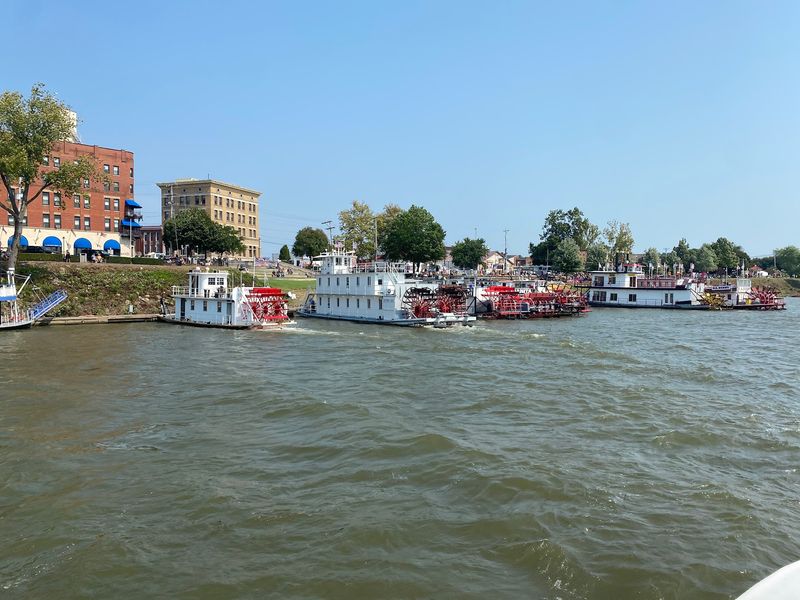
Getting two rivers for the price of one is already a good deal. Marietta, Ohio, sits precisely where the Muskingum flows into the Ohio River, a location that made it a critical gateway during America’s early westward expansion.
That river heritage is not just historical trivia here. It is woven into the town’s festivals, trails, parks, museums, and the general rhythm of daily life along the waterfront.
Downtown Marietta combines brick commercial buildings, historic houses, churches, and a compact street grid that makes wandering feel natural and rewarding. The Muskingum adds a different character from the much broader Ohio, and together the two rivers surround parts of the historic town with water in a way that makes the geography feel genuinely unusual.
Boat-related events and riverfront activities keep the connection to the water active throughout the year.
For travelers following the Ohio River Valley, Marietta is one of the stops most worth slowing down for. The town does not try to manufacture its river identity.
It simply has one, built across centuries of commerce, exploration, and community life that happened to unfold at the meeting point of two significant waterways. River history is inseparable from what Marietta is, and the town makes no apologies for leaning into that fact completely.
Cold Spring, New York
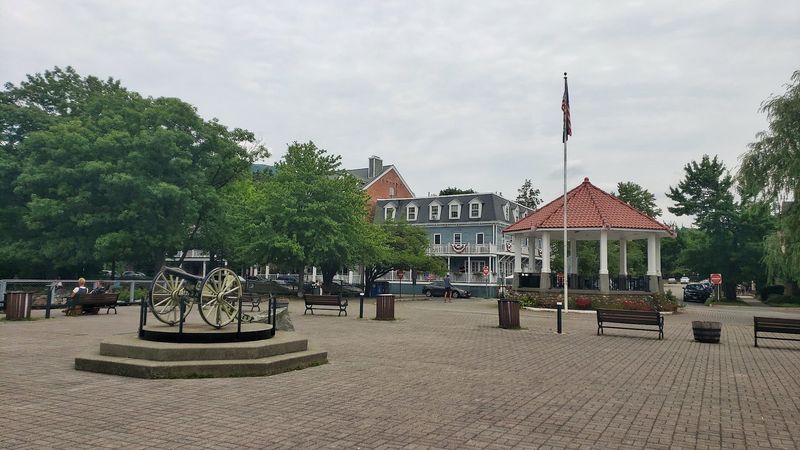
Fifty miles north of New York City, Cold Spring manages to feel like a completely different world. The village sits directly on the Hudson River, backed by the steep, forested terrain of the Hudson Highlands, and its Main Street descends toward the water in a way that puts the river at the end of every view.
It is a small place, home to roughly 2,000 residents, but it punches well above its size in terms of scenery and atmosphere.
The train is part of the appeal. Metro-North’s Hudson Line connects Cold Spring to Manhattan without requiring a car, which means you can step off a train and walk almost immediately into antique shops, riverfront paths, historic buildings, and mountain scenery.
That accessibility makes Cold Spring a favorite for spontaneous day trips and longer weekend stays alike.
From the waterfront, mountains rise dramatically across the river. From nearby hiking trails, the Hudson curves below like a wide ribbon with the village tucked neatly into its bank.
Autumn turns the Hudson Highlands into one of the Northeast’s most celebrated foliage scenes, with the river adding a reflective layer of color below the blazing hillsides. Cold Spring is the kind of place that rewards arriving with no real agenda and simply following the street downhill toward the water.
Jim Thorpe, Pennsylvania
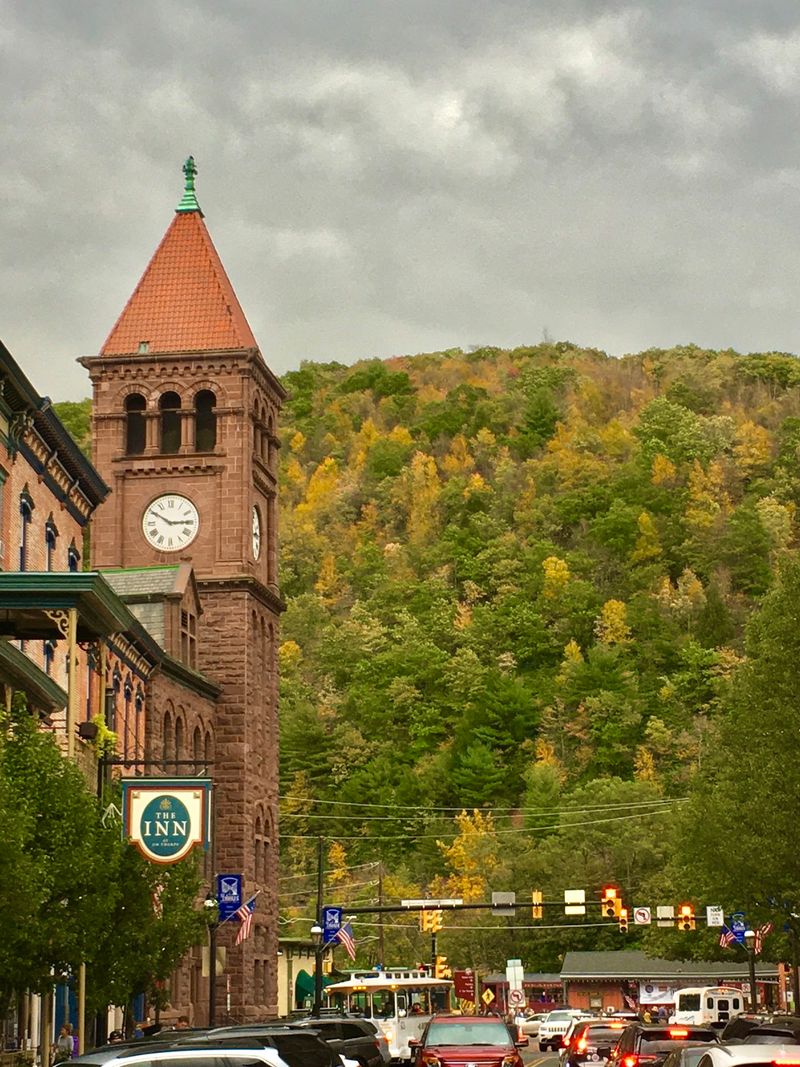
Someone once called Jim Thorpe the Little Switzerland of America, and after one look at the Lehigh Gorge surrounding it, the nickname becomes completely understandable. The town is squeezed into a narrow valley beneath steep, forested mountains, with the Lehigh River running beside it and Victorian architecture climbing the slopes in a layered arrangement that looks almost theatrical.
Pennsylvania’s tourism office highlights the mountain setting, historic buildings, hiking, biking, and whitewater recreation all in the same breath.
The physical layout of Jim Thorpe gives it a uniquely stacked quality. Historic buildings occupy one side, the river and old canal corridor run alongside them, and wooded slopes rise almost immediately behind everything else.
The Lehigh Gorge Scenic Railway travels the same natural corridor, offering an easy way to experience the river landscape without lacing up hiking boots. Rafting trips on the Lehigh add an active option for visitors who want the river experience at a faster pace.
Then autumn arrives and the Pocono forests surrounding the gorge absolutely erupt in color. The surrounding hillsides turn orange, red, and yellow while the Victorian streetscapes below provide a perfectly contrasting foreground.
Jim Thorpe is already theatrical in its geography. When fall foliage joins the scene, the whole gorge becomes something that genuinely tests the limits of the word picturesque.
Lambertville, New Jersey
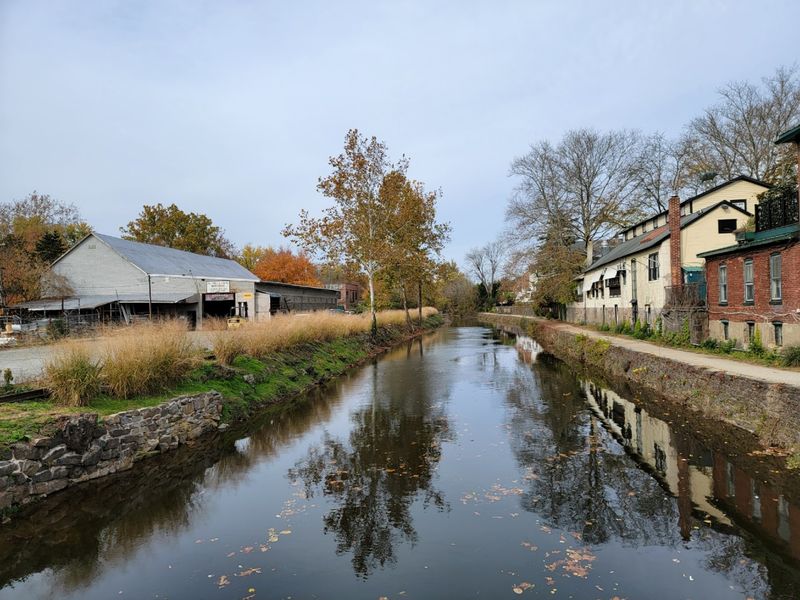
New Hope gets most of the travel press, but Lambertville, sitting quietly on the New Jersey side of the Delaware River, deserves equal billing. The city combines historic streets, art galleries, antique shops, restaurants, and river views in a package that feels genuinely unhurried.
New Jersey transportation officials include Lambertville among the historic riverside towns along the Delaware River Scenic Byway, which is a well-deserved recognition for a place that rarely chases attention.
One of the most enjoyable things about visiting is that Lambertville and New Hope function together as a two-state walking destination. Cross the bridge for lunch.
Walk back for dinner. The Delaware stays visible between the two towns the entire time, reminding you that the river is the reason both places exist at all.
That pedestrian-friendly connection across state lines is genuinely rare and genuinely fun.
The Delaware and Raritan Canal State Park passes through Lambertville, adding a largely flat trail that works well on foot or bicycle. Bridges across the Delaware create loop options connecting the New Jersey and Pennsylvania canal trails, so active visitors can build a full day around the river without repeating the same stretch twice.
Few river towns make it this easy to enjoy two charming downtowns, a historic canal, and a beautiful river without ever moving the car.
St. Charles, Missouri
Meriwether Lewis and William Clark launched their expedition up the Missouri River from St. Charles in 1804, heading toward the Pacific with the entire unknown West in front of them. That departure point still carries a certain electric quality when you stand near the river and think about what that journey meant.
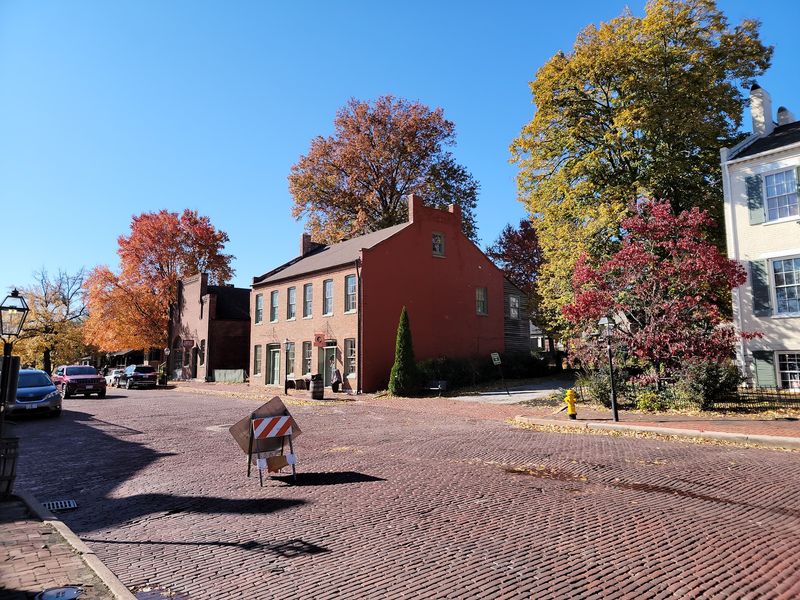
Missouri tourism describes Historic Main Street as the state’s first and largest nationally registered historic district, and the brick-paved streets running parallel to the Missouri River back that claim up convincingly.
The atmosphere along Main Street is genuinely hard to replicate. Gaslights, brick storefronts, courtyards, cafes, inns, and riverfront green space combine into a downtown that feels far removed from suburban St. Louis, which is only a short drive away.
That contrast between historic character and modern proximity makes St. Charles an easy and rewarding destination for a day trip or a longer stay.
The Katy Trail and other riverfront recreation have replaced much of the frontier urgency that once defined the town’s relationship with the Missouri River. Today the river serves as a backdrop for walking, cycling, and simply sitting near the water with food from one of the Main Street restaurants.
St. Charles is one of those places where the river explains everything: why the town exists, where it grew, and why it still feels worth visiting centuries later.
Portsmouth, New Hampshire
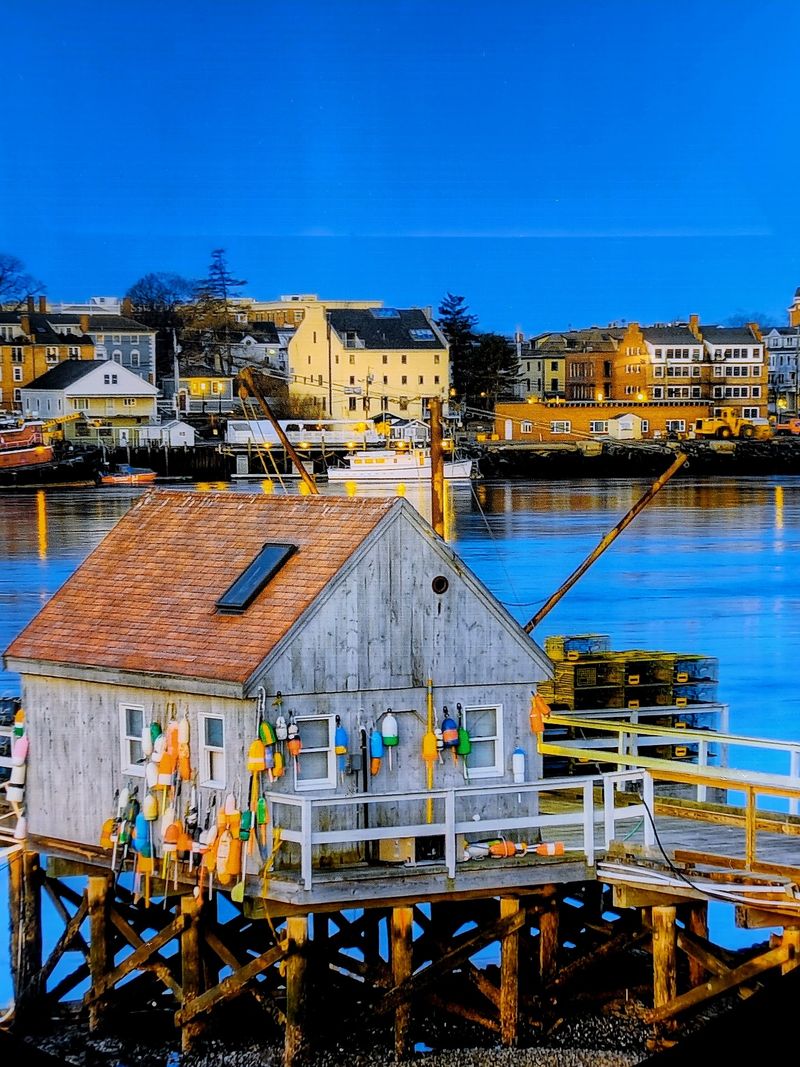
Portsmouth is not a sleepy river village, and it has no interest in pretending to be one. The city sits at the mouth of the Piscataqua River, where centuries of shipbuilding, maritime commerce, and coastal trade shaped a community that still has salt water in its bones.
The Piscataqua runs with extraordinarily fast tidal currents and remains an active route for tankers and commercial vessels, giving the waterfront a working energy that most historic New England towns have long since lost.
Tugboats sit near downtown, harbor cruises navigate the river, and waterfront restaurants overlook one of the most powerful tidal waterways on the East Coast. That combination of history and active maritime life makes the Portsmouth waterfront feel alive rather than preserved.
Strawbery Banke Museum adds a carefully restored outdoor history experience that covers several centuries of the city’s development in a walkable open-air setting.
Prescott Park provides the calmer counterpart to all of that activity, with gardens and riverside paths that invite a slower pace beside the water. Brick sidewalks, independent shops, and a genuinely thriving restaurant scene fill the historic center and reward extended exploration.
Portsmouth is something more interesting than a classic river town. It is a place where the river never stopped working, and the town grew more interesting because of it.
Share this story