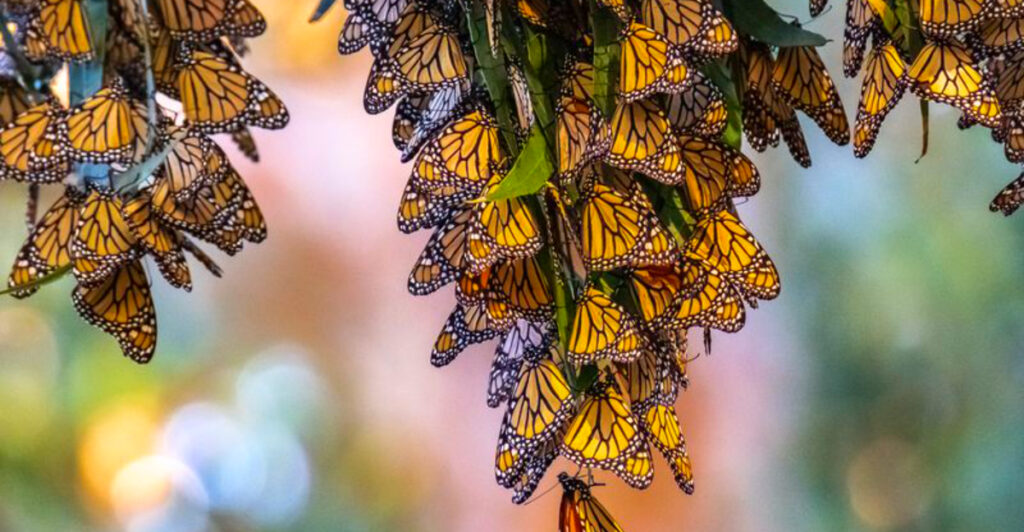
Every autumn, monarch butterflies pull off one of nature’s most jaw-dropping travel feats, journeying thousands of miles to reach the same forests and groves their ancestors visited before them. Eastern monarchs flood the high-altitude oyamel fir forests of central Mexico, sometimes covering entire trees until the branches look like they are made of orange stained glass.
Western monarchs head for sheltered groves along the California coast, tucking into eucalyptus and cypress trees just steps from beach towns and neighborhood streets. Numbers at each location shift from year to year, so not every spot below hosts millions at once, but every single one is a documented, publicly accessible gathering site where monarchs return with impressive reliability.
Whether you are a lifelong naturalist or simply curious, these 15 places make the case that wild miracles are closer than you think.
1. El Rosario Monarch Butterfly Sanctuary, Ocampo, Michoacán, Mexico
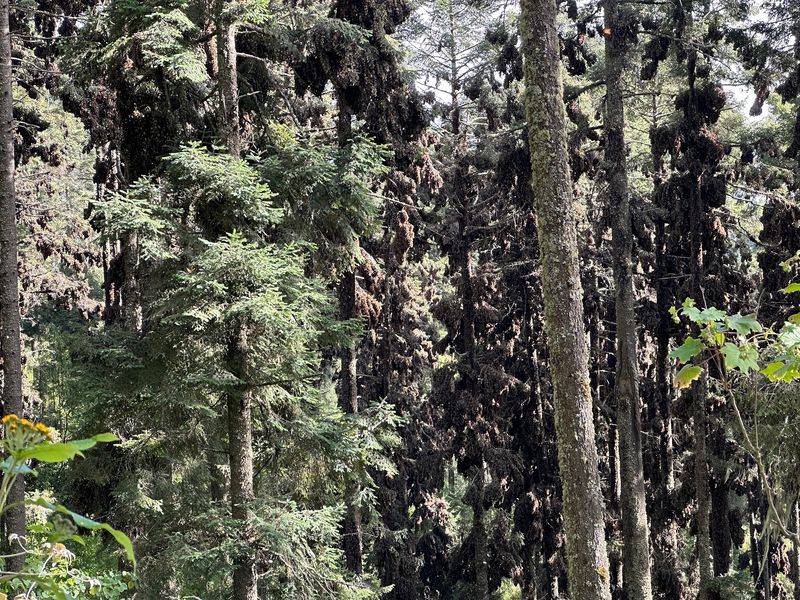
Crown jewel of monarch country, El Rosario is where winter forests of oyamel fir transform into living walls of orange and black, with butterflies stacked so densely on branches that the trees themselves seem to pulse.
Part of Mexico’s Monarch Butterfly Biosphere Reserve, this sanctuary receives monarchs that have traveled thousands of miles from the United States and Canada, navigating by sun compass to reach the exact same mountain range year after year.
The real spectacle unfolds on warmer mornings, when rising temperatures coax the clusters open. Butterflies that looked like dark, dormant leaves suddenly flip their wings, and the whole forest appears to be in motion.
Guided trails lead visitors through the colony zones, and local ejido community guides explain the conservation work keeping the forest intact.
2. Sierra Chincua Monarch Butterfly Sanctuary, Angangueo, Michoacán, Mexico
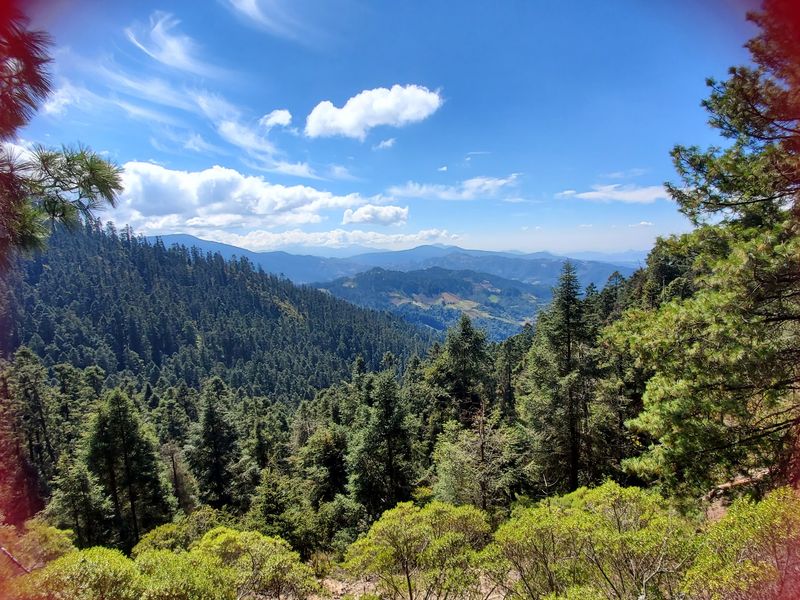
The hike alone is worth planning a trip around. Sierra Chincua sits higher and wilder than many of its neighbors, with forest paths that wind steeply upward before delivering hikers into stands of oyamel fir draped in monarch clusters.
Officially recognized as one of Michoacán’s public sanctuary areas, Sierra Chincua has been part of the region’s monarch tourism network for decades and draws visitors who want a more rugged, less crowded alternative to El Rosario.
On clear days, the views from the upper forest stretch across distant ridgelines that seem to go on forever. Horses are available for visitors who prefer to ride rather than hike, making the colony accessible to a wider range of travelers.
The combination of mountain scenery and butterfly-covered trees is genuinely hard to match anywhere else on the planet.
3. Senguio Monarch Butterfly Sanctuary, Senguio, Michoacán, Mexico
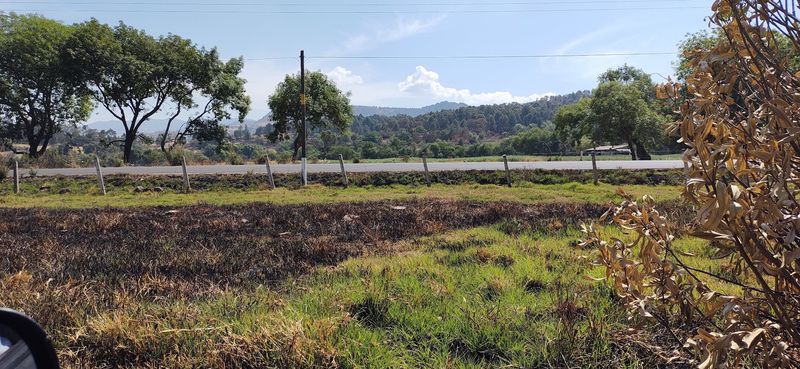
Not every great wildlife destination needs a famous name, and Senguio proves that point quietly and convincingly. Mexican conservation authorities have consistently listed it among the public tourist facilities serving the overwintering region, yet the crowds here stay noticeably thinner than at the bigger sanctuaries nearby.
Travelers who prefer their nature experiences without the bustle will find Senguio genuinely appealing. The highland scenery is lovely on its own terms, with forest trails cutting through tall trees before reaching the areas where butterflies cluster during winter months.
The sanctuary operates as part of the broader Monarch Butterfly Biosphere Reserve system, with local community guides available to lead visitors through the colony zones. For anyone building a full monarch road trip through Michoacán, Senguio adds a quieter, more contemplative chapter to the itinerary.
4. Piedra Herrada Monarch Butterfly Sanctuary, Valle de Bravo Area, State of Mexico, Mexico
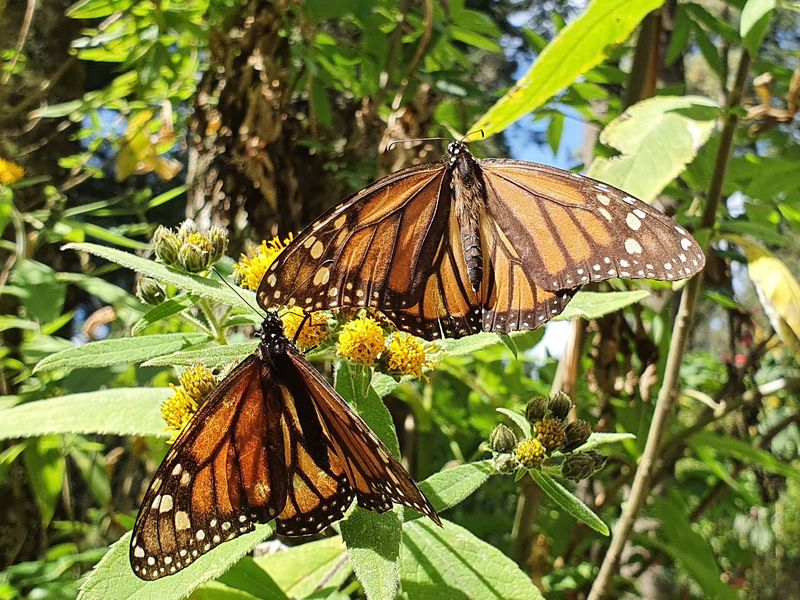
Closer to Mexico City than the Michoacán sanctuaries, Piedra Herrada brings the monarch migration within practical reach of millions of urban visitors who might otherwise never make the longer journey west. Mexican conservation authorities recognize it as an official public access point for monarch viewing, and the approach through high mountain forest sets the mood long before the first butterfly appears.
On warmer winter days, the colonies here put on a show that rivals anything in the region. Butterflies peel away from the trees in waves, drifting through shafts of light in numbers that make the forest feel briefly weightless.
The Valle de Bravo area itself is a popular weekend destination for Mexico City residents, so combining a lake town getaway with a monarch sanctuary visit makes for an unusually satisfying two-day trip.
5. Monarch Butterfly Sanctuary, Pacific Grove, California
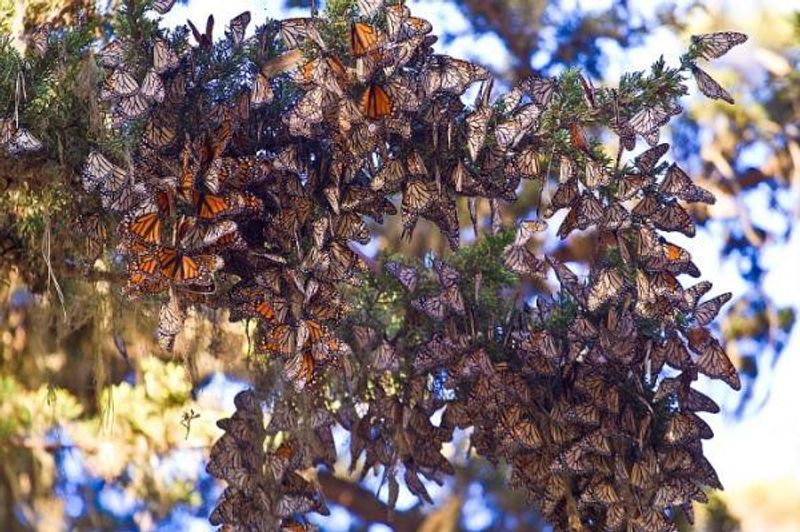
Pacific Grove has been called Butterfly Town, USA, and the nickname is not an exaggeration. Monarchs have been returning to its sheltered grove for generations, and the city takes the relationship seriously enough to have passed ordinances protecting the butterflies within town limits.
The sanctuary itself is surprisingly compact, tucked into a pine grove just blocks from residential streets. Branches fill with tight clusters of monarchs from roughly October through February, and volunteer docents are often on hand to answer questions and point visitors toward the best viewing spots.
What makes Pacific Grove distinct from California’s coastal sites is how seamlessly it fits into everyday town life. The butterflies share the neighborhood with joggers, dog walkers, and coffee shops, which gives the whole experience an unusually relaxed, unhurried quality that bigger wildlife spectacles rarely manage to achieve.
6. Pismo State Beach Monarch Butterfly Grove, Pismo Beach, California
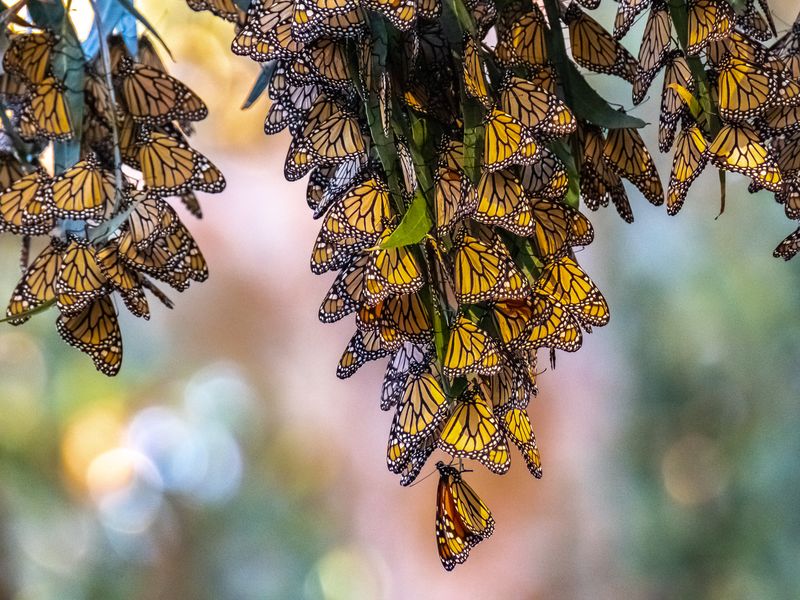
California State Parks describes Pismo’s grove as one of the largest western monarch overwintering sites in the state, and the numbers back that up. Peak counts here have reached into the tens of thousands, with butterflies clustering in eucalyptus and Monterey cypress from November through February.
A free, well-maintained boardwalk leads visitors directly into the grove, and volunteer docents from the Monarch Alert program are typically present during peak season to provide context and spotting tips. The whole setup is genuinely visitor-friendly, with no admission fee and parking close by.
After watching the clusters, the beach is only a short walk away. Pismo Beach has a classic California seaside character, complete with a pier, fish tacos, and wide sand, making this one of the easiest monarch sites to fold into a broader coastal road trip.
7. Natural Bridges State Beach, Santa Cruz, California
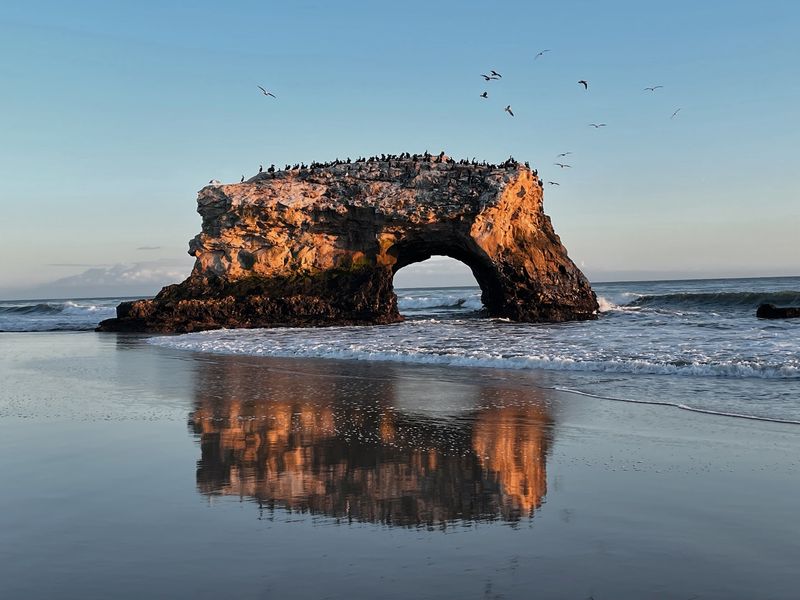
Few parks manage to combine a major wildlife event with genuinely beautiful coastal scenery, but Natural Bridges pulls it off with ease. The protected eucalyptus grove recorded roughly 10,000 overwintering monarchs in 2024, and a dedicated boardwalk leads visitors to an observation deck right inside the colony area.
Interpretive signs along the path explain the science behind the migration, the biology of overwintering, and the conservation challenges monarchs currently face. The information is presented accessibly enough for school groups, which is fitting since Natural Bridges is one of the most visited state parks in the Santa Cruz area.
Beyond the butterfly grove, the park offers tide pools, nesting seabirds, coastal bluffs, and the famous natural rock arch the park is named after. Combining all of those into a single half-day outing makes Natural Bridges one of the most rewarding stops on the California monarch coast.
8. Goleta Monarch Butterfly Grove at Ellwood Mesa, Goleta, California
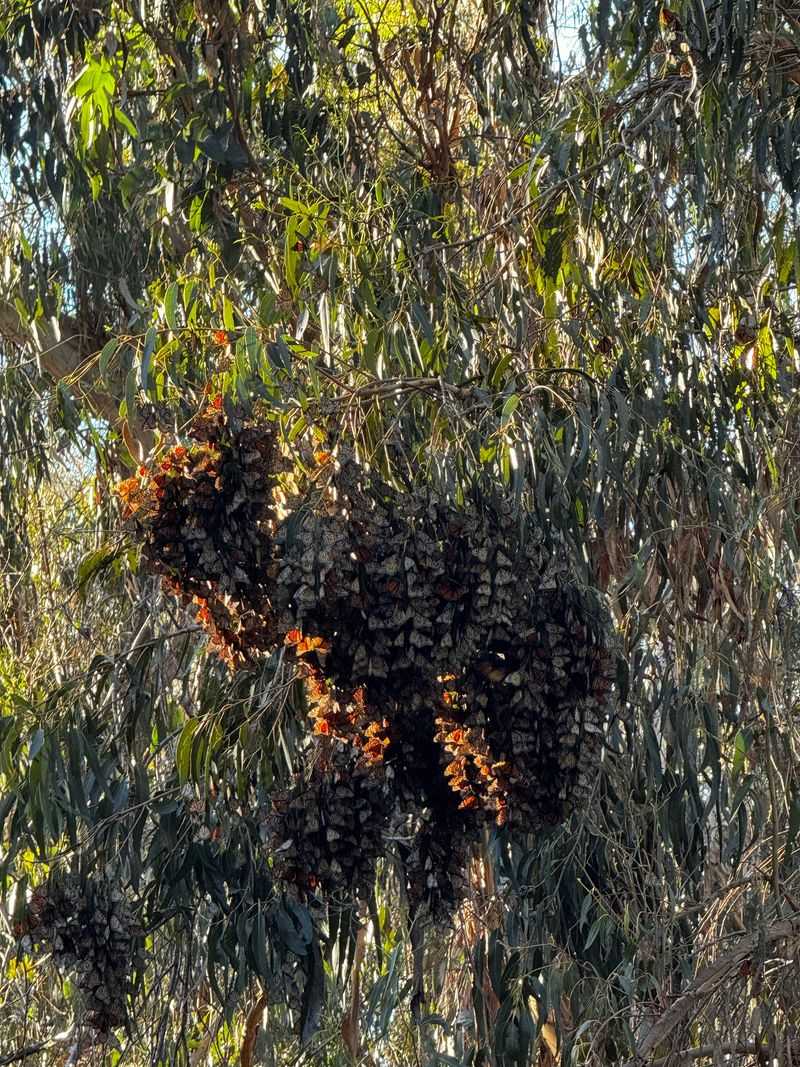
Ellwood Mesa has a layout that sets it apart from every other California monarch site. Open grassland stretches toward the Pacific before giving way to dense eucalyptus groves where the butterflies cluster, and the contrast between the two landscapes makes the arrival at the trees feel genuinely dramatic.
The City of Goleta manages the area as monarch overwintering habitat, and the butterfly aggregation zones carry formal environmentally sensitive habitat designation. In strong monarch years, the Ellwood complex can support concentrations that rank among the highest counts on the entire California coast.
Free docent-led tours are offered on weekends during peak season, typically running from November through February. The trails are easy and well-marked, making the mesa accessible to families and casual walkers.
Santa Barbara is only a short drive south, so pairing Ellwood with a day in the city is a natural choice.
9. Lighthouse Field State Beach, Santa Cruz, California
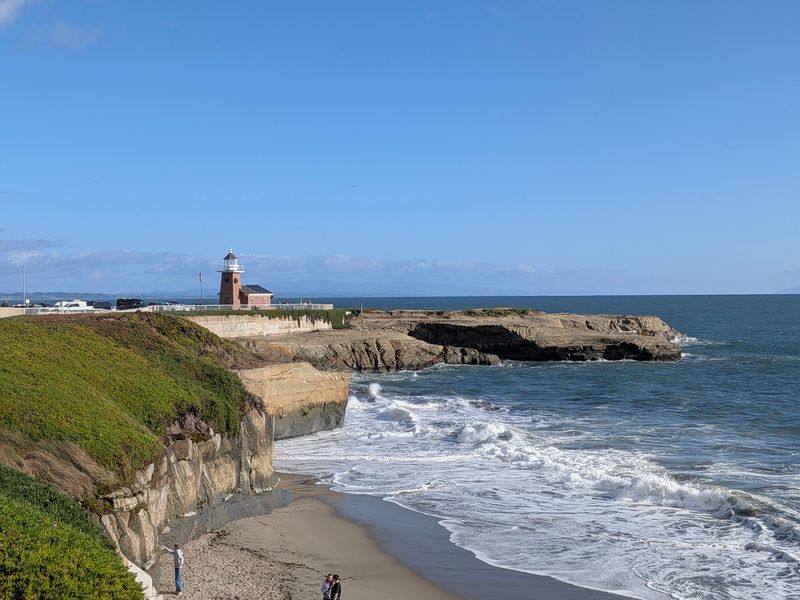
Santa Cruz has more monarch overwintering sites than almost any other California city, and Lighthouse Field is one of the most significant. The park recorded 10,000 butterflies during the 2023 Thanksgiving count, which placed it among the top-performing sites statewide that season.
Unlike some monarch groves that feel tucked away, Lighthouse Field sits right along the coast, with the Pacific Ocean framing the view beyond the butterfly trees. The park has its own dedicated habitat management plan, which details the specific grove conditions that make it attractive to overwintering monarchs year after year.
The Santa Cruz Surfing Museum sits within the broader Lighthouse Point area, and the famous Steamer Lane surf break is visible from the bluffs nearby. That combination of wildlife, surf culture, and coastal scenery makes Lighthouse Field one of the more distinctly Californian places to spend a butterfly-watching afternoon.
10. Moran Lake County Park, Santa Cruz, California
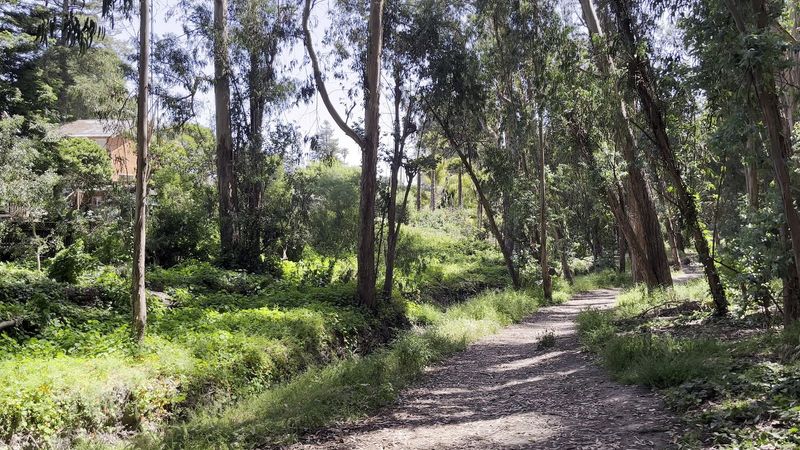
Moran Lake sits in an interesting spot between neighborhood park and serious wildlife habitat, and researchers treat it with the same respect they give its more famous Santa Cruz neighbors. Studies have identified it alongside Natural Bridges and Lighthouse Field as one of the city’s primary monarch overwintering sites, and county habitat planning specifically protects the grove’s wind shelter conditions.
The park has a low-key, local feel that sets it apart from the more developed monarch viewing sites nearby. There are no boardwalks, no docent programs, and no admission fees, just a quiet grove where monarchs return each winter and most passersby have no idea what they are walking past.
For monarch enthusiasts building a thorough Santa Cruz butterfly itinerary, Moran Lake fills in a piece of the picture that the better-known parks cannot. It rewards curiosity and a willingness to explore beyond the obvious.
11. Ardenwood Historic Farm, Fremont, California
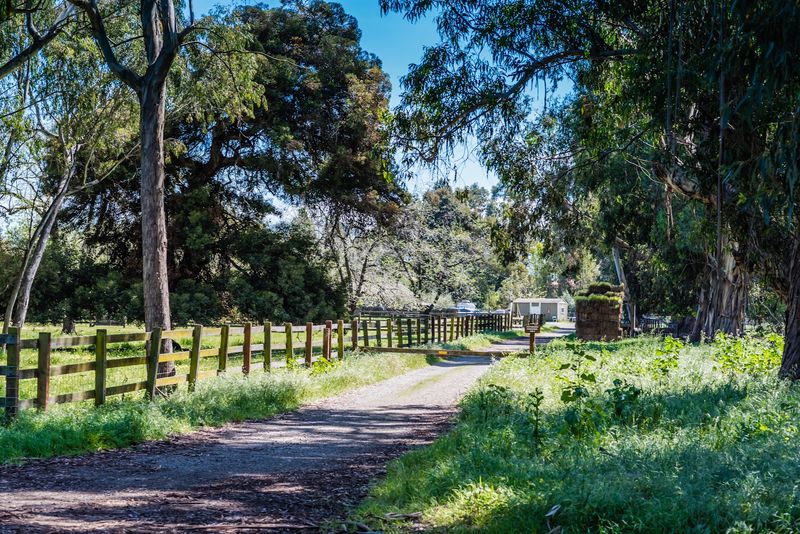
A working historic farm is probably not the first setting that comes to mind for monarch butterfly watching, but Ardenwood manages to make the combination work remarkably well. The East Bay Regional Park District actively monitors western monarch populations at the property, and the eucalyptus grove on the grounds has served as overwintering habitat for years.
The farm itself dates to the 1800s and includes a Victorian farmhouse, heritage gardens, and agricultural demonstrations that run throughout the year. Monarchs share the property with draft horses, heritage breed chickens, and school groups on field trips, which gives a visit here a pleasantly unpredictable energy.
For Bay Area residents who want a monarch experience without a long drive, Ardenwood offers a genuinely convenient option. The Fremont location puts it within easy reach of much of the East Bay, and the farm’s other attractions make it worth the trip even outside peak butterfly season.
12. Coastal Access Monarch Butterfly Preserve, Los Osos, California
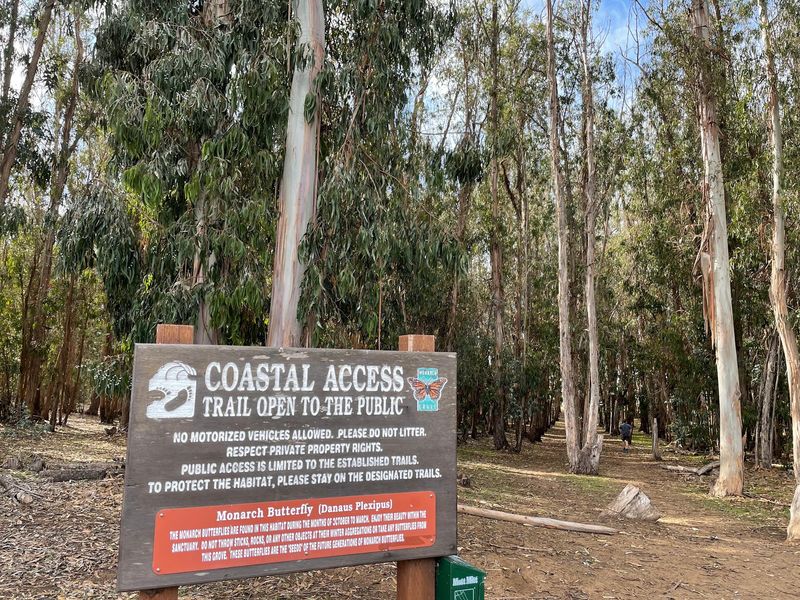
There is something genuinely surprising about finding a monarch preserve at the end of an ordinary residential street, but that is exactly what Los Osos delivers. The sheltered grove sits near the shores of Morro Bay, where eucalyptus and Monterey pine provide the combination of wind protection and filtered light that overwintering monarchs actively seek out.
The preserve is small by design, and that intimacy is a feature rather than a limitation. Visitors who make the effort to find it often have the grove largely to themselves, which makes for a quieter, more personal wildlife encounter than the busier California sites can offer.
Morro Bay State Park and the famous Morro Rock are both close by, making Los Osos a natural base for a day of Central Coast exploration. The preserve adds a genuinely off-the-beaten-path moment to what is already a rewarding stretch of California coastline.
13. Camino Real Park, Ventura, California
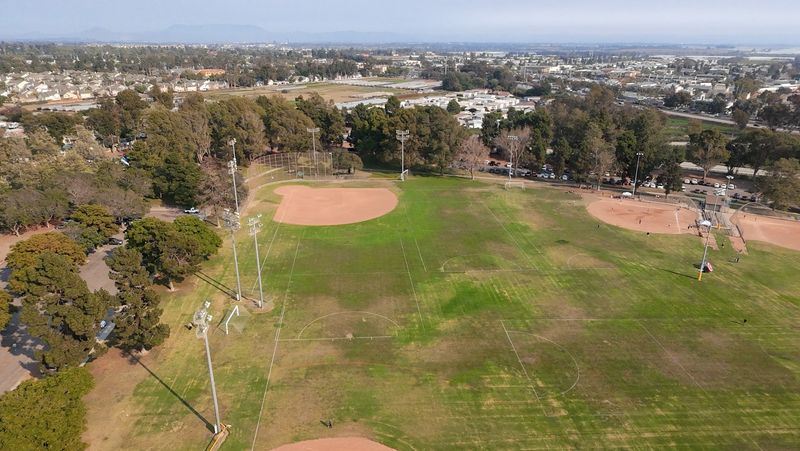
Most people drive past Camino Real Park without a second thought, which is exactly why butterfly enthusiasts love it. The tall eucalyptus trees lining the park’s barranca shelter a documented monarch overwintering site that the U.S.
Fish and Wildlife Service specifically recommends for public viewing between November and February.
In strong years, the site hosts monarchs by the thousands, creating a quietly remarkable contrast between the soccer fields and picnic tables below and the fragile migration unfolding in the canopy above. Local conservation groups have been working to restore native nectar plants nearby, which supports monarchs during their stopover periods as well as their overwintering phase.
Ventura’s downtown and historic mission are only a short drive away, so Camino Real fits naturally into a broader day trip. The park charges no admission, requires no reservations, and asks only that visitors look up more than they usually do.
14. Ocean Avenue Park, Ventura, California

Urban monarch habitat rarely announces itself, and Ocean Avenue Park is a textbook example of wildlife quietly persisting in unexpected places. The U.S.
Fish and Wildlife Service formally identifies this Ventura neighborhood park as a monarch viewing location, noting that clusters appear in the tall eucalyptus behind the picnic area during late fall and early winter.
The park has no dedicated butterfly infrastructure, no boardwalk, and no interpretive signage about the monarchs. What it has is a stand of mature eucalyptus that provides exactly the right microclimate conditions, and butterflies that have apparently figured that out on their own.
That straightforward quality is part of what makes Ocean Avenue interesting. A visit here feels less like a scheduled wildlife tour and more like a lucky discovery.
For travelers already exploring Ventura’s monarch sites, adding this park to the list takes almost no extra effort and pays off with a distinctly local experience.
15. Morro Bay Golf Course, Morro Bay, California

A golf course topping a list of monarch butterfly destinations sounds like a punchline, but the numbers at Morro Bay are no joke. More than 10,000 monarchs were counted here during the 2023 Thanksgiving count, placing this course among the highest-performing overwintering sites in California that year.
The eucalyptus grove on the property sits above the Morro Bay Estuary, providing the sheltered, south-facing conditions that overwintering monarchs consistently prefer. The grove has been monitored as part of the Xerces Society’s western monarch count program, which tracks population trends at sites across California each fall.
Morro Rock, one of the most recognizable landmarks on the Central Coast, is clearly visible from the area, and the estuary below supports impressive populations of shorebirds and waterfowl year-round. Combining a monarch visit with a walk along the Morro Bay waterfront turns this quirky golf course stop into a legitimately memorable Central Coast outing.
Share this story