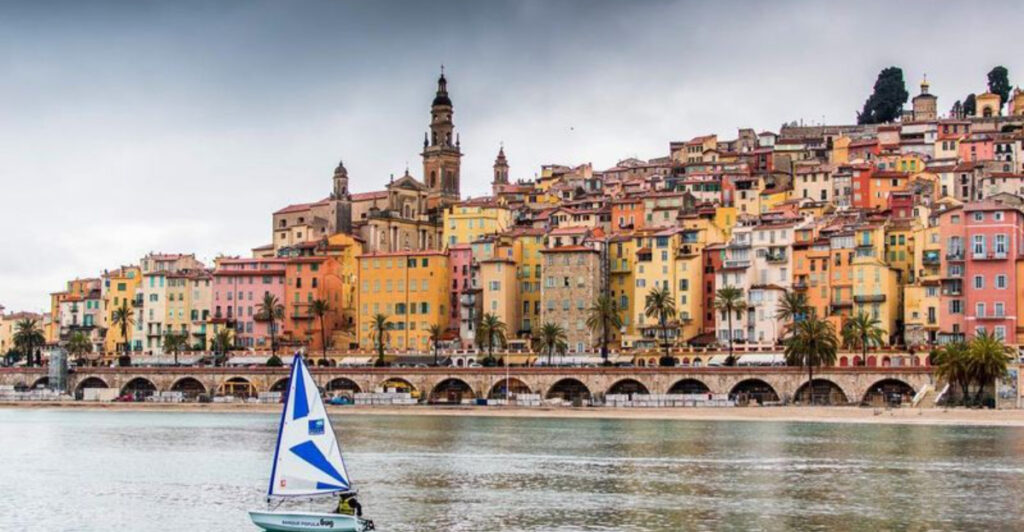
Europe is one of the few places on Earth where you can have breakfast in one country, lunch in another, and dinner in a third without ever boarding a plane. Thanks to open borders and compact geography, a handful of spots across the continent make three-country days not just possible but genuinely enjoyable.
Whether you are road-tripping through the Alps, cycling along a river valley, or hopping a train along the Mediterranean coast, these destinations turn border-crossing into an adventure of its own. From the famous tripoint hill near Vaals to the sun-drenched Riviera near Menton, each location on this list offers a different flavor of that rare European experience.
Pack your bag light, charge your phone for maps, and get ready to collect three passport stamps before the sun goes down.
Basel, Switzerland
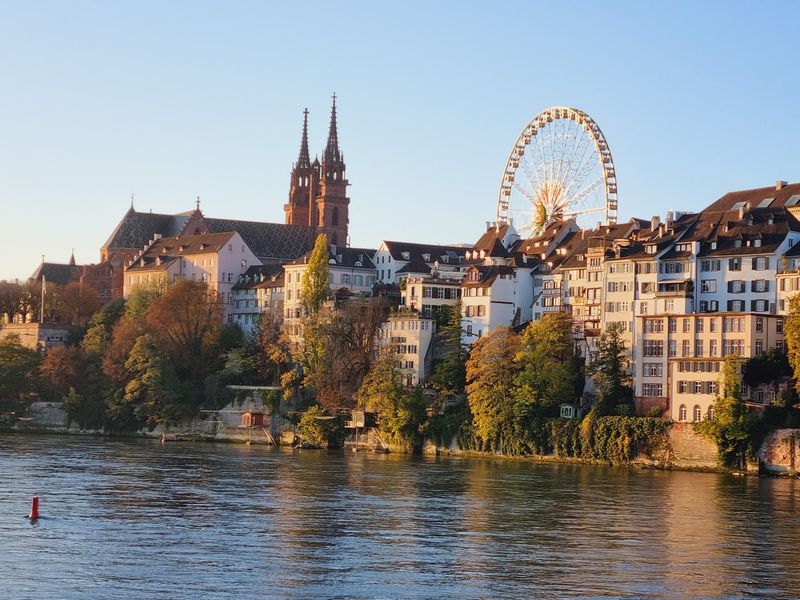
Few cities in Europe can claim what Basel pulls off on a regular Tuesday. At the Dreiländereck along the Rhine, Switzerland, France, and Germany meet at a single riverbank point, and the Three Countries Bridge connects the German town of Weil am Rhein with the French village of Huningue just a short walk away.
Start your morning with a walk through Basel’s well-preserved Old Town, where medieval fountains and painted facades line the streets near the cathedral. From there, cross into Germany on foot or by tram and continue over the pedestrian bridge into France before lunchtime.
Switzerland Tourism promotes a cross-border hiking route that officially links all three nations, so walkers have a structured option beyond just a quick border peek. For travelers wanting a fuller itinerary, the French town of Saint-Louis adds a comfortable extra stop without stretching the day too thin.
Vaals, Netherlands
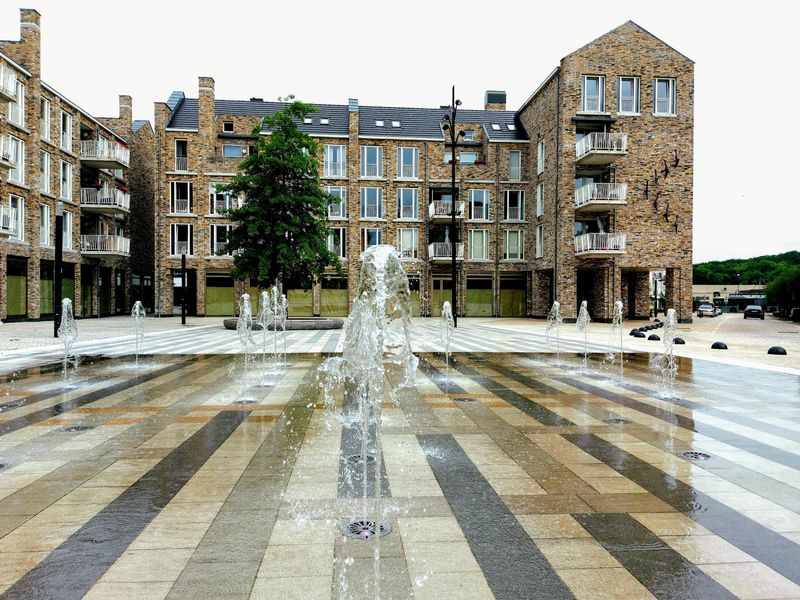
At the top of Vaalserberg, the highest point in the Netherlands, three countries share a single hilltop. The Drielandenpunt marks the exact spot where the Netherlands, Belgium, and Germany converge, and local tourism officials have built a proper destination around it, complete with walking routes, attractions, and signage in multiple languages.
The logistics here are about as simple as three-country travel gets. You can start in the Netherlands, step into Belgium around the tripoint marker, and continue toward Aachen in Germany, all within a compact area that requires no highway driving or lengthy planning.
Aachen itself is worth the short drive for its stunning cathedral, which is a UNESCO World Heritage Site and one of the oldest in Northern Europe. The whole circuit feels more like a scenic walk than a border-crossing mission, which is exactly what makes this one of the continent’s most approachable three-country days.
Schengen, Luxembourg
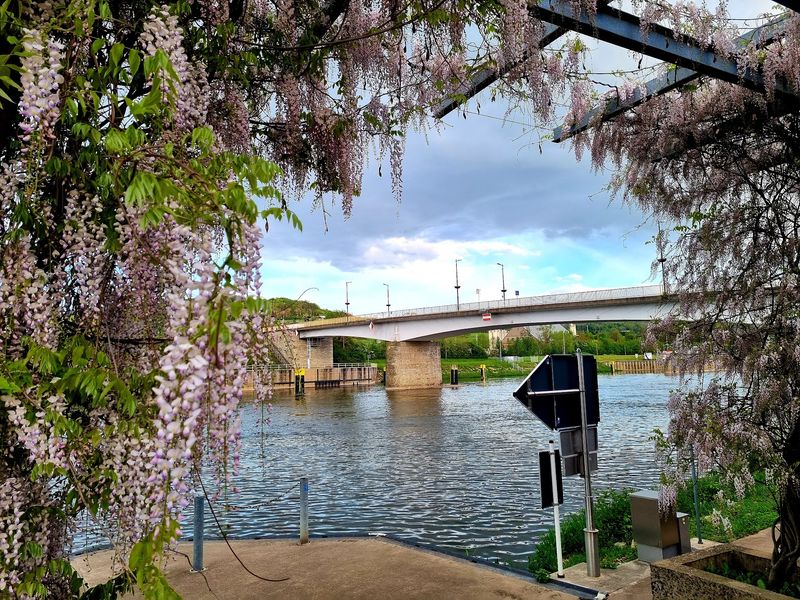
The name Schengen carries more weight than most people realize. This quiet Luxembourg wine village along the Moselle River is where the famous Schengen Agreement was signed in 1985, effectively opening borders across much of Europe.
Visiting it feels like standing at the origin point of modern European travel freedom.
The practical side of a day trip here is equally appealing. Visit Luxembourg promotes a 7.71-kilometer Schengen Borderless hiking loop with access points in Luxembourg, Germany, and France, making it one of the rare three-country itineraries that comes with an officially marked trail rather than a self-planned route.
Spend part of your morning exploring the village and the European Museum of Schengen, then cross the Moselle River to Perl in Germany and continue into France near Contz-les-Bains. The Moselle Valley scenery, with its terraced vineyards and calm river views, makes the journey between borders genuinely pleasant rather than just logistically satisfying.
Bratislava, Slovakia
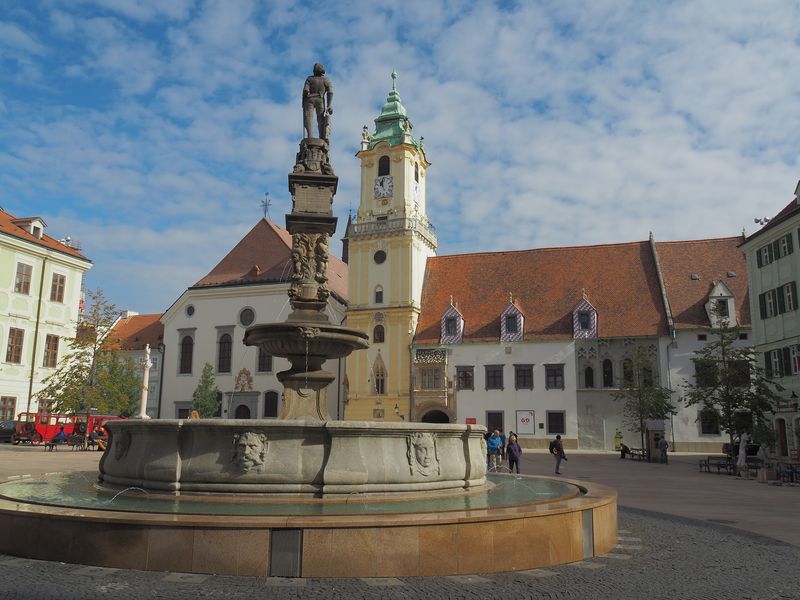
Bratislava holds a geographic advantage that no other European capital can quite match. Positioned within a short distance of both Austria and Hungary, the city’s official tourism organization markets it directly as a Three Countries, One Destination experience, which tells you everything about how seriously locals take this cross-border opportunity.
After exploring Bratislava Castle and the charming cobblestone streets of the Old Town, travelers can head west toward Vienna in Austria before turning south toward Hungary. The three-country border area is also accessible by bicycle or on foot through the city’s southern outskirts, which keeps the itinerary flexible for different travel styles.
Vienna is only about 60 kilometers away, and Györ in Hungary is reachable within a similar range. For anyone building a Central European road trip, Bratislava works as a natural hub rather than just a stopover, giving the whole day a sense of purpose beyond simply collecting border crossings.
Bregenz, Austria
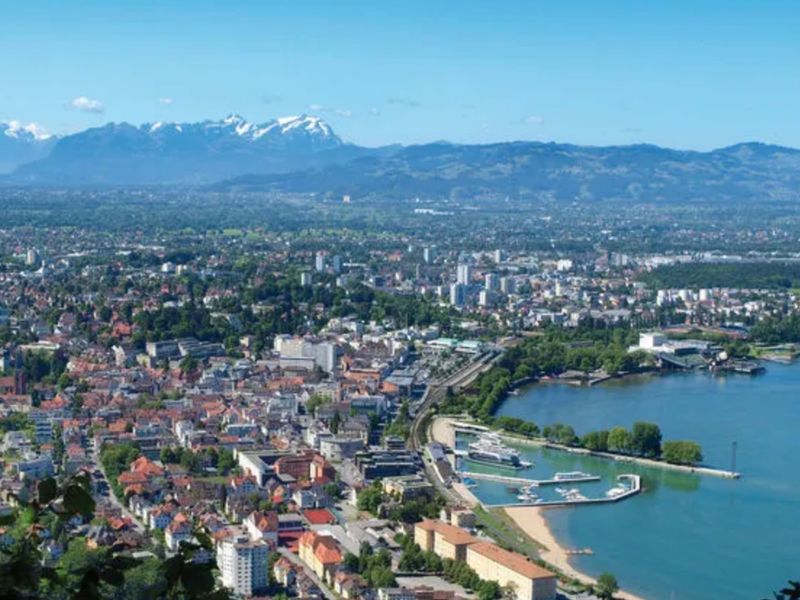
Lake Constance is one of Europe’s most quietly spectacular international lakes, and Bregenz sits right on its Austrian shore. Germany, Austria, and Switzerland all share the lake’s coastline, and the regional transportation network makes moving between all three countries surprisingly straightforward even without a rental car.
Bregenz Tourism promotes a three-country city-hopping experience connecting Bregenz in Austria, Constance in Germany, and St. Gallen in Switzerland using trains, bicycles, and seasonal boat services. That combination of transport options means you can tailor the day to your pace, whether you prefer a leisurely lake cruise or a faster train connection between stops.
A summer itinerary works particularly well here. An Austrian breakfast with a view of the water, a midday visit to Constance’s medieval old town, and a Swiss dinner in St. Gallen create a natural rhythm that feels less like a border-hopping challenge and more like a well-designed regional tour worth repeating.
Feldkirch, Austria
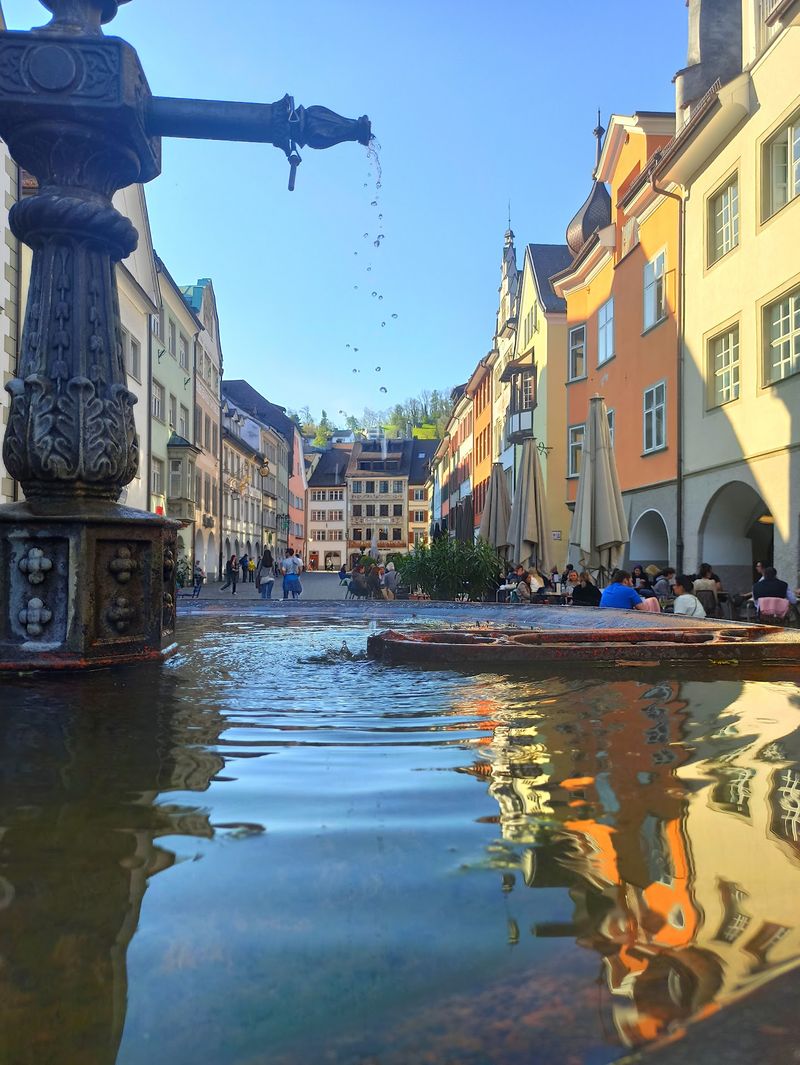
Western Austria’s Feldkirch often gets overshadowed by Bregenz, but it has its own compelling three-country claim. Instead of Germany, the third country here is Liechtenstein, one of only two doubly landlocked nations in the world and a destination many travelers never think to visit on its own.
Vorarlberg tourism maintains an official 29.7-kilometer cycling route that forms a circular tour through Austria, Liechtenstein, and Switzerland, with an estimated riding time of around five and a half hours. That schedule leaves a comfortable window to explore Feldkirch’s medieval center, including the well-preserved Schattenburg Castle, before setting off.
The route follows the Rhine Valley, which keeps the terrain manageable even for casual cyclists. Crossing into Liechtenstein’s capital Vaduz and continuing into the Swiss Rhine Valley gives the ride a satisfying variety of small-town character and open countryside.
For cyclists looking for a structured cross-border adventure, this route is genuinely one of the best-organized options in Central Europe.
Zittau, Germany
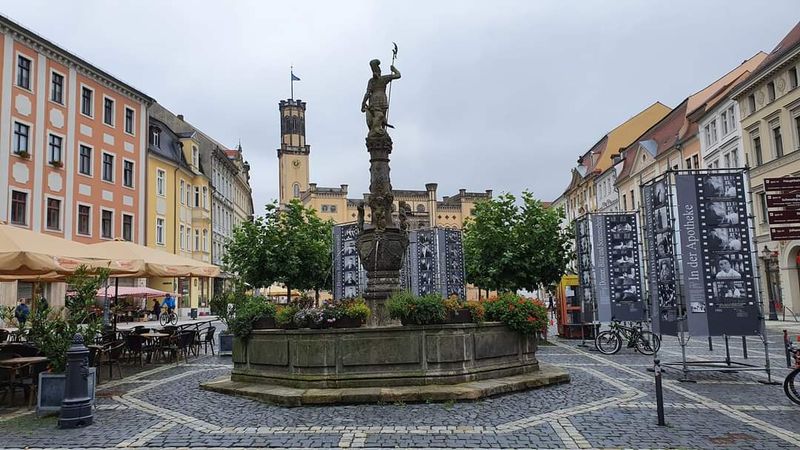
Germany’s southeastern tip is easy to overlook on a map, but Zittau earns its place on this list with a geography that almost seems designed for three-country travel. Saxony’s official tourism organization describes Zittau as standing at the meeting point of Germany, Poland, and Czechia, three distinct Central European cultures packed into a remarkably small area.
The nearby tripoint connects Zittau’s surrounding region with Hrádek nad Nisou in Czechia and the Polish district of Bogatynia. Regional tourism actively promotes the Border Tripoint as a place where visitors can move among all three countries within a short walk or drive, making it one of the most accessible tripoints on the continent.
Zittau itself rewards a longer look before the border-hopping begins. The town’s baroque market square and the famous Zittau Lenten Veil, a rare medieval textile artwork displayed in the city’s museum, give the stop cultural weight beyond its geographic novelty.
Central Europe rarely feels this compact or this varied.
Andorra la Vella, Andorra
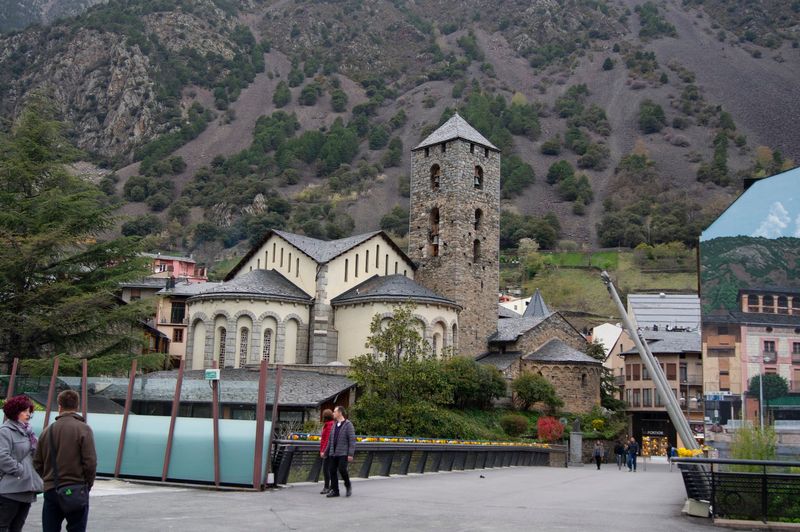
Andorra is one of Europe’s smallest countries, and its entire existence is built around being wedged between Spain and France in the Pyrenees. That geography makes three-country travel not just possible but practically automatic for anyone passing through.
Andorra’s official tourism site confirms that border crossings with both Spain and France are open 24 hours a day, which removes one of the most common logistical headaches of multi-country itineraries. A car gives you the most flexibility because the mountain roads between countries are not always served by public transport on convenient schedules.
The recommended route starts in Spain, climbs into Andorra la Vella for a few hours of exploring the compact capital and its surrounding mountain scenery, then continues north through the Pas de la Casa mountain pass and crosses into France. The Pyrenean landscape throughout the drive is dramatic enough to make the journey itself a highlight, not just the border count.
Menton, France
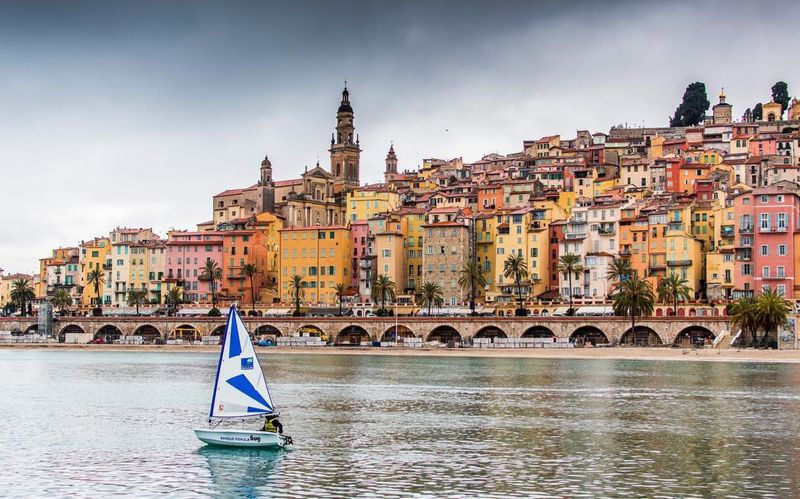
Menton sits at the far eastern edge of the French Riviera, close enough to the Italian border that you can practically see both countries from the same hilltop. The Menton Riviera tourism authority describes its territory as stretching along the borders of both Italy and the Principality of Monaco, which sets up one of the Mediterranean’s most scenic three-country days.
Begin with Menton’s colorful old town, where the Basilica of Saint-Michel Archange overlooks a waterfront lined with lemon trees, then continue into Italy for lunch around Ventimiglia’s market or old quarter. From there, heading west toward Monaco keeps the distances short and the scenery consistently impressive along the coastal road.
The train connection along this stretch of coastline is excellent, making it one of the few three-country itineraries that works just as well without a car as with one. Travelers who prefer a slower pace can reverse the route and end the day watching the sun set over Menton’s bay.
Strasbourg, France
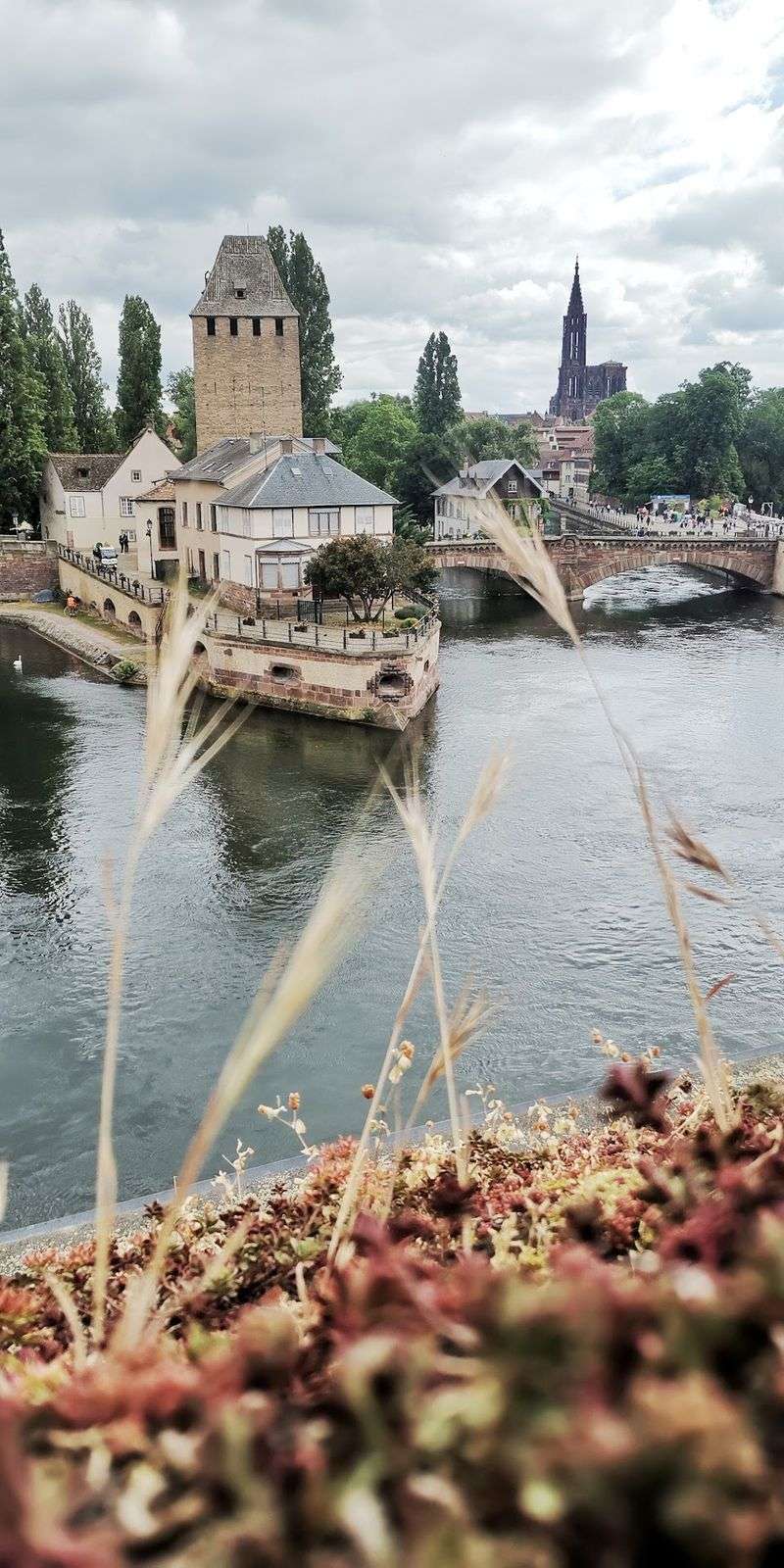
Strasbourg already has one foot in Germany by design. The city’s tram system crosses the Rhine River directly into Kehl, Germany, making it one of the only places in Europe where an urban public transit line serves as an international border crossing.
Strasbourg Tourism actively recommends visiting Kehl as part of a day out from the French side.
Adding Switzerland turns the itinerary into a proper three-country day. Basel is connected to the Alsace region by rail, and a route combining Strasbourg, Kehl, and Basel is realistic for travelers willing to start the morning early and keep the schedule moving.
Breakfast beneath the towering Gothic spire of Strasbourg Cathedral, a midmorning walk across the Rhine into Germany, and an afternoon beside the river in Basel make for a day with strong visual variety. The Alsatian architecture in Strasbourg alone is worth the trip, even before the border-crossing begins.
This itinerary rewards early risers.
Innsbruck, Austria
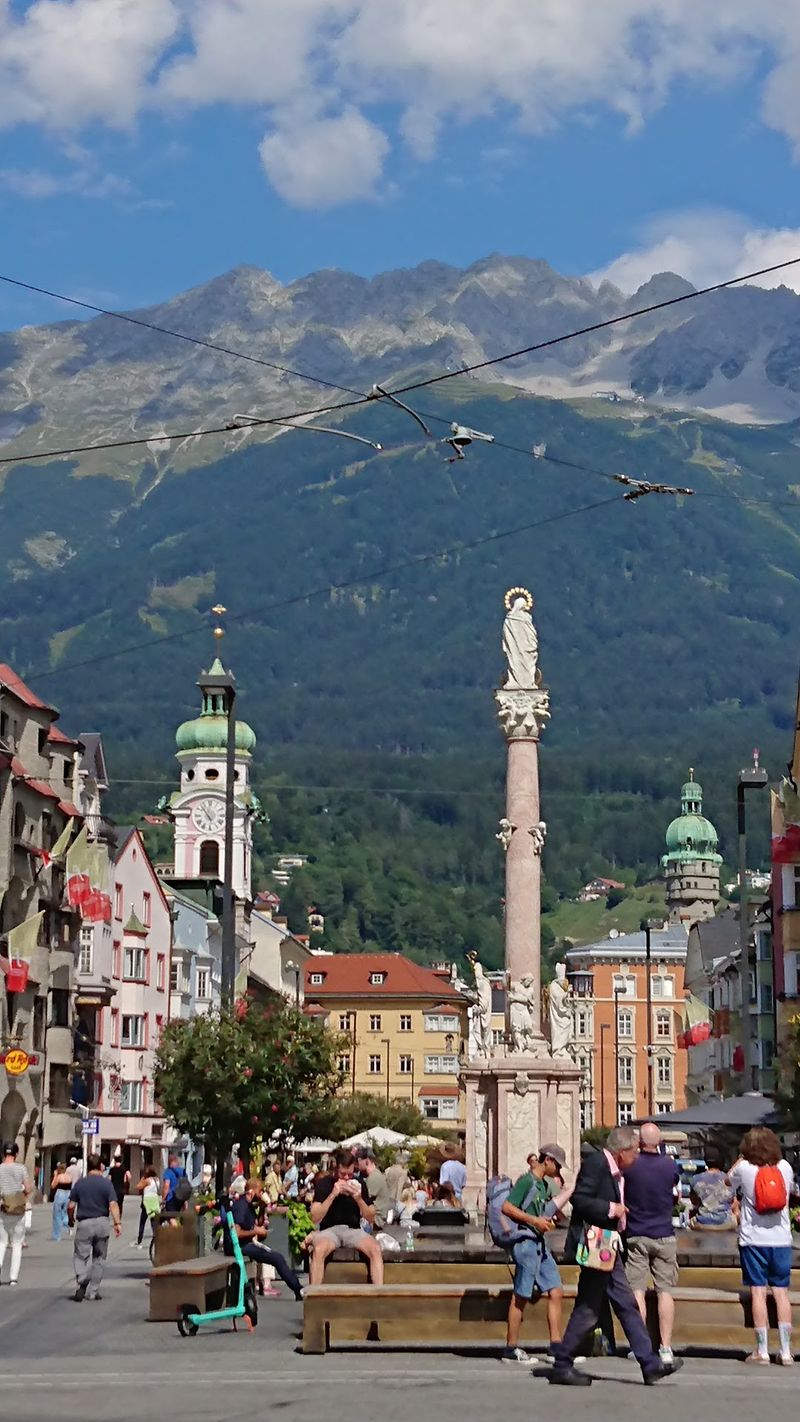
Innsbruck’s position deep in the Austrian Alps might seem like it would limit border-hopping options, but the opposite turns out to be true. The city’s official tourism organization notes that destinations beyond Austria’s borders can be reached within a few hours, and both Germany and Italy are genuinely accessible for a structured day trip.
For a dedicated three-country drive, the route begins with Innsbruck’s own historic old town, including the famous Golden Roof and the Imperial Palace. From there, heading north across the Austrian-German border toward Bavaria opens up the Bavarian Alps before turning south through Tyrol and crossing the Brenner Pass into Italy.
The Brenner Pass is one of the most historically significant mountain crossings in Europe, used by traders, armies, and travelers for centuries. The drive requires more commitment than the flat tripoint options at Basel or Vaals, but the alpine scenery and cultural range across all three countries make the effort feel completely worthwhile on a clear day.
Trieste, Italy
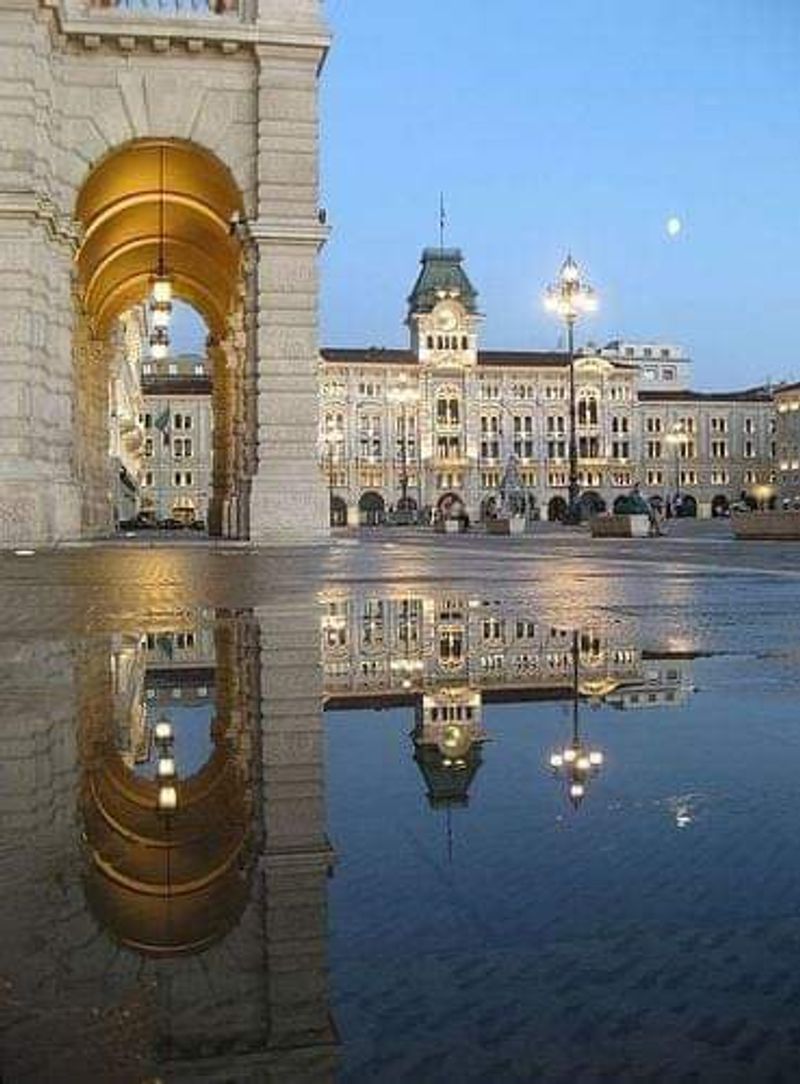
Trieste occupies Italy’s far northeastern corner with an energy that feels distinctly different from the rest of the country. Its history as a major Habsburg port city left it with Central European architecture, a multilingual tradition, and a geographic position that puts Slovenia immediately beside it and Croatia just beyond Slovenia’s short Adriatic coastline.
The Italian region of Friuli Venezia Giulia actively promotes cross-border tourism, including hiking and cycling trails linking the Trieste area with neighboring Slovenia’s Karst plateau. That makes the transition from Italy into Slovenia feel like a natural extension of the landscape rather than an abrupt change.
A road trip can begin with coffee in historic Trieste at one of its legendary cafes, cross into Slovenia around the Karst or coastal region, and continue south to Croatia’s Istrian Peninsula. The Istrian coast offers Roman ruins, hilltop medieval towns, and Adriatic views that give this particular three-country itinerary a depth that purely border-marker trips rarely match.
Geneva, Switzerland
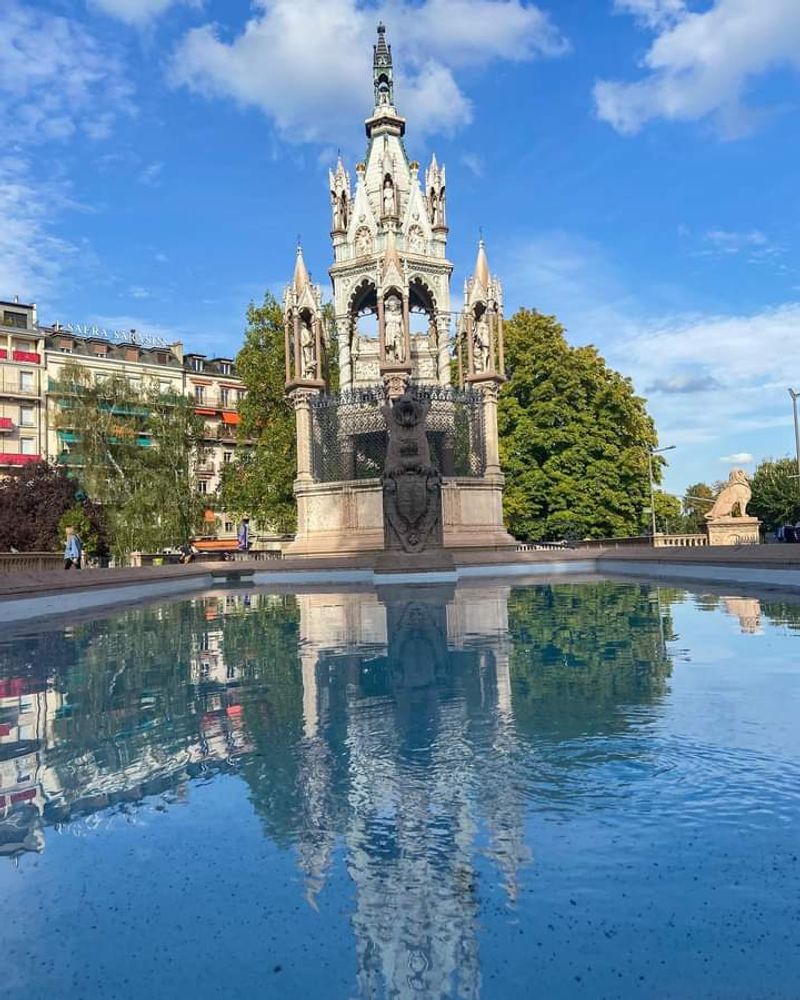
Geneva practically overlaps with France. The city is almost entirely surrounded by French territory, which means crossing one border here takes almost no effort at all.
Italy requires a longer drive, but the Mont Blanc corridor through the Alps makes all three countries possible within a single ambitious day.
The recommended route starts beside Lake Geneva, heads into France toward Chamonix beneath the massive north face of Mont Blanc, and continues through the mountain road toward Courmayeur in Italy’s Aosta Valley. The tunnel under Mont Blanc connects France and Italy directly, cutting travel time significantly compared to going around the massif.
Unlike the compact tripoint loops around Basel or Vaals, this itinerary is genuinely about the journey itself rather than the border count. Alpine valleys, enormous peaks, and three distinct national cultures create a day that feels more like a proper mountain expedition.
It is one of the most visually dramatic ways to experience three European countries before nightfall.
Share this story