The Mediterranean coastline is one of those places that makes you question why you ever vacation anywhere else. From cliffs dropping straight into electric-blue water to ancient towns where fishing boats bob beside Roman ruins, this region packs more beauty into one sea than most continents manage across thousands of miles.
Whether you crave hidden coves, volcanic beaches, or walled medieval towns perched above the waves, the Mediterranean delivers in spectacular fashion. These 15 destinations each bring something genuinely special to the table, and any one of them could anchor the trip of a lifetime.
Amalfi Coast, Italy
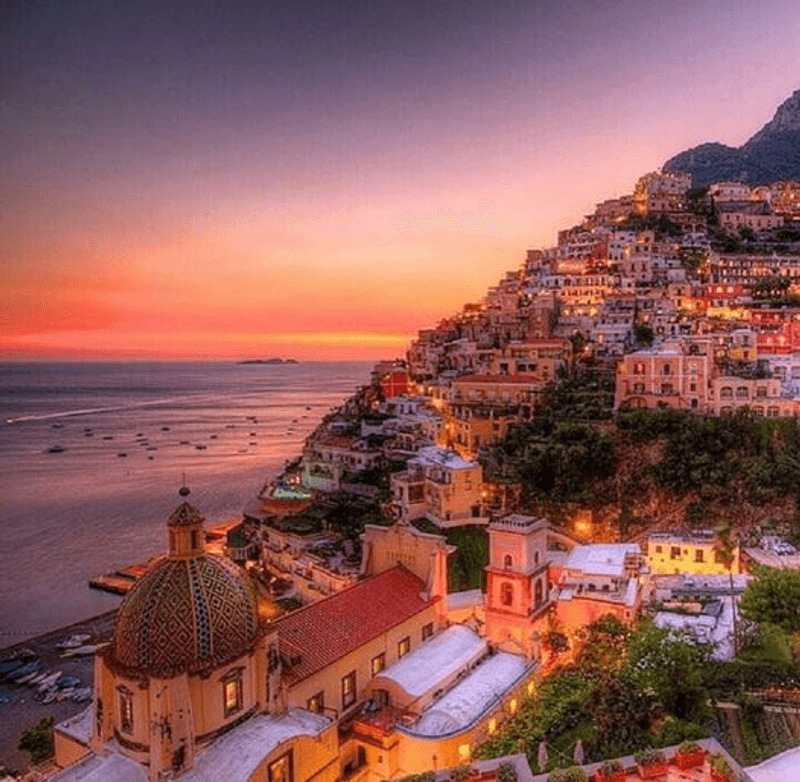
Standing on the Amalfi Coast feels like the landscape is showing off on purpose. Mountains plunge directly into the Tyrrhenian Sea, and villages like Positano cascade down slopes that look structurally impossible.
The UNESCO-listed coastline stretches across 16 communities, each with its own personality.
Positano delivers the iconic image: houses stacked in pastel layers above Marina Grande, with boats dotting the bay below. Fornillo Beach offers a calmer swimming experience just a short walk from the crowds.
Small boats can reach the nearby Li Galli islands, which feel almost entirely removed from the tourist circuit.
Beyond Positano, towns like Atrani, Cetara, and Ravello reveal quieter, more authentic versions of coastal Italian life. The Path of the Gods hiking trail rewards walkers with the kind of elevated perspective that explains this coastline’s global fame.
Yes, it gets crowded, and yes, prices climb accordingly. The scenery is so relentlessly dramatic that most visitors immediately forgive both complaints.
Book accommodations early, explore on foot wherever possible, and let the cliffs do the rest.
Milos, Greece
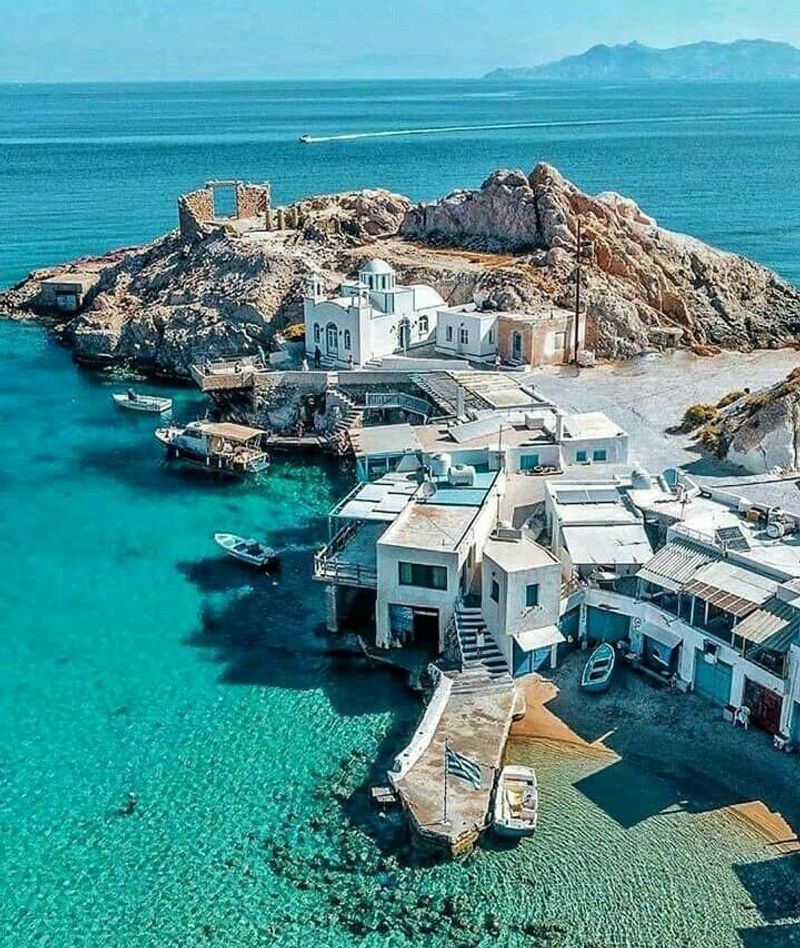
Santorini collects the postcards, but Milos quietly steals the show for anyone who actually visits. This volcanic Cycladic island sits in the southwestern Aegean and offers more than 70 beaches, each shaped by different geological forces working over millions of years.
White, red, yellow, black, and grey rock formations create a coastline that looks almost painted.
Sarakiniko is the beach most people cannot stop photographing. Smooth white volcanic formations curve around impossibly blue water, creating a scene that genuinely resembles a moonscape transplanted to the Mediterranean.
Kleftiko adds sea caves, rock arches, and pale towers best explored by boat or kayak.
Tsigrado hides beneath cliffs and requires a short rope descent to reach the sand below, which naturally keeps the crowd manageable. Fyriplaka brings bold colorful rock walls, while Paleochori sits above geothermally heated sand.
Milos works particularly well for travelers who enjoy spending each day discovering a completely different type of beach. Pack snorkeling gear, hire a boat for at least one day, and give yourself enough time to work through the list properly.
Formentera, Spain
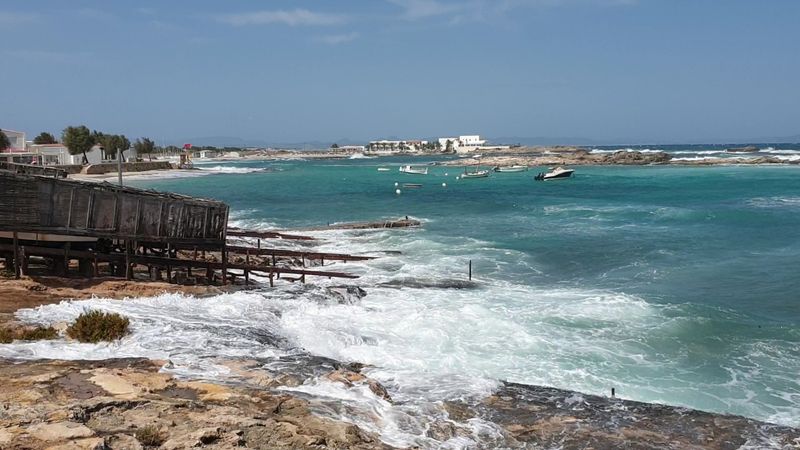
The water at Ses Illetes is so transparent that boats appear to hover in mid-air above the sandy bottom. Formentera, Spain’s smallest major Balearic island, consistently produces this effect, and it never gets old.
The island combines fine white sand, low-rise development, pine and juniper landscapes, and shallow turquoise water that would look at home in the Caribbean.
Cala Saona tucks into the western coastline with calm water and a relaxed atmosphere, while Es Migjorn stretches along the southern shore with more space and slightly fewer visitors. Caló d’Es Morts rewards those willing to walk a little farther from the nearest parking area.
Formentera has no airport, which is actually one of its best qualities. Most visitors arrive by ferry from Ibiza, and that short crossing on the water sets the mood immediately.
Once on the island, cycling the flat terrain makes more sense than renting a car. More than 30 marked natural routes connect beaches, salt flats, and viewpoints across an island that takes roughly 20 kilometers to cross end to end.
The slight inconvenience of getting there is precisely what keeps Formentera feeling so wonderfully unhurried.
Bay of Kotor, Montenegro
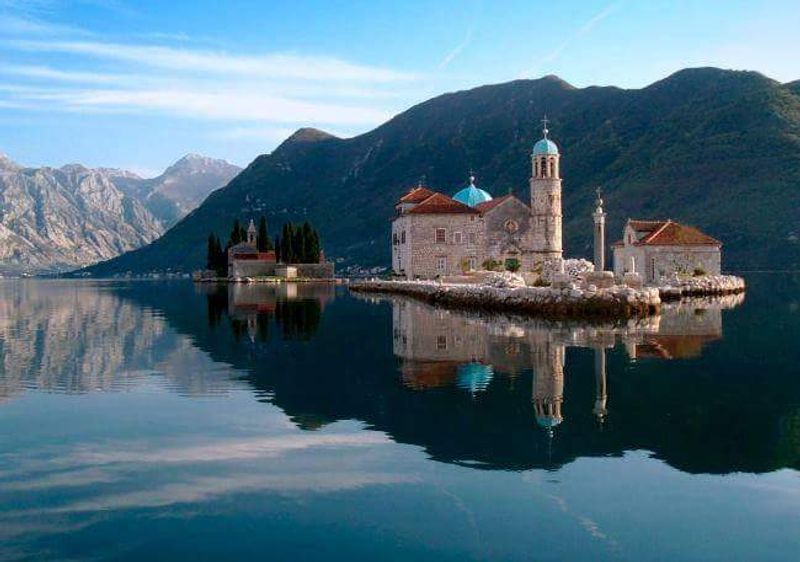
Imagine the Adriatic Sea squeezing between steep mountain ranges until it forms something that looks more like a Norwegian fjord than a Mediterranean bay. That is essentially what happened at Boka Kotorska, and the result is one of the most dramatically enclosed coastal landscapes in all of Europe.
Montenegro’s tourism authority counts more than 105 kilometers of shoreline within the bay alone.
Kotor itself earns most of the attention, with medieval walls, stone churches, narrow lanes, and a fortress climb that delivers panoramic views over the rooftops and water below. Perast, a few kilometers along the shore, may actually be the more photogenic stop.
Its handful of old palaces and churches face the tiny islands of St. George and Our Lady of the Rocks directly offshore.
Boat trips from Kotor reach sea caves, old submarine tunnels from the Second World War, and swimming spots accessible only from the water. The sheltered bay suits kayaking and sailing particularly well, since waves rarely build to the heights found on open coastlines.
Afternoon light turns the limestone slopes golden, and the whole scene shifts into something that feels almost cinematic. Montenegro remains one of the Adriatic’s most underrated destinations.
Southern Corsica, France
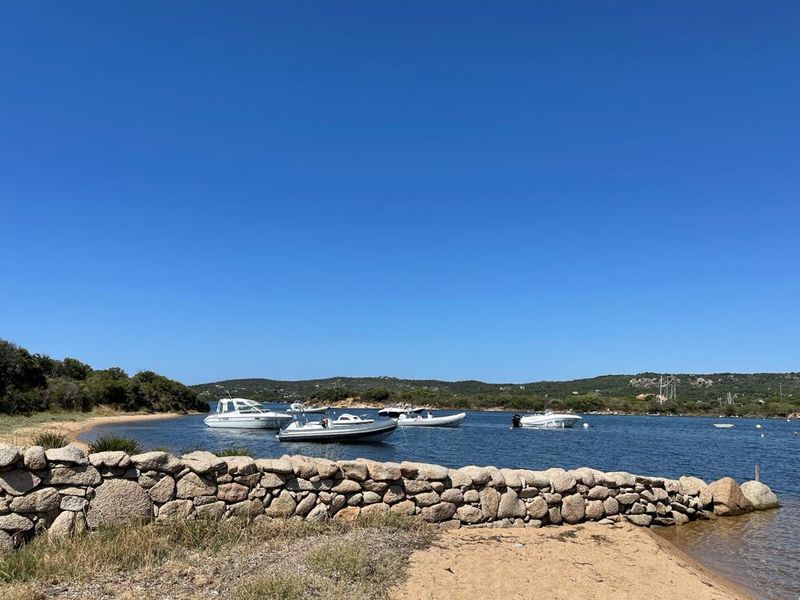
Corsica contains enough geographic variety to qualify as several different destinations packed onto one island. The southern section, anchored by Bonifacio and Porto-Vecchio, delivers the version that tends to produce immediate vacation envy in anyone scrolling through travel photos online.
Bonifacio sits on white limestone cliffs so vertical they look digitally enhanced.
The Lavezzi archipelago, reachable by boat from Bonifacio, combines sandy beaches, granite boulders, protected marine landscapes, and remarkably clear water in a setting that feels genuinely remote. Around Porto-Vecchio, beaches like Palombaggia and Santa Giulia bring fine white sand, pine trees framing the water, and mountain backdrops that add an extra visual layer to every view.
Western Corsica adds a completely different kind of drama. The Gulf of Porto, listed by UNESCO, includes the red-rock Calanques de Piana and Scandola Nature Reserve, where volcanic cliffs drop toward dark water and boat access is the only way in.
France’s tourism authority counts more than 1,000 kilometers of varied coastline around the island. Corsica is one of those rare places where the drive between beaches competes with the beaches themselves for sheer scenic impact.
Allow at least a week to begin doing it justice.
Hvar, Croatia
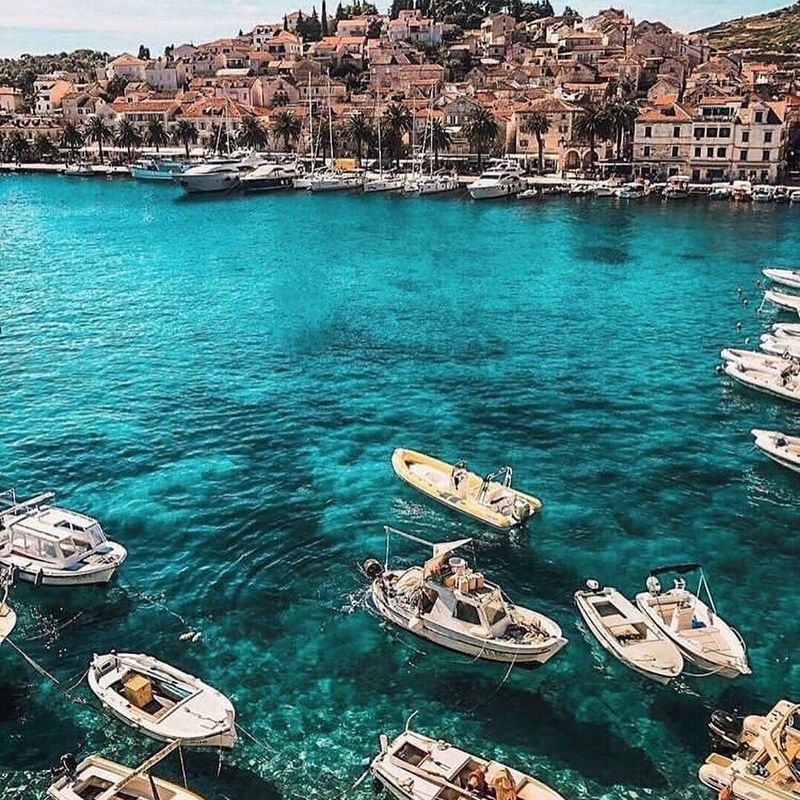
Hvar Town has a Venetian main square, a fortress on the hill, and a waterfront that fills with boats each summer evening in a way that feels equal parts glamorous and genuinely Adriatic. But the island’s most beautiful secret sits just offshore.
A quick taxi-boat ride deposits visitors among the Pakleni Islands, a chain of wooded islets with sheltered bays, rocky swimming spots, and water so clear it seems almost unfair.
Palmizana is the most established stop, with a small beach, a restaurant, and pine shade. Mlini and Zdrilca offer turquoise water with fewer people competing for the same square meter of shoreline.
The crossing from Hvar Town takes roughly 10 to 20 minutes depending on which island you are targeting.
Back on the main island, Dubovica sits beneath steep southern slopes with a pebble beach and a single old stone house that appears in almost every photograph taken there. Lucisce provides another quieter alternative on the western end.
Hvar also produces wine, olive oil, and lavender, so days not spent swimming can be spent exploring inland villages and tasting local products. The island somehow manages to suit both party-focused summer visitors and travelers seeking a quieter Adriatic escape simultaneously.
Costa Brava, Spain
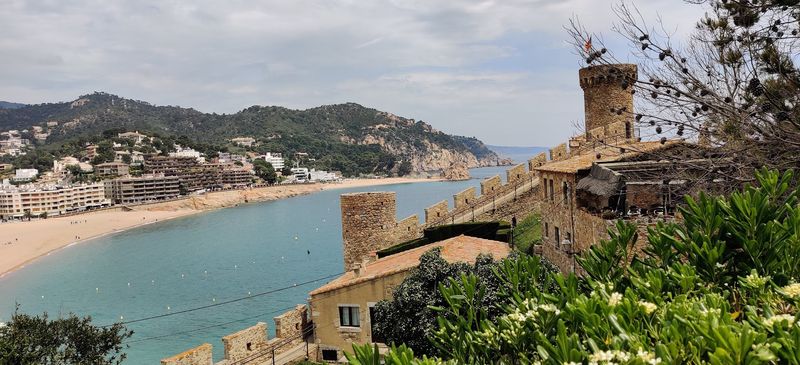
“Rugged coast” is not a marketing invention. Costa Brava earns its name across more than 200 kilometers of Catalonian shoreline where rocky headlands interrupt golden beaches, pine forests drop toward hidden coves, and medieval fishing villages like Cadaques sit behind hills that kept them isolated for centuries.
The variety here is genuinely exceptional.
Around Begur, Aiguablava sits inside a wooded bay with shallow turquoise water and a calm atmosphere that feels a world away from the larger resort towns. Farther north near Cap de Creus, small coves expose a rawer, more windswept version of the Mediterranean.
Calella de Palafrugell preserves its fishing-boathouse character along a particularly pretty stretch of waterfront.
The Cami de Ronda is the real secret weapon. This historic coastal path network connects beaches, cliffs, villages, and viewpoints along much of the Costa Brava, allowing walkers to move between coves that cars cannot reach.
Tossa de Mar adds medieval walls rising directly above the sea, making the town feel like a film set that accidentally became real. The approach of exploring several different coves over multiple days consistently outperforms the strategy of planting a towel in one spot for a week.
The next headland almost always hides something worth finding.
Menorca, Spain
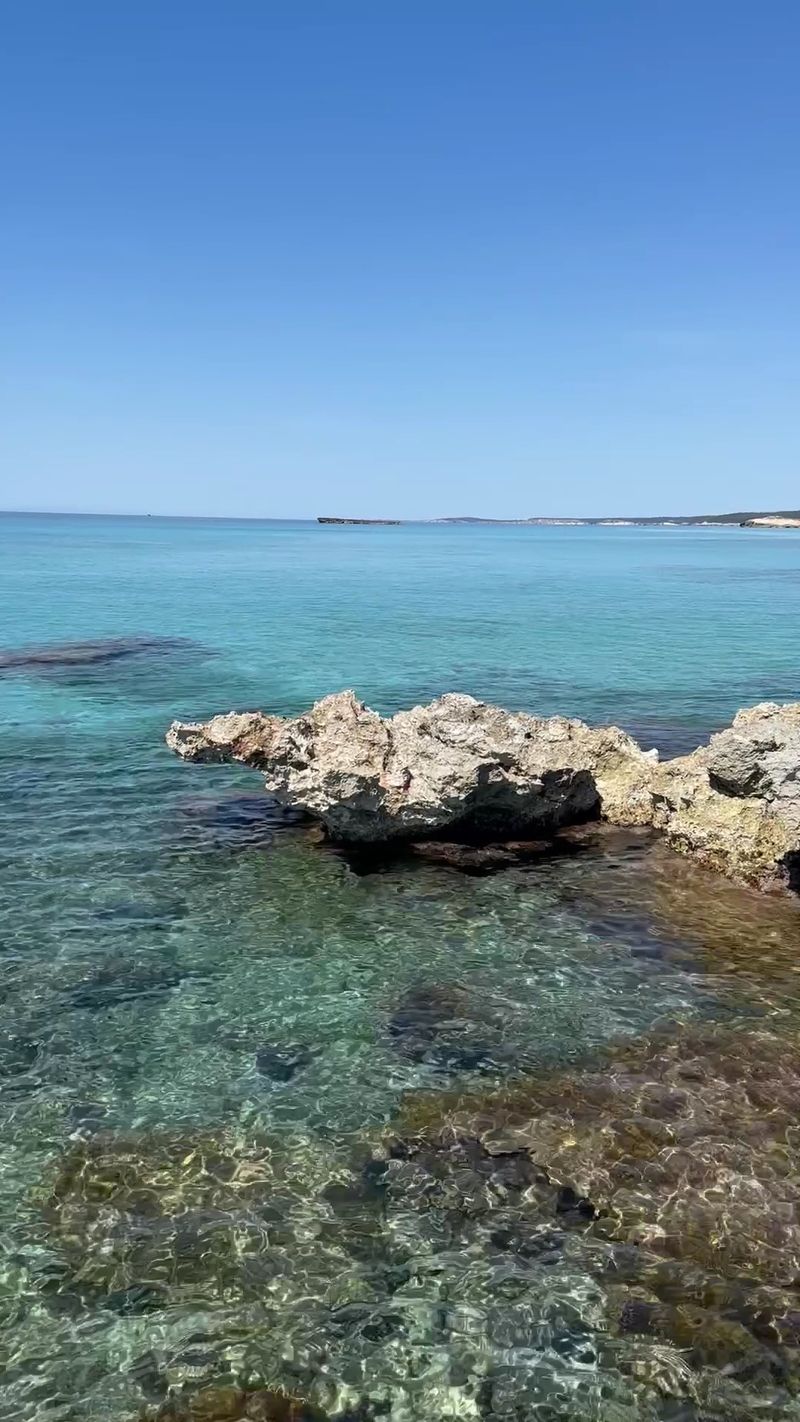
Menorca operates on a slightly different frequency from its Balearic neighbors. Where Ibiza amplifies everything and Mallorca offers something for everyone, Menorca leans toward wild coastlines, protected natural landscapes, and beaches that require actual effort to reach.
That effort pays off spectacularly at coves like Cala Turqueta, Macarella, and Macarelleta.
Cala Turqueta sits inside a narrow bay surrounded by thick pine forest and fine white sand, with water so clear that the sandy bottom is visible at surprising depths. Macarelleta requires walking a short trail beyond larger Macarella, which naturally keeps the smaller cove from reaching the same visitor numbers.
Both are genuinely beautiful in a way that photographs struggle to fully capture.
Northern Menorca presents a completely different landscape, with darker rock, wilder beaches, and none of the sheltered turquoise coves found in the south. That contrast is one of the island’s strongest qualities as a destination.
Biosphere Reserve status since 1993 has helped Menorca protect a coastline that might otherwise have been developed into something far less interesting. Spend a morning at a southern cove, an afternoon walking the northern coast, and an evening at Ciutadella harbor.
Few Mediterranean islands pack that much variety into one day.
Santorini, Greece
Santorini is not beautiful in a conventional beach-paradise way. Its beauty is stranger, darker, and considerably more interesting than that.
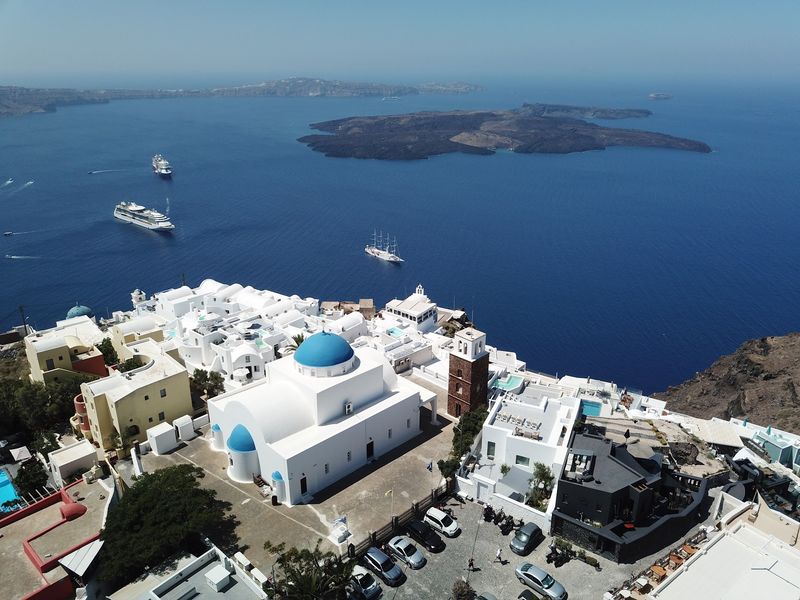
The island’s violent volcanic history created a landscape of black and red beaches, enormous caldera cliffs, and whitewashed villages balanced on crater edges above water that plunges to extraordinary depths. There is genuinely nothing else like it in the Mediterranean.
Oia and Fira occupy the caldera rim with narrow lanes, cave houses carved into the rock, and views across toward the active volcano and the island of Thirasia. Ammoudi sits directly below Oia with fishing boats, seafood restaurants, and swimming from the rocks.
Koloumbos and Baxedes on the northern coast offer a quieter alternative to the southern beaches.
Santorini’s summer crowds are real and should be planned around rather than ignored. Arriving a day before or after the main cruise ship schedule, exploring before 10am, and staying at least two nights all help enormously.
The volcanic geology is fascinating enough to justify treating the island as a science lesson as much as a scenic backdrop. Perissa and Perivolos add long stretches of black sand beach for those who want to actually swim rather than simply photograph the caldera from above.
Gozo and Comino, Malta
Malta tends to get overshadowed by its larger Mediterranean neighbors, which is genuinely puzzling given what its smaller islands offer. Gozo moves at a slower pace than the main island, with salt pans still harvested by hand, rocky coastal inlets like Wied il-Ghasri revealing a dramatic rugged side, and Ramla l-Hamra providing a sandy beach backed by red-brown sand dunes.
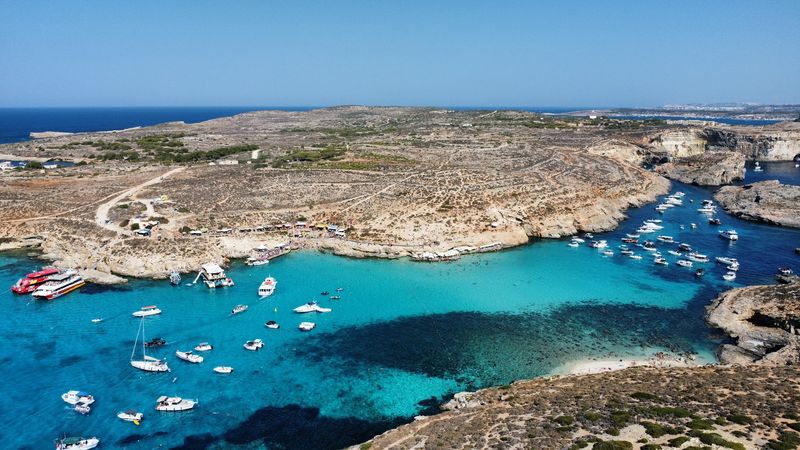
Tiny Comino, sitting between Gozo and the main island, contains almost no permanent population and one extraordinary attraction. The Blue Lagoon earns its reputation through shallow, intensely turquoise water between Comino and the uninhabited islet of Cominotto.
Snorkeling here reveals an underwater landscape as impressive as anything visible from the surface.
The Blue Lagoon’s popularity has created genuine pressure on the site during peak summer months. Malta now promotes a visitor management system, so anyone planning a trip in 2026 should check current access requirements and booking procedures before assuming a casual day trip will work.
The smarter approach is basing yourself on Gozo, where quiet mornings at the salt pans or coastal walks feel completely removed from any tourist rush. Comino then becomes one excellent afternoon excursion rather than the sole reason for the journey.
Kas and Kekova, Turkiye
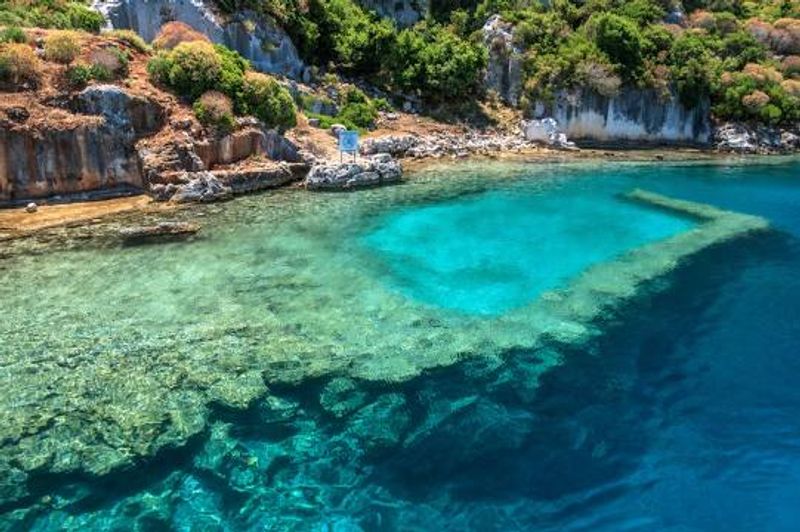
History and swimming rarely combine this naturally anywhere else on the Mediterranean. Kas is a relaxed coastal town in southwestern Turkiye surrounded by mountains, coves, and a diving scene that consistently ranks among the country’s best.
Kaputas Beach, a short drive from town, sits at the base of a steep gorge where turquoise water meets golden sand in a setting that feels almost theatrical.
Kekova takes things up a level. Boats and kayaks travel above the partially submerged ruins of an ancient Lycian settlement, where stone walls and staircases disappear beneath the surface in water clear enough to see every detail.
The surrounding coastline is lightly developed, mountainous, and genuinely beautiful in a way that feels distinct from western Mediterranean resorts.
The wider Blue Voyage route connecting Kas with Kekova, Kalkan, and Patara adds Lycian rock tombs, sea caves, isolated anchorages, and long stretches of coastline with minimal development. Turkiye’s tourism authority highlights this as one of the country’s signature sailing experiences, and the reputation is deserved.
This region suits travelers who find ancient ruins more interesting than beach bars, but who also want water clear enough to see the bottom from a boat ten meters above it. Both requirements are met with ease.
Cassis and the Calanques, France
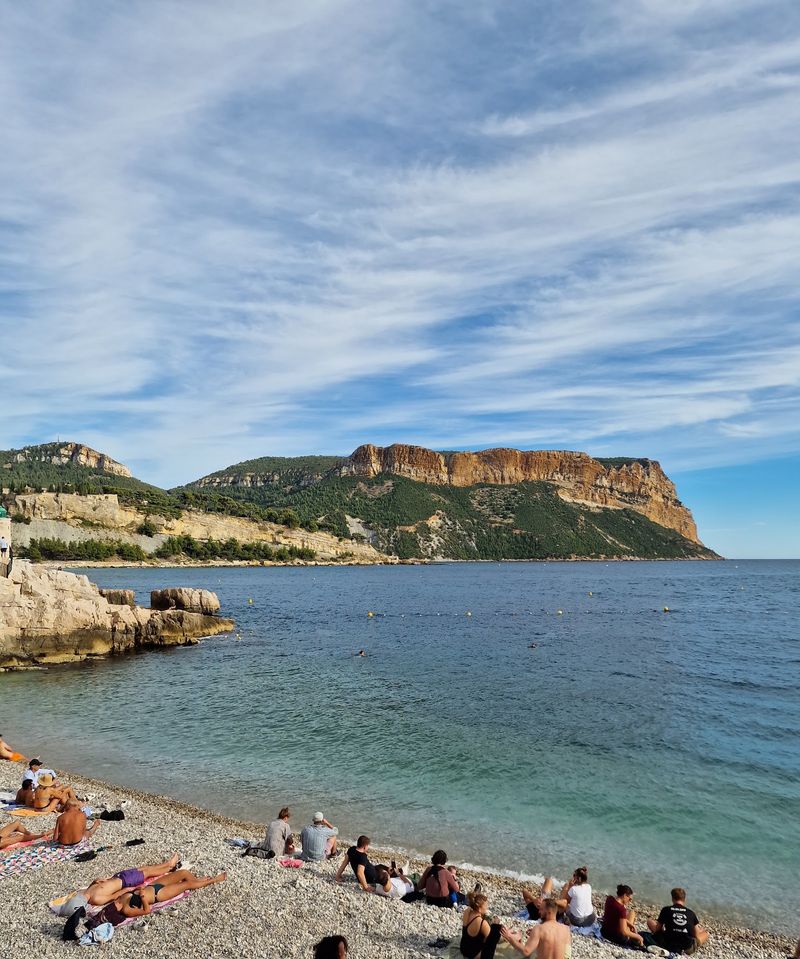
Cassis is the kind of French fishing port that makes visitors immediately start calculating how long they could afford to stay. The small harbor is flanked by pale limestone cliffs, vine-covered slopes producing some of Provence’s most prized white wines, and streets lined with cafes and seafood restaurants.
It is genuinely lovely before you even factor in what lies immediately to the west.
Calanques National Park begins just outside town and extends toward Marseille in a series of narrow rocky inlets carved between white limestone walls. The water inside each calanque shifts between pale green and deep blue depending on depth and light.
Some can be reached on foot via marked trails, while others require a boat or kayak.
Seasonal fire restrictions sometimes close hiking access to the Calanques during dry summer months, so checking current conditions before visiting is essential rather than optional. The marine ecosystems below the waterline are protected alongside the scenery above, making this one of France’s most significant coastal conservation areas.
Cassis itself adds wine tasting, boat tours, and a beach within walking distance of the port. This destination suits travelers who prefer swimming beneath cliffs and hiking above brilliant water to lying on a flat sandy beach for hours at a time.
Mallorca, Spain
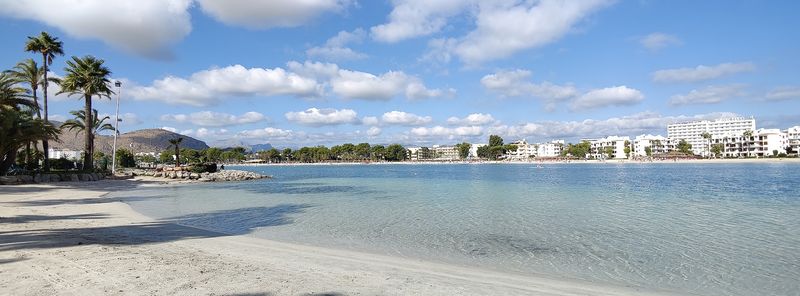
Mallorca has a reputation for mass tourism that obscures how genuinely spectacular parts of the island actually are. Spain’s largest Balearic island contains mountain ranges, historic villages, a sophisticated capital in Palma, and coves where the water is so transparent that boats appear to float above the sandy bottom without any visible means of support.
The variety is almost unfair.
Calo des Moro is the cove that tends to stop people mid-scroll on social media. A narrow rocky inlet opens onto white sand and turquoise water so clear it looks artificially enhanced.
Sa Calobra offers a more dramatic approach, accessible via a spectacular mountain road where the Serra de Tramuntana meets the sea in a setting of considerable grandeur.
Es Trenc heads in the opposite direction, providing a long stretch of pale flat sand and calm shallow water on the southern coast. Mallorca’s strength is that none of these experiences requires sacrificing the others.
A morning at a cove can be followed by an afternoon exploring the backstreets of Palma, and an evening in a stone village in the mountains. Few Mediterranean islands manage that range so comfortably.
The trick is resisting the pull of the same beach twice and actually exploring the full island.
Cape Greco and Protaras, Cyprus
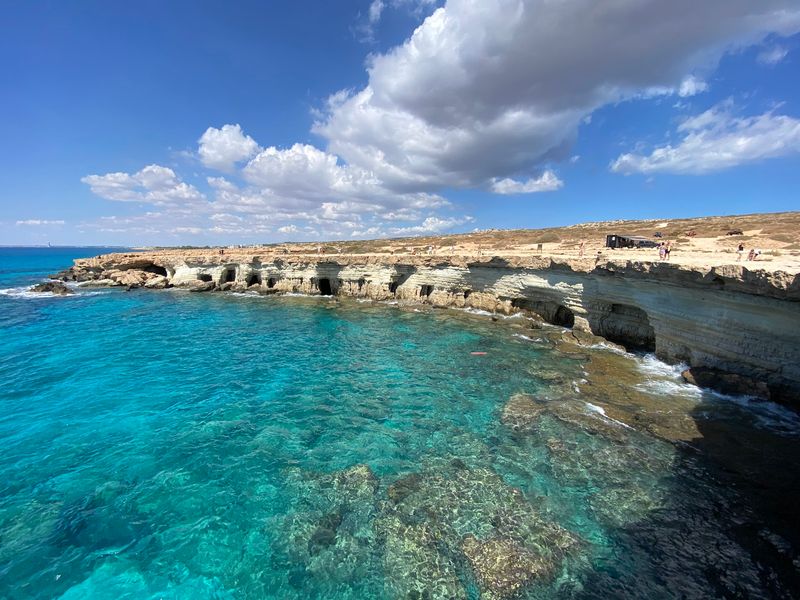
Cyprus gets overlooked in Mediterranean conversations dominated by Greece, Italy, and Spain, which means visitors who actually make the trip often find it pleasantly uncrowded by comparison. Southeastern Cyprus concentrates some of the island’s best coastal scenery into a relatively compact area around Protaras and Cape Greco.
Protaras runs a coastal promenade stretching more than four kilometers, connecting beaches, restaurants, and swimming spots with the kind of calm, shallow, blue water that families specifically travel to the Mediterranean to find. Konnos Bay sits a short distance from the main strip, sheltered beneath green slopes with fine golden sand and a setting that feels more intimate than the larger resort beaches nearby.
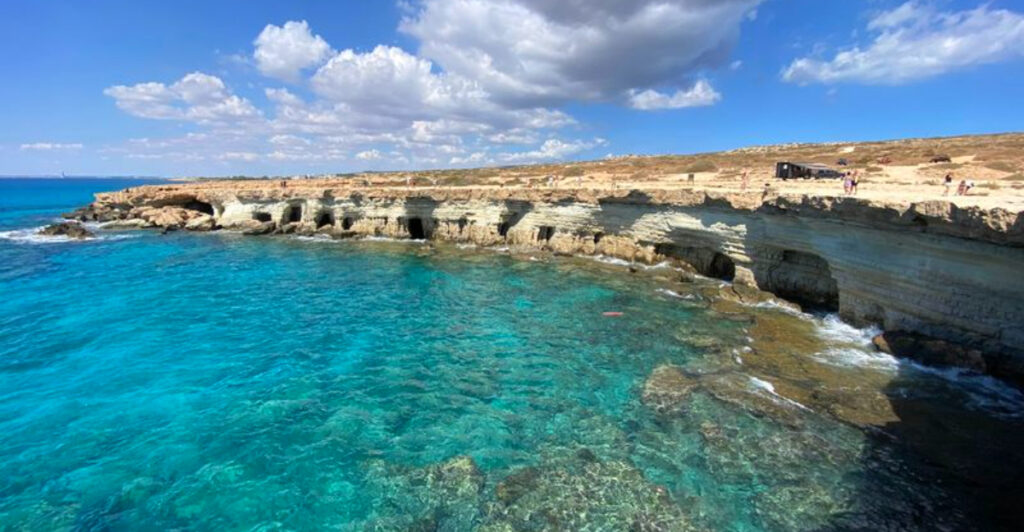
Cape Greco National Forest Park shifts the mood entirely. Roughly 385 protected hectares contain sea cliffs, natural rock arches, coastal walking trails, and unobstructed views across open Mediterranean water.
Native plants, nesting birds, and geological formations make this as interesting for curious walkers as it is for photographers. The best approach combines both sides of the area: swim at Konnos or a Protaras beach in the morning, then walk Cape Greco’s trails during the cooler late afternoon when the light turns the limestone coast extraordinary shades of gold and amber.
Paradise occasionally hides right beside a popular resort.
Piran, Slovenia
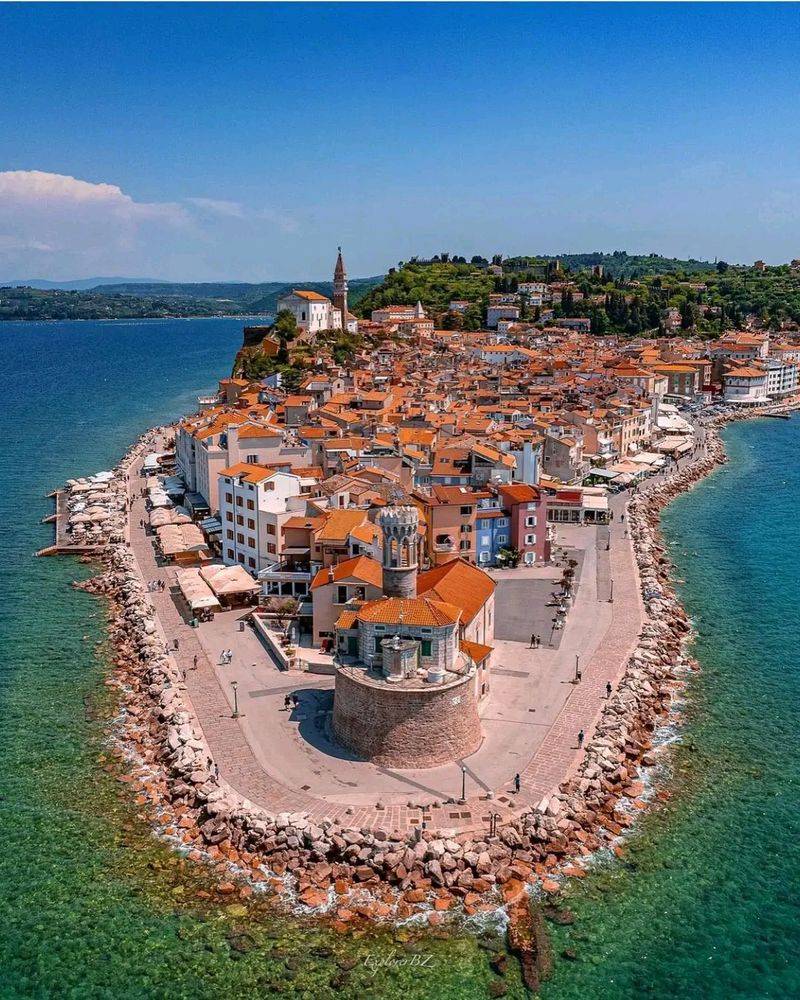
Slovenia is not a country most people associate with Mediterranean coastline, and that geographical surprise is part of what makes Piran so delightful. The country’s Adriatic coast is short, covering only about 47 kilometers, but Piran occupies its own compact peninsula with the kind of medieval character that takes centuries to accumulate and cannot be manufactured or replicated.
Venetian-influenced architecture lines narrow streets that were clearly designed for people rather than vehicles. The Church of St. George sits on the highest point of the peninsula with views over terracotta rooftops and out across the Adriatic.
At water level, the promenade wraps around the point with swimming access, sunset views, and restaurants serving fresh seafood from the surrounding sea.
Nearby Strunjan adds cliffs and the unusual Moon Bay, while the Secovlje salt pans just south of Piran have been harvested using traditional methods for centuries and now form a protected nature park. Piran is not the destination for travelers whose primary goal is a wide sandy beach.
It belongs in this list because the entire town feels genuinely inseparable from the water surrounding it on three sides. That relationship between architecture, history, and sea creates a Mediterranean atmosphere that many far more famous destinations spend considerable effort trying to manufacture and rarely quite achieve.
Share this story