Traveling on a tight budget does not mean settling for less. Some destinations around the world pack in stunning architecture, incredible food, spa experiences, and breathtaking scenery while keeping daily costs surprisingly low.
The gap between what you spend and what you get can be genuinely jaw-dropping. These 15 places prove that a memorable, even luxurious-feeling trip is well within reach for everyday travelers.
Tbilisi, Georgia
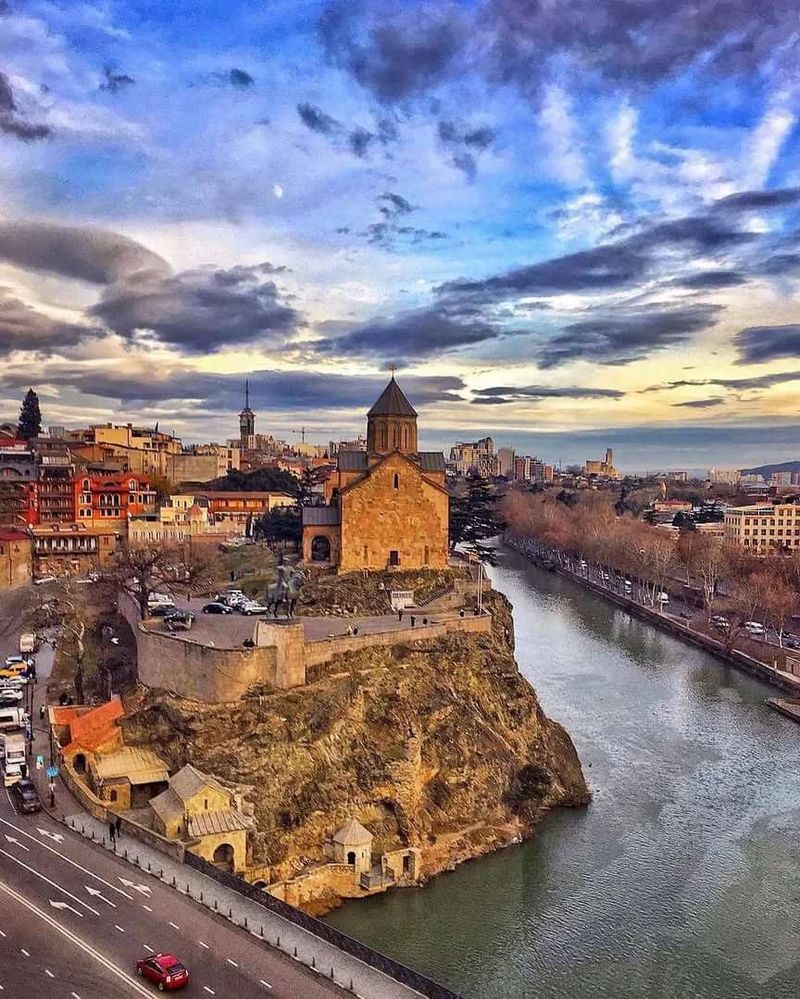
Wander into Old Tbilisi and you might briefly wonder if someone moved an entire fairy-tale city to the edge of the Caucasus mountains. Carved wooden balconies hang over winding cobblestone streets, cliffside churches peek through the trees, and wine bars spill out onto terraces with mountain views.
All of this for an average daily spend of about $36.
The Abanotubani district is where the city gets genuinely indulgent. Domed sulfur bathhouses sit above natural hot springs, and private bathing sessions feel far more spa-like than their price tag suggests.
Booking one is practically a rite of passage.
Georgian food deserves its own mention entirely. Khachapuri, grilled meats, walnut-stuffed dishes, and local wines come at prices that make the experience feel almost unfairly generous.
Typical double rooms average around $26, and daily food costs hover near $14. Views from Narikala fortress cap off the day for free.
Tbilisi may offer the best luxury-to-price ratio of any city that loosely calls itself a European capital.
Hoi An, Vietnam
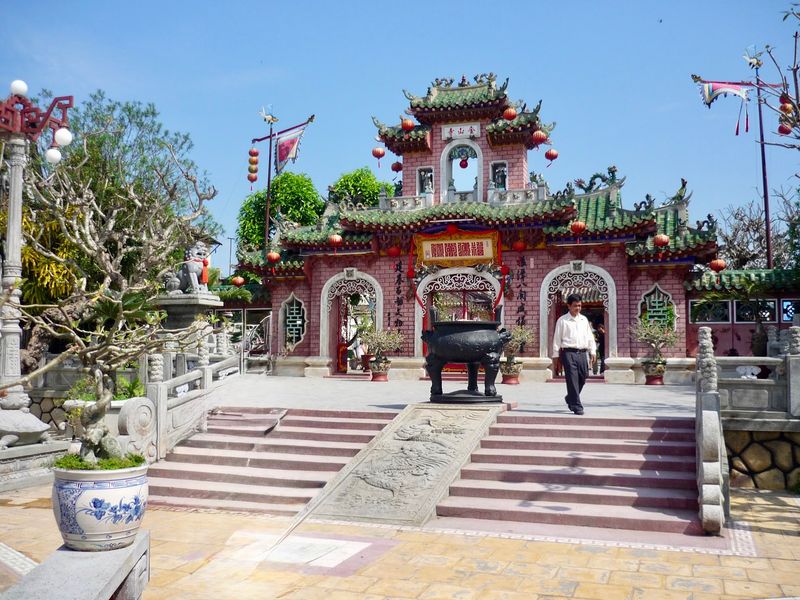
At night, Hoi An looks like someone strung a thousand paper lanterns over a perfectly preserved trading port and then forgot to charge admission. The UNESCO-listed Ancient Town glows with Vietnamese, Chinese, Japanese, and European architectural influences layered over centuries.
Restaurants and cafes line the riverbank while lanterns shimmer on the water below.
What makes this place so appealing for budget travelers is how little the atmosphere costs to enjoy. Average daily spending sits at roughly $51, with budget travelers getting by on around $20.
A typical double room runs about $39, and daily food costs average just $16.
An Bang Beach is only a short ride away, reachable by bicycle through rice paddies and fishing villages. Boutique-style guesthouses here cost a fraction of what comparable properties charge in Mediterranean resort towns.
Street food stalls serve banh mi, cao lau, and fresh spring rolls for almost nothing. Hoi An is one of those rare places where the setting feels genuinely cinematic, the food is outstanding, and the bill at the end of the day still manages to surprise you in the best possible way.
Chiang Mai, Thailand
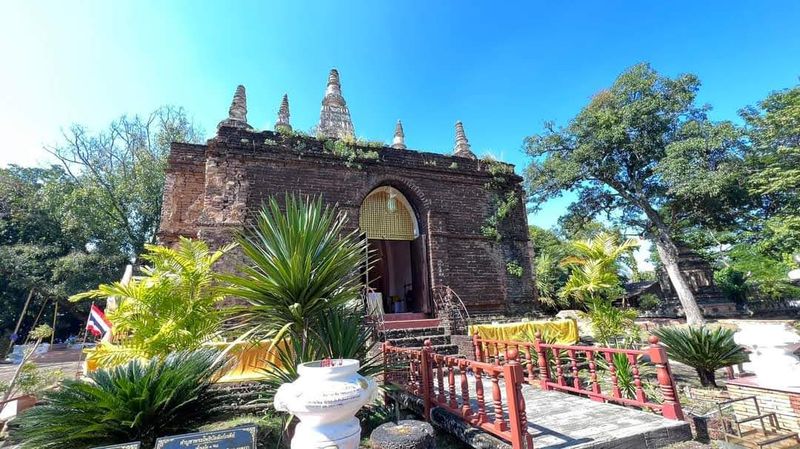
Chiang Mai has quietly mastered the art of making a modest budget feel like a generous one. The old city sits inside a moat, ringed by over 300 Buddhist temples, teak-wood cafes, and night markets that smell of lemongrass and grilled satay.
Mountains covered in forest begin just beyond the city limits, putting waterfalls and hilltop temples within easy day-trip distance.
Accommodation is where the value becomes almost absurd. Off-season hotel rates average around $22 per night, rising to roughly $41 during peak periods.
Total daily spending typically lands between $58 and $59, including about $20 for food and only $4 for local transport.
That leaves meaningful room in a reasonable budget for the things that feel like treats. Thai massages, rooftop cocktails, cooking classes, and boutique guesthouses with garden courtyards all remain affordable.
Northern Thai cuisine pulls its weight too. A bowl of khao soi, rich with coconut curry broth and crispy egg noodles, costs almost nothing and tastes like it should cost considerably more.
Chiang Mai earns its reputation not by being the cheapest city in Thailand, but by being one of the most rewarding ones.
Da Nang, Vietnam
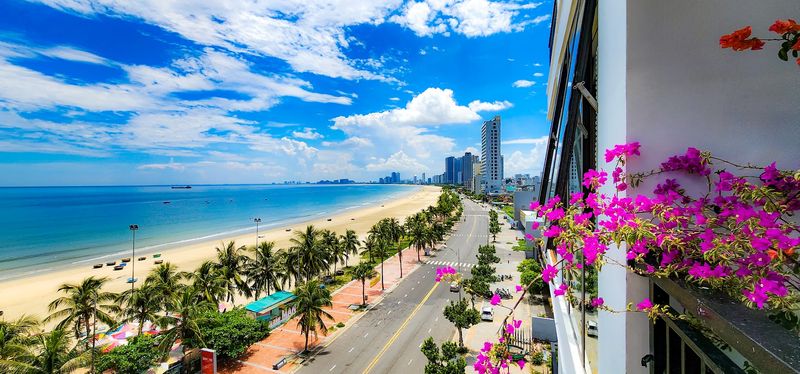
Somewhere between a resort city and a cultural hub, Da Nang has figured out how to look expensive without demanding expensive prices. The coastline stretches wide and sandy, backed by modern hotels with rooftop pools and panoramic ocean views.
The Dragon Bridge breathes actual fire on weekend nights, which is exactly the kind of spectacle that would cost a premium ticket in other cities.
Average daily spending sits at about $55, with budget travelers managing on around $22. A typical double-occupancy room averages roughly $37, and off-season hotel rates can drop to around $25.
Those numbers are striking when you consider what the setting delivers.
A full day here might include a morning swim, a seafood lunch at a beachside restaurant, an afternoon massage, and evening drinks with a skyline view. That itinerary sounds like it belongs on a luxury travel blog.
In Da Nang, it fits comfortably into a mid-range daily budget. The Marble Mountains add a cultural dimension just outside the city, and Hoi An is close enough for a half-day trip.
Da Nang rewards travelers who want beach-resort energy without beach-resort pricing.
Yogyakarta, Indonesia
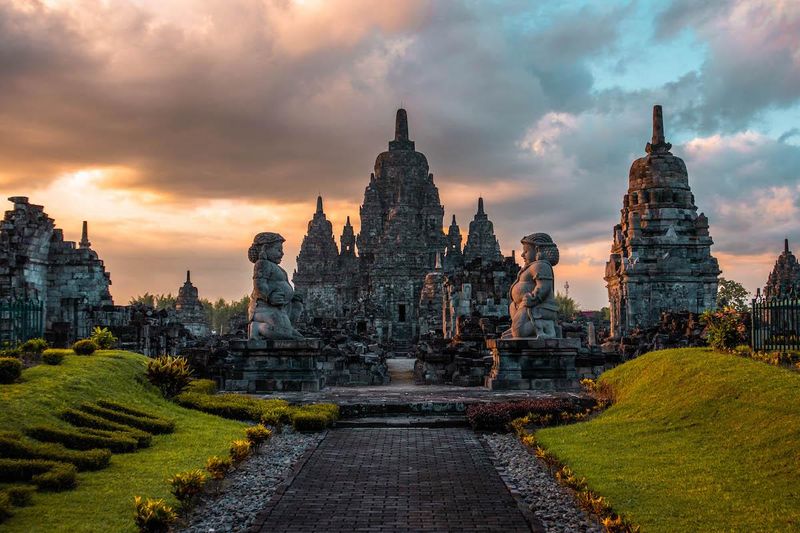
There are not many places where you can hire a private driver, visit two UNESCO World Heritage temple complexes, eat well three times, and still come in under $60 for the day. Yogyakarta is one of them.
The city anchors a region of extraordinary cultural weight, sitting between the Borobudur Buddhist complex and the Hindu temples of Prambanan.
Average daily spending runs about $59, with budget travelers averaging closer to $23. Food costs roughly $18 per day, and local transportation stays remarkably cheap.
Hotel rates in the low season can fall to around $22, making it possible to stay somewhere with a pool or a traditional Javanese courtyard without stretching the budget.
The city itself rewards slow exploration. Yogyakarta is a center of Javanese batik, silver crafting, shadow puppetry, and royal court culture.
The Kraton, the sultan’s palace, remains an active royal residence open to visitors. Wayang performances and gamelan music are woven into everyday life rather than packaged as tourist attractions.
Yogyakarta manages to feel genuinely grand while remaining one of Southeast Asia’s most accessible destinations for travelers watching their spending.
Cusco, Peru
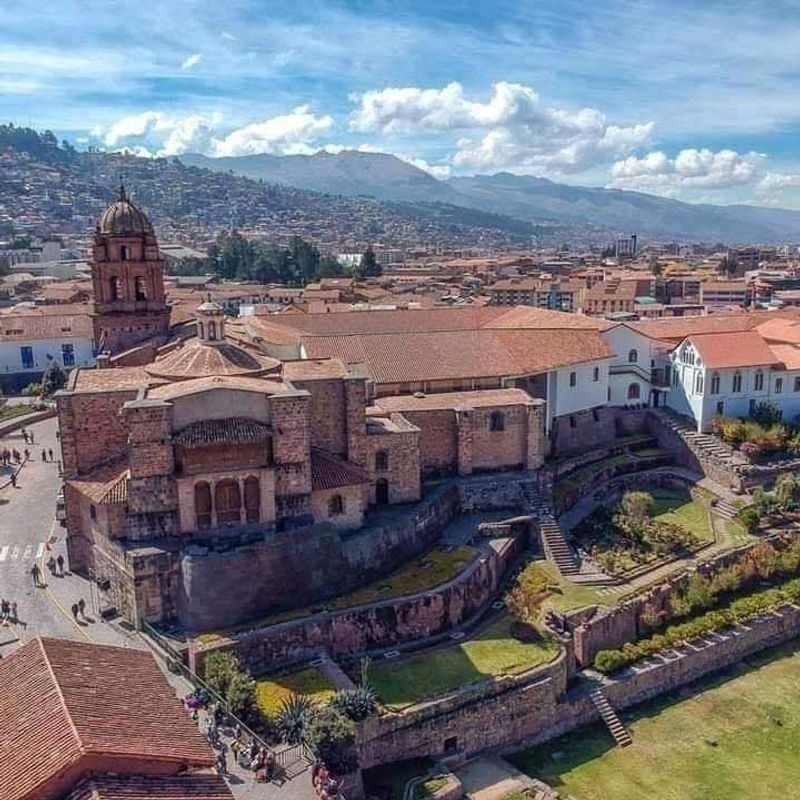
Cusco is the kind of city that makes you feel like you have stumbled into a history book that also serves excellent ceviche. Spanish colonial churches and palaces sit directly on top of Inca stone walls, creating a layered cityscape that no theme park could replicate.
The altitude hits first. The beauty hits second.
The surprisingly reasonable prices hit third.
Typical daily spending runs around $66, with accommodation averaging about $25 per person in a shared double room. Food costs roughly $25 per day, and outside peak season, hotel averages can fall to around $40 or less.
Budget travelers have been known to manage on considerably less than the average.
The restaurant scene has grown genuinely impressive in recent years. Contemporary Peruvian cuisine, traditional stews, chicha morada, and rooftop dining with mountain views are all accessible without requiring a special-occasion budget.
Boutique hotels in converted colonial mansions offer carved courtyards and fireplaces at prices that would raise eyebrows in Europe. The expensive part of any Cusco trip tends to be the train to Machu Picchu.
The city itself remains one of South America’s great travel bargains.
Krakow, Poland
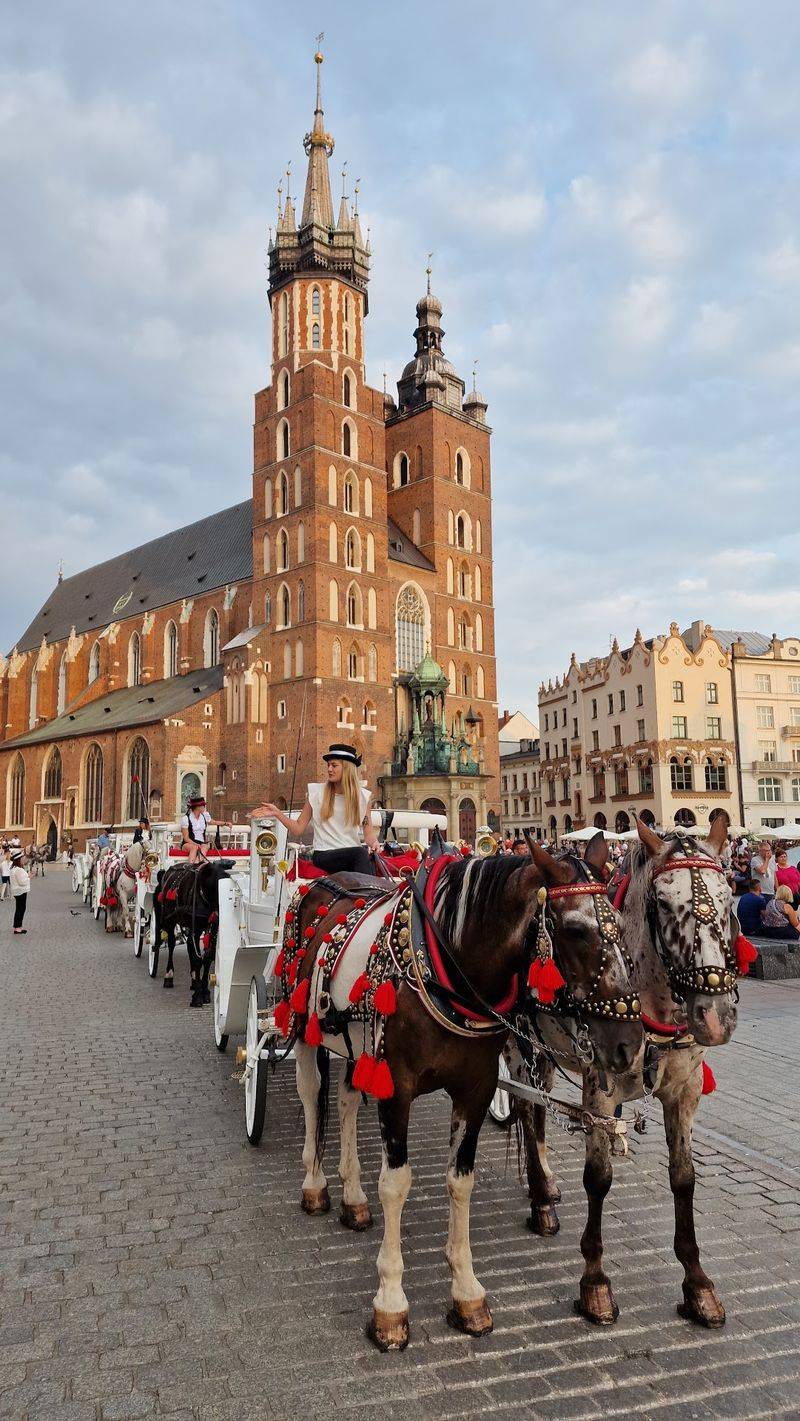
Krakow has a habit of making first-time visitors feel slightly smug. You get a medieval old town that rivals Prague, a royal hilltop castle, one of Europe’s largest historic market squares, and a cafe culture that runs on excellent coffee and even better pastries.
Then the bill arrives and reminds you that this is Poland, not Paris.
Typical daily spending sits around $80, including roughly $25 on food and about $45 per person for accommodation in a shared double room. Off-season hotel averages run around $82 for a full room, with budget options well below that.
The compact historic center means transport costs stay minimal since most of the main sights are walkable.
Wawel Hill alone is worth the trip. The royal castle and cathedral complex rising above the Vistula River creates a skyline that feels genuinely regal.
Kazimierz, the former Jewish quarter, adds a different layer of history alongside a lively bar and gallery scene. Horse-drawn carriages, flower sellers, and street musicians fill the Main Market Square throughout the warmer months.
Krakow delivers full European capital atmosphere at a fraction of what cities like Vienna or Amsterdam charge for the same experience.
Gdansk, Poland
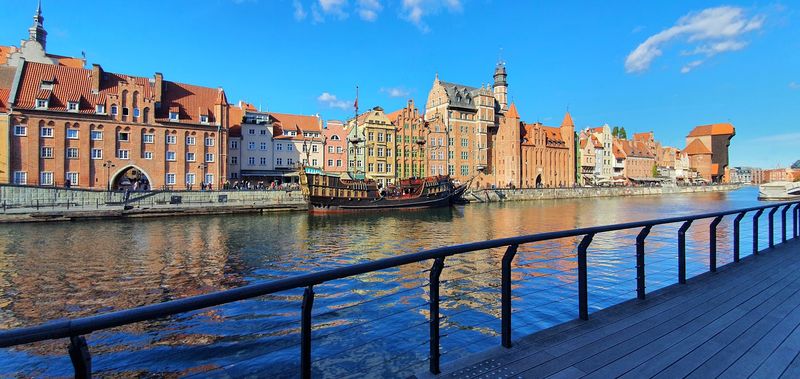
Gdansk looks like it was designed by someone who wanted to recreate Amsterdam but then decided to make it more dramatic. Tall, narrow merchant-house facades in vivid colors line the Motlawa waterfront, Gothic church towers spike the skyline, and the whole city carries a distinctly Baltic grandeur that feels far north of its price point.
Current spending data put the average at roughly $75 per person per day, with double rooms averaging around $58 and food costs near $38 daily. Budget travelers regularly come in just above $30.
That places Gdansk among the more affordable European destinations with a genuinely polished historic center.
Location adds serious value. The nearby resort town of Sopot offers a famous pier and beach scene, and the broader Baltic coastline is easily accessible without paying Scandinavian prices for the privilege.
Summer is Gdansk at its most convincing. The waterfront fills with outdoor dining, the amber market hums with activity, and the evening light turns the facades a warm copper-gold.
The moment a restaurant bill arrives and turns out to be far lower than expected is something regular visitors describe as one of the city’s most reliable pleasures.
Sarajevo, Bosnia and Herzegovina
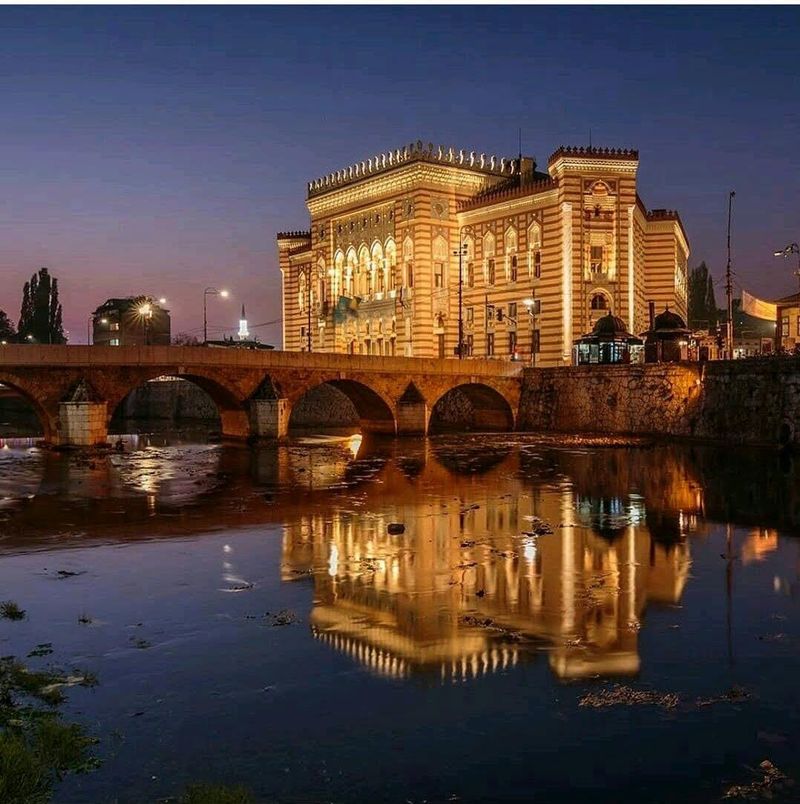
Sarajevo might be the only city in Europe where you can turn one corner and step from an Ottoman bazaar into an Austro-Hungarian boulevard, then look up and see mountains. The city packs several centuries of layered history into a compact, walkable center that rewards curious visitors at almost every turn.
Food here is one of the great underrated pleasures of Balkan travel. Cevapi served with fresh somun bread, flaky burek pastry, and strong Bosnian coffee brewed in a traditional dzezva create a culinary experience that is both deeply local and genuinely memorable.
None of it costs much.
Typical daily spending sits around $100, but budget travelers average closer to $39 to $40 per day. Accommodation for one person sharing a room runs about $29, and local transport averages under $8.
The cable car up to Trebevic Mountain offers views over the entire city bowl for a very modest fare. Sarajevo carries a weight of recent history that gives the city an emotional depth few destinations match.
Spending time here feels meaningful in a way that goes well beyond sightseeing. The price-to-experience ratio is genuinely difficult to beat anywhere in Europe.
Sofia, Bulgaria
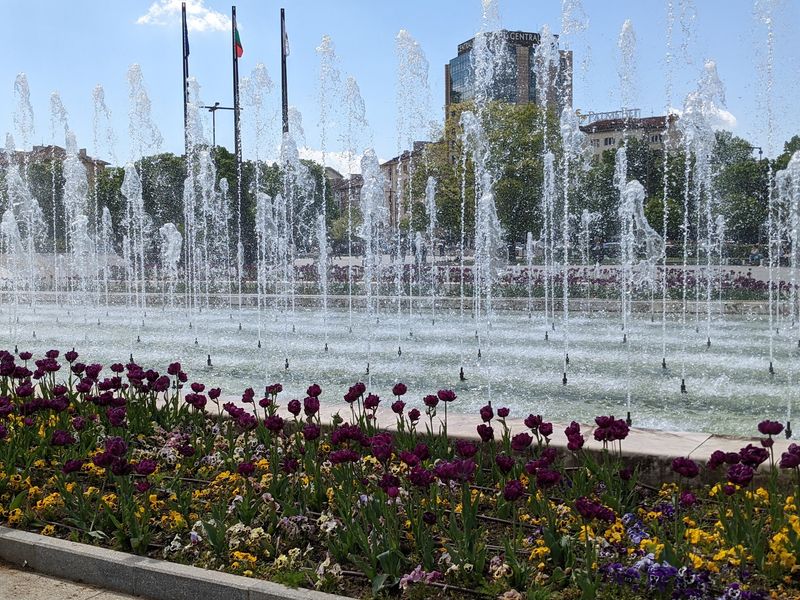
Sofia is the European capital that budget travelers keep accidentally discovering and then telling everyone about. While tourists queue in Prague and pay peak-season prices in Budapest, Sofia sits quietly with its Roman ruins, golden-domed cathedral, buzzing cafe scene, and a mountain practically inside the city limits.
Average daily spending runs about $84, with shared-room accommodation costing roughly $44 per person and food around $34 daily. Off-season hotel rates drop to around $45 for a full room, making Sofia especially attractive outside the summer months.
Budget travelers consistently report spending well below the average.
The city rewards walking more than most. Alexander Nevsky Cathedral, the Rotunda of St. George, the National Palace of Culture, and the Central Market Hall are all reachable on foot from the center.
Vitosha Mountain looms at the end of the main boulevard, offering hiking trails and winter skiing without requiring an organized tour. Public transport is cheap and functional.
Sofia lacks the tourist polish of some Central European capitals, and that works in its favor. The restaurants, wine bars, and craft breweries cater primarily to locals, which tends to keep quality high and prices honest.
Marrakech, Morocco
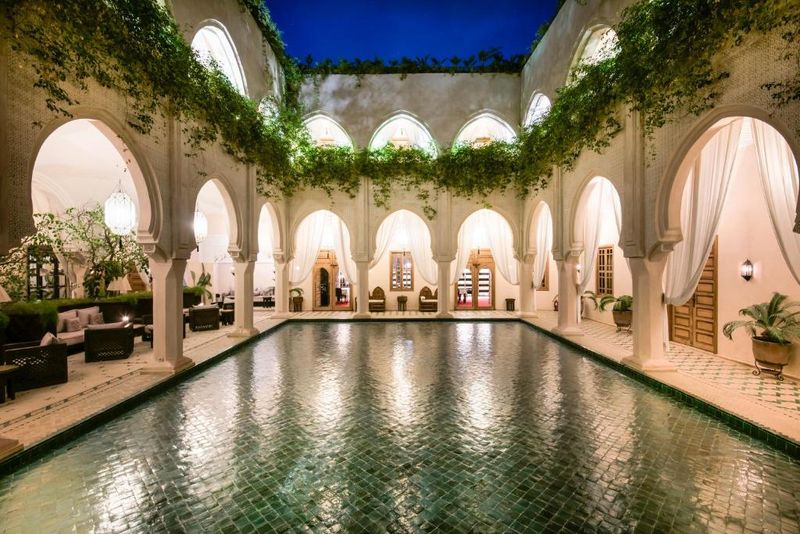
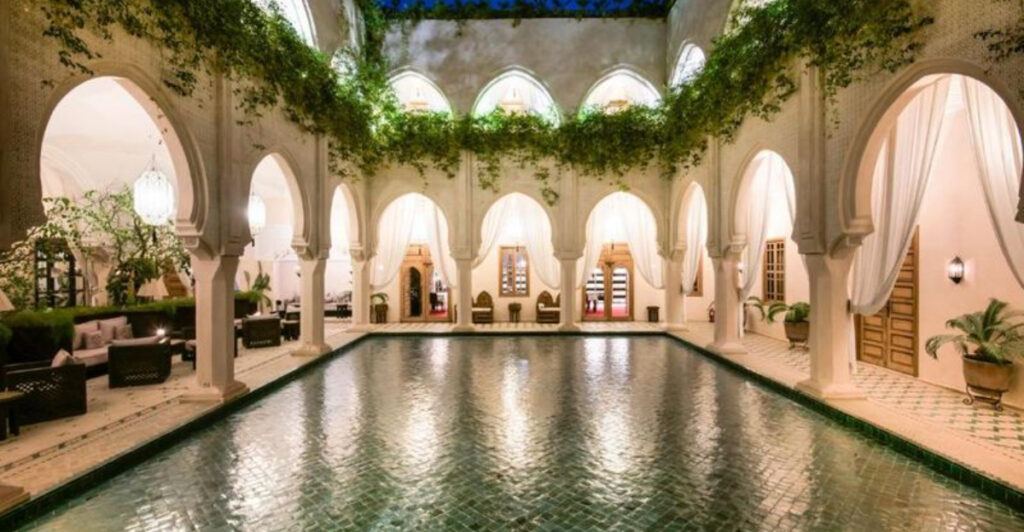
Push open an anonymous wooden door in the Marrakech medina and you might walk into a tiled courtyard with a fountain, orange trees, carved plaster walls, and a rooftop terrace overlooking a sea of terracotta rooftops. That is the riad experience, and it is one of travel’s most effective illusions of luxury at a reasonable price.
Average daily spending sits at roughly $100 to $101, but budget travelers average about $38 per day. Typical accommodation for one person sharing a room runs around $58, while food averages under $30 daily.
Outside peak periods, full room rates can fall to roughly $68.
The experiences that define Marrakech are largely accessible regardless of budget level. Hammams offer scrubs, steam, and relaxation for prices far below European spa equivalents.
The Djemaa el-Fna square delivers free entertainment every evening, from musicians to storytellers to food stalls. Spice markets, leather tanneries, mosaic workshops, and rooftop mint-tea spots fill the days with color and sensory detail.
Marrakech can become expensive if you actively pursue its luxury tier. The interesting part is how much richness a middle-of-the-road budget already unlocks in this city.
Kuala Lumpur, Malaysia
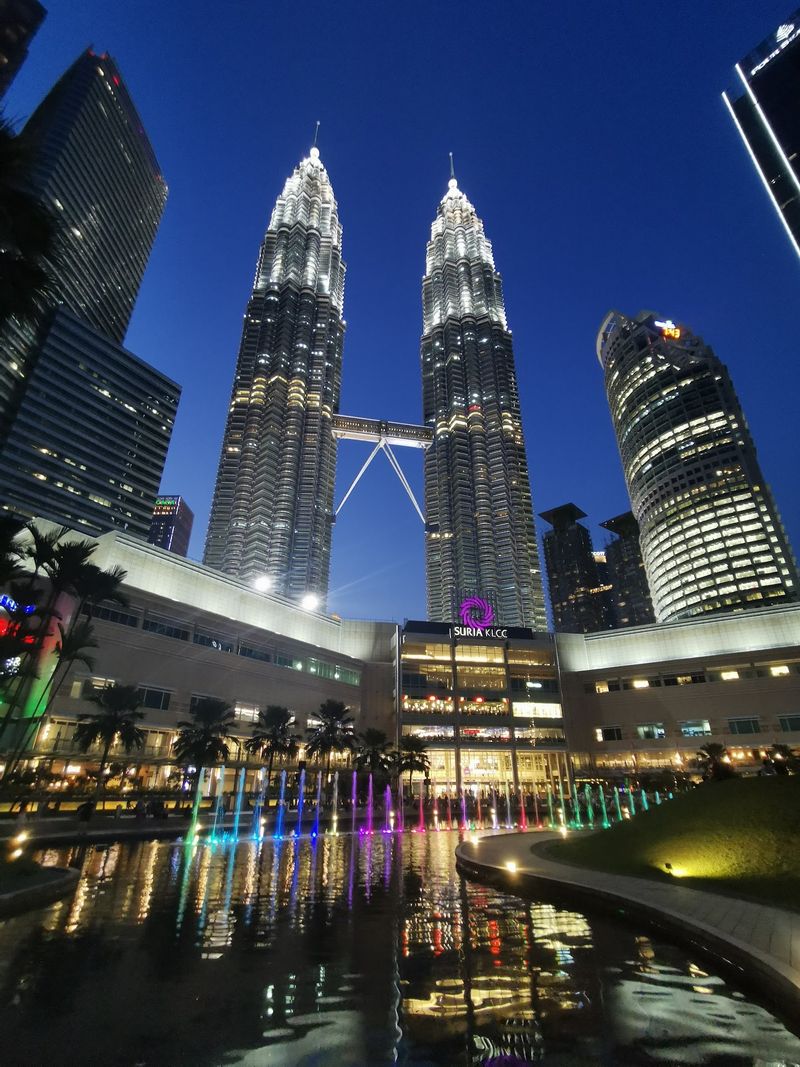
Kuala Lumpur might be the easiest city in the world in which to feel like you are living large on a sensible budget. The Petronas Towers dominate the skyline, luxury malls stack up floor after floor of international brands, and rooftop pools with city views are practically a standard hotel feature.
The gap between how the city looks and what it costs is remarkable.
Average daily spending sits at about $85 to $86. A typical person sharing a double room pays roughly $42 for accommodation, while local transport averages just $7 per day.
Hotel averages range from around $30 in low season to $56 at peak times, with luxury properties running $77 to $144 in compiled data.
Food is where Kuala Lumpur truly separates itself from other major Asian cities. Hawker stalls, Indian-Muslim mamak restaurants, Cantonese dim sum halls, and Malay rice dishes make it possible to eat spectacularly well for very little.
The city also rewards explorers. Batu Caves, the colonial district around Merdeka Square, Chinatown, and Little India all offer full days of texture and interest.
Kuala Lumpur has the visual confidence of a genuinely expensive city. It simply does not enforce that impression at the register.
Oaxaca, Mexico
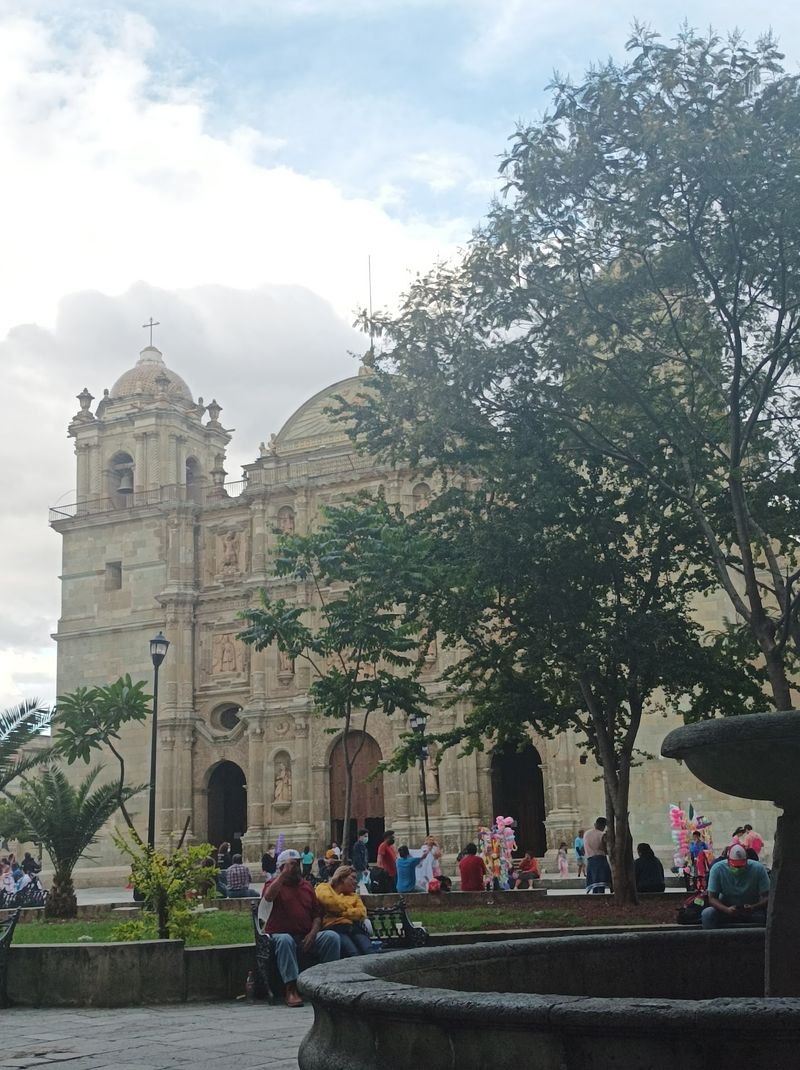
Food writers, designers, and mezcal enthusiasts have all quietly claimed Oaxaca as their favorite Mexican city, and the place has the boutique hotels, contemporary galleries, and acclaimed restaurants to support that reputation. What surprises new visitors is that the everyday city underneath all that fashionable attention remains remarkably affordable.
Average daily spending sits at roughly $54 per person. Budget travelers manage on about $21, while those seeking more comfort can spend up to $137 and still find good value.
That wide range means travelers can pick their level and adjust selectively, splurging on one great dinner without derailing the whole trip.
Markets remain central to the Oaxacan experience regardless of budget level. Tlayudas topped with black beans and Oaxacan cheese, tamales wrapped in banana leaves, and rich mole negro served over turkey are all available at market stalls for minimal cost.
The streets themselves are part of the appeal. Colonial facades painted in deep greens, terracottas, and mustard yellows make casual walks feel like an art installation.
Oaxaca has grown more popular and slightly pricier over recent years, but it still offers a creative, cultured, and genuinely enjoyable travel experience without requiring a large budget.
Porto, Portugal
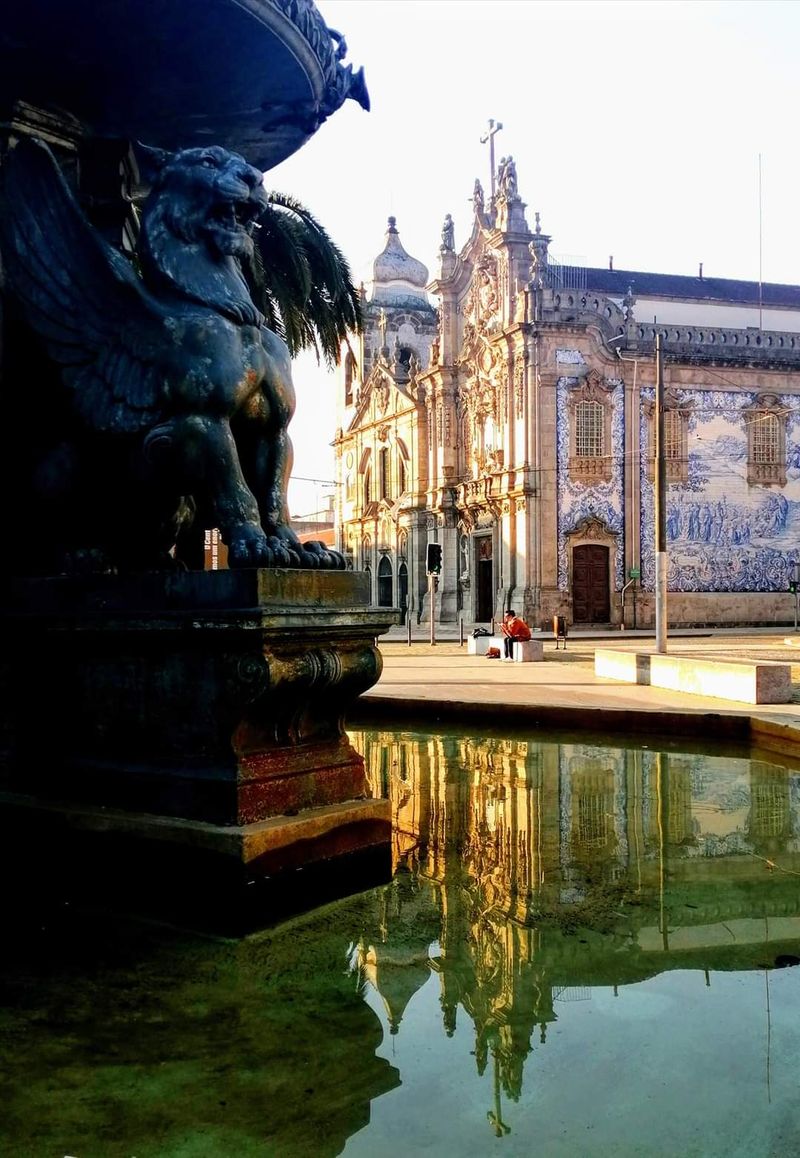
Porto is the most expensive destination on this list, and it earns its spot anyway. The Ribeira waterfront, the tiled church facades, the iron bridge spanning the Douro, the port wine lodges of Vila Nova de Gaia, and the steep streets leading down to the river create one of Europe’s most visually rewarding city-break experiences.
Comparable cities in Western Europe cost significantly more to visit.
Average daily spending currently runs around 160 euros, so Porto is no longer cheap. The opportunity lies in timing.
Hotel data show average room prices around $112 in the off-season versus $209 at peak times. Budget hotels average about $69.
Shoulder-season Porto offers nearly all the atmosphere at a considerably lower price.
Traveling outside July and August makes a real difference. Walk between neighborhoods rather than taking taxis, eat at tascas frequented by locals rather than the waterfront tourist spots, and spend afternoons following the Douro by foot or tram.
A pastel de nata and a glass of port consumed while overlooking the river costs almost nothing and delivers a moment that feels genuinely premium. Porto rewards the traveler who plans around timing and is willing to walk.
The setting does the rest.
Gjirokaster and Berat, Albania
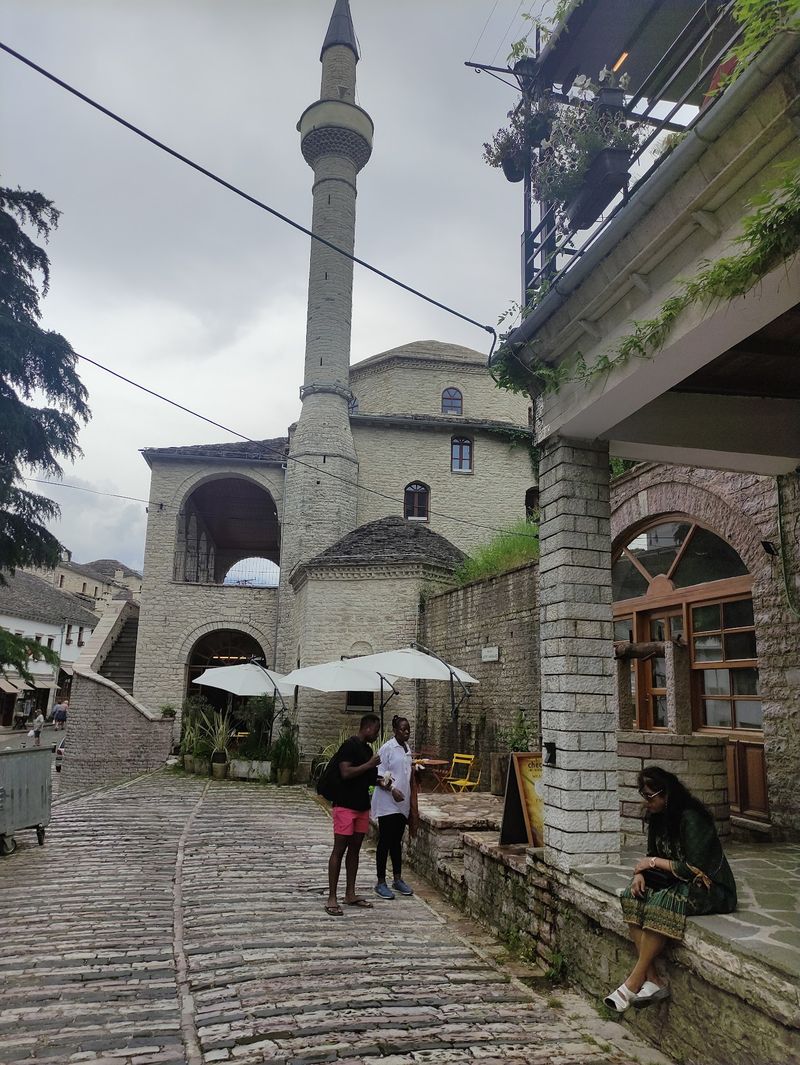
Paying a modest guesthouse rate and waking up somewhere that looks like a film location is the quiet promise of Albania’s two great heritage towns. Berat rises above the Osum River in stacked rows of white Ottoman houses, each one gazing out through rows of windows that earned the city its nickname: the City of a Thousand Windows.
Gjirokaster is darker and more theatrical, built from grey stone beneath a brooding hilltop fortress.
Both towns appear on UNESCO’s World Heritage list, recognized for their rare preserved examples of Ottoman-era urban architecture. The visual payoff comes primarily from walking, climbing viewpoints, and exploring fortress ruins rather than buying packaged experiences.
That keeps costs naturally low.
A restored traditional guesthouse in either town can feel genuinely boutique, with stone walls, wooden ceilings, and mountain views, at nightly rates that would barely cover a budget chain hotel in Western Europe. Albanian food, including byrek pastries, grilled meats, and local cheeses, is hearty and inexpensive.
Albania has grown more popular in recent years and prices have risen accordingly. Berat and Gjirokaster still stand as two of the most convincing demonstrations in Europe of how far a travel budget can stretch when you choose the road less taken.
Share this story