Europe is home to some of the richest countries in the world, but not every nation on the continent shares that wealth equally. The gap between Europe’s top earners and its lowest-income countries is staggering, with some nations earning less than a tenth of what Switzerland or Norway brings in per person.
These differences shape daily life, migration patterns, and economic opportunities for millions of people. Understanding where the income gaps exist, and why, tells a fascinating story about history, geography, and the ongoing push for growth.
Ukraine
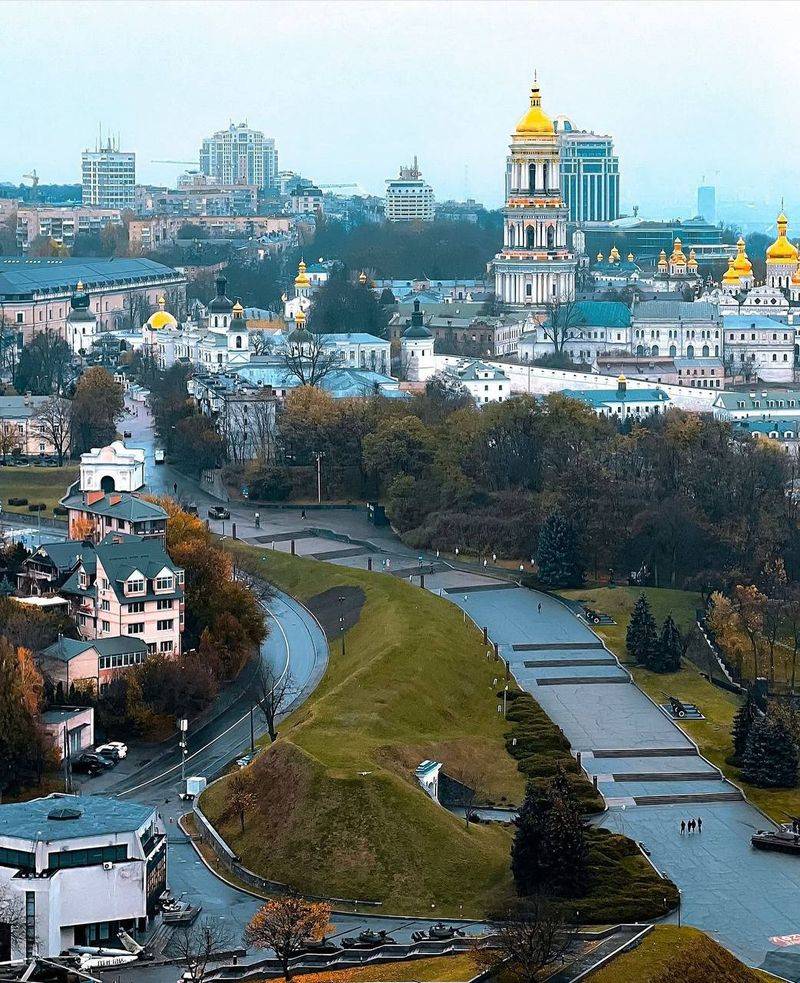
War changes everything, including how we read economic numbers. Ukraine sits at the very bottom of Europe’s income table with a gross national income per capita of $5,210 in 2024, and Russia’s full-scale invasion is the single biggest reason why.
Infrastructure has been destroyed, millions of people have been displaced, and enormous resources have been redirected toward defense and emergency needs. Production, trade, and daily economic life have all been severely disrupted by the ongoing conflict.
What makes the data surprising is the resilience it reveals. GNI per capita was around $3,930 in 2022, climbed to $4,980 in 2023, and reached $5,210 in 2024, showing that Ukraine’s economy has kept functioning even under extraordinary pressure.
That upward trend does not mean living standards have recovered fully. Millions of Ukrainians remain displaced inside and outside the country, and the human cost of the war is impossible to capture in a single income figure.
The World Bank still classifies Ukraine as an upper-middle-income economy under its FY2027 framework. That classification reflects long-term averages rather than current hardship, making it one of the most complex entries on this entire list.
Moldova
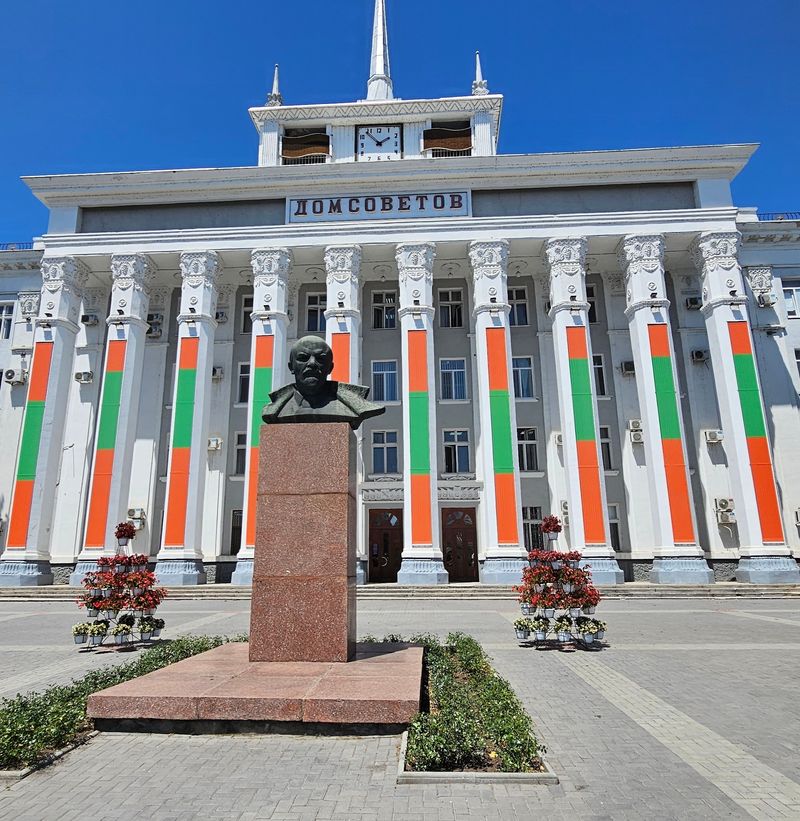
Sandwiched between Romania and Ukraine, Moldova has quietly held the title of one of Europe’s lowest-income countries for decades. Its GNI per capita reached $6,880 in 2024, up from $6,250 the year before, which is encouraging progress but still far behind most of the continent.
A relatively narrow economic base, significant demographic decline, and large-scale labor migration have all shaped Moldova’s income story. Many working-age Moldovans have moved abroad to find better-paying jobs, sending money home in the form of remittances that keep many households afloat.
That connection to wealthier European economies is actually one of Moldova’s defining economic features. Remittances, trade links, and migration ties to EU countries provide a financial lifeline that raw GNI figures alone do not fully capture.
EU integration has also become a central pillar of Moldova’s development strategy in recent years, offering the prospect of closer trade relationships and investment flows. The country officially applied for EU membership in 2022, and accession talks have since begun.
Globally, Moldova sits comfortably above the lower-middle-income threshold, so its low ranking here says more about Europe’s high income floor than about the country’s global standing.
Kosovo
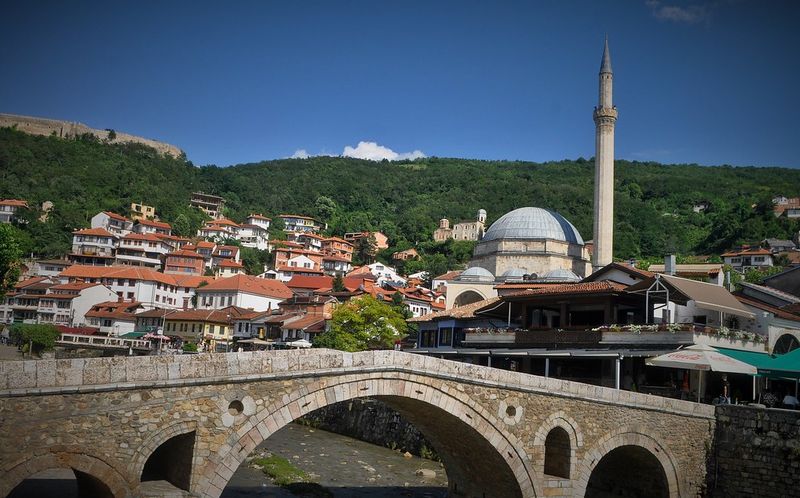
Kosovo is one of Europe’s youngest countries in more ways than one. Declared independent in 2008, it also has one of the continent’s youngest populations, with a median age well below the European average.
Its GNI per capita came in at approximately $6,910 in 2024, just a whisker above Moldova.
The economy leans heavily on remittances from Kosovars living abroad, particularly in Germany, Switzerland, and other Western European countries. Those transfers play a massive role in household budgets and domestic consumption across the country.
Services, construction, and trade round out the main economic sectors, while agriculture still employs a meaningful share of the rural population. Productivity and formal employment opportunities remain areas where significant growth is still needed.
Kosovo’s location in the Western Balkans puts it physically close to much wealthier European markets, but access, investment, and institutional development have not yet bridged that economic gap. Visa-free travel to the Schengen Area, granted in 2024, may open new doors for business and tourism.
The World Bank places Kosovo in the upper-middle-income group, a reminder that even Europe’s income floor sits considerably higher than what much of the developing world experiences on a daily basis.
Belarus
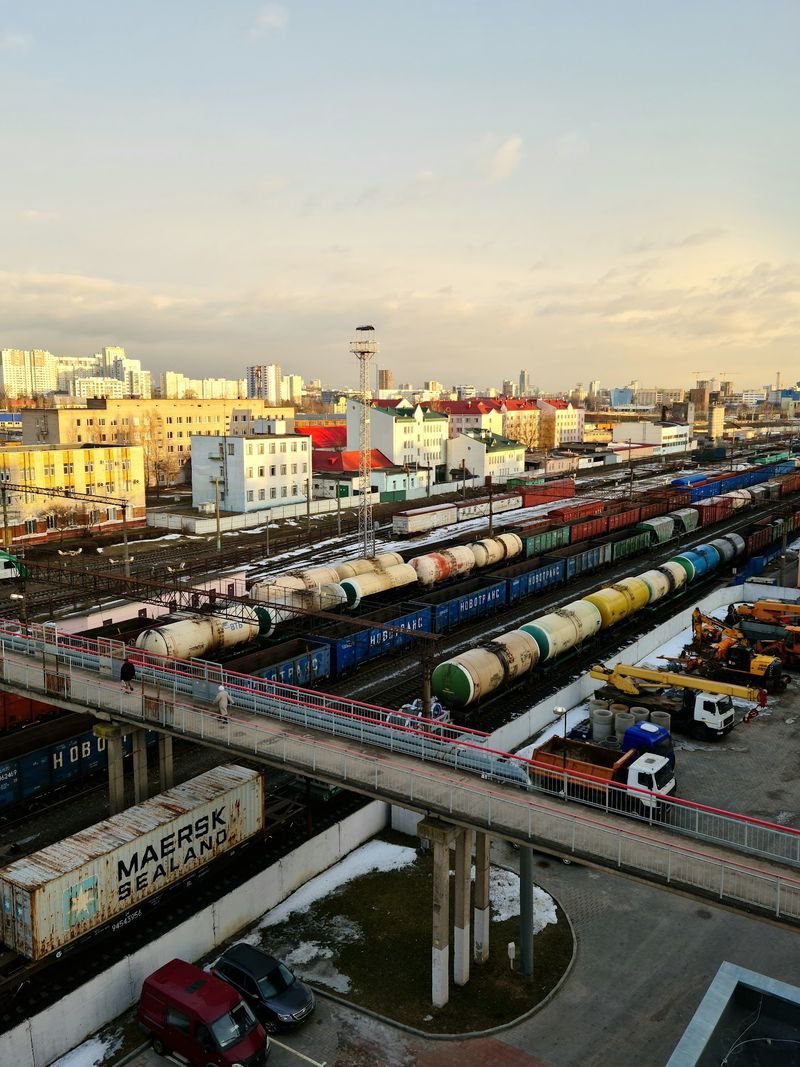
Belarus brings something different to this list: a substantial industrial base left over from the Soviet era. Machinery, fertilizers, chemicals, and heavy manufacturing have long been the backbone of its economy, pushing GNI per capita to approximately $8,260 in 2024.
But the country’s economic relationships have shifted dramatically in recent years. Western sanctions, reduced access to certain markets, and growing dependence on Russia have reshaped trade flows and investment patterns in ways that carry real long-term consequences.
Those developments are a useful reminder that GNI per capita is a snapshot, not a full picture. The number tells you roughly how much national income exists per resident, but it says nothing about political freedom, household purchasing power, or economic vulnerability to outside shocks.
Belarus has managed to maintain production and income levels partly because of deep economic ties with Russia, which has cushioned some of the effects of Western economic pressure. Whether that arrangement remains stable over time is a separate and open question.
The World Bank classifies Belarus as upper-middle income under its FY2027 framework. Its position on this list reflects the gap between European income norms and the country’s current economic trajectory rather than any sign of acute poverty by global standards.
North Macedonia
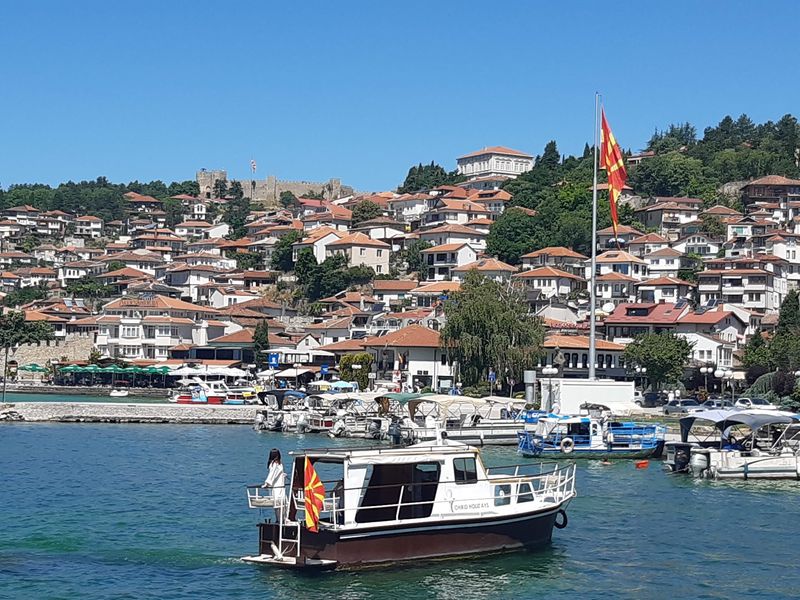
Only $40 separates North Macedonia from Belarus in the 2024 World Bank data, with GNI per capita sitting at $8,300. That razor-thin gap makes these two countries practically neighbors on the income table despite being very different places with very different economic stories.
North Macedonia has spent decades working toward closer integration with European markets. Manufacturing, automotive components, services, and foreign investment all contribute to its economy, and EU trade relationships are especially important for export-driven industries.
The income gap with nearby countries is striking when you put the numbers side by side. Greece recorded $22,730 and Slovenia $31,790 in the same 2024 dataset.
That kind of divide within a relatively compact geographic area helps explain why migration toward richer EU labor markets remains such a pressing issue across the Balkans.
Younger workers in particular often face a difficult choice between staying in a smaller domestic labor market or pursuing higher wages and opportunities abroad. That outflow of skilled workers creates its own economic challenges for countries like North Macedonia.
The World Bank currently classifies North Macedonia as upper-middle income, and the country continues to pursue EU and NATO integration as part of its long-term economic and political strategy.
Bosnia and Herzegovina
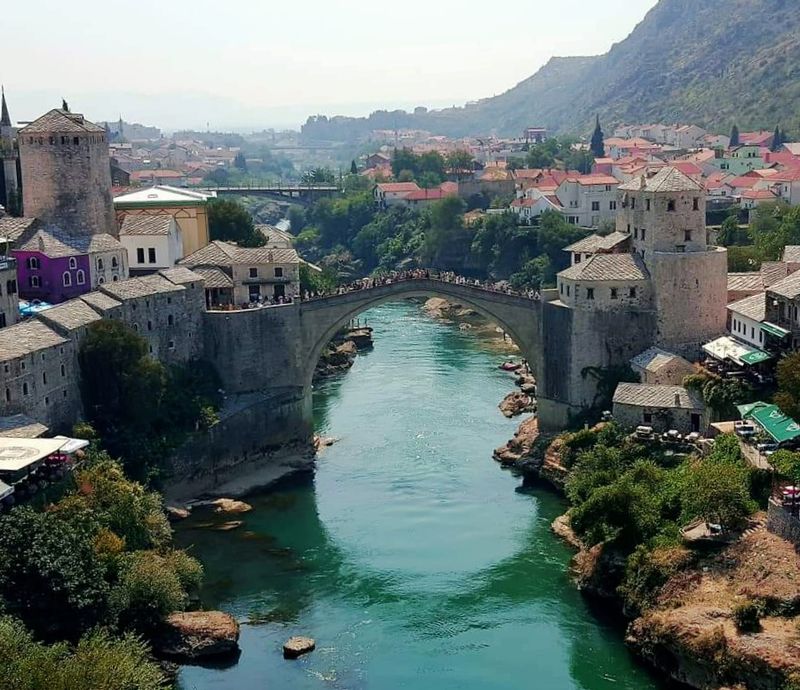
Bosnia and Herzegovina has genuine economic strengths that often get overlooked. Energy resources, a significant industrial tradition, tourism potential, and proximity to the European Union all work in its favor.
GNI per capita reached approximately $8,790 in 2024, placing it sixth on this list.
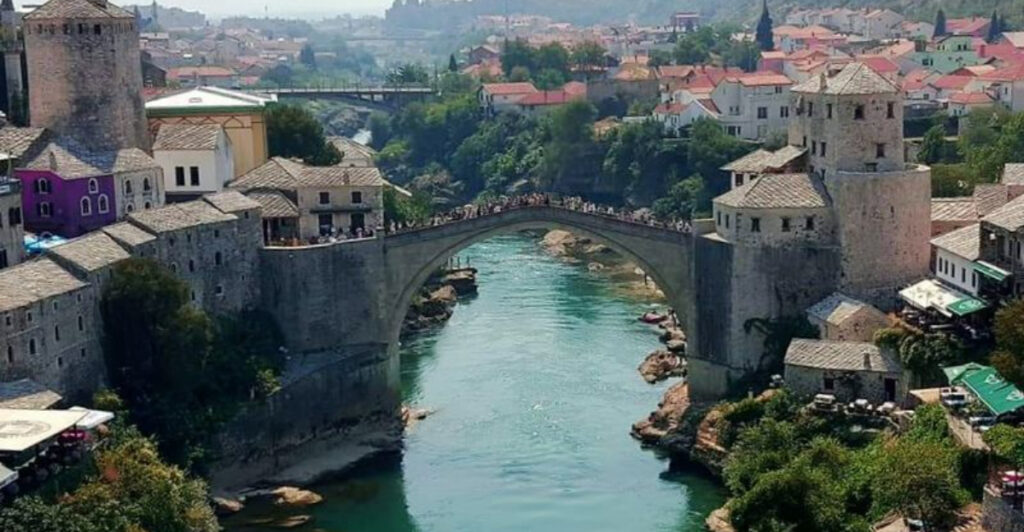
Manufacturing, metals, wood products, and automotive-related industries contribute meaningfully to exports, and the country’s scenic landscapes attract a growing number of visitors each year. Mostar’s famous bridge and Sarajevo’s layered history draw tourists from across Europe and beyond.
Yet demographic decline and outward migration continue to weigh on the economy. A highly decentralized political and administrative structure also creates friction in policymaking and slows the kind of coordinated reforms that attract larger-scale investment.
The income gap with neighboring EU members is wide enough to feel almost vertiginous. Croatia recorded $22,250 and Slovenia $31,790 in 2024, meaning both neighbors earn more than double or triple Bosnia and Herzegovina’s per-person income.
Those numbers show how dramatically the rewards of EU integration and sustained productivity growth can compound over several decades.
Bosnia and Herzegovina remains in the World Bank’s upper-middle-income category and is officially a candidate for EU membership, which could eventually change its economic trajectory significantly.
Albania
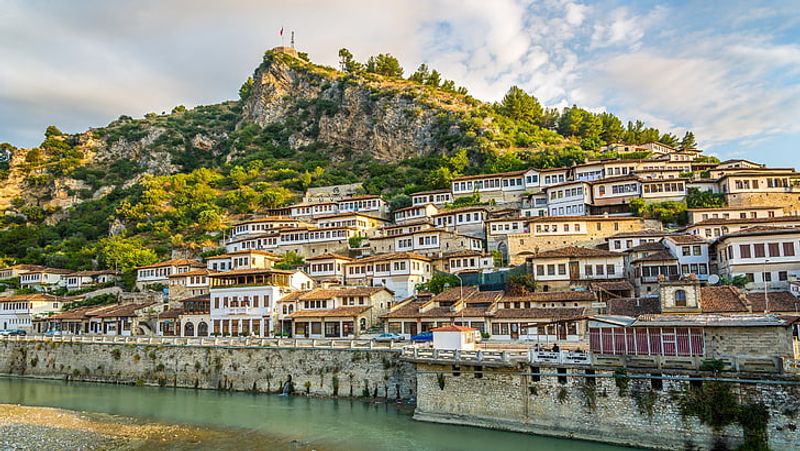
Albania is knocking on the door of a significant milestone. With GNI per capita at $9,910 in 2024, it came remarkably close to crossing the $10,000 mark, and its economic story over the past three decades is one of genuine transformation.
The country emerged from one of the most isolated communist regimes in the world and has steadily built a more open, market-oriented economy since the early 1990s. Tourism has become one of its fastest-growing sectors, with the Adriatic and Ionian coastlines attracting visitors who are looking for something a little less crowded than their usual Mediterranean destinations.
Construction, services, agriculture, and remittances from Albanians living abroad all play important roles in keeping the economy moving. The diaspora connection is particularly strong, with large Albanian communities in Italy, Greece, and Germany sending money home regularly.
Tourism alone, however, cannot close the income gap with richer European economies. Sustained gains in productivity, education quality, infrastructure, and institutional strength matter just as much for long-term growth as any single booming sector.
Albania is classified as an upper-middle-income country by the World Bank and is an official EU candidate. Its income trajectory suggests the $10,000 threshold may well fall in the coming years if current growth trends continue.
Serbia

Belgrade has quietly become one of southeastern Europe’s most talked-about business and technology hubs, and Serbia’s economy reflects that shift. GNI per capita reached $11,610 in 2024, making it the first entry on this list to clear the $11,000 mark.
Automotive components, machinery, food processing, mining, and information technology all contribute to the national economy, giving Serbia a more diversified production base than many of its Balkan neighbors. The IT sector in particular has grown rapidly, attracting young professionals and foreign companies alike.
Geography works in Serbia’s favor too. Sitting at the crossroads of key transport corridors connecting Central Europe, the Balkans, and southeastern Europe, the country trades heavily with EU markets and benefits from its position as a regional logistics hub.
The income gap with nearby EU economies is still significant. Hungary recorded $20,770 and Croatia $22,250 in 2024, nearly double Serbia’s figure.
Closing that gap will require continued investment, institutional improvements, and deeper integration with European markets.
Serbia remains in the World Bank’s upper-middle-income category and holds EU candidate status. Its economic momentum and strategic location suggest it has more room to grow than many countries further down this list.
Montenegro
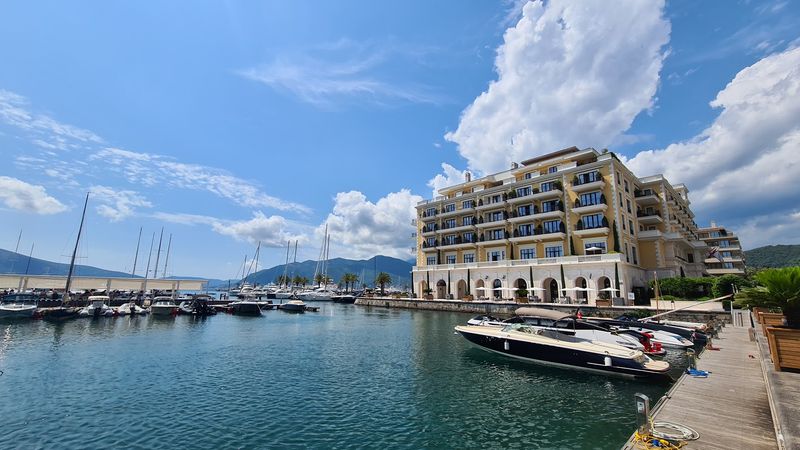
Visitors who arrive by yacht at Kotor or stroll the glamorous marina at Porto Montenegro could be forgiven for thinking this is one of Europe’s wealthier corners. The reality is more nuanced.
Montenegro’s GNI per capita stood at approximately $12,210 in 2024, placing it ninth on this list.
Tourism is genuinely central to Montenegro’s economy, and the coastline around Kotor, Budva, and Tivat does attract high-spending visitors. But a handful of luxury resorts does not automatically translate into Western European income levels for the country as a whole.
Montenegro’s domestic market is tiny, with a population of under 700,000. That small size makes the economy heavily dependent on outside investment, imported goods, and international tourism flows that can swing sharply with global travel trends.
The country uses the euro as its official currency, even though it is not an EU member, which removes exchange-rate risk but also limits its monetary policy options. That unusual arrangement reflects just how closely Montenegro has tied its economic future to European integration.
The World Bank classifies Montenegro as upper-middle income. Its GNI per capita is substantially higher than Bosnia and Herzegovina or Kosovo, but still a considerable distance from neighboring Croatia’s $22,250 figure.
Turkiye
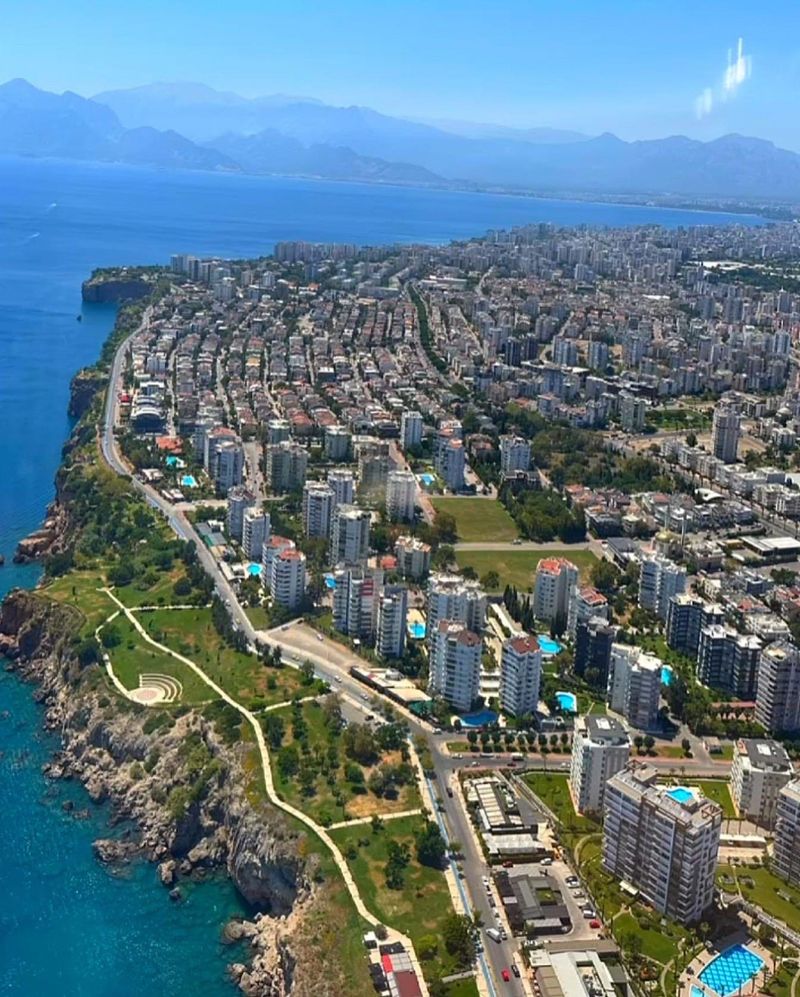
Turkiye operates at a completely different scale from every other country on this list. With a population of more than 80 million, major industrial centers, one of the world’s biggest tourism sectors, and internationally recognized companies, it is an economic heavyweight by any regional measure.
GNI per capita reached approximately $13,460 in 2024.
Istanbul alone generates economic output comparable to some national economies, and the country’s manufacturing, agriculture, construction, and services sectors are all substantial. So why does Turkiye still rank relatively low in the European income table?
Population size is part of the answer. Dividing total national income by a very large population naturally pulls the per-person figure down compared with smaller, wealthier European states.
Currency depreciation and inflation have also weighed on figures expressed in U.S. dollars in recent years.
The World Bank’s Atlas method is specifically designed to soften those exchange-rate distortions by using a three-year, inflation-adjusted conversion factor rather than a single annual rate. Even with that smoothing, Turkiye’s dollar-denominated GNI per capita reflects the real purchasing-power pressures many Turkish households have faced.
Turkiye remains classified as an upper-middle-income economy in the World Bank’s FY2027 framework, and its sheer economic size gives it a weight on regional matters that its income ranking alone does not fully convey.
Russia
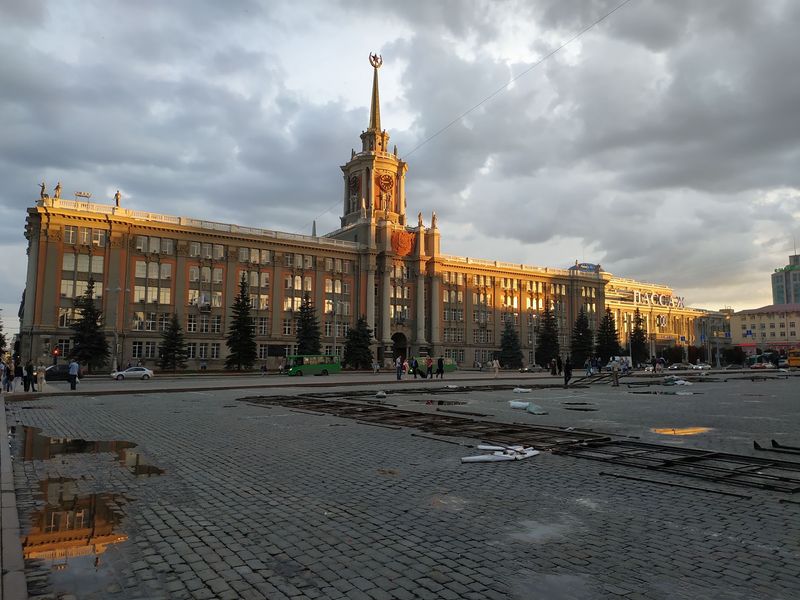
Russia is the largest country on Earth by land area, and it sits on some of the planet’s most valuable natural resource reserves. Yet GNI per capita reached only $15,320 in 2024, placing it near the bottom of the European income table rather than near the top.
Oil, natural gas, mining, industrial output, agricultural production, and military manufacturing all contribute to Russia’s economy. The country’s resource wealth is genuinely enormous by any global standard.
The comparison with Norway makes the puzzle vivid. Both countries are major energy producers, yet Norway recorded GNI per capita of approximately $98,170 in 2024, more than six times Russia’s figure.
Resource wealth clearly does not guarantee household-level prosperity on its own.
Institutions, economic diversification, capital accumulation, demographic trends, and how national wealth is actually distributed all play major roles in determining whether resource revenues translate into broadly shared income gains. Russia’s economic structure has historically concentrated gains in ways that do not filter through evenly to the general population.
International sanctions related to the war in Ukraine have added further pressure on trade, investment, and technology access since 2022. The full long-term economic impact of those measures is still unfolding, making Russia one of the harder entries on this list to evaluate with confidence.
Bulgaria
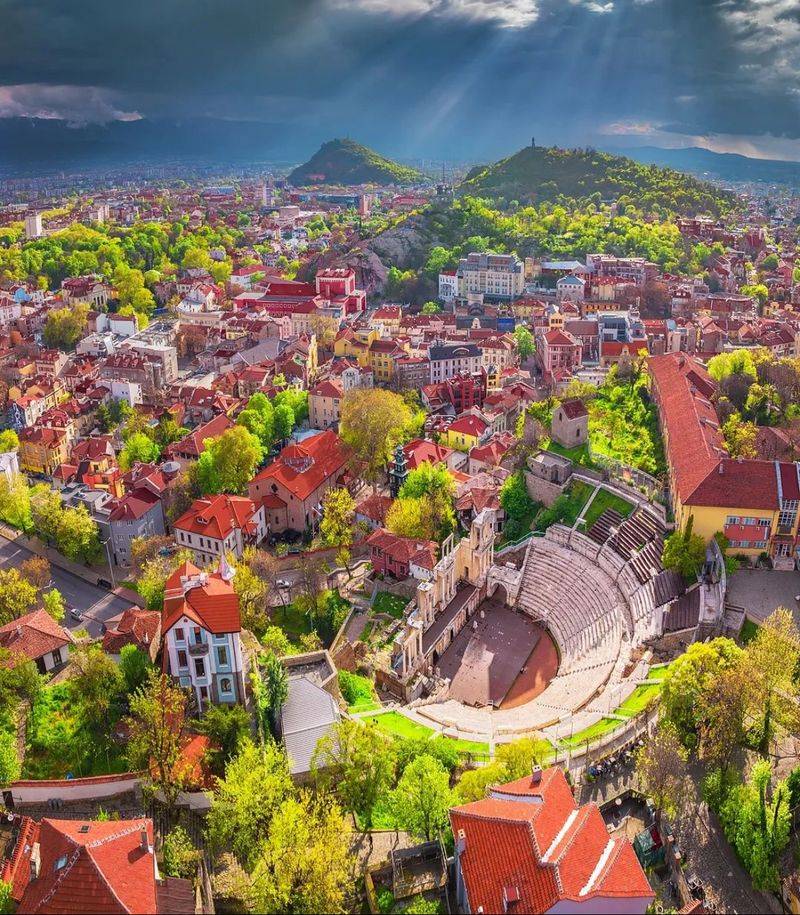
Bulgaria holds a distinction that might surprise some readers: it is the lowest-income member of the European Union in this GNI-per-capita comparison. At $15,370 per person in 2024, it sits almost level with Russia, though the two countries have arrived at that number through very different paths.
EU membership has brought Bulgaria access to the single market, infrastructure funding, labor mobility, and a steady stream of investment. Sofia has developed growing technology and business-services sectors that attract younger, skilled workers and international companies looking for a cost-competitive EU base.
The gap with other EU members is still wide, though. Romania recorded $17,600, Hungary $20,770, Croatia $22,250, and Czechia $29,560 in the same dataset.
Those figures show how much income variation still exists within the bloc, even after decades of integration and convergence funding.
Outward migration remains one of Bulgaria’s biggest economic challenges. The country has lost a significant share of its working-age population to wealthier EU labor markets, which creates labor shortages at home and puts pressure on public services and social systems.
By global standards, Bulgaria is far from poor. But within the EU, closing the remaining income gap with Central and Western European members remains one of the country’s most important long-term economic tasks.
Romania
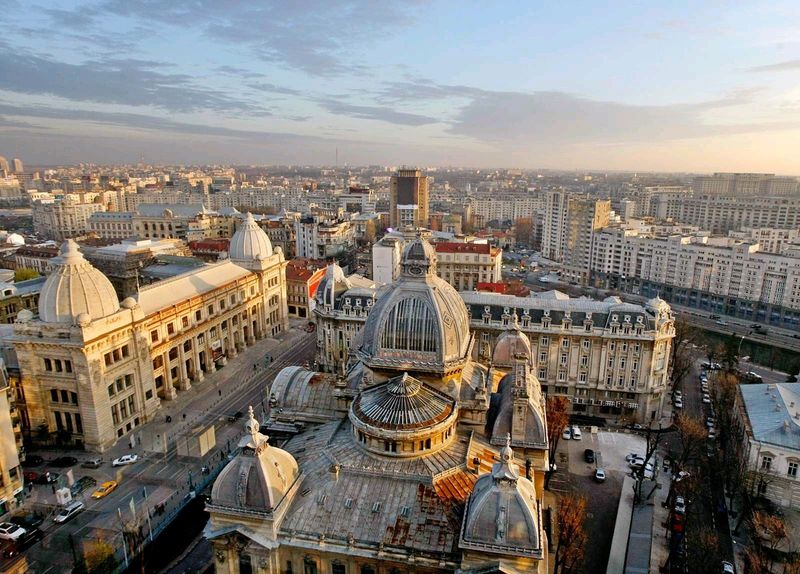
Romania closes this list at $17,600 per person in 2024, and its inclusion here says something interesting about how far the country has come rather than simply how far it still has to go. Two decades of EU membership have genuinely moved the needle on income levels.
Since joining the European Union in 2007, Romania has built up meaningful automotive manufacturing, information technology, business services, and foreign investment sectors. Bucharest and several regional cities have developed rapidly, and average incomes have crept closer to those of Central European economies than anyone would have predicted in the early 2000s.
The gap with Western Europe remains large, though. Germany recorded $55,090, France $45,160, and the Netherlands $62,520 in the same 2024 World Bank dataset.
Those figures put Romania’s progress in perspective: real, but still incomplete.
Outward migration has been a double-edged story. Many Romanians working abroad send remittances home, boosting household incomes, but the loss of skilled workers has created shortages in healthcare, construction, and other key sectors.
Romania illustrates both sides of Europe’s income story at once. A country that has made genuine strides and still has significant ground to cover.
Its presence at number 13 on this list is as much a sign of progress as it is a reminder of how wide Europe’s income spectrum truly is.
Share this story