Some places earn their fame through beauty, history, or culture. Others get remembered because something went terribly wrong there.
From prison islands to disaster zones, these 15 locations became household names not because of anything glamorous, but because of tragedy, crime, or catastrophe. Each one carries a story that changed the world in ways nobody could have predicted.
Alcatraz Island, San Francisco, California
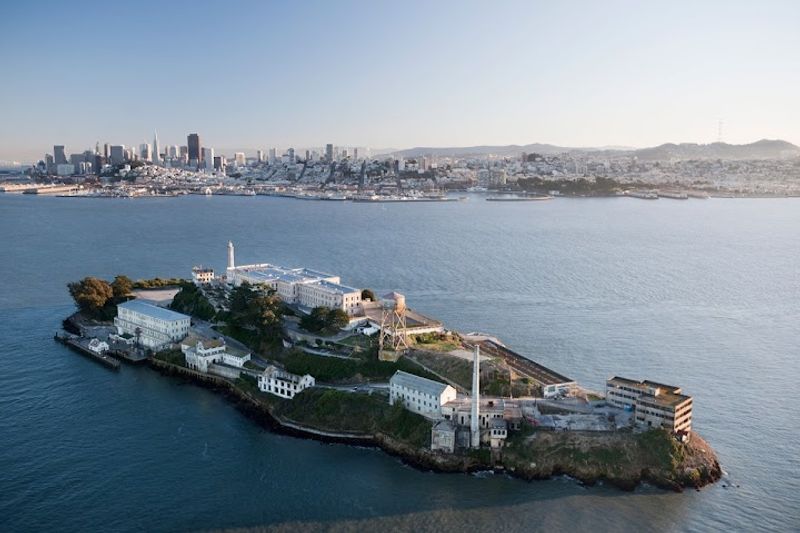
Cold water, cold walls, and zero chance of a comfortable life. That was the promise of Alcatraz, the federal penitentiary that opened on a rocky island in San Francisco Bay in 1934.
It was built specifically for prisoners considered too dangerous or too disruptive for other federal facilities.
The island did its job through geography alone. San Francisco sat visible across the bay, close enough to taunt inmates but separated by freezing, fast-moving water.
Over 1,500 people were incarcerated there during its 29 years of operation.
The famous names helped build the legend fast. Al Capone, George “Machine Gun” Kelly, and Alvin Karpis all served time on The Rock.
The FBI records 36 men attempting 14 separate escapes, with most captured or killed. Three men from the famous 1962 escape were never found.
Alcatraz closed as a prison in 1963 and later became part of Golden Gate National Recreation Area. Its history stretches beyond crime, including a significant Native American occupation from 1969 to 1971.
Today it draws over a million visitors a year, all coming to see a place designed to make people disappear from society.
Auschwitz-Birkenau, Poland
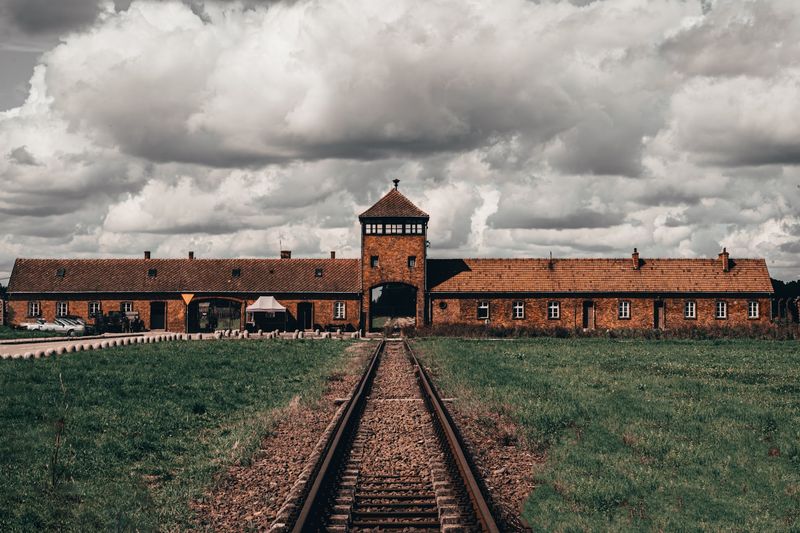
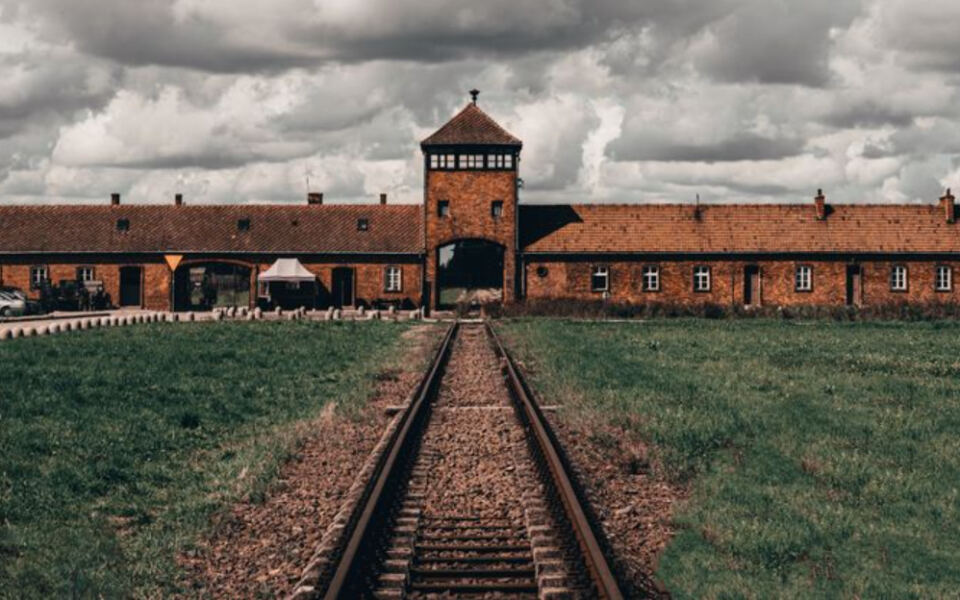
No place on this list carries heavier historical weight than Auschwitz. The Nazi German concentration and extermination camp complex, operated in occupied Poland during World War II, became the largest site of mass murder in the entire Nazi system.
The Auschwitz-Birkenau Memorial and Museum records that more than 1.1 million people were killed there. The majority were Jewish men, women, and children.
Poles, Roma and Sinti, Soviet prisoners of war, and people of many other nationalities were also murdered within the camp’s perimeter.
Birkenau became a center of industrialized killing between 1942 and 1944. Railway tracks, crumbling barracks, ruins of gas chambers, and vast collections of victims’ personal belongings all remain at the site today.
UNESCO added Auschwitz to the World Heritage List in 1979, calling it a key place of collective memory.
Visiting is not tourism in any ordinary sense. The site exists because forgetting what happened there would be genuinely dangerous.
Every artifact preserved and every name recorded is a direct argument against the kind of thinking that made the camp possible in the first place.
Hiroshima Peace Memorial, Hiroshima, Japan
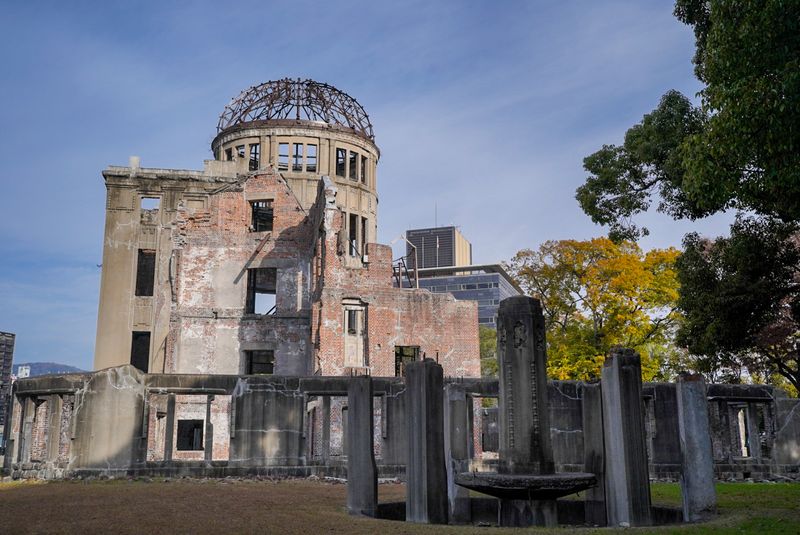
Before August 6, 1945, the building now called the Atomic Bomb Dome was just a busy commercial hall near the center of Hiroshima. Then the United States dropped the world’s first atomic bomb used in warfare directly above the city, and everything changed in seconds.
The structure survived the blast only because the explosion happened almost directly overhead, collapsing the roof but leaving the outer walls partially standing. Most of the surrounding city was destroyed.
Tens of thousands of people died instantly, and tens of thousands more died from radiation effects in the weeks and months that followed.
Rather than demolish the ruined building during reconstruction, Hiroshima preserved it as a permanent reminder. Today the Genbaku Dome stands beside Peace Memorial Park, recognized by UNESCO as both evidence of humanity’s most destructive weapon and a symbol of hope for nuclear disarmament.
What makes Hiroshima unique among disaster sites is the deliberate shift in meaning. The city chose to turn the wreckage into an argument for peace rather than a monument to suffering.
Visitors from around the world come not just to remember the destruction, but to take seriously what should come after it.
Chernobyl and Pripyat, Ukraine
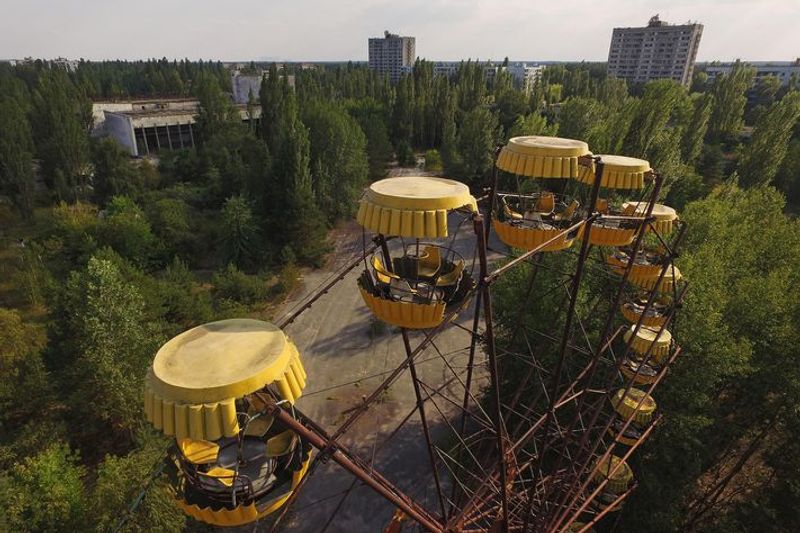
Pripyat was a modern Soviet city purpose-built for young families working at the nearby Chernobyl nuclear power plant. It had apartment blocks, schools, a swimming pool, and an amusement park that barely had time to open before everything fell apart.
On April 26, 1986, Reactor No. 4 exploded during a low-power test, releasing a massive wave of radioactive material into the atmosphere. The International Atomic Energy Agency considers it one of the defining nuclear accidents in history.
Pripyat’s 49,000 residents were evacuated the following day, told to pack for a few days. Nobody ever came back to live there.
The images that emerged from Pripyat became some of the most haunting photographs of the 20th century. Empty classrooms with textbooks still open, a rusted Ferris wheel frozen in time, apartment towers slowly being swallowed by forest.
The city did not gradually empty out. It stopped existing in roughly 48 hours.
Radioactive fallout spread across large parts of Europe. Hundreds of thousands of people were resettled from the surrounding region.
Decades of health consequences followed. Today Chernobyl draws curious visitors, but the scale of what happened there goes far beyond any ghost-town aesthetic.
World Trade Center Site, New York City
The Twin Towers were never just buildings. From the moment they opened in the early 1970s, they represented New York’s ambition and its belief in its own importance.
Standing at over 1,360 feet, they were among the tallest structures in the world and became instantly recognizable symbols of American commerce.
That symbolism made them targets. A terrorist bombing in the parking garage beneath the complex in 1993 killed six people and injured over a thousand.
Then on September 11, 2001, al-Qaeda terrorists hijacked commercial aircraft and flew two of them directly into the towers. Both skyscrapers collapsed within hours.
Nearly 3,000 people were killed that day across the New York, Pentagon, and Pennsylvania attack sites.
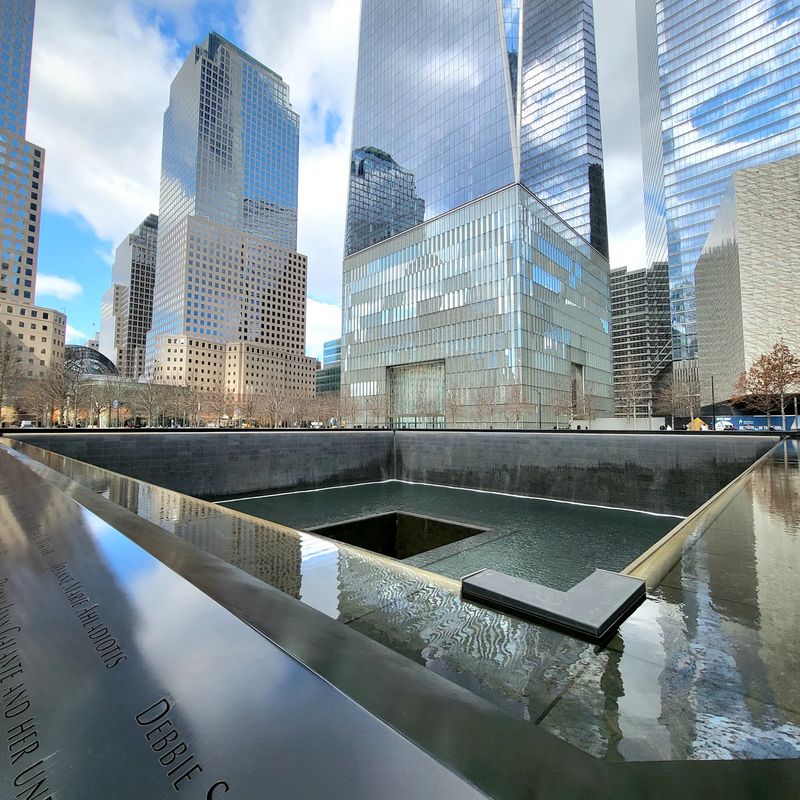
The 9/11 Memorial now occupies the footprints of the original towers. Two enormous reflecting pools descend into the ground where the buildings once stood, with the names of every victim inscribed along their edges.
The underground museum preserves artifacts, recordings, and personal stories from the attacks.
Few landmarks in American history have had their meaning rewritten so completely and so violently in a single morning. The site that once celebrated height and economic power now asks visitors to stand quietly and remember who was lost.
Dealey Plaza, Dallas, Texas
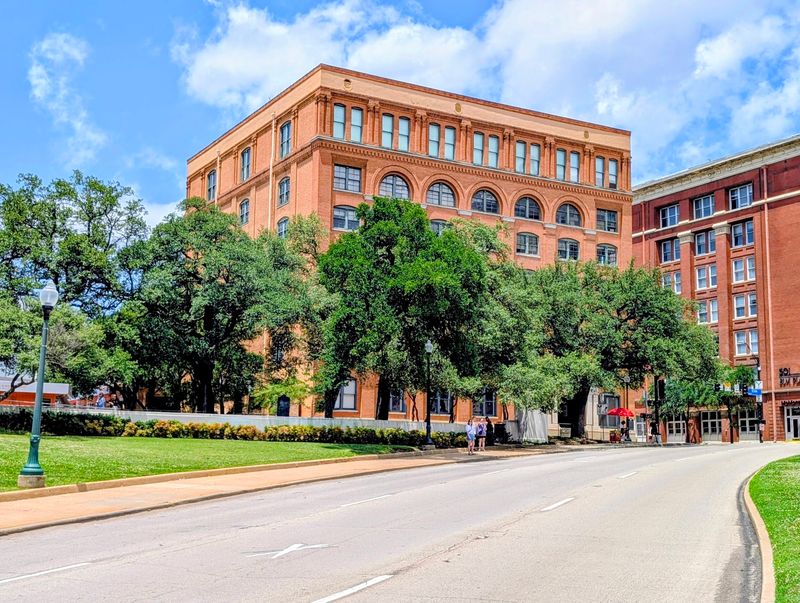
On most days, Dealey Plaza looks like a perfectly ordinary piece of downtown Dallas. There is a grassy lawn, a few roads converging near an underpass, and an old brick building on the corner.
Nothing about the physical space suggests why millions of people know its name.
On November 22, 1963, President John F. Kennedy’s motorcade turned onto Elm Street beside the Texas School Book Depository.
Shots were fired. Kennedy was struck and died shortly after at a nearby hospital.
The assassination sent shockwaves through the United States and across the world within hours.
The Warren Commission investigated and concluded that Lee Harvey Oswald acted alone, firing from a sixth-floor window of the Depository. Decades of debate, conspiracy theories, and ongoing archival releases have never fully settled the public’s questions about what actually happened that afternoon.
The physical plaza remains strikingly unchanged. The Depository still stands.
Elm Street follows the same curve. The grassy knoll is still there, exactly where witnesses said they heard shots coming from.
Dealey Plaza is one of those rare places where millions of visitors already know the story before they ever arrive, and still feel something standing there in person.
Ford’s Theatre, Washington, D.C.
Ford’s Theatre had a solid reputation as one of Washington’s best entertainment venues. People came for comedies, dramas, and musical performances.
On April 14, 1865, it sold out for a comedy called “Our American Cousin,” and President Abraham Lincoln was in attendance, just days after the Civil War’s effective end.
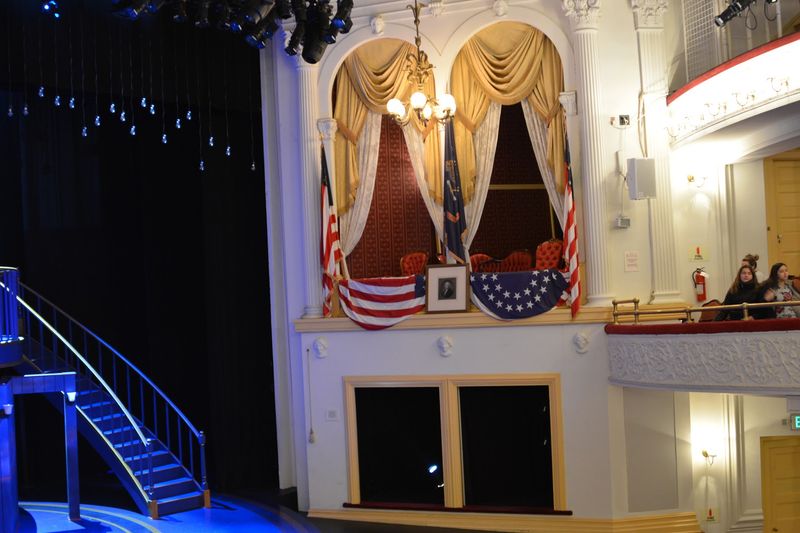
John Wilkes Booth, a well-known actor who had performed on that very stage, slipped into the presidential box and shot Lincoln in the back of the head. Lincoln was carried across the street to Petersen House, where he died the following morning.
The first assassination of an American president had just happened inside a packed theater.
The building went through several different uses over the following century before being restored and reopened as a working theater and National Historic Site. People still attend performances there today.
The presidential box remains decorated exactly as it was that night, and audiences can look up at it from their seats knowing precisely what it represents.
There is something genuinely strange about watching a comedy in a room where a president was murdered. Ford’s Theatre leans into that history rather than hiding from it, which makes the experience unlike any other theater visit in America.
Salem, Massachusetts
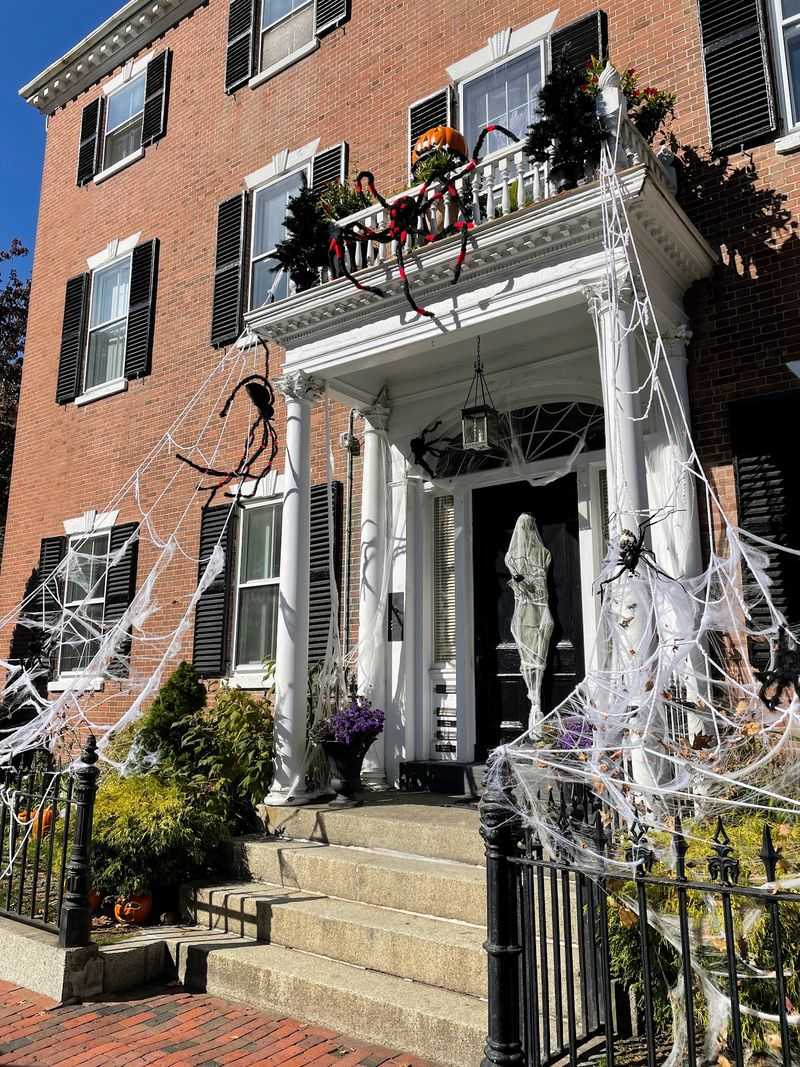
Walk through Salem today and you will find witch-themed coffee shops, Halloween decorations year-round, and a tourism industry built almost entirely around broomsticks and black cats. The surface level is playful and commercial.
The actual history underneath is considerably darker.
In 1692, fear of witchcraft swept through Salem Village and neighboring communities. Over 200 people were accused of practicing witchcraft.
Massachusetts records confirm that 19 people were hanged and one man was pressed to death beneath heavy stones. Others died in prison while awaiting trial.
The evidence used against them included “spectral testimony,” meaning someone claimed to have seen the accused person’s ghost harming them in a dream.
The legal system eventually reversed course. Massachusetts officially recognized the injustice and exonerated the condemned, describing the episode as a warning about persecution, fear, and abuse of power.
The state formally apologized centuries later.
Salem’s modern identity leans heavily on the witch aesthetic while the serious history gets quieter billing. The Witch Trials Memorial, opened in 1992, lists the names of those executed.
The victims were not magical figures from folklore. They were real people killed by real fear, and Salem’s cheerful Halloween branding sometimes makes that easy to forget.
Jonestown, Guyana
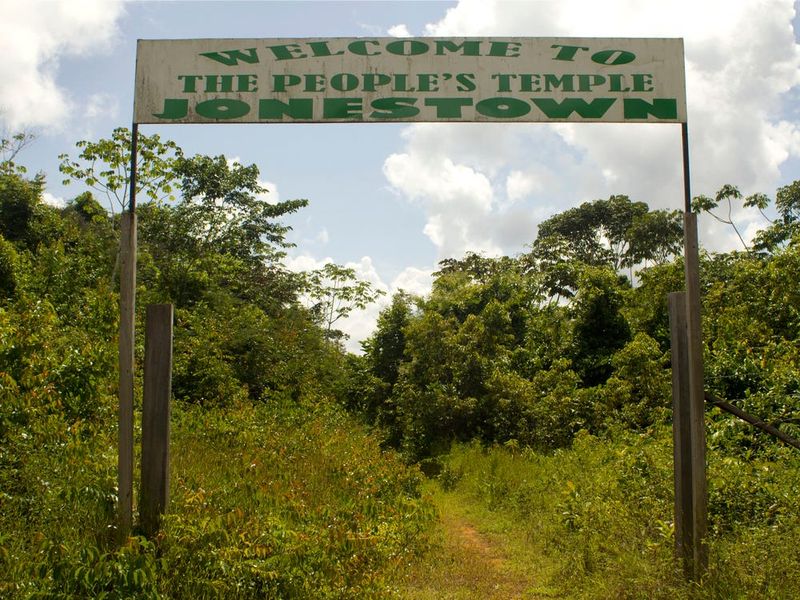
Jonestown started as an idealistic experiment. Jim Jones, the leader of the Peoples Temple religious movement, established the settlement in a remote corner of Guyana as a utopian community away from American society.
By the time the outside world got a good look at what was actually happening there, it was too late.
On November 18, 1978, U.S. Congressman Leo Ryan flew to Jonestown to investigate reports of abuse and people being held against their will.
Several residents asked to leave with him. At the nearby airstrip, Peoples Temple gunmen attacked the departing group, killing Ryan and four others.
It was the only time in American history that a sitting member of Congress was killed in the line of duty.
Back at the settlement, Jones ordered his followers to drink a cyanide-laced punch. Over 900 people died that day, including more than 300 children.
The phrase “drinking the Kool-Aid” entered everyday language because of Jonestown, though that casual expression strips away the coercion, the violence, and the deaths of hundreds of kids who had no choice.
The jungle has reclaimed most of the physical site. The name, however, has never faded from history or from the vocabulary of cult psychology.
Mount Carmel Center Near Waco, Texas
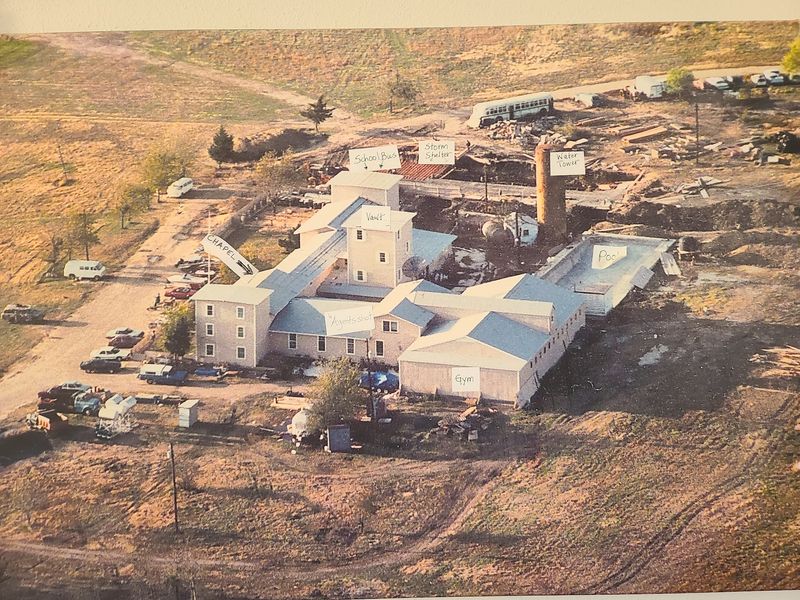
The word “Waco” entered the American political vocabulary in 1993, even though the event that made it infamous happened several miles outside the actual city. The Branch Davidians, a religious group led by David Koresh, lived at the Mount Carmel Center, a compound on rural Texas land.
On February 28, 1993, Bureau of Alcohol, Tobacco, and Firearms agents attempted to serve arrest and search warrants related to alleged firearms violations. A gunfight broke out.
Four ATF agents were killed and 16 were wounded. Casualties occurred inside the compound as well.
The FBI took over and a standoff began that lasted 51 days.
On April 19, federal authorities moved in using tear gas, intending to end the siege. Fire broke out and spread rapidly through the compound.
Most of those still inside died, including Koresh and dozens of his followers. Children were among the dead.
Investigations and congressional hearings followed, with fierce disagreement about the decisions made by federal authorities.
Waco became a reference point in anti-government extremism almost immediately after it ended. Timothy McVeigh, who bombed the Oklahoma City federal building in 1995, cited Waco as part of his motivation.
A physical compound burned down. The argument about what happened there never did.
Pearl Harbor, Hawaii
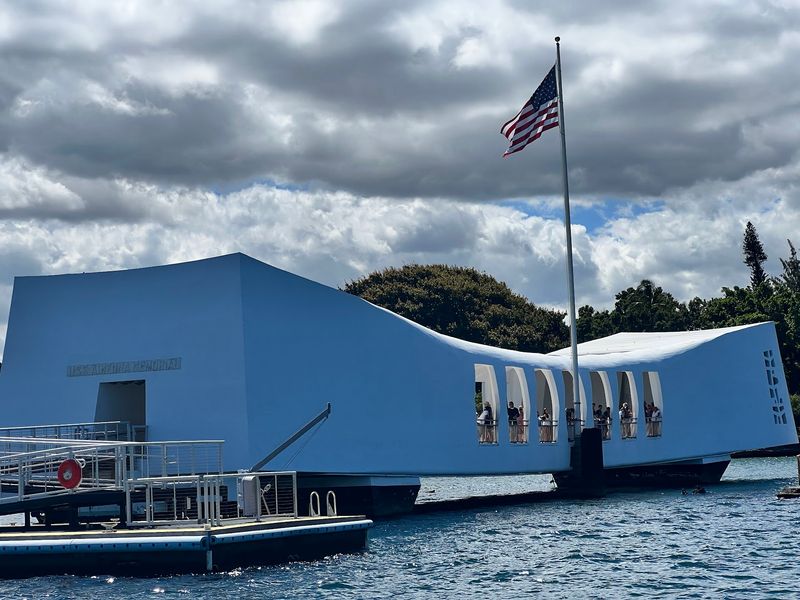
Sunday mornings are supposed to be quiet. On December 7, 1941, the U.S. naval base at Pearl Harbor on the island of Oahu went from peaceful to catastrophic in under two hours, after Japanese forces launched a surprise attack on American military installations across the island.
The USS Arizona took a direct hit and sank rapidly. Of its crew, 1,177 sailors and Marines were killed, many of them trapped below decks.
In total, the attack killed over 2,400 Americans and wounded nearly 1,200 more. The following day, President Franklin D.
Roosevelt called December 7 “a date which will live in infamy” as Congress declared war on Japan, pulling the United States into World War II.
The USS Arizona Memorial now spans the sunken hull of the battleship, which remains on the harbor floor. Oil still seeps slowly from the wreck to the surface, a detail that visitors find quietly haunting.
The broader Pearl Harbor historic site includes several museums, a submarine, and a restored battleship.
Pearl Harbor is still an active military installation. The public areas sit alongside working naval facilities, which gives the memorial an unusual quality.
History and active duty exist side by side in the same harbor, separated by a short boat ride.
Little Bighorn Battlefield, Montana
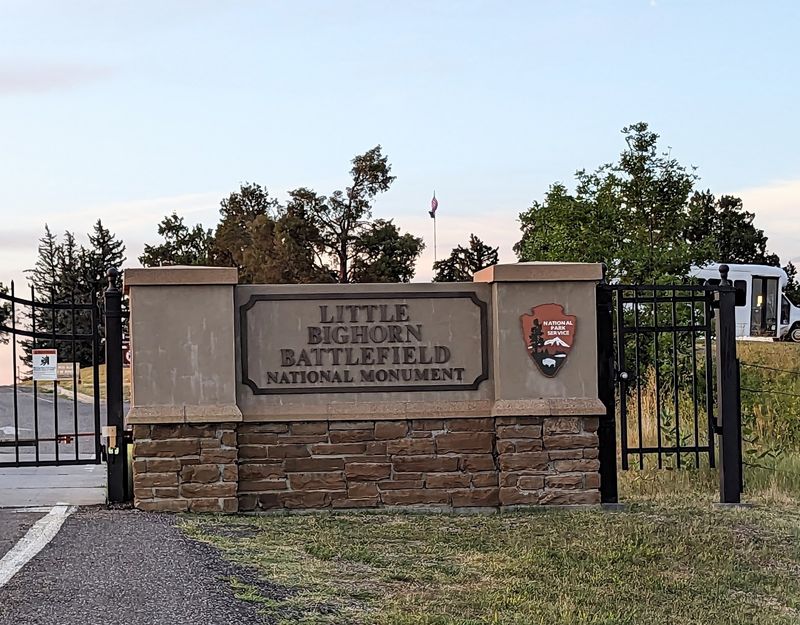
Ask most people about Little Bighorn and the first thing they will mention is Custer. For over a century, the story of what happened along the Little Bighorn River on June 25 and 26, 1876 was told almost entirely through the lens of one cavalry officer’s dramatic defeat.
Lt. Col.
George Armstrong Custer led his portion of the 7th Cavalry into a massive encampment of Lakota, Northern Cheyenne, and allied warriors. His command was overwhelmed and wiped out. “Custer’s Last Stand” became one of the most mythologized military defeats in American history, inspiring paintings, dime novels, and films for generations.
The modern interpretation of the battlefield looks considerably different from that old narrative. The National Park Service now presents the battle as part of the larger conflict between U.S. expansion and Native nations fighting to protect their land and way of life.
A Native American memorial was dedicated at the site in 2003, honoring the warriors who fought there alongside the markers for fallen soldiers.
That shift in framing matters more than it might seem. Little Bighorn is one of the clearest examples of a famous battle site actively rethinking whose story gets told and whose perspective shaped the meaning of the place all along.
Pompeii, Italy
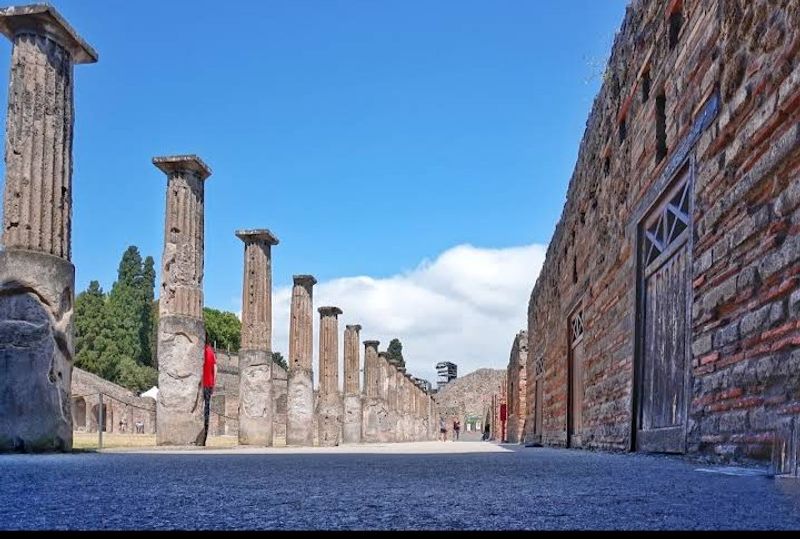
Pompeii has one of the strangest fates in history: it was destroyed so completely and so quickly that it ended up being preserved better than almost any other ancient city on earth. When Mount Vesuvius erupted in AD 79, volcanic ash buried the Roman city so fast that everyday life was essentially frozen in place.
Buildings, streets, shop signs, wall paintings, graffiti, food left on counters, and the remains of people caught in the eruption all survived beneath the volcanic deposits. Excavations beginning in the 18th century gradually revealed a city that UNESCO describes as providing an unparalleled snapshot of Roman society at a precise moment in time.
The plaster casts of victims are among the most powerful and unsettling things at the site. Archaeologists poured plaster into cavities left by decomposed bodies in the ash, revealing the shapes of people in their final moments.
A dog straining at its chain. A family huddled together.
A man covering his face.
Pompeii’s fame has an uncomfortable irony built into it. The catastrophe that killed thousands of people and ended a thriving city is the exact reason so much survived.
Without Vesuvius, most of what we know about daily Roman life in that period might simply never have made it to us.
Bhopal, India
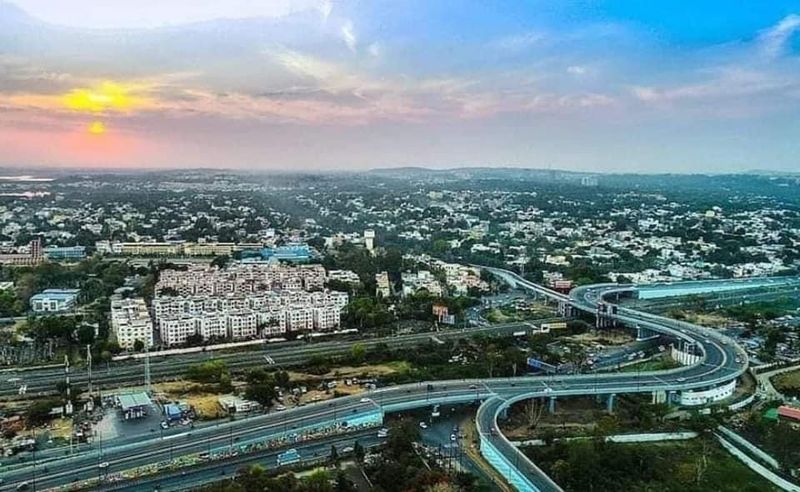
Most people outside India had barely heard of Bhopal before the night of December 2, 1984. By morning, the city’s name was on front pages around the world for the worst reason imaginable.
A storage tank at a Union Carbide pesticide plant released a massive cloud of highly toxic methyl isocyanate gas into the surrounding neighborhoods while most residents were asleep. The U.S.
Environmental Protection Agency describes it as one of the worst industrial disasters in world history. Thousands of people died within hours.
Estimates of the total death toll vary widely, with some figures reaching tens of thousands when longer-term effects are counted. Hundreds of thousands more were injured, many suffering permanent eye, lung, and neurological damage.
The aftermath dragged on for decades. Questions about corporate responsibility, compensation for survivors, environmental contamination of the site, and the adequacy of industrial safety regulations generated legal battles and protests that continued well into the 21st century.
The disaster directly influenced new chemical safety and disclosure laws in the United States.
Bhopal is an ancient city with a long history that has nothing to do with the gas leak. For much of the outside world, however, one night in December 1984 remains the only thing the name brings to mind, which is its own kind of injustice to the place and its people.
Robben Island, South Africa
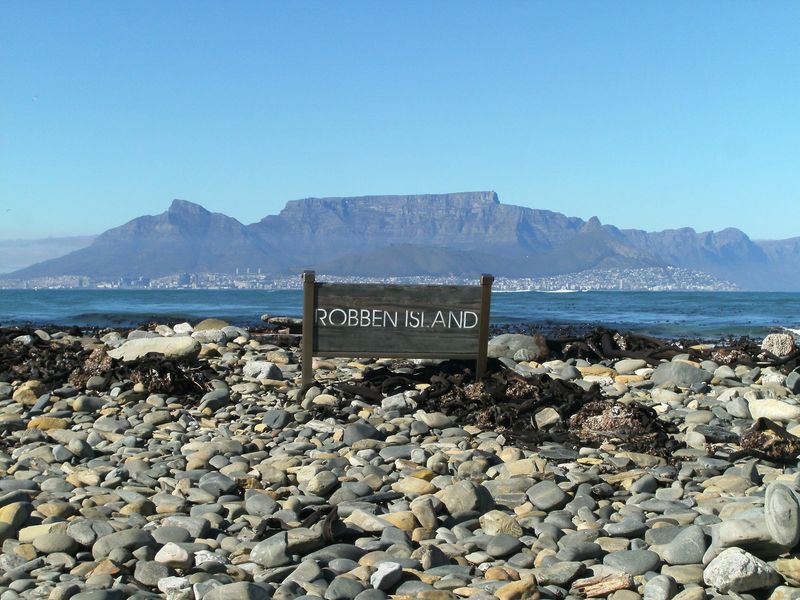
For centuries, Robben Island served one basic purpose: keeping people away from everyone else. Situated in the cold waters off Cape Town, it held lepers, people considered mentally ill, and eventually political prisoners deemed dangerous by whoever was in power at the time.
Its most infamous chapter arrived with apartheid. South Africa’s white minority government used the island’s maximum-security prison to lock away its most prominent opponents.
Nelson Mandela spent 18 of his 27 prison years there. Walter Sisulu, Govan Mbeki, and dozens of other anti-apartheid leaders were imprisoned on the island alongside him.
Conditions were deliberately harsh. Prisoners performed forced labor in a limestone quarry, received the worst food rations based on their race, and had severely restricted access to reading materials and family visits.
The quarry’s glare permanently damaged Mandela’s eyesight.
UNESCO inscribed Robben Island as a World Heritage Site in 1999, describing it as both a symbol of the cruelty of apartheid and a monument to the power of resistance and democracy over oppression. Many of the tour guides today are former political prisoners who were incarcerated there themselves.
That detail changes the experience entirely. Robben Island is one of the few places on this list where the people who suffered there now get to tell the story in their own words.
Share this story