Australia is a country where the cities often get all the credit, but the real variety sits well beyond the skylines of Sydney, Melbourne and Brisbane. From red desert landscapes to turquoise bays and cool-climate wine country, the places that tend to leave the strongest impressions are often the ones that require a little more intention to reach.
This list covers 13 destinations across the country that can each hold up as the main event of a trip, not just a side note. Whether you are planning a long weekend or a proper holiday, these spots offer more than enough to keep you busy, curious and glad you made the effort.
Margaret River, Western Australia
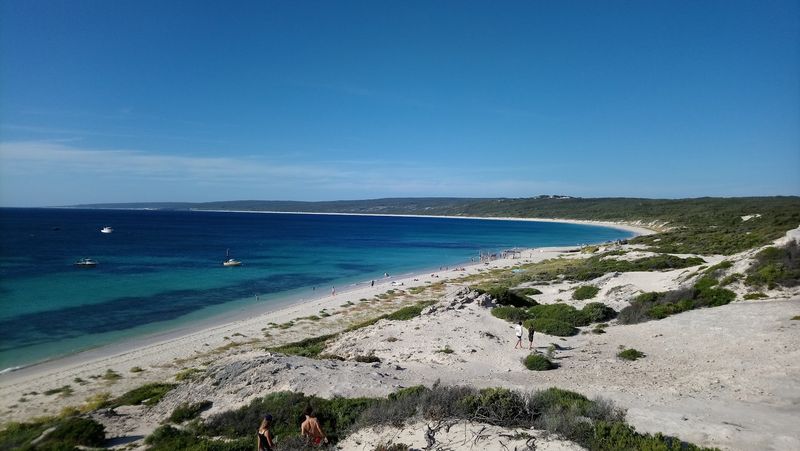
Wine country, surf breaks and limestone caves all sharing the same postcode sounds almost too good to be true, but Margaret River genuinely delivers on that combination. Located in the southwest corner of Western Australia, the region has built a reputation around premium wine production, and its cellar doors are among the most visited in the country.
The coastline is just as impressive. The annual Margaret River Pro brings world-class surfing to Surfers Point, and the Cape to Cape Track follows dramatic headlands and beaches for those who prefer their exercise on foot.
Underground, visitors can tour formations inside Mammoth Cave and Lake Cave.
Aboriginal-led cultural experiences add meaningful context to the landscape, and nearby Busselton extends the range of things to do. Perth is roughly three hours north by road, but travelers who arrive in Margaret River often find little reason to hurry back.
Launceston, Tasmania
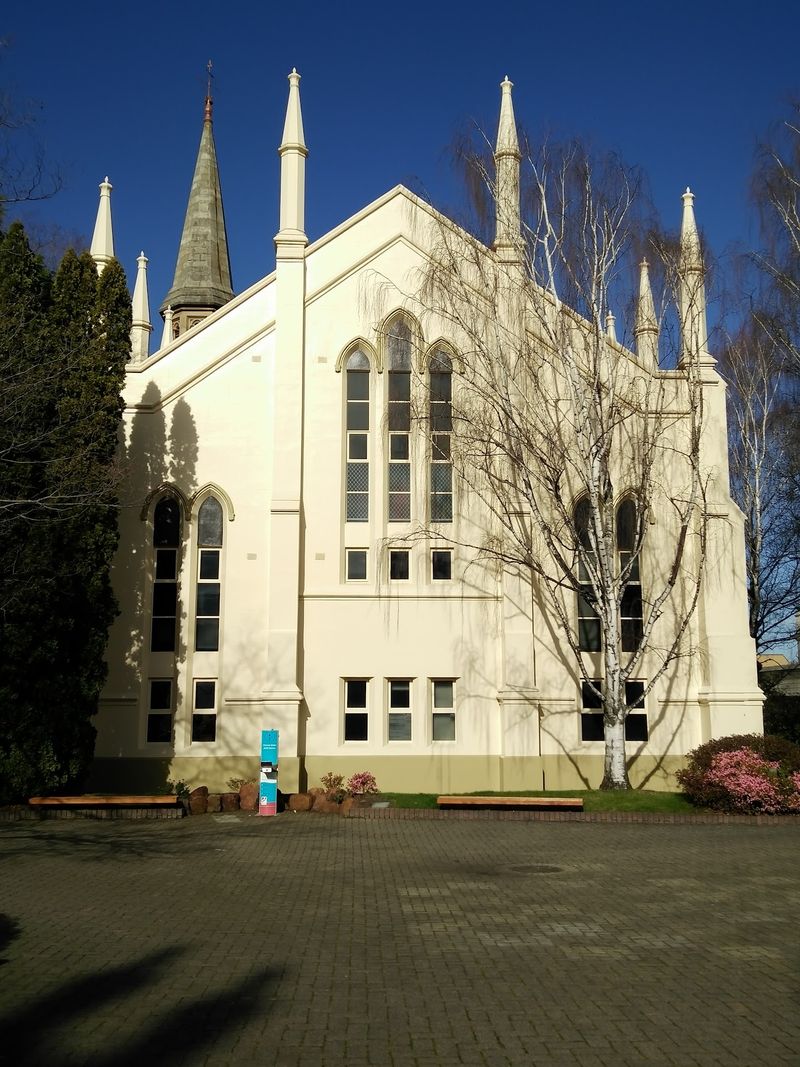
Not many cities of Launceston’s size can claim a dramatic natural gorge practically within walking distance of the main street. Cataract Gorge sits just minutes from the city center and offers walking trails, wildlife and a scenic chairlift that crosses the First Basin, making it an easy and rewarding half-day from anywhere in town.
Launceston holds UNESCO Creative City of Gastronomy status, which reflects how seriously the local food scene takes itself. Restaurants around the city draw on Tasmanian produce, and the nearby Tamar Valley wine region is an easy and rewarding day trip.
For those wanting to explore further, Bridestowe Lavender Estate and the road toward the Bay of Fires are both accessible from here. A regional airport connects Launceston with mainland Australia, meaning travelers can base themselves here without treating the city as just a brief stop between better-known Tasmanian highlights.
Port Douglas, Queensland
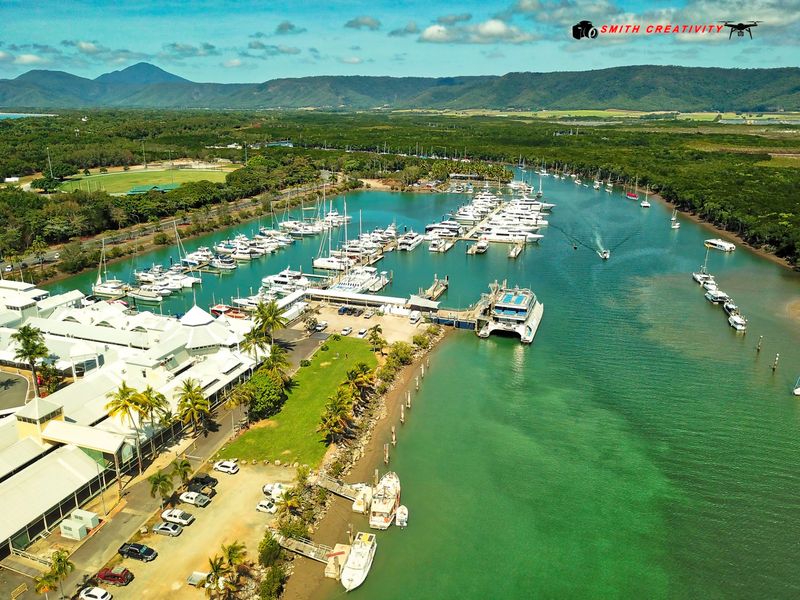
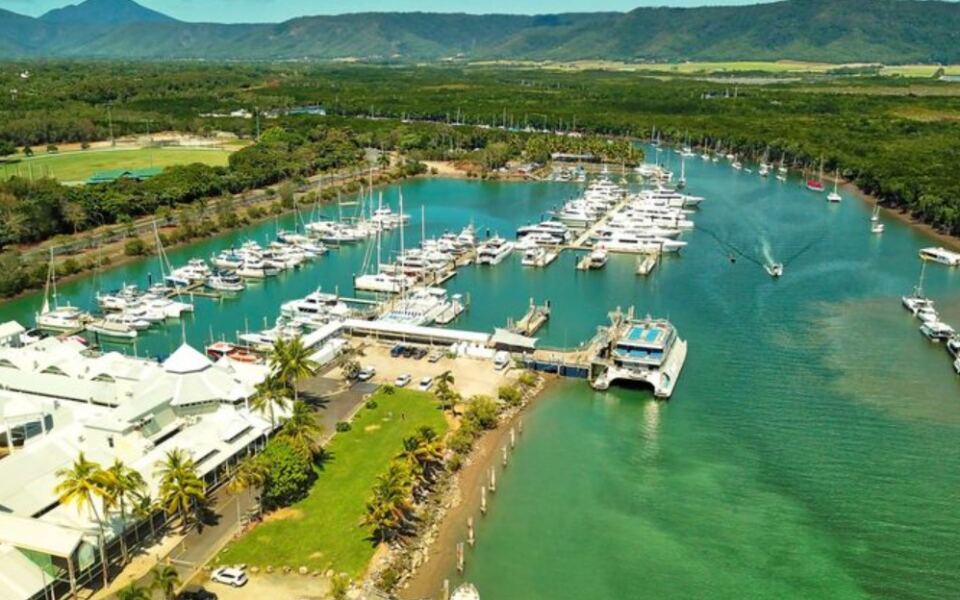
Sitting about an hour north of Cairns by road, Port Douglas punches well above its size when it comes to what is available on any given day. The Great Barrier Reef and the Daintree Rainforest are both within reach, which gives the town a rare advantage that larger cities further south simply cannot match.
Reef cruises depart from Port Douglas Marina for snorkeling and diving sites including Agincourt Reef. Four Mile Beach runs along the edge of town and is one of the more accessible and appealing stretches of sand in tropical Queensland.
The town center is compact and walkable, with cafes, restaurants and resorts spread through a leafy grid of streets. One day can be spent on the reef, another in the rainforest canopy and another doing very little at all.
That kind of flexibility is exactly what makes Port Douglas worth considering as a standalone base.
Alice Springs, Northern Territory
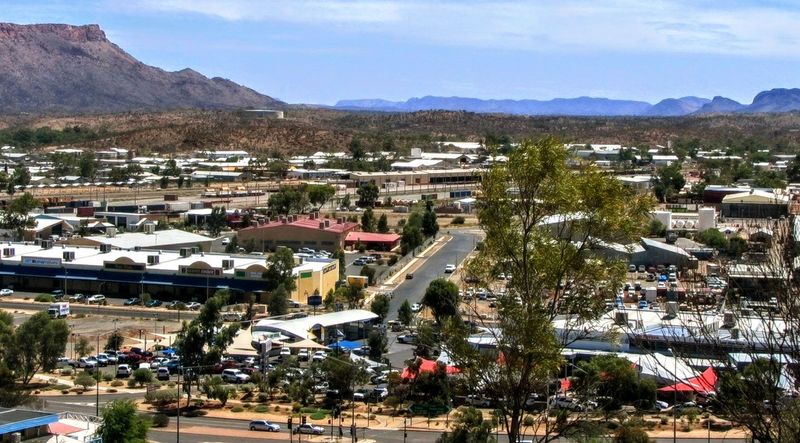
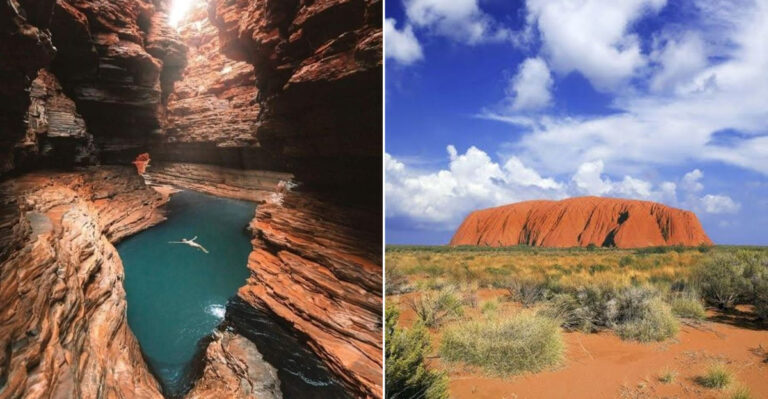
Known traditionally as Mparntwe, Alice Springs sits deep in the Red Centre and offers an experience of Australia that has almost nothing in common with the country’s coastal capitals. The town is strongly connected with Arrernte culture, and visitors can explore Aboriginal art galleries and learn about local history through several well-established cultural institutions.
The Alice Springs School of the Air and the historic Telegraph Station are both genuine points of interest within town. Outside it, the West MacDonnell Ranges provide gorges, waterholes and walking trails that stretch across a remarkable stretch of country.
Desert conditions also make Alice Springs one of the better stargazing locations in the country, and hot-air balloon flights over the landscape operate regularly. Tourism Australia continues to list current visitor experiences and events in the area, reinforcing that Alice Springs offers enough substance to justify a multi-day stay rather than just a quick overnight.
Broome, Western Australia
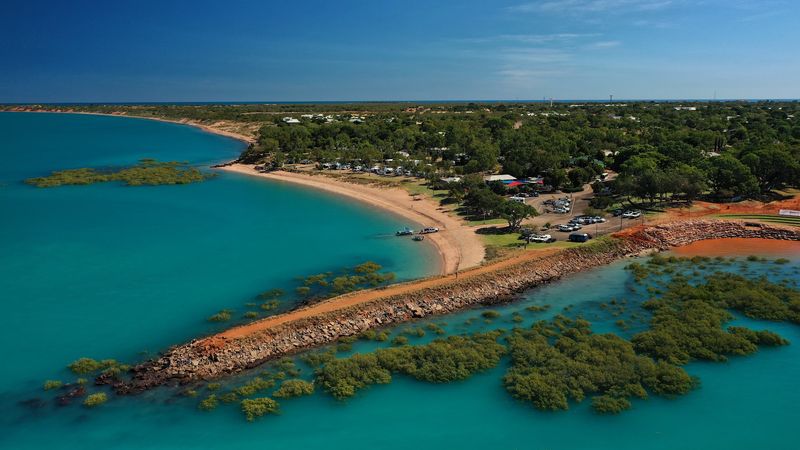
Red earth meeting turquoise water is not a combination found everywhere in Australia, and Broome wears it better than most. Cable Beach is the town’s signature draw, and the camel tours that operate along the sand at sunset have become one of the most photographed experiences in the country’s northwest.
Broome’s history is closely tied to the pearling industry, and working pearl farms can still be visited on guided tours. That history gives the town a cultural texture that goes well beyond scenery.
The natural history here is also remarkable. Dinosaur footprints estimated at roughly 120 million years old have been preserved along sections of the coast, and Gantheaume Point offers striking views where red cliffs drop toward the ocean.
Broome Airport sits less than a kilometer from the city center, which makes reaching this remote-feeling destination considerably more straightforward than the landscape might suggest.
Orange, New South Wales
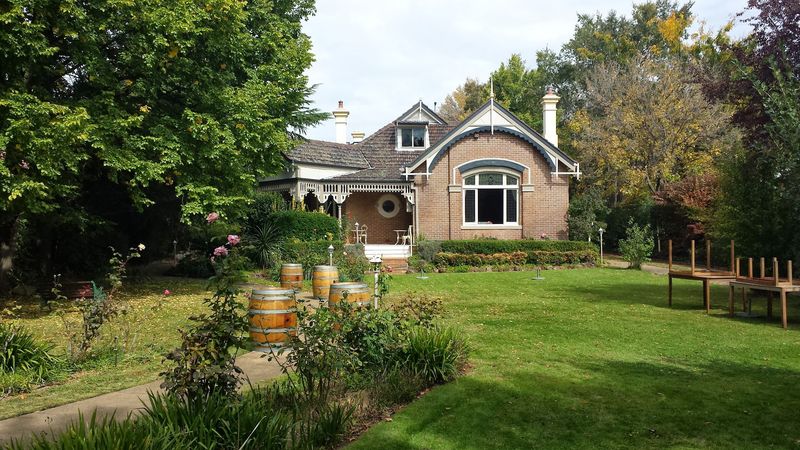
Orange sits in the Central Tablelands at an elevation that gives it four distinct seasons, something that feels genuinely different from coastal New South Wales. That elevation and the region’s volcanic soils support a cool-climate wine industry that has grown into one of the most respected in the country.
More than 40 cellar doors operate in the region, and the restaurant scene in town reflects the quality of local produce. Autumn is a particularly popular time to visit, when foliage turns across vineyards and orchards, and spring brings flowering trees and milder temperatures that make outdoor exploring comfortable.
Orange Regional Airport makes the area accessible without requiring a long drive from Sydney, which typically takes around three to four hours by road. Tourism Australia highlights multiple wineries, restaurants and accommodation options in the area, and the variety available makes Orange a legitimate destination rather than a brief regional detour.
Esperance, Western Australia
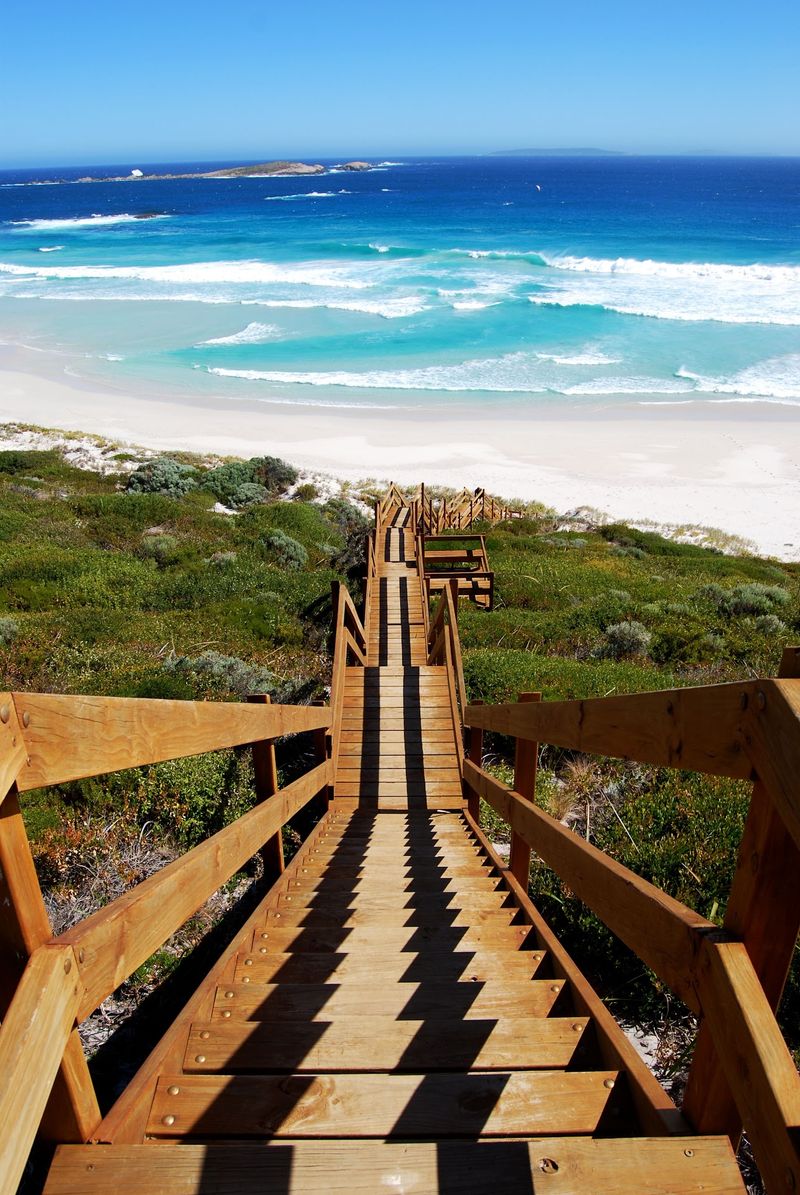
Lucky Bay near Esperance is one of those places that looks like it belongs in a travel poster rather than real life. The sand is some of the whitest in the country, the water runs a vivid turquoise, and kangaroos are regularly spotted resting along the shoreline, which is not something most beaches can offer.
Cape Le Grand National Park surrounds the bay and includes coastal hiking trails with views across a stretch of Southern Ocean coastline that rarely gets crowded. Scenic flights over the colorful inland lakes add another angle to the visit for those wanting a broader perspective on the region.
Esperance also offers local experiences connected with Wudjari Noongar culture, giving visitors a chance to understand the landscape through a different lens. Tourism Australia continues to recommend the region as one of Australia’s standout nature-based destinations, and the town itself has accommodation and dining to support a proper stay.
Airlie Beach, Queensland
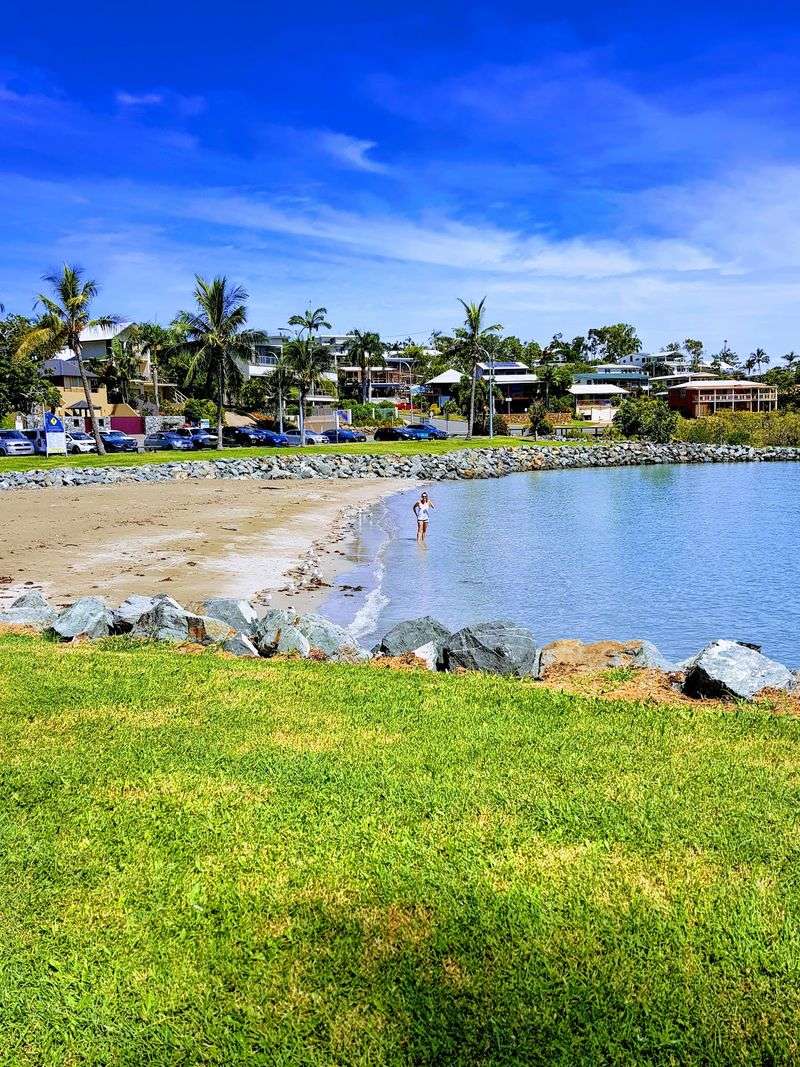
Airlie Beach is a small town with an outsized geographic advantage. The Whitsunday Islands sit just offshore, and this compact mainland base is where most travelers organize their trips to Whitehaven Beach, Hill Inlet and the outer Great Barrier Reef.
Sailing trips, snorkeling tours, high-speed boat excursions and scenic flights all depart from the area, giving visitors a range of ways to experience the islands depending on budget and preference. Between excursions, the town has a year-round swimming lagoon, waterfront parks, restaurants, markets and the Bicentennial Walkway along the coast.
Nearby Conway National Park adds rainforest and hiking trails to the mix for those who want something away from the water. Whitsunday Coast Airport is around 38 kilometers from town, with shuttle, taxi and car-rental options available on arrival.
Ferries and tour boats continue to operate from the Airlie Beach area throughout the year, making logistics straightforward.
Albany, Western Australia
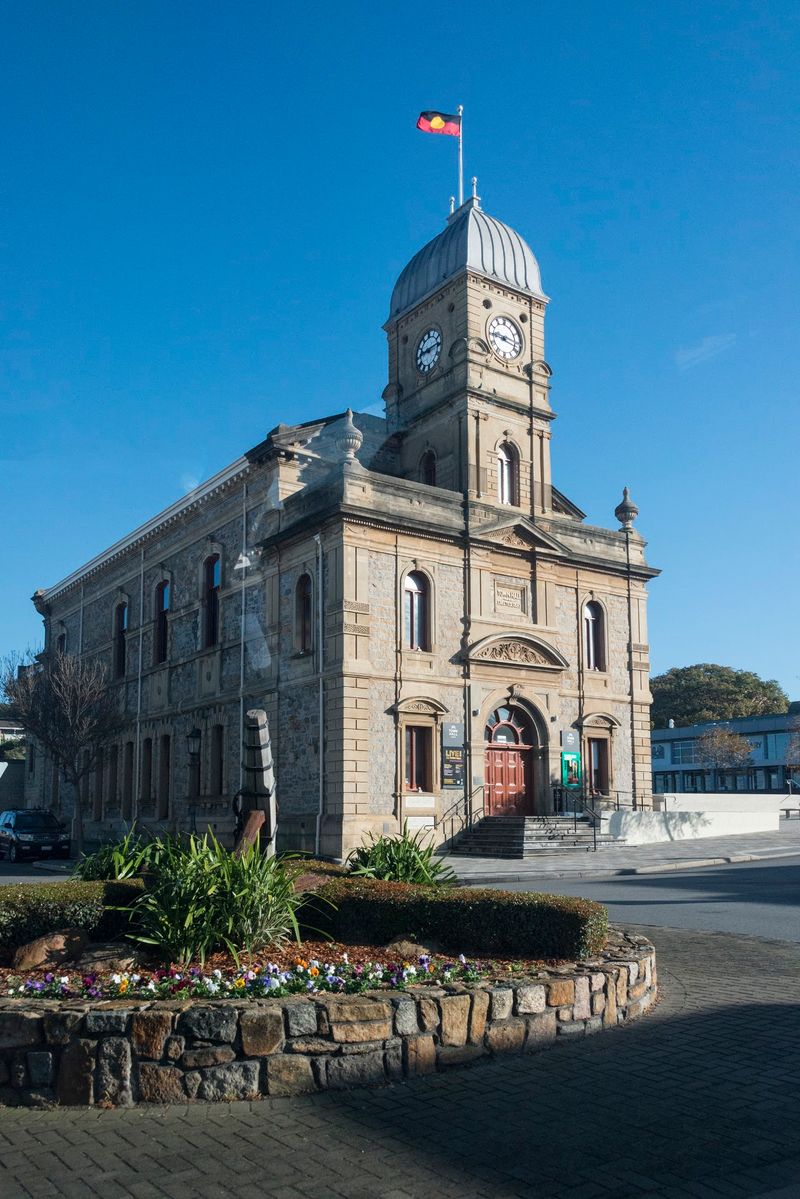
Albany sits at the bottom of Western Australia where the Southern Ocean makes itself known in no uncertain terms. Torndirrup National Park is one of the main reasons to visit, and the Gap and Natural Bridge are its most striking features, where boardwalks and lookouts let visitors watch the ocean force its way through ancient granite formations.
Away from the dramatic coastline, Middleton Beach and Little Beach offer far calmer conditions for swimming and walking. The town also carries significant weight in Australian military history, with around 41,000 troops having departed from the area in 1914.
The National Anzac Centre interprets that story with considerable care and detail.
A former whaling station has been converted into a museum, while the Museum of the Great Southern covers the region’s broader history and Menang Noongar culture. Direct flights from Perth serve Albany Regional Airport, making the town practical for travelers who want the scenery without an extended road trip.
Kangaroo Island, South Australia
Kangaroo Island sits off the Fleurieu Peninsula and operates almost like a self-contained nature destination. Wildlife is the headline act.
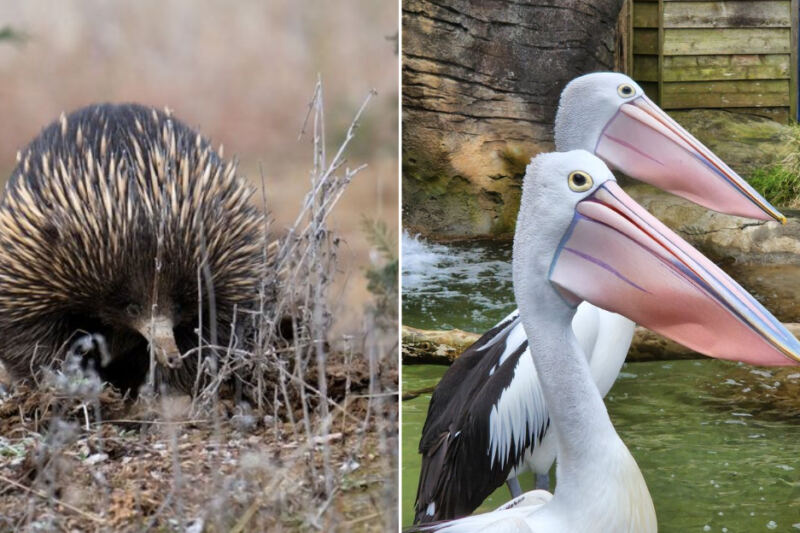
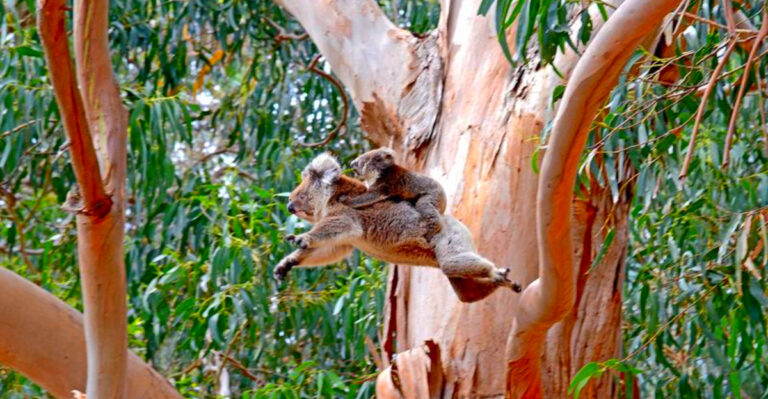
Seal Bay Conservation Park protects a colony of Australian sea lions that can be observed on guided beach walks, while kangaroos, koalas, echidnas and a wide variety of birds are encountered across the island.
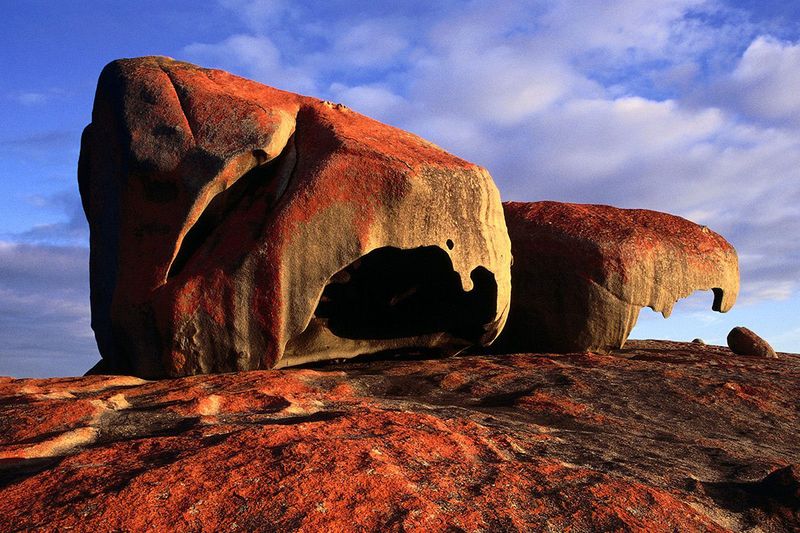
Flinders Chase National Park contains two of the island’s most recognizable landmarks: Remarkable Rocks, a cluster of granite boulders perched on a coastal clifftop, and Admiral’s Arch, a natural rock formation near the island’s southwestern tip.
Beyond wildlife, the island supports wineries, farms and upscale accommodation, giving visitors a fuller experience between nature excursions. Ferries carry passengers and vehicles from Cape Jervis to Penneshaw, while flights connect Adelaide with Kingscote Airport.
Tourism Australia recommends hiring a car or joining a tour, as public transport does not operate across the island.
Byron Bay, New South Wales
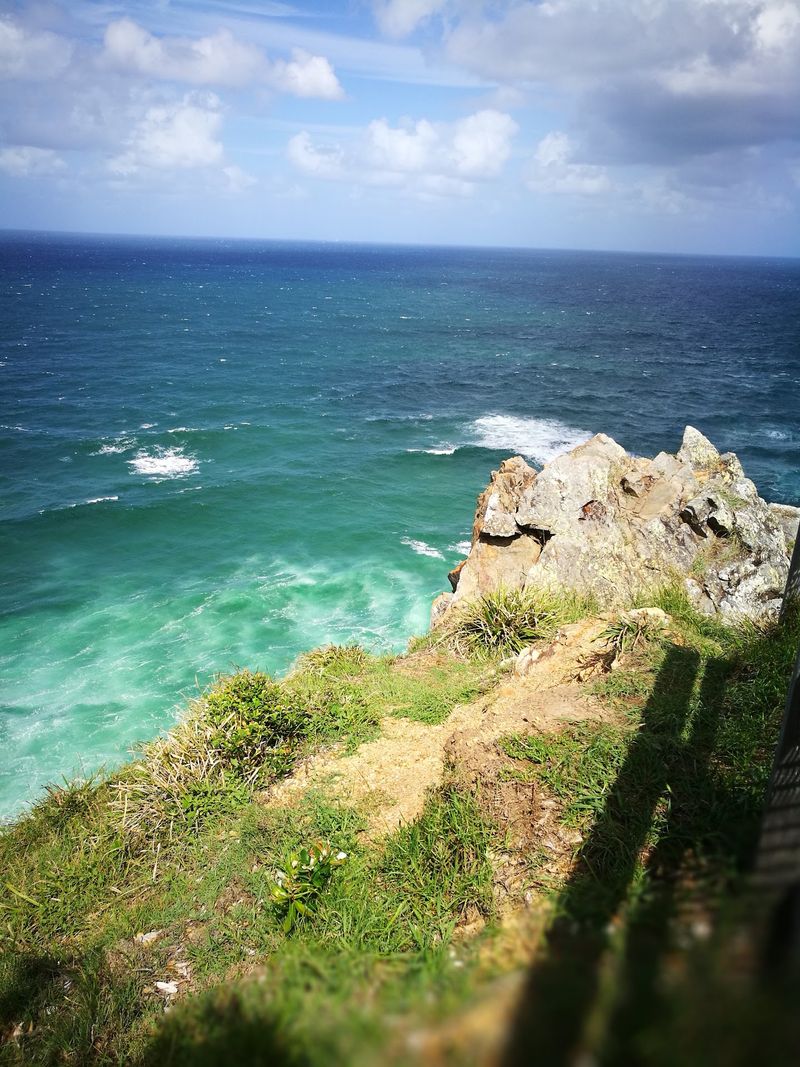
Byron Bay has earned enough global attention by now that it barely needs an introduction, yet it still makes a strong argument for why a small Australian town can sustain an entire vacation on its own. The beaches and surf are the foundation, but the town has grown into something considerably more layered over the years.
The walk to Cape Byron Lighthouse is one of the most recommended experiences in the area, particularly around sunrise when the views along the coastline are at their clearest. Kayaking in waters frequented by dolphins and turtles is available through local operators, and migrating whales are spotted seasonally offshore.
Inland villages, waterfalls and farms give travelers easy reasons to explore the hinterland beyond the main beach strip. Ballina Byron Gateway Airport is around 35 kilometers away, and Gold Coast Airport offers another arrival option.
Once in town, much of the area is accessible on foot or by bicycle.
Kununurra, Western Australia
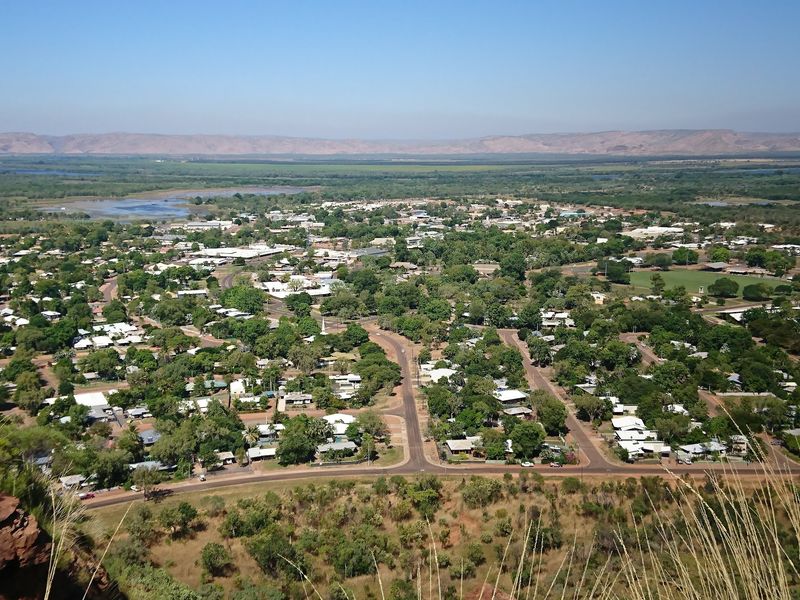
Kununurra is the kind of place that reframes what a road trip through Australia can actually look like. The town serves as the main gateway to the East Kimberley, a region of enormous lakes, winding rivers, sandstone ranges and Aboriginal cultural experiences that few Australians have seen firsthand.
Lake Argyle is one of the largest reservoirs in Australia by volume, and boat cruises on the lake offer a way to appreciate the scale of the landscape and the wildlife living within it. The Ord River supports additional wildlife-focused trips through country that feels genuinely remote.
Closer to town, Mirima National Park contains sandstone formations that draw comparisons with the Bungle Bungle Range. Scenic flights and tours reach World Heritage-listed Purnululu National Park for those wanting to go further.
East Kimberley Regional Airport is only about four kilometers from town, and Tourism Australia notes that accommodation and tours operate throughout the year.
Mudgee, New South Wales
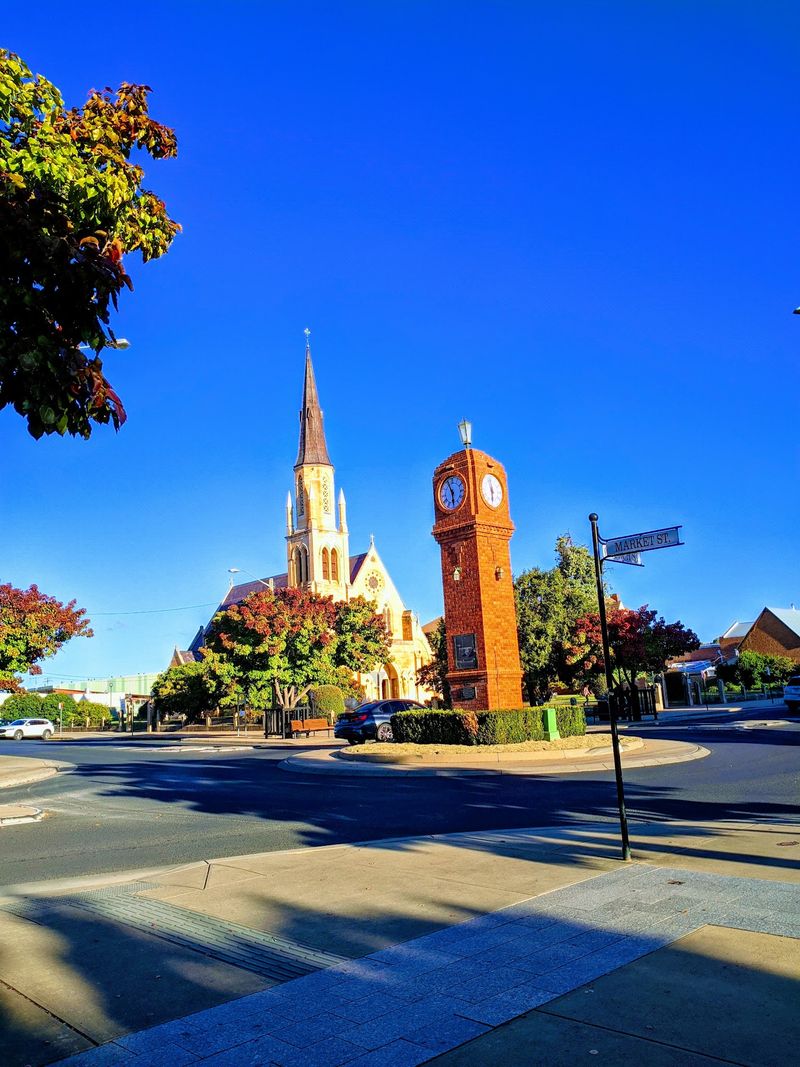
Mudgee sits in the Cudgegong River Valley about 3.5 hours northwest of Sydney and makes a convincing case that country New South Wales has far more to offer than a quick overnight stop. More than 35 wineries operate in the region, and wine tours make it easy to spend a full day moving between cellar doors without driving yourself.
Restaurants, farmers markets and farm experiences have grown alongside the wine industry, giving the town a food culture that rewards visitors who slow down and pay attention. Seasonal produce and local suppliers feature prominently across the dining scene.
Travelers wanting something more active can head toward Wollemi National Park for walking or kayaking options that contrast nicely with a day among the vineyards. Mudgee has its own regional airport, and Tourism Australia describes it as a year-round destination with active wineries, restaurants, tours and accommodation continuing to operate throughout the region.
Share this story