American history is full of roads not taken, and some of the most fascinating are the states that never made it onto the map. Across different eras, groups of settlers, politicians, and regional leaders pushed hard to carve out brand-new states from existing territories.
Some came incredibly close to success, while others faded quietly into history books. These forgotten would-be states offer a surprising window into how different the United States could have looked today.
1. State of Franklin
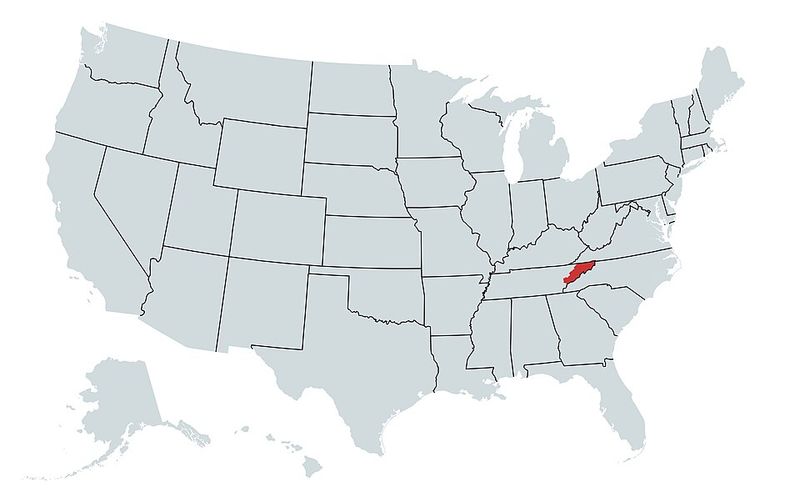
Before Tennessee was even a thought, there was Franklin. In 1784, settlers in the western part of North Carolina declared themselves a separate state and named it after Benjamin Franklin himself.
They wrote a constitution, elected a governor named John Sevier, and operated as an independent government for nearly four years.
North Carolina never recognized Franklin as legitimate, and the federal government under the Articles of Confederation refused to grant it statehood. The new state struggled with divided loyalties, tax disputes, and conflicts with Native American tribes nearby.
Without outside support, Franklin slowly collapsed.
By 1789, the region was reabsorbed into North Carolina and eventually became part of Tennessee in 1796. Franklin remains one of the most developed attempts at unofficial statehood in early American history.
Its story shows just how fragile and experimental the young nation really was during those early years.
2. State of Deseret
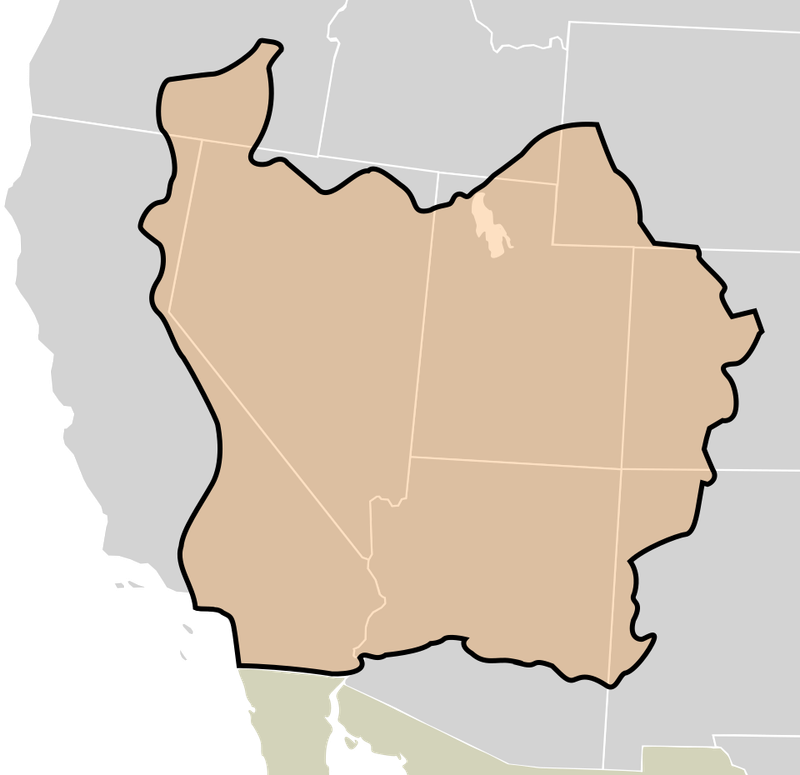
Few proposed states were as ambitious as Deseret. In 1849, Mormon settlers led by Brigham Young petitioned Congress to recognize a massive new state stretching from present-day Utah all the way to Southern California and parts of Nevada, Arizona, and New Mexico.
The name came from a word in the Book of Mormon meaning “honeybee.”
Congress rejected the proposal largely because of concerns about the size and the political influence of the Latter-day Saint community. Instead, the federal government created the smaller Utah Territory in 1850.
Brigham Young was named its first governor, but the state Mormons had envisioned never came to be.
Utah would not achieve statehood until 1896, after decades of political struggle. Had Deseret been approved, it would have been one of the largest states in the country, dramatically reshaping the political and geographic landscape of the American West.
3. State of Sequoyah
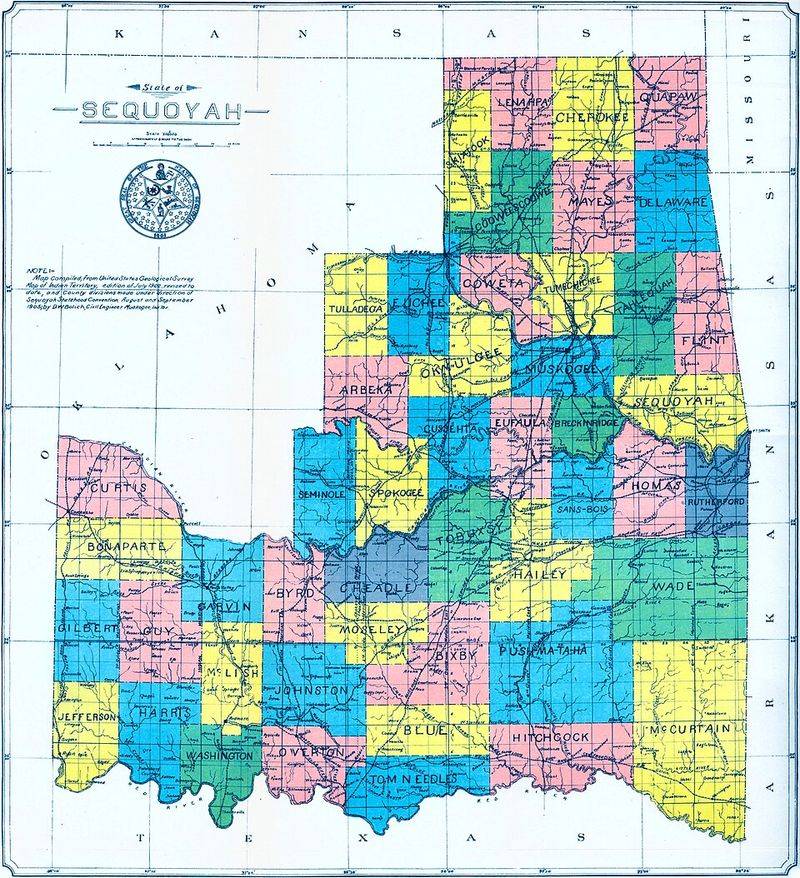
Named after the Cherokee scholar who created the Cherokee syllabary, the State of Sequoyah was a serious and well-organized attempt by the Five Civilized Tribes to create a Native American-led state. In 1905, delegates from the Cherokee, Choctaw, Creek, Chickasaw, and Seminole nations gathered in Muskogee to draft a full state constitution.
The proposed state would have covered the eastern half of present-day Oklahoma, known then as Indian Territory. The convention was remarkably thorough, producing a detailed governing document and electing temporary officers.
Supporters sent the constitution to Congress with real hope of approval.
Congress turned them down. Federal lawmakers preferred to combine Indian Territory with Oklahoma Territory into a single state, which became Oklahoma in 1907.
The rejection denied Native communities self-governance over land that had been promised to them. Sequoyah stands as one of history’s most poignant near-misses.
4. State of Jefferson
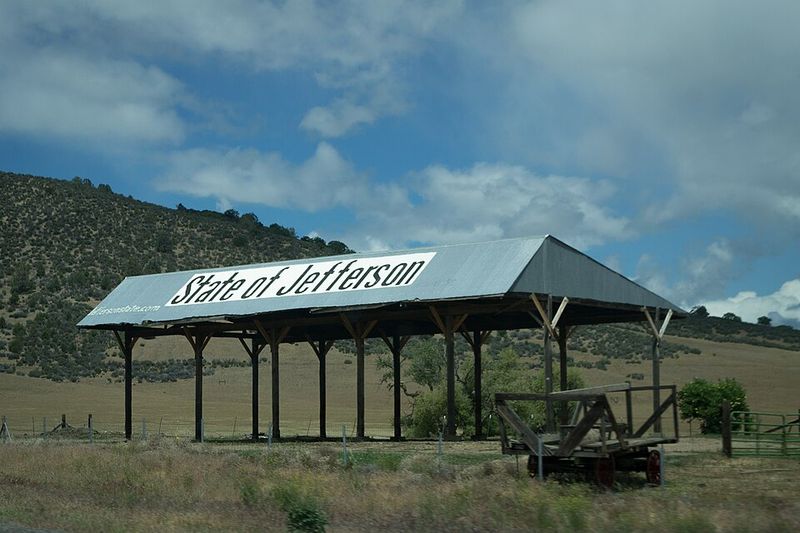
Straddling the border between northern California and southern Oregon, the State of Jefferson has been a recurring dream for over a century. The movement gained its biggest moment of momentum in late 1941, when residents of the region declared independence from their respective states, citing neglect by distant state governments and poor road infrastructure.
Local officials held weekly “secession” ceremonies on Highway 99, and the story made national headlines. Then the attack on Pearl Harbor happened on December 7, 1941, and the Jefferson movement vanished almost overnight as the country turned its full attention to World War II.
The idea never truly died, though. Jefferson supporters have periodically revived the cause in recent decades, arguing that rural northern California and southern Oregon share common economic and cultural interests that Sacramento and Salem ignore.
It remains one of the most persistent and colorful secessionist movements in modern American history.
5. State of Absaroka
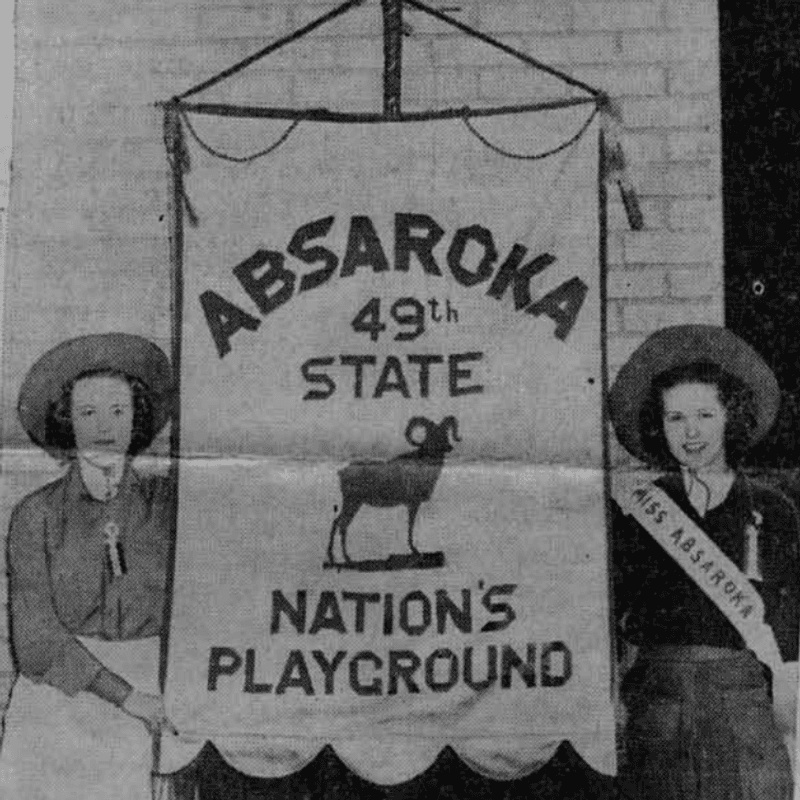
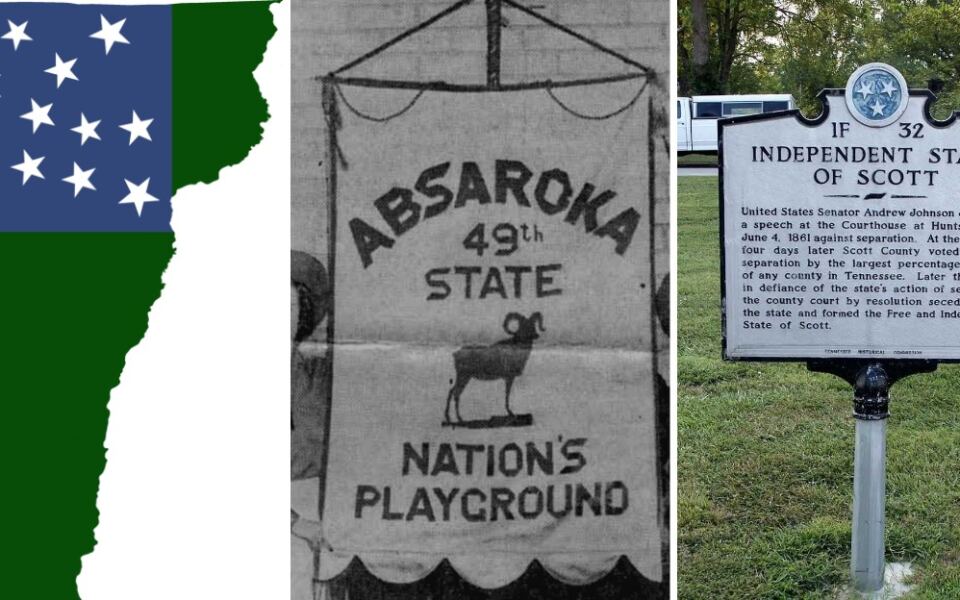
During the Great Depression, frustration with distant state governments reached a boiling point in the northern Great Plains. Residents of northern Wyoming, southern Montana, and western South Dakota began pushing for their own state, which they called Absaroka, named after the Crow Nation people indigenous to the region.
A man named A. R.
Swickard became the self-appointed governor of the movement in 1939. Absaroka even produced license plates and held beauty contests to raise awareness.
The campaign was partly serious and partly theatrical, but the underlying grievances about economic neglect were very real.
Federal and state governments never took the movement seriously enough to act on it. World War II eventually pulled attention away, and Absaroka faded from public conversation.
Still, its story captures the raw frustration of rural Americans who felt invisible to the governments meant to represent them.
The name itself is pronounced “ab-SOR-ka.”
6. State of Superior
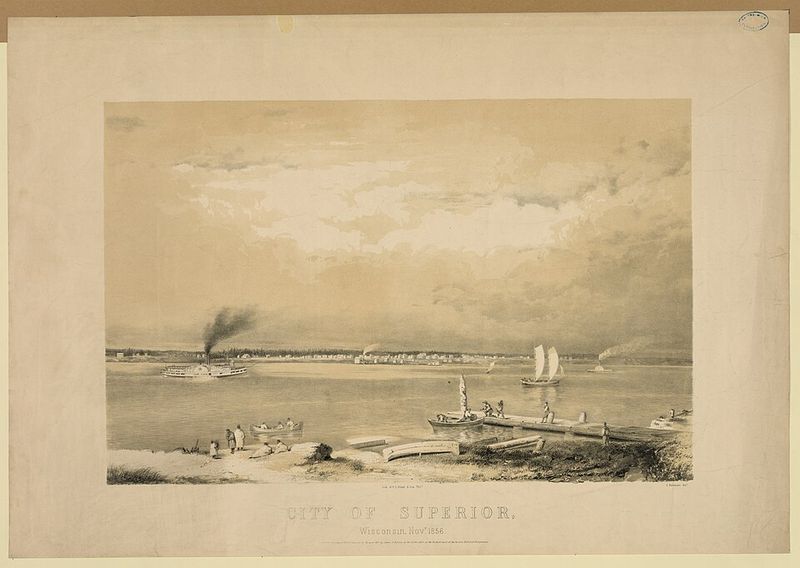
Michigan’s Upper Peninsula has long felt like a world apart from the rest of the state. Separated from the Lower Peninsula by the Straits of Mackinac and connected only by bridge since 1957, residents of the UP have periodically called for creating their own state, sometimes called Superior, after the massive lake that defines the region.
Similar sentiments have surfaced in northern Wisconsin, where residents share the same rugged, resource-based economy built around mining, logging, and fishing. Proposals for a State of Superior appeared as early as the 1860s and have resurfaced multiple times since.
The cultural identity of “Yoopers,” as Upper Peninsula residents call themselves, remains fiercely distinct.
No serious congressional action has ever followed these proposals. But the feeling of regional separation is genuine and deeply rooted.
Superior is less a failed state and more a persistent regional identity that refuses to be absorbed quietly into the broader Midwestern mainstream.
7. State of Lincoln
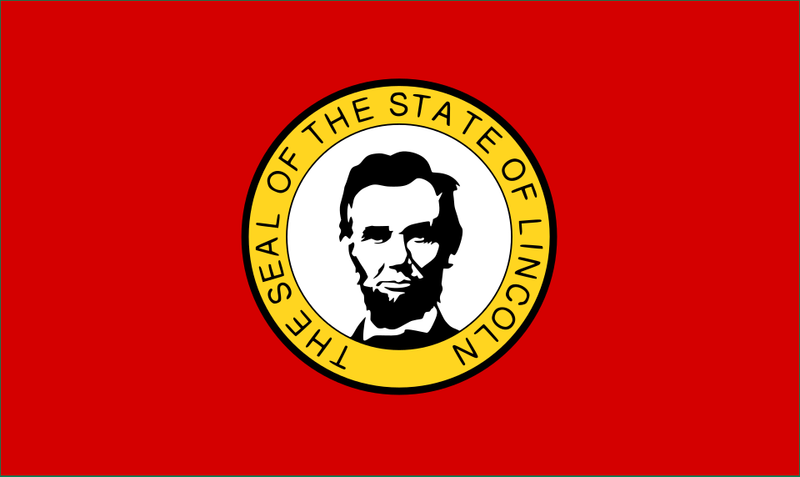
Eastern Washington has always felt culturally and economically distant from Seattle and the rainy western coast. The Cascade Mountains form a natural divide, and residents east of the mountains have long argued that their agricultural, ranching, and mining communities are poorly served by a government dominated by urban western interests.
Proposals to create a separate State of Lincoln from eastern Washington date back to the 1860s, around the time Washington Territory itself was being organized. The idea has resurfaced in various forms ever since, with some proposals also incorporating parts of northern Idaho and eastern Oregon into the new state.
No formal movement has succeeded in reaching Congress with a serious petition. Yet the Lincoln movement reflects a real and recurring tension in American politics between rural and urban populations sharing the same state boundaries.
The name honors Abraham Lincoln, who signed the bill creating Washington Territory in 1863.
8. Republic of West Florida
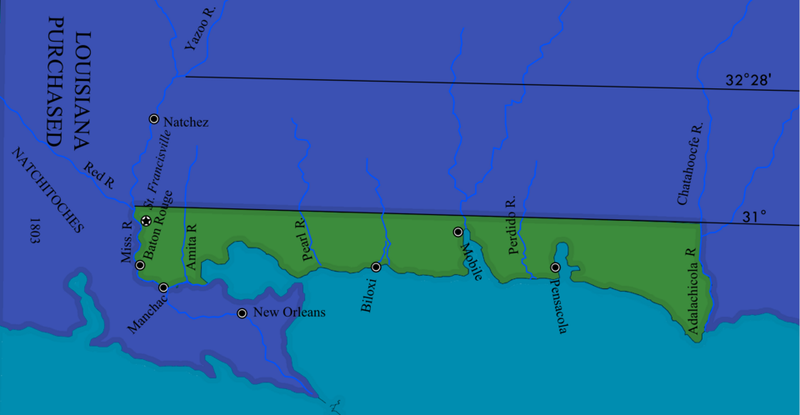
For exactly 74 days in 1810, a strip of land along the Gulf Coast between the Mississippi River and the Perdido River was its own independent republic. American settlers in the region, then technically under Spanish control, revolted, seized the Spanish fort at Baton Rouge, and declared the Republic of West Florida on September 23, 1810.
The republic adopted a blue flag with a single white star, which later inspired the Bonnie Blue Flag that became a symbol of the Confederacy. Leaders of the new republic quickly asked the United States to annex them, which President James Madison was happy to do.
He claimed the territory under the terms of the Louisiana Purchase.
The republic was absorbed into Orleans Territory and Mississippi Territory within weeks. It was short-lived but legally significant, setting precedents for how the U.S. would handle disputed border territories in the years that followed.
9. Vermont Republic
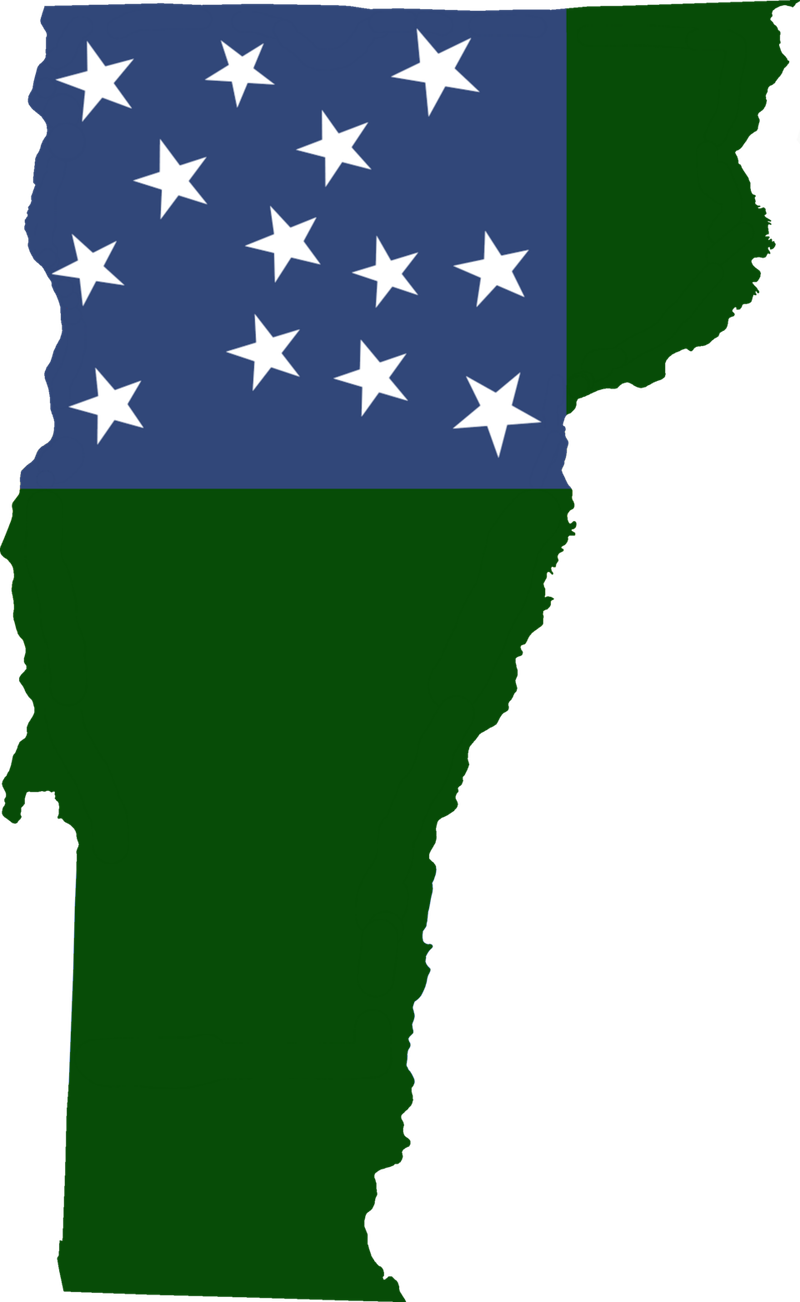
Vermont actually was its own country before it became a state, making it unique among all the entries on this list. From 1777 to 1791, Vermont operated as the Vermont Republic, a fully independent nation with its own constitution, currency, postal system, and government.
It was not part of the original 13 colonies.
Both New York and New Hampshire claimed Vermont’s land, which complicated any path to joining the union. New York’s opposition was particularly fierce since it had long-standing land grant disputes with Vermont settlers.
The Green Mountain Boys, led by Ethan Allen, had fought to keep Vermont free from New York’s control since before the Revolution.
Vermont was finally admitted as the 14th state in 1791, after resolving its border disputes. Its 14 years as an independent republic give it a genuinely unique place in American history, setting it apart from every other state that simply applied for statehood from the beginning.
10. State of Scott
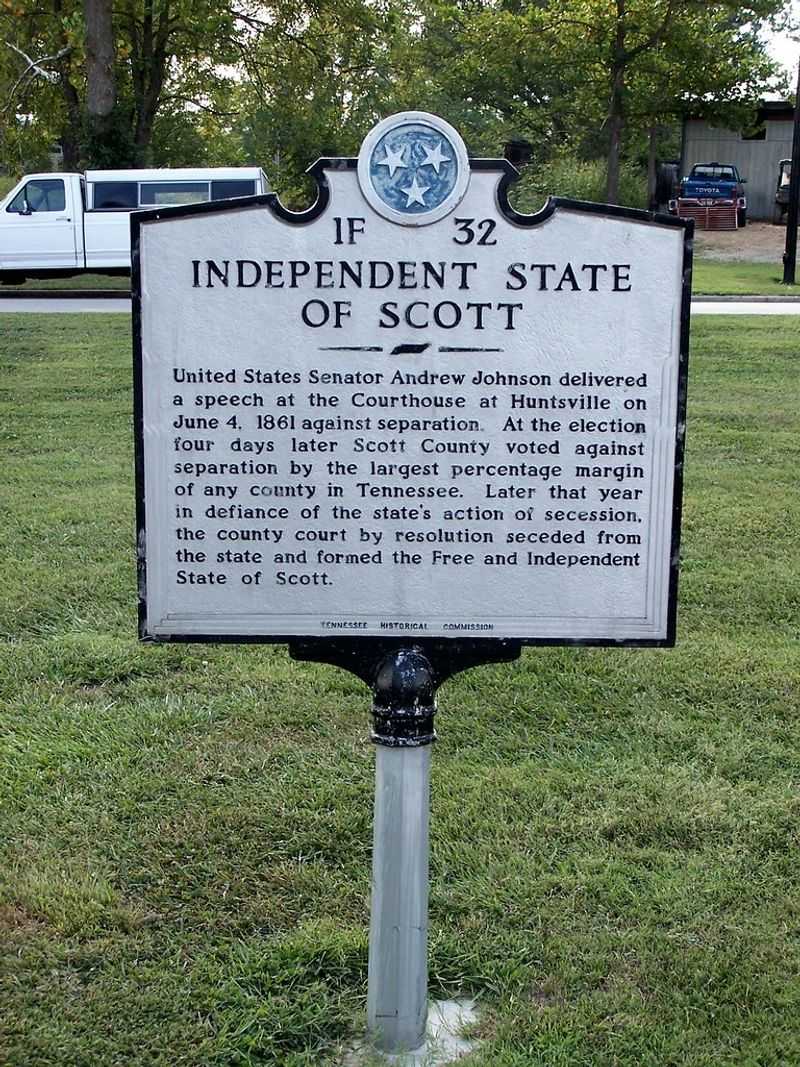
Scott County, Tennessee has a quirky local legend that it seceded from Tennessee when Tennessee seceded from the Union during the Civil War. The story goes that Scott County, strongly Unionist in its sympathies, declared itself the “Free and Independent State of Scott” in 1861 and never officially rejoined Tennessee afterward.
Historians debate how much of this is documented fact versus colorful local folklore. What is clear is that Scott County was deeply opposed to secession and that many of its residents fought for the Union rather than the Confederacy.
The county’s isolation in the mountains reinforced its independent spirit.
Today, Scott County playfully leans into the legend. Local residents sometimes joke they are still waiting for Tennessee to officially apologize before they come back.
It is a tongue-in-cheek tradition, but it reflects real historical divisions that shaped Appalachian communities during one of America’s most painful chapters.
11. State of Transylvania
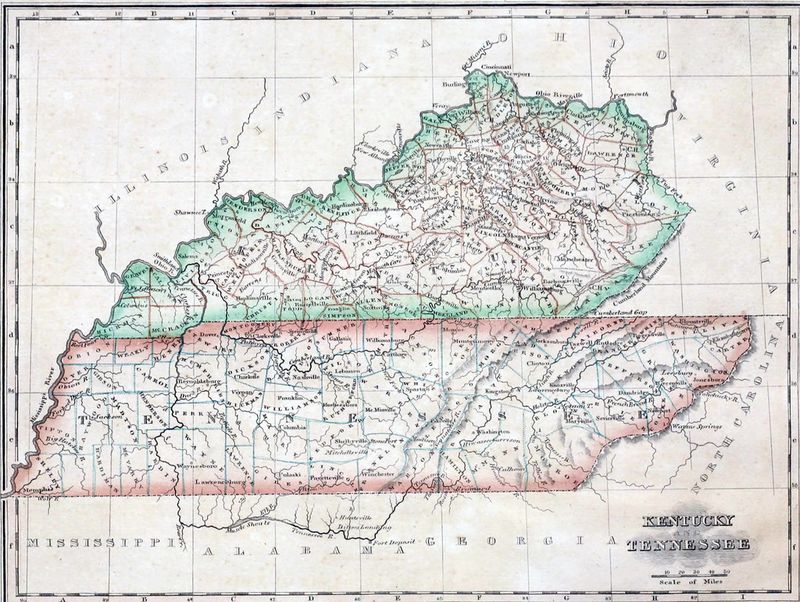
Long before Kentucky was a state, a land speculator named Richard Henderson tried to purchase a massive chunk of territory from the Cherokee Nation and turn it into a proprietary colony he called Transylvania. In 1775, Henderson’s Transylvania Company signed the Treaty of Sycamore Shoals with Cherokee leaders, claiming roughly 20 million acres in what is now Kentucky and Tennessee.
Henderson hired Daniel Boone to blaze the Wilderness Road through the Cumberland Gap to open the territory to settlement. He then convened a legislative assembly at Boonesborough and petitioned the Continental Congress to recognize Transylvania as the 14th colony.
Congress refused, partly because other colonies disputed the land claims.
Virginia and North Carolina both declared the purchase invalid and absorbed the territory. Kentucky eventually became the 15th state in 1792.
Henderson received a consolation land grant but never got his colony. Transylvania remains one of the most audacious private land grabs in American history.
12. State of Westsylvania
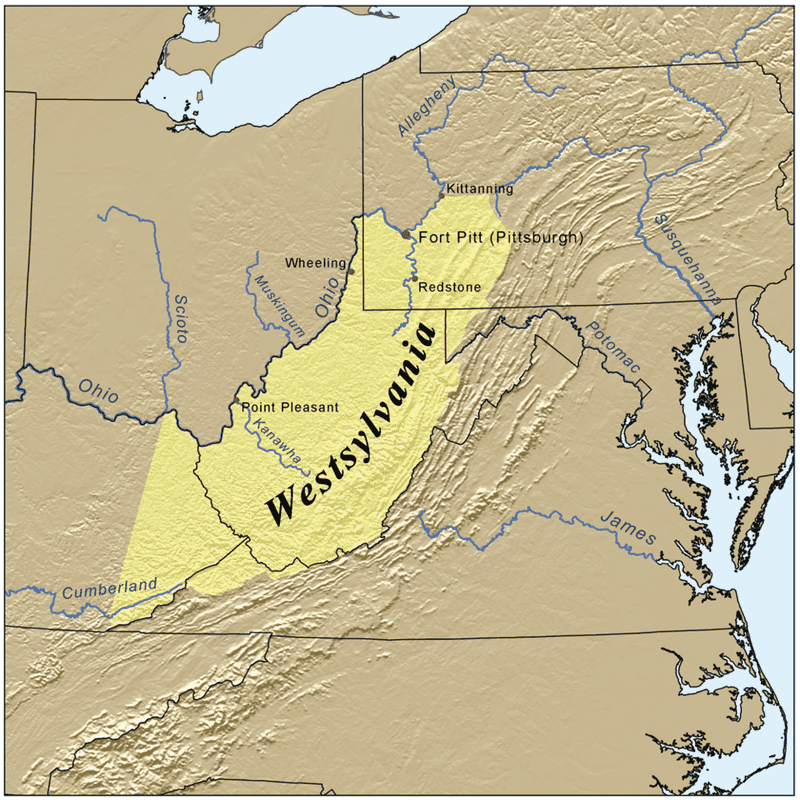
Western Pennsylvania settlers in the 1770s and 1780s felt cut off from Philadelphia by the Allegheny Mountains and deeply ignored by the eastern-dominated state government. They petitioned Congress multiple times to be recognized as a separate state called Westsylvania, covering the western counties of Pennsylvania and parts of present-day West Virginia.
The movement gained real urgency because settlers felt they had no effective legal protection, no fair representation, and no support from Philadelphia in dealing with frontier conflicts. Some petitions drew significant local support, and the idea circulated seriously among political leaders of the era.
Congress never acted on the petitions. The federal government was cautious about setting precedents that could fragment the fragile new union.
Ironically, the region’s grievances did not fully disappear. West Virginia eventually split from Virginia during the Civil War in 1863, proving that the underlying tensions Westsylvania represented were very real and very lasting.
Share this story