Italy is famous for pasta and pizza, but the real secret worth knowing is how seriously Italians treat their desserts. Every town has its own pastry traditions, its own signature sweets, and its own historic shops that have been perfecting recipes for generations.
From the flaky sfogliatella of Naples to the pistachio-loaded pastries of Catania, Italian pastry culture runs deep and proud. This list covers 14 cities and their standout pasticcerie, the kind of shops that locals return to week after week and visitors remember long after the trip ends.
Whether you are planning a trip to Italy or just love learning about food traditions around the world, these are the places that show exactly what happens when a town decides that dessert is not an afterthought but a way of life.
Pasticceria Nencioni, Florence
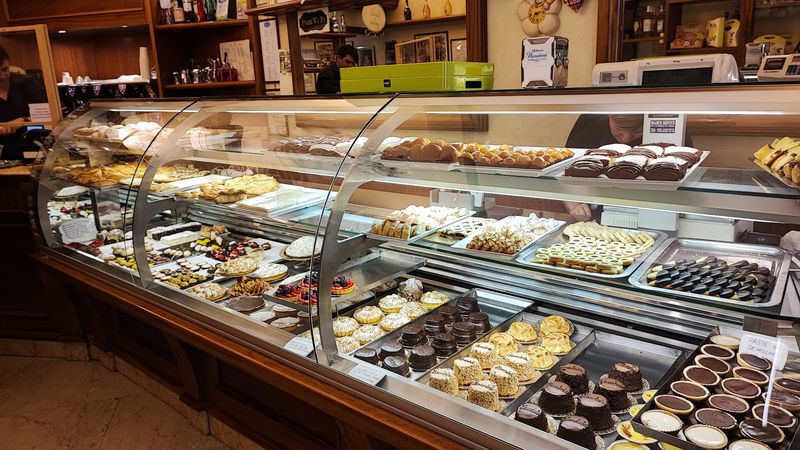
Florentines are not known for settling when it comes to pastry, and Pasticceria Nencioni on Via Pietrapiana has been meeting that standard for more than 70 years. The shop has built a quiet but loyal following by focusing on what it does well: baked goods, layered cakes, semifreddi, and small pastries made with consistent care.
Unlike some of the more tourist-facing spots in Florence, Nencioni has the feel of a neighborhood institution. People stop in before work, pick up a box for a Sunday gathering, or grab something small with a coffee mid-afternoon.
The semifreddi are a particular draw, served in individual portions and reflecting a level of technique that goes well beyond simple baking. If you are walking through the Santa Croce area of Florence, Via Pietrapiana puts this shop right along a natural route.
It is the kind of stop that rewards those who pay attention to where locals actually shop.
Scaturchio, Naples
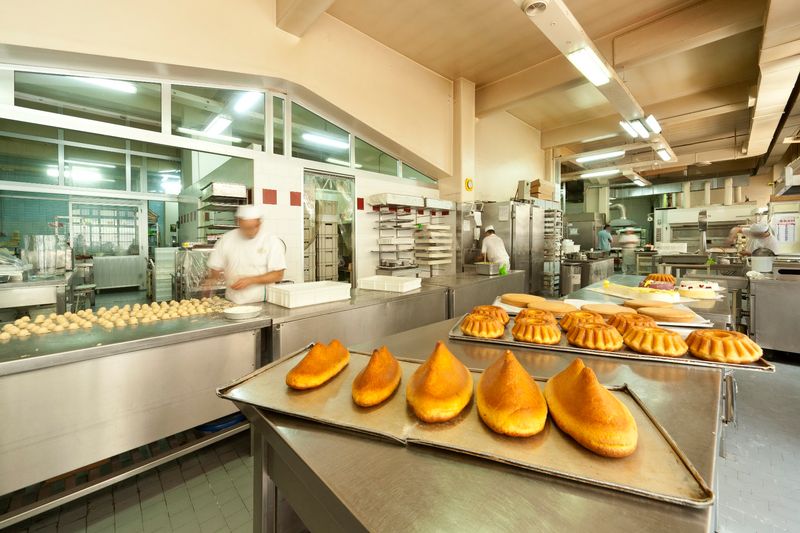
Standing at Piazza San Domenico Maggiore since 1905, Scaturchio is one of those rare places that has genuinely earned its reputation without needing to update its identity. The shop specializes in the classics of Neapolitan pastry: sfogliatella, babà, pastiera, and the Ministeriale, a chocolate-covered liqueur praline that has become closely associated with the shop’s name.
Naples takes its pastry tradition seriously in a way that feels almost competitive, and Scaturchio has held its ground through generations of that pressure. The shop operates at multiple city locations now, but the original piazza setting remains the most atmospheric place to visit.
Sfogliatella comes in two forms here, the ridged riccia and the smoother frolla, and both versions follow the traditional Neapolitan recipe with care. Pastiera, the ricotta and wheat tart traditionally made for Easter, is available year-round at Scaturchio, which is not always the case at other shops in the city.
Pasticceria Cappello, Palermo
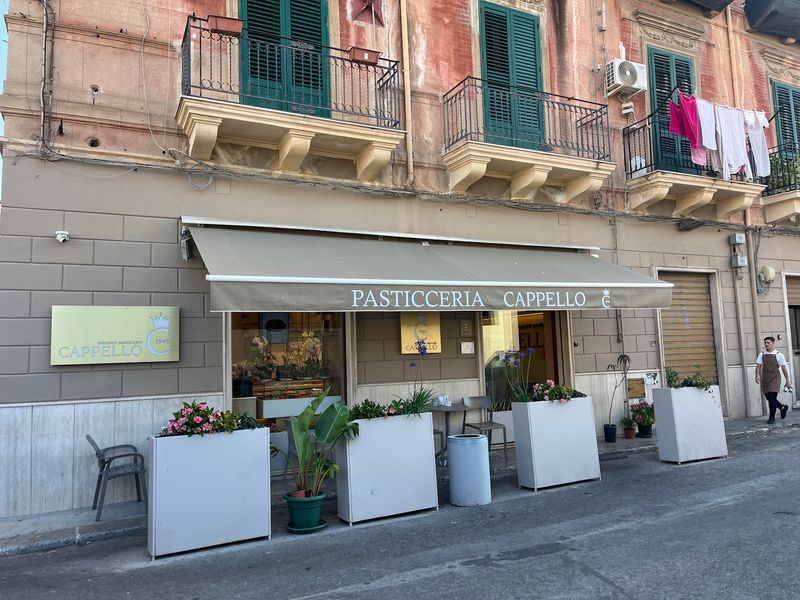
Palermo’s pastry scene is one of the most distinctive in all of Italy, shaped by centuries of Arab, Norman, and Spanish influence, and Pasticceria Cappello is one of the city’s clearest expressions of that layered history. The shop at Via Niccolò Garzilli is known for its precise, visually striking desserts that draw on Sicilian tradition without feeling frozen in time.
Cappello is particularly celebrated for its Setteveli cake, a multi-layered chocolate and hazelnut creation that has won national recognition in Italian pastry competitions. The shop does not rely on that reputation alone, though.
Its cannoli, cassata, and marzipan fruit are all made with the kind of attention that keeps a loyal customer base returning regularly.
The Palermo location is easy to reach and the current operating hours are posted for visitors planning a stop. For anyone spending time in the Politeama or Libertà neighborhoods, Cappello is a short walk and a worthwhile one.
Gino Fabbri Pasticcere, Bologna
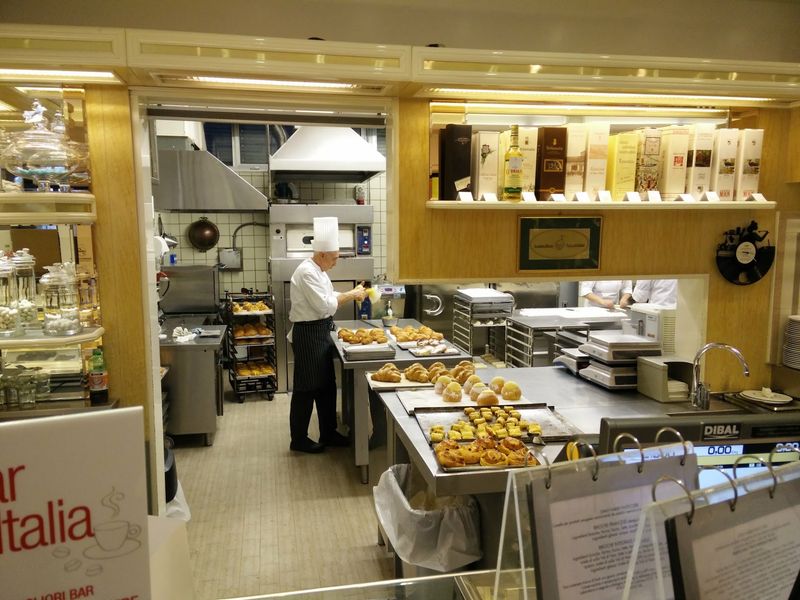
Bologna already has a strong culinary identity built around pasta and cured meats, but its pastry culture deserves equal attention. Gino Fabbri Pasticcere brings a high level of craft to that conversation, combining traditional Bolognese sweets with contemporary pastry techniques that have earned recognition well beyond the city.
Fabbri himself is a respected figure in the Italian pastry world, having competed and placed at the international level. That background shows in the shop’s output, where precision and creativity work together rather than against each other.
Classic Bolognese flavors appear throughout the menu, but they are executed with the kind of detail that reflects serious professional training.
The shop’s regular opening hours are listed on its official site, making it straightforward to plan a visit. For anyone doing a food-focused tour of Emilia-Romagna, adding this stop to the Bologna portion of the trip gives the dessert category its proper weight alongside the region’s famous savory traditions.
Pfatisch, Turin
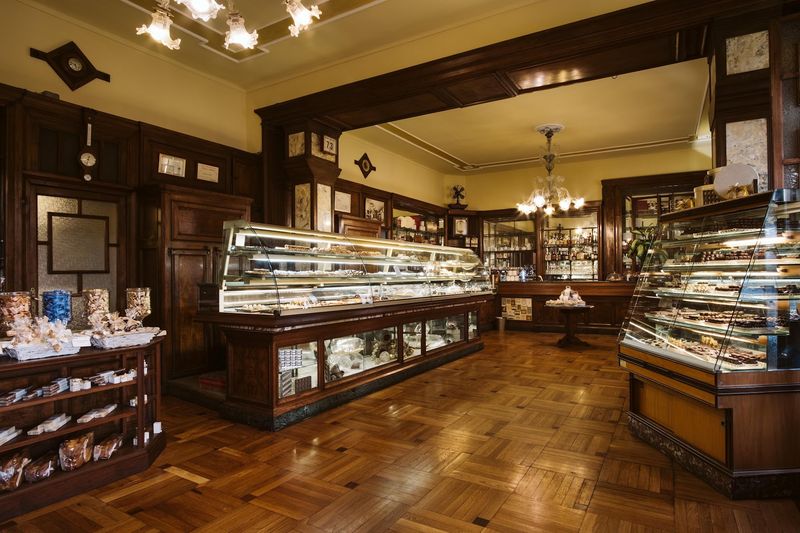
Turin has a long and serious relationship with chocolate, and Pfatisch has been part of that story since 1915. The shop on Via Sacchi is known for its gianduiotti, the gold-foil-wrapped hazelnut chocolate that is closely tied to Piedmontese confectionery tradition, as well as its cakes and its signature Festivo creation.
What makes Pfatisch worth seeking out is the consistency it has maintained across more than a century of operation. The shop has not chased trends or dramatically reinvented its identity.
It has stayed focused on the flavors and techniques that define Turin’s pastry heritage, which is exactly what a historic pasticceria should do.
The Via Sacchi location is listed as open daily, which makes it a flexible stop whether you are in Turin for a weekend or passing through on a longer trip. Gianduiotti from Pfatisch also travel well, making them a practical choice for anyone looking to bring something genuinely Torinese back home.
Marchesi 1824, Milan
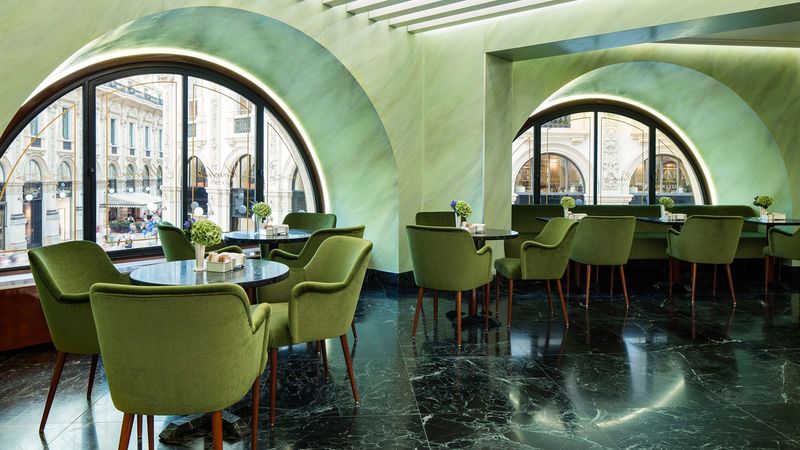
Founded in 1824, Marchesi is one of Milan’s oldest continuously operating pasticcerie and one of the most recognizable names in the city’s food culture. The shop is known for its panettone, which has a following that extends well beyond Milan, as well as its chocolates, pastries, and cakes that reflect nearly two centuries of Milanese confectionery tradition.
Marchesi operates three Milan locations, giving visitors multiple options depending on which neighborhood they are exploring. The original shop carries the weight of its history in both its decor and its product lineup, while the newer locations maintain the same standards in settings that feel more contemporary.
Panettone is available year-round at Marchesi, not just during the holiday season, which sets it apart from many other shops in the city. The shop also produces smaller pastries and chocolates that work well as gifts or as a mid-afternoon treat.
It is a name that Milanese residents have trusted across many generations.
Pasticceria Flego, Verona
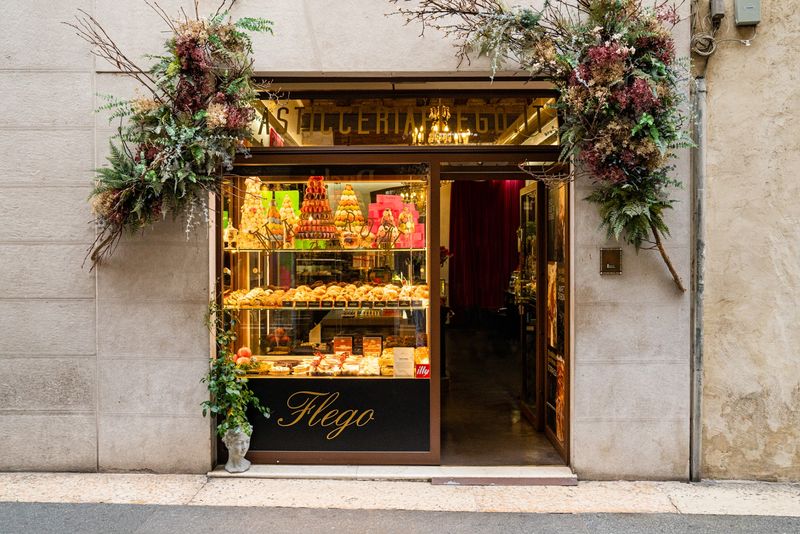
Verona is best known for Romeo and Juliet and its Roman amphitheater, but the city also has a pastry culture worth exploring. Pasticceria Flego operates several locations across Verona and covers a wide range of styles, from modern individual desserts and macarons to traditional regional specialties like sbrisolona and Torta Russa.
Sbrisolona is a crumbly almond cake from the Mantua and Verona area that does not look like much but delivers a satisfying, buttery texture that is hard to forget. Torta Russa is another regional specialty, a rich pastry shell filled with an almond and butter mixture that has remained popular in Veneto for generations.
Having multiple locations makes Flego an easy shop to encounter no matter which part of Verona you are moving through. The mix of contemporary and traditional on the menu means there is genuinely something for a wide range of tastes, without the shop losing its regional identity in the process.
Pasticceria Natale, Lecce
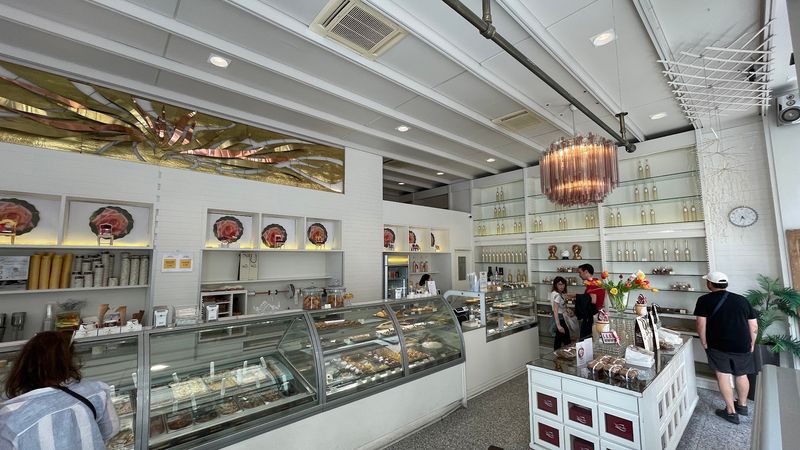
Lecce sits in the heel of Italy’s boot, and the city’s pastry tradition reflects the flavors of Salento: almonds, figs, honey, and spices that show up in ways you will not find further north. Pasticceria Natale, located near Piazza Sant’Oronzo, specializes in exactly this regional identity, with mustazzoli, almond sweets, torta salentina, and gelato all made with local ingredients and traditional methods.
Mustazzoli are spiced fig and almond cookies that have been made in Salento for centuries, and Natale’s version follows the regional recipe closely. The shop also serves gelato, which in the summer heat of Lecce becomes less of a dessert option and more of a practical necessity.
The location near the main piazza makes Natale a natural stop during any walking tour of Lecce’s baroque city center. Current contact information for the shop remains active, and the combination of regional pastry and gelato under one roof makes it an efficient and rewarding stop for anyone exploring the city.
Pasticceria Savia, Catania
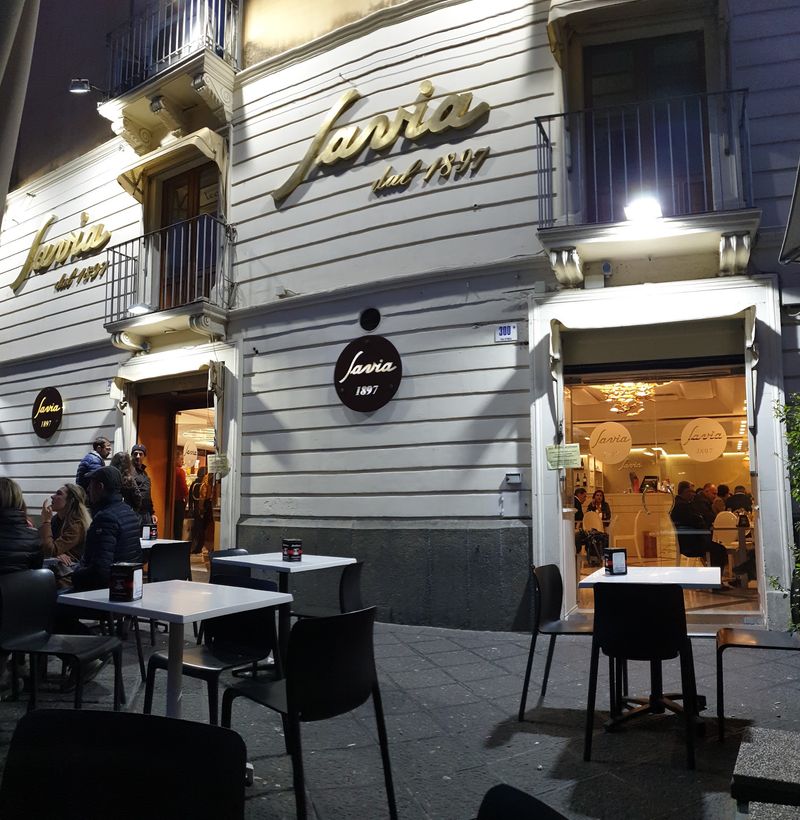
Via Etnea is Catania’s main boulevard, and Savia has been one of its most dependable institutions for decades. The shop serves the full range of Sicilian pastry classics: cannoli filled to order, cassata layered with ricotta and marzipan, almond pastries, pistachio-based sweets, and torrone in several varieties.
Catania’s proximity to the pistachio-producing region of Bronte means that pistachio shows up in many forms at Savia, from creams to pastries to semifreddi. This is not a gimmick but a genuine regional ingredient that the shop uses with restraint and skill.
Cannoli at Savia are filled when you order them rather than sitting pre-filled in a case, which keeps the shell crisp and the filling fresh. That detail alone separates a good cannoli experience from a forgettable one.
The Via Etnea location is well-positioned for visitors exploring the city center, and the shop’s status as a Catania institution means it draws both residents and travelers without losing its neighborhood feel.
Antica Pasticceria San Biagio, Modena
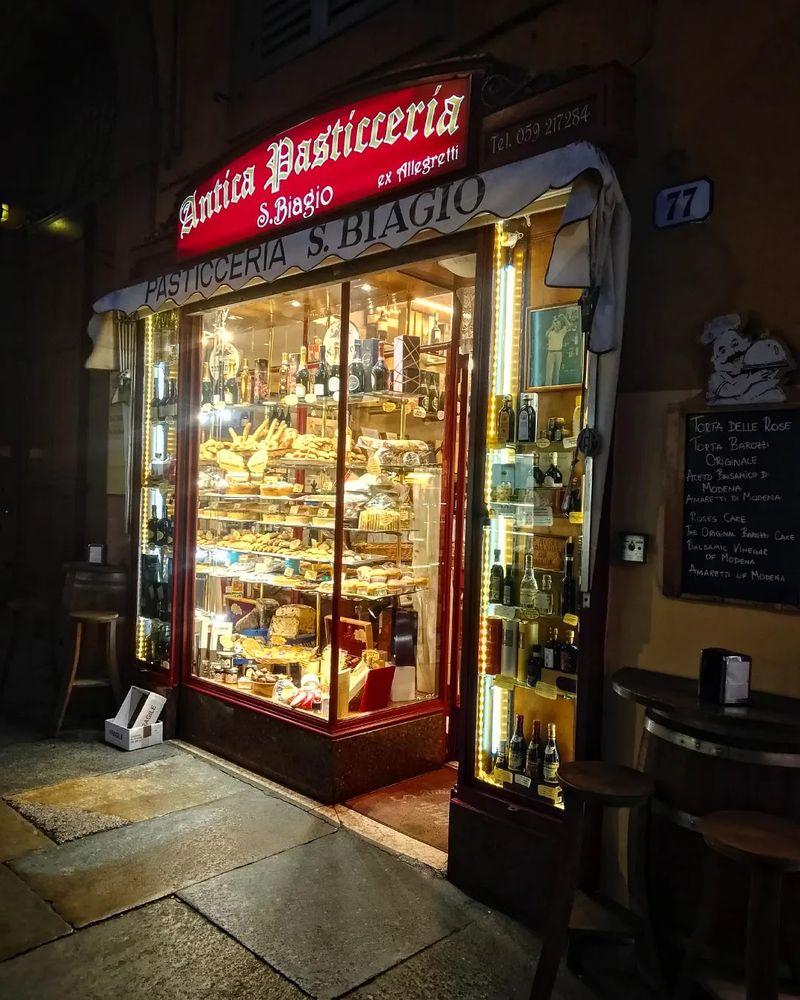
Modena is a city that takes food seriously at every level, from its famous balsamic vinegar to its pasta to its pastry shops. Antica Pasticceria San Biagio in the city center continues a tradition of Modenese sweets that includes bensone, amaretti, and Torta delle Rose, all made according to regional recipes that have not been dramatically altered to chase modern trends.
Bensone is a simple ring-shaped cake flavored with lemon and vanilla that has been a staple of Modenese households for generations. It is not a flashy dessert, but its straightforward quality is exactly what makes it worth seeking out.
Amaretti from this shop follow the classic almond-based recipe that the Emilia-Romagna region has long produced well.
Current opening hours are published on the shop’s official site, making it easy to plan a visit around the rest of a Modena itinerary. For travelers already coming to the city for its food culture, San Biagio adds a meaningful dessert chapter to the experience.
Pasticceria Profumo, Genoa
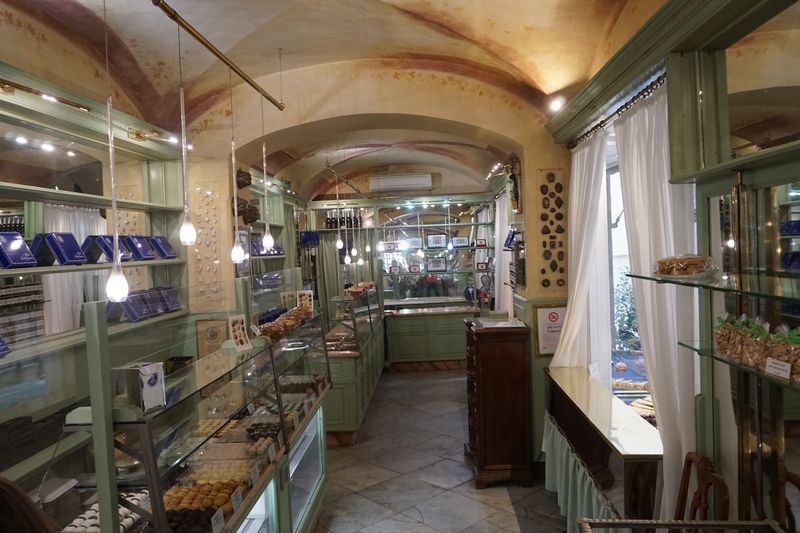
Genoa is not always the first Italian city that comes to mind when people think about pastry, but it has a tradition worth knowing. Pasticceria Profumo traces its roots to 1827, making it one of the older continuously operating pastry businesses in northern Italy.
The shop on Via del Portello remains active, with current hours listed through Genoa’s official tourism resources.
Ligurian pastry tends to reflect the region’s character: precise, not overly sweet, and grounded in local ingredients. Profumo has maintained that identity across nearly two centuries of operation, which is a record that speaks for itself without needing extra decoration.
The shop sits in the older part of the city, which means a visit to Profumo pairs naturally with exploring Genoa’s historic center, a UNESCO World Heritage site. For travelers passing through on a coastal route or spending a few days in the city, Profumo offers both a genuine pastry experience and a tangible connection to Genoese history.
Balzer, Bergamo
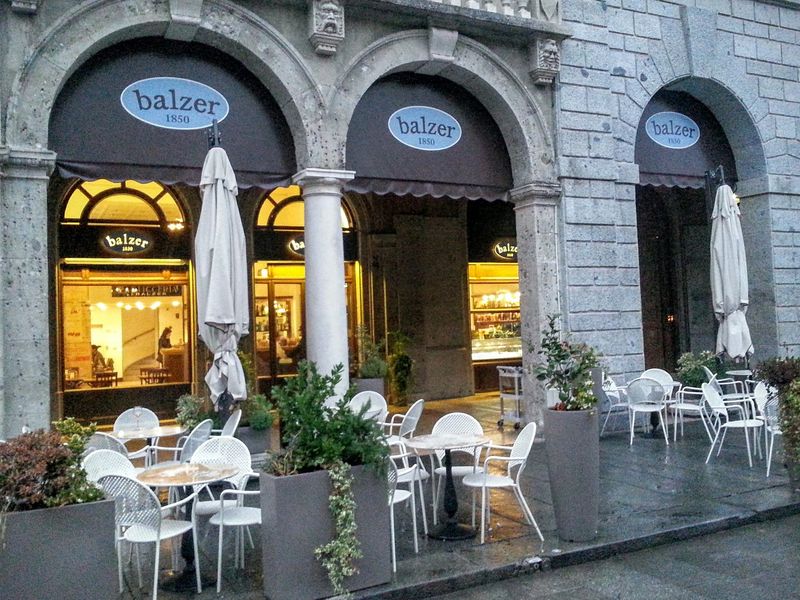
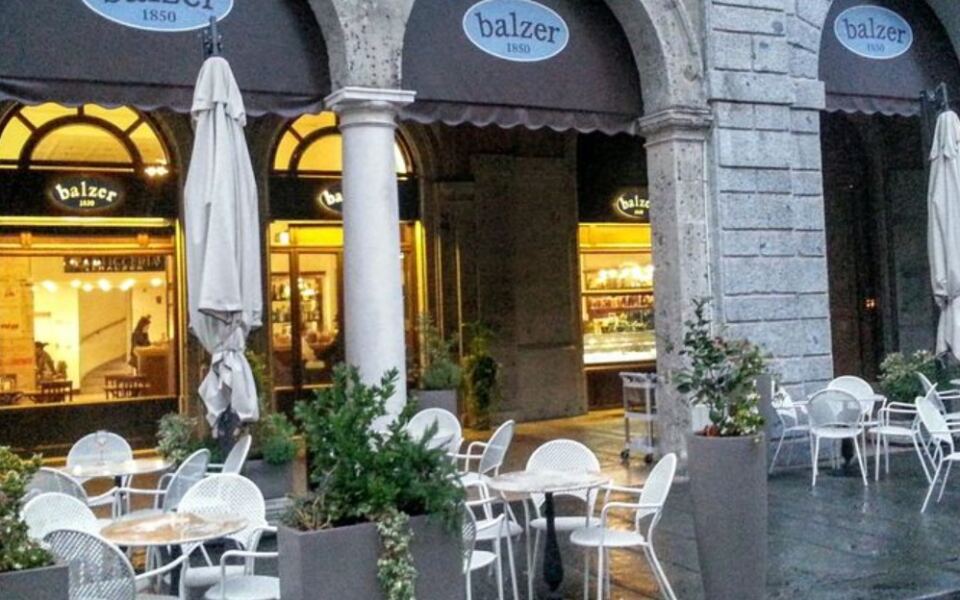
Bergamo is a two-part city, with a medieval upper town perched on a hill and a modern lower city spread below it, and Balzer has been a fixture in local life since 1936. The shop operates as a pastry shop, gelateria, and bistro combined, which gives it a range that most pasticcerie do not attempt.
Two local desserts define Balzer’s identity. Torta Donizetti is a sponge cake named after the famous composer born in Bergamo, layered with jam and chocolate.
Polenta e Osei is a marzipan-covered sponge cake decorated to resemble the traditional Bergamasque savory dish of the same name, a playful confectionery tradition that has been part of the city’s culture for generations.
Both desserts are deeply tied to Bergamo’s regional identity and are not things you will easily find outside the city. Balzer is one of the best places to try them, and its combination of cafe, gelato, and full pastry menu makes it a natural gathering spot for both residents and visitors.
Pasticceria Carli, Ferrara
Ferrara is one of those Italian cities that rewards slow exploration. Its Renaissance streets, its Este castle, and its old Jewish Ghetto all carry a sense of history that feels present rather than preserved behind glass.
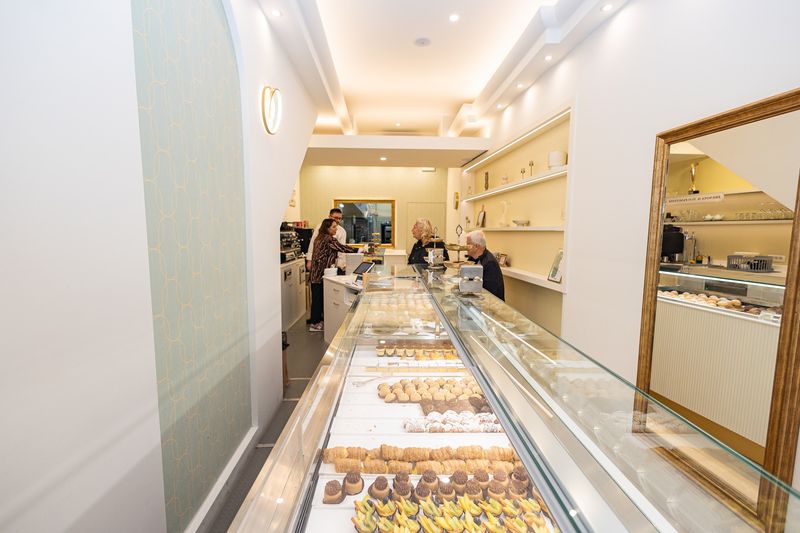
Pasticceria Carli fits that character well, listed among Ferrara’s historic businesses and situated in the Ghetto neighborhood that gives the city one of its most distinctive quarters.
The Jewish Ghetto of Ferrara has its own culinary traditions shaped by centuries of community life, and pastry is part of that story. A shop with deep roots in that neighborhood connects visitors to a layer of Ferrara’s identity that goes beyond the standard tourist circuit.
For anyone building a dessert-focused tour of the Po Valley region, Ferrara makes a logical stop between Bologna and Venice, and Carli gives that stop a clear destination. The city itself is compact and largely flat, making it easy to navigate by foot or bicycle while building an appetite between pastry visits.
Pasticceria Demetrio, Pavia
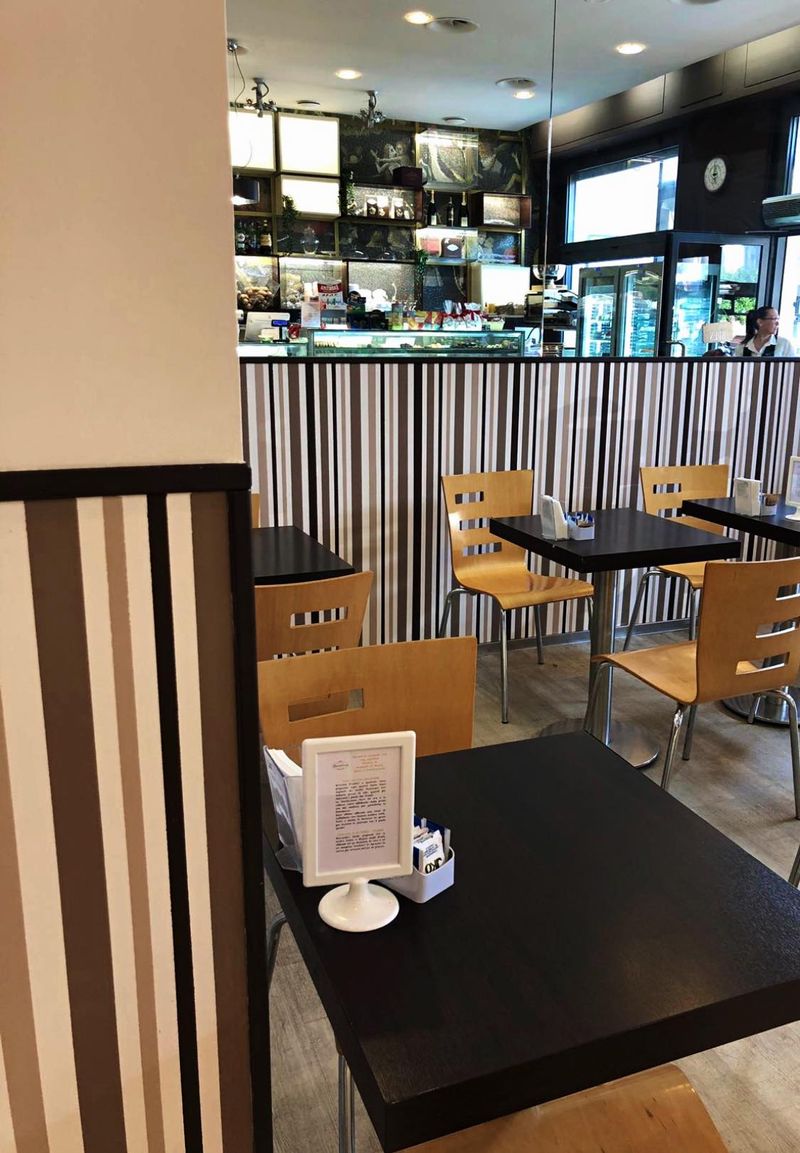
Not many pastry shops can claim a founding date of 1750, but Demetrio in Pavia can. That puts the shop’s origins before the American Revolution, before Italian unification, and before most of the buildings in Pavia’s city center were finished.
It remains registered as a historic business at Via Alessandro Guidi, continuing a confectionery tradition that spans multiple centuries.
Pavia sits along the Ticino River south of Milan and is home to one of Europe’s oldest universities. The city has a quiet, academic character that suits a shop like Demetrio, where the emphasis is on tradition and continuity rather than novelty.
Visiting a shop with this kind of documented history is a different experience from stopping into a modern pastry boutique. The recipes, the techniques, and the role the shop plays in local life all carry meaning that goes beyond what is sitting in the display case.
For travelers who care about food history as much as food itself, Demetrio is a genuinely rare stop.
Share this story