Some of the greatest ideas in history came from people who never got to enjoy the rewards. These inventors, scientists, and thinkers changed the world in ways we still feel every single day, yet many of them struggled financially, lost credit for their work, or were simply forgotten while others cashed in.
It is one of the most frustrating patterns in history, and it keeps repeating. From the technology in your pocket to the roads you drive on, the fingerprints of these overlooked minds are everywhere.
This list takes a closer look at 17 brilliant people whose ideas built empires, launched industries, and transformed daily life for billions, but who personally saw very little of the wealth or recognition they deserved. Their stories are worth knowing, not just out of fairness, but because they remind us how complicated genius, credit, and reward can really be.
Nikola Tesla
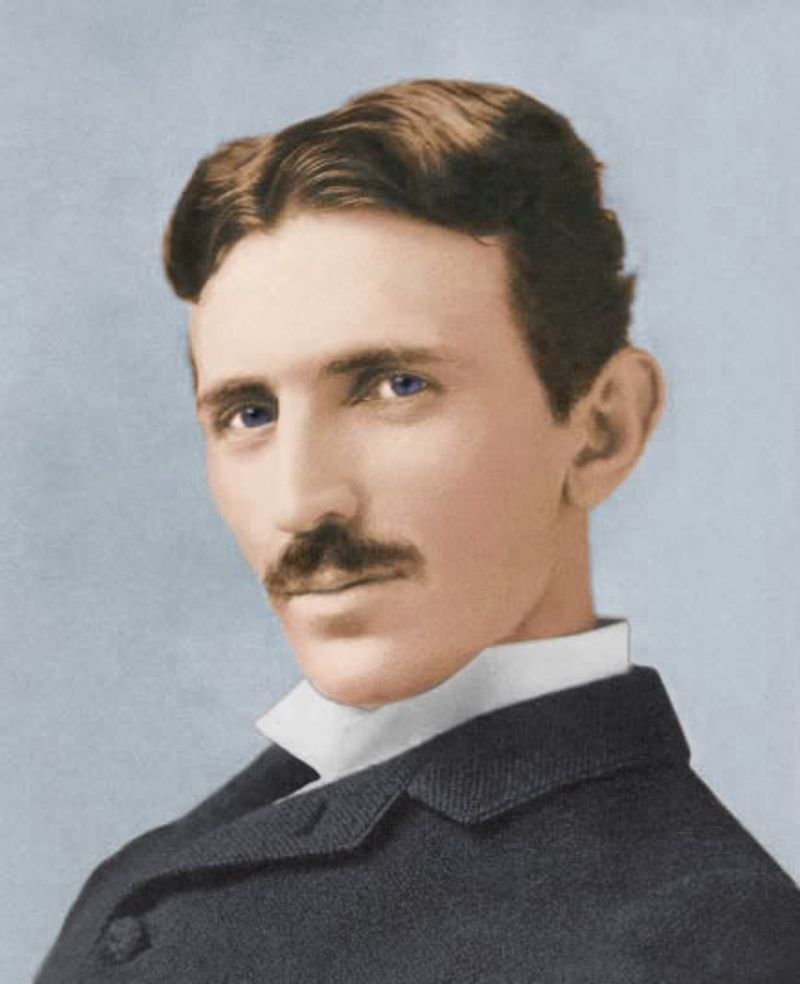
Nikola Tesla may be the most famous example of a brilliant mind who changed the world while barely keeping the lights on in his own life. His alternating current system is the foundation of how electricity is delivered to homes and businesses across the globe, yet he spent his final years in a New York hotel room, largely broke and forgotten by the public.
Tesla’s rivalry with Thomas Edison is legendary, and not in a flattering way for either man. Tesla held over 300 patents, contributed to the development of radio technology, and envisioned wireless energy transmission more than a century before it became a serious engineering goal.
Investors like J.P. Morgan eventually pulled funding when Tesla’s ambitions grew too large to control.
The company that now carries his name as a brand generates billions annually. Tesla himself never saw a dollar of that.
His story is a striking reminder of how vision and financial reward rarely travel together.
Philo Farnsworth
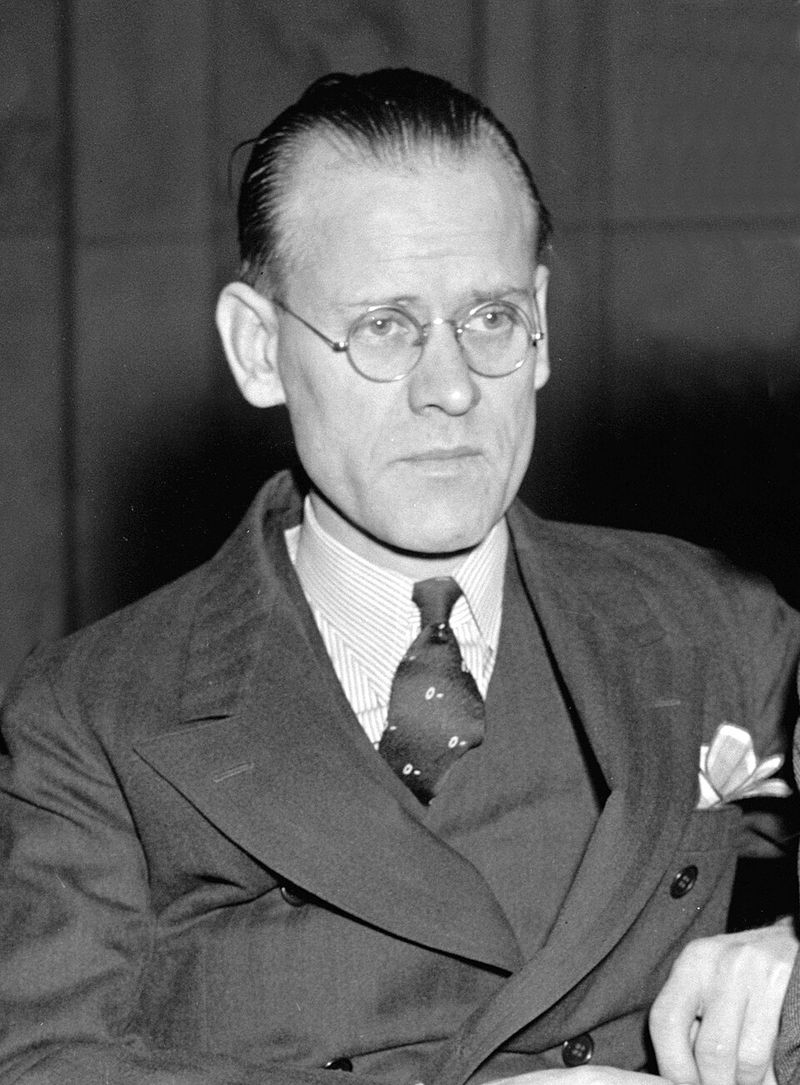
Philo Farnsworth sketched out the concept for electronic television when he was just 14 years old, drawing diagrams in the dirt of an Idaho farm field to show his teacher. By his mid-20s, he had built a working electronic TV system, beating the massive resources of RCA and its chief engineer Vladimir Zworykin to the finish line.
RCA spent years trying to buy out Farnsworth and, when that failed, fought him in court over patents. Farnsworth eventually won those battles, but the legal costs and emotional toll were enormous.
By the time television became a global industry worth hundreds of billions of dollars, his patents had expired and he received very little ongoing compensation.
He reportedly told his son that he did not feel television had been used well, which is a heavy thought coming from the man who invented it. Farnsworth passed away in 1971 with far less recognition than his contribution deserved.
Elisha Gray
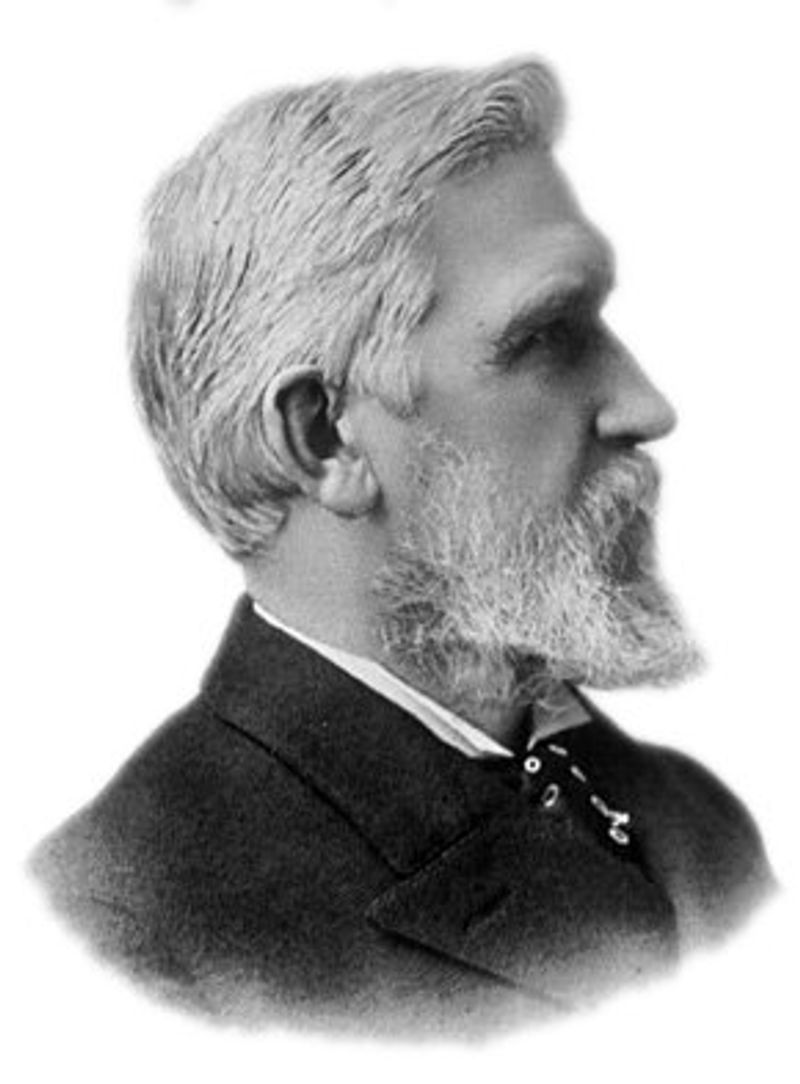
Elisha Gray filed a patent caveat for the telephone on February 14, 1876, the same day Alexander Graham Bell filed his full patent application. The U.S.
Patent Office gave Bell priority, and that two-hour margin, by some accounts even less, cost Gray one of the most valuable patents in the history of technology.
The legal disputes that followed were extensive. Gray had been working on similar voice transmission technology for years and had a strong case, but Bell’s patent held.
Western Union, which had initially passed on Bell’s invention, later backed Gray and others in a fierce legal battle that Bell ultimately survived.
Bell Telephone became one of the most powerful companies in American history. Gray, despite being a respected inventor with many legitimate contributions to telegraphy, never received credit for the telephone.
His name is mostly a footnote today, which is a genuinely unfair outcome given how close he came to changing everything.
Ignaz Semmelweis
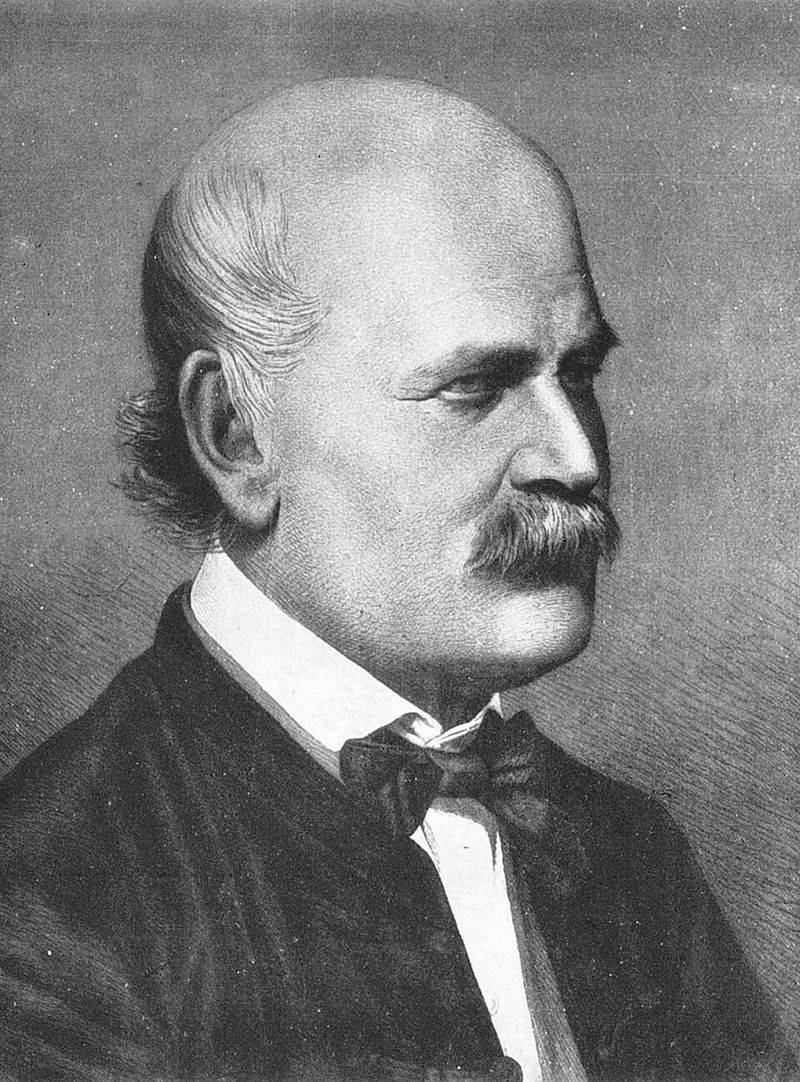
Ignaz Semmelweis figured out in the 1840s that doctors were spreading infection by not washing their hands between performing autopsies and delivering babies. His data was clear and his results were dramatic.
When he introduced handwashing with chlorinated lime solution in his Vienna maternity ward, patient mortality rates dropped sharply.
The medical establishment largely rejected him. Germ theory had not yet been proven, and the idea that respectable physicians could be the cause of patient illness was offensive to many of his colleagues.
Semmelweis pushed his ideas forcefully, sometimes alienating the very people he needed to convince.
He was eventually committed to a mental institution in 1865 and passed away there within two weeks, possibly from the same kind of infection he had spent his career trying to prevent. Joseph Lister later developed antiseptic surgery using similar principles and received wide acclaim.
The handwashing guidelines followed in hospitals today owe a direct debt to Semmelweis, who never lived to see his ideas accepted.
Charles Goodyear
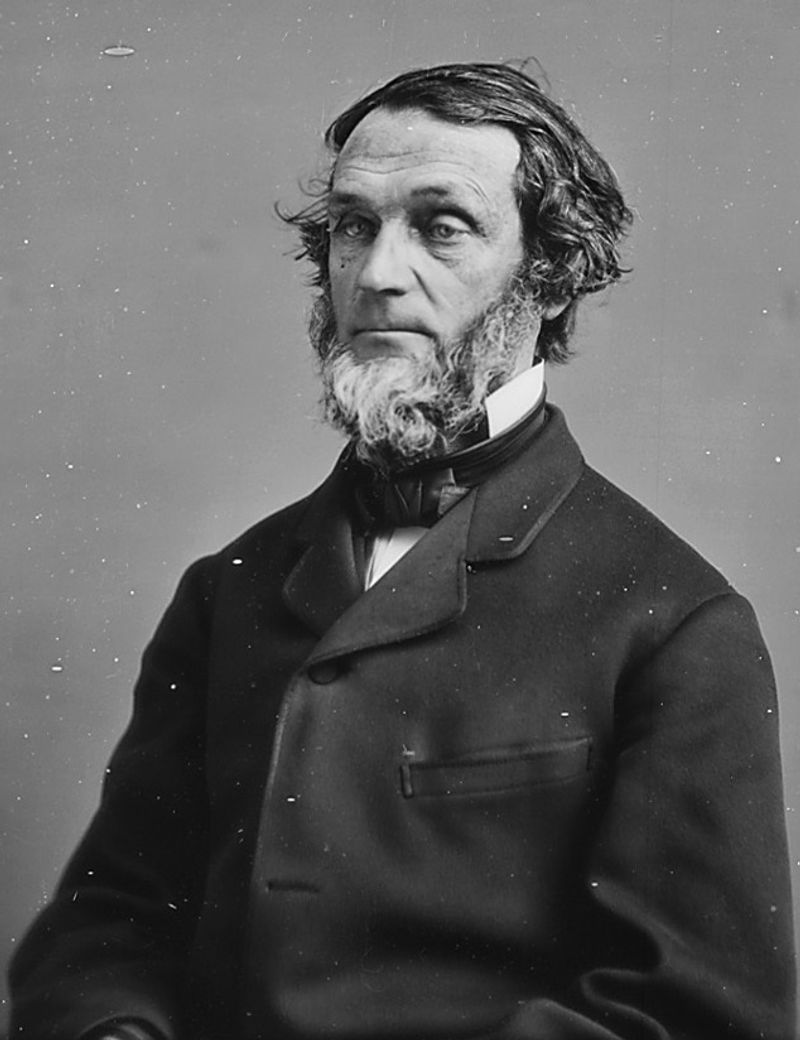
Charles Goodyear spent years obsessed with finding a way to make rubber stable enough to be useful in extreme temperatures. Natural rubber melted in heat and cracked in cold, making it nearly worthless for most practical applications.
After years of failed experiments and crushing debt, he accidentally discovered vulcanization in 1839 when he dropped a rubber and sulfur mixture on a hot stove.
The process he developed made rubber durable, flexible, and heat-resistant, which opened the door to tires, industrial belts, boots, and countless other products. The rubber industry that followed his discovery became worth billions.
Goodyear, however, spent most of his life in debt and even in debtors prison at various points.
He was constantly in legal battles over patent infringement and never managed to build lasting financial security from his invention. He passed away in 1860 with debts reportedly exceeding 200,000 dollars.
The tire company that carries his name was founded 38 years after his passing and has no direct connection to his estate.
Antonio Meucci
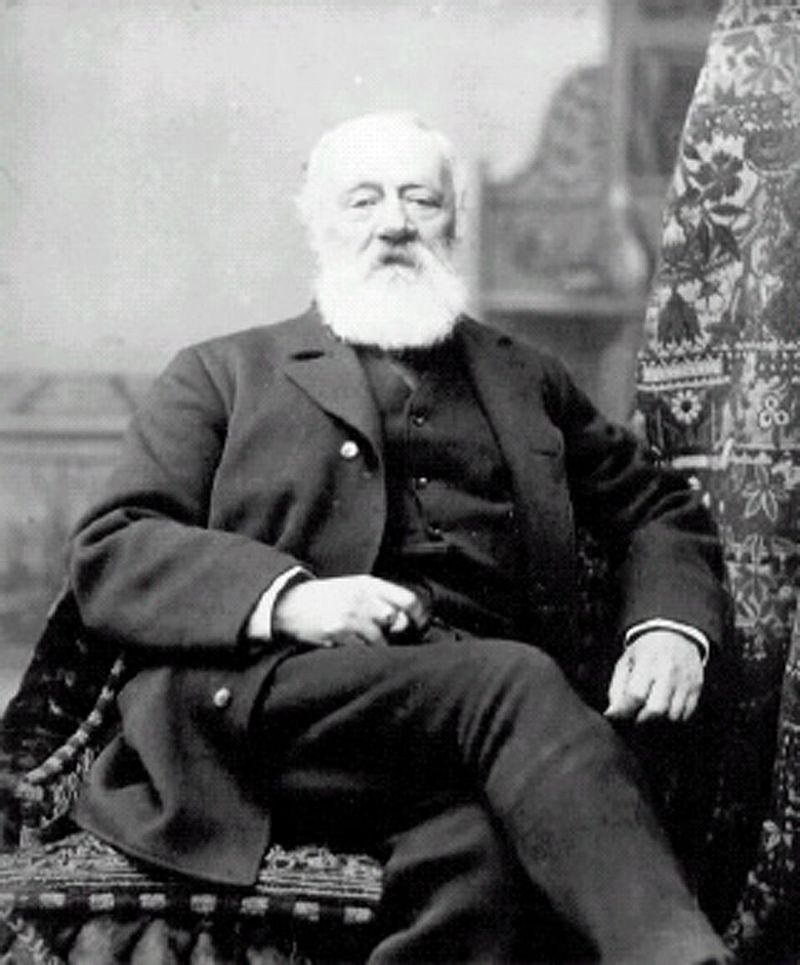
Antonio Meucci developed a working voice communication device as early as 1849, well before Alexander Graham Bell filed his famous telephone patent. Meucci, an Italian immigrant living in Staten Island, New York, created the device partly to communicate with his wife, who was seriously ill and unable to leave her bedroom.
He filed a caveat with the U.S. Patent Office in 1871, describing his invention, but could not afford the 10 dollar annual renewal fee to maintain it.
His working models and documents were reportedly lost or misplaced at a laboratory he shared with others. Bell later filed his patent using similar facilities, and the rest is contested history.
In 2002, the U.S. Congress passed a resolution officially recognizing Meucci as the inventor of the telephone.
That recognition came 111 years after his passing in 1889. Meucci spent his later years in poverty, never receiving financial compensation or widespread credit during his lifetime for one of the most consequential inventions in history.
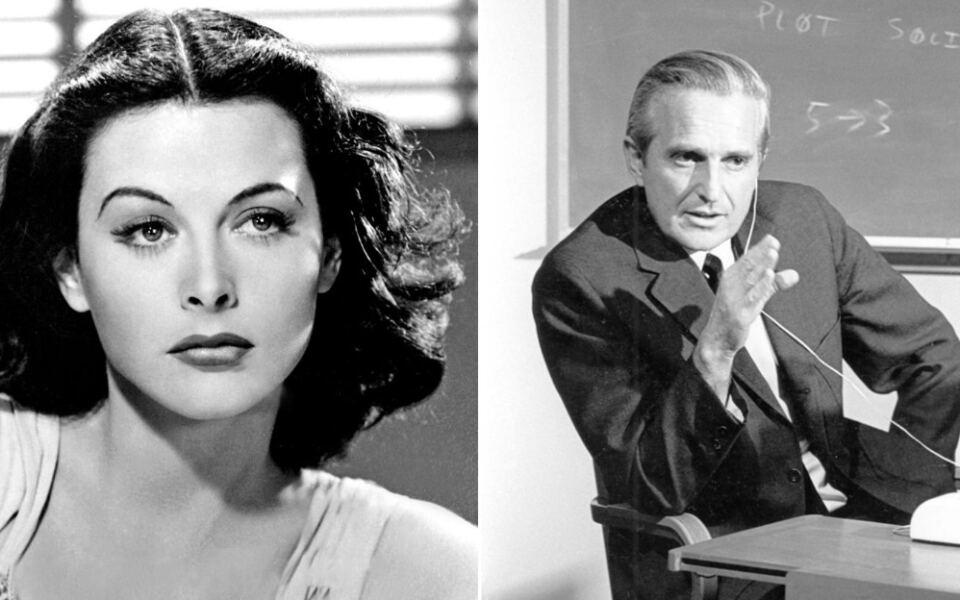
Hedy Lamarr

Hedy Lamarr was one of the biggest film stars in Hollywood during the 1940s, but what most people did not know was that she was also a serious inventor. During World War II, she co-developed a frequency-hopping signal system with composer George Antheil, designed to make radio-guided torpedoes harder for enemies to detect or jam.
The U.S. Navy did not adopt the technology during the war, and by the time it was used in the 1960s, Lamarr’s patent had expired.
She received no payment. The technology she helped develop became a foundational concept behind Bluetooth, Wi-Fi, and GPS systems, which are technologies now embedded in virtually every smartphone on the planet.
She was finally awarded the Electronic Frontier Foundation Pioneer Award in 1997, more than 50 years after her original patent. Lamarr reportedly said at the time that it was about time.
She passed away in 2000, having never received financial compensation for an invention that now underpins a multi-trillion-dollar wireless communications industry.
John Kay

John Kay invented the flying shuttle in 1733, and that single device transformed the textile industry almost overnight. Before his invention, weaving wide cloth required two weavers working side by side.
The flying shuttle allowed one weaver to do the same job faster and more efficiently, dramatically increasing fabric production across England.
Textile manufacturers benefited enormously from his invention, but many refused to pay him the licensing fees he was owed. Kay spent years in legal battles trying to collect royalties, draining his finances in the process.
He was also met with hostility from workers who feared his invention would take their jobs, and his home was attacked by a mob in 1753.
Kay eventually fled to France, where he reportedly passed away in poverty around 1779. His flying shuttle was a direct catalyst for the Industrial Revolution, setting the stage for inventions like the spinning jenny and the power loom.
The British textile industry that grew from his work generated generational wealth for mill owners, none of which reached him.
Granville Woods
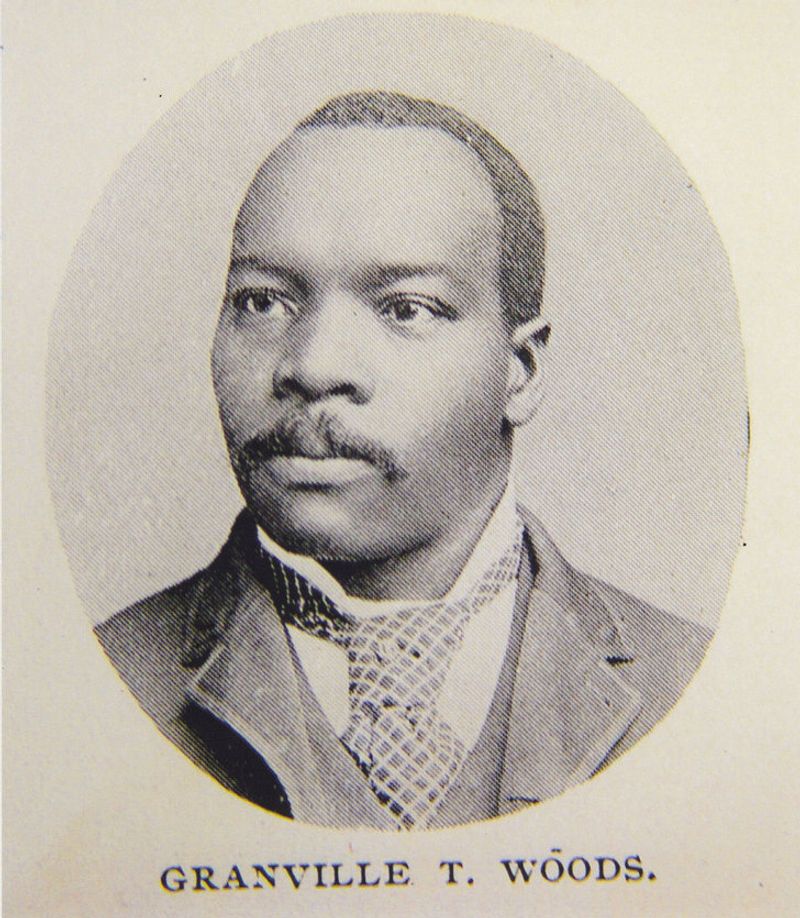
Granville Woods held more than 50 patents by the time he passed away in 1910, earning him the nickname the Black Edison. His most significant invention was the induction telegraph system, which allowed moving trains to communicate with railway stations and with each other, a breakthrough that dramatically improved railroad safety at a time when train collisions were a serious and recurring problem.
Thomas Edison actually challenged Woods in court twice over the telegraph patent, claiming he had developed similar technology first. Woods won both cases.
Edison then reportedly offered Woods a position at his company, which Woods declined in order to remain independent. Woods later sold several patents to major corporations including General Electric and American Bell Telephone.
Despite his success in the courtroom and his prolific output, Woods struggled financially throughout his career. He passed away in New York City with very little money.
His contributions to railway safety and electrical systems helped build industries worth billions, yet his name remains largely absent from mainstream history books.
Louis Le Prince
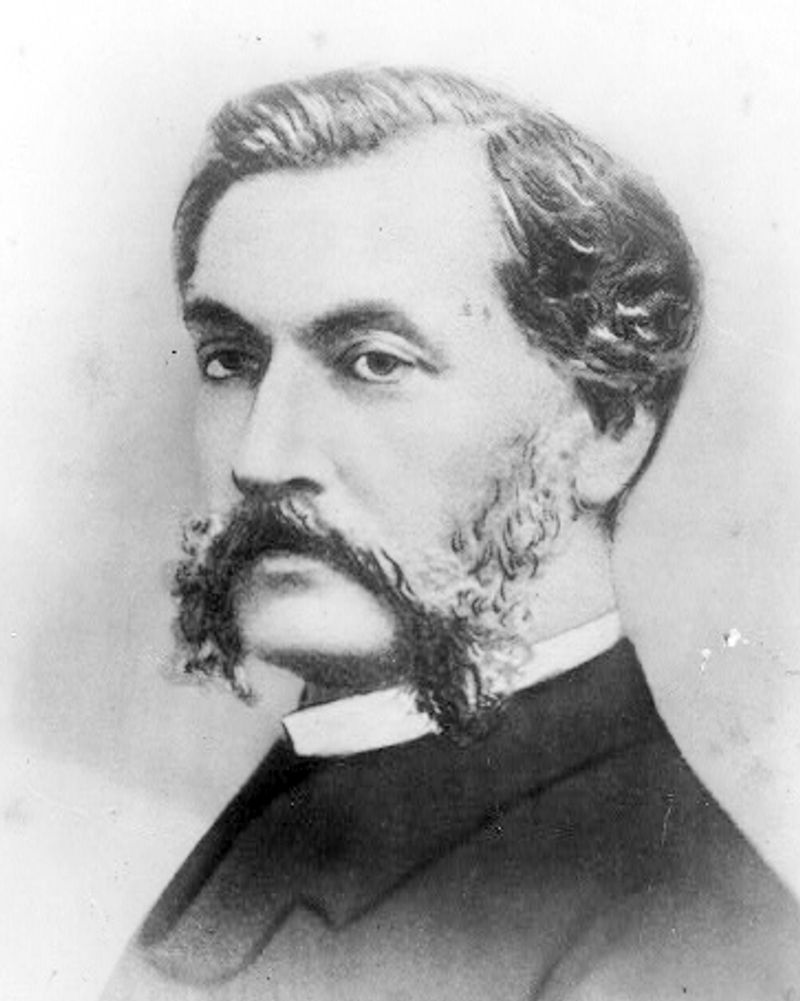
Louis Le Prince filmed what is widely considered the first motion picture in history in 1888, capturing a short sequence on Roundhay Bridge in Leeds, England. His single-lens camera predated Thomas Edison’s motion picture work and the Lumiere brothers’ public screenings by several years.
The footage still exists and can be viewed today.
Le Prince was preparing to travel to New York in 1890 to publicly demonstrate his invention when he boarded a train in Dijon, France, and simply vanished. No body, no luggage, and no explanation were ever found.
His disappearance remains one of history’s great unsolved mysteries, and it meant he never got to publicly claim credit for his invention.
Edison filed his own motion picture patents shortly after and became widely credited as the father of cinema. Le Prince’s son Adolphe worked hard to establish his father’s priority and even testified in legal proceedings, but passed away young under circumstances that were also suspicious.
The film industry Le Prince helped create became one of the most profitable in the world.
Karl Benz
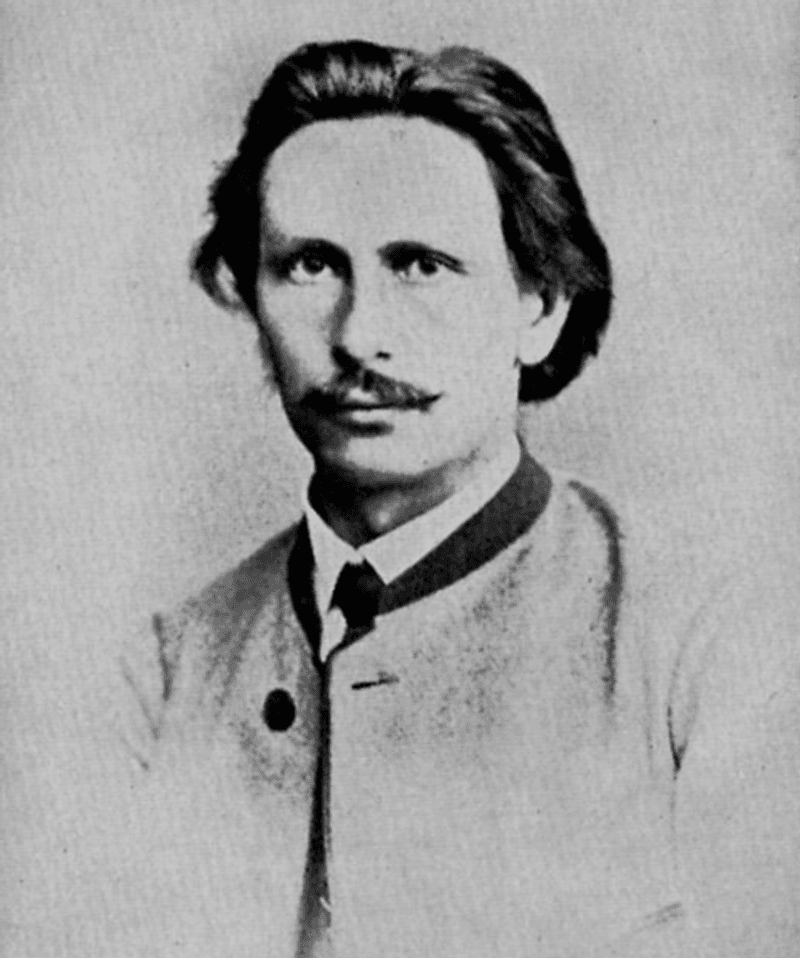
Karl Benz is widely credited as the inventor of the gasoline-powered automobile. His Benz Patent-Motorwagen, built in 1885 and patented in 1886, is recognized as the first true motor vehicle designed to be powered by an internal combustion engine.
It was a three-wheeled vehicle, and it worked.
His wife Bertha famously took the car on the world’s first long-distance automobile trip without telling him, driving from Mannheim to Pforzheim in 1888 to prove the vehicle was practical. That trip essentially served as the world’s first automotive road test and a publicity event that helped establish the car’s viability.
Benz did achieve some commercial success and his company eventually merged with Daimler-Motoren-Gesellschaft in 1926 to form Mercedes-Benz. However, Benz had already sold most of his stake and stepped back from the company years before the merger.
The automotive industry he launched now generates trillions of dollars annually, while Benz himself lived comfortably but never accumulated wealth proportional to his invention’s global impact.
Douglas Engelbart
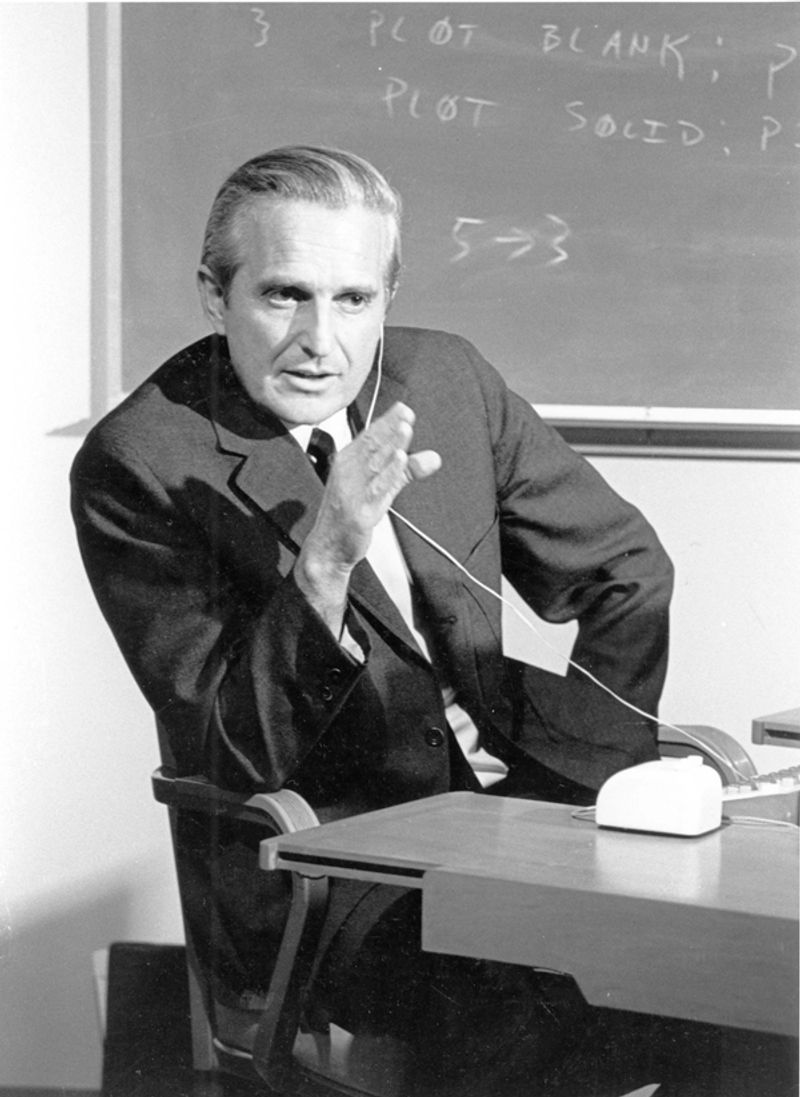
Douglas Engelbart demonstrated what became known as the Mother of All Demos in San Francisco in 1968, and the computing world has never been the same. In a single 90-minute presentation, he showed a live audience the computer mouse, hypertext linking, video conferencing, collaborative real-time document editing, and a graphical user interface.
Most of those concepts would not become mainstream for another two decades.
Engelbart’s mouse patent was held by Stanford Research Institute, which licensed it to Apple for a reported 40,000 dollars. That licensing deal helped Apple build the Macintosh interface that changed personal computing forever.
Engelbart himself received no royalties from the mouse patent, which expired before the personal computer boom made the device ubiquitous.
He spent later years at a nonprofit called the Bootstrap Institute, working on ideas for improving collective human intelligence, often struggling to get funding. The tools he envisioned are now worth trillions of dollars in market value across the tech industry.
Engelbart passed away in 2013 with far less financial reward than the inventors who built on his foundational work.
Vincent van Gogh
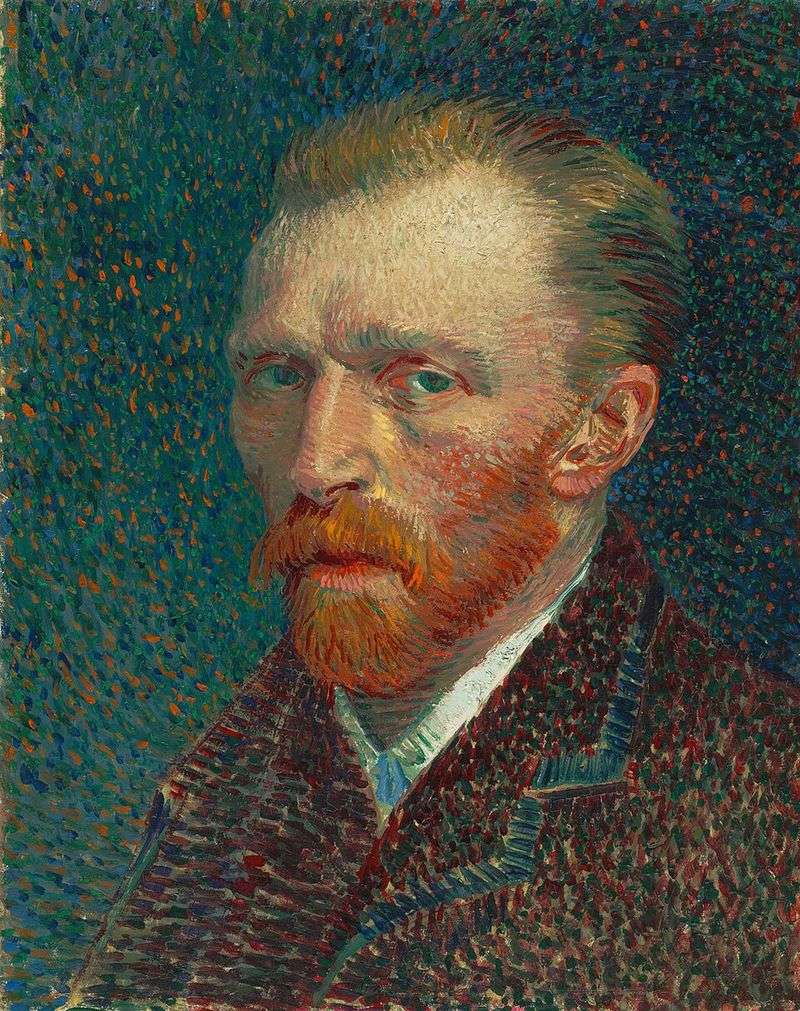
Vincent van Gogh sold only one painting during his lifetime. Despite producing more than 2,100 works of art over roughly a decade of intense creative output, including some of the most recognized paintings in human history, he lived in poverty and relied almost entirely on financial support from his brother Theo.
Van Gogh’s work was not widely appreciated during his lifetime. He struggled with serious mental health challenges and passed away in 1890 at the age of 37.
At the time, his paintings were largely unknown outside a small circle of artists and art enthusiasts in the Netherlands and France.
Today, a single van Gogh painting can sell at auction for over 100 million dollars. His work hangs in the most prestigious museums on Earth, and his name is synonymous with artistic genius.
The global market for van Gogh art, reproductions, exhibitions, and merchandise generates enormous revenue annually. He never saw any of it, and the contrast between his poverty and his posthumous value is one of the most striking in art history.
Alfred Russel Wallace
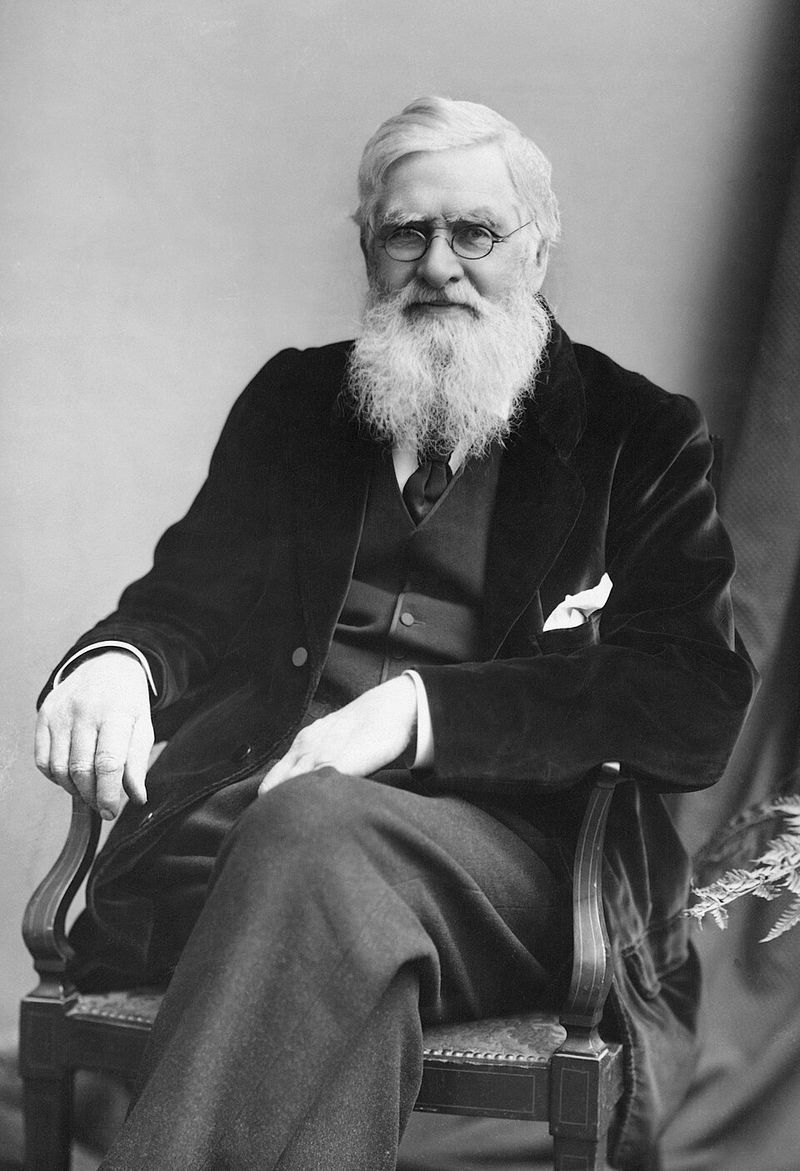
Alfred Russel Wallace independently developed the theory of natural selection at roughly the same time as Charles Darwin. Wallace was working as a naturalist in the Malay Archipelago in 1858 when he wrote up his ideas and sent them to Darwin in a letter.
Darwin, who had been quietly developing similar ideas for two decades, was alarmed.
A joint paper presenting both men’s ideas was read at the Linnean Society in 1858, but Darwin’s far more comprehensive work, On the Origin of Species, was published the following year and became the definitive text on evolution. Wallace was generous about Darwin’s priority and never publicly complained about the arrangement.
Darwin became one of the most celebrated scientists in history. Wallace, who was equally brilliant and arguably more adventurous in his fieldwork, spent much of his later life in financial difficulty.
He had to sell his natural history collections to survive and at one point applied for a government pension just to get by. His contribution to one of science’s most important ideas is consistently underrepresented.
Garrett Morgan
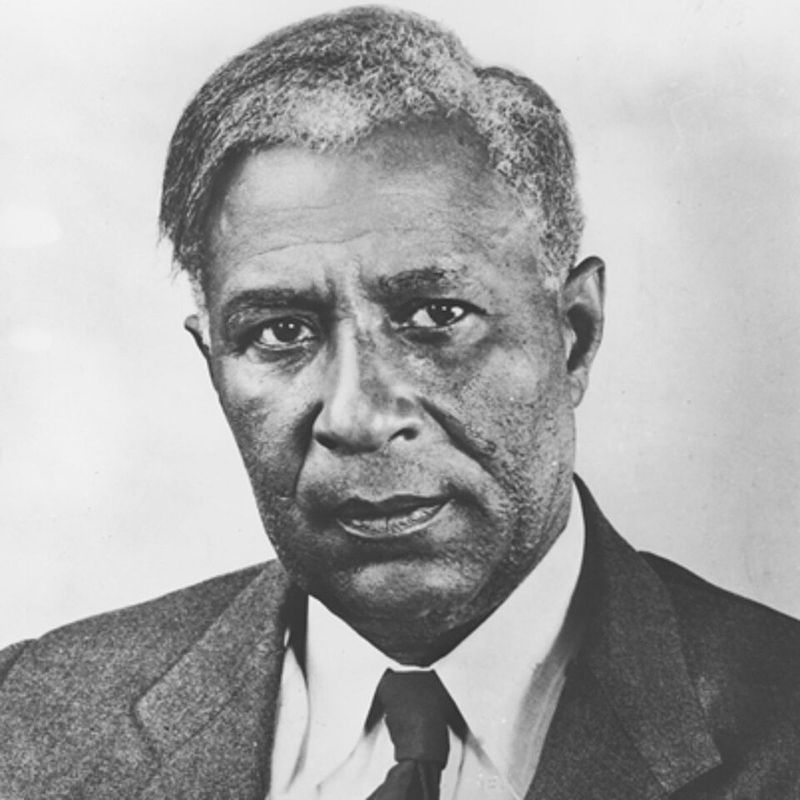
Garrett Morgan invented two things that directly saved lives and shaped modern infrastructure. His safety hood, patented in 1914, was an early version of the gas mask and was used by rescue workers in a 1916 Cleveland tunnel explosion to pull survivors out of smoke-filled tunnels.
His three-position traffic signal, patented in 1923, introduced the concept of a warning phase between stop and go, which is the amber light system used on traffic signals worldwide today.
Morgan sold the rights to his traffic signal patent to General Electric for 40,000 dollars, which was a significant sum at the time but a fraction of its eventual value. The traffic signal system GE developed from his work became standard across the United States and eventually the world.
Morgan faced significant racial discrimination throughout his career, including from potential buyers who refused to purchase his products once they learned he was Black. He worked around this in some cases by sending white colleagues to demonstrate his inventions.
His story is one of remarkable persistence against barriers that most inventors never had to face.
Tim Berners-Lee

Tim Berners-Lee invented the World Wide Web in 1989 while working at CERN, the European physics research organization in Switzerland. He proposed a system for sharing information across networks using hypertext links, which became the foundation for how billions of people access information, communicate, shop, and work every day.
Berners-Lee made a deliberate choice not to patent the web or charge for its use. He wanted it to be free and open to everyone.
That decision allowed the web to grow at a speed that a proprietary system never could have matched, but it also meant he personally made nothing from the invention itself.
The global internet economy built on his work is now valued in the tens of trillions of dollars. Berners-Lee has worked as a professor at MIT and the University of Oxford and has been involved in web governance and digital rights advocacy through the World Wide Web Foundation.
He has been honored with numerous awards including the Turing Award in 2016, but he remains one of the most consequential inventors in history to have chosen principle over personal profit.
Lonnie Johnson
Lonnie Johnson was a NASA aerospace engineer and Air Force veteran who accidentally invented the Super Soaker in 1982 while working on a heat pump system in his bathroom. A nozzle he was testing shot a powerful stream of water across the room, and Johnson immediately recognized the potential for a new kind of toy.
It took nearly a decade to get the product to market. Larami Corporation licensed the design, and when the Super Soaker launched in 1990, it became one of the best-selling toys in history, eventually generating over one billion dollars in sales.
Johnson’s royalty agreement with Hasbro, which acquired Larami, later became the subject of a serious legal dispute.
Johnson sued Hasbro claiming they had underpaid his royalties by hundreds of millions of dollars. The case was settled, with Johnson reportedly receiving a substantial but undisclosed payment.
He now runs his own research company focused on energy technology, including solid-state battery development. His story is one of the more complicated on this list, somewhere between triumph and a long, expensive fight for what he was owed.
Share this story