Scandinavian food has a way of making you feel warm, satisfied, and curious all at once. From the cozy kitchens of Sweden to the coastal towns of Norway and the bustling cafes of Denmark, this region has a rich food culture built on simple, honest ingredients.
Whether you love hearty stews, fresh seafood, or sweet pastries, Scandinavian cuisine has something for everyone. Get ready to explore 15 incredible dishes that deserve a spot on every food lover’s bucket list.
1. Swedish Meatballs (Kottbullar)
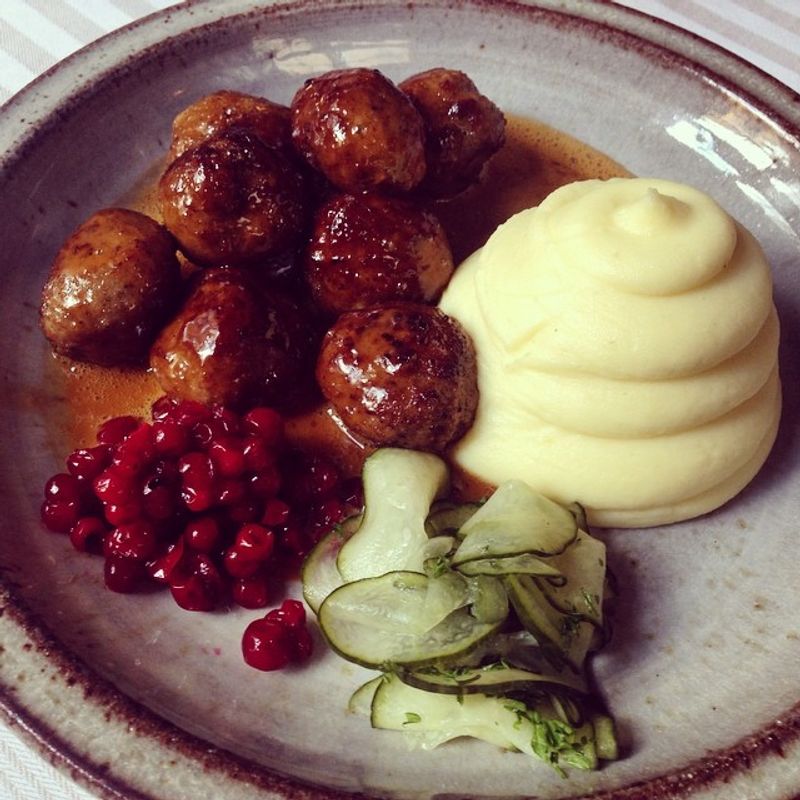
Ask almost anyone what they know about Swedish food, and Swedish meatballs will be the first thing they mention. Known in Sweden as Kottbullar, these small, tender meatballs have been a staple of Swedish home cooking for centuries.
They are made from a mix of ground beef and pork, seasoned with allspice and nutmeg, then pan-fried to golden perfection.
What truly sets them apart is the rich, creamy brown gravy poured generously on top. Served alongside buttery mashed potatoes and tangy lingonberry sauce, the combination of flavors is hard to beat.
The sweet-tart berries balance the savory meat beautifully.
Interestingly, the recipe is believed to have been brought to Sweden by King Charles XII in the early 1700s after his travels to Turkey. Today, Kottbullar is enjoyed in homes and restaurants worldwide, and for good reason.
2. Gravlax
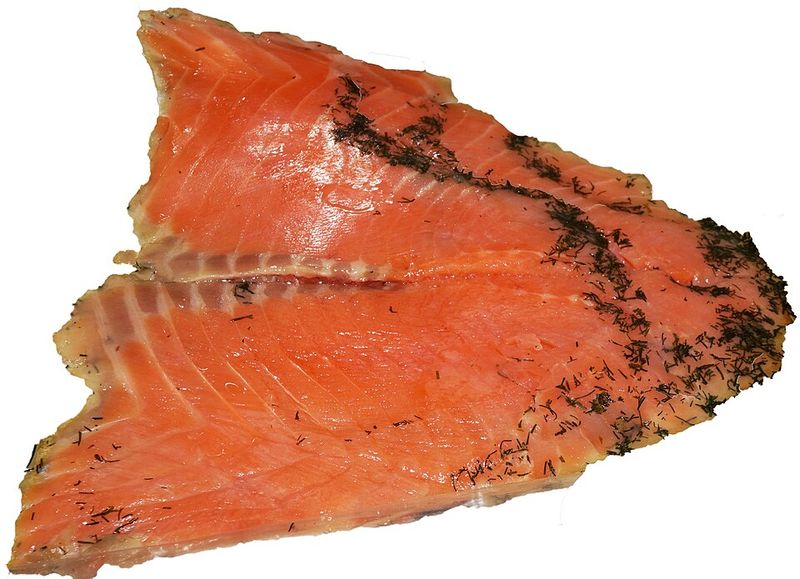
Gravlax is proof that sometimes the simplest techniques produce the most extraordinary results. This Swedish-origin dish is made by curing raw salmon in a mixture of salt, sugar, and fresh dill for several days.
No cooking required at all. The result is silky, melt-in-your-mouth salmon with a delicate herby flavor that feels almost luxurious.
Traditionally served on dark rye bread or crispbread, gravlax is often topped with a sweet mustard-dill sauce called hovmastarsas. It works beautifully as an appetizer or a light meal, and it looks stunning on any table.
The name itself comes from the Old Norse words for “grave” and “salmon,” a nod to the ancient practice of burying cured fish in the ground. Scandinavian fishermen used this method long before refrigerators existed.
Today, gravlax is a beloved classic that deserves far more attention outside of Sweden.
3. Smorrebrod
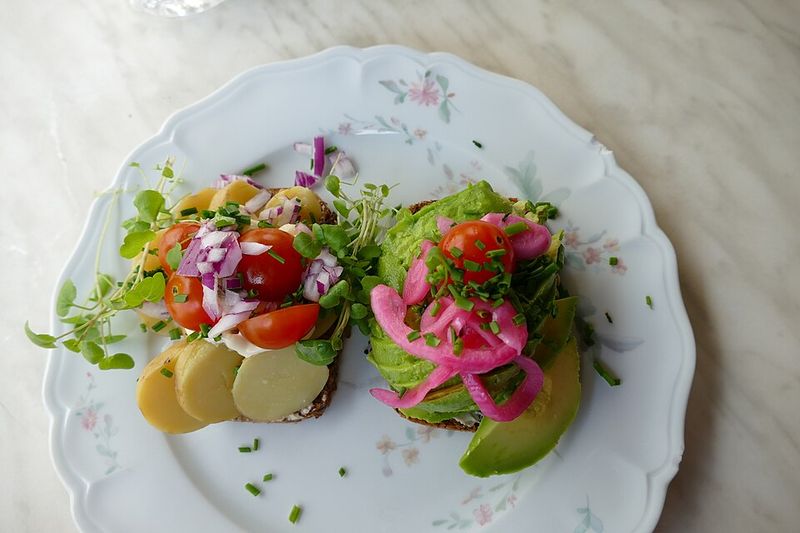
Open a Danish cookbook and you will almost certainly find smorrebrod on the very first page. These are open-faced sandwiches built on a thick slice of dense, dark rye bread called rugbrod.
What makes them special is not just the bread but the creative, layered toppings placed on top with real care and artistry.
Common toppings include pickled herring, smoked salmon, roast beef with remoulade, hard-boiled eggs, and fresh shrimp. Each combination is carefully balanced in flavor, color, and texture.
Eating a beautifully made smorrebrod feels almost like admiring a small piece of edible art.
In Denmark, smorrebrod is traditionally eaten at lunch. Many Danish restaurants are dedicated entirely to this dish, offering dozens of topping combinations.
If you ever visit Copenhagen, stopping at a classic smorrebrod shop is an absolute must. This humble sandwich punches well above its weight in flavor and cultural significance.
4. Fiskefrikadeller
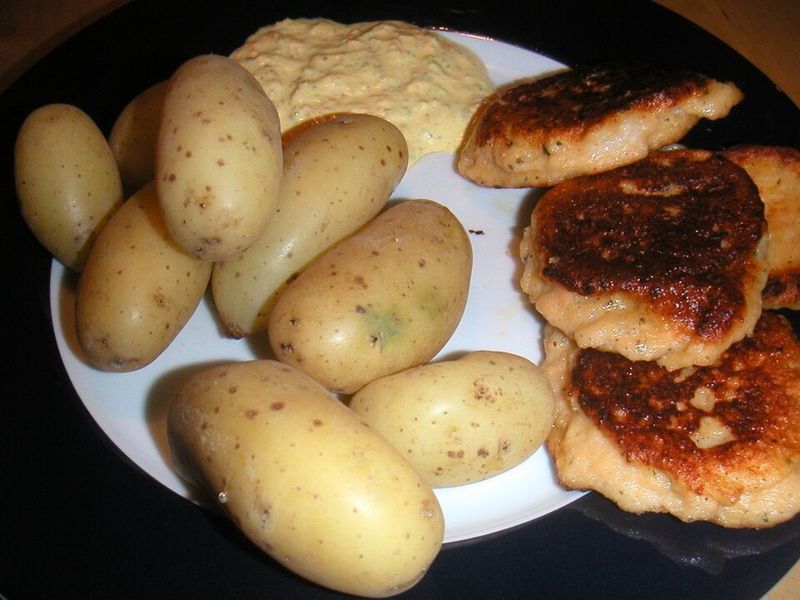
Fish cakes might sound ordinary, but Denmark’s fiskefrikadeller are anything but. Made from a blend of white fish such as cod or haddock, mixed with onion, egg, flour, and cream, these pan-fried patties are crispy on the outside and wonderfully soft on the inside.
Every bite delivers a clean, fresh taste of the sea.
They are typically served with a creamy remoulade sauce, pickled beets, and a slice of rye bread. Some families add capers or fresh herbs to the mix for extra flavor.
Fiskefrikadeller have been a fixture of Danish home cooking for generations, often made on Fridays as a family tradition.
What makes them so appealing is their simplicity. You do not need fancy ingredients or advanced cooking skills to make them.
They are affordable, filling, and genuinely delicious. Once you try a properly made batch, you will understand why Danes hold this dish so close to their hearts.
5. Stegt Flaesk med Persillesovs
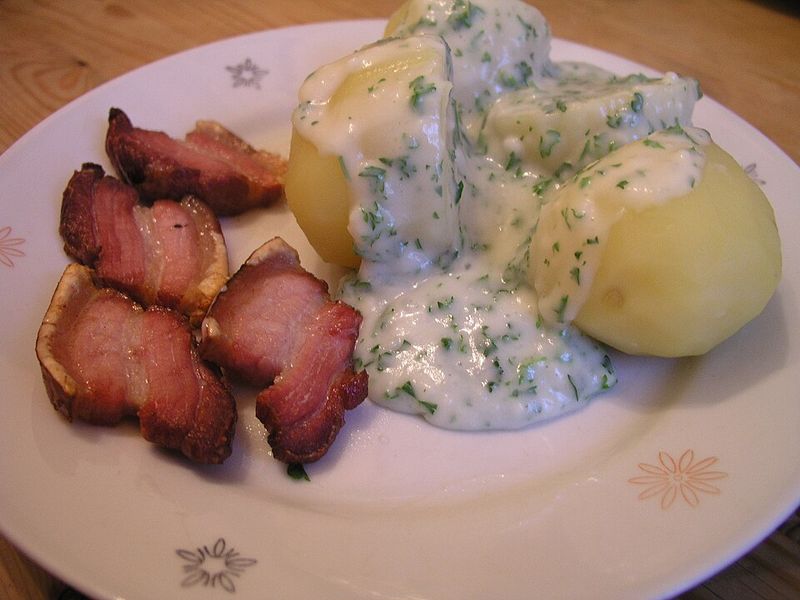
Stegt Flaesk med Persillesovs holds a very special place in Denmark. In 2014, it was voted the official national dish of Denmark, beating out smorrebrod and other beloved classics.
That says a lot about how much Danes love this seemingly simple meal of crispy pork belly with parsley sauce.
The pork is sliced into thick strips and fried until the fat renders down and the edges turn wonderfully golden and crunchy. It is served with boiled potatoes and a rich, buttery parsley sauce that is creamy and bright green.
The contrast between the salty, crispy pork and the smooth, herby sauce is genuinely satisfying.
This dish is pure Danish comfort food. It has been eaten in Danish homes for well over a hundred years and shows no signs of going anywhere.
Simple, unpretentious, and deeply flavorful, Stegt Flaesk is the kind of meal that makes you feel right at home.
6. Farikal
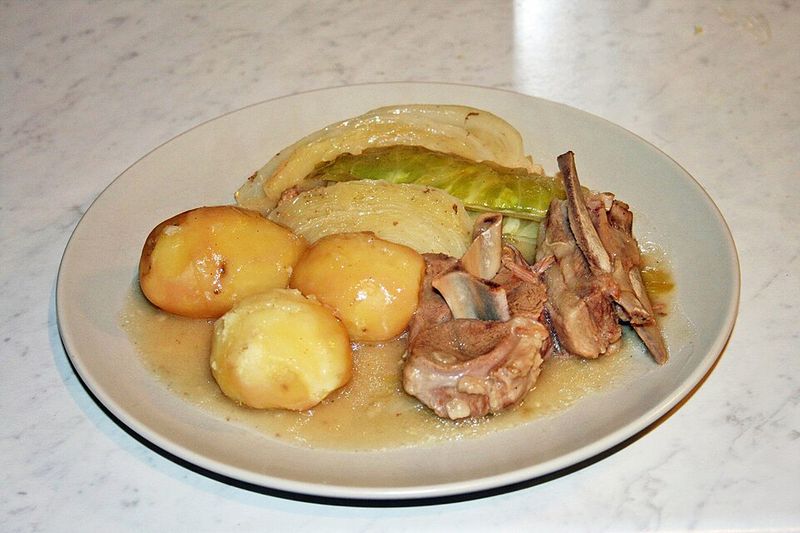
Norway’s national dish, Farikal, is the kind of food that wraps around you like a warm blanket on a cold autumn evening. The name translates simply to “mutton in cabbage,” which tells you exactly what this dish is.
Layers of lamb and cabbage are slow-cooked together with whole black peppercorns and a little water until everything becomes incredibly tender.
The slow cooking process is key. Over several hours, the flavors of the lamb and cabbage meld together into something much greater than the sum of their parts.
The broth that forms is rich, slightly peppery, and deeply warming. Boiled potatoes on the side are the traditional accompaniment.
Farikal season in Norway runs from late September through November, when fresh lamb is available after summer grazing. Many Norwegian families have a specific day dedicated to making it every year.
It is simple, seasonal, and completely satisfying in every way.
7. Kjottkaker
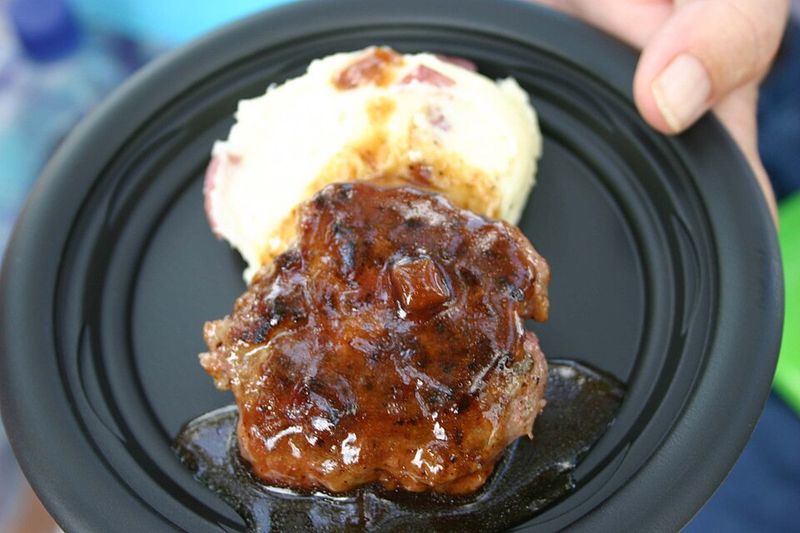
Think of Kjottkaker as Norway’s answer to Swedish meatballs, and you will be on the right track. These large, flat beef patties are a cornerstone of Norwegian home cooking, showing up on dinner tables across the country several times a week.
They are hearty, filling, and deeply comforting in the best possible way.
Made from ground beef mixed with ginger, nutmeg, and onion, the patties are pan-fried and then simmered in a dark, savory brown gravy. Served with boiled potatoes, stewed vegetables, and a spoonful of lingonberry jam on the side, each element of the meal plays its part beautifully.
The lingonberry jam might seem like an odd pairing with beef, but the sweet-tart flavor cuts through the richness of the gravy in a way that just works. Kjottkaker is the kind of dish that Norwegian grandmothers have perfected over decades, and tasting it feels like a genuine act of hospitality.
8. Lapskaus
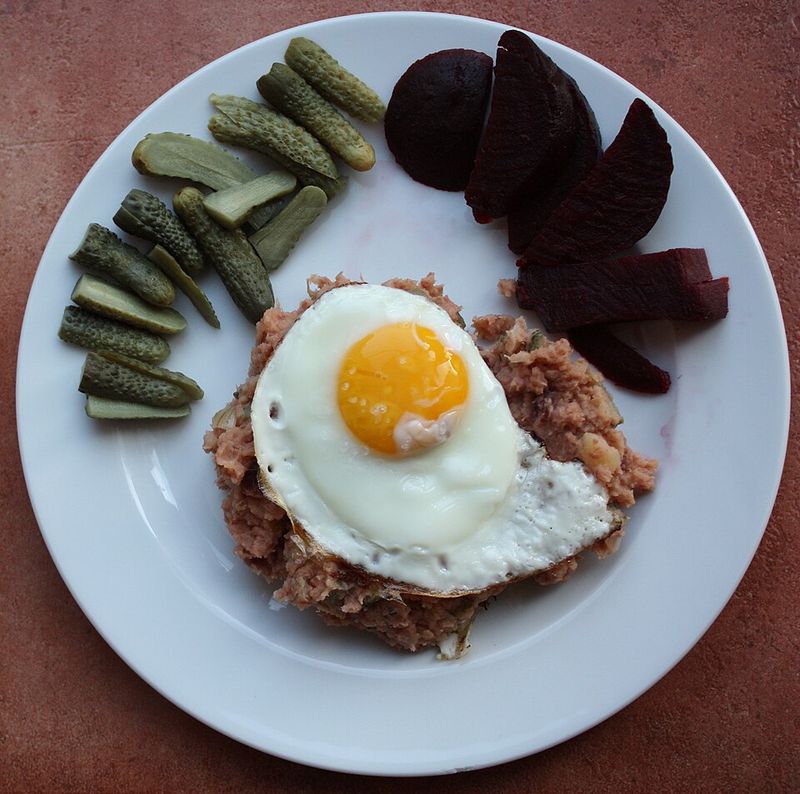
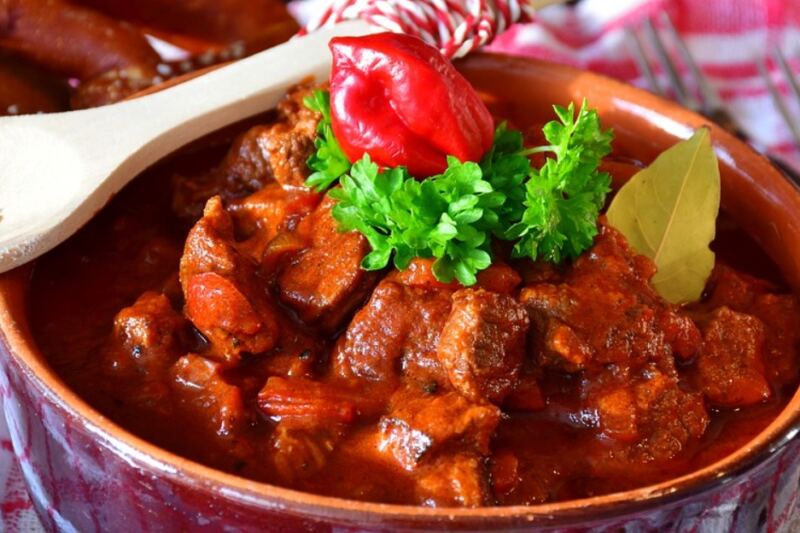
Lapskaus is one of those dishes that tells a story through its ingredients. This thick Norwegian stew was originally made by sailors and working-class families who needed a filling, affordable meal using whatever meat and vegetables were on hand.
Over time, it became one of the most beloved comfort foods in Norway.
The stew typically contains diced beef or pork, potatoes, carrots, onion, and sometimes turnip, all cooked slowly in a savory broth until everything is soft and deeply flavored. Some versions use leftover roast meat, which adds even more depth.
Served with flatbread or crispbread, it is a complete and satisfying meal.
There are two main styles: brown Lapskaus, which uses fresh meat, and light Lapskaus, which uses salted or cured meat for a milder flavor. Both versions are delicious in their own right.
On a cold Norwegian winter day, a bowl of Lapskaus is exactly what you need.
9. Toast Skagen
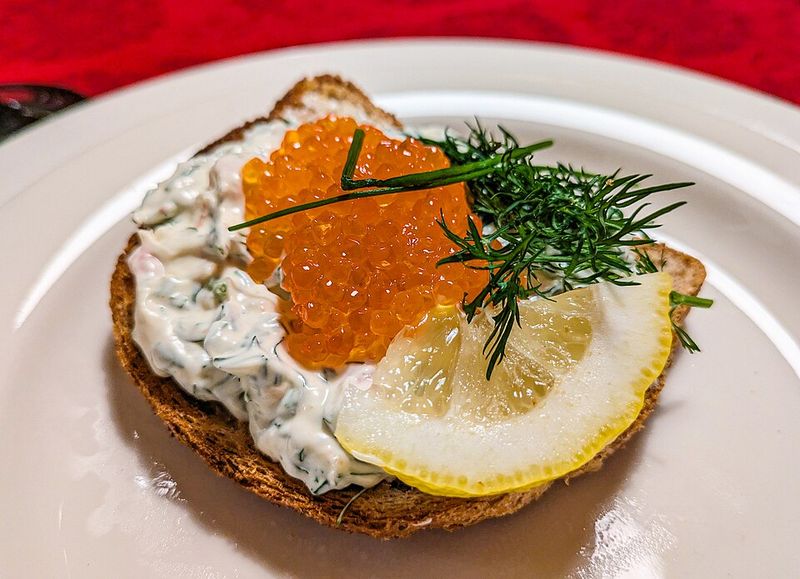
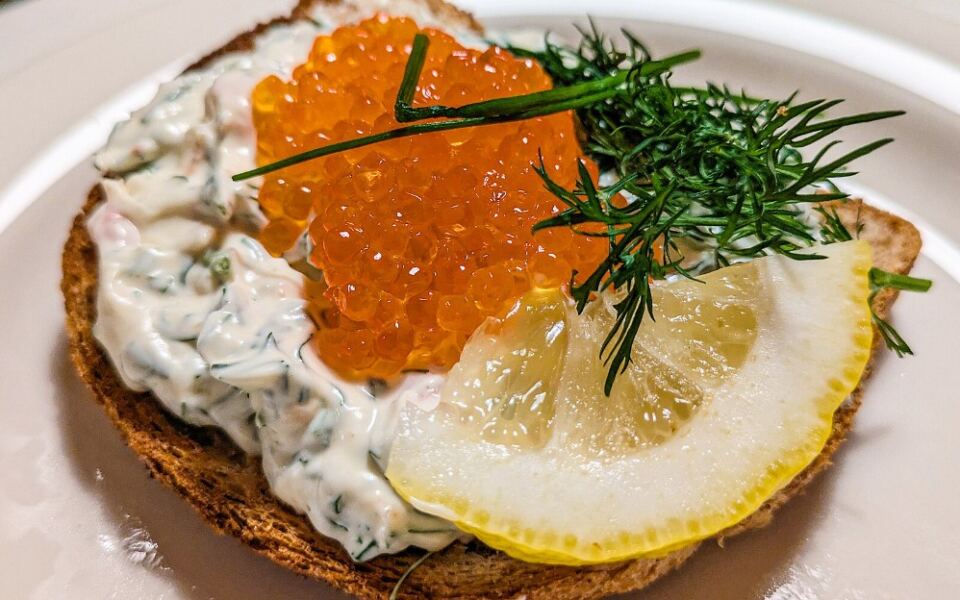
Toast Skagen is the kind of appetizer that makes a lasting impression at any dinner party. Created by Swedish restaurateur Tore Wretman in the 1950s, this elegant starter features a creamy shrimp salad piled high on a crispy, buttery piece of toasted white bread.
It looks as good as it tastes.
The filling is made from small, sweet Nordic shrimp mixed with mayonnaise, creme fraiche, fresh dill, and a squeeze of lemon. A spoonful of bleak roe, known as lojrom, is often added on top for a touch of salty, briny flavor that elevates the whole dish.
Named after the Danish town of Skagen, famous for its shrimp fishing, this dish celebrates the best of Scandinavian seafood in a refined yet approachable way. It is a staple at Swedish celebrations and holiday tables.
Once you try it, plain shrimp toast will never feel quite the same again.
10. Janssons Frestelse
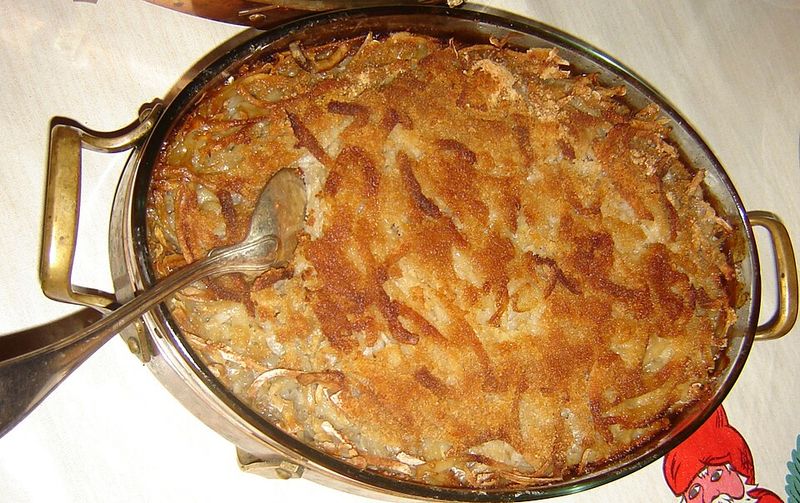
The name Janssons Frestelse translates to “Jansson’s Temptation,” and once you taste it, you will completely understand why temptation is the right word. This Swedish potato gratin is rich, creamy, and deeply savory, with a crispy golden top that is almost impossible to resist.
It is a staple at Swedish Christmas and Easter celebrations.
The dish is made by layering thin slices of potato with pickled sprats or anchovies and sliced onion, then covering everything in cream and baking until soft and golden. The anchovies dissolve into the cream during cooking, adding a subtle, salty depth that does not taste overwhelmingly fishy.
Many people who claim they dislike anchovies end up loving this dish because the flavor transforms so completely during baking. The result is a beautifully balanced, indulgent side dish that pairs well with almost anything.
Janssons Frestelse is Swedish comfort food at its most sophisticated and satisfying.
11. Kanelbullar
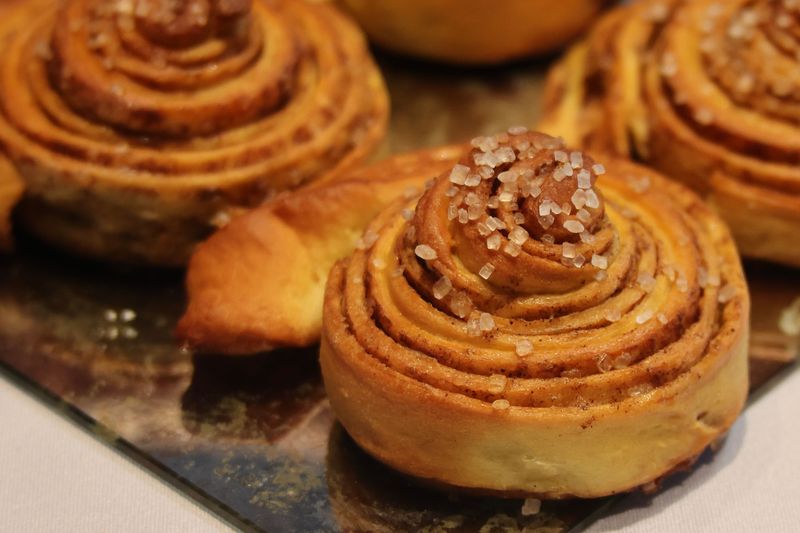
Sweden takes its cinnamon buns so seriously that there is an entire national holiday dedicated to them. October 4th is officially Kanelbullar Day in Sweden, celebrated every year since 1999.
That alone tells you how beloved these soft, fragrant pastries truly are in Swedish culture.
Unlike American cinnamon rolls, Kanelbullar are twisted rather than rolled, giving them a distinctive spiral shape. They are flavored with cinnamon, cardamom, and butter, then topped with pearl sugar before baking.
The cardamom is the secret ingredient that sets Swedish cinnamon buns apart from any other version you may have tried.
Fresh out of the oven, they are pillowy soft with a slightly crispy exterior and an aroma that fills the entire kitchen. Enjoyed with a cup of strong black coffee as part of Sweden’s beloved “fika” coffee break tradition, Kanelbullar represent more than just a snack.
They represent a way of life that values slowing down and enjoying simple pleasures.
12. Flaeskesteg
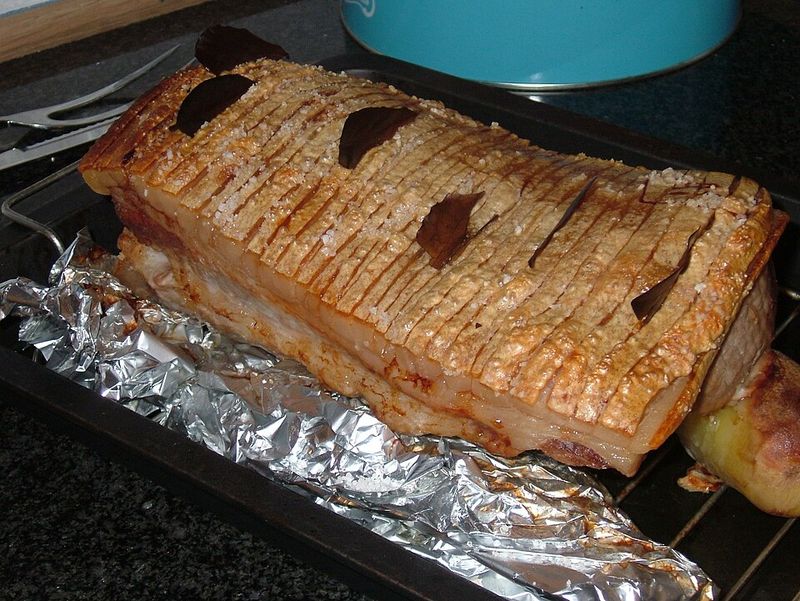
Few sounds are more satisfying in Danish cooking than the crack of perfectly roasted pork skin. Flaeskesteg, or Danish roast pork with crackling, is the centerpiece of the traditional Danish Christmas dinner and one of the most iconic dishes in the entire country.
Getting the crackling right is considered a true point of national pride.
The pork roast is scored deeply through the rind, rubbed generously with salt and bay leaves, and roasted slowly until the meat is juicy and the skin has puffed up into golden, shatteringly crisp crackling. It is typically served with braised red cabbage, caramelized potatoes, and a rich brown gravy.
The combination of textures and flavors is outstanding. Tender, flavorful meat paired with crunchy crackling and sweet-tangy red cabbage creates a meal that is festive, comforting, and deeply satisfying.
Flaeskesteg is not just food in Denmark. It is a cherished tradition shared across generations every December.
13. Raspeballer (Komle)
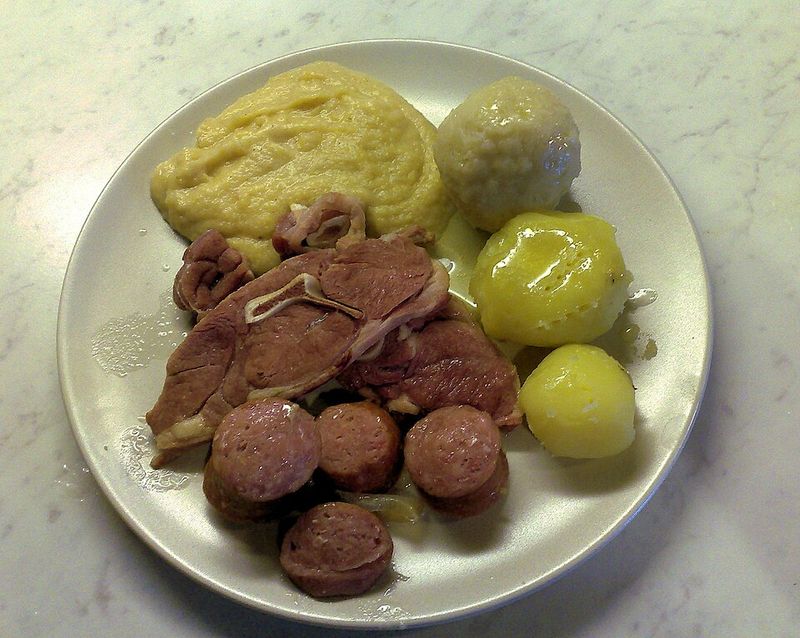
Raspeballer, also called Komle depending on which part of Norway you are in, are large potato dumplings that have been feeding Norwegian families for generations. These dense, filling dumplings are made from a mixture of raw grated potato and flour, shaped into round balls, and boiled in salted water or meat broth until cooked through.
They are traditionally served with salted lamb or pork belly, boiled rutabaga, and crispy bacon. The combination of textures is wonderful: the soft, starchy dumpling against the salty, savory meat and the slightly sweet rutabaga.
A little melted butter drizzled over the top ties everything together.
Thursday is the traditional day for Raspeballer in many parts of western Norway, a custom so strong that many local restaurants still feature it as a weekly special. The dish is humble, filling, and proudly regional.
Eating Raspeballer feels like stepping directly into the heart of Norwegian food culture.
14. Rakfisk
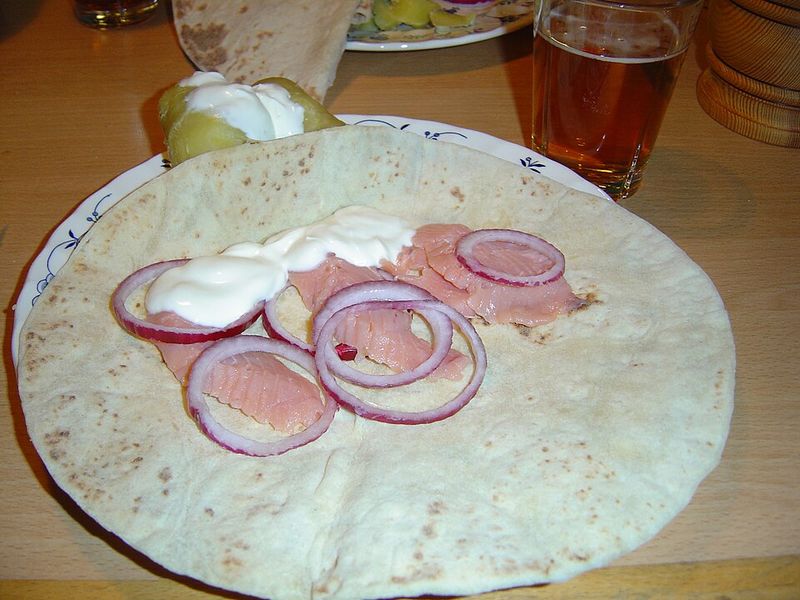
Rakfisk is not for the faint of heart, but for the adventurous eater, it is one of the most fascinating foods in all of Scandinavia. This Norwegian dish consists of trout that has been salted and fermented for anywhere from two months to a full year.
The result is a pungent, intensely flavored fish that divides opinion sharply.
Despite its strong smell, Rakfisk has a surprisingly complex, rich flavor that fans describe as deeply savory and satisfying. It is served raw, thinly sliced, on flatbread with sour cream, raw onion, and sometimes mustard.
The toppings help balance the intense fish flavor beautifully.
Rakfisk has been made in Norway since at least the 13th century, making it one of the oldest preserved foods in the country. Every November, a dedicated Rakfisk festival is held in Fagernes, Norway, drawing thousands of enthusiastic visitors.
If you consider yourself a true food explorer, trying Rakfisk is practically a requirement.
15. Aebleskiver
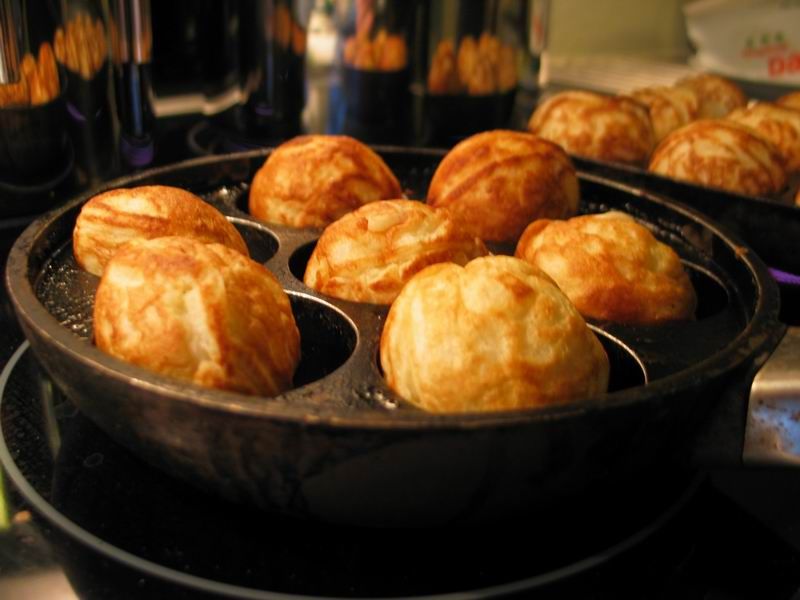
Aebleskiver are round, puffy pancake balls that are as fun to eat as they are to say out loud. A beloved Danish treat, they are made from a light, slightly sweet batter cooked in a special cast-iron pan with round molds.
As they cook, they are turned with a skewer or knitting needle to create their signature perfectly round shape.
Served warm and dusted with powdered sugar, they are typically accompanied by a small bowl of jam, often raspberry or strawberry, for dipping. The outside is lightly crisp while the inside stays soft and fluffy, almost like a cross between a pancake and a doughnut hole.
Aebleskiver are especially popular during the Christmas season in Denmark, often enjoyed at holiday markets with a cup of warm glogg, the Scandinavian spiced wine. The name means “apple slices,” though modern versions rarely contain apple.
They are sweet, cheerful, and completely addictive from the very first bite.
Share this story