Eating out in Japan is an experience unlike any other, but the unwritten rules can catch even seasoned travelers off guard. From how you handle your chopsticks to what you say before your first bite, small mistakes can stand out more than you might expect.
Knowing these customs ahead of time shows respect for Japanese culture and makes your dining experience far more enjoyable. Here are 14 etiquette rules that tourists frequently get wrong, along with simple tips to help you get them right.
1. Don’t Stick Chopsticks Upright in Rice
Few dining mistakes carry as much weight in Japan as sticking your chopsticks straight up in a bowl of rice. This gesture closely mirrors a funeral ritual where incense sticks are placed upright in sand as an offering to the deceased.
To a Japanese person watching, the sight can feel genuinely unsettling.
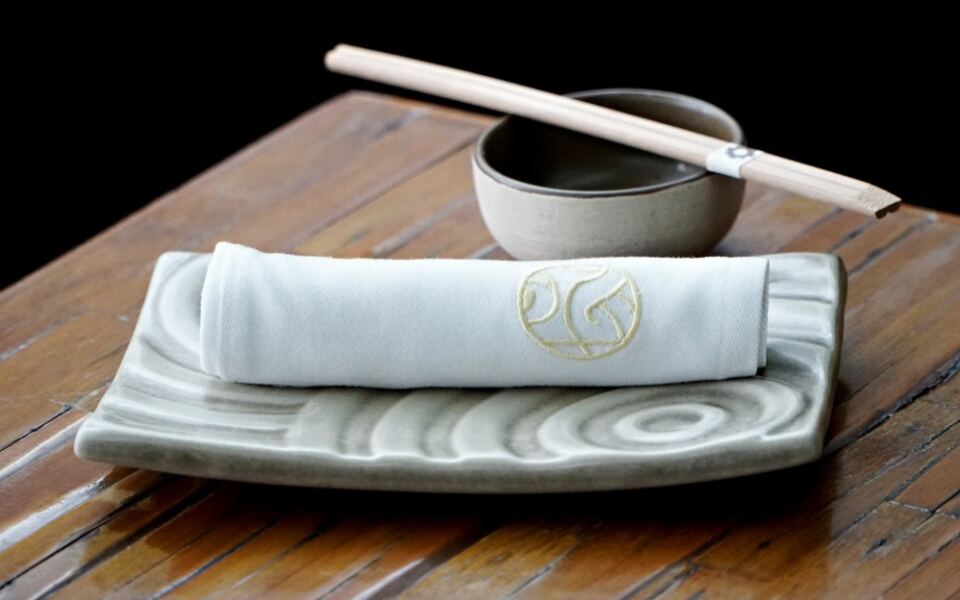
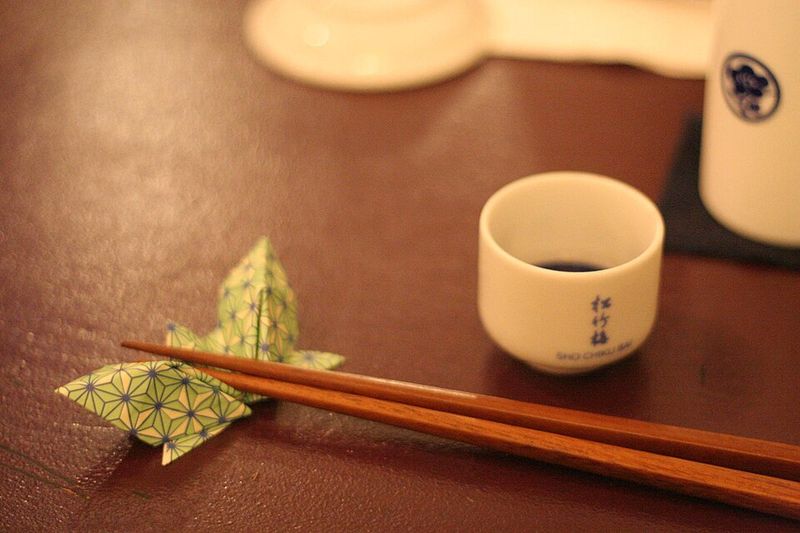
When you are done using your chopsticks, rest them on the small chopstick holder provided, called a hashioki. If no holder is at the table, lay them flat across the rim of your bowl or plate.
Many restaurants also provide a paper sleeve the chopsticks came in, which you can fold into a simple rest.
This rule is one of the most widely known chopstick taboos in Japan, yet tourists break it regularly without realizing the cultural significance. A quick adjustment in habit makes a lasting positive impression.
2. Don’t Pass Food Chopstick to Chopstick
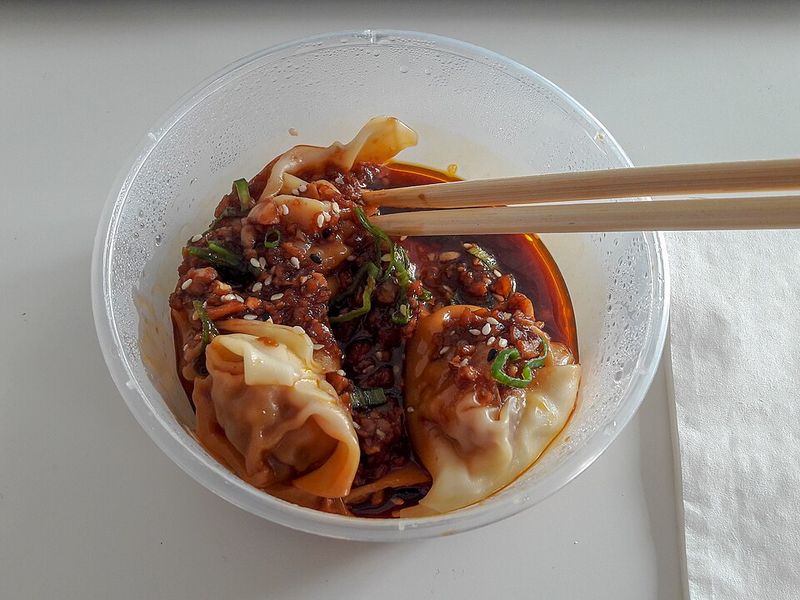
Passing food directly from one pair of chopsticks to another is one of the most sensitive taboos in Japanese dining culture. Like the upright chopstick rule, this action mirrors a funeral ceremony in which family members pass the cremated bones of a loved one between chopsticks before placing them in an urn.
The association is deeply emotional for many Japanese people, and seeing it done casually at a dinner table can feel jarring or even disrespectful. If you want to share food with someone, place the item on their plate or bowl instead.
You can use the clean end of your chopsticks, or better yet, use a serving utensil if one is provided. This small adjustment keeps the meal feeling joyful and avoids an unintentional connection to grief.
Sharing food is wonderful; just do it with care and awareness at the table.
3. Don’t Point at People or Objects with Chopsticks

Chopsticks are eating tools, not pointers. Using them to gesture toward people, dishes, or objects around the table is considered rude in Japan, much like pointing with a finger would be in many cultures.
It signals a lack of table manners and can make other diners feel uncomfortable.
The habit often happens without thinking, especially when someone is mid-conversation and still holding their chopsticks. The fix is simple: put them down when you are talking or gesturing.
Rest them on the hashioki or across your bowl while you speak.
Japanese dining culture values calmness and consideration at the table. Keeping chopsticks low and purposeful reflects that spirit well.
Tourists who are used to eating with forks may not realize how expressive they get with utensils while talking. Being mindful of this one habit can make your table presence feel much more polished and respectful throughout the meal.
4. Don’t Spear Food with Your Chopsticks
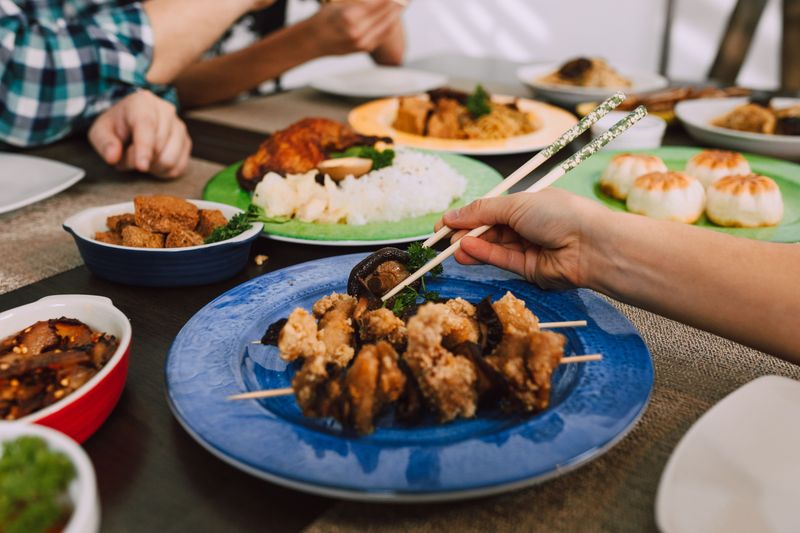
Stabbing food with chopsticks like a fork might seem like a practical shortcut, but it is viewed as poor form in Japan. It suggests either a lack of chopstick skill or a disregard for proper table manners.
Either way, it tends to draw quiet attention from those around you.
Slippery foods like tofu or certain vegetables can be tricky to grip, and it is tempting to just spear them. Instead, try scooping them gently or using a spoon if one is provided.
Many Japanese restaurants are happy to offer a fork if you ask politely, and there is no shame in requesting one.
Practicing your chopstick grip before your trip can make a real difference. Even a basic level of skill goes a long way in showing cultural respect.
Most locals appreciate the effort, even if your technique is not perfect, and will rarely judge a genuine attempt to do things properly.
5. Don’t Wave Chopsticks Over Dishes While Deciding
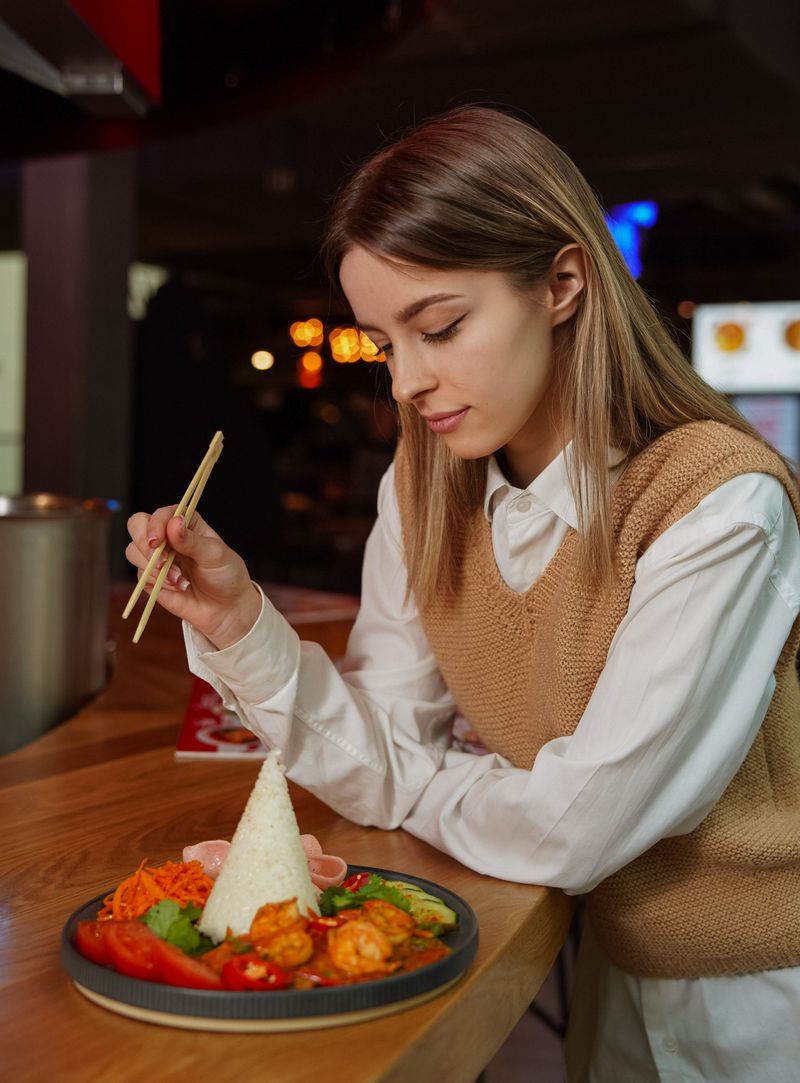
Hovering your chopsticks over shared dishes while you decide what to pick is known in Japan as mayoi-bashi, which roughly translates to “wandering chopsticks.” It is considered poor etiquette because it looks indecisive and can feel disrespectful to others at the table who are waiting to eat.
The polite approach is to decide what you want before reaching for the food. Take a quick look at the dishes, make your choice, then pick it up cleanly and confidently.
Shared plates at a Japanese meal are often treated with a quiet sense of communal respect.
This rule is especially worth keeping in mind at kaiseki dinners or family-style meals where multiple dishes are laid out together. Moving with intention at the table signals that you are mindful of those around you.
It is a small habit that reflects the broader Japanese value of consideration for others in shared spaces.
6. Don’t Rub Disposable Chopsticks Together as Routine

Many people rub disposable wooden chopsticks together out of habit, thinking it removes splinters. While a small splinter is occasionally a real concern, making it a routine gesture is considered somewhat rude in Japan.
It implies that the chopsticks are cheap or of low quality, which can be seen as an indirect insult to the restaurant.
Higher-end Japanese restaurants typically provide smooth, well-made disposable chopsticks that do not need rubbing at all. If you genuinely notice a rough edge, a quick and discreet rub under the table is far less noticeable than doing it openly and enthusiastically.
This is one of those etiquette points that feels minor but is widely recognized in Japan. Being aware of it helps you come across as a thoughtful guest rather than someone unfamiliar with local customs.
Small gestures of care like this are always noticed and quietly appreciated by restaurant staff and fellow diners alike.
7. Don’t Automatically Leave a Tip
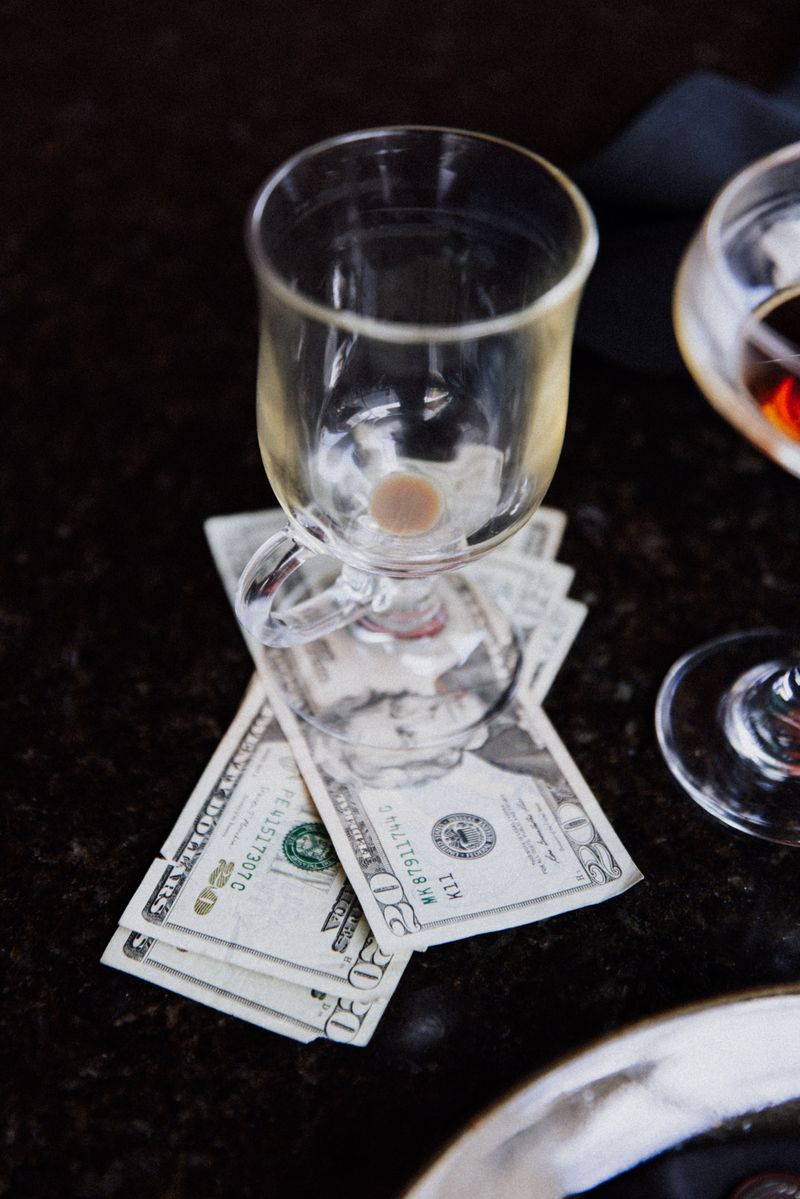
Tipping is a generous habit in many Western countries, but in Japan, it is generally not practiced and can even cause confusion or mild embarrassment. Japanese service culture is built on the idea that excellent service is simply part of the job, not something that requires an extra financial reward on top of the bill.
Leaving money on the table after a meal may result in staff running after you to return it, thinking you forgot your change. In some cases, a tip can be perceived as slightly condescending, as though you are suggesting the server needs charity.
The best way to show appreciation in Japan is through a sincere verbal thank you or a small bow. Saying “gochisousama deshita” when you leave is far more culturally appropriate than leaving coins behind.
Quality service is already baked into the price you pay, and that understanding is deeply embedded in Japanese hospitality culture.
8. Use the Oshibori Primarily for Your Hands
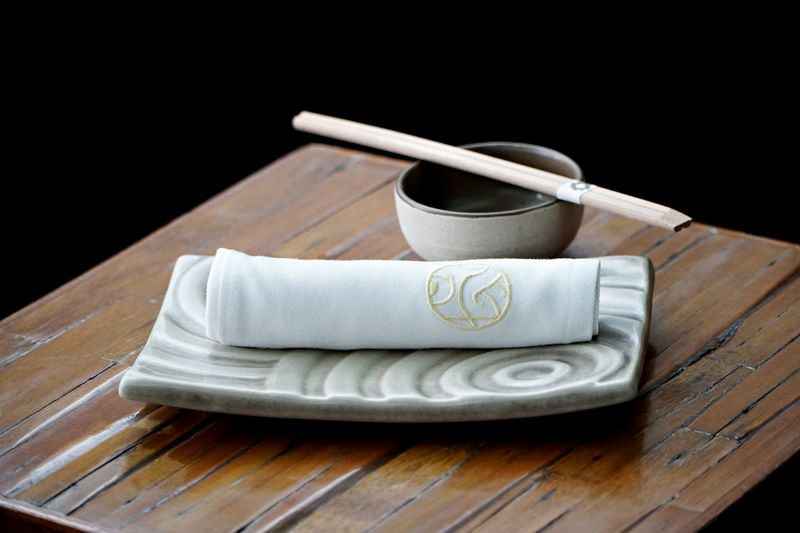
When you sit down at most Japanese restaurants, you will be given a small damp towel called an oshibori. Many tourists instinctively use it to wipe their faces, necks, or even the table, but the oshibori is really meant for cleaning your hands before the meal begins.
Wiping your face with it is generally considered impolite, especially in more formal or traditional restaurants. At casual spots like ramen shops or izakayas, people are sometimes more relaxed about this, but erring on the side of hands-only is always the safer and more respectful choice.
After using the oshibori, fold or roll it neatly and place it back on the tray or to the side of your setting. Leaving it crumpled or tossed aside looks careless.
This small ritual of receiving and using the oshibori is one of Japan’s most welcoming hospitality touches, and treating it with care honors that tradition beautifully.
9. Avoid Soaking the Rice in Soy Sauce at Sushi Restaurants
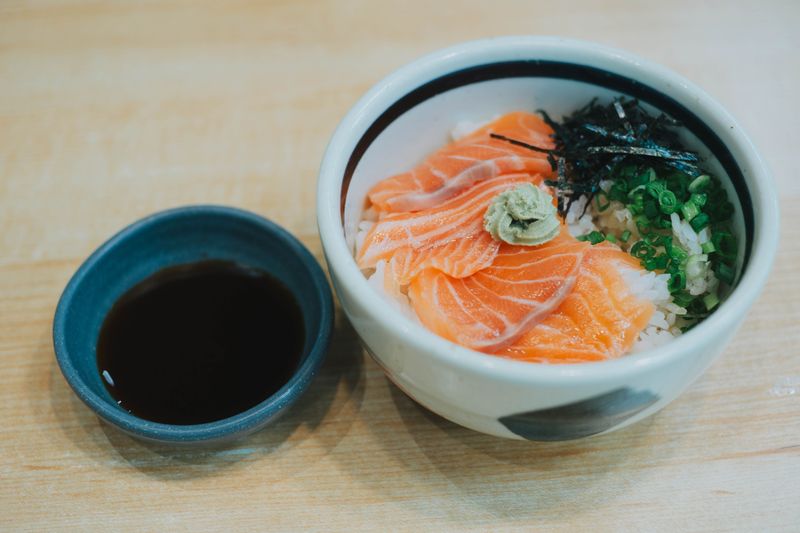
At a traditional sushi restaurant, the way you use soy sauce matters more than most tourists expect. Dunking a piece of nigiri rice-first into the soy sauce dish is a common mistake.
The rice soaks up far too much liquid, falls apart easily, and throws off the careful balance of flavors the chef has constructed.
The correct approach is to gently flip the nigiri and dip just the fish or topping lightly into the soy sauce. This keeps the rice intact and lets the seasoning complement rather than overwhelm the fish.
Many sushi chefs already season their nigiri before serving it, so heavy soy sauce use is often unnecessary anyway.
At high-end omakase counters, the chef may season each piece for you directly, making a separate soy sauce dish redundant. Following the chef’s lead and tasting the sushi as presented is a sign of genuine respect for their craft and years of training.
10. Don’t Mix Wasabi into Soy Sauce at a Formal Sushi Counter
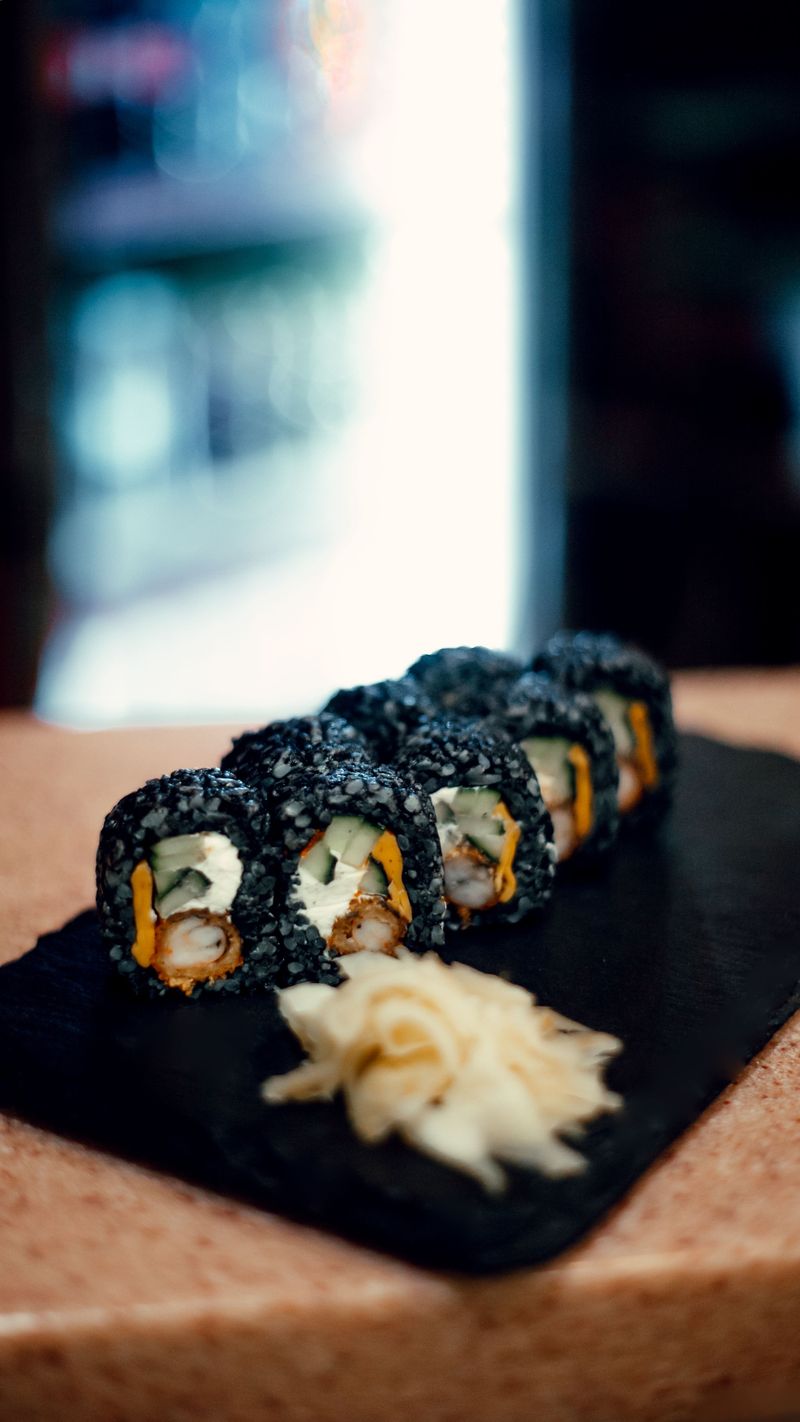
Stirring a blob of wasabi into your soy sauce dish is something most people do automatically at sushi restaurants, but at a formal sushi counter, this is considered a faux pas. The chef has already placed a precise amount of wasabi between the fish and rice, carefully calibrated for that specific piece.
Adding more wasabi by mixing it into the soy sauce not only changes the intended flavor profile but also signals to the chef that you are overriding their expertise. At a high-end sushi bar, this can be seen as dismissive of the skill and thought that goes into each bite.
If you genuinely want more wasabi, a polite request to the chef is always welcome. Most sushi chefs appreciate diners who engage with them directly.
Eating each piece as prepared, at least the first time, is a great way to experience Japanese sushi the way it was designed to be enjoyed.
11. Slurping Noodles Is Generally Acceptable
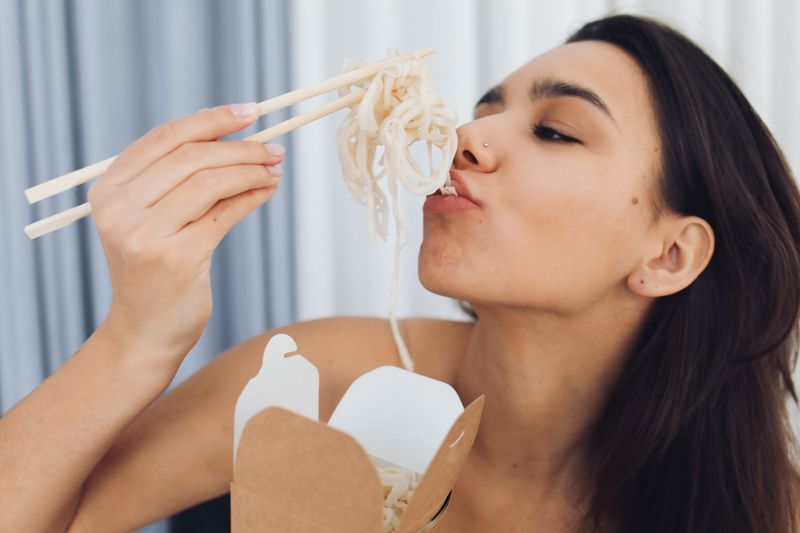
For visitors from cultures where slurping is rude, eating noodles in Japan can feel awkward at first. Ramen shops, soba restaurants, and udon spots are full of the sound of enthusiastic slurping, and that is completely normal.
In fact, many Japanese people associate slurping with enjoying the food.
Some food historians suggest that slurping helps cool down hot noodles as they enter the mouth, and others say it enhances the flavor by aerating the broth. Whether or not the science holds up perfectly, the cultural acceptance is very real.
You will not offend anyone by slurping your ramen.
That said, slurping is most at home in casual noodle spots rather than formal kaiseki restaurants. Reading the atmosphere of the room is always a good guide.
At a lively ramen counter, go ahead and enjoy your bowl fully and loudly. It is one of the most freeing and fun parts of eating in Japan.
12. Don’t Assume Eating While Walking Is Fine Everywhere

Japan has a strong cultural preference for eating in one place rather than on the move. While street food festivals and certain tourist areas like Nakamichi Street in Asakusa or food stalls at shrines make eating while walking feel natural, many neighborhoods and everyday streets treat it as impolite.
The logic behind this norm is rooted in cleanliness and consideration for others. Dropping food or wrappers while walking, or eating in crowded spaces where others may find it intrusive, goes against the Japanese value of not inconveniencing those around you.
When you buy food from a stall or shop, look for a designated eating area nearby. Many vendors expect you to eat right there before moving on.
If no area is marked, stepping to the side and finishing your food before walking is always a respectful choice. Observing what locals do in the same situation is one of the easiest guides you can follow.
13. Say ‘Itadakimasu’ Before Eating and ‘Gochisousama Deshita’ After
Few phrases do more to make a good impression at a Japanese meal than “itadakimasu” before eating and “gochisousama deshita” when you finish. These are not just polite words; they carry genuine cultural and even spiritual meaning in Japan. “Itadakimasu” expresses gratitude to everyone involved in bringing the food to the table, from farmers to cooks.
“Gochisousama deshita” is said to the restaurant staff or host when leaving, and it translates roughly to “thank you for the feast.” Using it sincerely, even with imperfect pronunciation, is almost always met with warmth and appreciation by Japanese restaurant staff.
You do not need to be fluent in Japanese to use these phrases. Learning just these two expressions before your trip shows a level of cultural awareness that stands out in a positive way.
Most locals will smile and appreciate the effort far more than you might expect from such a small gesture.
14. Don’t Step on the Raised Floor with Outdoor Shoes
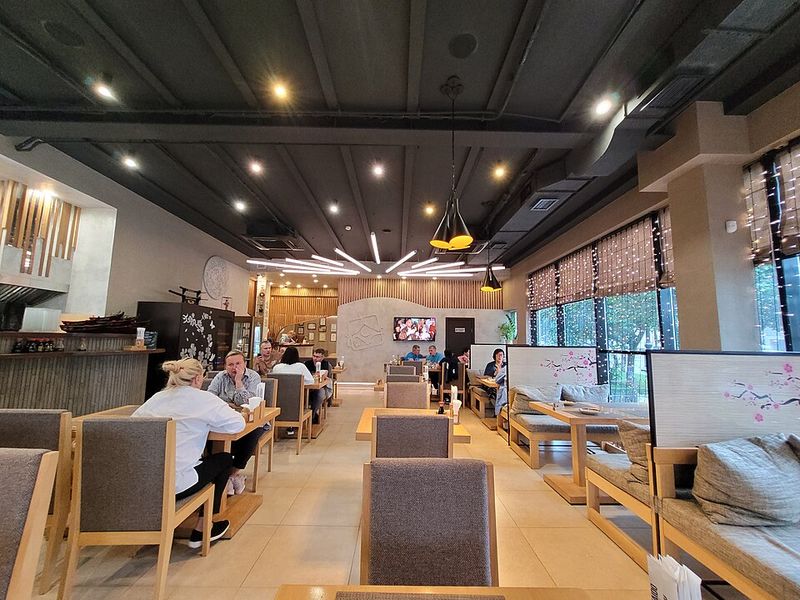
Some traditional Japanese restaurants, especially those with tatami seating or private rooms, require guests to remove their shoes before entering the dining area. There is usually a clear raised platform, called a agari-kamachi, that marks the boundary between the outdoor or entry space and the clean interior floor.
Stepping up onto this raised surface with your shoes still on is one of the more serious etiquette errors you can make in this kind of setting. The floor beyond that point is considered clean and is often where guests sit directly or where cushions and low tables are placed.
Always remove your shoes before stepping up, and point them neatly toward the exit when you set them down. Some restaurants provide slippers for the walkways, which you then remove again before stepping onto tatami.
Paying attention to these transitions shows that you understand and respect the space you have been welcomed into.
Share this story