No country in the world drinks more beer per person than the Czech Republic, and that alone should tell you something about the culture waiting inside its borders. Beyond the frothy pints, this Central European country packs medieval castles, cobblestone squares, and jaw-dropping Gothic architecture into a space smaller than South Carolina.
Prices here are noticeably lower than in most of Western Europe, making it a genuinely smart choice for travelers who want a lot without spending a lot. Whether you are planning your first European trip or your tenth, the Czech Republic has a way of surprising even the most seasoned traveler.
Prague: A Capital City That Feels Like a Fairy Tale
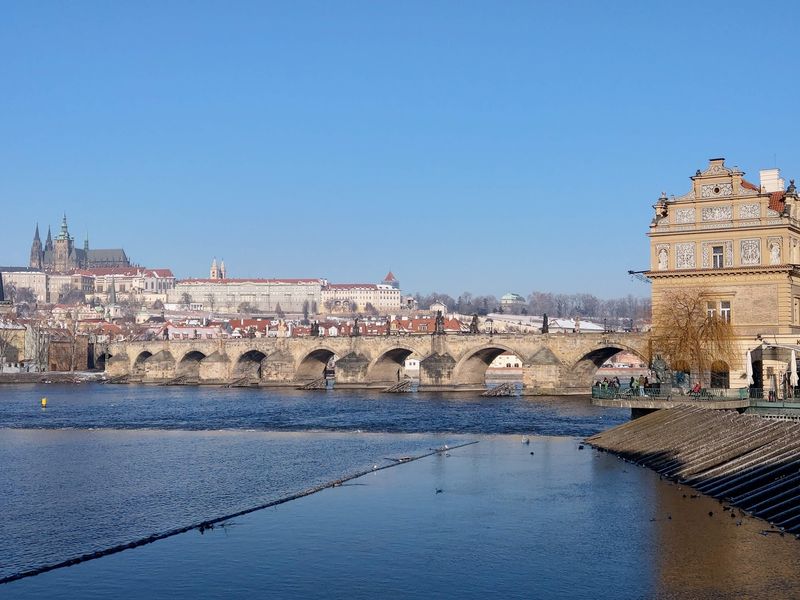
Few capital cities in Europe stop you in your tracks the way Prague does. The Old Town Square alone could occupy an entire afternoon, with its medieval Astronomical Clock chiming on the hour and rows of pastel-colored buildings framing every photograph you take.
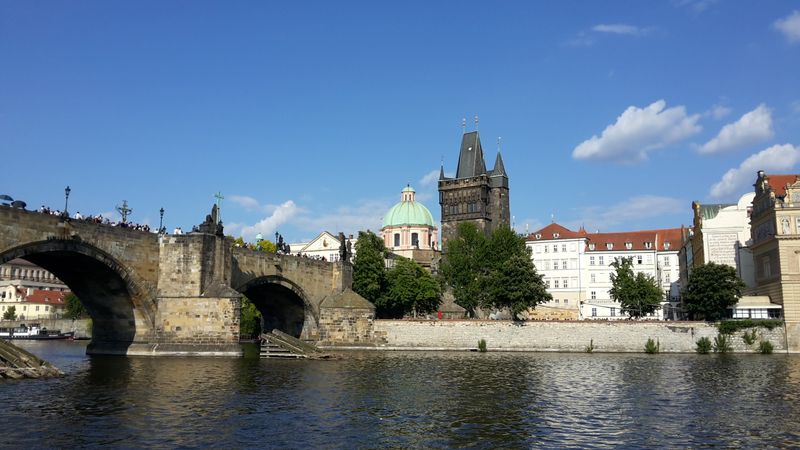
Prague sits along the Vltava River, and the Charles Bridge connecting the Old Town to the Lesser Town is lined with 30 Baroque statues that have watched over the city for centuries. Tourists cross it at all hours, but early morning is when the magic really shows up, quiet and golden.
Hotel prices in Prague remain significantly lower than in Paris, Amsterdam, or Rome, yet the quality of accommodation is surprisingly high. You can find clean, well-located rooms for a fraction of what you would pay in comparable Western European cities, making it one of Europe’s best-value capital experiences.
Czech Beer Culture: The World Record That Never Gets Old
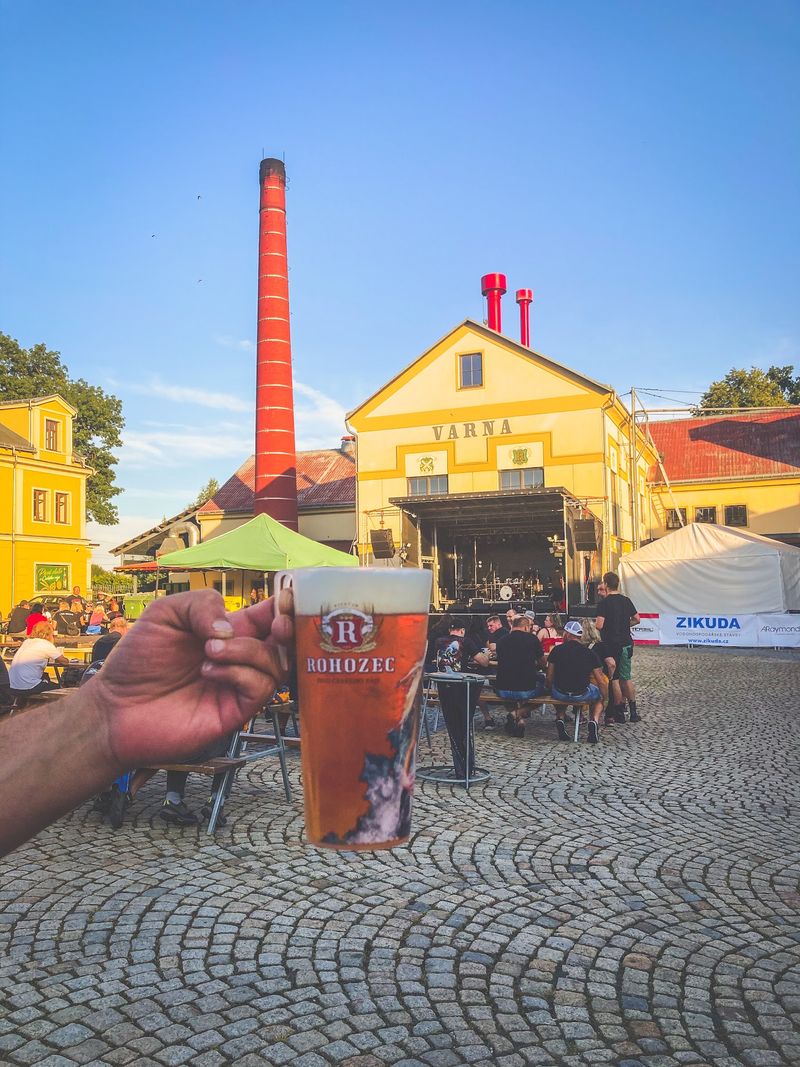
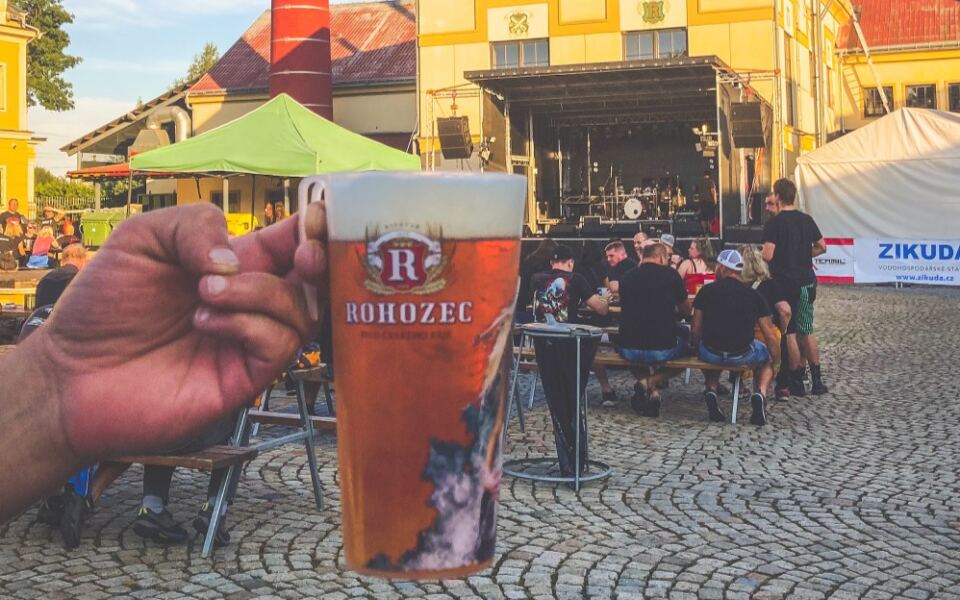
The Czech Republic holds the world record for the highest beer consumption per capita, a title it has owned for decades. Czech pilsner, the style that launched a global revolution in brewing, was born in the city of Pilsen in 1842 when the Pilsner Urquell brewery produced the world’s first golden lager.
Today, a glass of draft beer at a local pub often costs less than a glass of water at a tourist restaurant, which is not a joke but an actual reality in many neighborhoods. The pub culture here is deeply social, a place where people gather to talk, debate, and simply enjoy the evening.
Regional breweries across Bohemia and Moravia each bring their own character to the glass. Exploring them is genuinely one of the most affordable and culturally rich activities the country offers to any curious visitor.
Cesky Krumlov: The Storybook Town Most Travelers Almost Miss
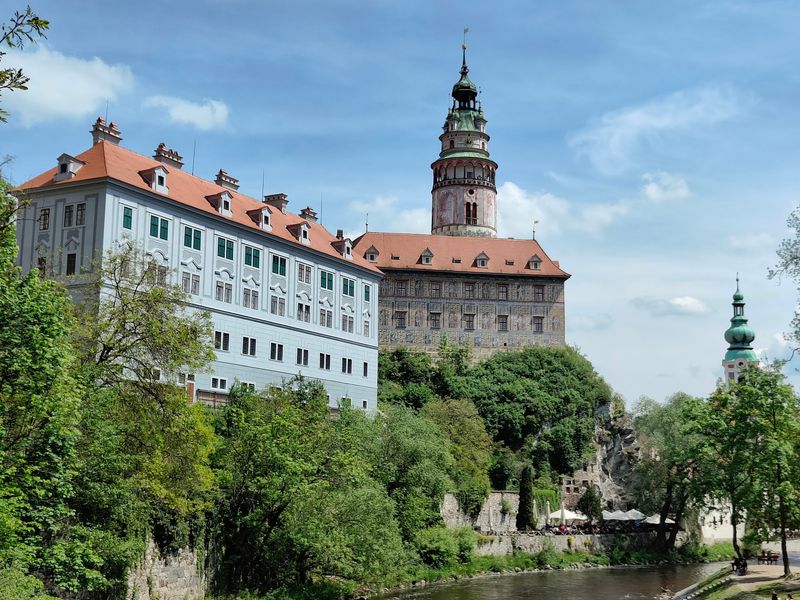
Cesky Krumlov is the kind of place that makes people wonder why they did not come sooner. Tucked into a dramatic bend of the Vltava River in southern Bohemia, the entire historic center is a UNESCO World Heritage Site, and it genuinely looks like someone lifted a medieval village straight out of a storybook.
The town castle is one of the largest in Central Europe, with a famous Baroque theater inside that still operates with its original stage machinery. Touring it feels more like archaeology than sightseeing, and that is part of the appeal.
Getting here from Prague takes about three hours by bus, and the ticket costs very little. Once there, affordable guesthouses and family-run restaurants serving traditional Czech dumplings and roasted meats keep your daily budget surprisingly manageable.
Most visitors say they wish they had stayed longer than planned.
Food in the Czech Republic: Hearty, Honest, and Incredibly Cheap
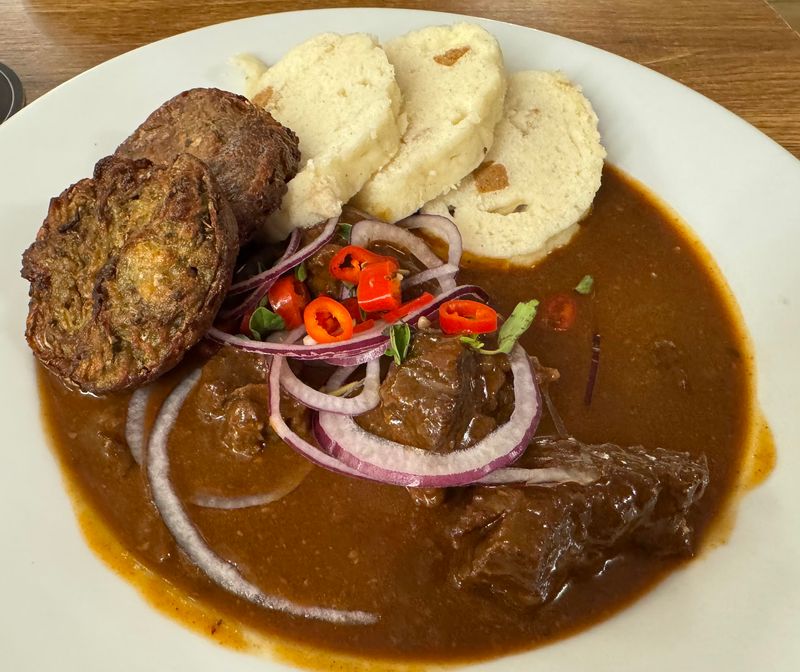
Czech cuisine does not try to impress you with complexity. It earns your loyalty through honest, filling flavors that have fed farmers, laborers, and families for generations.
Svickova, a slow-braised beef sirloin served in a creamy root vegetable sauce with bread dumplings and a dollop of cranberry, is the dish most locals point to when asked what defines their food culture.
Roast pork with sauerkraut and dumplings appears on nearly every traditional menu, and the portions are generous by any standard. A full sit-down lunch at a local restaurant, called a restaurace, often costs between five and ten US dollars, including a drink.
Street food markets in Prague and Brno serve Trdelnik, a warm spiral pastry coated in cinnamon sugar, which has become something of a national snack. Czech food rewards the traveler who steps away from the tourist trail and eats where the locals eat.
Brno: The Second City With a First-Rate Personality
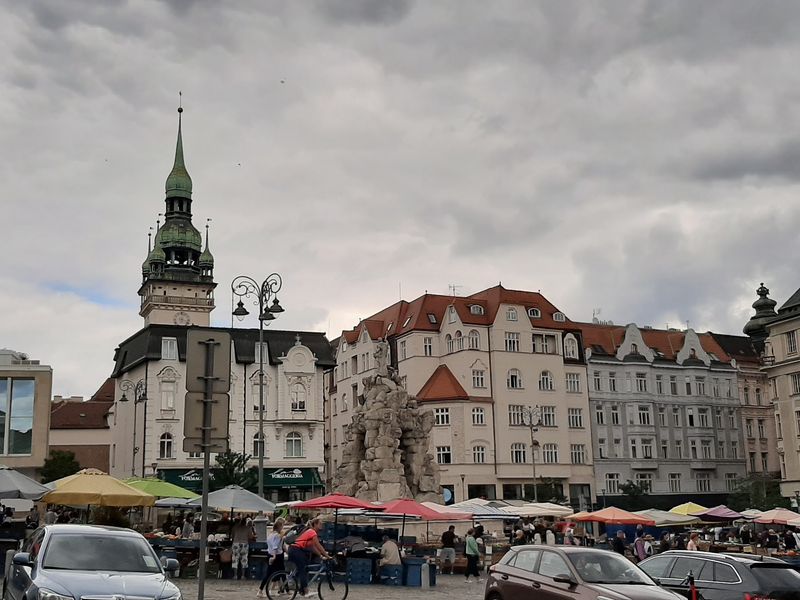
Most international travelers head straight to Prague and never make it to Brno, which means they are missing a city with a completely different energy. As the capital of the Moravian region, Brno has its own architectural identity, its own food traditions, and a young, creative population that gives it a lively, unpretentious feel.
Spilberk Castle dominates the skyline from a hilltop above the city and houses a museum that traces centuries of regional history. The Cathedral of Saints Peter and Paul, with its distinctive twin spires, is one of the most recognizable landmarks in Moravia and offers sweeping views from its tower.
Prices in Brno run even lower than in Prague, making it an excellent base for budget-conscious travelers. The Moravian wine region is just a short drive south, adding another affordable and deeply local experience to any visit to this underrated Czech city.
Bohemian Castles: Hundreds of Them, Spread Across the Countryside
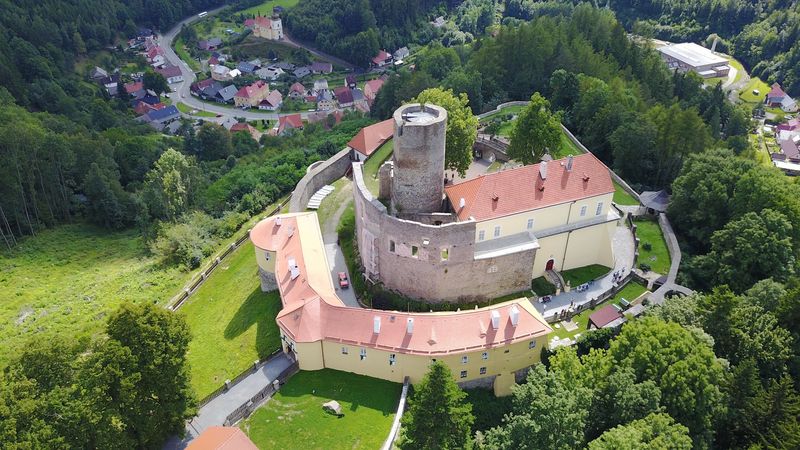
The Czech Republic has more castles per square kilometer than almost any other country in Europe, and that is not a marketing claim. It is a geographic reality shaped by centuries of competing noble families, royal ambitions, and strategic hilltop positioning across the Bohemian and Moravian landscapes.
Karlstejn Castle, built in the 14th century by Holy Roman Emperor Charles IV to safeguard the royal treasures of the Bohemian Crown, sits about 30 kilometers southwest of Prague and is one of the most visited in the country. The train ride from Prague costs just a few dollars and takes under an hour.
Beyond Karlstejn, lesser-known fortresses like Kokorin, Bouzov, and Lednice each offer something distinct, from Gothic towers to Baroque gardens. Exploring even two or three of them on a single trip gives you a vivid, ground-level understanding of Central European history that no museum can fully replicate.
Karlovy Vary: A Spa Town With Imperial Roots and Affordable Charm
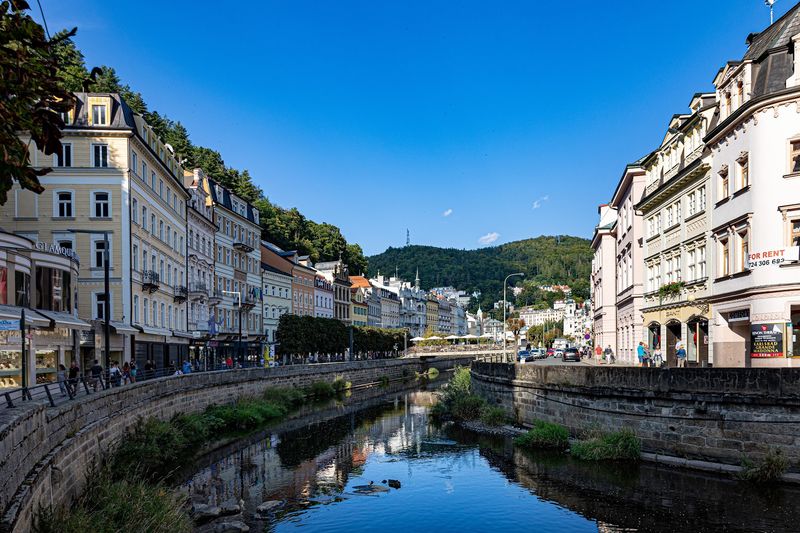
Long before it became famous as a filming location for international productions, Karlovy Vary was one of the most fashionable spa destinations in all of Europe. Emperors, composers, and aristocrats traveled here for centuries to drink from the town’s 13 natural hot springs, each with a different mineral composition and temperature.
The colonnaded promenades along the Tepla River are genuinely beautiful, lined with pastel buildings and filled with the sound of classical music drifting from open windows. Visitors still drink the mineral water directly from the springs using traditional spouted cups sold at shops throughout the town.
Accommodation in Karlovy Vary is more affordable than its elegant appearance suggests, especially outside of summer. The famous Becherovka herbal liqueur originated here and remains a point of local pride.
Even a short two-day visit leaves you with a strong sense of the refined, unhurried pace that defines this West Bohemian gem.
Getting Around the Czech Republic Without Spending Much
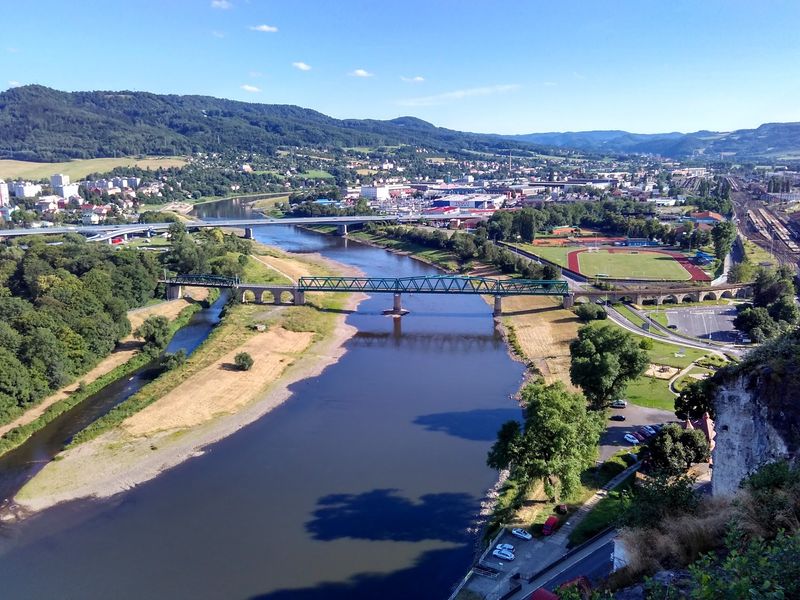
Transportation in the Czech Republic is one of the most pleasant surprises for budget travelers. The national rail network connects Prague to most major towns and cities at prices that feel almost impossibly low by Western European standards.
Trains are generally clean, punctual, and comfortable, with scenic countryside rolling past the windows on nearly every route.
Long-distance buses operated by companies like RegioJet and FlixBus offer another affordable option, often with Wi-Fi and reserved seating included in the base fare. For shorter distances within cities, trams and metro systems run frequently and cost only a few crowns per ride.
Prague’s public transit system is widely considered one of the most efficient in Central Europe, covering the city thoroughly with trams, buses, and three metro lines. Renting a car to explore the countryside is also reasonably priced, especially if booked in advance, opening up villages and nature reserves that trains simply cannot reach.
Moravian Wine Country: A Side of the Czech Republic Most People Never See
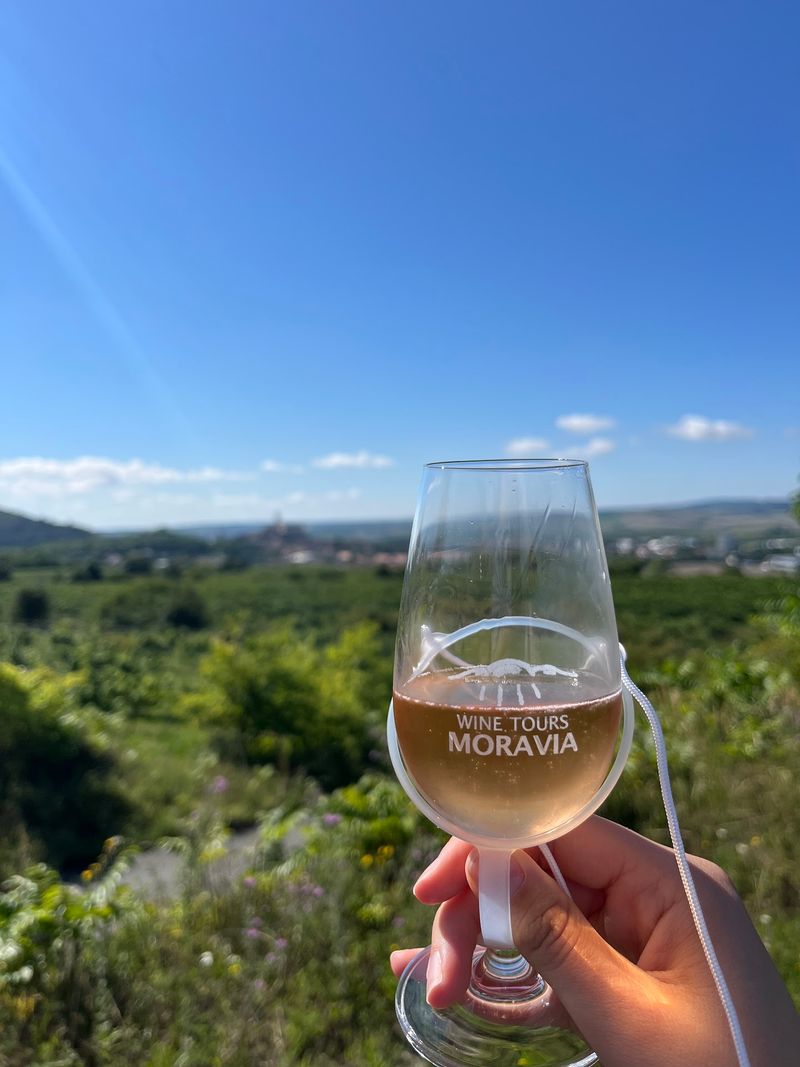
Most people associate the Czech Republic with beer, which makes the Moravian wine region one of the country’s best-kept travel secrets. Southern Moravia produces around 95 percent of all Czech wine, and the rolling vineyard landscapes near towns like Mikulov, Znojmo, and Valtice are genuinely beautiful in any season.
The region centers around a unique tradition called the wine cellar villages, or vinne sklepy, where underground cellars carved into hillsides serve wine directly to visitors in an atmosphere that feels more like stepping into local life than visiting a tourist attraction. Prices per glass are refreshingly low, and the hospitality is warm and genuine.
The Lednice-Valtice Cultural Landscape, a UNESCO World Heritage area within the wine region, combines grand Baroque palaces with English-style gardens and a network of romantic follies scattered across the countryside. It is one of the most underrated UNESCO sites in all of Central Europe.
Practical Tips for Visiting the Czech Republic on a Budget
The Czech Republic uses the Czech koruna, not the euro, which works strongly in favor of travelers coming from countries with stronger currencies. ATMs are widely available throughout Prague and other cities, and paying with cash at local restaurants and markets often gets you a better deal than using a card.
Lunch menus, called poledni menu, are offered by most restaurants on weekdays and provide a full two-course meal at a fraction of the dinner price. This is how locals eat affordably, and it is one of the easiest ways for travelers to stretch their daily food budget significantly.
Free walking tours operate daily in Prague and Brno, giving visitors an excellent orientation to each city’s history and layout without any upfront cost. Tipping your guide at the end based on what you felt the tour was worth is the standard practice, keeping the experience accessible for every type of traveler.
Share this story