Factories, steel mills, and shipyards once defined many famous cities. When those industries faded, local leaders chose to build new futures around culture, food, and history.
Today, travelers can walk through old warehouses turned into museums and ride past mills that now host concerts. Here are twelve cities that found a second life and now welcome visitors from around the world.
1. Bilbao, Spain
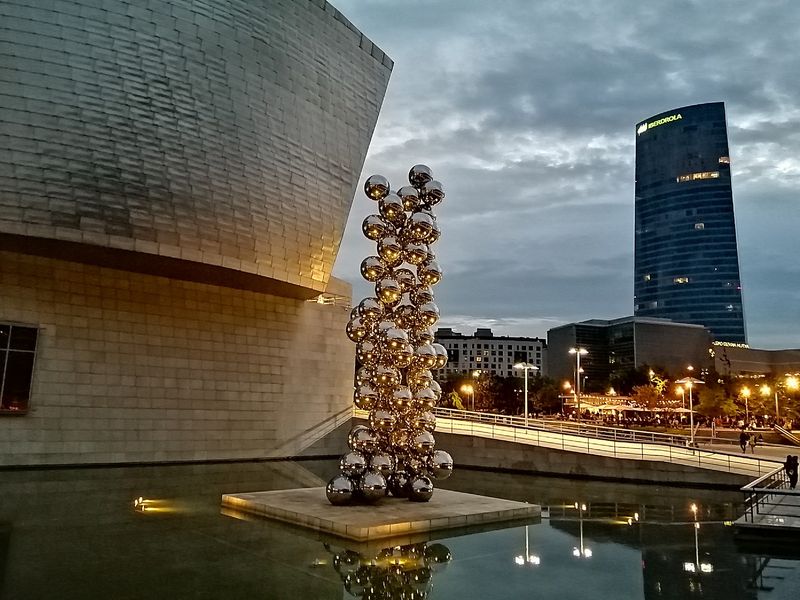
A shiny silver museum changed the fate of an entire city. When the Guggenheim Museum Bilbao opened in 1997, it drew crowds who had never thought of visiting this corner of northern Spain.
Before that, Bilbao was known for steel and shipbuilding along the Nervion River.
The museum’s curving titanium walls are still the main draw, and the outdoor art is free to enjoy. Look for the giant flower-covered puppy and the spider sculpture near the water.
Beyond the museum, the riverside has been cleaned up into walking paths and parks. The old town, called Casco Viejo, is full of small bars serving pintxos, which are tasty snacks on toothpicks or bread.
Try a few at different spots and share them with friends.
Plan to ride the funicular up Mount Artxanda for a view of the whole valley. Spring and early fall bring mild weather that suits long strolls.
2. Manchester, England
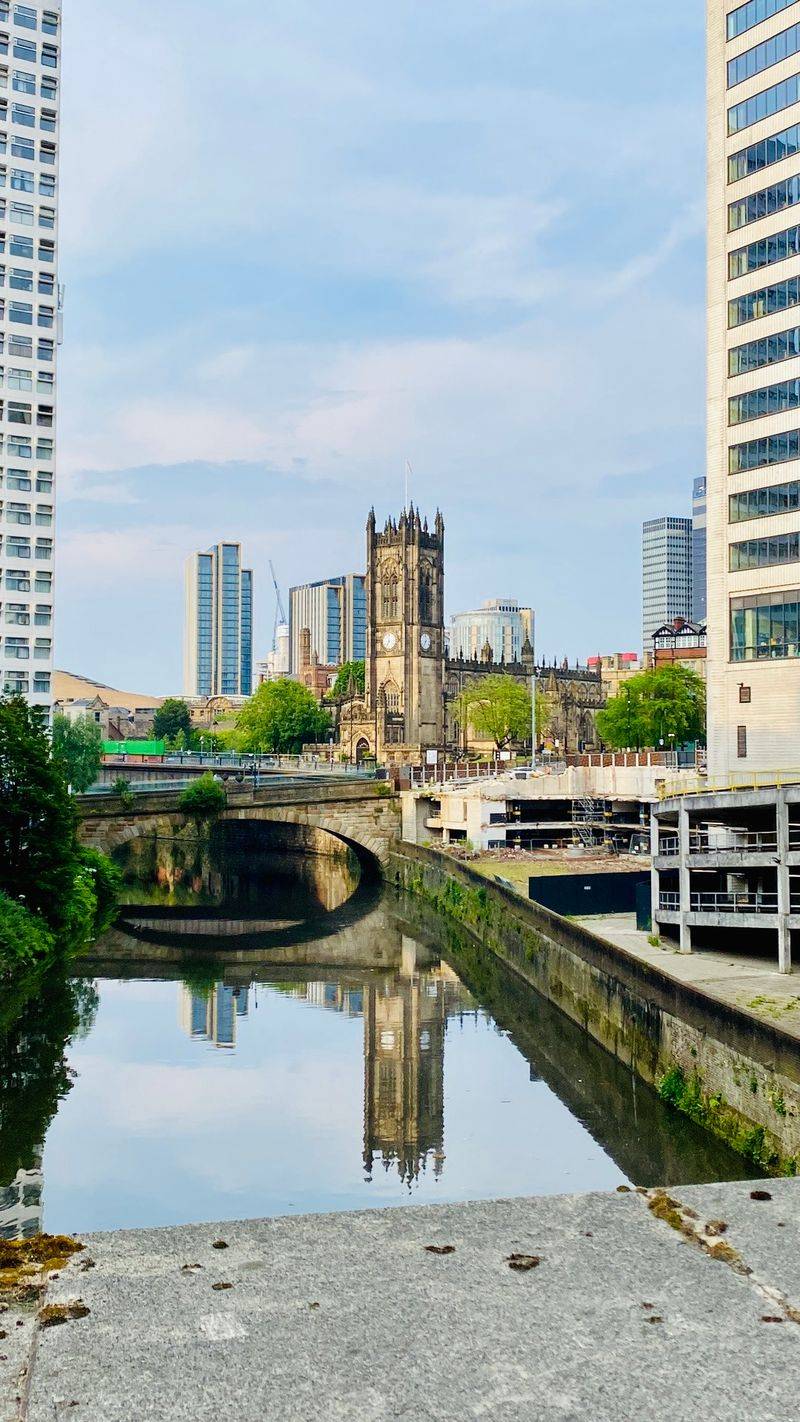
Manchester once spun so much cotton that people nicknamed it Cottonopolis. The city’s red-brick mills and canals powered the Industrial Revolution, and many of those buildings still stand today.
Now they hold apartments, offices, cafes, and galleries.
Start in Castlefield, where Roman ruins, canal boats, and railway viaducts sit side by side. The Science and Industry Museum is close by and explains how the city changed the world, with working machines that kids love.
Music fans can follow the trail of famous bands, while football lovers can tour the stadiums of two big clubs. The Northern Quarter offers vintage shops, street art, and plenty of places to eat.
Pack a raincoat, because showers are common. Trams make it easy to get around without a car, and most major sights are within a short ride of the center.
3. Pittsburgh, Pennsylvania
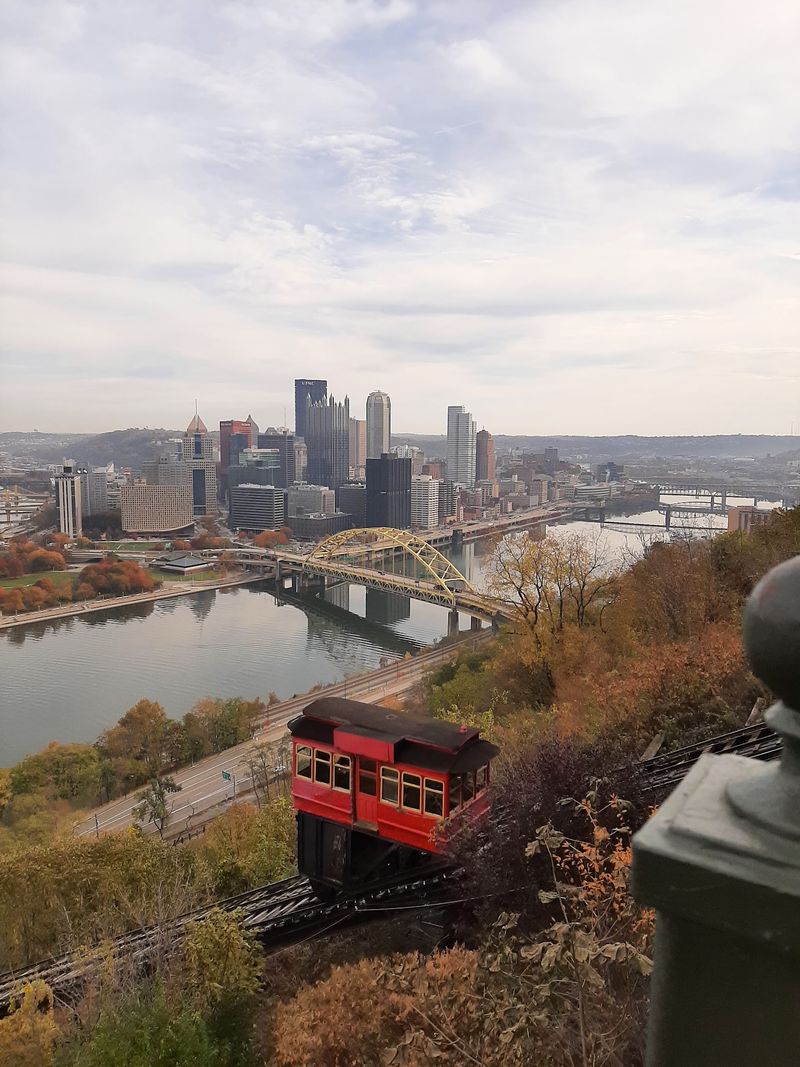
Hardly any city has changed its sky as much as Pittsburgh. Steel mills once covered the rivers in smoke, and streetlights sometimes burned at noon.
Today the air is clear, and the skyline shines over three rivers and more than four hundred bridges.
Ride the Duquesne Incline up Mount Washington for the best view in town. At the bottom, the riverfront trails invite walking and biking.
Art lovers can visit the Andy Warhol Museum, which honors the famous pop artist who grew up here. The Carnegie museums add science, natural history, and fine art under one family of buildings.
Hungry visitors should try a pierogi or a sandwich topped with french fries, a local favorite. Fall is a lovely time to go, when the hillsides turn orange and red.
4. Detroit, Michigan
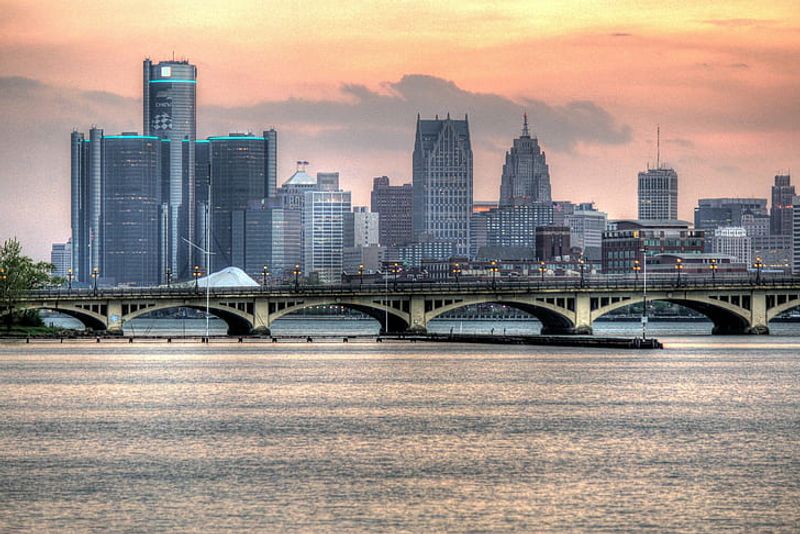
Known as the Motor City, Detroit built the cars that put America on wheels. When factories closed and people moved away, many neighborhoods struggled.
Over the last decade, artists, chefs, and small business owners have brought fresh energy back to the streets.
The Detroit Riverwalk is a good place to begin, with parks, fountains, and views of Canada across the water. The Detroit Institute of Arts holds the famous Diego Rivera murals about factory life.
Car fans should not miss The Henry Ford Museum in nearby Dearborn. Music lovers can stop by the Motown Museum, where legendary songs were first recorded in a small house.
For food, try a square Detroit-style pizza with crispy cheese edges. Summer brings festivals, but the city is fun in every season.
5. Glasgow, Scotland
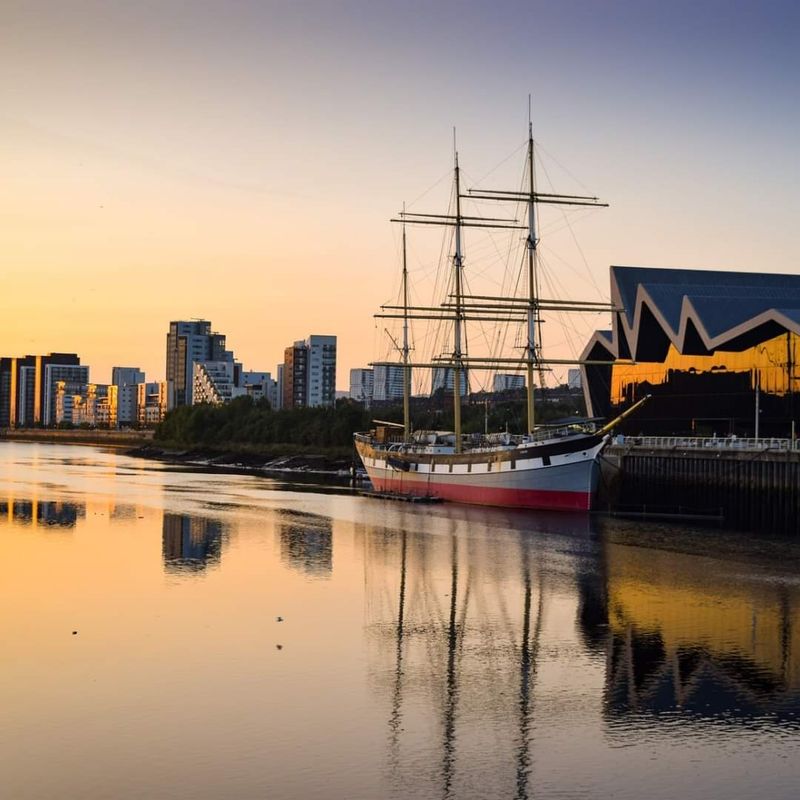
Once, one out of every five ships in the world was said to be built on the River Clyde. Glasgow’s shipyards made it one of the busiest industrial hubs in Britain.
When the yards slowed down, the city turned toward art, music, and design.
Visit the Riverside Museum, where old trams, trains, and cars fill a striking modern building. Outside, you can step aboard the tall ship Glenlee and imagine life at sea.
Glasgow’s Victorian streets hide murals, independent shops, and cozy pubs with live music. The Kelvingrove Art Gallery is free to enter and has everything from paintings to a hanging Spitfire plane.
Bring comfortable shoes, since the city is made for wandering. A visit to the Glasgow School of Art area shows how design shaped the city.
6. Łódź, Poland
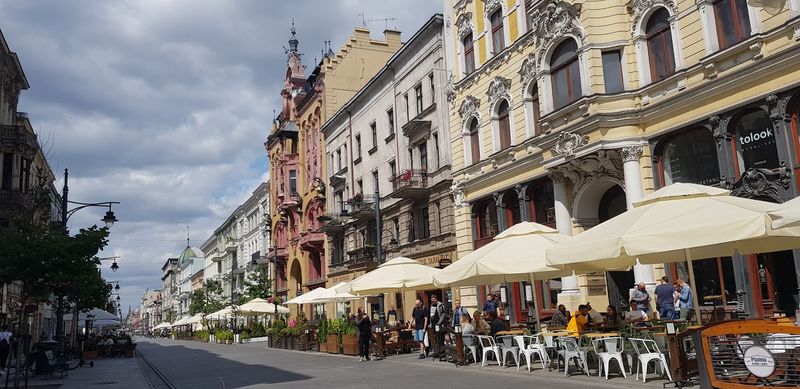
Imagine a huge textile mill that now holds shops, a museum, and a cinema. That is Manufaktura in Łódź, built by a cotton tycoon in the 1800s and reborn as a lively city center. Łódź was once called the Polish Manchester because of its mills.
Walk along Piotrkowska Street, one of the longest shopping streets in Europe. Its old mansions, courtyards, and cafes show the wealth of the factory era.
Łódź is also famous for film. The national film school trained well-known directors, and you can spot movie-themed murals and a small Walk of Fame.
Street art covers many buildings, and a self-guided mural trail makes a fun afternoon. Prices are friendly, so it is a good pick for travelers watching their budget.
7. Essen, Germany
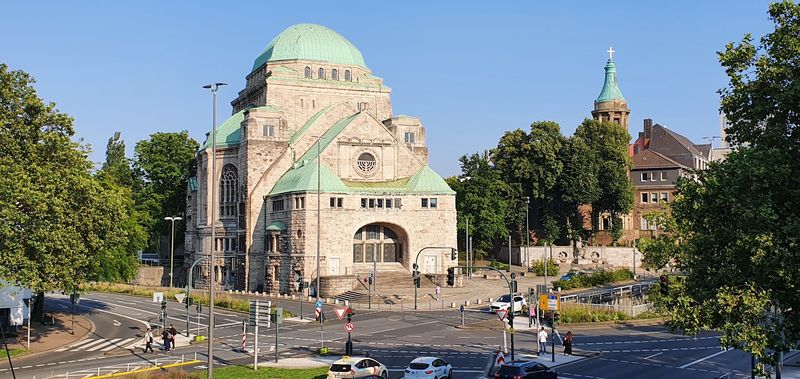
For over a century, coal from Essen helped power Germany. The Zollverein Coal Mine was once the largest in Europe, and it is now a UNESCO World Heritage Site.
Its clean Bauhaus-style buildings look more like art than machinery.
Visitors can join tours that explain how coal was brought up and processed. The Ruhr Museum sits inside the old coal washing plant, and a long escalator carries you up through glowing orange light.
In winter, an ice rink appears on the grounds. In summer, locals bring picnics and watch open-air shows.
Essen was named European Green Capital in 2017, thanks to its parks, lakes, and restored river. Rent a bike and follow the paths to see how a heavy industry region became green.
8. Turin, Italy
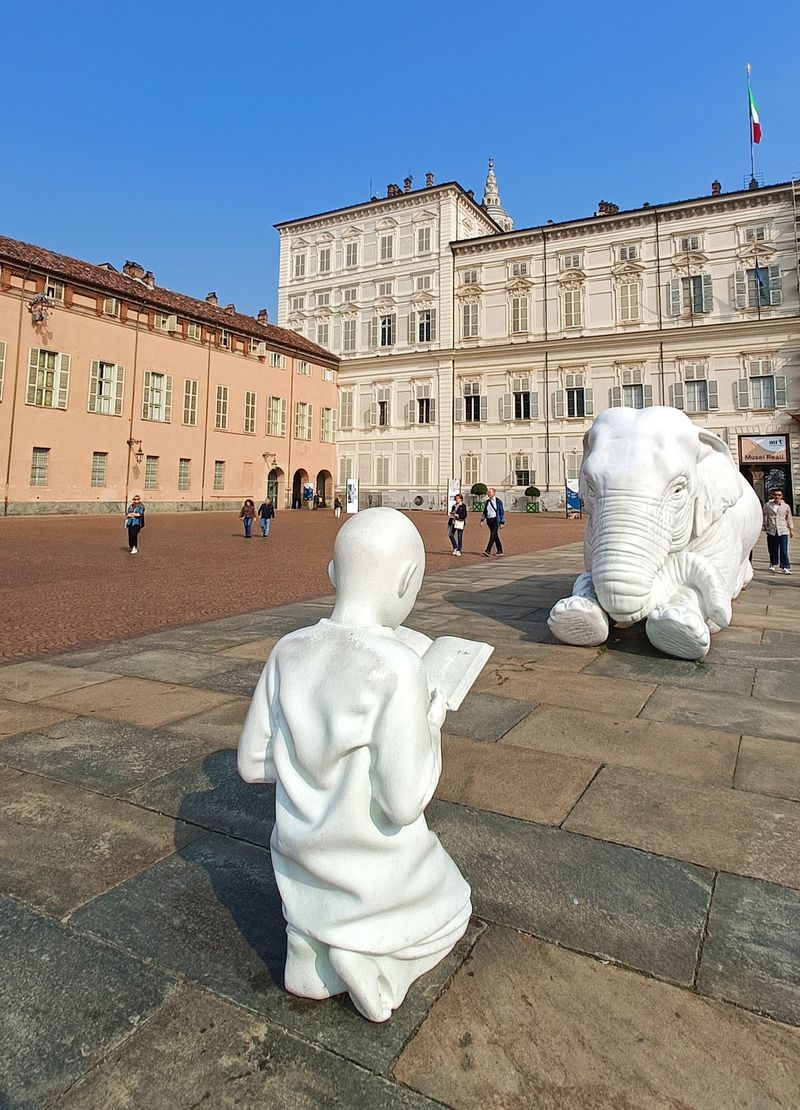
Hot chocolate thick enough for a spoon is just one reason to love Turin. This northern Italian city is the home of Fiat, and its car factories shaped modern Italy.
When production moved, Turin leaned into its royal palaces, museums, and food.
The old Lingotto factory is a good example. Its rooftop test track, once used for new cars, now sits above a shopping and exhibit center.
Do not miss the Egyptian Museum, one of the biggest collections of its kind outside Cairo. The National Automobile Museum is perfect for anyone curious about the city’s past.
Wander under miles of covered arcades, stopping for espresso or a glass of vermouth, which was invented here. On clear days, the Alps frame the city like a postcard.
9. Malmö, Sweden
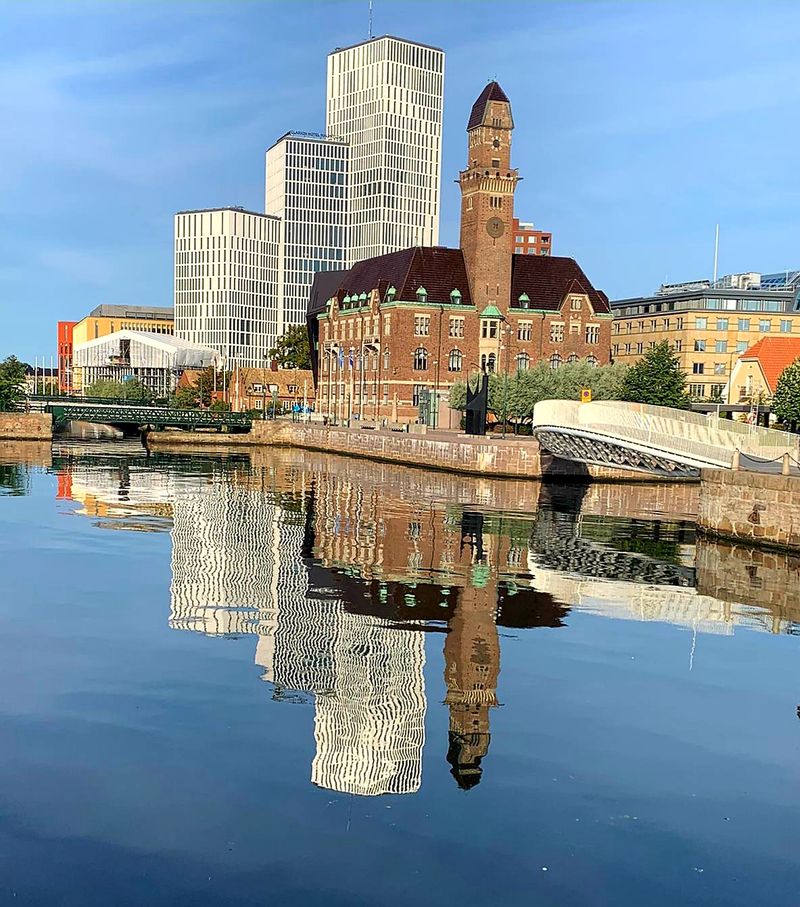
A twisting tower now stands where a giant shipyard once roared. Malmö’s Kockums shipyard was the pride of southern Sweden, but it closed in the 1980s and left many people jobless.
The city turned the land into the Western Harbour, a district of homes, parks, and seaside paths.
The Turning Torso, a skyscraper that spins as it rises, is the area’s best-known landmark. Nearby, the beach at Ribersborg is popular for summer swims and sauna visits.
Malmö is famous for its food scene, especially falafel and street food markets with dishes from around the world. The compact center is easy to explore by bike.
From here, a train over the Oresund Bridge reaches Copenhagen in about 35 minutes, so you can see two countries in one trip.
10. Nantes, France
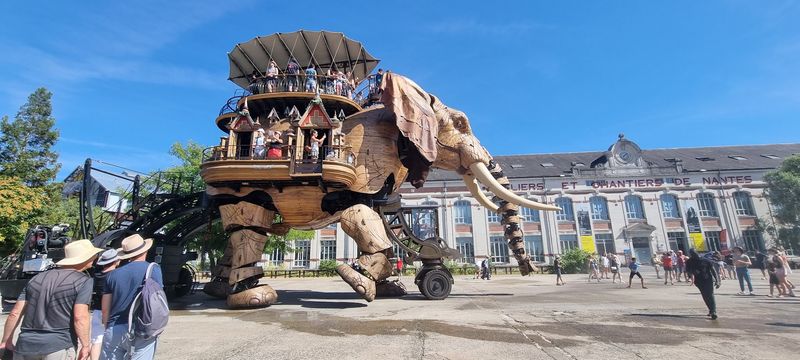
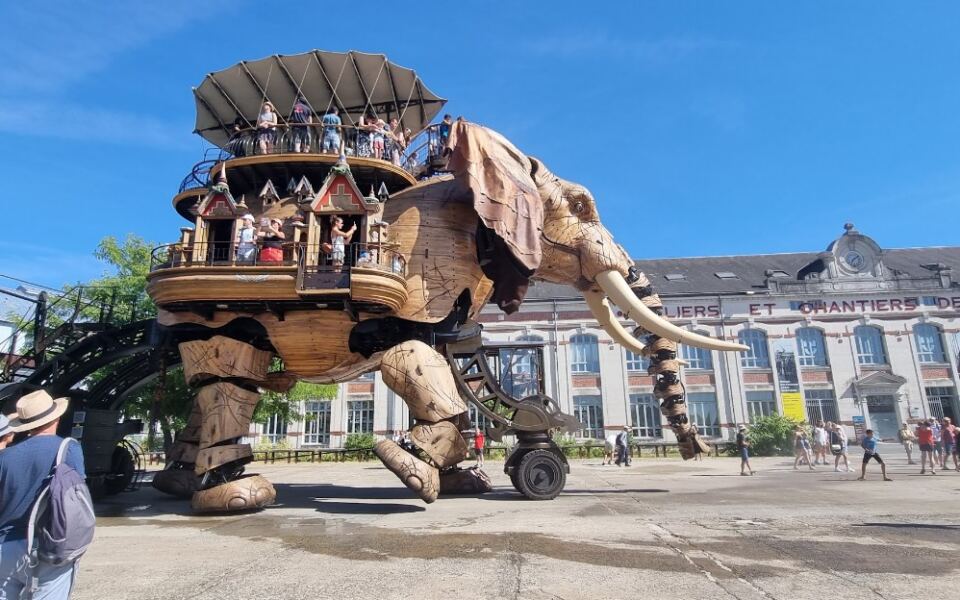
Nantes has an elephant that walks, and it carries visitors on its back. The Great Elephant is a giant wooden and steel machine that lives on the Ile de Nantes, where shipyards once built vessels for the Atlantic trade.
It is part of the Machines of the Isle, a workshop inspired by the dreams of author Jules Verne, who was born here.
The old shipyard cranes still stand along the Loire River, now glowing as landmarks. A green line painted on the sidewalk guides walkers to the main sights, including the Castle of the Dukes of Brittany.
Nantes won European Green Capital in 2013 for its tram network and many parks. Pick up a crepe or a butter biscuit from a local bakery as you go.
11. Belfast, Northern Ireland
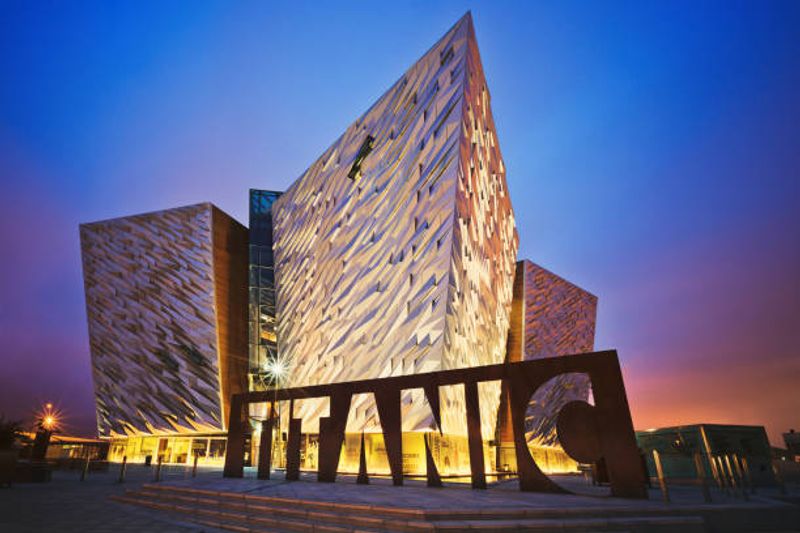
The most famous ocean liner in history started its life in Belfast. The RMS Titanic was built at the Harland and Wolff shipyard, and its birthplace is now the Titanic Quarter.
Titanic Belfast, a museum shaped like four ship bows, tells the full story with galleries and rides.
You can stand on the original slipways and see the huge dry dock where ships were repaired. The SS Nomadic, a small ship that once carried passengers to the Titanic, is docked nearby.
Belfast has also grown into a place for food and music. St George’s Market on weekends serves fresh bread, seafood, and live tunes.
Black taxi tours explain the city’s recent history through its murals. From here, the Giant’s Causeway coast is an easy day trip.
12. Katowice, Poland
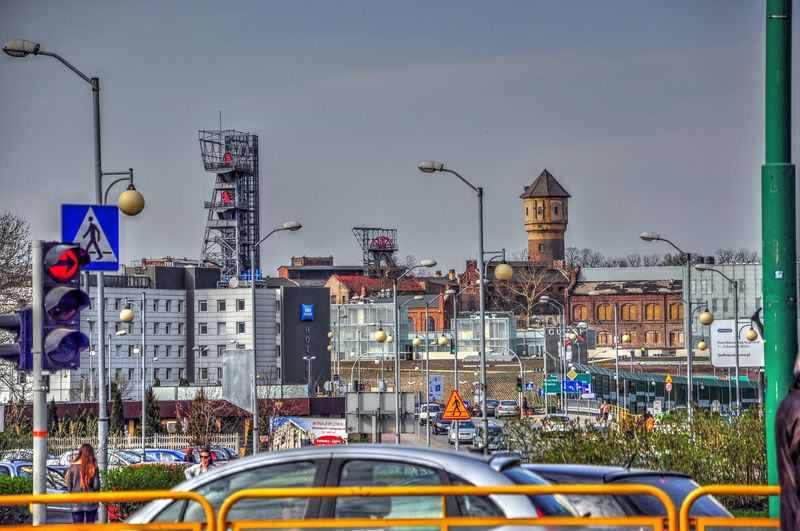
Where coal mines once stood, a museum now rises from underground. The Silesian Museum in Katowice sits on the grounds of a former coal mine, and its glass towers and old headframe make a striking pair.
Its galleries are partly below ground, so you walk where miners once worked.
Next door is the Culture Zone, home to the flying-saucer-shaped Spodek arena and the NOSPR concert hall, known for its excellent sound. Katowice is also a UNESCO City of Music.
The Nikiszowiec district has red-brick miners’ housing that looks like a storybook village. Cafes in its courtyards serve cake and strong coffee.
Big festivals fill the city each year, from music to gaming events. Visitors can reach it easily by train from Krakow in about two hours.
Share this story