Great cities can rise for centuries and then fade in a short time. War, disease, shifting trade routes, and natural disasters have all pushed famous places toward silence.
Many of these cities were buried, abandoned, or forgotten for long periods. Today, archaeologists and visitors are helping bring their stories back into view.
1. Angkor, Cambodia
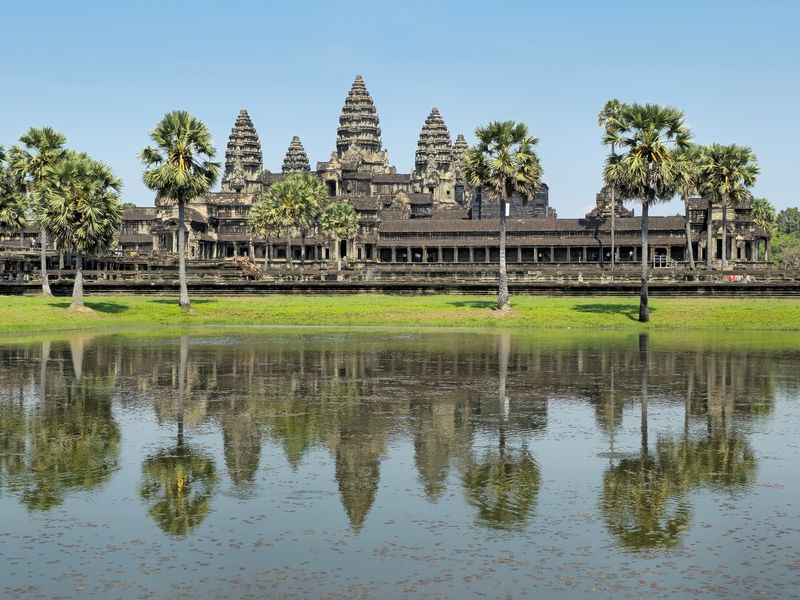
At its height, Angkor may have been one of the largest cities in the preindustrial world. The Khmer Empire built it around huge reservoirs, canals, and stone temples, including the famous Angkor Wat.
Water was the secret to its strength. Engineers moved rain and river flow across the region to grow rice, and that supported a very large population.
When long droughts and heavy monsoons struck in the 14th and 15th centuries, the system was put under great strain.
Political change and conflict with neighboring kingdoms also played a part. By the 1400s, the royal court had moved south toward the area near Phnom Penh.
Angkor was never fully empty, since monks kept caring for Angkor Wat, but forest slowly covered many sites. Modern laser scanning has revealed city streets and neighborhoods hidden beneath the trees.
2. Carthage, Tunisia
Few rivals frightened Rome like Carthage did. This Phoenician city on the coast of North Africa grew rich on sea trade and built a powerful navy.
Its general Hannibal famously marched elephants across the Alps.
The story took a hard turn in 146 BCE. After the Third Punic War, Roman forces destroyed much of the city.
A popular tale says Romans sowed the land with salt, but historians consider that story doubtful.
Rome did not leave the site empty for long. A new Roman Carthage was founded there and became a major city of the empire.
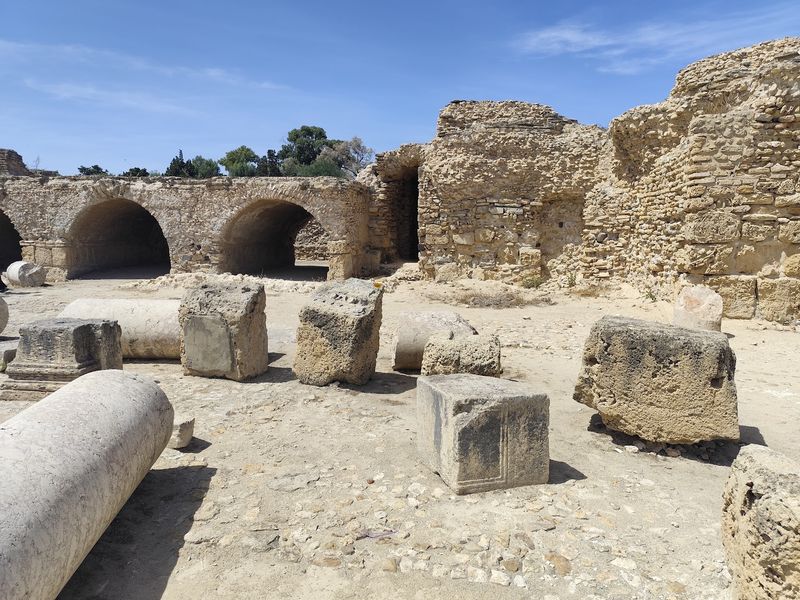
Later it fell to the Vandals, and then to Arab forces in the late 600s. Today the ruins sit near modern Tunis, and the site is protected as a UNESCO World Heritage Site.
Visitors can walk among baths, harbors, and old burial grounds.
3. Pompeii, Italy
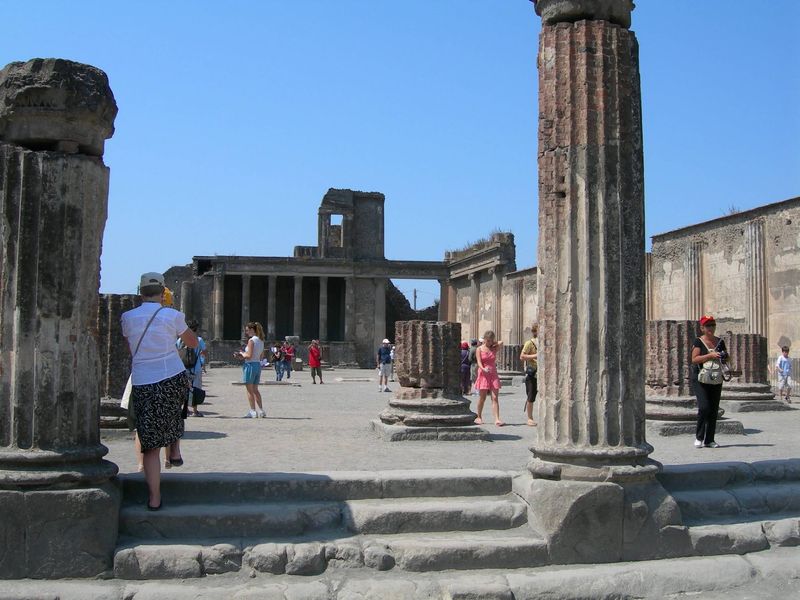
One morning in 79 CE, Mount Vesuvius erupted and changed Pompeii forever. Ash and hot gas buried the busy Roman town within about a day.
Thousands of people lived in the area, and many did not escape.
The ash acted like a time capsule. Bread, wall paintings, shop counters, and even street graffiti were preserved.
Plaster casts of victims, made from hollows left in the ash, show how sudden the disaster was.
After that, the town slipped from memory for more than 1,500 years. Workers found traces of it in the late 1500s, and formal digging began in 1748.
Today Pompeii is one of the most visited archaeological sites in Italy. New excavations still turn up surprises, including colorful frescoes and a food stall from daily Roman life.
4. Great Zimbabwe, Zimbabwe
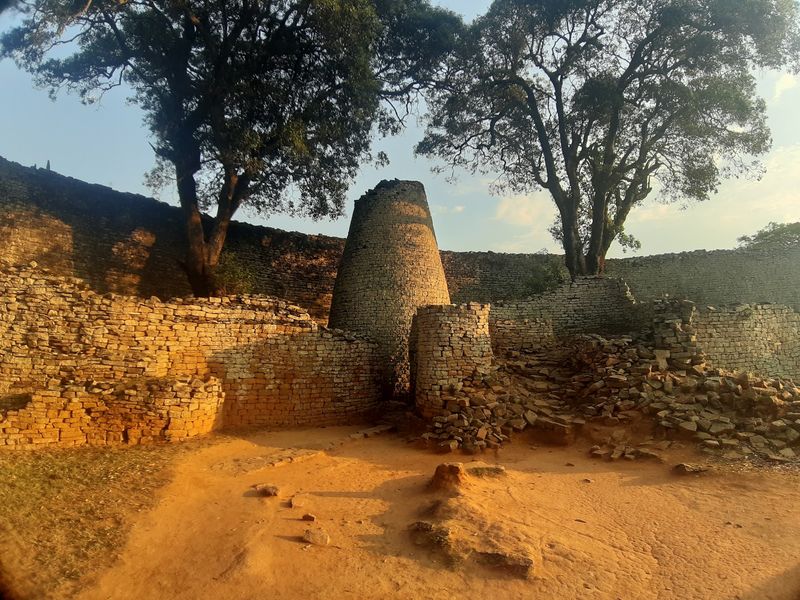
Built without mortar, the stone walls of Great Zimbabwe still stand tall after about 800 years. The city flourished from roughly the 11th to the 15th century.
It was a hub for gold and cattle trade, linking inland Africa with ports on the Indian Ocean.
The Great Enclosure is its most striking feature. Its outer wall curves for about 250 meters and reaches heights of around 11 meters in places.
Thousands of people may have lived in and around the city.
Why it declined is still debated. Experts point to overused land, falling trade, and shifting political power.
Later, European writers wrongly claimed that Africans could not have built it. Research has shown the city was created by the ancestors of the Shona people.
The country of Zimbabwe took its name from the site.
5. Tikal, Guatemala
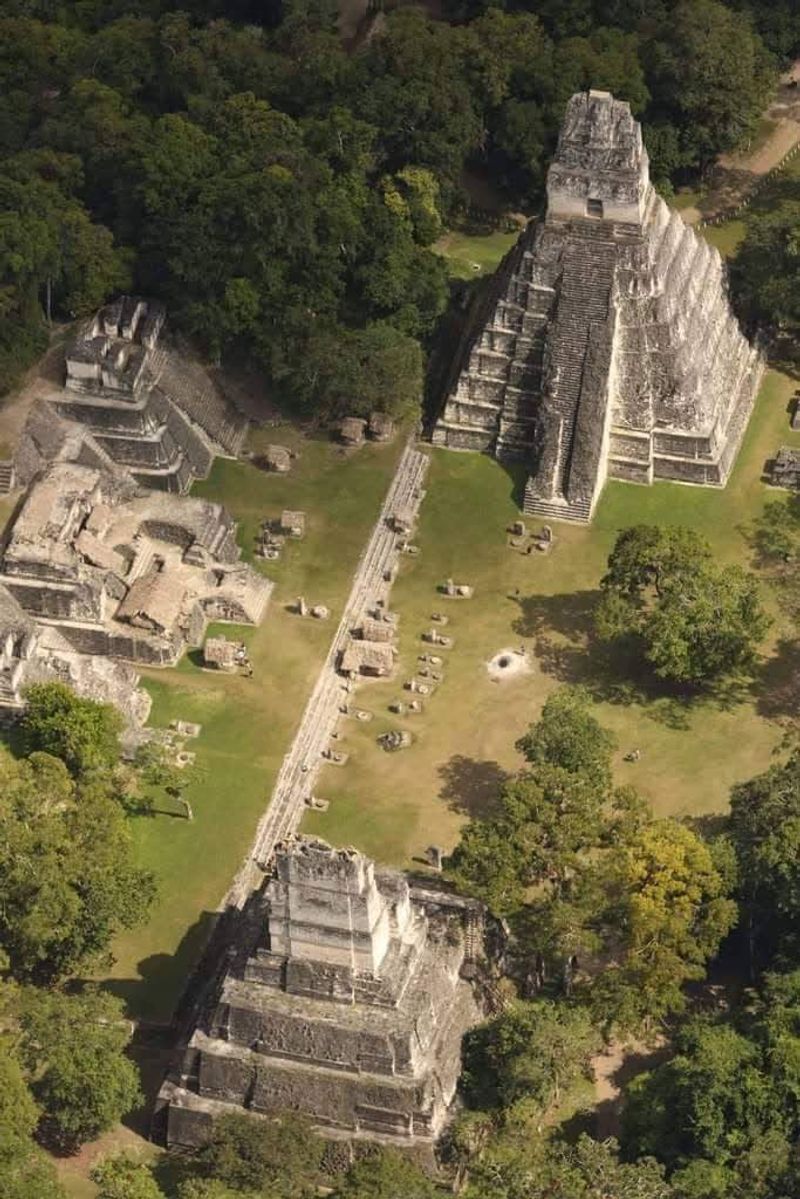
Picture a stone pyramid poking through a green ocean of treetops. That is Tikal, once a leading Maya city in what is now northern Guatemala.
At its peak, perhaps in the 700s CE, it may have held tens of thousands of residents.
Tikal had grand plazas, temples, reservoirs, and a long line of kings. It fought many wars with rival cities such as Calakmul.
Defeats and shifting alliances weakened its position over time.
By around 900 CE, building stopped and the population shrank sharply. Drought, crowding, and conflict are all considered possible causes.
The jungle then covered the city for centuries. Today Tikal National Park protects both the ruins and the rainforest around them, where visitors may spot toucans and howler monkeys.
6. Persepolis, Iran
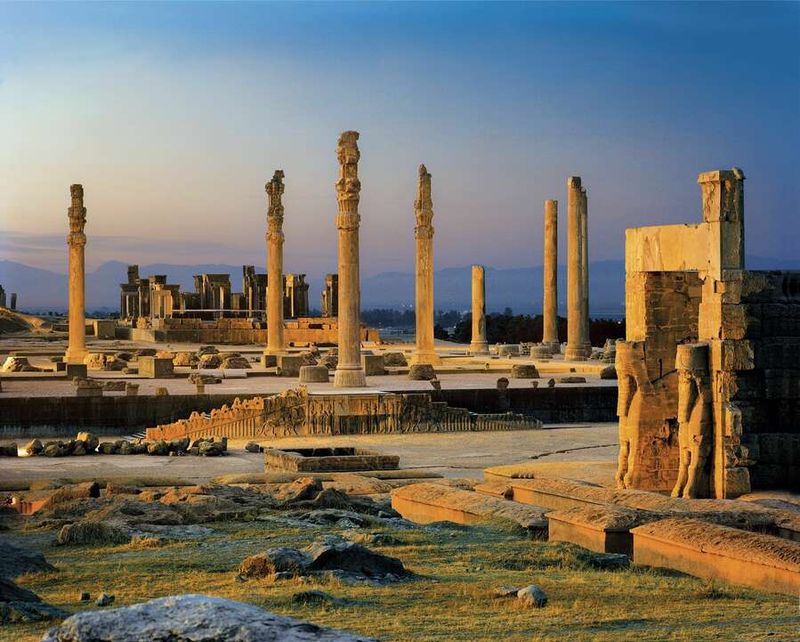
Founded by Darius I around 518 BCE, Persepolis was designed to impress. It served as a ceremonial center of the Achaemenid Persian Empire.
Envoys from many lands brought gifts there, and carvings on the stairways still show them in long processions.
The city’s fate changed in 330 BCE. Alexander the Great entered Persepolis, took its treasures, and later the palace area burned.
Ancient writers disagree on whether the fire was planned or the result of a drunken celebration.
After that, the site never regained its old glory. Over the centuries it fell into ruin, and sand and soil covered parts of it.
Archaeologists began major work in the 1930s. Today the tall columns and stone reliefs remain a powerful reminder of what one of the ancient world’s largest empires could build.
7. Ephesus, Turkey
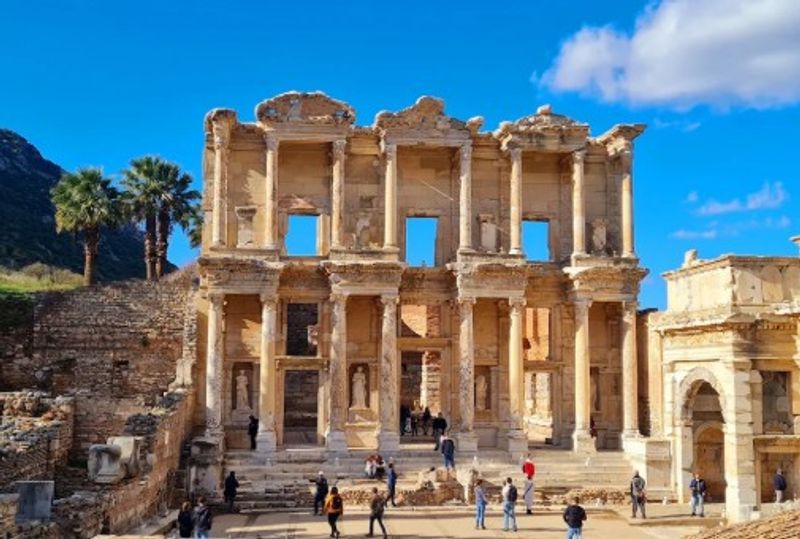
Walk down the marble street of Ephesus and you walk where Roman shoppers once did. This Greek and later Roman port on Turkey’s Aegean coast was home to the Temple of Artemis, one of the Seven Wonders of the Ancient World.
It also had a grand library, a huge theater, and public baths.
The city had a quiet enemy: silt. The nearby river kept dumping mud into the harbor, pushing the sea farther away.
Trade slowly dried up as ships struggled to reach the docks.
Earthquakes, raids, and the rise of other cities added to the decline. By the Middle Ages, Ephesus had shrunk into a small settlement.
Today the sea is several kilometers away, but the ruins draw many visitors. Early Christian history also gives the city lasting importance.
8. Petra, Jordan
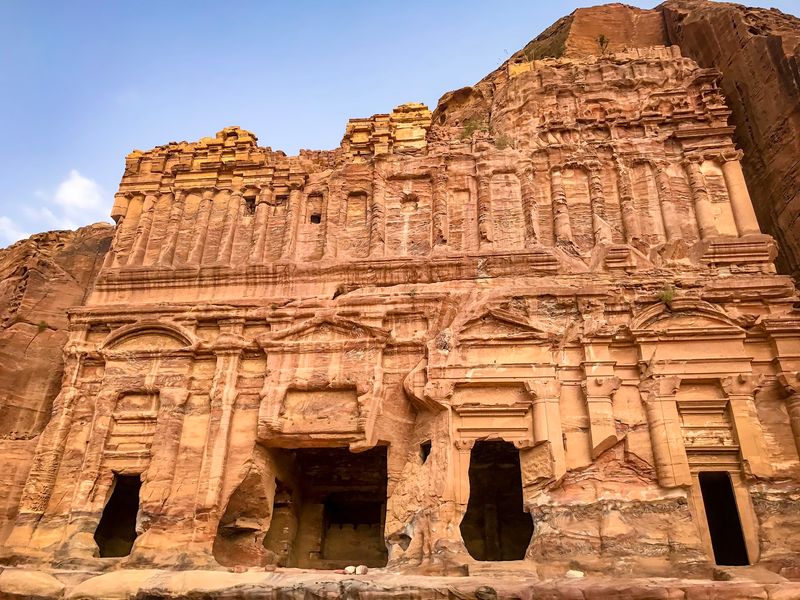
Hidden behind a narrow canyon, Petra seems to appear out of the rock itself. The Nabataeans carved tombs and temples straight into rose-colored cliffs in what is now southern Jordan.
The famous Treasury is likely a royal tomb.
Petra grew wealthy by controlling caravan routes for incense and spices. The Nabataeans also mastered water, using channels and cisterns to survive in the desert.
Rome took over the kingdom in 106 CE.
Later, shifting sea trade routes and a strong earthquake in 363 CE hurt the city. Over time it became a place known mainly to local people.
In 1812, Swiss explorer Johann Ludwig Burckhardt brought it to Western attention. Today Petra is a UNESCO World Heritage Site and one of the most recognized places in the Middle East.
9. Teotihuacan, Mexico
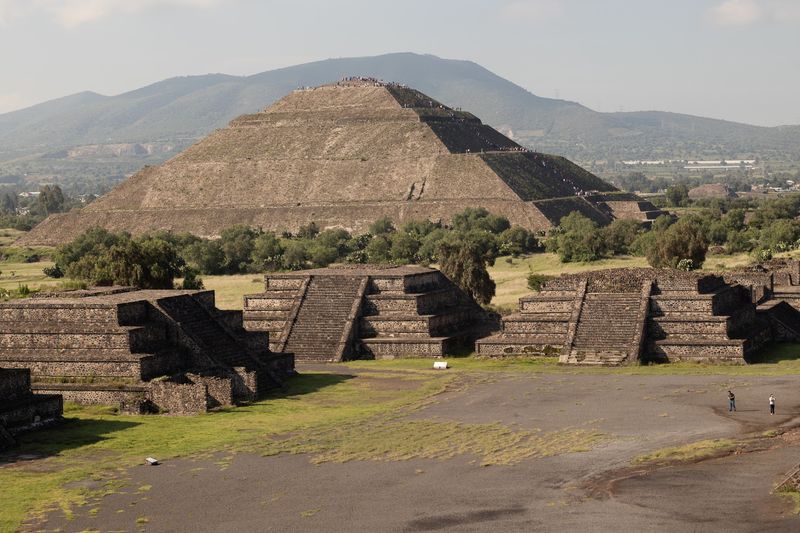
The Aztecs gave Teotihuacan its name, which is often translated as the place where the gods were created. By then the city was already ancient.
At its height, around 450 CE, it may have held more than 100,000 people.
Its layout is remarkable. A wide road known as the Avenue of the Dead runs past the giant Pyramid of the Sun and the Pyramid of the Moon.
Apartment compounds housed workers, artists, and merchants, and colorful murals decorated many walls.
Around 550 CE, signs of fire appear in the main buildings, which suggests a violent upheaval. Drought and unrest may also have played roles.
The city lost its power but was never entirely forgotten. Today it sits close to Mexico City and remains one of the most visited archaeological sites in the Americas.
10. Hattusa, Turkey
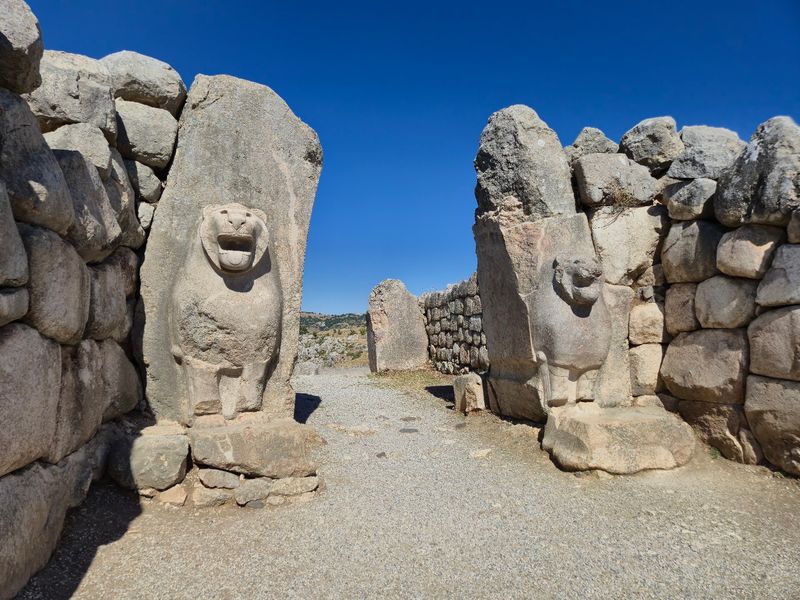
Long before Rome, a mighty empire ruled from a rocky hilltop in central Turkey. Hattusa was the capital of the Hittites, who competed with Egypt for power around 1300 BCE.
A famous peace treaty between Hittite king Hattusili III and Ramesses II is among the earliest known in history.
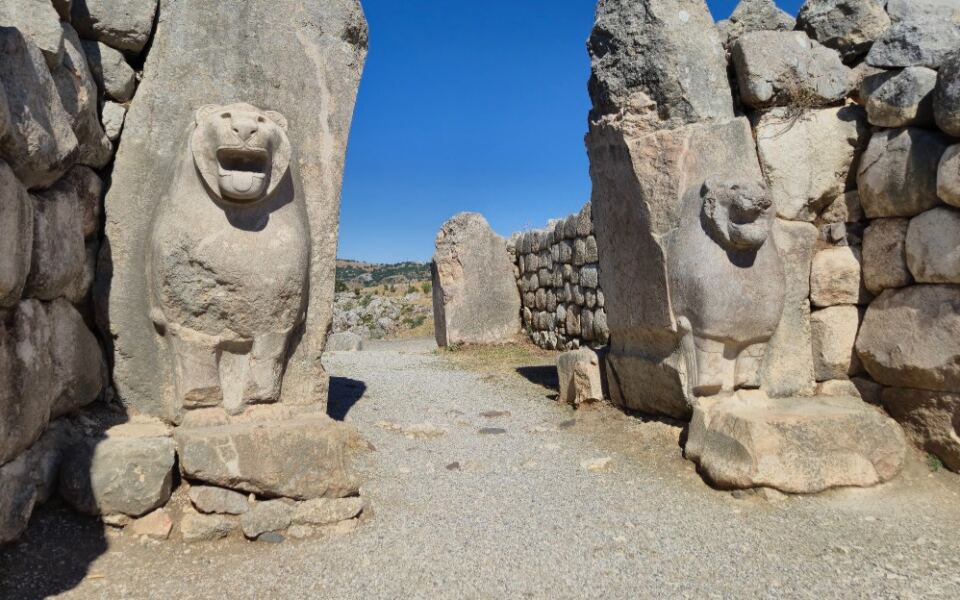
The city was protected by thick walls and gates decorated with lions and other figures. Thousands of clay tablets found there reveal laws, letters, and religious texts written in several languages.
Around 1200 BCE, the Hittite Empire collapsed during a time of widespread upheaval in the eastern Mediterranean. Hattusa was abandoned and left to the wind.
Its location was only recognized in the 1830s, and digging began in the early 1900s. Today it is a UNESCO World Heritage Site.
11. Palmyra, Syria
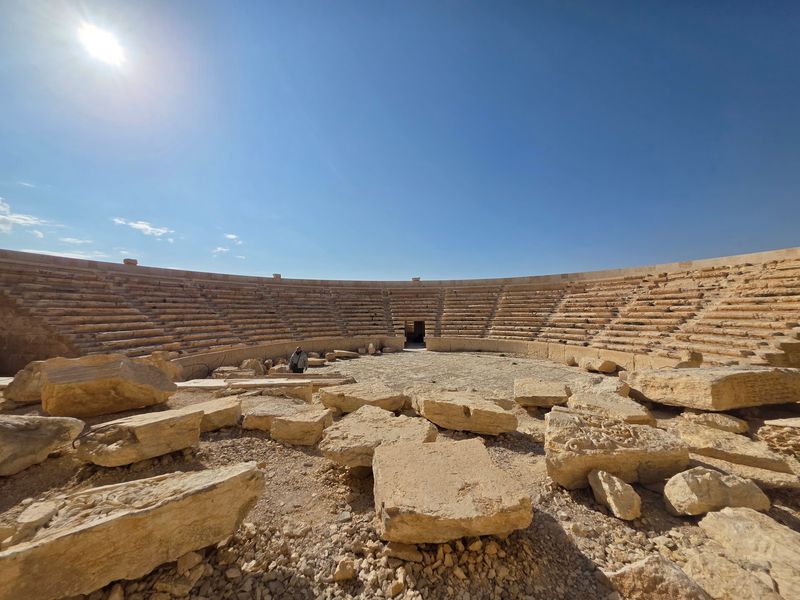
Rising from the Syrian desert, Palmyra was an oasis city that became a crossroads for caravans. Merchants carried silk, spices, and other goods between Rome and Persia.
The city’s long column-lined street is still one of its best-known sights.
Its most famous ruler was Queen Zenobia. In the 270s CE, she led Palmyra in a bold challenge to Roman rule and took control of parts of the eastern empire.
Emperor Aurelian responded, defeated her forces, and later crushed a revolt in the city.
Palmyra then faded into a smaller town. In recent years, the site suffered serious damage during the Syrian conflict, including harm to the Temple of Bel.
Experts and heritage groups are now studying how to restore what was lost and protect what remains.
12. Ani, Turkey
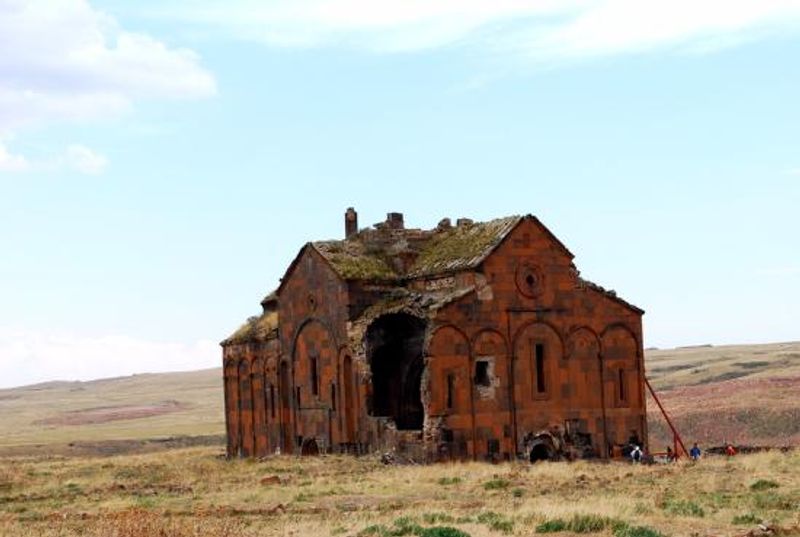
Known as the City of 1,001 Churches, Ani once stood among the great capitals of the medieval Caucasus. It served as the capital of the Bagratid Armenian kingdom in the 900s and 1000s.
Estimates suggest that as many as 100,000 people lived there.
Located on a trade route, the city grew rich and filled with churches, markets, and palaces. Its cathedral, finished in the early 11th century, still draws admiration for its design.
Then the city passed through many hands, including Byzantine, Seljuk, and Mongol rulers. A strong earthquake in 1319 and the shift of trade routes sealed its decline.
Eventually the site was left almost empty on a windy plateau by the border. It became a UNESCO World Heritage Site in 2016.
13. Cahokia, United States
Few people expect to find a giant pyramid of earth near St. Louis, yet that is exactly what Cahokia offers. Around 1100 CE, this Mississippian city in present-day Illinois may have had 10,000 to 20,000 residents.
That was larger than many European towns of the time.
Its center is Monks Mound, which is the largest earthen structure in North America. Builders carried soil in baskets to shape it over generations.
The city also had a wooden circle often called Woodhenge, probably used to track the seasons.
By about 1350, Cahokia was mostly empty. Flooding, overuse of wood and farmland, and social change are among the possible reasons.
Today Cahokia Mounds State Historic Site is a UNESCO World Heritage Site, and it teaches visitors about the complex societies that existed long before European contact.
14. Vijayanagara (Hampi), India
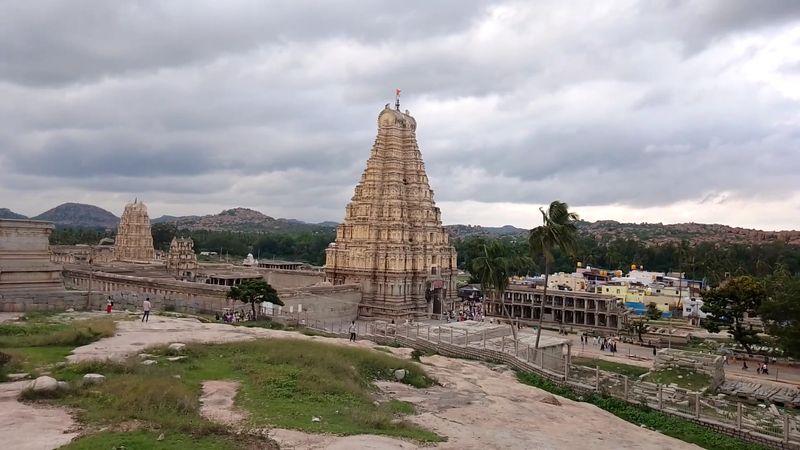
In the 1500s, travelers from Europe and Persia described Vijayanagara as one of the richest cities they had seen. It was the capital of a powerful South Indian empire.
Markets overflowed with gems, cotton, and spices, and temples rose among giant boulders.
The empire flourished under rulers such as Krishnadevaraya. The city had royal enclosures, water tanks, elephant stables, and long bazaars.
Its stone chariot at the Vittala Temple is a famous image of Indian art.
Everything changed in 1565, when the Deccan sultanates defeated the empire at the Battle of Talikota. The victors then looted and ruined much of the capital.
The site, now known as Hampi, was left in ruins. Today it is a UNESCO World Heritage Site, and Virupaksha Temple is still used for worship.
Share this story