Picture a goat-antelope hopping across a cliff that makes your knees wobble just by looking at it. That is the chamois, a mountain native with rubber-tough hooves and zero fear of heights.
Across Europe, protected parks give these agile climbers room to roam, and visitors with binoculars and a little patience can watch them at work. Some parks list chamois as their most common large animal.
Others have brought them back after they vanished for years. In the pages ahead, you will find fifteen mountain regions in nine countries, from Alpine ridges to Balkan canyons.
Each entry points to real trails, named valleys, and park facts so you know where to look and when. You will also pick up simple tips for staying quiet, keeping your distance, and enjoying the hunt even on days when the cliffs stay empty.
Pack a warm layer, charge your camera, and let the climb begin.
1. Triglav National Park, Bohinj, Slovenia
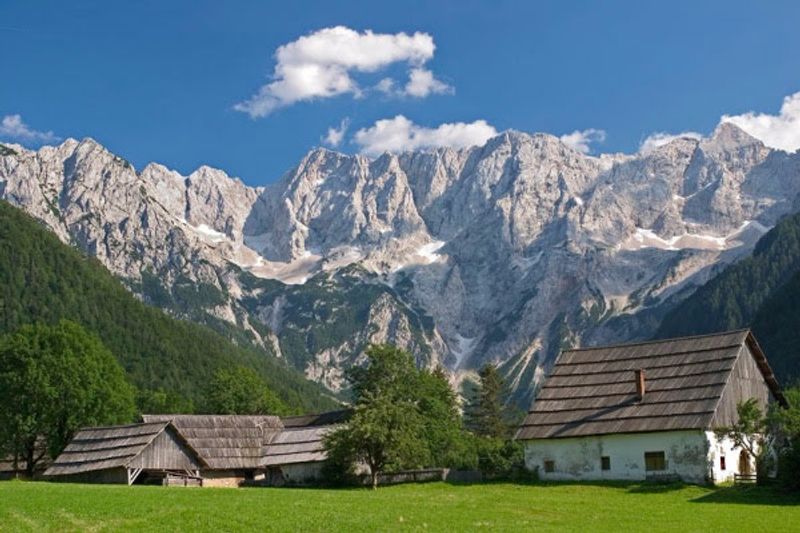
Slovenia’s only national park calls the chamois its most typical Alpine animal, so your odds start off well.
In summer, these climbers like open rocky ground above the tree line. Mornings and evenings in the warmer months are the smartest times to scan the slopes.
The park is home to the Alpine subspecies, Rupicapra rupicapra rupicapra. Its terrain includes high peaks, valleys, forests, and limestone ridges typical of the Julian Alps, which gives the animals plenty of room.
Bring binoculars and keep your voice low. Even if no chamois shows up, the long views of pale rock and deep valleys make the walk worthwhile.
2. Gran Paradiso National Park, Cogne, Aosta Valley, Italy
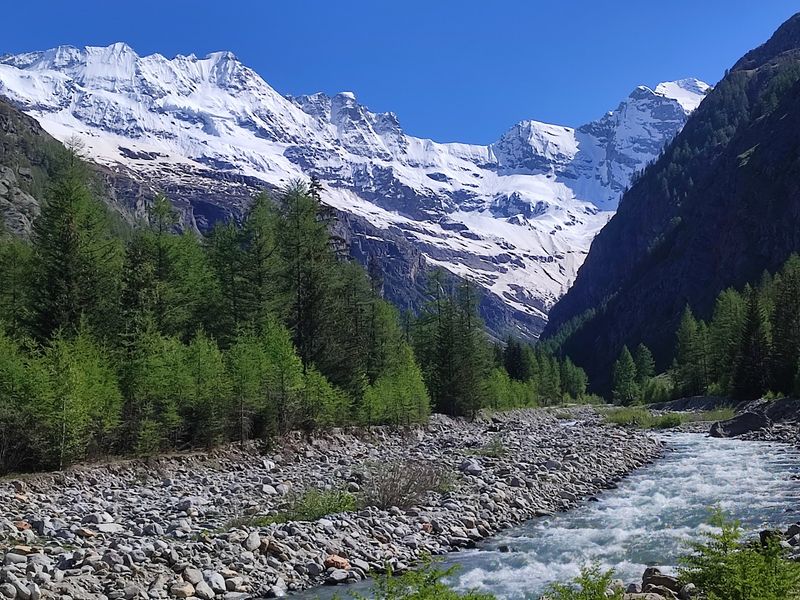
The ibex get the fame, but chamois quietly share the spotlight in Italy’s oldest national park.
Official hiking information names several good spots, including the high meadows above Valnontey and trails in the Rhêmes, Orco, Soana, and Valsavarenche valleys.
The park covers about 71,000 hectares of glaciers, larch forests, rocky basins, and flower meadows, so there is a lot of ground to scan. Pick a viewpoint, settle in, and sweep the slopes slowly with your binoculars.
Park staff ask visitors to take photos without walking up to the animals. A zoom lens is your friend, and it keeps the chamois calm and relaxed.
3. Hohe Tauern National Park, Matrei in Osttirol, Tyrol, Austria
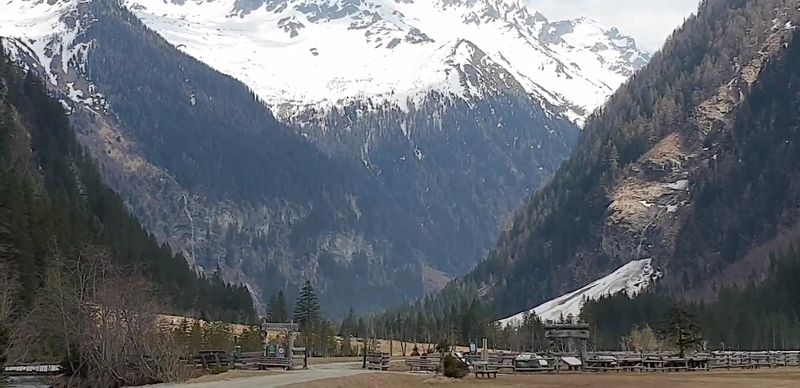
Austria likes to talk about its Big Five, and chamois are on the list with ibex, marmots, golden eagles, and bearded vultures.
Better yet, park information says chamois are the large animals visitors see most often. That makes this one of the friendliest places to start your search.
Look at high meadows and rocky slopes, especially where open pasture turns into rugged mountain ground. Chamois like steep rock with forest close by, so these edges are prime spots.
The park is Austria’s largest, with glaciers and some of the country’s tallest peaks as a backdrop. Take your time, scan in small sections, and check the same slope twice.
4. Berchtesgaden National Park, Ramsau bei Berchtesgaden, Bavaria, Germany
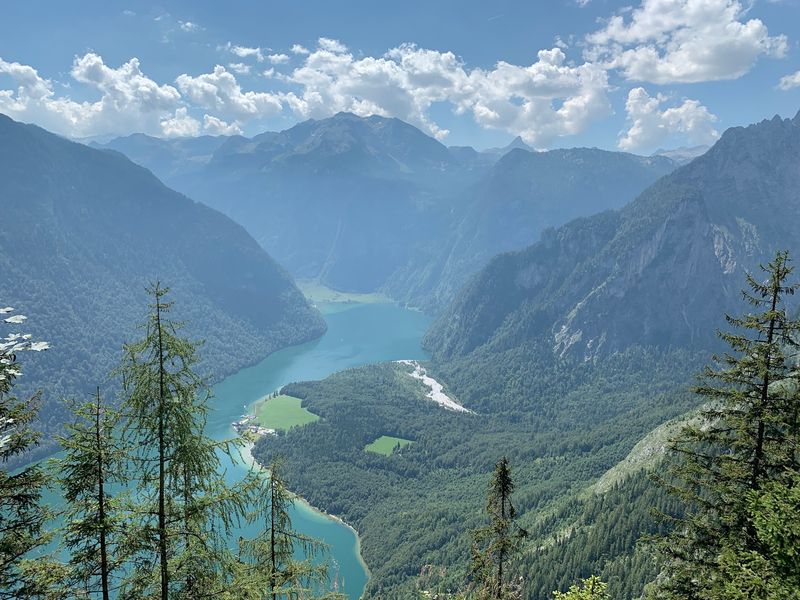
Germany has just one Alpine national park, and chamois are well-settled residents of it.
They use both high Alpine terrain and steep, rocky forest, so you do not have to climb to the summit to find them.
Park guidance says patient visitors who stay on marked trails may spot chamois and marmots. The Watzmann massif looms overhead, which gives your waiting time a fine view.
Chamois here handle cliffs and rocky outcrops with ease, so look at ledges that seem far too narrow for anything with hooves. Keep binoculars handy, move slowly, and let the animals decide how close to come.
5. Écrins National Park, Gap, Provence-Alpes-Côte d’Azur, France
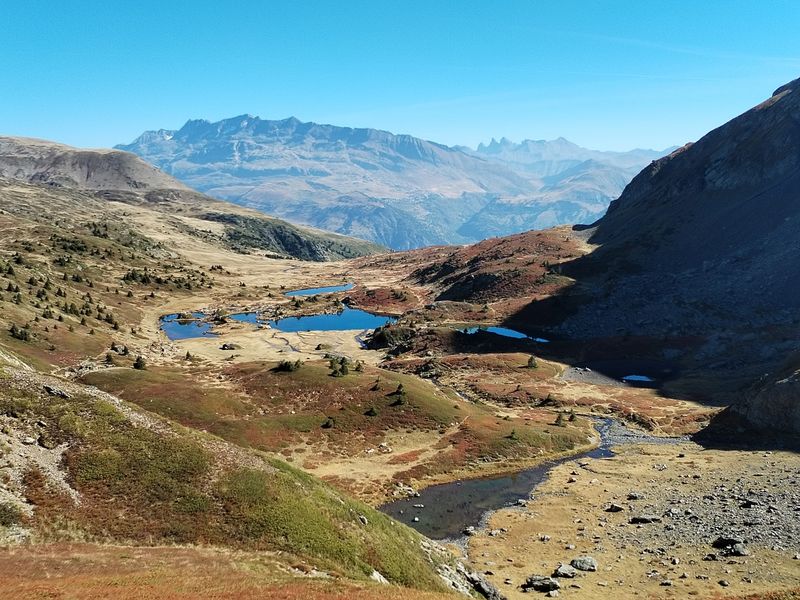
Numbers tell the story here: the park’s biodiversity database holds more than 19,000 chamois observations, including some from 2026.
That makes the Écrins one of the strongest chamois areas in the Alps.
Glaciers, steep valleys, forests, and huge rock faces give the animals many places to live. Chamois use both wooded and rocky areas, so watch the whole hike rather than staring only at the highest ridges.
A good habit is to check forest edges early in the walk, then move to open slopes higher up. The park works to protect its natural environment, which helps keep this mountain population healthy year after year.
6. Swiss National Park, Zernez, Graubünden, Switzerland
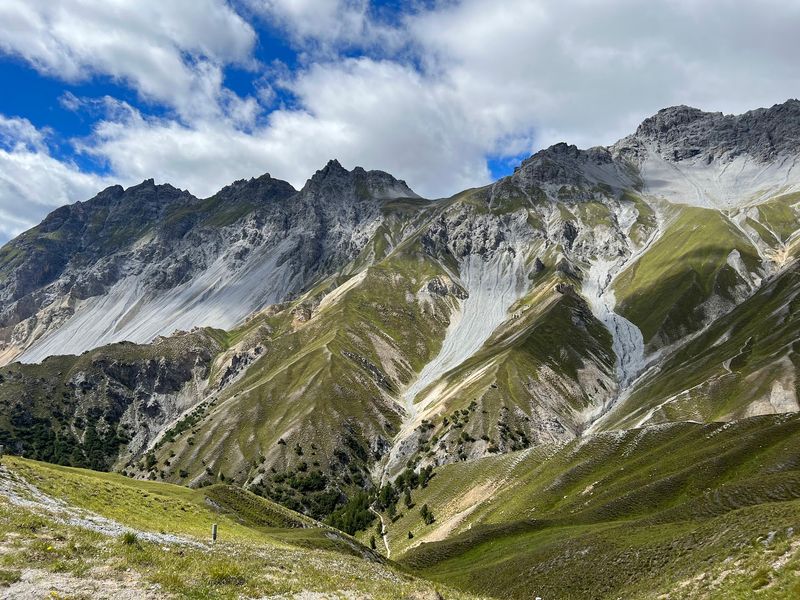
Binoculars are the best gear you can pack here, because the park itself points visitors to Murtaröl, Val Cluozza, and Margunet for chamois watching.
Animals can often be seen all day during the visitor season, especially in open ground above the forest line. The park’s chamois numbers have ranged between 1,000 and 1,700 since 1920.
Strict rules keep walkers on marked trails, which gives wildlife plenty of space. The classic hike to Chamanna Cluozza looks into the Cluozza Gorge, where chamois, deer, and ibex are often seen, especially in the evening.
Chamois here also stay high in winter, finding food on snow-free crests. Patience pays off, so find a good spot, sit quietly, and let the slopes come to you.
7. Vanoise National Park, Pralognan-la-Vanoise, Savoie, France
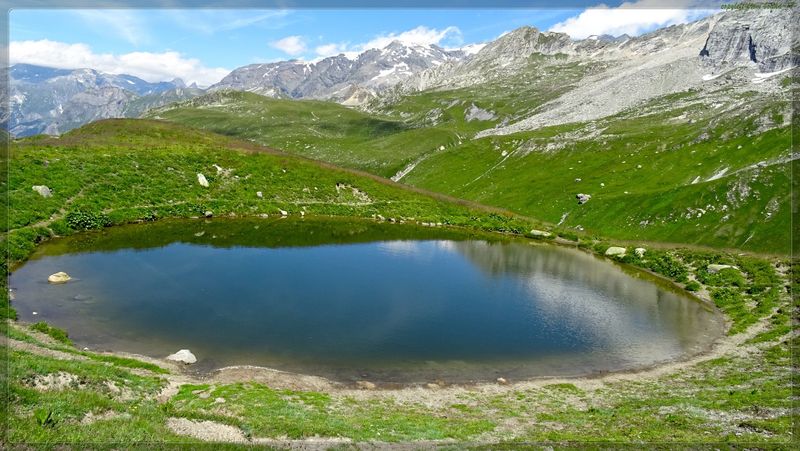
Set your alarm early, because the park points to the high country around Fond des Fours as prime chamois ground for people who start before sunrise.
France’s first national park is known for ibex, but local visitor information near Pralognan says hikers may meet chamois, marmots, and ibex along its trails.
An early start often means quiet slopes and better chances of a sighting. It also gives you a solid excuse for a long breakfast afterward.
The mix of mountains, glaciers, and alpine meadows suits chamois well. Walk steadily, pause often, and scan rocky bands above the grass, where the animals like to rest.
8. Mercantour National Park, Nice, Provence-Alpes-Côte d’Azur, France
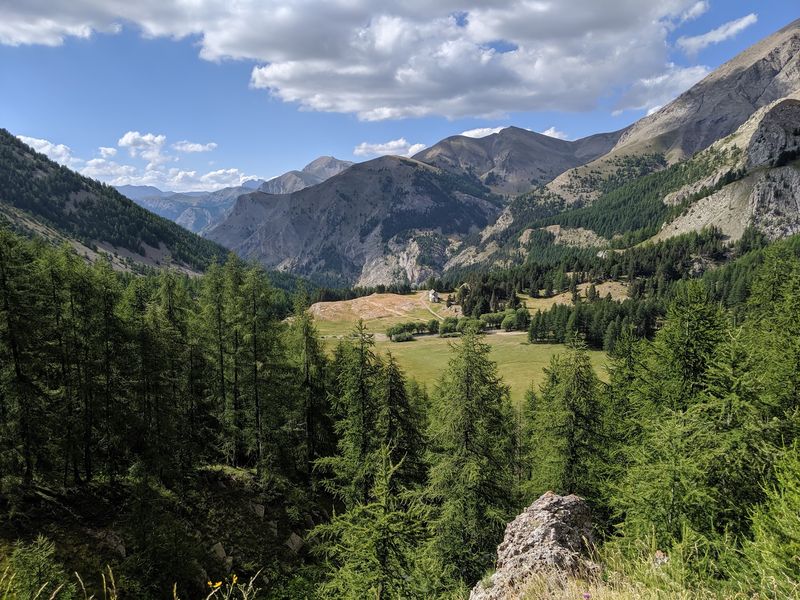
Few parks let you plan a beach morning and a chamois afternoon, but Mercantour sits close to the Mediterranean coast and still delivers sharp Alpine peaks.
The park keeps dedicated information on its wild chamois, which move between mountain grasslands, forests, and rocky country.
That variety means you can look at several elevations in one trip. Start in woodland edges, then work up to open grass and finally the stony slopes.
The contrast is the charm here. One hour feels southern and sunny, and the next puts you among jagged peaks far from the Riviera crowds.
Bring layers, binoculars, and a flexible schedule.
9. Tatra National Park, Zakopane, Lesser Poland, Poland
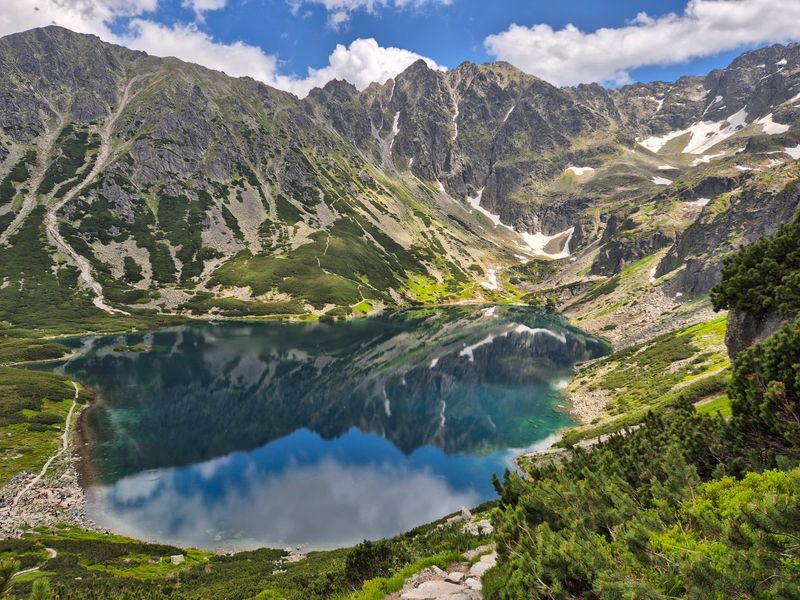
The chamois is so tied to these mountains that it appears on the emblem of Poland’s Tatra National Park.
Park information recommends binoculars so you can watch from a respectful distance instead of walking up to the animals.
A 2026 census counted 335 chamois on the Polish side, including 47 young ones. That is a nice sign of recovery and careful protection.
These are Poland’s only truly Alpine mountains, with jagged ridges, glacial lakes, caves, and high meadows. Stay on the trail, look at rocky slopes above the meadows, and give any animal you find plenty of space.
10. Tatra National Park, Vysoké Tatry, Prešov Region, Slovakia
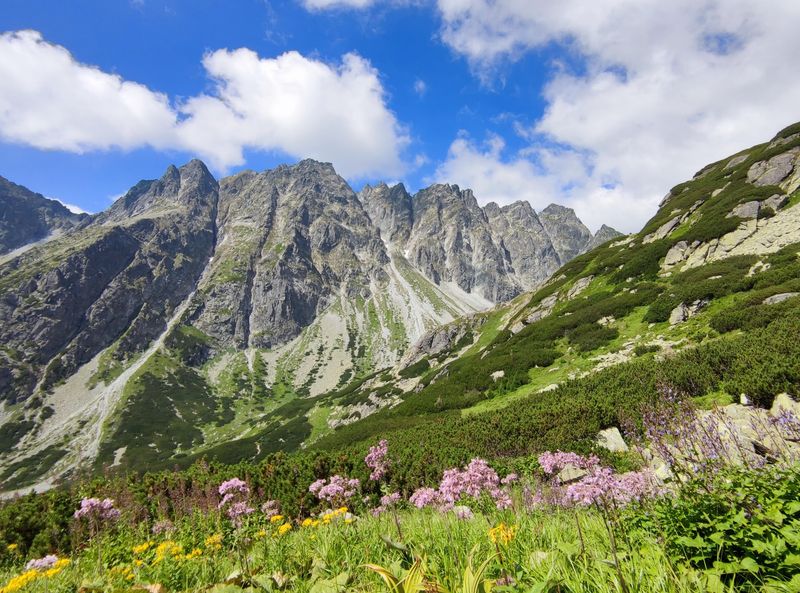
Cross the border and the hunt for the rare Tatra chamois goes on. This distinctive subspecies belongs to a compact Carpathian range.
Slovak tourism information lists both the Tatra chamois and the Tatra marmot among the park’s characteristic animals.
High rocky basins and ridges above the resort towns make classic habitat. A chamois standing against a wall of pale stone is the kind of sight that sums up the High Tatras in one frame.
The Slovak park is part of a larger protected area shared across the border, which gives the animals more room. Bring binoculars, scan the rock bands slowly, and keep your distance.
11. Bucegi Natural Park, Sinaia, Prahova County, Romania
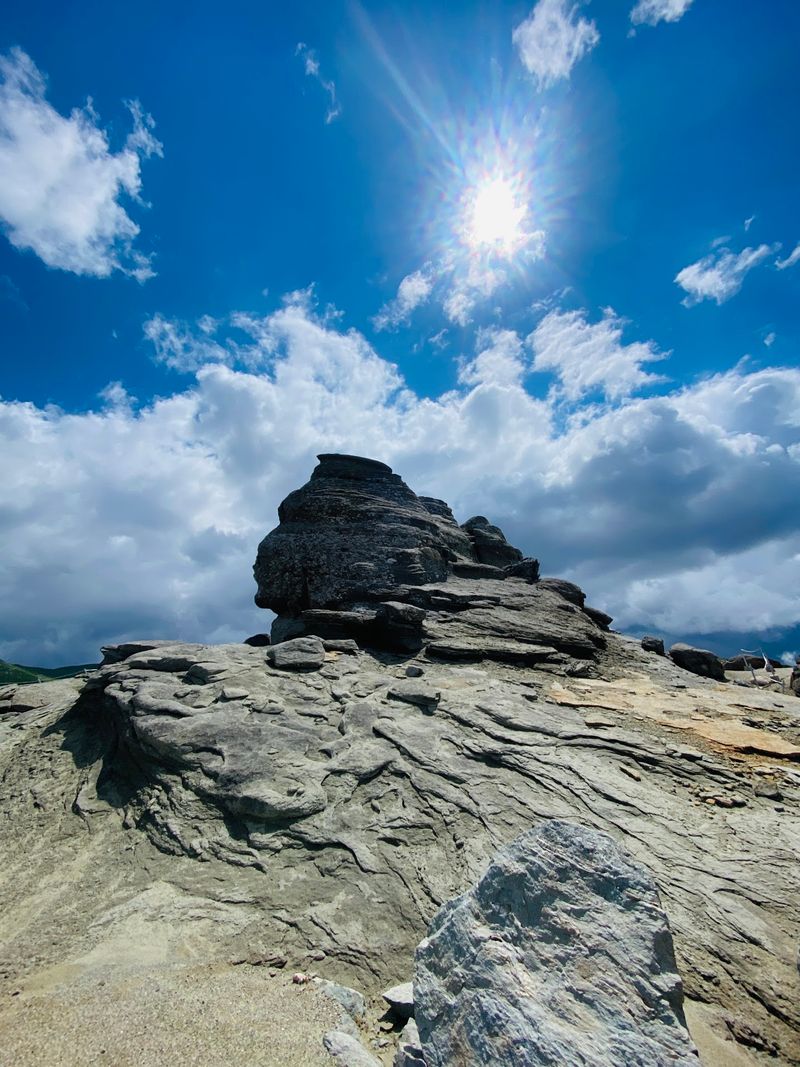
Strange rock shapes share the stage with wildlife in Bucegi, where the high plateau is home to the wind-carved Sphinx and Babele formations.
The park authority lists chamois among its iconic animals, next to brown bears, wolves, lynx, red deer, and golden eagles.
Between those landmarks, cliffs, alpine grasslands, and broad mountain views give you lots of terrain to scan. Use the famous rock formations as markers so you can describe where you spotted an animal.
A healthy chamois population makes this a rewarding stop for wildlife fans. Go slowly, glass the cliff edges, and enjoy a mountain landscape that looks different from every angle.
12. Piatra Craiului National Park, Zărnești, Brașov County, Romania
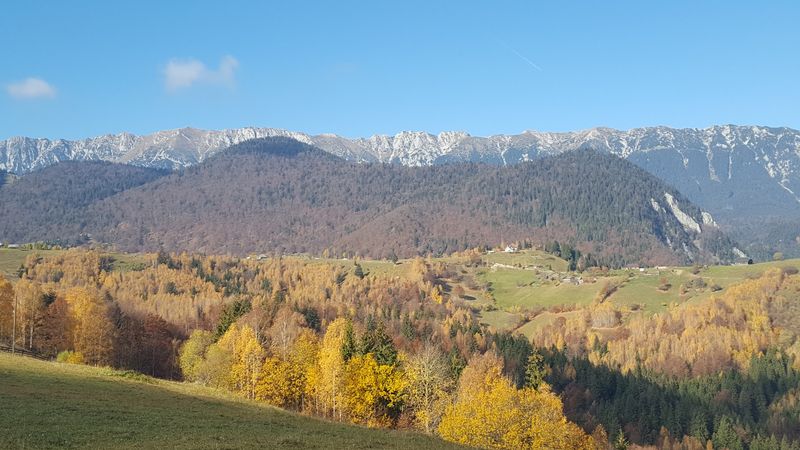
A long limestone ridge is the main feature here, and it creates the steep, broken ground that chamois love.
Current park information reports more than 220 animals. Bears, wolves, and lynx live here too, along with a rich mix of plants and birds.
The pale ridge rises above green forests, which makes the park one of Romania’s most photogenic. Chamois sightings add a bonus to hikes that already come with big scenery.
Look along the base of the cliffs and on grassy shelves between rock bands. Early morning gives you the best chance, and a spotting scope helps if you have one.
Keep your distance and enjoy the show.
13. Mount Olympus National Park, Litochoro, Central Macedonia, Greece
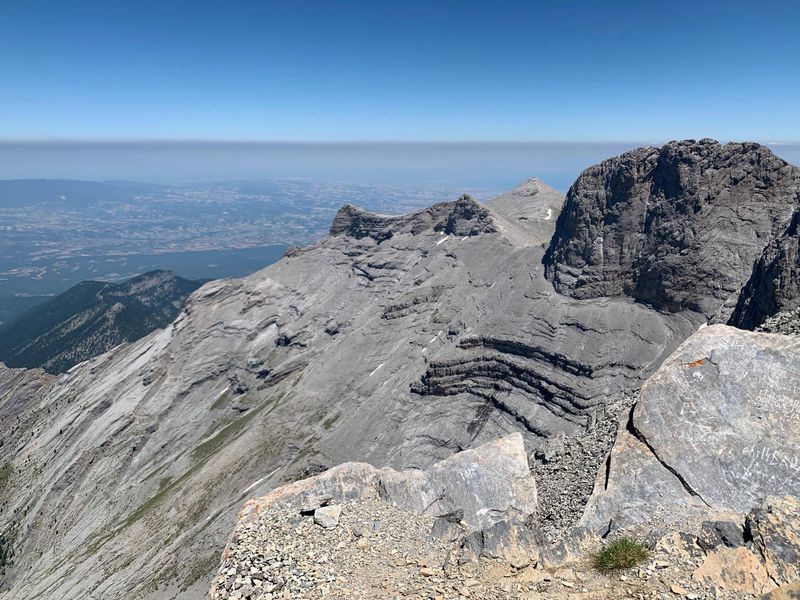
Gods get the credit on this mountain, but real wildlife deserves a look too.
Greek cultural authorities list the Balkan chamois among Olympus’s recorded mammals, along with roe deer, wolves, wildcats, and wild boar.
Chamois country reaches surprisingly far south, which makes this a fun stop for anyone building a Europe wildlife list. Rocky summits rise above pine and fir forests, so check both the tree line and the open stone higher up.
The animals are part of the real mountain, moving quietly over rugged ground. Start from Litochoro, plan a full day, bring plenty of water, and keep your eyes on the ledges.
14. Gran Sasso and Monti della Laga National Park, Assergi, Abruzzo, Italy
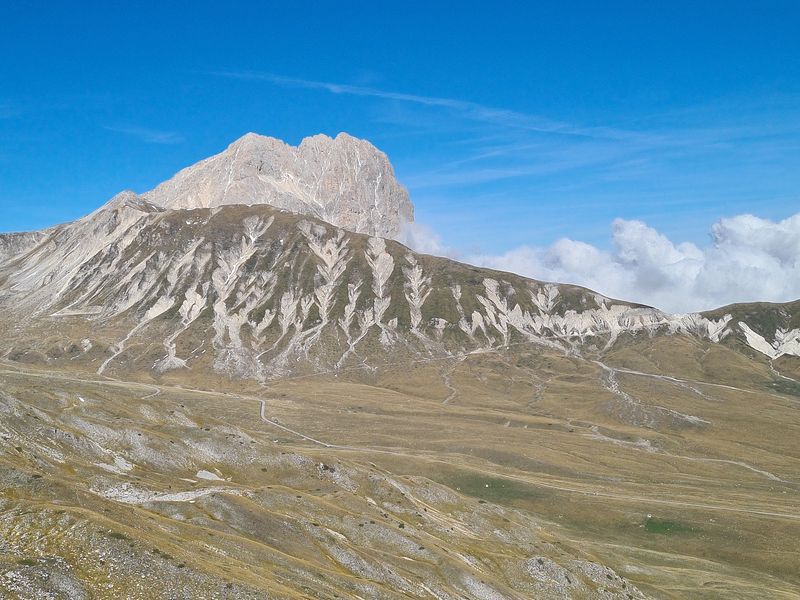
Here is a comeback story with hooves. The Apennine chamois vanished from the Gran Sasso massif in the past, then returned through a reintroduction program.
The park now reports around 1,000 animals across its protected land.
Their home includes the huge Campo Imperatore plateau and the craggy heights around Corno Grande. Open grasslands make spotting easier than in dense forest, so a good pair of binoculars can go a long way.
Old mountain villages sit far below, which adds a very Italian touch to the view. Scan the high ridges in the morning, then check the grassy slopes as the day moves on.
15. Sutjeska National Park, Tjentište, Republika Srpska, Bosnia and Herzegovina
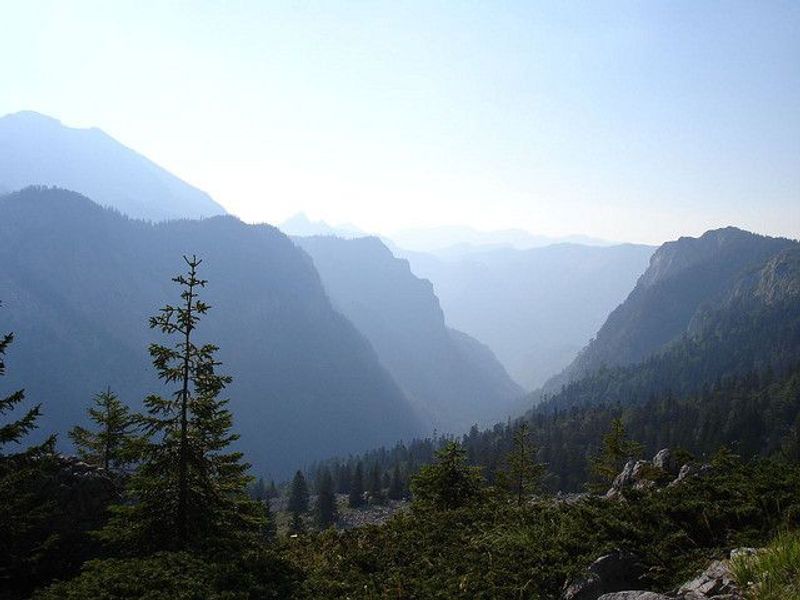
Remote and rugged, this park is one of the wilder chamois spots in the Balkans.
Deep canyons, mountain plateaus, forests, and the peaks around Maglić form the habitat. Official park information says the canyons are especially rich in chamois and brown bears.
Visitors do not have to rely on luck alone. An observation platform at Prijevor was built for wildlife watching, and chamois are among the species you may see there.
The untouched setting is the main attraction, so plan for a slow, quiet visit. Bring binoculars, warm layers, and snacks, then settle in at the platform and let the mountains do the rest.
Share this story