Love of country shows up in flags, songs, holidays, and everyday habits. In some places, it feels especially strong because of history, struggle, or shared culture.
Here is a look at fifteen countries where patriotism plays a big role in daily life. Each one has its own way of showing what home means.
1. United States
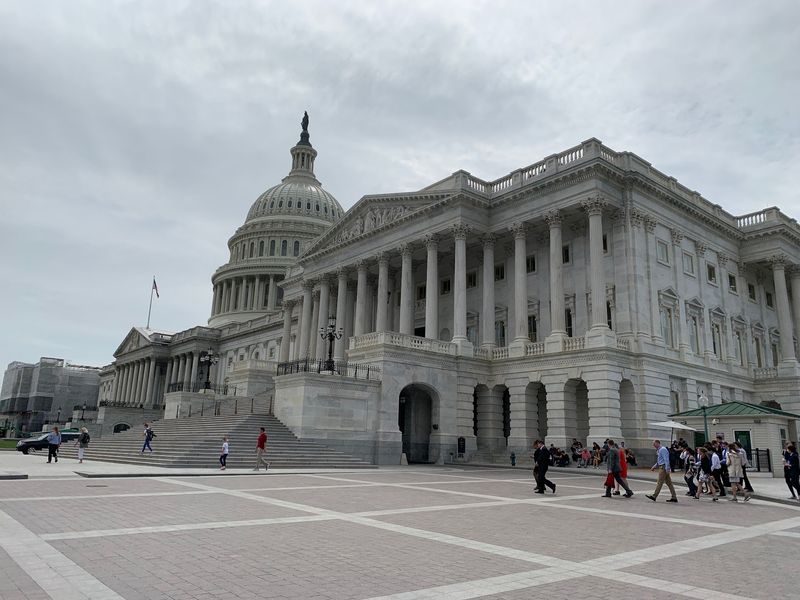
Walk through almost any American town in early July and you will see flags on porches, mailboxes, and storefronts. The Fourth of July is the biggest moment, with parades, cookouts, and fireworks marking independence from Britain in 1776.
Patriotism shows up in smaller ways too. Many schoolchildren recite the Pledge of Allegiance, and crowds at sporting events stand for the national anthem.
Veterans are honored on Memorial Day and Veterans Day, and military traditions hold a respected place in public life.
The country is also home to many cultures, so national identity often centers on shared ideas such as liberty and opportunity. People may disagree on politics, yet symbols like the Stars and Stripes remain a common reference point.
For many Americans, pride is a mix of history, ceremony, and community gatherings that bring neighbors together each year.
2. India
Few sights match the colors of Republic Day in New Delhi. Each January 26, soldiers march, decorated floats roll past, and the tricolor flag rises high above the crowds.
Independence Day on August 15 is just as meaningful. It marks the end of British rule in 1947, and people across the country fly kites, raise flags, and listen to speeches from the Red Fort.
Schools and neighborhoods hold their own small ceremonies.
Pride also grows from culture. India has hundreds of languages, many faiths, famous music, classic films, and a long tradition of festivals.
Cricket victories can fill streets with cheering fans within minutes. The national anthem, Jana Gana Mana, and symbols such as the Ashoka Chakra remind citizens of a shared story that stretches across a very large and varied land.
3. Philippines

Every June 12, Filipinos fill plazas to remember the 1898 declaration of independence from Spain. Flags hang from jeepneys, homes, and government buildings, and speeches honor national heroes like Jose Rizal.
History runs deep here. The country has lived through Spanish rule, American administration, and wartime occupation, and each chapter shaped a strong sense of identity.
People often speak proudly of the 1986 People Power Revolution, when peaceful crowds helped change the government.
Culture adds another layer. Filipino food, music, hospitality, and the practice of bayanihan, or community helping each other, are sources of pride.
Boxing champions, beauty pageant winners, and global performers often receive warm support from fans at home. Overseas workers also carry their heritage abroad, keeping traditions alive in many countries around the world.
4. Turkey
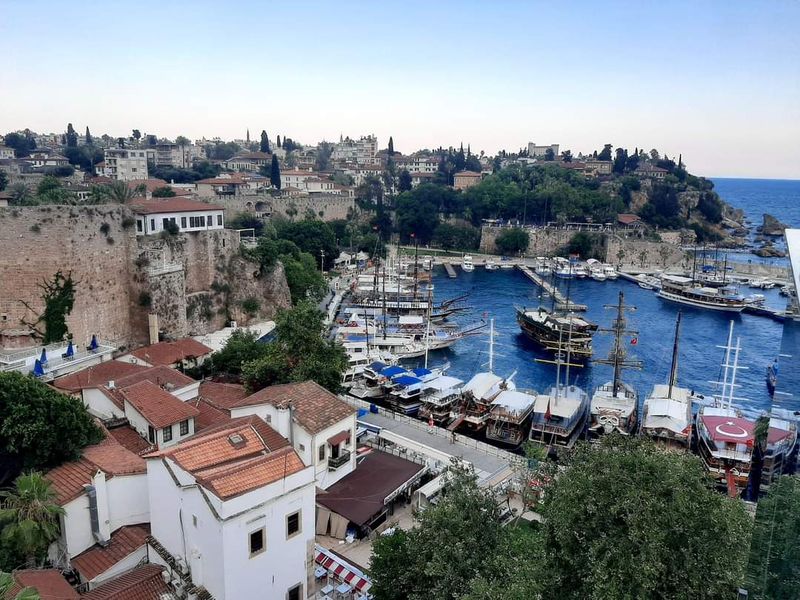
In Turkey, the red flag with its white crescent and star is treated with great respect. It flies from balconies, bridges, and hillsides, and on national days entire buildings are draped in it.
Much of the feeling centers on Mustafa Kemal Ataturk, who led the War of Independence and founded the republic in 1923. His portrait appears in schools, offices, and shops, and statues stand in nearly every town.
Each November 10, at 9:05 in the morning, people pause for a moment of silence to remember his passing.
Republic Day on October 29 brings parades, concerts, and fireworks. Children learn the story of independence early, and many families visit Anitkabir, his mausoleum in Ankara, to pay respects.
Together, these customs keep the founding story close to daily life.
5. Poland
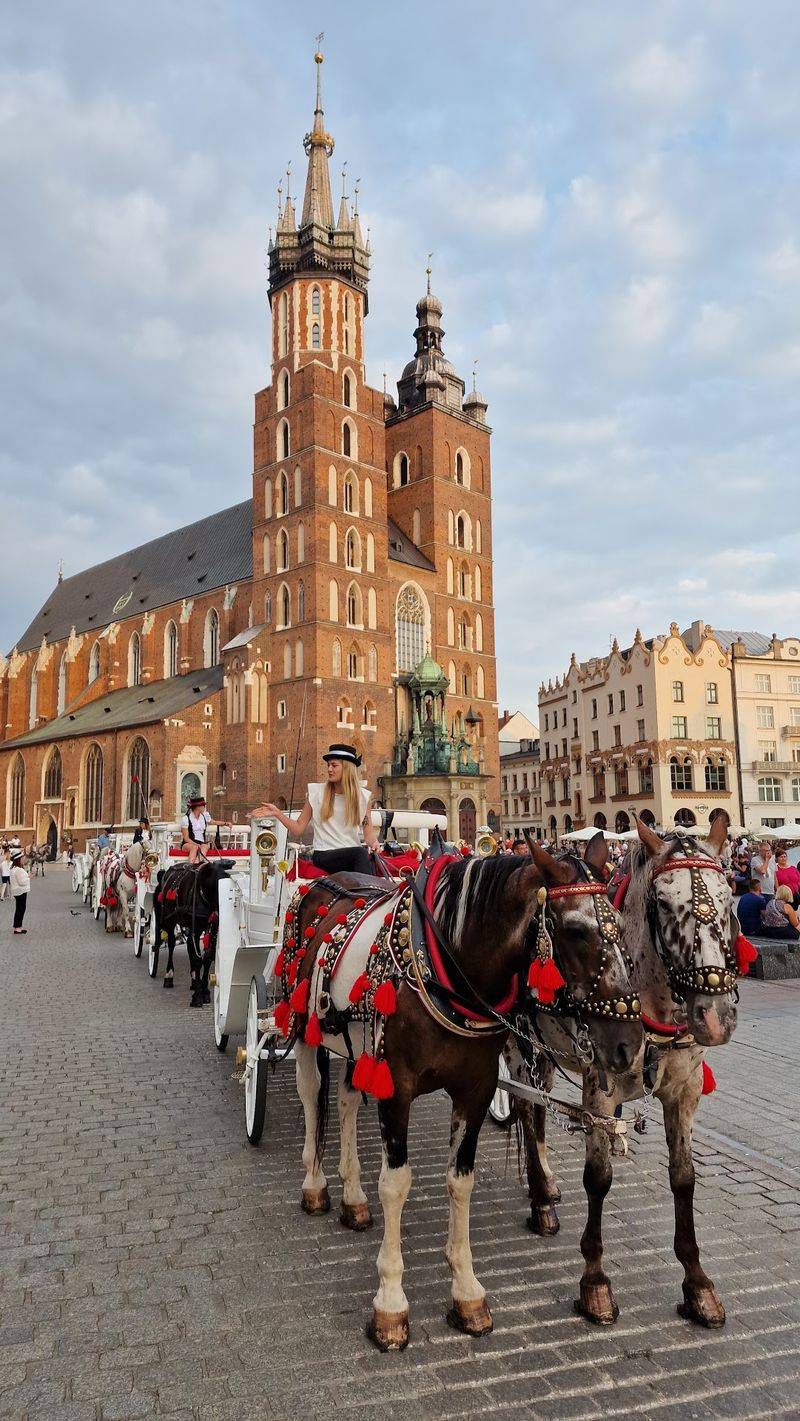
At 5 p.m. each August 1, Warsaw stops. Sirens sound, traffic halts, and people stand quietly to remember the 1944 Warsaw Uprising.
Poland has a long record of losing and regaining its independence. The country was divided by neighbors in the late 1700s and vanished from maps for more than a century.
It returned in 1918, then endured Nazi and Soviet occupation in the twentieth century. These experiences built a strong tradition of remembrance.
Today, Independence Day on November 11 brings marches, concerts, and white and red flags across cities. Poetry, music, and history lessons keep stories of resistance alive.
The Solidarity movement of the 1980s is another source of pride, since it helped lead to peaceful change in Eastern Europe. For many Poles, patriotism means honoring sacrifice while building a stable future.
6. Ukraine
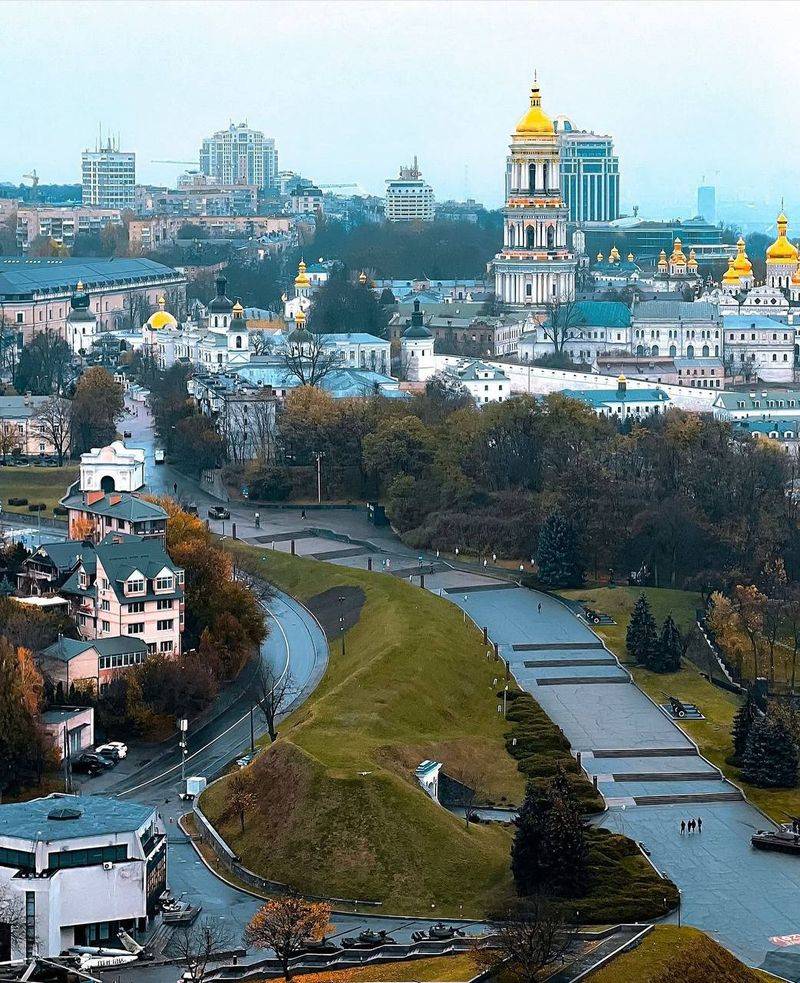
Blue and yellow flags have become a daily sight in Ukraine, from city balconies to village fences. Since Russia launched its full-scale invasion in February 2022, national unity and the determination to defend independence have grown more visible.
Ukrainians often point to a long cultural story. Embroidered shirts called vyshyvanka, folk songs, and the Ukrainian language are worn and shared with fresh pride.
Independence Day on August 24 marks the 1991 declaration of independence and is observed even during wartime.
Volunteer efforts have also become a defining feature. Neighbors collect supplies, drivers deliver aid, and communities support soldiers and displaced families.
International observers have noted the strong sense of shared purpose across regions. For many citizens, pride now means protecting their language, land, and right to choose their own future.
7. Vietnam
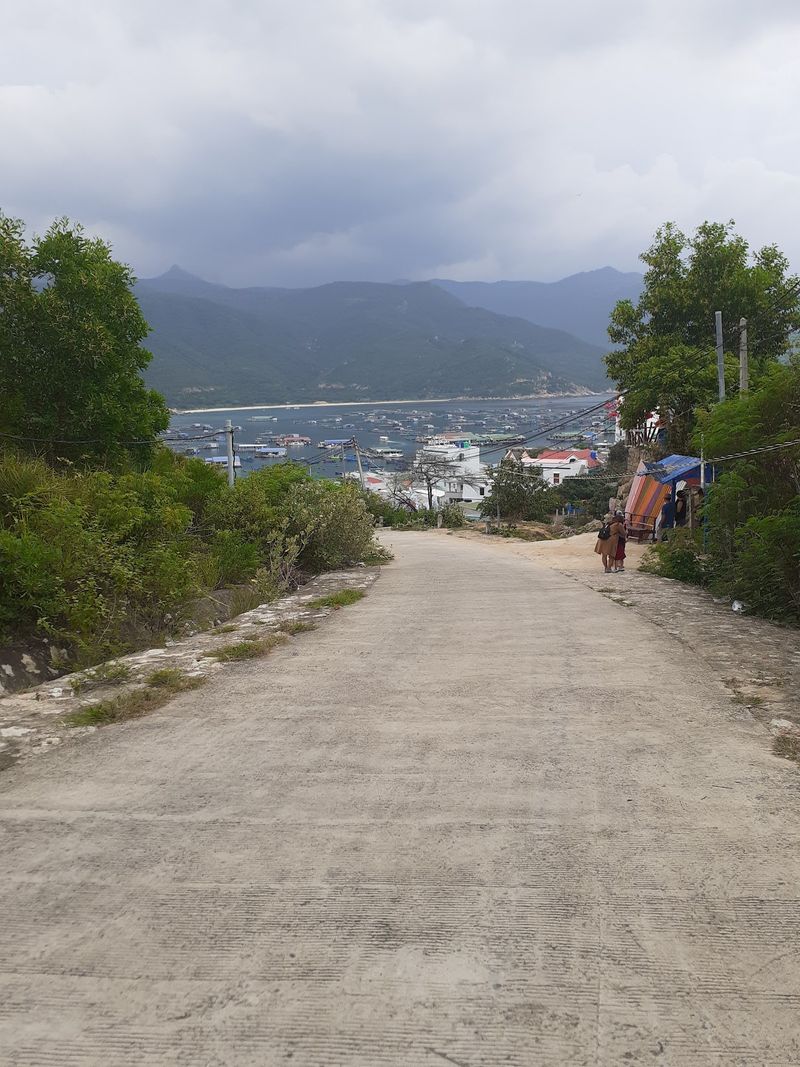
Visit Hanoi around September 2 and the streets turn red and gold. National Day marks the 1945 declaration of independence read by Ho Chi Minh at Ba Dinh Square, and flags appear on nearly every home.
Vietnamese history includes centuries of defending the land, from ancient dynasties resisting invaders to the long conflicts of the twentieth century. Schools teach these stories closely, and heroes such as the Trung Sisters are honored with temples and festivals.
Pride extends to culture as well. Pho, water puppetry, the ao dai dress, and Lunar New Year traditions all feel like shared treasures.
Football matches can bring whole neighborhoods into the streets, waving flags from motorbikes. Many people also speak with admiration about the country’s rapid growth in recent decades, which adds a modern chapter to an old story of resilience.
8. Indonesia
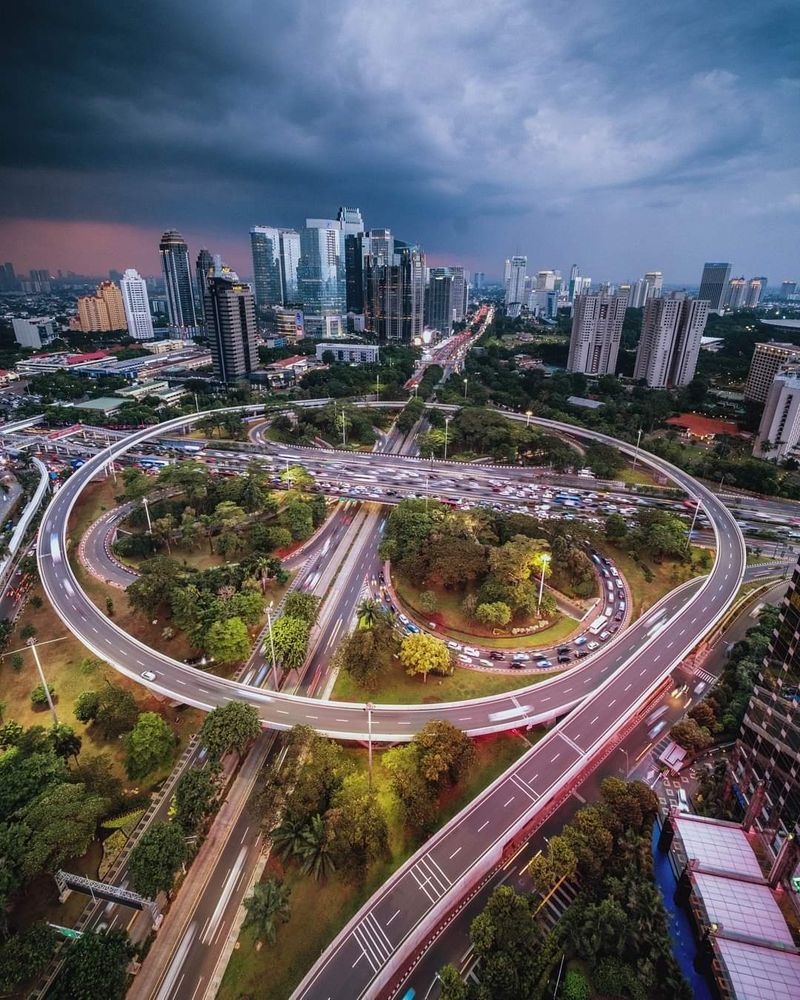
Picture a village on August 17 with red and white flags lining every road. Children climb greased poles, run sack races, and pull ropes in tug of war, all part of lively contests held for Independence Day.
The date marks the 1945 proclamation of independence from Dutch rule. Official ceremonies include a flag raising at the State Palace in Jakarta, and local neighborhoods hold their own events too.
Indonesia spans thousands of islands and hundreds of ethnic groups, so unity matters greatly. The national motto, Bhinneka Tunggal Ika, means unity in diversity, and it appears on the Garuda emblem.
Schools teach Pancasila, the five guiding principles of the state. A shared national language, Bahasa Indonesia, also helps connect people from far-flung regions, making patriotism feel like a community effort.
9. Pakistan
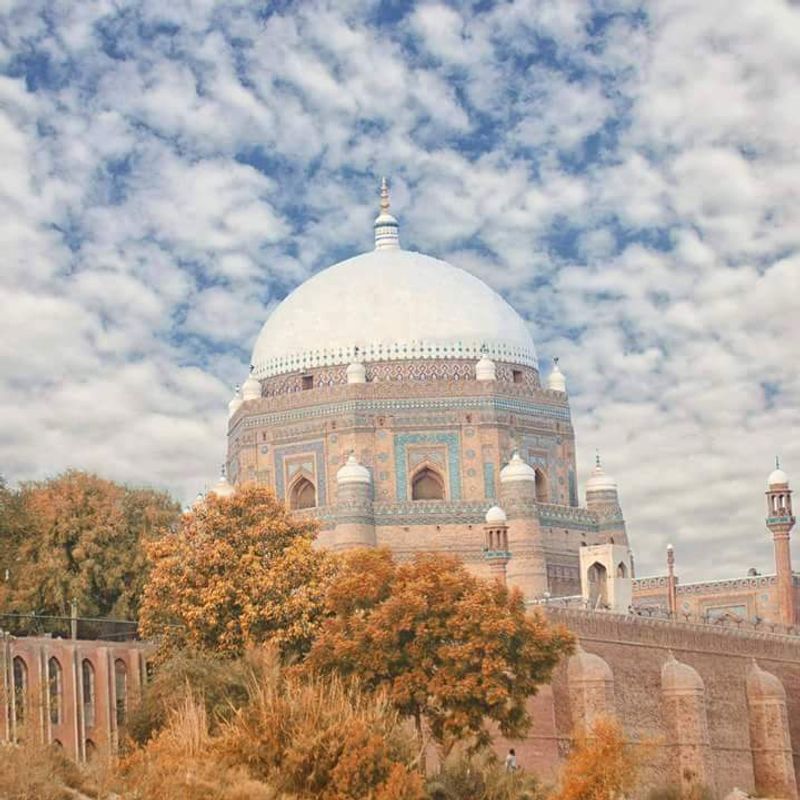
At midnight on August 13, many Pakistani cities erupt with horns, fireworks, and cheers. Independence Day, observed on August 14, remembers the creation of the country in 1947.
The green and white flag is everywhere during the season. Cars wear flag decals, children paint their faces, and shops sell badges and bunting.
Official ceremonies include flag raisings and parades, and the national anthem is sung in schools and public places.
Founder Muhammad Ali Jinnah is widely honored, and his mausoleum in Karachi draws many visitors. Institutions such as the armed forces also hold a respected place in public life.
Cricket is another source of unity, and wins over rival teams can bring crowds into the streets. For many families, the day is a chance to recall the sacrifices of those who migrated during partition.
10. Israel
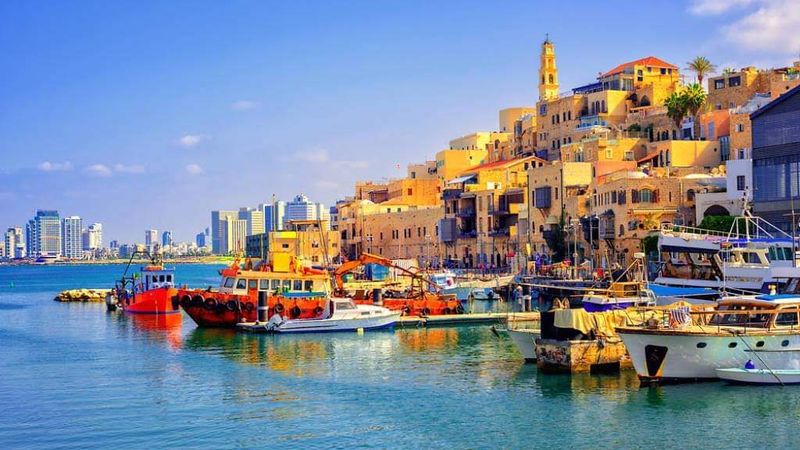
When Yom HaZikaron arrives, the country pauses for sirens that call everyone to stand in silence. The next evening, mourning turns to celebration as Independence Day begins with ceremonies, music, and fireworks.
Military service shapes the national experience. Most Jewish citizens serve after high school, and many families have a story connected to the army.
That shared duty builds strong bonds across communities.
History also plays a central role. Many citizens feel a deep link to ancient ties to the land, along with memories of persecution and the founding of the state in 1948.
Hebrew, once mostly a language of prayer, was revived for daily use, which people often see as a source of pride. Cookouts, flag displays, and open-air concerts are part of the national day.
11. Greece
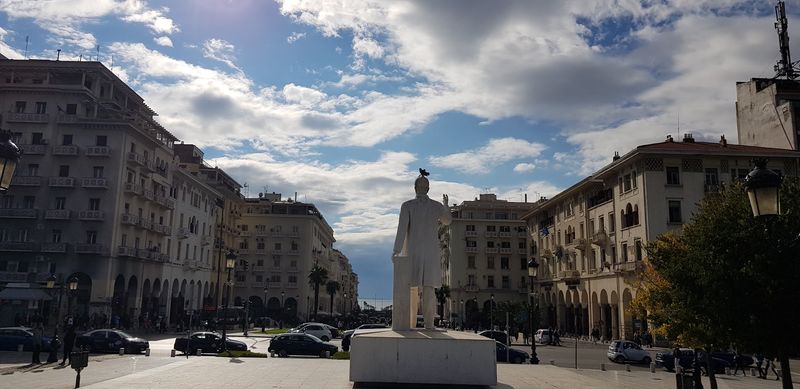
Few places carry history as visibly as Greece. The Parthenon rises above Athens, and many Greeks see ancient ideas of democracy, theater, and philosophy as part of their family story.
Independence Day on March 25 honors the start of the 1821 revolution against Ottoman rule. Students march in parades, often wearing regional costumes, and the blue and white flag flies across towns and islands.
A second national day, Ohi Day on October 28, remembers the refusal to yield to Axis demands in 1940.
Faith and tradition mix with pride too. Village festivals, Orthodox Easter customs, folk dances, and the Greek language all link people to the past.
Even in tough economic years, many Greeks kept strong attachment to their heritage and communities.
12. Mexico
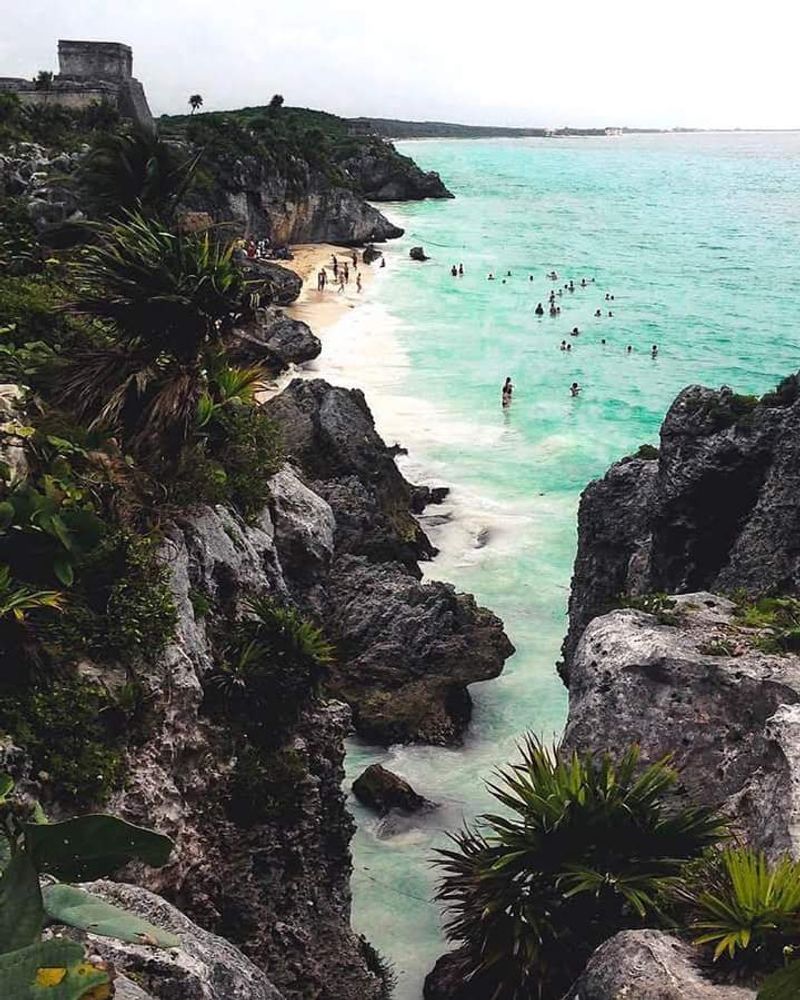
On the night of September 15, crowds gather in town squares across Mexico for El Grito, the cry of independence. The president, or a local mayor, rings a bell and shouts “Viva Mexico,” and the crowd answers back.
The tradition recalls Miguel Hidalgo’s call to rebellion in 1810. Streets fill with green, white, and red decorations, mariachi music, and food stalls selling pozole, tamales, and chiles en nogada.
National pride is woven into everyday culture. The eagle on the flag comes from an Aztec legend about the founding of Tenochtitlan, and murals by artists like Diego Rivera tell the nation’s story on public walls.
Day of the Dead, folk art, and regional dances give people many ways to celebrate who they are, all year long.
13. South Korea
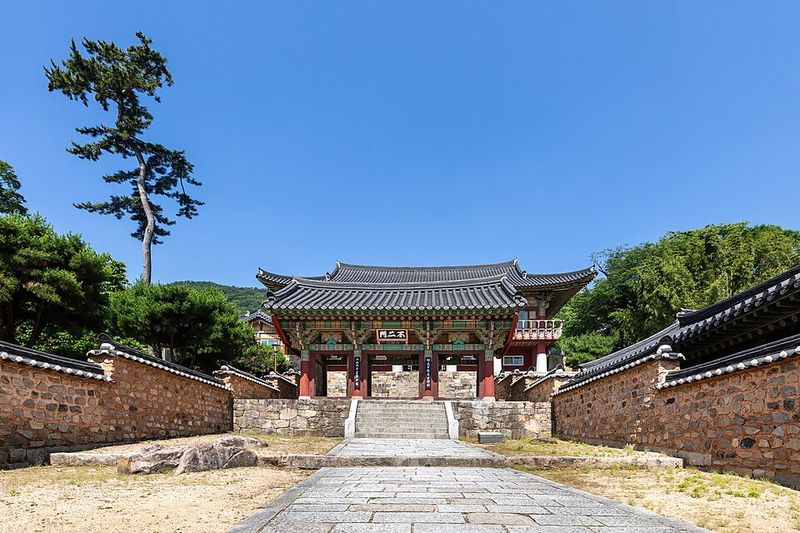
South Korea has gone from a war-torn nation in the 1950s to a global economic and cultural force. Many citizens see that journey as a source of great pride.
Liberation Day on August 15 recalls the end of Japanese rule in 1945, and people hang the Taegukgi flag at home. Ceremonies also honor independence activists and those who served during the Korean War.
Culture plays a big part. K-pop groups, films like Parasite, and television dramas have reached audiences worldwide, and many fans in Korea celebrate these successes together.
Hangul, the Korean alphabet, has its own national holiday, and traditional hanbok clothing appears at festivals and weddings. Large crowds also gather to cheer national teams during the World Cup and the Olympics, turning city squares into sea of red.
14. France
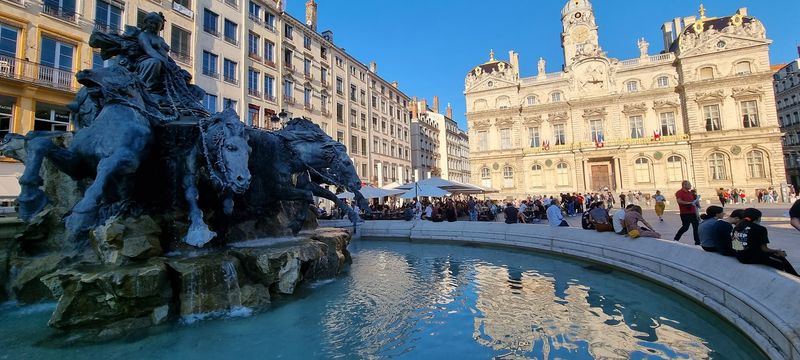
On July 14, the Champs-Elysees fills with marching soldiers, flyovers, and waving tricolor flags. Bastille Day recalls the storming of the Bastille prison in 1789, a key moment in the French Revolution.
Republican values lie at the heart of French patriotism. The motto “Liberte, Egalite, Fraternite” appears on public buildings, and the song La Marseillaise is sung at ceremonies and sporting events.
Language and culture matter just as much. The Academie francaise helps guard the French language, and cuisine, fashion, cinema, and literature are widely cherished.
Many people enjoy local fireworks, dances, and picnics on the national holiday. Debates about identity can be lively, but pride in shared institutions, schools, and public life remains a strong thread across the country.
15. Japan
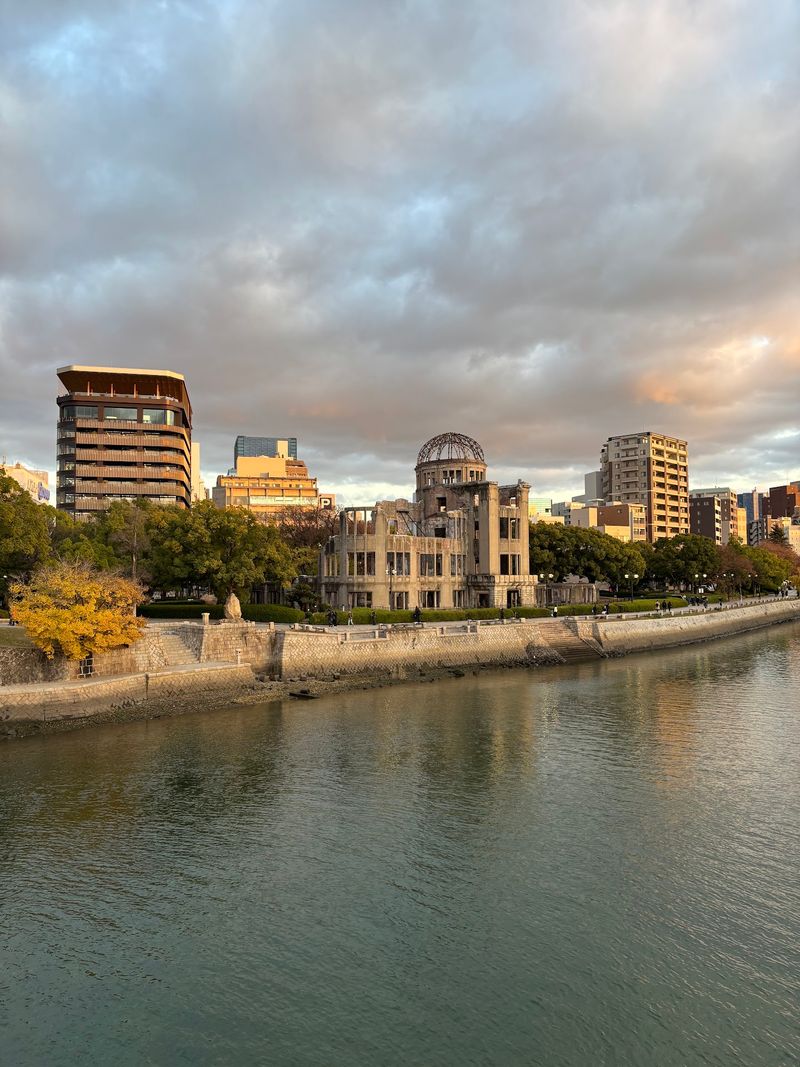
Quiet respect for tradition is a hallmark of Japanese national feeling. The Hinomaru flag, with its red sun disc on white, is flown on holidays such as National Foundation Day and the Emperor’s Birthday.
Pride often appears in subtle ways. Many families visit shrines at New Year, tea ceremonies keep old customs alive, and seasonal events like cherry blossom viewing bring people together across generations.
Craftsmanship, from swords to ceramics to modern electronics, is valued as a national strength.
Achievements also matter. The Shinkansen bullet train, Nobel Prize winners, and global successes in anime, games, and sports are often discussed with warmth.
Fans cheer loudly for national teams at the World Cup and the Olympics. Together, these elements create a sense of identity grounded in culture, discipline, and care for community.
Share this story