Europe is famous for castles, cathedrals, and cafes, but some of its best stops are far stranger than the usual postcard views. This list gathers sixteen real places where you can wander through a garden of stone monsters, stand beside a pipe organ played by the sea, or walk through a giant model of an iron crystal.
Some are underground, some are tiny, and a few are just plain odd. Each one comes with a backstory that makes the visit more fun, from heartfelt collections to old scientific mysteries.
If you are planning a trip or just enjoy collecting strange facts, these stops give you plenty to talk about long after you get home. Check current hours before you go, since many of these sites change their schedules by season.
Sedlec Ossuary, Kutná Hora, Czech Republic
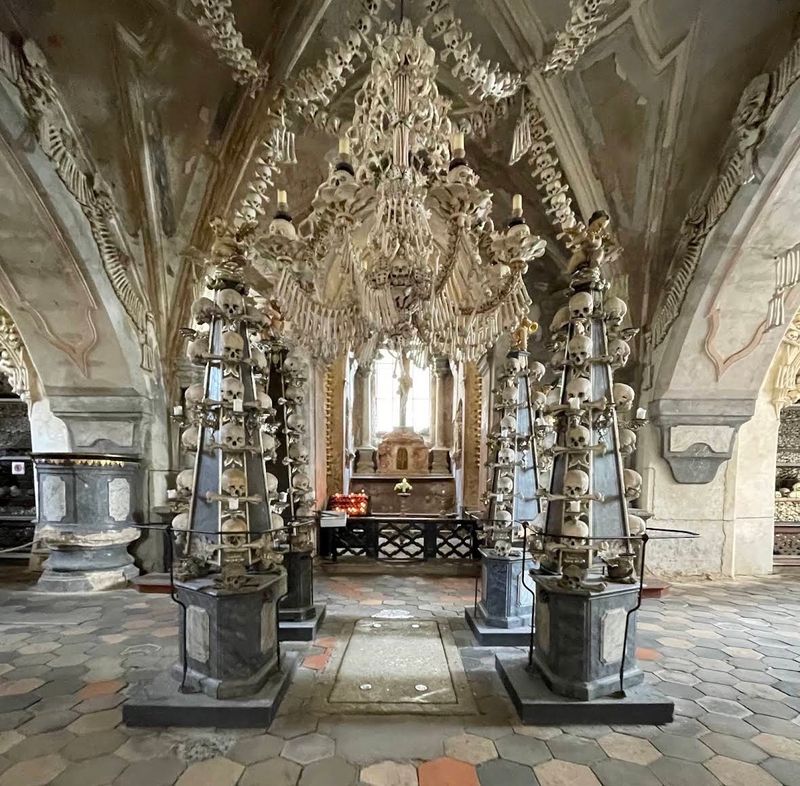
Few chapels have a chandelier like this one. At Sedlec, the decorations are arranged from the bones of tens of thousands of people, and the chandelier is said to contain at least one of every bone in the human body.
The story goes back to the 13th century, when an abbot brought soil from Jerusalem and sprinkled it over the cemetery. The burial ground became so popular that it filled up fast, and the chapel later became a storage place for the remains.
In 1870, a woodcarver named Frantisek Rint was hired to put them in order, and his arrangements are what visitors see now.
The ossuary sits in Kutná Hora, a UNESCO-listed town about an hour from Prague by train. The nearby Cathedral of Our Lady at Sedlec is also worth a look.
Tickets are usually bought on site, and visits are short, so it pairs well with other sights in town. Check the current opening hours before heading out, because they vary by season.
Paris Catacombs, Paris, France
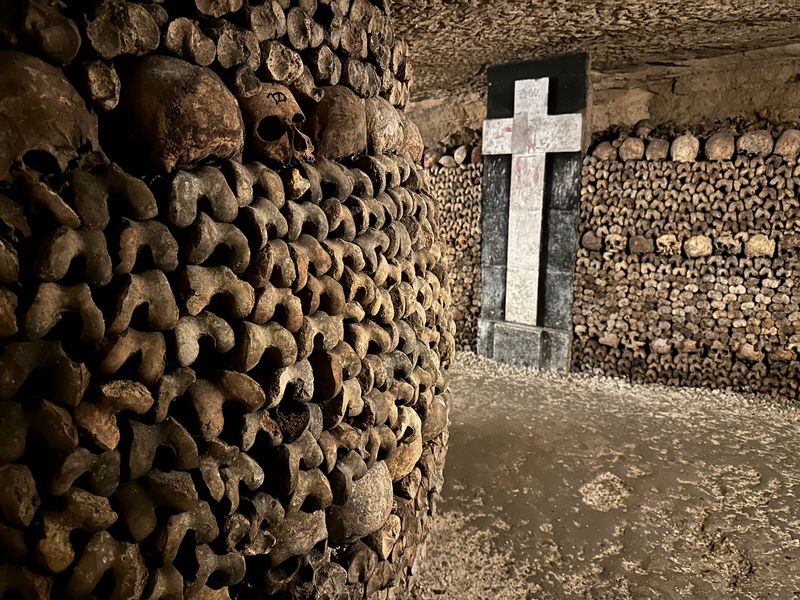
Beneath the busy streets of the 14th arrondissement lies a quiet network of old limestone quarries. Long before they became an attraction, they were used to solve a city problem in the late 1700s, when overcrowded cemeteries needed relief.
The remains were moved to the tunnels over many years, and the walls were later arranged into the patterns visitors see today. The public route covers about a mile and takes roughly an hour.
You descend a spiral staircase of around 130 steps and climb about 112 on the way out.
Plan ahead, since the site limits entry and tickets are best booked online in advance. The tunnels stay cool all year, so bring a light jacket, and comfortable shoes help on uneven floors.
Bags are limited in size, and the route is not suited to anyone with mobility challenges. The official ticket site is the safest place to book without paying extra to resellers.
Museum of Broken Relationships, Zagreb, Croatia
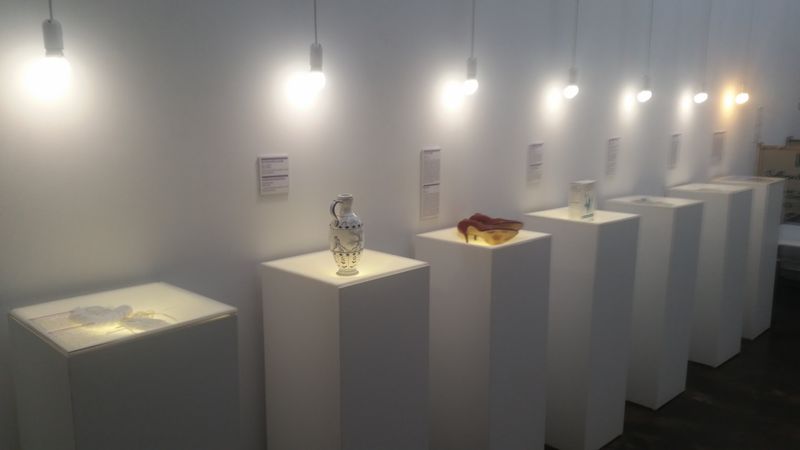
Handwritten notes, stuffed toys, and everyday objects fill this small museum, and each one has a story from a real person. The idea began as an art project by two Zagreb artists who wanted to collect keepsakes from ended relationships.
Donors from around the world send items along with a short explanation, and the labels are where the museum shines. Some stories are funny, some are tender, and many are surprisingly relatable.
The museum has won recognition in the museum world, and it has toured abroad as well.
It sits in Zagreb’s Upper Town, a short walk from St. Mark’s Church and the Lotrščak Tower, so it fits easily into a day of sightseeing. Most visitors spend about an hour reading the labels.
Check the official website for current hours and ticket prices, since both can change by season.
Sacro Bosco, Bomarzo, Italy
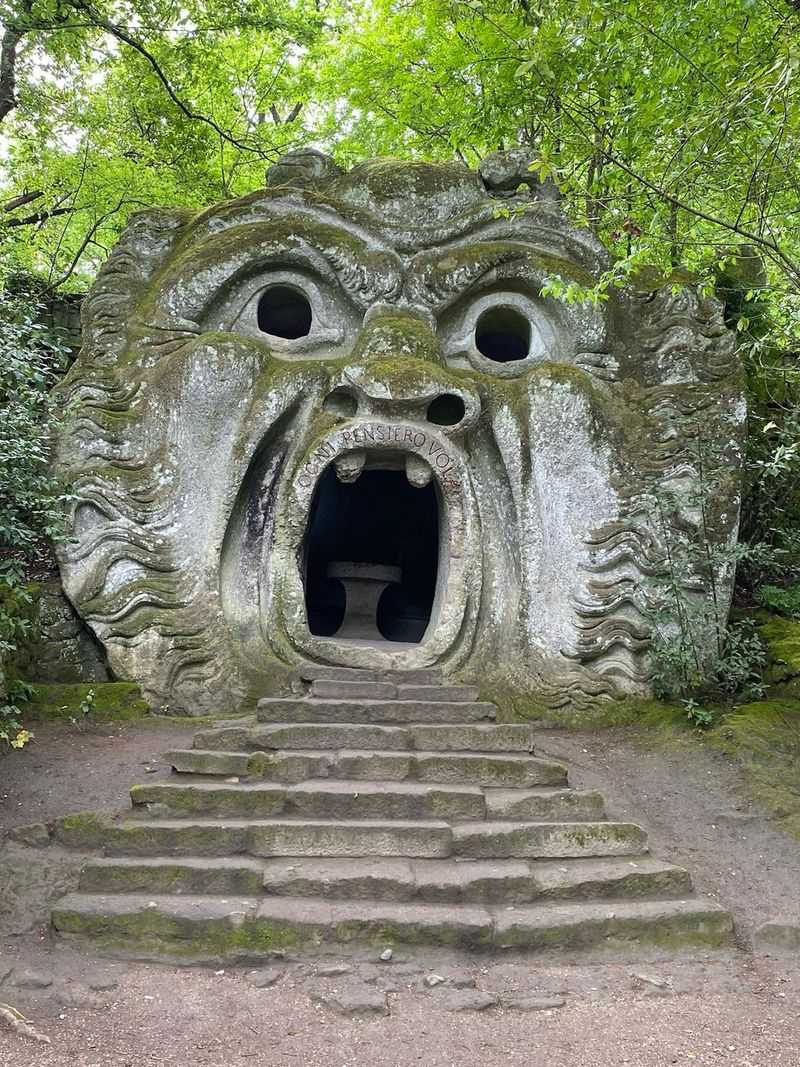
Giant stone faces, a leaning house, and a huge open-mouthed face you can walk into: this woodland garden is not what most people expect from Italy. It is also called the Park of the Monsters.
Prince Pier Francesco Orsini, known as Vicino, commissioned it in the 16th century, and the sculptures were carved from the natural rock found on site. The park was forgotten for centuries before being restored in the 1950s by the Bettini family, who still look after it.
Bomarzo is in the Lazio region, north of Rome, and the park is easiest to reach by car. The paths wind through the trees, so wear shoes with good grip, especially after rain.
A full walk takes about one to two hours. Tickets are sold at the entrance, and the park opens daily, though hours change with the season.
Wieliczka Salt Mine, Wieliczka, Poland
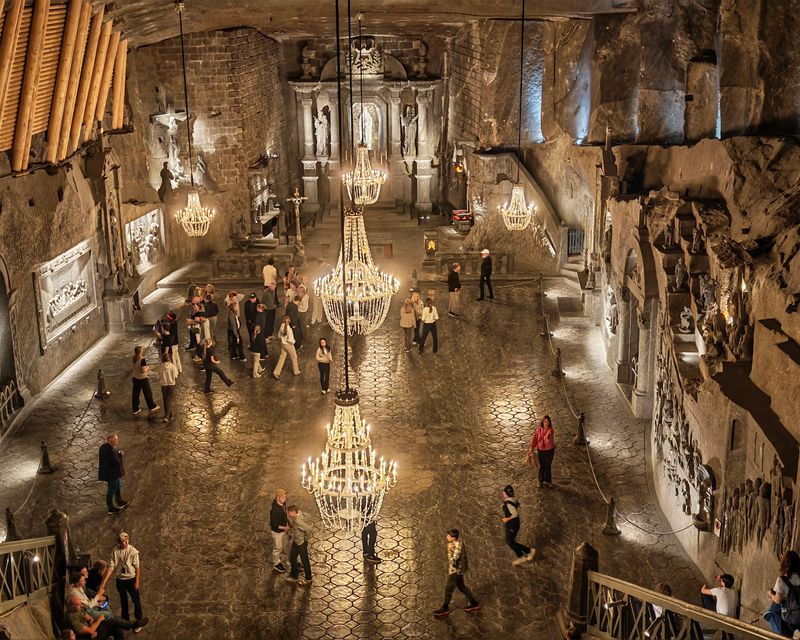
Hundreds of feet below the ground near Krakow, there is a full chapel carved from salt. The mine has been worked since the Middle Ages, and miners added sculptures and chapels over the centuries, creating a gallery of salt art.
The St. Kinga’s Chapel is the highlight, with chandeliers made of salt crystals and wall carvings of religious scenes. The Tourist Route is about two miles long and takes roughly two to three hours with a guide.
You walk down around 380 steps at the start, and a lift brings you back up.
Wieliczka is a short drive or train ride from Krakow, and the mine is a UNESCO World Heritage Site. The temperature below is cool, so bring a light layer.
Guided tours run in multiple languages, and booking ahead is smart in busy months.
Camera Obscura & World of Illusions, Edinburgh, Scotland
Climb to the top of this Royal Mile building and you will find a darkened room with a white table and a live view of the city. A rotating mirror on the roof sends light down to the table through a lens, projecting Edinburgh as it looks right now.
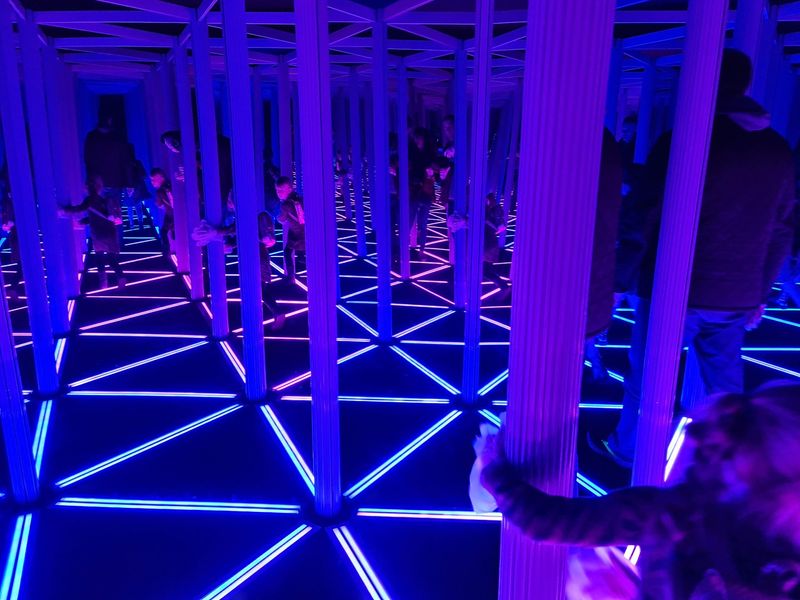
The Camera Obscura has been here since the 1850s, making it one of the city’s oldest visitor attractions. Today it is part of a five-floor building full of optical illusions, mirrors, a vortex tunnel, and a mirror maze.
The rooftop terrace also gives views toward the castle and across the city.
Plan on about two hours for the full visit. Showings of the camera obscura run at set times, so check the schedule when you arrive.
The attraction sits close to Edinburgh Castle, so the two fit neatly into one day.
Quinta da Regaleira, Sintra, Portugal
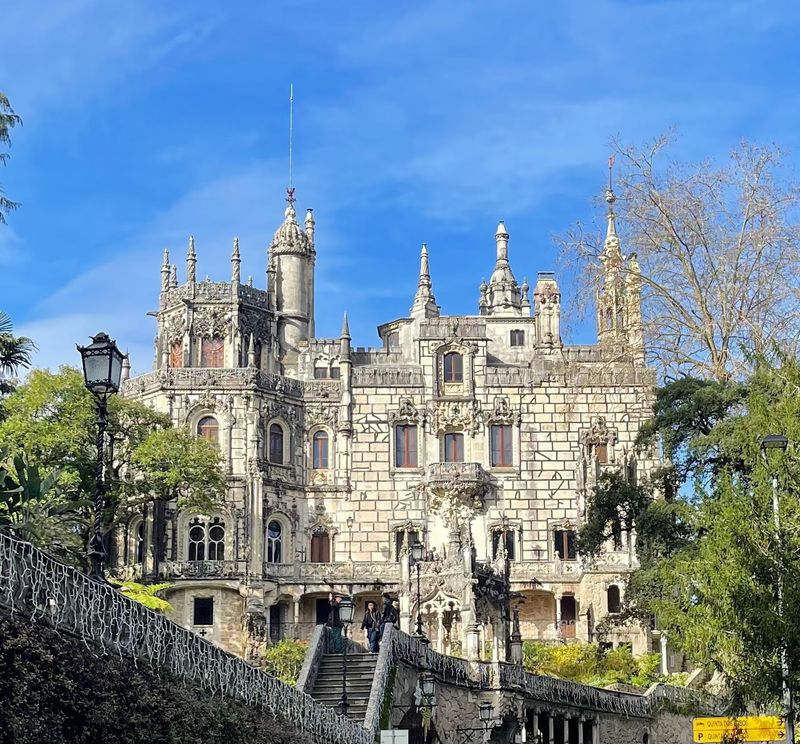
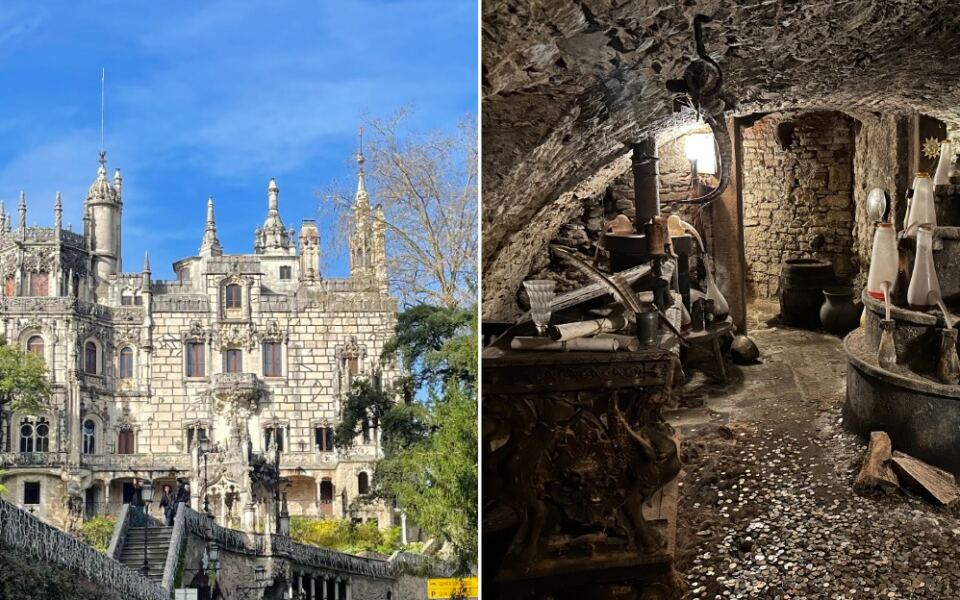
A spiral staircase winding down nine levels into the earth is the star here. The Initiation Well at Quinta da Regaleira is not a real well at all, but a carefully built tower in reverse, set among gardens in the hills of Sintra.
The estate was developed in the early 1900s for Antonio Augusto Carvalho Monteiro, with the Italian set designer Luigi Manini creating the romantic palace and grounds. Visitors can explore the palace, a small chapel, grottoes, and tunnels linking different parts of the garden.
The paths climb and dip, so sturdy shoes are a good idea. Sintra is about 40 minutes from Lisbon by train, and the estate is a short walk from the town center.
Tickets can be bought online, which helps during busy seasons. Allow at least two hours to see the main sights.
Atomium, Brussels, Belgium
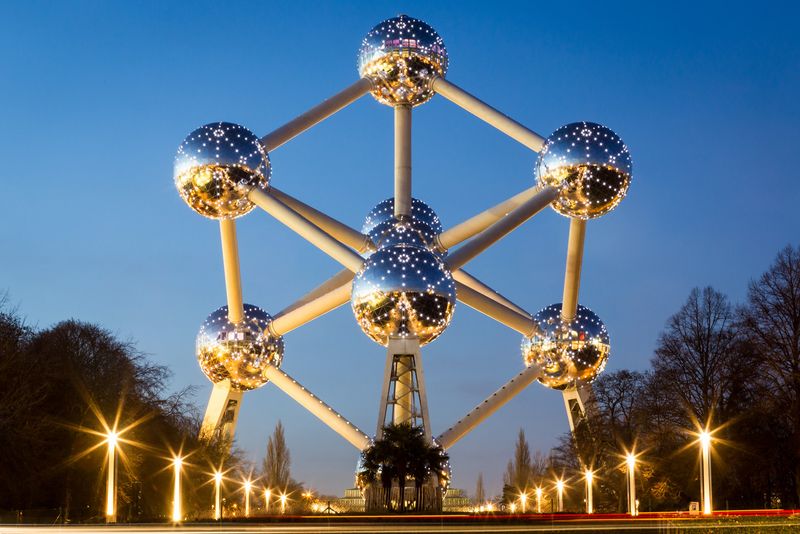
Nine shiny spheres joined by tubes make up a model of an iron crystal enlarged 165 billion times. The Atomium was built for the 1958 World’s Fair in Brussels, and it was meant to stand for only six months.
Its popularity changed those plans, and it became one of the city’s best-known landmarks. Inside, visitors ride a lift to the top sphere for wide views over Brussels.
Some of the other spheres hold exhibitions, and escalators inside the tubes connect several of them.
The Atomium stands at Heysel Plateau in the north of the city, and the Heysel metro station is nearby. Mini-Europe, a park of small landmarks, is close by too.
Tickets can be purchased online, and checking time slots in advance helps in the busy months.
Sea Organ, Zadar, Croatia
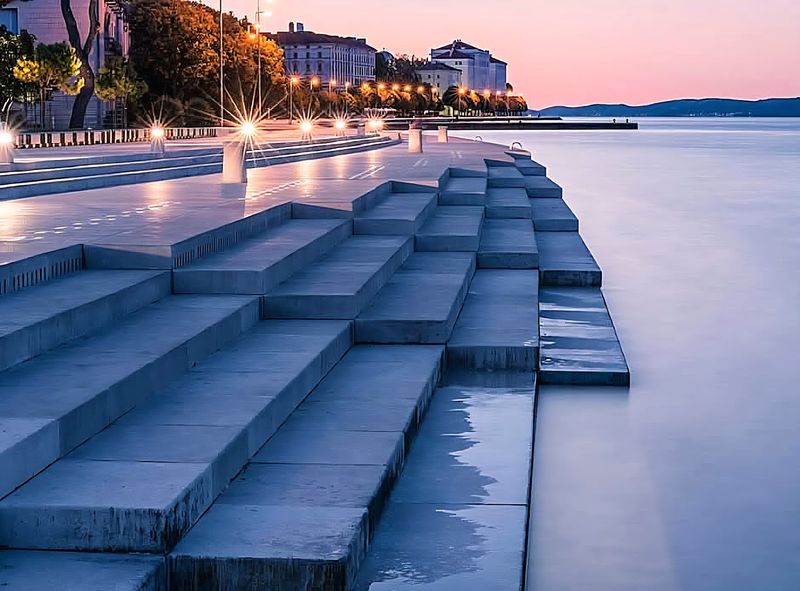
Sit on the marble steps along Zadar’s waterfront and the sea itself will perform. The Sea Organ is an instrument that uses waves to push air through pipes hidden beneath the steps, producing a changing set of tones.
Architect Nikola Basic designed it, and it opened in 2005 as part of a project to renew the Zadar waterfront. The steps stretch about 70 meters, and the tones depend on how strong the waves are and how boats pass by.
Best of all, it is free and open all day. Many visitors come in the evening, when the sun sets over the water nearby.
The Greeting to the Sun, a circular light installation also designed by Basic, is just a short walk away. The Old Town is also close, so it is easy to combine with a stroll.
Icelandic Phallological Museum, Reykjavík, Iceland
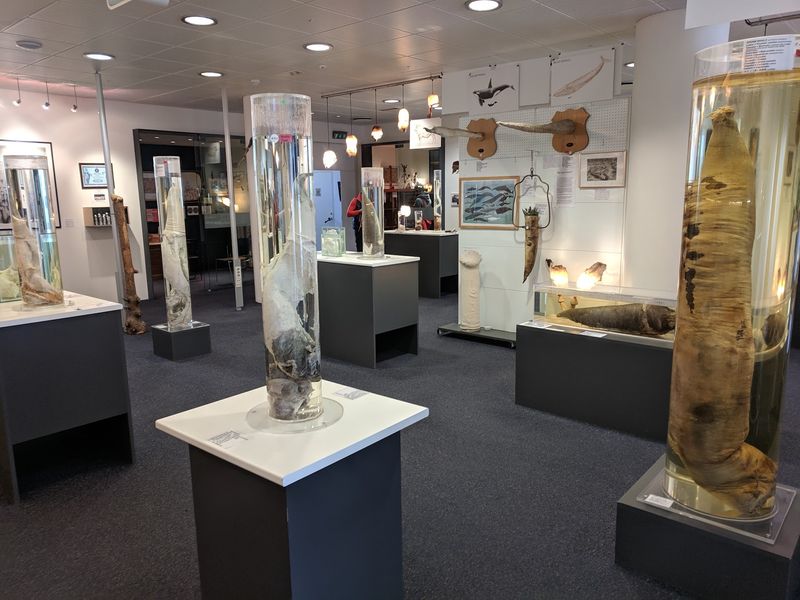
Yes, this museum exists, and it is run quite seriously. It holds a large collection of specimens from mammals found in Iceland and beyond, and it is considered the only museum in the world devoted to the subject.
It began in 1974 when a teacher, Sigurdur Hjartarson, received a gift of a bull specimen and started collecting. The museum later passed to his son, Hjortur Gisli Sigurdsson, who continues to run it.
The collection is displayed with labels in English, along with art and curiosities related to the theme.
The museum is in central Reykjavik, which makes it simple to add to a walking day. Adults only should note that content is meant for older visitors, so check the museum’s guidance if you are bringing teens.
Hours and tickets are listed on its official website.
Speculum Alchemiae, Prague, Czech Republic
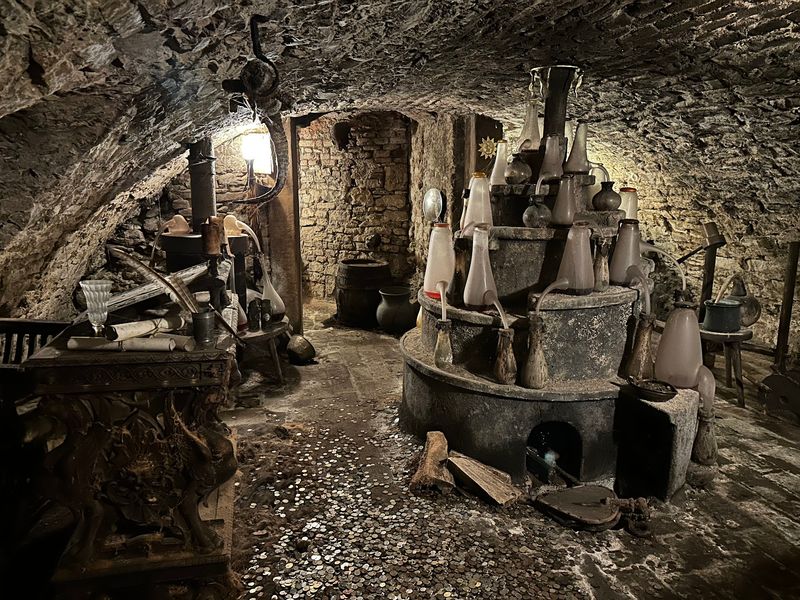
An old alchemist’s lab was discovered by accident in Prague, and now you can tour it. The story says that after floods in 2002, workers found a hidden laboratory in a building in the Old Town, and a museum was later created around it.
Speculum Alchemiae is set in a house linked to the era of Emperor Rudolf II, who was known for his interest in alchemy and science in the late 1500s. Guided tours lead through rooms with period equipment, glass vessels, and a hidden passage that opens during the visit.
Tours are guided and usually need to be booked ahead, so check the museum website for languages and times. The museum is a short walk from the Old Town area.
Plan for roughly an hour, and wear comfortable shoes for the stairs.
CORPUS Museum, Oegstgeest, Netherlands
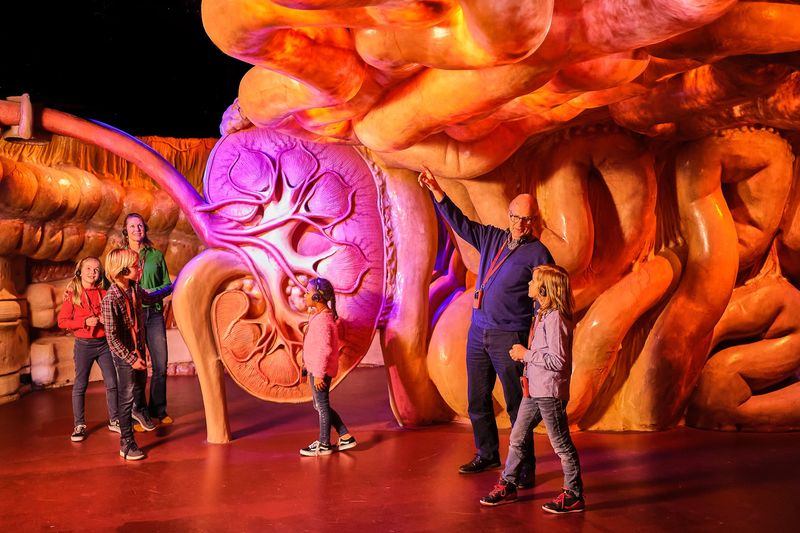
You enter this museum through a giant face. CORPUS, near Leiden, is built like a huge human figure, and the tour takes you through the body from the inside.
The route moves through a series of rooms, with a ride that carries visitors past organs and body systems. Along the way you learn about the brain, the heart, the senses, and how everyday habits affect health.
The exhibits use light, screens, and hands-on displays, so the museum suits families.
CORPUS is in Oegstgeest, close to Leiden, and parking is available on site. Allow around two to three hours.
The museum’s website has information on tickets, opening days, and available languages, and booking in advance often saves time. The route also has a few accessible options, so check with staff if you need them.
Miniatur Wunderland, Hamburg, Germany
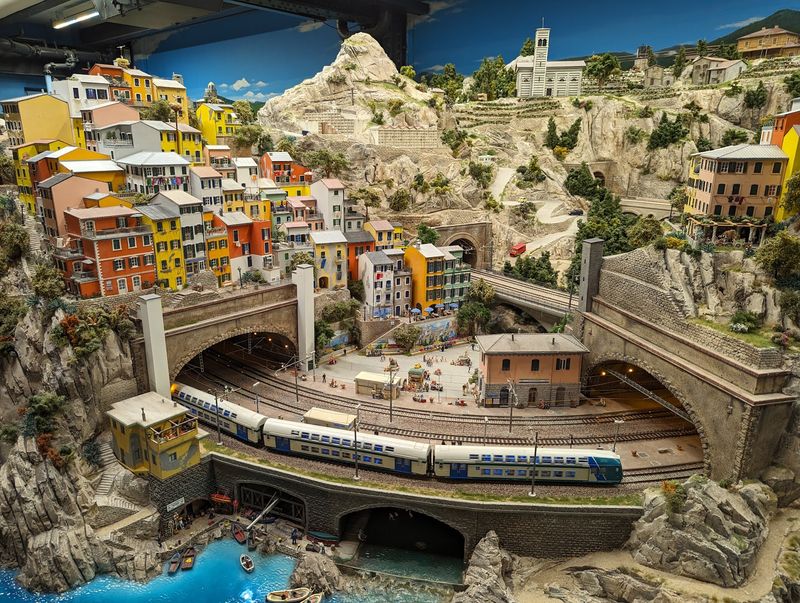
Hamburg is home to the largest model railway in the world, and it keeps growing. Miniatur Wunderland opened in 2001 in the old Speicherstadt warehouse district, and it now covers many themed areas, including Germany, Austria, the USA, Italy, and Scandinavia.
Hundreds of trains run through the scenes, along with cars, ships, and planes. The airport section has aircraft that taxi and take off on a model runway.
Day and night cycles change the lighting regularly, so the scenes look different through the hour.
Tickets are timed, so booking online is a smart move, especially on weekends and holidays. Plan on at least three hours, and more if you like details.
The Speicherstadt itself is a UNESCO World Heritage area, which makes the walk to the museum a sight on its own.
Narrenturm, Vienna, Austria
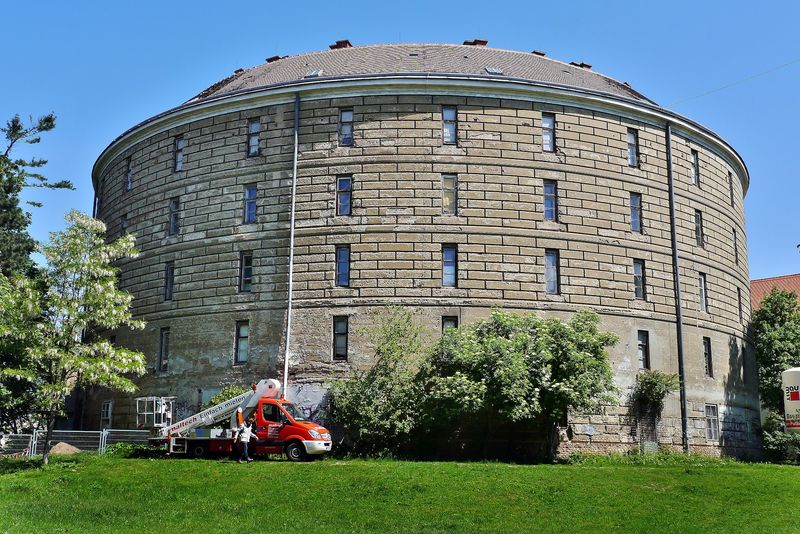
Round, gray, and a little mysterious, the Narrenturm looks like a fortress, but it was built as a hospital. Emperor Joseph II had it constructed in 1784 as one of Europe’s earlier purpose-built psychiatric facilities, and the name means Fools’ Tower.
Today it houses the Pathological-Anatomical Collection of the Natural History Museum Vienna. The cell-like rooms, arranged in a circle across five floors, hold medical models, specimens, and historic instruments.
Visitors interested in the history of medicine will find a lot of detail here.
The Narrenturm stands on the old general hospital grounds, now part of the University of Vienna campus. Opening days are limited and a few tours are offered, so check the museum’s website before you go.
The content is clinical, so it suits older children and adults best.
Chapel of Bones, Évora, Portugal
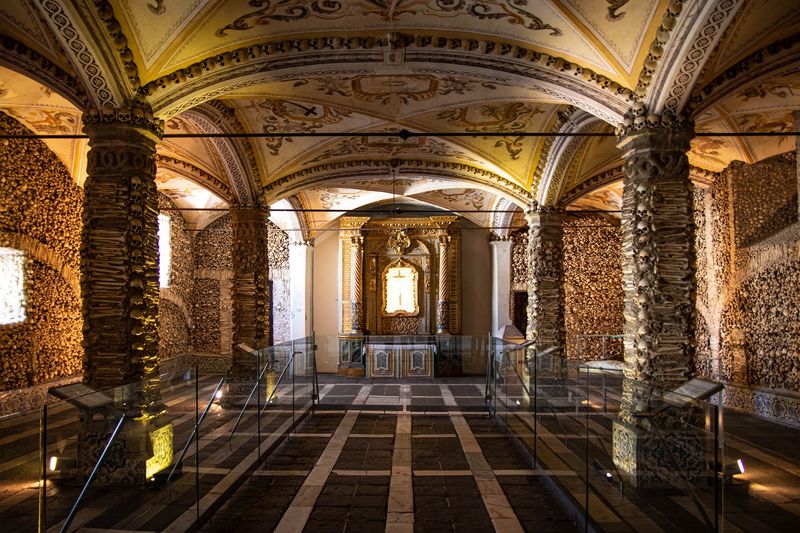
A short verse above the entrance sets the tone for this small chapel in Évora. The walls and pillars of the Capela dos Ossos are decorated with bones and skulls, arranged in neat patterns across the interior.
Franciscan monks built it in the 16th century, with the idea of encouraging visitors to think about life’s brief nature. The chapel is part of the Church of St. Francis, and the remains came from cemeteries around the city that needed more room.
Évora is a UNESCO-listed city about 90 minutes from Lisbon, and the chapel is right in the center, close to the Roman Temple. The visit itself is quick, often under half an hour.
Tickets are sold at the church, and a combined ticket includes the nearby museum and rooftop. Check hours before you go, as they vary by season.
House of Illusions, Ljubljana, Slovenia
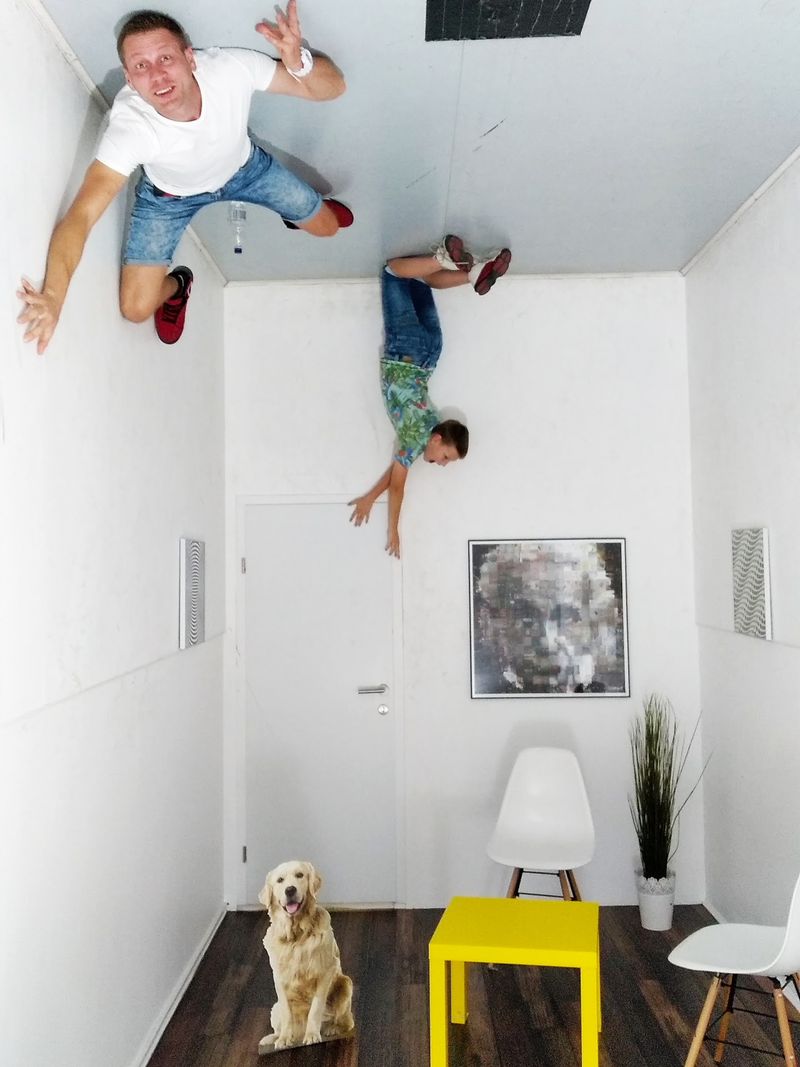
Bring a camera, because photos here rarely look like real life. The House of Illusions in Ljubljana is packed with more than 70 exhibits, including a vortex tunnel, a tilted room, holograms, and a room where people seem to shrink and grow.
Many displays are hands-on, so visitors can move through the space and try each trick for themselves. Families, friends, and curious solo travelers all tend to spend an hour or two testing how their eyes can be fooled.
The museum is in central Ljubljana, close to the river and the old town, which makes it easy to fit in between other stops. Slovenia’s capital is compact and walkable, so a rainy afternoon can be well spent here.
Check the official website for current ticket prices and hours before visiting.
Share this story