Mexico City keeps visitors busy for days, but the area around it has plenty to offer too. Within a few hours by road, you can climb ancient pyramids, stroll colonial streets, and sit by a mountain lake.
Some stops are famous, and others get far fewer visitors than they should. This list mixes archaeological sites, mountain towns, and historic cities so you can pick a day trip that fits your style.
Each one has its own personality, its own food, and its own reason to leave the capital behind for a day or a weekend.
Tepoztlán, Morelos
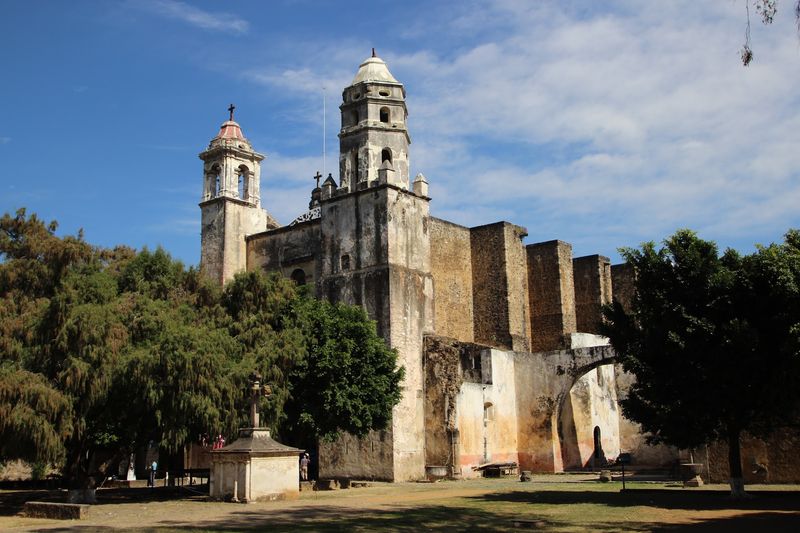
Steep cliffs rise right behind the rooftops of Tepoztlán, and that backdrop makes the town easy to recognize. Winding streets are lined with small restaurants, artisan shops, and vendors selling local food, including the town’s well known ice cream.
The big physical challenge is the hike toward the El Tepozteco archaeological site. The climb is steep, so wear sturdy shoes and start early in the day.
The reward is a wide view over the valley below.
Not up for a hike? That is fine.
The market and the lanes around it are enough for a full afternoon, especially if you like browsing crafts and trying regional snacks.
I would plan this trip around the walk and then save the second half of the day for food and wandering. That order keeps your energy up for the climb and leaves a slow, easy finish in town.
Puebla, Puebla
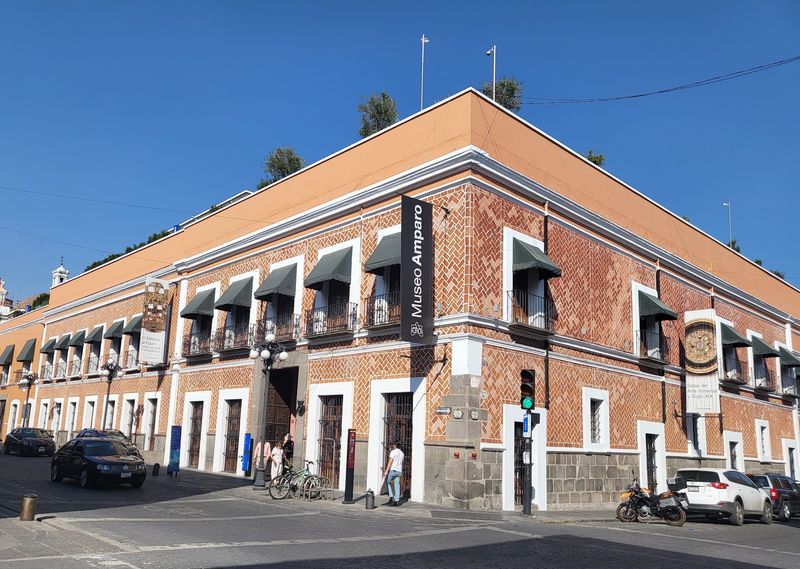
If your idea of a good trip involves eating well, Puebla belongs near the top of the list. The colonial city sits roughly two hours southeast of Mexico City and is known for its food as much as its architecture.
The historic center holds churches, colorful buildings, elegant plazas, and traditional Talavera tilework. Puebla Cathedral is a major stop, and the ornate Capilla del Rosario is another highlight for anyone who likes detailed church interiors.
Callejón de los Sapos is a good place to browse antique shops. When it is time to eat, try regional specialties such as mole poblano or a cemita sandwich.
Since the center is compact, walking is the easiest way to get around. Mix sightseeing with meal stops, and the day will feel balanced instead of rushed.
Cholula, Puebla
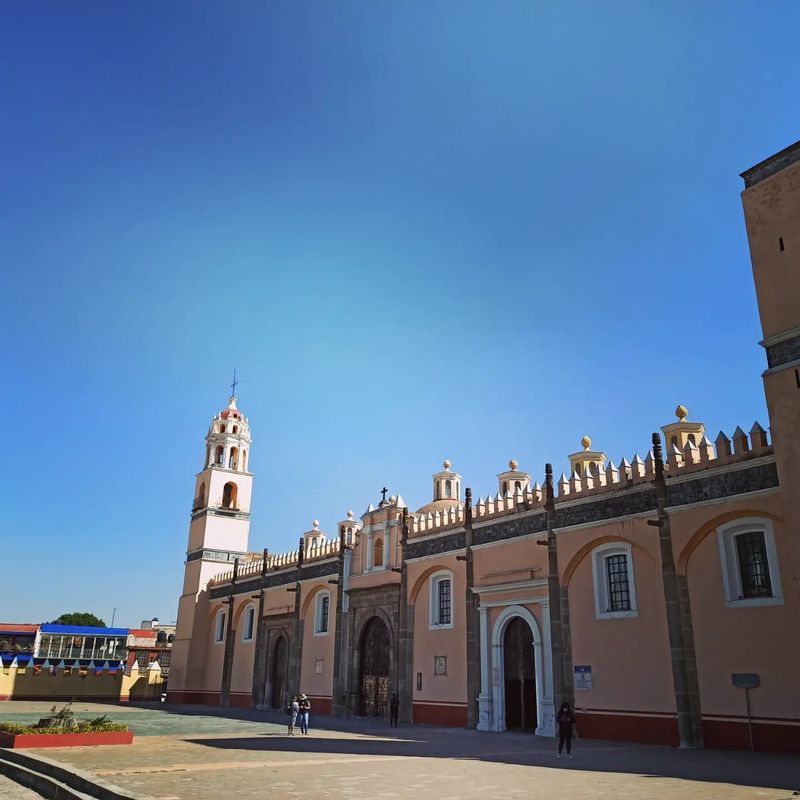
A church sits on top of what looks like a green hill, but the hill is actually the Great Pyramid of Cholula. The Sanctuary of Our Lady of Remedies crowns the ancient structure, which gives the town one of the most unusual skylines in central Mexico.
On clear days, the surrounding landscape includes views of the Popocatépetl volcano. That makes the summit a favorite spot for photography.
The town also has lively plazas, colorful churches, and cafés that are good for a break between sights. It pairs well with Puebla, since the two are close together.
Still, giving Cholula a day of its own allows more time to climb, wander, and sit in the plaza without checking the clock. History fans and photographers in particular will appreciate the slower pace.
Teotihuacán, State of Mexico
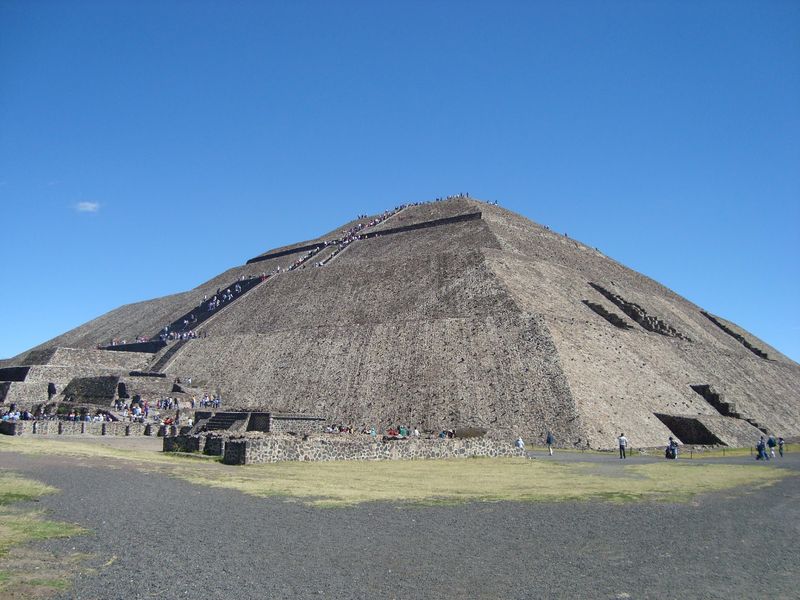
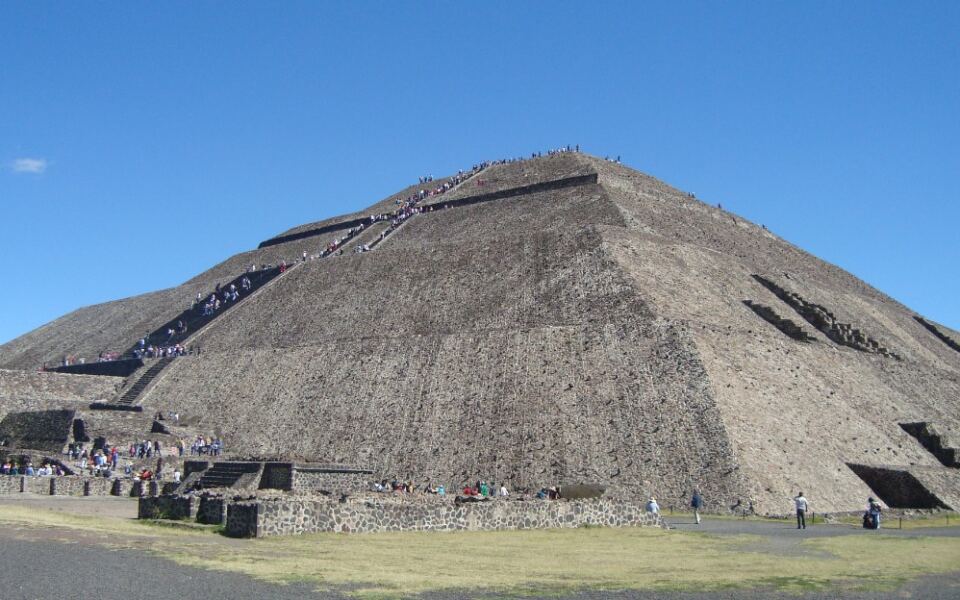
Long before the Aztecs arrived, a huge city already stood here, and its Avenue of the Dead still runs through the middle of the site. Teotihuacán sits about an hour northeast of Mexico City, which makes it an easy first choice for a day trip.
The Pyramid of the Sun is the giant of the zone, and the Pyramid of the Moon sits at the northern end of the avenue. The Temple of the Feathered Serpent is another major stop, so there is plenty to see without leaving the grounds.
Plan to arrive early. Morning hours help you avoid the strongest midday heat, and walking is easier when the paths are less crowded.
The site is open daily, and the grounds are large, so comfortable shoes, a hat, and water are smart things to bring.
Because the zone covers a lot of ground, give yourself a few hours rather than rushing from one pyramid to the next. The longer you stay, the more of this ancient city you will understand.
Taxco, Guerrero
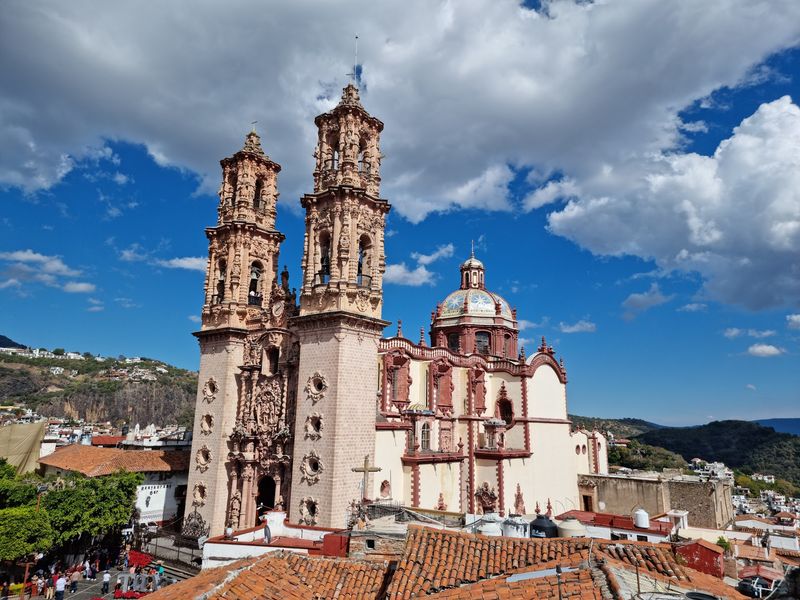
Silver built this town, and the shops still show it. Taxco climbs steep hillsides southwest of Mexico City, with whitewashed buildings, red-tiled roofs, and narrow cobblestone streets winding between them.
Santa Prisca Church dominates the historic center and is the landmark most visitors head to first. Nearby shops display silver jewelry and decorative pieces, so it is a good place to look at handmade work.
You can also enjoy traditional Guerrero cuisine and take in wide views from the town’s elevated viewpoints. Wear shoes with good grip, because the cobblestones and slopes can be tiring.
The drive takes roughly three hours each way, so this is a long day trip. An early start makes it much more comfortable, and an overnight stay is worth considering if you want to take your time.
Cuernavaca, Morelos
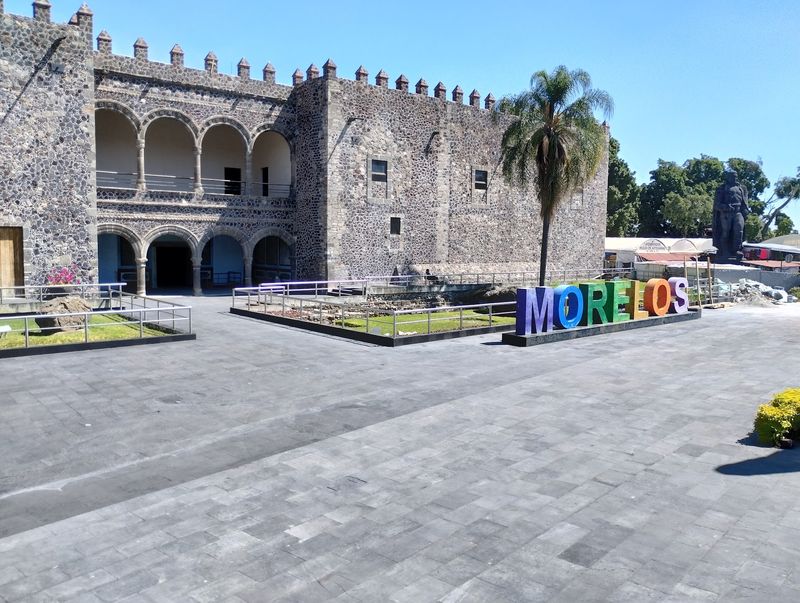
Nicknamed the City of Eternal Spring, Cuernavaca earned its reputation for pleasant weather. It sits about 90 minutes south of Mexico City, so it works well when you want a short trip with a slower pace.
History is easy to find here. The Palacio de Cortés and the city’s cathedral complex are two of the main sights, and the plazas and cafés nearby make good rest stops.
Art lovers can add the Robert Brady Museum to the plan. It features an eclectic art collection inside a beautifully decorated house.
With gardens, old buildings, and museums in one place, Cuernavaca makes an enjoyable excursion at any time of year. It is a good option when you want variety without a long drive.
Valle de Bravo, State of Mexico
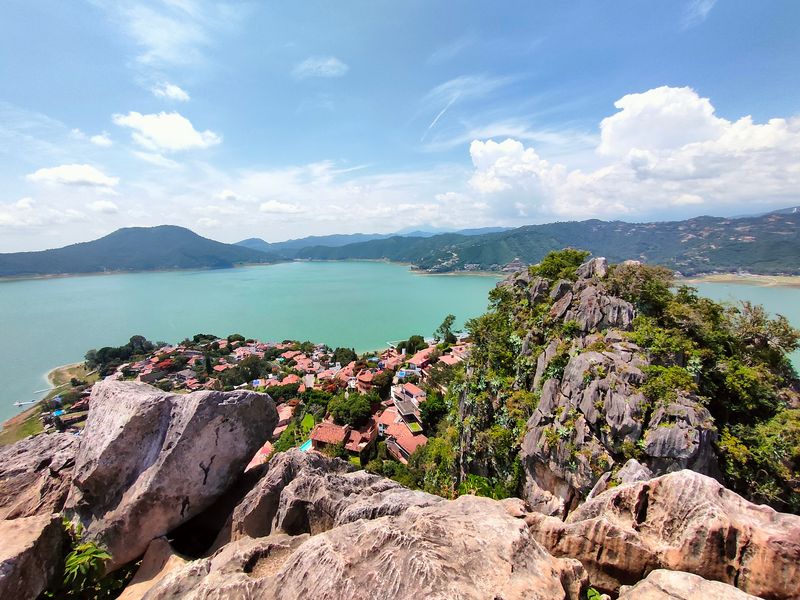
Forested mountains frame a big reservoir here, and the town of Valle de Bravo sits right beside it. The drive from Mexico City takes about two and a half hours heading west.
The water is the main draw, with boating and other water activities available. The hills around town attract hikers and paragliding fans, so active travelers have options both on the lake and above it.
The historic center has white buildings, red-tiled roofs, artisan shops, and restaurants. It is also a popular base for seasonal visits to nearby monarch butterfly sanctuaries.
A weekend suits this place best. Still, a full-day trip is possible if you leave early and keep your plan simple, perhaps one lake activity and one long walk through town.
Malinalco, State of Mexico
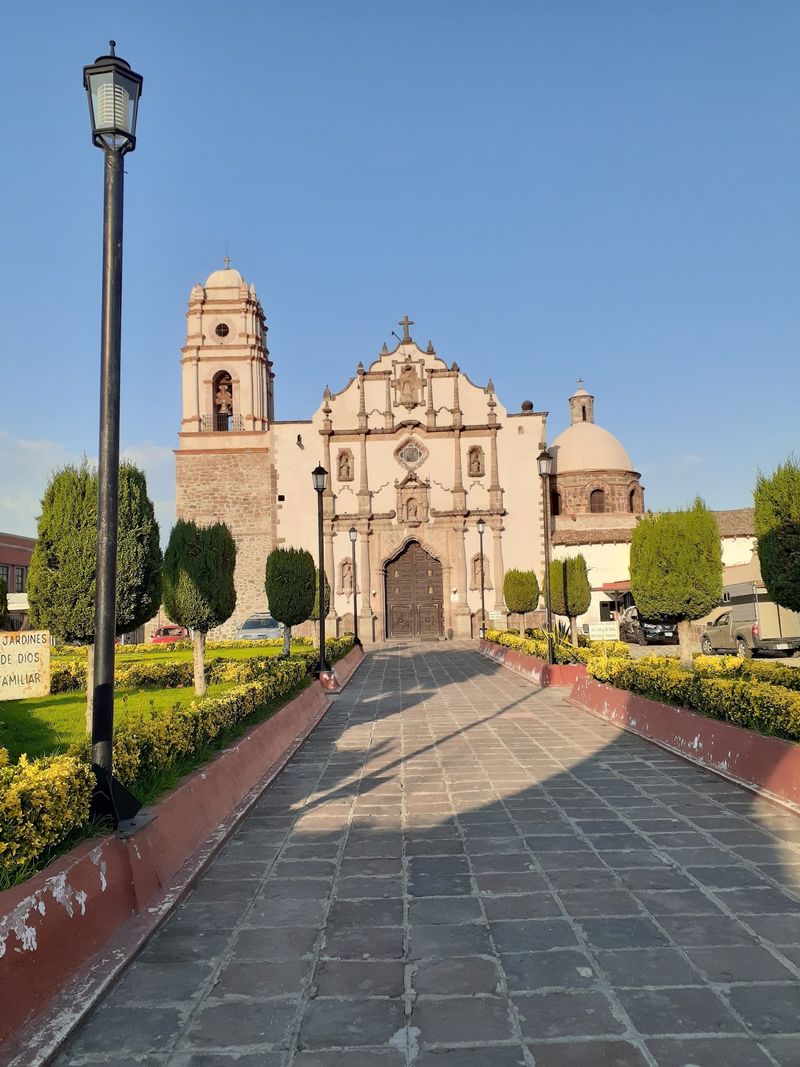
A temple carved straight into the mountainside is the headline here. Malinalco’s archaeological zone holds an extraordinary Mexica ceremonial complex, set among green hills and dramatic scenery.
Getting there takes effort, because the site requires climbing a substantial staircase. Take your time, bring water, and wear shoes you trust.
The history and the panoramic views make the climb worthwhile.
Once you come back down, the town offers colorful streets, traditional restaurants, and a picturesque central plaza. It is a gentle way to end a day of climbing.
Check the schedule before you go. The archaeological site is currently listed as open Tuesday through Sunday, so plan your trip around those days.
Tepotzotlán, State of Mexico
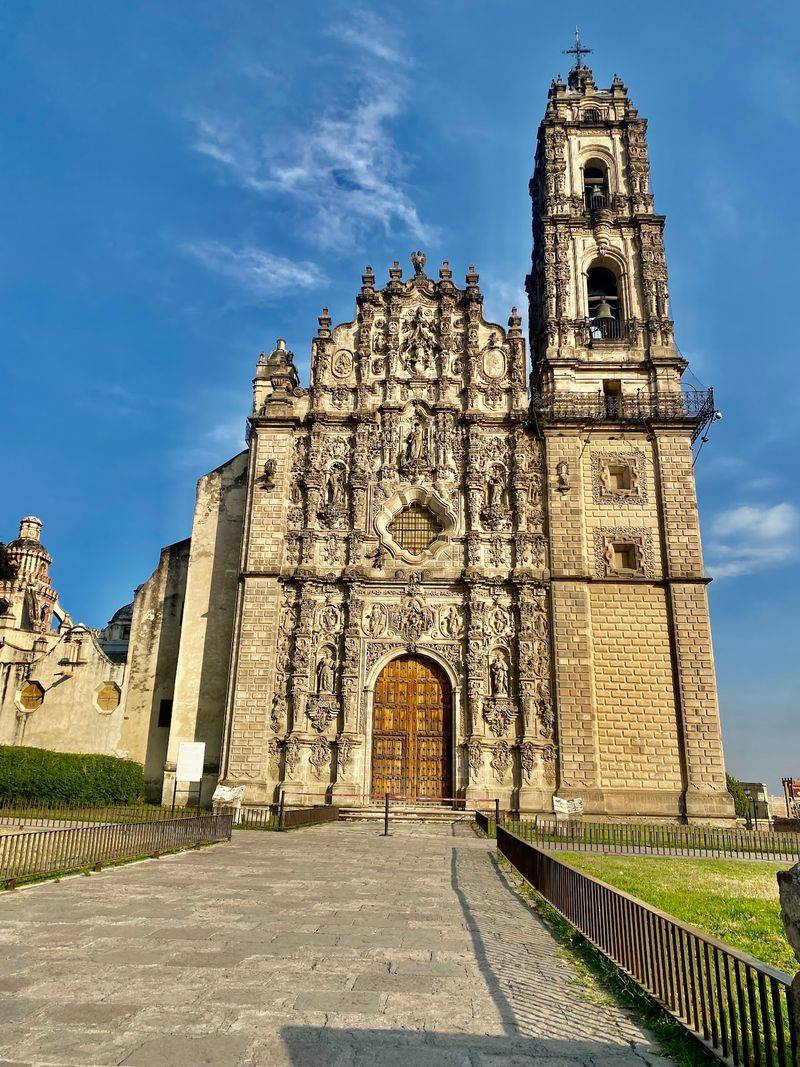
Anyone who likes ornate church art will find a lot to study in Tepotzotlán. The town lies north of Mexico City and is best known for its former Jesuit college complex, which houses the National Museum of the Viceroyalty.
The architecture and collections offer a detailed look at the art and history of colonial Mexico. The historic church facade is also worth a slow look before you head inside.
Outside, the central plaza is a good place to rest, and local craft stalls give you a chance to browse for souvenirs.
The trip is more relaxed than some other excursions on this list. There is no big climb, which leaves plenty of time for sightseeing and photographs.
Tula de Allende, Hidalgo
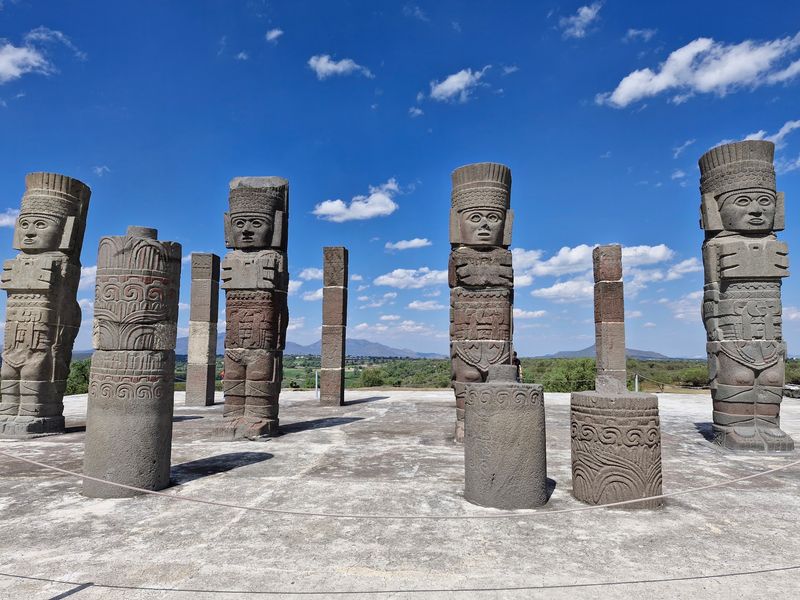
Tall stone warriors stand watch on top of Pyramid B in Tula, and they are the reason most people make the trip. The Atlantean figures are among the most recognizable examples of Toltec art.
Tula was once an important Toltec center and lies around 90 minutes north of Mexico City. The archaeological zone also has ancient platforms, ceremonial structures, and the remains of ball courts.
Walking the site helps explain how the Toltecs influenced later Mesoamerican cultures, so it is a good stop for curious history fans.
The zone is listed as open daily. If crowds at Teotihuacán are not your style, Tula makes a quieter alternative with its own famous monuments.
Xochicalco, Morelos
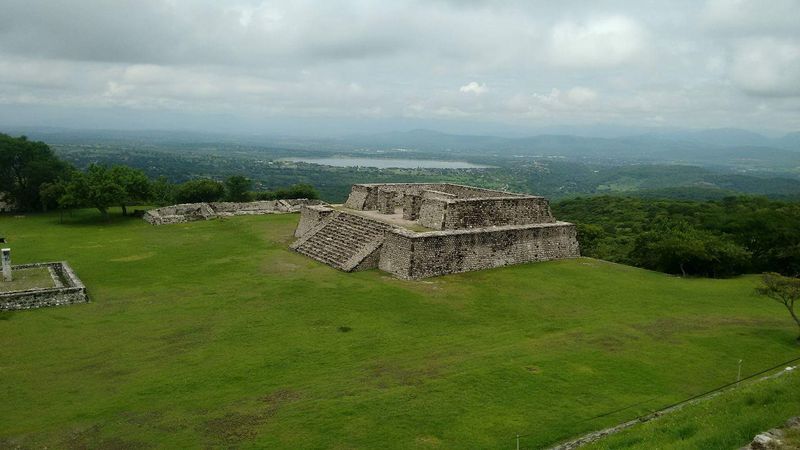
Built on a hilltop, Xochicalco was a fortified settlement with views stretching across the Morelos countryside. The site is UNESCO-listed, which tells you how important it is to the region’s history.
The most celebrated monument is the Pyramid of the Feathered Serpents, known for its elaborate stone carvings. Around it you will find ceremonial plazas and other ancient structures that reflect careful urban planning.
Travelers who enjoy archaeology but want a site less famous than Teotihuacán may like it here. The setting is open and spacious, so bring sun protection and water.
The archaeological zone is currently listed as open every day, which makes it simple to fit into a trip with nearby Cuernavaca or Taxco.
Real del Monte, Hidalgo
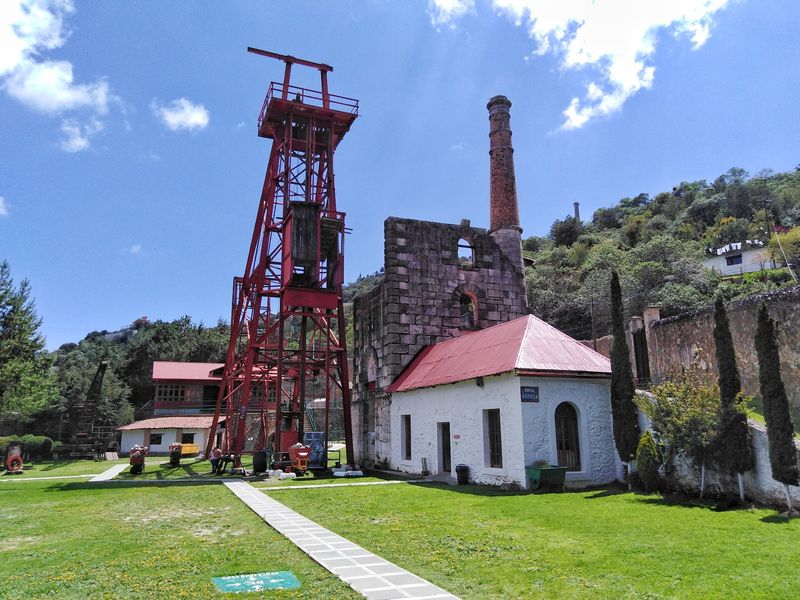
Cornwall, England, left a tasty mark on this mountain town. Real del Monte, also called Mineral del Monte, is famous for pastes, savory pastries introduced through the influence of Cornish miners.
The town sits in the mountains near Pachuca and has colorful buildings, narrow streets, and a cool highland climate. A light jacket is a good idea even if it is warm in the capital.
Mining history is the heart of the story. You can explore historic mining sites, admire the architecture, and sample pastes from local shops.
That mix of mountain scenery, culture, and distinctive food makes this a memorable change from the busy streets of Mexico City.
Tlaxcala City, Tlaxcala
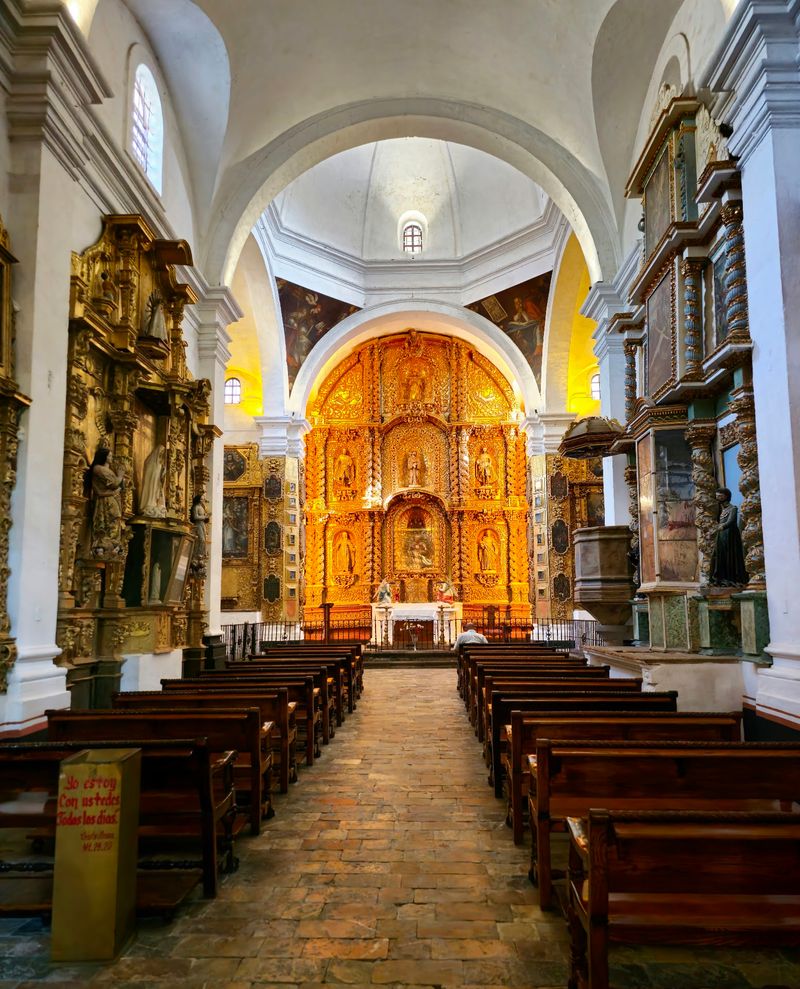
Smaller crowds make Tlaxcala City a pleasant surprise. About two hours east of Mexico City, its compact historic center lets you see several cultural sights in one visit without much travel between them.
Highlights include the main square, historic government buildings, and impressive religious architecture. Inside the Government Palace, murals show important episodes from Tlaxcala’s past.
Traditional markets and restaurants give you a chance to try regional cuisine between stops.
With historic streets and a relaxed pace, Tlaxcala is a good choice if you want colonial charm away from the more familiar tourist destinations.
Share this story