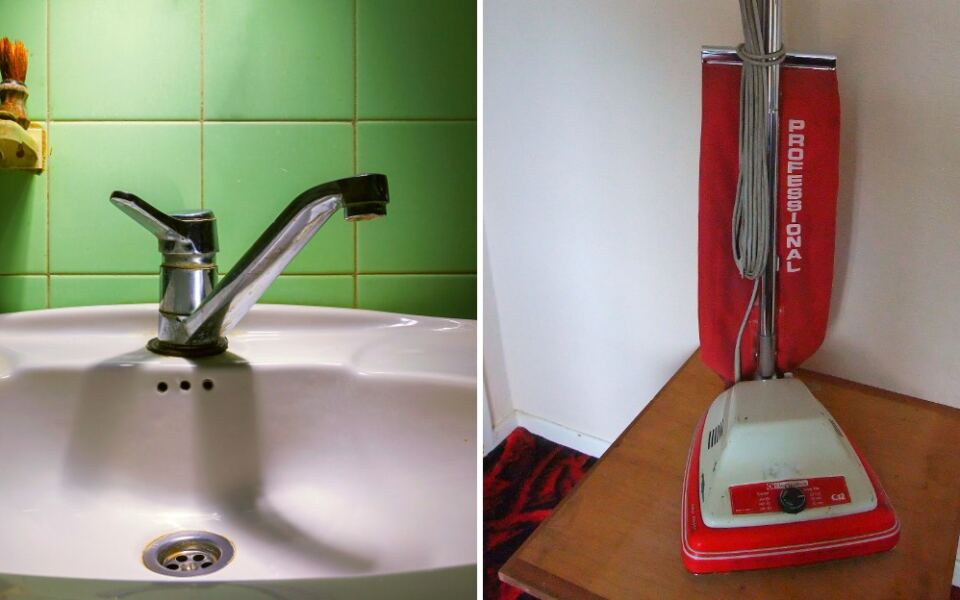
Before online tutorials and next-day delivery, a broken household item usually meant a trip to the garage instead of the store. Through the 1940s, 1950s, and 1960s, many American families kept toolboxes, spare washers, patch kits, and sewing tins within easy reach.
Fixing things was not a hobby. It was simply how households stretched their money.
The Great Depression and wartime rationing taught a whole generation to make do and mend, and those habits stuck long after the hard years ended. Appliances came with repair manuals, hardware stores sold individual parts, and neighborhood repair shops serviced radios, shoes, and vacuums.
Then things changed. Cheap imports, plastic parts, sealed electronics, and rising labor costs made replacing an item easier than repairing it.
Today, plenty of perfectly fixable objects end up at the curb because nobody checked what was actually wrong. Sometimes the problem is a single loose screw.
The skills Grandpa used were rarely complicated, but they are surprisingly easy to forget. In the list below, you will learn which everyday objects he could bring back to life, why they used to be repairable, and what changed along the way.
You might even find a fix worth trying this weekend.
1. A Toaster That Stopped Toasting
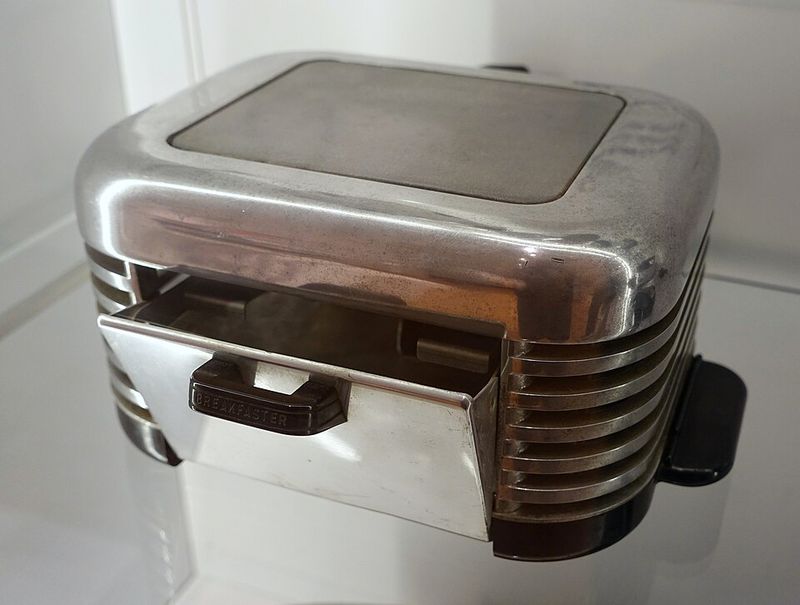
Mid-century toasters were built a lot like little machines, with springs, levers, and a simple timer you could actually see.
When the bread refused to stay down, Grandpa usually suspected crumbs first. A jammed latch, a bent lever, or a stuck crumb tray caused many of the problems.
Cleaning and gently straightening parts often solved them.
Many 1950s models used screws instead of glued plastic shells. That meant a curious owner could open the case and see what had gone wrong.
Modern toasters tell a different story. Many cost less than an hour of professional repair labor, and their parts are often sealed inside.
Electrical faults deserve real caution. A burned-out heating element or frayed cord can cause shocks or fires, so those jobs belong with a qualified expert.
Still, shaking out the crumbs before shopping for a new toaster costs nothing.
2. A Wobbly Wooden Kitchen Chair
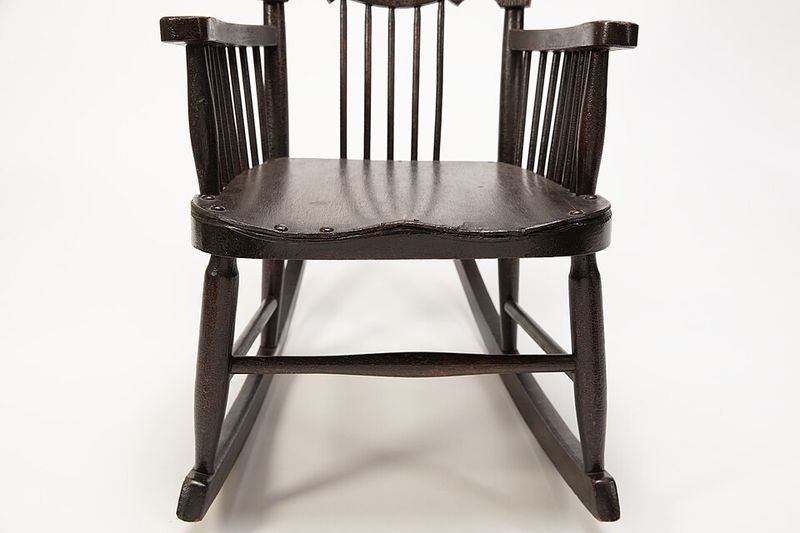
Plenty of family chairs have outlived the people who first bought them, mostly thanks to a bottle of wood glue.
Older chairs often used mortise and tenon joints, where one piece of wood fits snugly into a hole in another. Humidity and years of leaning back loosened those joints over time.
Grandpa’s fix was patient and simple. He pulled the loose joint apart, scraped away old glue, added fresh glue, and clamped it overnight.
Stripped screw holes had a clever solution too. Wooden toothpicks dipped in glue filled the hole so the screw could grip again.
Many budget chairs today use particleboard or MDF. Once those materials crack or crumble, glue has little to hold onto.
Solid wood is far more forgiving. It can be reglued, sanded, and refinished again and again, giving one sturdy chair several decades of service.
3. A Bicycle With a Flat Tire
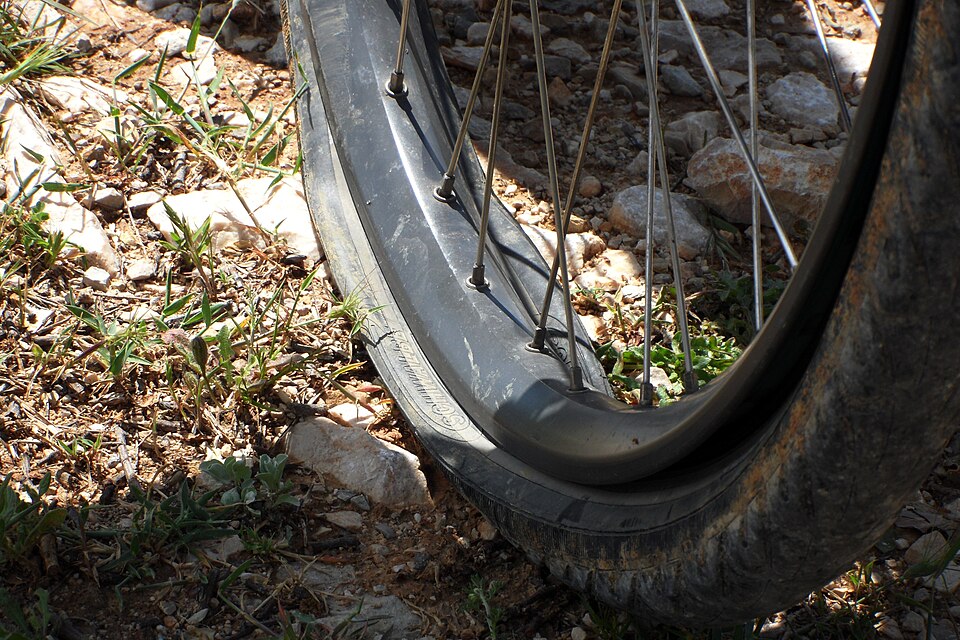
Ask anyone raised in the 1960s about summer, and a flat tire probably shows up in the story.
Repair kits were cheap and tiny. A typical tin held rubber patches, a scrap of sandpaper, and a small tube of rubber cement.
Grandpa flipped the bike upside down so it rested on the seat and handlebars. Then he pried off the tire, pulled out the inner tube, and hunted for the leak.
Dunking the tube in a bucket of water was the classic trick. Bubbles marked the exact spot of the puncture.
After roughing up the rubber, he spread the cement, pressed on the patch, and pumped the tire back up.
Many riders now swap in a whole new tube or visit a bike shop. Patching still works, though, and it remains one of the easiest repairs any kid can learn.
4. A Lawn Mower That Wouldn’t Start
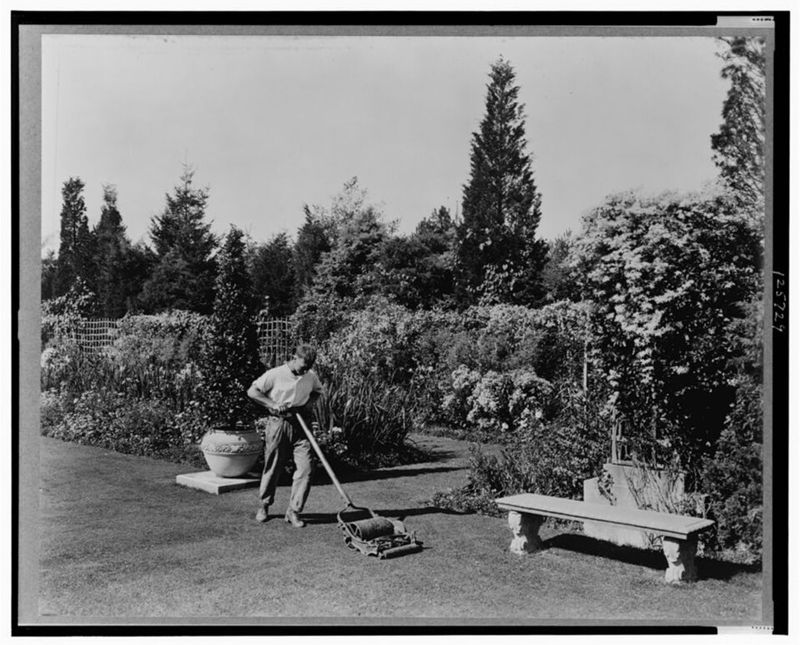
Spring usually began with a ritual: pull the cord, pull again, and then fetch the toolbox.
Grandpa knew the usual suspects on a gas mower. Stale fuel, a dirty air filter, and a fouled spark plug caused most stubborn starts.
Old gasoline was a frequent troublemaker. Fuel left sitting all winter could gum up the carburetor, which is why many owners later added fuel stabilizer in the fall.
A spark plug cost very little and took minutes to replace. Cleaning the air filter and changing the oil kept the engine healthy for years.
Older mowers had engines that were easy to reach and understand.
Some cheaper machines today are not worth professional labor, so they get tossed early. Before replacing one, check the basics.
Always disconnect the spark plug wire first, since blades can move unexpectedly.
5. A Leaky Kitchen Faucet

A single drip may seem harmless, but a steady one can waste gallons of water every day.
Many mid-century kitchens had compression faucets with separate hot and cold handles. Inside each handle sat a small rubber washer that pressed down to stop the flow.
Over time, those washers wore out. Grandpa simply shut off the water, removed the handle, and swapped in a new one.
Lots of households kept an assortment of washers in a drawer. A screwdriver and an adjustable wrench handled the rest.
Newer faucets often use cartridges, balls, or ceramic discs. They tend to be reliable, but leaks may require brand-specific parts.
Materials matter too. Faucets made from lead-free brass or stainless steel can last fifteen to twenty years, while zinc alloy or plastic versions may give out much sooner.
Finding the right part beats buying a whole new fixture.
6. A Lamp That Suddenly Went Dark
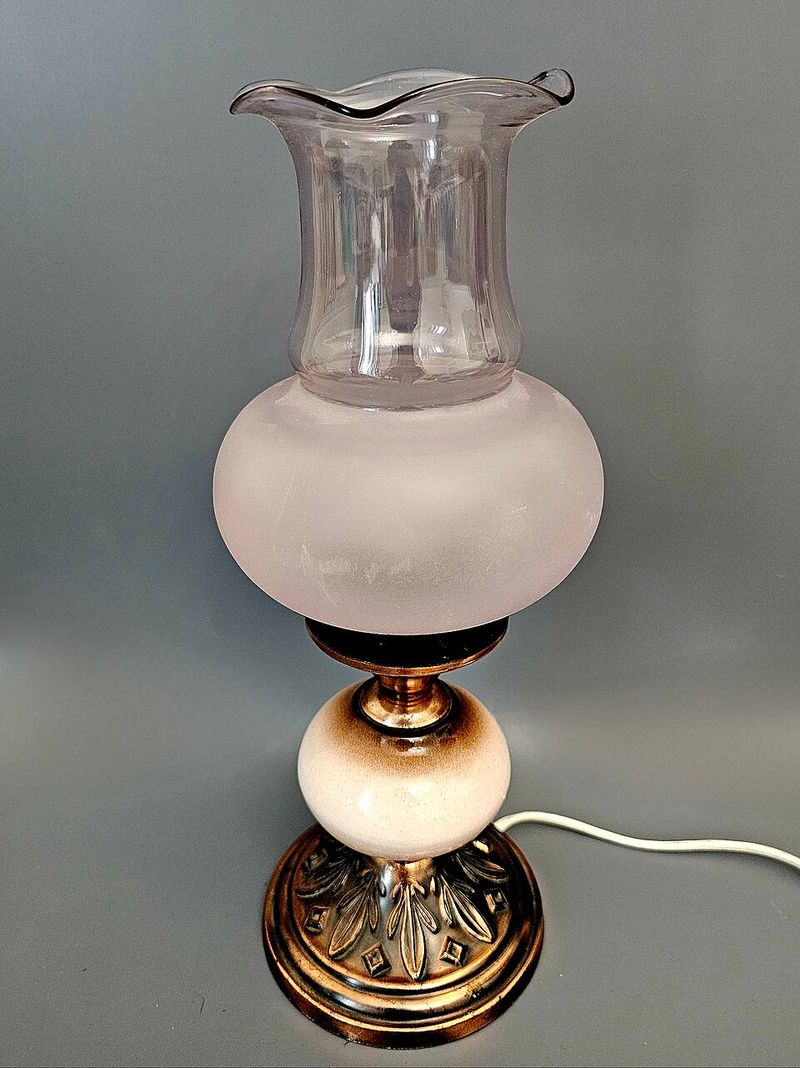
Hardware stores once sold lamp parts the way grocery stores sell bread, right there on open racks.
That made sense, since older lamps were simple. Most had just three main parts: a cord, a switch, and a socket.
Grandpa started with the obvious. He tried a fresh bulb, then checked for loose wires at the socket.
If those were fine, he replaced the switch or the whole socket.
Rewiring an old cord was a common afternoon project. A heavy brass lamp or one from a family wedding was well worth the effort.
Inexpensive lamps today often get replaced without a second look.
Very old wiring can crack and become a shock or fire hazard. Antique lamps deserve a professional inspection.
Even so, the lamp itself is rarely the problem. Usually, one small part has simply worn out.
7. A Screen Door With a Hole in It
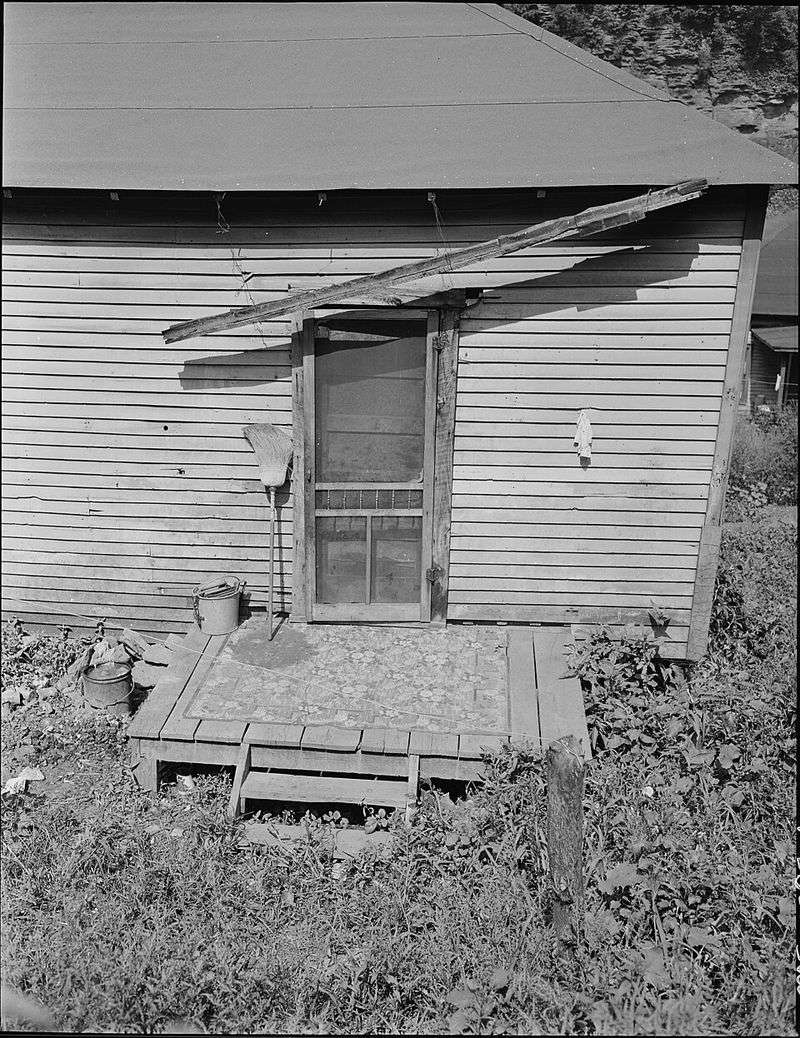
Screens seem ordinary now, but they reshaped American homes. Wire mesh screens spread widely in the late 1800s and early 1900s, replacing cheesecloth and horsehair.
By the 1950s, screens were credited with helping reduce insect-borne illness across the country.
Early screens used painted iron, then galvanized iron, bronze, and copper. Modern versions are usually fiberglass, nylon, or polyester.
When a baseball or the family dog punched a hole through one, Grandpa did not shop for a new door. He laid the frame flat and pulled out the old spline, a flexible cord that holds the mesh in a groove.
Next came new mesh, a fresh spline, and a spline roller to press everything tight. A utility knife trimmed the extra.
The job takes maybe an hour. Many homeowners still hire it out, even though the tools cost very little.
8. A Radio That Had Gone Silent
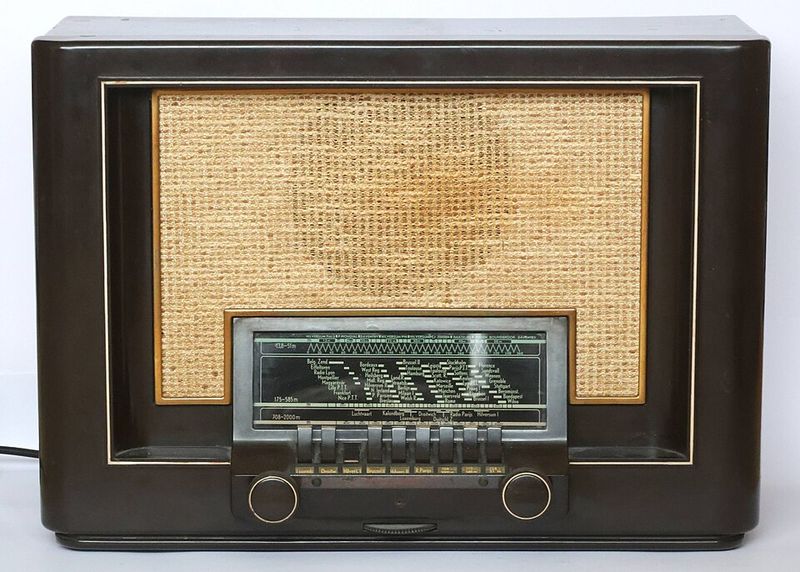
Drugstores in the 1950s often had a tube tester near the front counter, and customers brought in their own radio tubes to check them.
Vacuum tubes powered radios and early televisions for decades. They wore out eventually, but they plugged into sockets and could be swapped like light bulbs.
If testing a tube did not solve the problem, families visited a local radio repair shop. Nearly every town had one, staffed by technicians who replaced faulty parts.
People simply expected electronics to be serviced.
Transistors changed everything. Solid-state radios arriving in the late 1950s and 1960s were smaller and more reliable.
They were also packed tightly, making home repair much harder.
Vintage radios can hold dangerous voltage even when unplugged, so internal work belongs with trained restorers. Collectors still treasure these sets, and many work beautifully after expert service.
9. A Broken Zipper on a Favorite Jacket
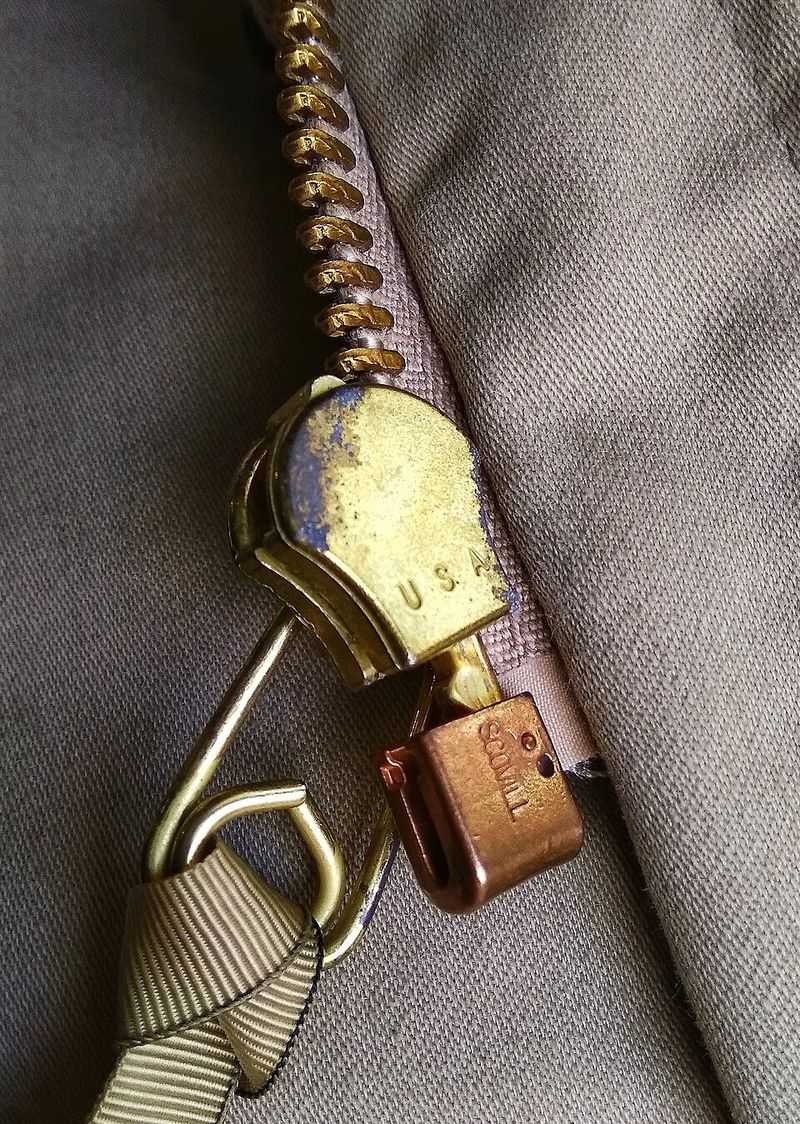
One stubborn zipper has sent countless good jackets to the donation bin, which is a shame, because the fix is often minor.
A zipper has three main parts: the teeth, the slider, and the fabric tape. Most trouble comes from a worn slider that no longer squeezes the teeth together.
Grandpa checked the simple things first. Lining fabric caught in the track, dirt between the teeth, or a slightly bent tooth could be cleared with patience and pliers.
If the slider was worn, a new one could be fitted. When the whole zipper failed, a tailor or dry cleaner could sew in a replacement.
For a heavy canvas work coat, that service was a bargain. It saved a garment with years of wear left.
Tailors still offer this repair today, and it often costs less than people expect.
10. A Loose Door Handle That Rattled Every Time It Opened

Most rattling door handles need about two minutes and one screwdriver.
Grandpa knew this well. Older knobs and locksets were mostly metal, with fewer plastic parts that could snap.
The usual causes were simple. Mounting screws worked loose from daily use, the spindle connecting the two knobs wore down, or the latch drifted out of line with the strike plate.
Tightening the screws on the handle plates fixed many problems right away. Adjusting the latch or strike plate solved most others.
When internal parts truly wore out, replacements were often sold separately. That let owners keep their original brass or glass knobs.
Some budget handle sets today are built as sealed units. When one piece fails, the whole set gets replaced.
Before buying new hardware, grab a screwdriver. The fix might be hiding in plain sight.
11. A Vacuum Cleaner That Lost Suction
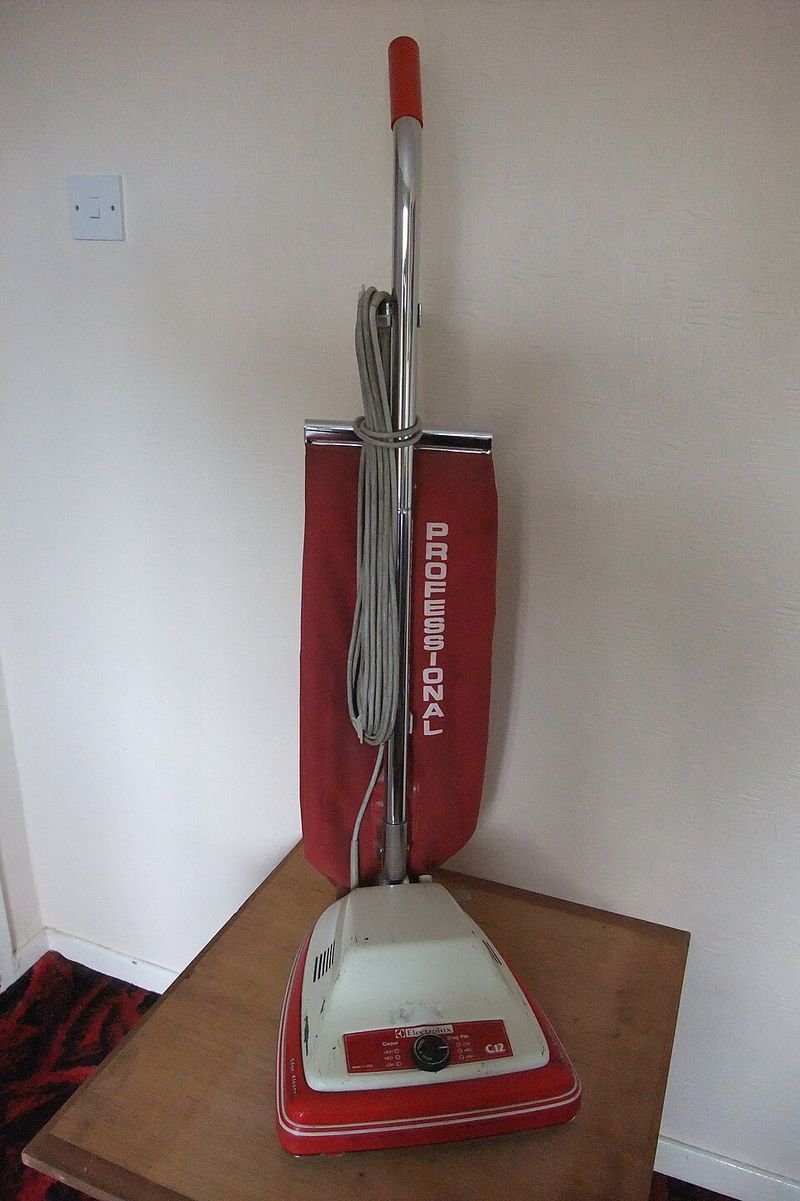
Hoover, Electrolux, and Kirby salesmen once went door to door demonstrating vacuums, and many of those machines lasted for decades.
Owners were expected to maintain them. When suction dropped, Grandpa checked three things: the bag, the hose, and the brush roll.
A full bag was the most common culprit. A sock or toy stuck in the hose came next.
Hair and string wrapped around the brush roll also slowed things down.
Upright models used a rubber drive belt to spin the brush. Belts stretched or snapped, but replacements were cheap and easy to install.
Hardware stores sold bags and belts for specific models, so finding parts was simple.
Modern vacuums brought bagless designs and HEPA filters. The same lesson still applies.
Clean the filter and check for clogs before deciding the machine has reached the end.
12. A Wooden Fence Gate That Wouldn’t Close

Gravity is patient, and every wooden gate eventually feels it.
Sagging usually starts small. Hinge screws loosen, the heavy frame pulls downward, or the post leans after years of shifting soil.
Grandpa had a practical routine. He tightened the hinges first, swapping stripped screws for longer ones that bit into fresh wood.
If the gate still dragged, he added a diagonal brace. The brace runs from the bottom hinge corner up to the top latch corner, supporting the weight.
Hardware stores later sold anti-sag kits with a steel cable and turnbuckle. Turning it lifts the drooping corner back into place.
Regular care kept problems away. Oiling hinges, checking for rot, and restaining every few years protected the wood.
A leaning post is a bigger job, but it rarely requires a whole new fence.
13. A Wind-Up Clock That Stopped Ticking
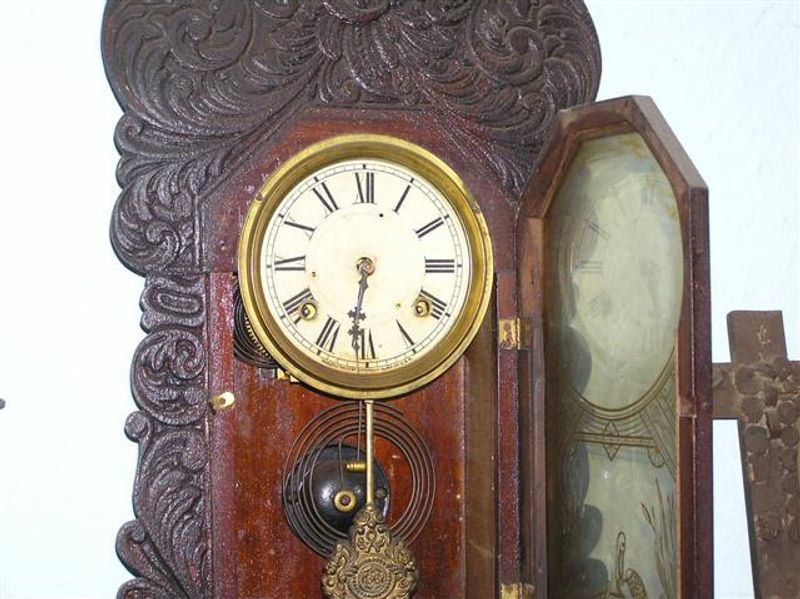
Winding the mantel clock every Sunday was a household chore as regular as taking out the trash.
Inside, these clocks ran on springs, gears, pivots, and an escapement that releases energy one tick at a time.
Some stops had easy fixes. A clock set on an uneven shelf could fall out of beat, meaning its tick and tock were no longer even.
Leveling it sometimes did the trick.
Other trouble came from old oil. Over years, lubricant thickens and traps dust, creating a gritty sludge that wears down parts.
That required a trained clockmaker. Movements needed careful cleaning and special clock oil, usually every few years.
Household spray lubricants could ruin a fine movement.
Battery clocks are usually tossed once a fresh battery fails. Mechanical clocks, with proper service, often stay running for generations.
14. A Wooden Table With Scratches and Water Rings
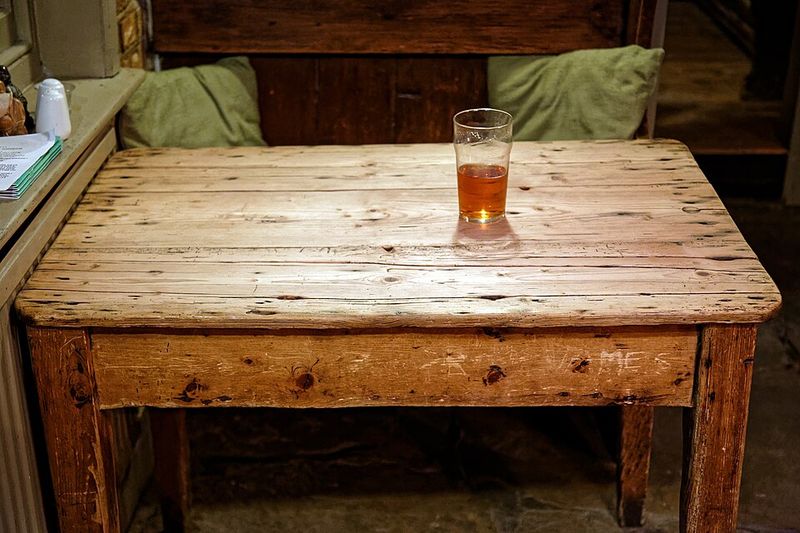
A forgotten glass of iced tea has left its mark on many family tables.
Grandpa knew the color of a ring told the story. White, cloudy rings usually sit in the finish, not the wood, which makes them easier to fix.
Common home remedies included low heat from an iron over a cloth, or gently rubbing with a paste of baking soda. Some people swore by mayonnaise.
Dark rings meant water had soaked into the wood itself. Those called for sanding and refinishing.
Light scratches had a famous trick too. Rubbing a shelled walnut over the mark let its oils blend the scratch away.
Solid wood made all of this possible. Unlike thin veneer or laminate, it can be sanded and refinished multiple times.
That is why so many old tables still host holiday dinners today.
Share this story