Some trips let you stand exactly where people stood thousands of years ago. This list gathers twelve real archaeological sites across Europe, from a buried Roman city to painted caves, a Bronze Age sky disc, and a ship burial site in the English countryside.
Some places let you walk right through the ruins, while others protect the original and offer careful recreations instead. Each stop has its own story, its own visiting rules, and its own reason to earn a spot on your travel map.
Whether you love history, enjoy a good road trip, or just like seeing something you have never seen before, there is a site here that will catch your attention. Opening hours change by season, so check official websites before you go.
Save this list, send it to a travel buddy, and start planning your next adventure.
Pompeii, Italy
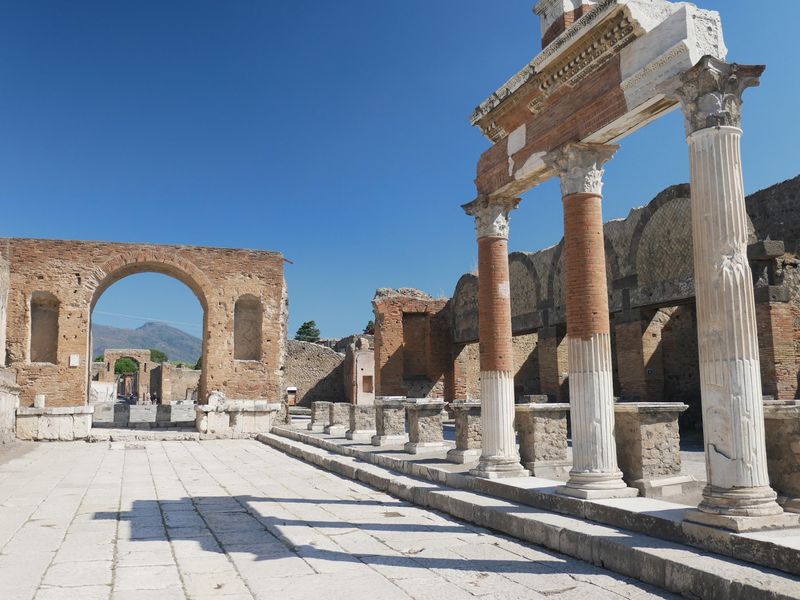
Few ancient places feel as busy as Pompeii, even though nobody has lived there for almost two thousand years. The Roman city was buried after Mount Vesuvius erupted in AD 79, and that sudden burial kept streets, homes, shops, public buildings, mosaics, and wall paintings in place.
Visitors can walk through large sections of the old city. Stone streets, doorways, and painted rooms give a clear picture of how Romans lived day to day.
Digging has never really stopped here. Archaeologists keep finding new details about Roman life, so Pompeii is more of a working research site than a monument stuck in the past.
A practical tip: some buildings close now and then for conservation or research, so you may not see every room on your list. The archaeological park is open to visitors with seasonal hours, so check the schedule before you plan your day.
Wear comfortable shoes, because the old paving stones are uneven and the site is large.
Göbekli Tepe, Turkey
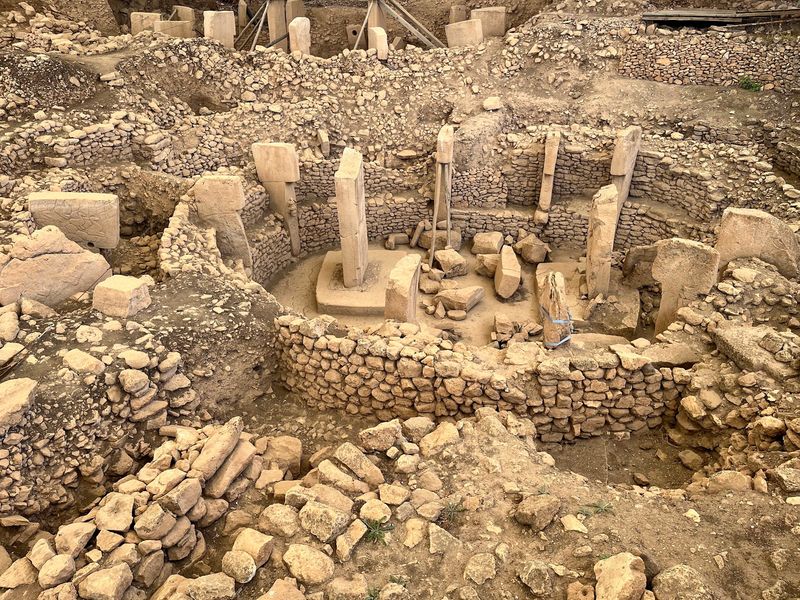
Here is a number that stops people in their tracks: roughly 11,000 years. That is about how old the stone enclosures and carved T-shaped pillars at Göbekli Tepe are, and the site near Şanlıurfa in Turkey has changed how experts think about prehistoric people.
The age makes the building skill especially surprising. Put simply, these early communities were able to carve, move, and arrange massive stones long ago.
Only part of the site has been excavated so far. That means archaeologists may still have plenty of discoveries ahead of them.
Visiting is straightforward. Göbekli Tepe is open daily, and a protective roof covers the dig area while designated walkways let you look down at the excavated enclosures.
Bring a hat and water if you go in warm months, and plan some extra time in Şanlıurfa itself, since the city sits close by.
Sutton Hoo, England
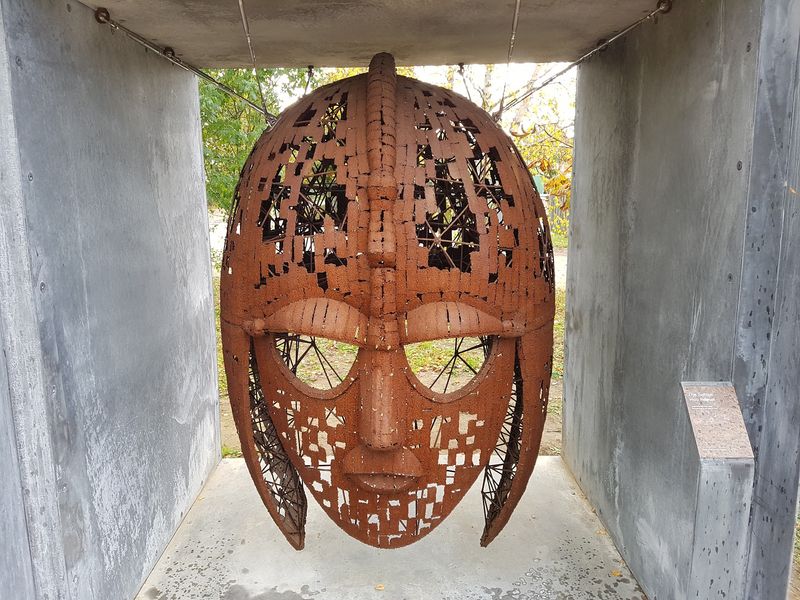
A single discovery in 1939 rewrote part of early English history. At Sutton Hoo, diggers uncovered an Anglo-Saxon ship burial filled with objects tied to wealth, craftsmanship, and royal power.
That find changed how people understand early medieval England. It showed a society with far more skill and reach than many had assumed.
Today the site is run by the National Trust. You can wander the Royal Burial Ground, where the grassy mounds sit in open Suffolk countryside.
There is also a 17-meter viewing tower, which gives you a wider look at the landscape. Exhibitions on site show original and replica objects connected with the excavations, so you can connect the ground you walked with the treasures found there.
The site is open through much of the year, so check the National Trust page for current times before you set out. Good walking shoes help, since a lot of the visit is outdoors.
Newgrange, Ireland
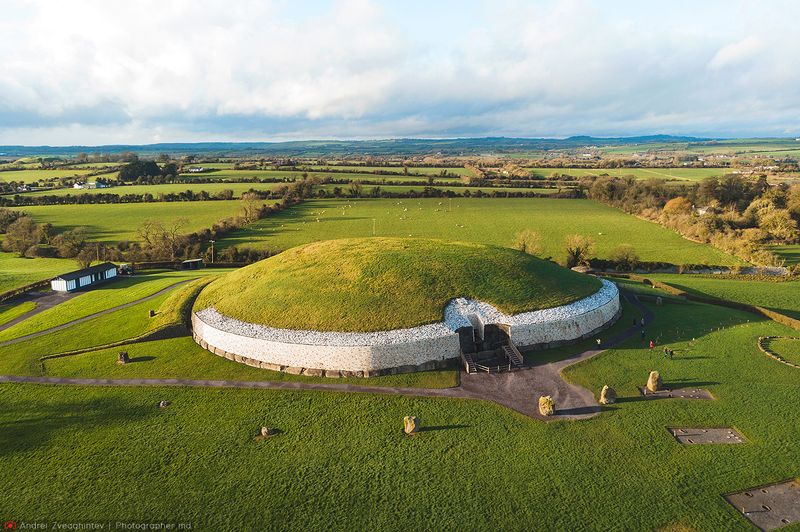
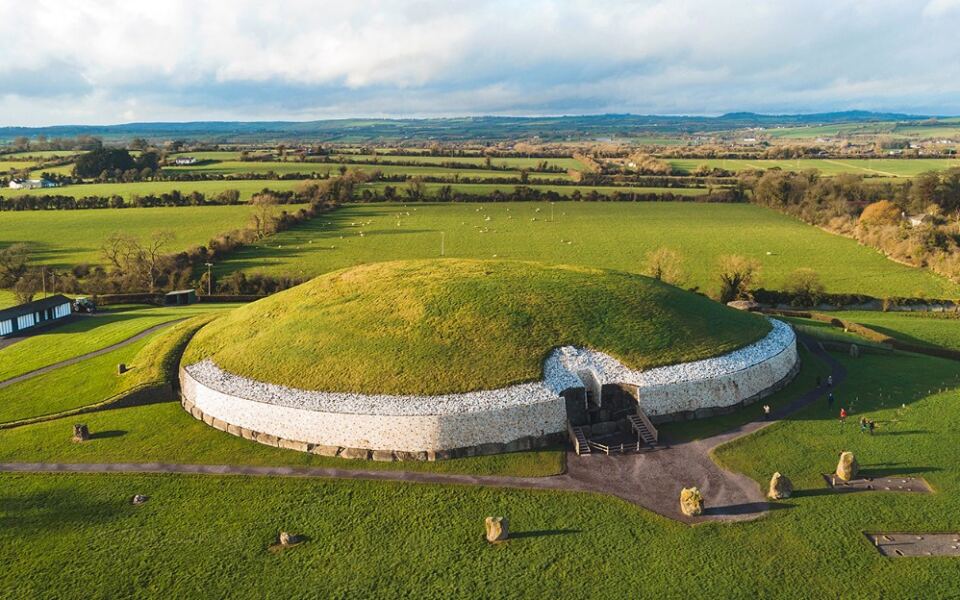
Stonehenge and the Egyptian pyramids at Giza are both younger than Newgrange. The passage tomb in Ireland was built more than 5,000 years ago, which gives it a major head start on two of the world’s most famous monuments.
Its most celebrated feature involves the winter solstice. When the sun rises on that day, light can reach into the inner chamber.
Getting inside takes a bit of planning. Visitors begin at the Brú na Bóinne Visitor Centre, and access to the monument itself comes through organized tours.
Because capacity is limited, booking ahead is considered essential. Showing up without a ticket could leave you standing outside the gate.
Build in time for the visitor centre as well, since it sets the scene before the tour. Dress for Irish weather, because the walk and the outdoor portions of the visit can be breezy or damp.
Vindolanda, England
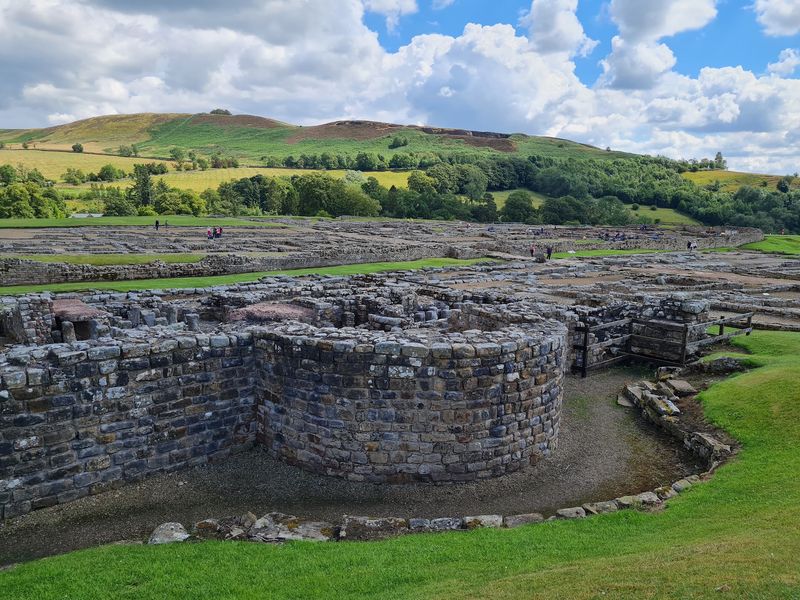
Handwriting from Roman soldiers’ everyday life survived here, and that is what makes Vindolanda stand out. The Vindolanda writing tablets give rare glimpses into ordinary messages written on the Roman frontier.
The settlement stood near Hadrian’s Wall, and its unusually well-preserved remains have produced some of Britain’s most important Roman discoveries. It is a place where small, personal details matter as much as big stone walls.
Digging goes on here. In June 2026, researchers uncovered a carved Roman guardian figure that had been hidden beneath a barrack floor for around 1,600 years.
Because work continues, a return visit can show you something different from the last one. The site and its museum are both open to visitors.
Pair your trip with a walk along nearby parts of Hadrian’s Wall if the weather is kind. Check current opening times first so you can plan both the dig area and the museum.
Skara Brae, Scotland
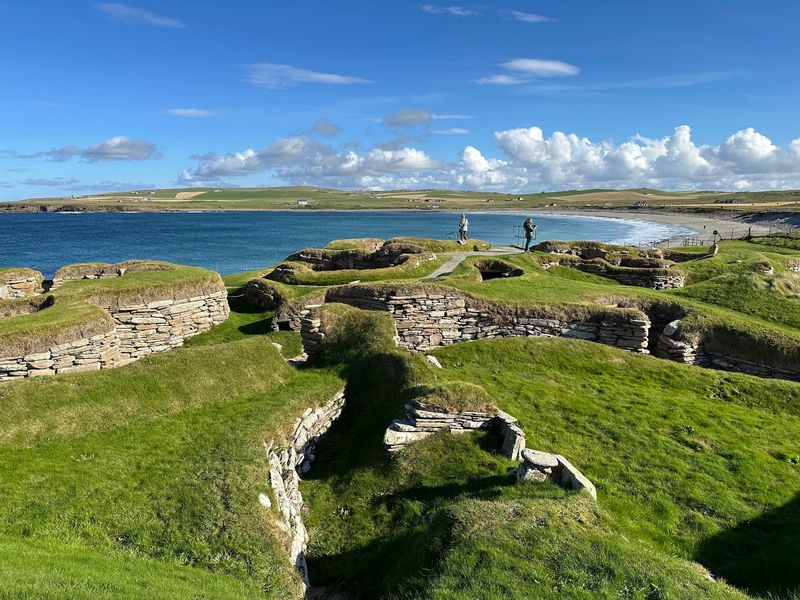
It took a storm to reveal this village. In the 19th century, wild weather on Orkney helped expose Skara Brae, a Neolithic settlement that had stayed hidden beneath sand and earth.
The houses are built of stone, and several still stand with their stone furniture intact. That gives visitors a clear idea of how prehistoric families set up their homes thousands of years ago.
Walking the paths around the village, you can look into the rooms and see how the layout works. It is a compact site, which makes it easy to take in without feeling rushed.
Skara Brae is open year-round apart from a few holiday closures. Severe weather can sometimes affect access, so it is smart to check conditions before heading out.
Orkney winds can be strong, so bring a warm jacket even in summer.
Mycenae, Greece
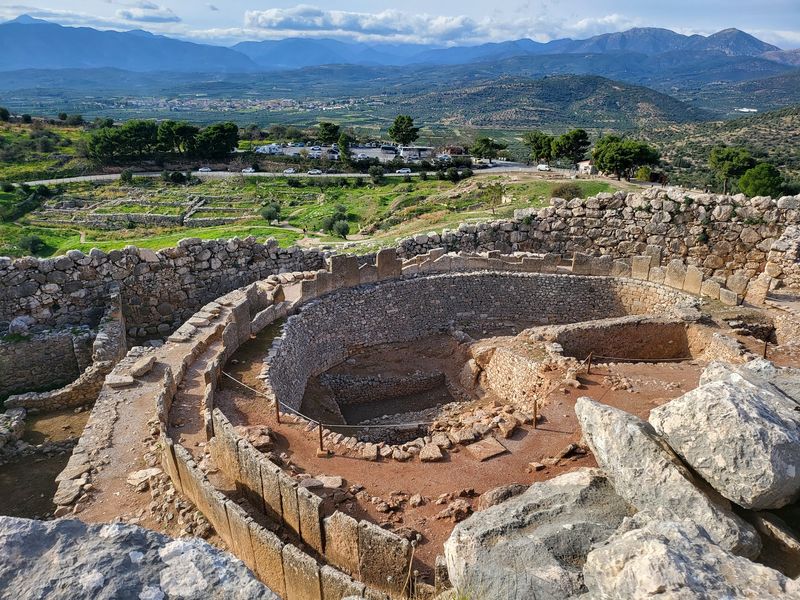
Walk through the Lion Gate and you enter one of the best-known Bronze Age centers in Greece. Mycenae became famous around the world after major excavations in the 19th century, including Heinrich Schliemann’s discovery of richly furnished royal graves.
The fortified site is packed with impressive features. Massive defensive walls surround the hilltop, and tombs linked to Mycenaean elites are part of the visit.
Plan to see more than the ruins themselves. The Archaeological Museum of Mycenae is also open to visitors, and it helps explain what you are looking at outdoors.
Admission covers the archaeological area, so you do not need to hunt for separate tickets for the main site.
The hillside has little shade, so sunscreen, water, and sturdy shoes are good ideas. Start early if you visit in warm months, and give yourself time to explore the walls and tombs without hurrying.
Altamira, Spain
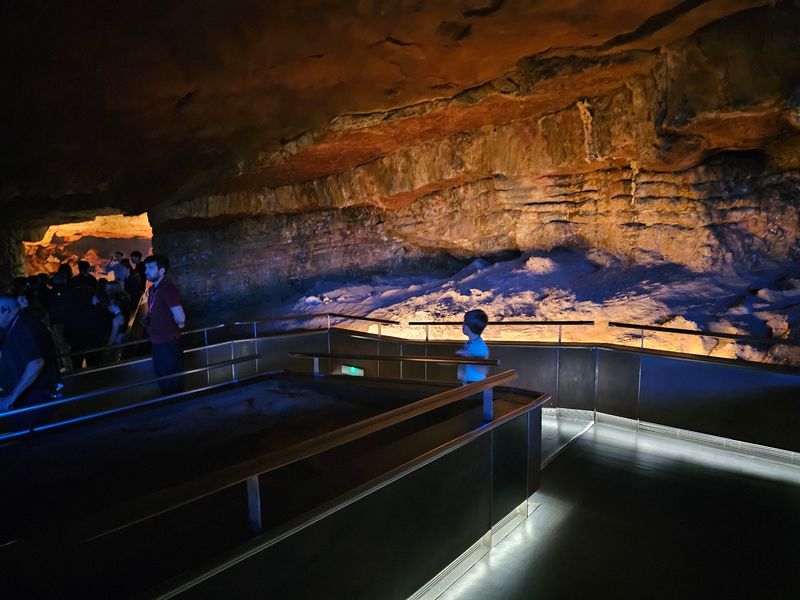
When Altamira’s paintings first came to light, they looked so advanced that some scholars doubted they were real. Today the cave is celebrated as one of the world’s most famous examples of Paleolithic art.
You should know before you go that the original cave is highly protected. Ordinary visitors should not expect to enter it or see the paintings up close.
The solution is the National Museum and Research Center of Altamira. It offers a carefully recreated version of the decorated cave, so you can see the style and scale of the artwork.
Exhibitions at the museum also explain the archaeology and the prehistoric art of the site. That context helps the paintings make sense.
The museum is open on a regular seasonal schedule, so look up current hours before you travel. It is an easy stop for anyone curious about how people made art long before written history.
Lascaux, France
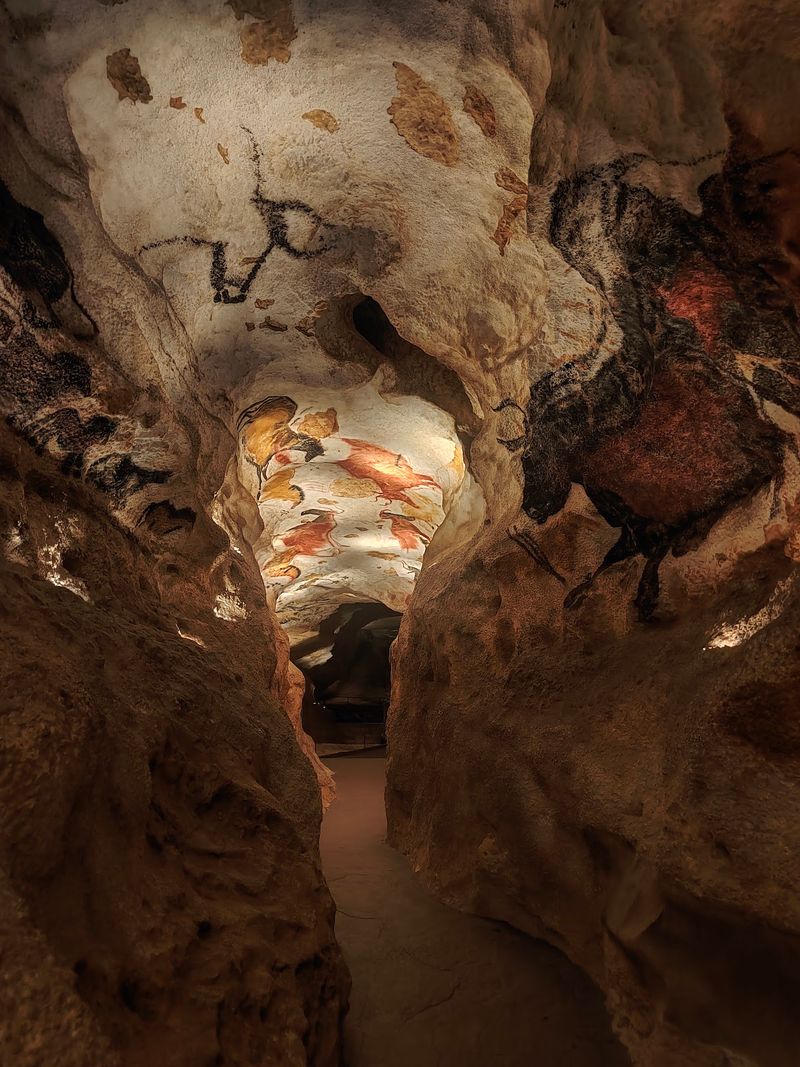
Back in 1940, a discovery in France revealed paintings of animals made roughly 17,000 years ago. That find became Lascaux, and its artwork is among the most admired in prehistoric art.
The original cave has a very fragile environment. For that reason it was eventually closed to ordinary tourism.
Lascaux IV gives visitors a way in without causing harm. Detailed reproductions and immersive exhibitions let you explore the artwork while the real cave stays protected.
It is a smart example of how heritage sites can balance curiosity and care. You still get a strong sense of the images, their size, and the way they cover the walls.
The attraction operates through most of the year with seasonal hours. Look up the latest schedule before you go, and leave enough time to move through the exhibits at an easy pace.
Hallstatt Salt Mine, Austria
An entire chapter of European prehistory takes its name from one Austrian town. The discoveries around Hallstatt were so important that the Hallstatt culture became the label for a whole period.
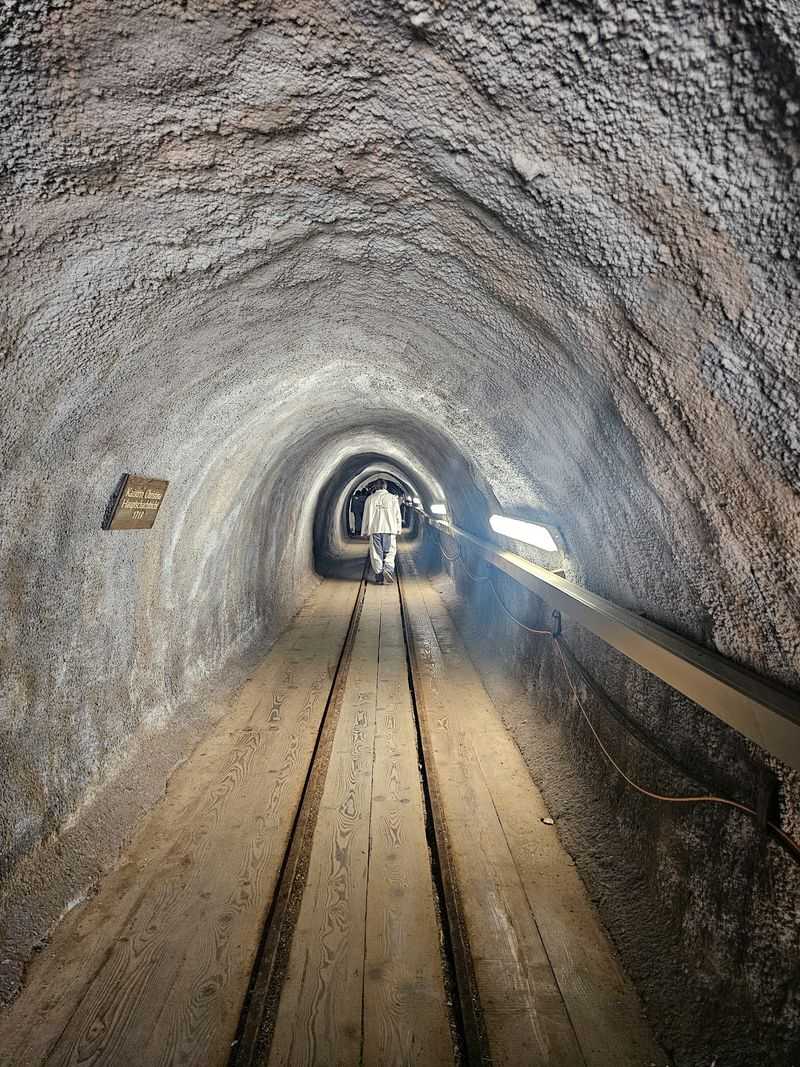
Salt is the reason. Ancient communities extracted it here thousands of years ago, and conditions inside the mines helped preserve evidence of prehistoric mining and everyday life.
That preservation is a big help to archaeologists. It lets them piece together how people worked and lived in the region.
You can tour the historic salt mine today. It continues to operate as an attraction with guided tours, and opening schedules change with the seasons.
Check the current tour times before you go, and think about dressing in layers, since mines can be cooler than the weather outside. The setting above the alpine village adds a scenic bonus to the visit.
Mittelberg and Arche Nebra, Germany
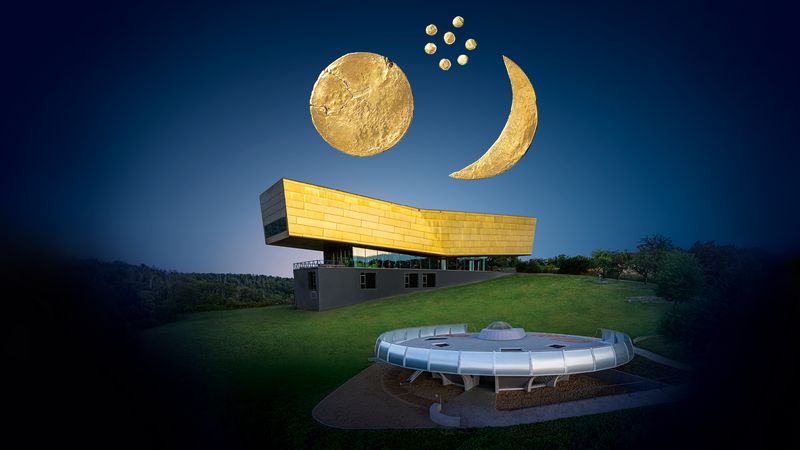
A bronze disc with gold symbols turned a quiet German hill into a famous site. The Nebra Sky Disc was found on the Mittelberg, and its gold shapes are interpreted as astronomical imagery.
It has become one of Germany’s best-known archaeological treasures. It is also one of Europe’s most fascinating Bronze Age objects.
You can visit the discovery site and its viewing tower throughout the year. Standing on the hill puts the story in a real place.
Nearby, Arche Nebra provides exhibitions that explain the Sky Disc, Bronze Age society, and the circumstances surrounding the find. The visitor center keeps seasonal opening hours, so check before you travel.
Combining the hill and the exhibitions is the best plan. First learn the background at Arche Nebra, then head out to the Mittelberg to see where it all happened.
Moesgaard Museum, Denmark
Denmark’s peat bogs have given up some remarkably preserved finds, and the Grauballe Man is among the most striking. He was discovered in a bog in 1952 and dates to around 390 BC.
His preserved skin, hair, nails, and facial features make him one of the world’s most extraordinary Iron Age discoveries.
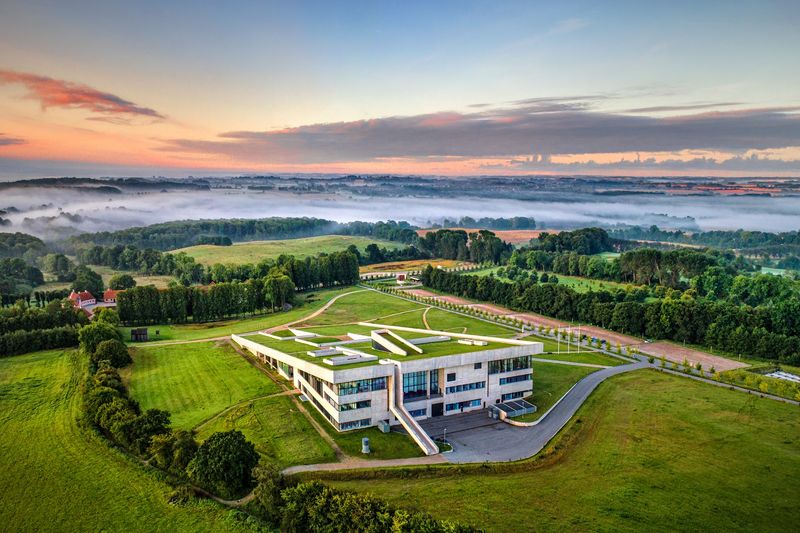
You can see him at Moesgaard Museum near Aarhus. He is displayed in a dedicated setting within the Iron Age exhibition, which gives the display a calm and respectful focus.
The museum is open to visitors, including on October 30, 2026, so it is a handy choice if your travel dates fall around then.
Since the building is also known for its grassy sloping roof, leave a little time to look around outside. Check the museum’s website for ticket details and current hours before you plan your visit.
Share this story