Paris, Rome, Barcelona and Amsterdam earn their fame, but they are not the only places worth a plane ticket. Many lesser-known cities offer old streets, great food and fantastic museums with far fewer crowds.
Travelers are starting to notice, and they are finding some real gems. Here are 17 cities that prove picking the road less traveled can be a delicious idea.
Ghent, Belgium
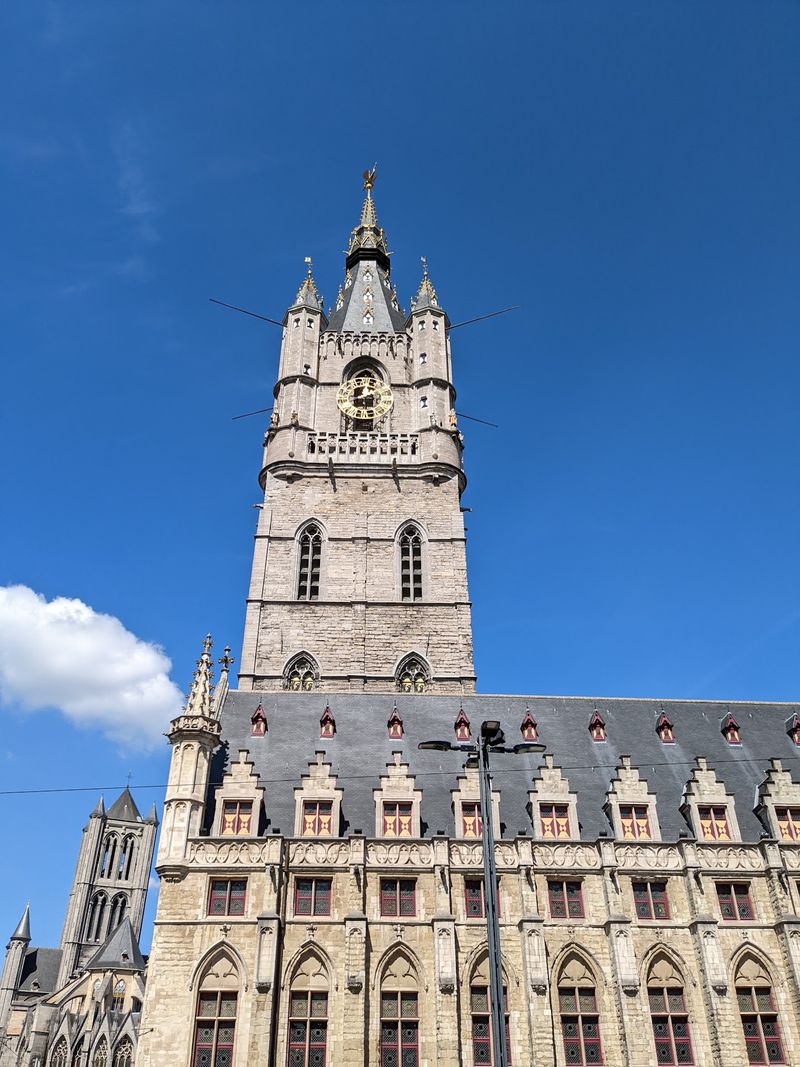
Picture a medieval postcard that actually has people living in it. That is Ghent.
Bruges gets the tour buses, but Ghent gets the students, the cyclists and the lively evenings.
The Graslei and Korenlei waterfronts are lined with centuries-old guild houses that glow at sunset. Gravensteen Castle rises in the center with thick walls, towers and a moat.
You can wander its halls and look out over red rooftops.
Gothic churches and stone bridges are close together, so you can see a lot on foot. Grab a spot beside the Leie River and watch boats drift by.
The city feels like a real place, not a museum with a gift shop attached.
If you love the look of Bruges but want more energy, Ghent is your answer. Pick up a paper cone of fries, find a canal bench and let the evening unfold.
Locals fill the squares after dark, and the mood stays friendly and relaxed. Plan at least two days so you can enjoy both the sights and the cafe culture without rushing.
Ljubljana, Slovenia
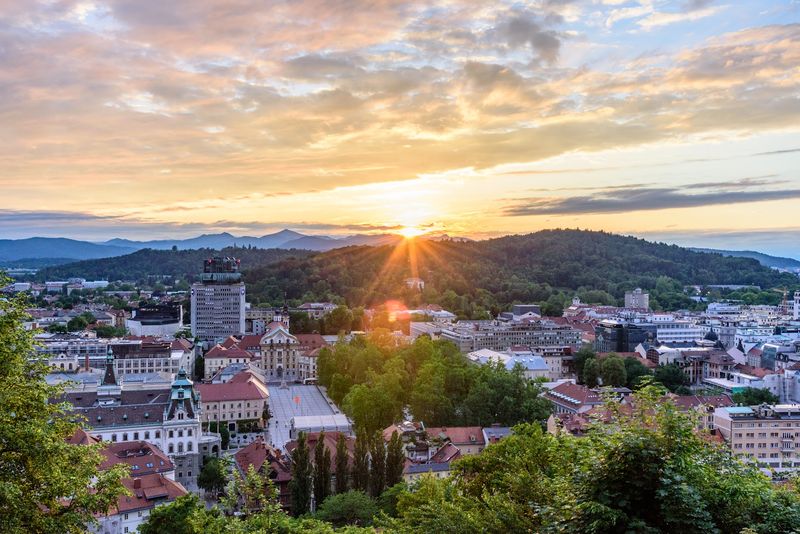
Slovenia’s capital is so compact that you can cross the whole center before your coffee gets cold. The Ljubljanica River curls right through town, and cafes spill onto its pedestrian banks.
Much of the look comes from architect Joze Plecnik.
His Triple Bridge is the star, with three walkways fanning out like a stone hand. Other creative river crossings sit nearby, each with its own style.
Walking between them is a fun little treasure hunt.
Above it all, Ljubljana Castle has watched over the city for roughly 900 years. You can ride a funicular up or hike through the trees.
The view of orange roofs and distant mountains is worth every step.
Outdoor dining is a daily habit here, so linger over lunch. When you want a break from city streets, Slovenia’s lakes and mountains are an easy trip away.
Ljubljana gives you the charm of bigger capitals without the elbow-to-elbow sidewalks. Bring comfortable shoes and an appetite for long, slow afternoons by the water.
Bologna, Italy
Rain? No problem.
Bologna has more than 62 kilometers of covered walkways, so you can stroll and stay dry. In 2021, twelve stretches of these porticoes joined UNESCO’s World Heritage List.
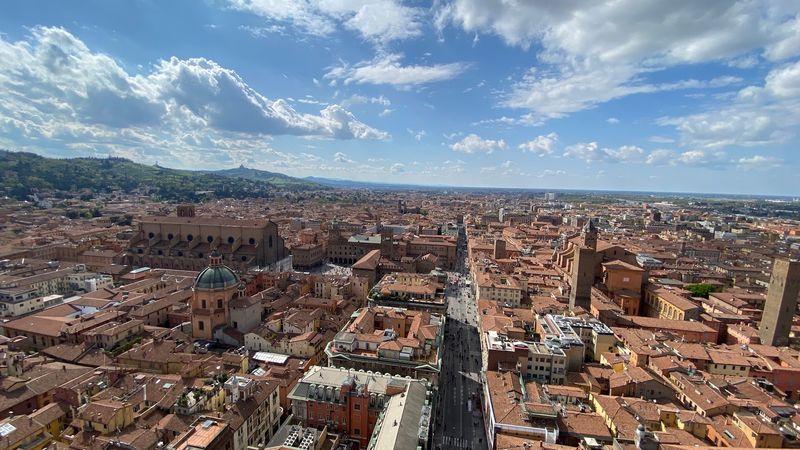
The heart of town is Piazza Maggiore, a wide square framed by grand buildings. Nearby, medieval towers lean over narrow streets.
Climb one if your legs are feeling brave, and the red rooftops will reward you.
The University of Bologna dates to the Middle Ages and is generally called Europe’s oldest. Students still fill the streets, which keeps the city youthful and busy.
Bookshops and cafes tuck into every corner.
Then there is the food. Markets and old shops sell fresh pasta, cured meats and cheeses from Emilia-Romagna.
Follow your nose and you will rarely go wrong. Florence, Rome and Venice have their famous monuments, but Bologna wins hearts with flavor and everyday charm.
Plan a long lunch, then walk it off under the arches.
Wroclaw, Poland
Look down, because tiny bronze dwarfs are hiding all over Wroclaw. Hundreds of these statues sit on sidewalks, lampposts and corners.
Spotting them has become a playful tradition for visitors of every age.
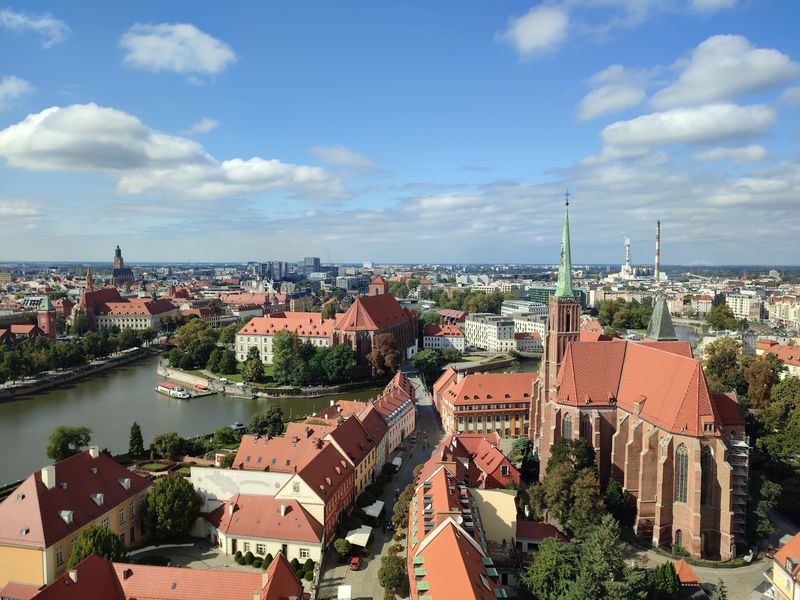
The main attraction above ground is the giant Market Square, one of Poland’s largest. Colorful townhouses, restaurants and the ornate Old Town Hall surround it.
Sit at an outdoor table and enjoy the show.
The city spreads across islands and channels of the Oder River, so water is never far away. Bridges link quiet neighborhoods with leafy paths.
Cathedral Island adds a calmer, more serious mood with its old church spires and gas lamps.
Kraków and Warsaw get more attention abroad, yet Wroclaw holds its own with style. Prices are friendly, and the squares stay lively into the night.
Come for the architecture, stay for the scavenger hunt of dwarfs. Give yourself two or three days to soak it all in.
Graz, Austria
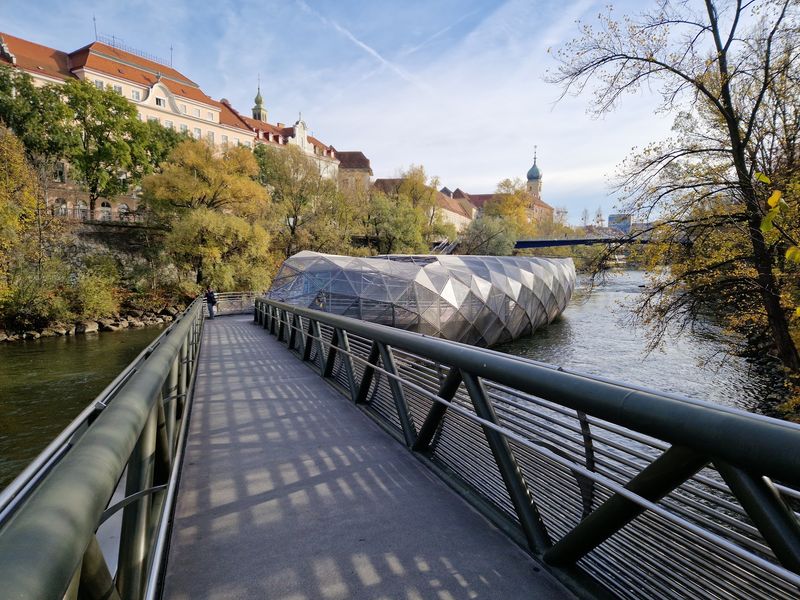
Red rooftops stretch out like a patchwork quilt in Graz. The Old Town is UNESCO-listed, and the Schlossberg hill rises right above it.
You can reach the top by funicular, glass lift or a good old hike.
Up there, the famous Clock Tower waits with views over the whole city. The hands are famously switched, with the long one showing hours.
It is a fun detail to point out to friends.
Down below, Renaissance courtyards hide behind plain doors. Peek inside and you may find arches and quiet gardens.
Then look at the Kunsthaus, a blobby modern building nicknamed the friendly alien.
The Murinsel, a shell-shaped platform floating on the Mur River, adds another surprise. Graz Tourism describes the city as a mix of history, design and regional food, and that fits well.
Try pumpkin seed oil on salads and desserts. Vienna is grand, but Graz is friendly, easy to walk and full of fresh ideas.
Thessaloniki, Greece
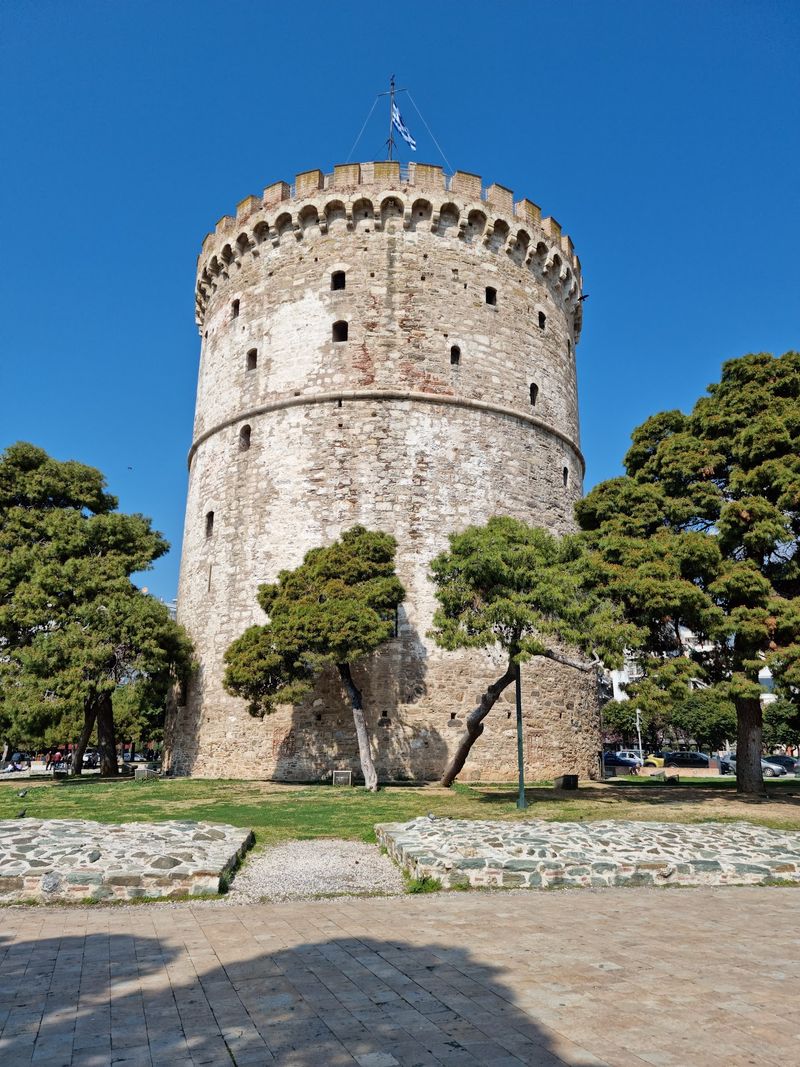
Ask a Greek friend where to eat well, and many will point north to Thessaloniki. This seaside city mixes Greek, Roman, Byzantine and Ottoman history on almost every block.
Athens has the Acropolis, but this city has layers.
The White Tower is the main landmark on the waterfront. Inside, an exhibition traces the city’s story from its founding in 316 or 315 BCE to modern times.
The rooftop view is a nice bonus.
Roman monuments and Byzantine churches sit within easy walking distance. Busy food markets overflow with olives, spices, pastries and fresh fish.
Sample a bougatsa, a warm custard pie, for breakfast.
In the evening, the long seaside promenade fills with locals rather than tour groups. Cafes and tavernas stay open late, and conversation flows.
Travel writers have named Thessaloniki one of Europe’s best second-city picks, especially for food and history fans. Bring an appetite and plenty of curiosity.
Gdansk, Poland
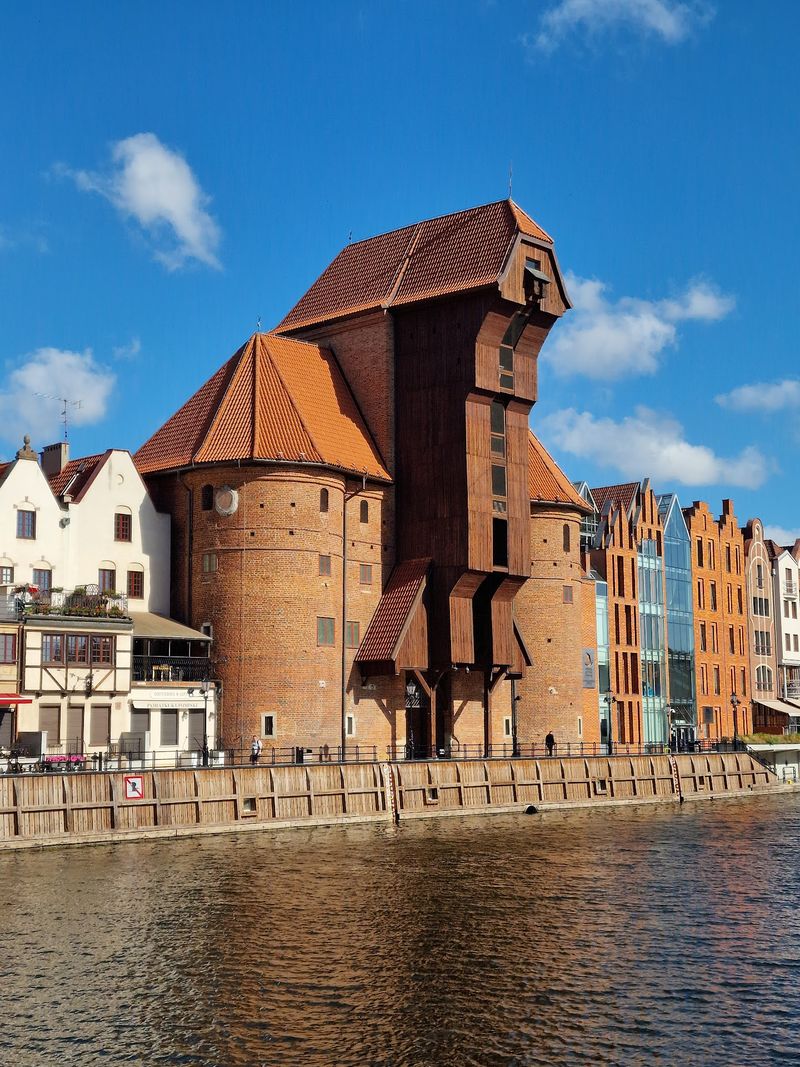
Amsterdam fans, take note: Gdansk has gabled houses, canals and a salty harbor spirit of its own. The rebuilt Main Town is packed with tall, ornate facades in rich colors.
Each one looks like it has a story to tell.
The Motlawa waterfront recalls centuries as a major trading port. Old cranes and wooden boats still frame the view.
Stroll along it at dusk and the reflections are lovely.
The city also shaped modern history. The Solidarity movement began in its shipyards and helped change Central and Eastern Europe.
The European Solidarity Centre explains this story clearly and movingly.
When the weather warms, Baltic beaches are a short ride away. You can sightsee in the morning and swim in the afternoon.
National Geographic named Gdansk among its underrated summer cities for 2026. Try some amber jewelry, a local specialty, as a souvenir.
Bilbao, Spain
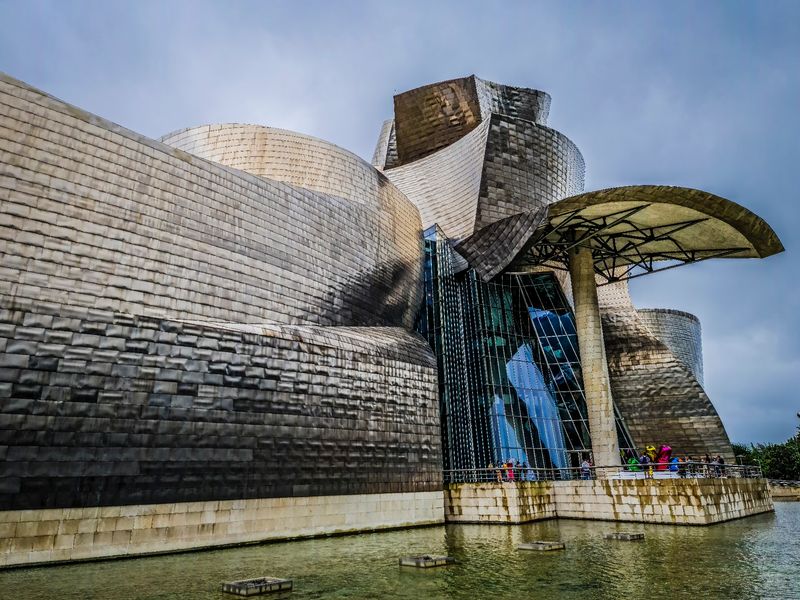
One shiny museum turned a former industrial port into a world-famous destination. The Guggenheim, with its curving titanium skin, changed Bilbao’s image for good.
Yet the city has much more than one landmark.
Head to Casco Viejo, the old quarter, for narrow streets and traditional taverns. This is the place for pintxos, small snacks served on bread with a toothpick holding it together.
Hop from bar to bar and sample as you go.
The Nervion River links old neighborhoods with sleek modern bridges and buildings. A riverside walk shows both sides of the city in one afternoon.
It is easy and free.
Beyond the city, the Basque Country serves up beaches, green mountains and fishing villages. A day trip is simple by train or bus.
Barcelona and Madrid are great, but Bilbao never feels like second best. Art lovers and food lovers will both leave happy.
Turin, Italy
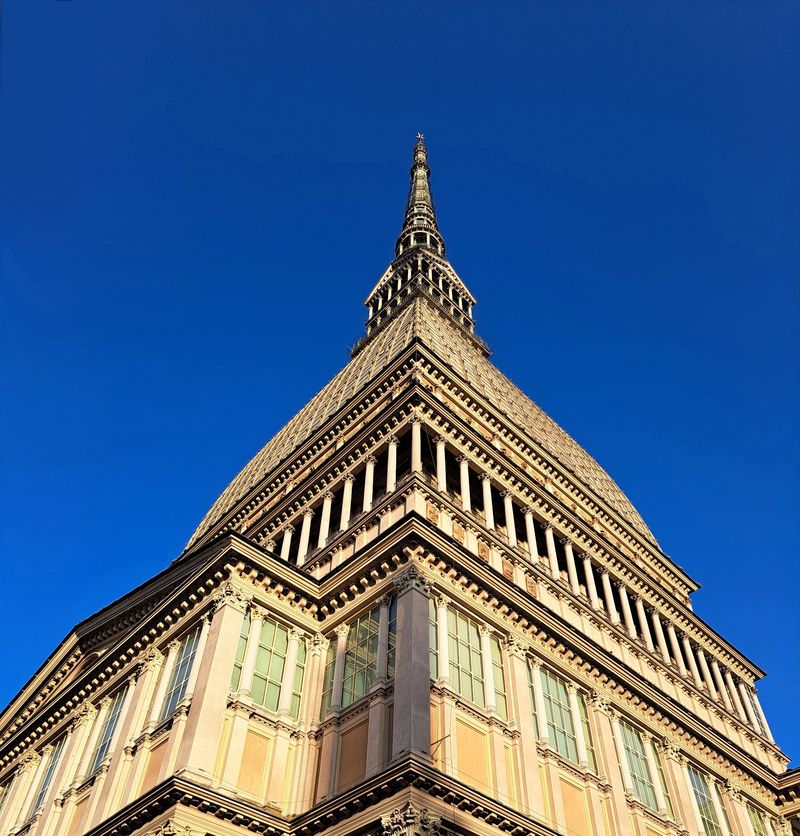
Turin has a royal secret, and it is hiding in plain sight. This was the capital of the Kingdom of Sardinia and later the first capital of unified Italy.
The result is a city of huge squares and elegant Baroque avenues.
The House of Savoy left behind grand residences, listed by UNESCO since 1997. The Royal Palace, Palazzo Madama and Palazzo Carignano all stand in the center.
You can see several in a single day.
Museum fans will be thrilled. The Egyptian Museum is among the most renowned in the world.
The National Cinema Museum fills the tall Mole Antonelliana, and a glass elevator rises through its center.
Walk under long arcades and stop for a thick, creamy hot chocolate, a local favorite. If you love Parisian boulevards or Viennese palaces, you may be surprised by how grand Turin feels.
Best of all, the crowds stay thin.
Coimbra, Portugal
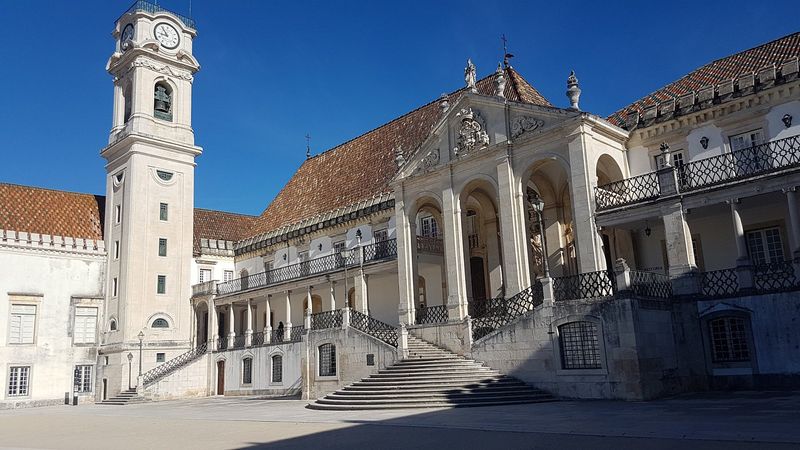
Students in black capes still climb these hills, just as they have for centuries. Coimbra rises steeply above the Mondego River toward its historic university.
Once the capital of Portugal, the city carries serious history.
The University of Coimbra is UNESCO-listed. Its ceremonial halls and old colleges are open to visitors.
The star is the Joanina Library, a lavish Baroque hall with gilded shelves and painted ceilings.
Which? Travel named Coimbra an under-the-radar pick in 2026.
It noted the historic center and cultural weight without the crowds of Lisbon and Porto. That is good news for your photo backgrounds.
Wander the narrow lanes downhill and listen for fado, a soulful Portuguese music style, drifting from small venues. Coimbra fado has its own tradition, tied to student life.
Many travelers rush through between Lisbon and Porto. Stay a night or two and you will see why that is a mistake.
Plovdiv, Bulgaria
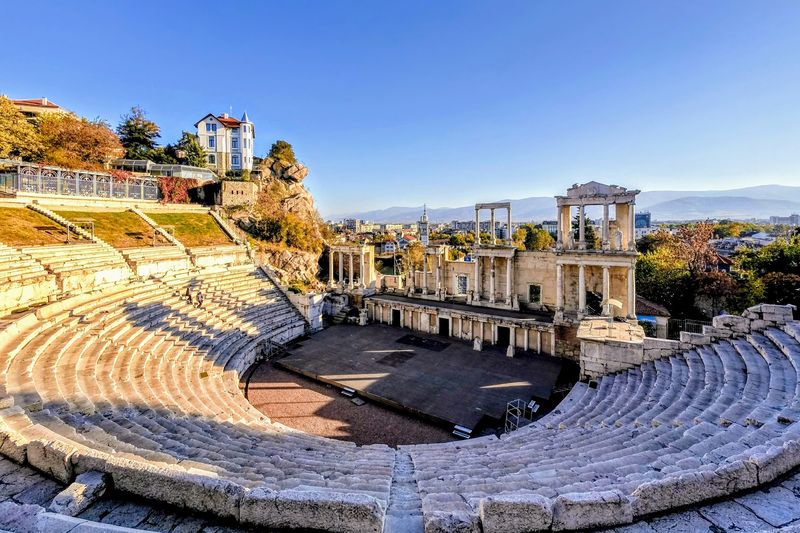
People have lived here for thousands of years, which makes Plovdiv one of Europe’s oldest continuously inhabited cities. The most dramatic proof is the Roman Theatre, carved into the hillside.
It still hosts concerts and performances today.
Nearby, the Old Town is full of Bulgarian Revival houses in bright colors. Wooden balconies hang over cobbled lanes that climb and curve.
Every turn offers a photo.
Then cross to Kapana, a creative district of cafes, studios and small shops. Its name means the trap, and many visitors happily get caught.
Street art and live music add to the buzz.
Time Out listed Plovdiv among Europe’s best underrated places for 2026. It also praised it for affordable city breaks.
You can eat well, sleep comfortably and still have money left. For ancient history without a Rome or Athens price tag, this is a smart choice.
Sarajevo, Bosnia and Herzegovina
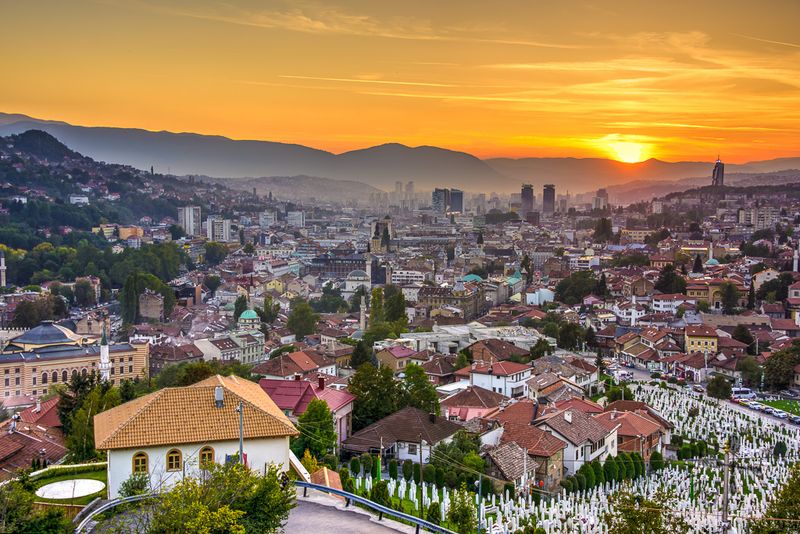
Stand in one spot in Sarajevo and you can sense several centuries at once. Ottoman lanes around Bascarsija meet Austro-Hungarian facades just a few steps away.
Mosques, churches and synagogues sit close together.
Coppersmiths hammer small trays in the bazaar, and the smell of strong Bosnian coffee drifts through the air. Sip it slowly from a small copper pot.
Pair it with a sweet bite of baklava.
The area near the Latin Bridge is linked to the 1914 assassination of Archduke Franz Ferdinand. That event helped trigger World War I.
Museums nearby explain the story well.
Mountains ring the city and recall the 1984 Winter Olympics. Sarajevo often appears on lists of under-visited European cities.
It offers deep history without Western Europe’s biggest crowds. Few places show Europe’s overlapping empires and identities so clearly in such a small space.
Vilnius, Lithuania
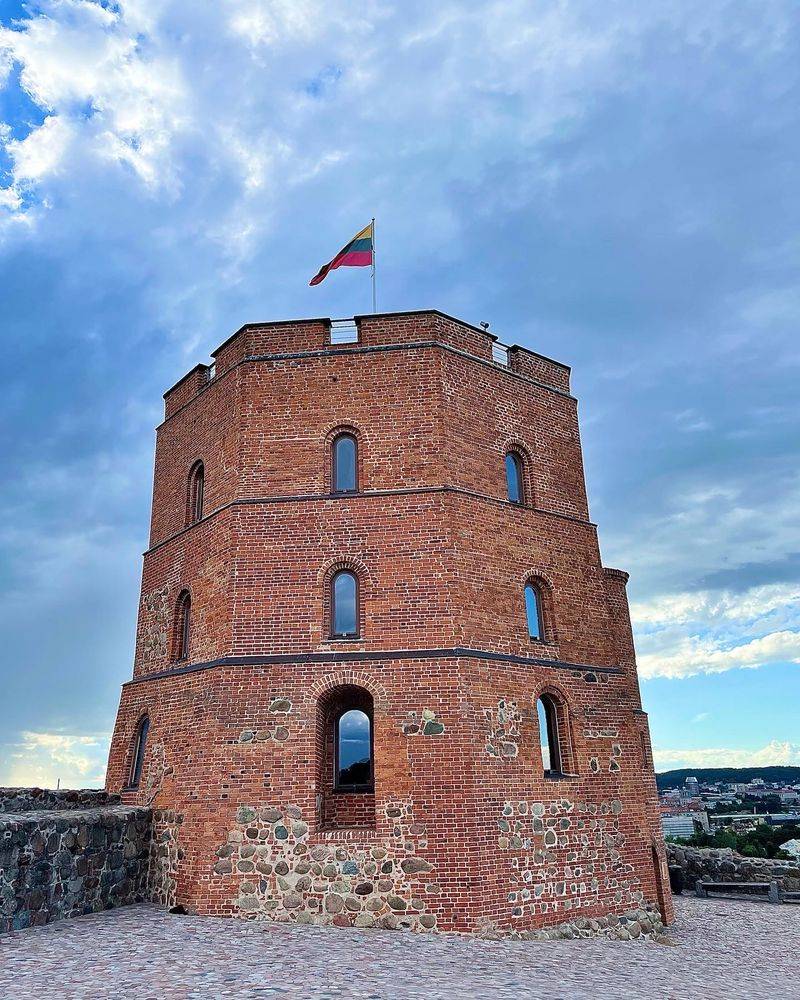
Vilnius has the beauty of Prague and Krakow but turns the volume down. Its old core is a tangle of winding lanes, church towers and quiet courtyards.
Baroque architecture fills almost every street.
Climb up to the remains of Gediminas Castle for wide views over the Lithuanian capital. Red roofs and green domes stretch to the horizon.
Go near sunset for the best light.
Across the Vilnia River, the Uzupis neighborhood calls itself an independent republic. It has its own playful constitution posted on a wall.
Galleries and cafes make it a fun place to browse.
The center is compact, so you can move between medieval, Baroque and modern districts on foot. Recent guides to under-visited cities recommend Vilnius as a calmer Baltic option than Tallinn or Riga.
Try cepelinai, hearty potato dumplings, for a local meal.
Lille, France
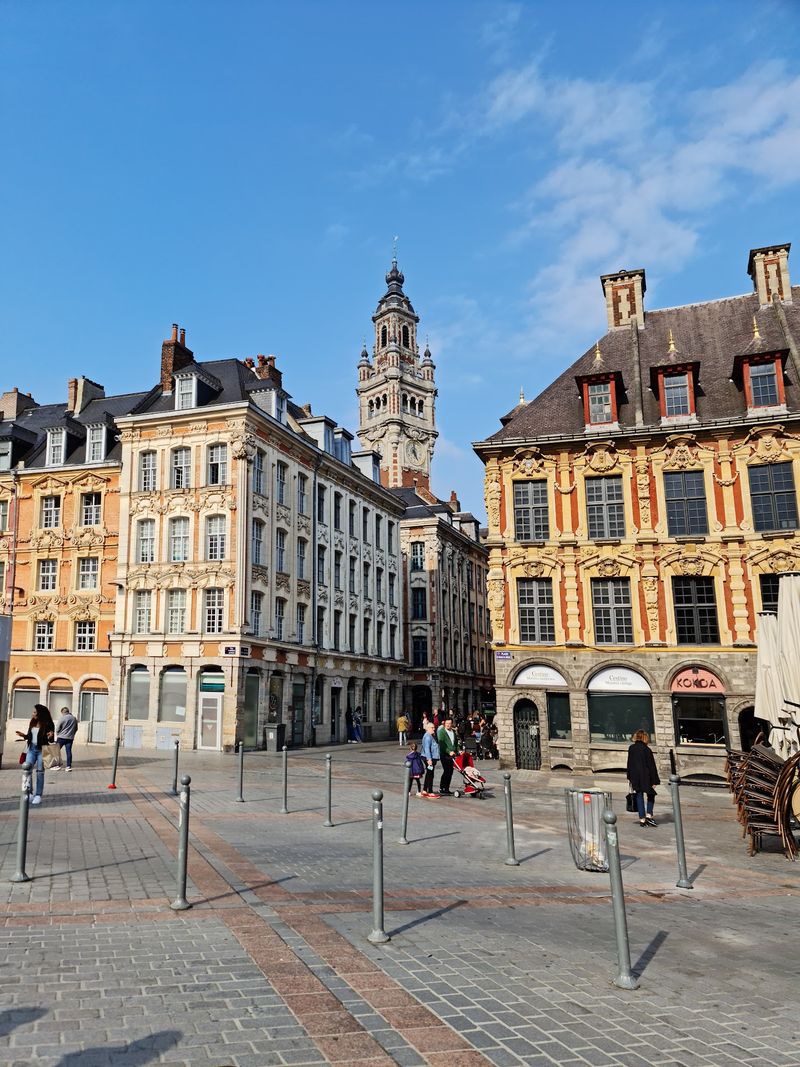
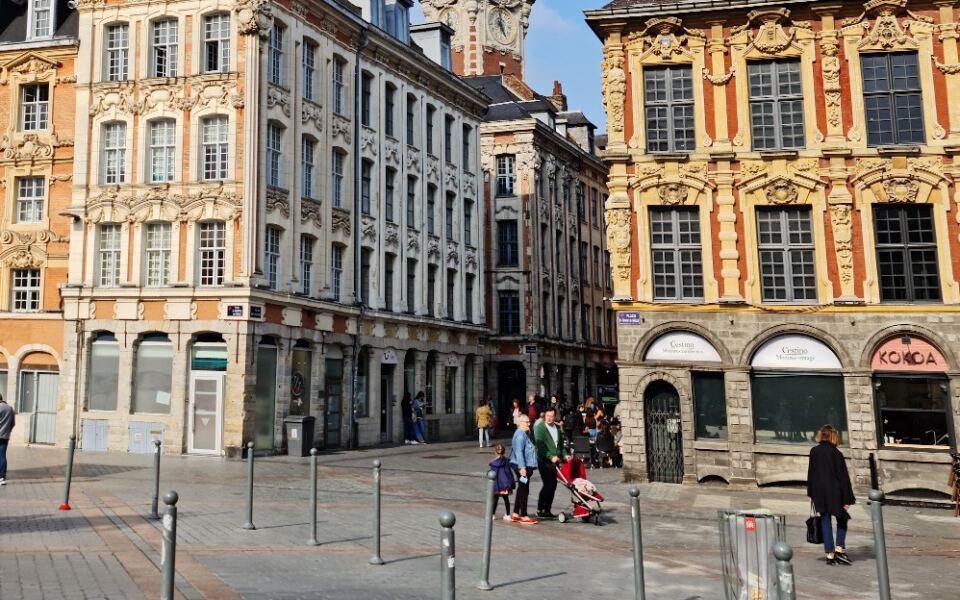
Waffles, brick facades and a Flemish accent on the architecture: welcome to northern France. Lille is a smart alternative when Paris feels too crowded.
The colorful buildings around Grand Place set the tone right away.
Vieux-Lille is the old quarter, with cobbled streets and elegant shops. Take your time here and peek into courtyards and chocolate boutiques.
Bakeries tempt you around every corner.
Museums add real cultural weight to a visit. Cafes and regional dishes, like hearty stews made with local beer, reward slow exploring.
Evenings feel cozy and sociable.
Lille sits close to Belgium, which gives it a character unlike much of France. Euronews included it among Europe’s notable second cities in 2026.
It praised its Flemish heritage, architecture and busy arts scene. A fast train from Paris or London makes it easy to reach.
Gothenburg, Sweden
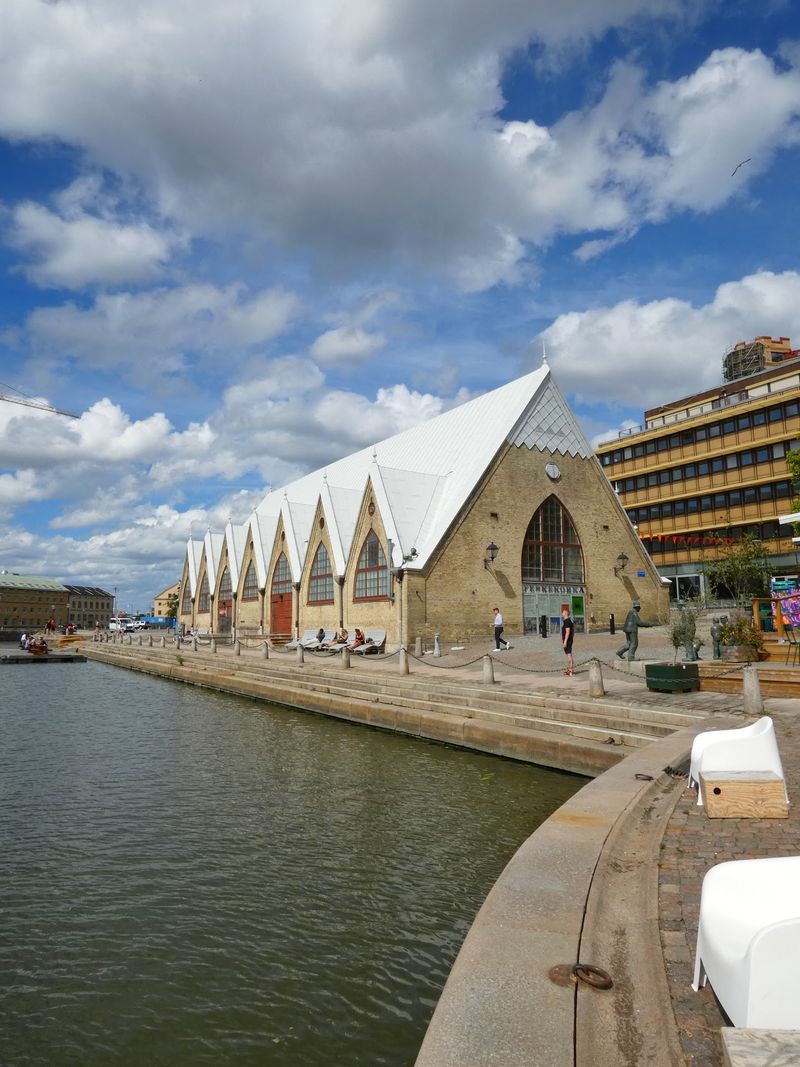
Ever had a cinnamon bun the size of your face? Gothenburg’s cafes can make that happen.
Sweden’s west-coast city blends canals, maritime culture and clean Scandinavian design.
Seafood is the headline here. Fresh shrimp, oysters and fish are served in markets and restaurants all over town.
Then take a ferry out to the nearby archipelago for rocky islands and sea air.
In Haga, you will find wooden buildings, cozy cafes and shops. It is a lovely area for a slow morning stroll.
Museums, parks and waterfront districts keep the center interesting for several days.
Time Out named Gothenburg its standout Scandinavian city break among Europe’s underrated places for 2026. If you like Stockholm but want something more laid back and coastal, this is it.
Locals are friendly and trams make getting around simple. Pack a rain jacket and enjoy.
Basel, Switzerland
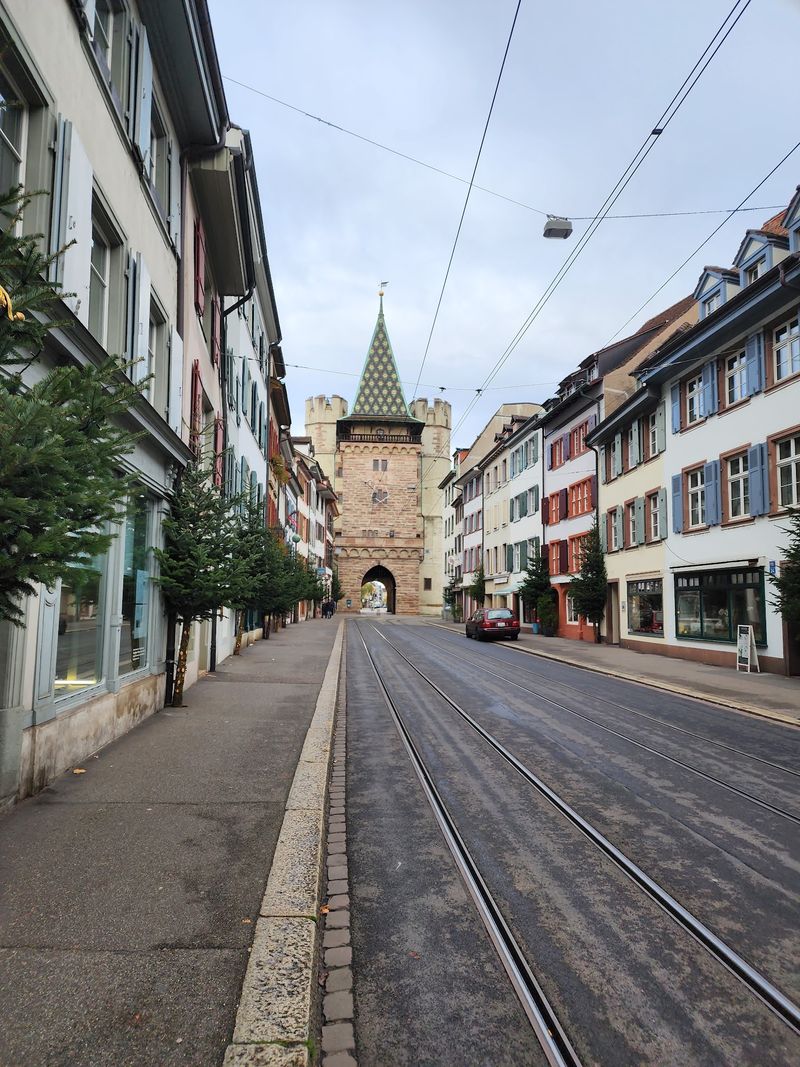
In summer, locals float down the Rhine in dry bags with their clothes tucked inside. That is Basel for you, serious about art and relaxed about everything else.
The city sits where Switzerland meets France and Germany.
Kunstmuseum Basel traces its public collection to the 17th century. It holds masterpieces that rival those in much larger cities.
Art Basel has also made the city a global hub for contemporary art.
Euronews highlighted Basel in 2026 as a notable second city. It praised the art scene and the cross-border location.
You can even have breakfast in Switzerland and lunch in France.
Historic lanes, red sandstone cathedral spires and bold modern buildings by famous architects share the skyline. The city is far more varied than its business reputation suggests.
Zurich and Geneva are fine, but Basel has creative spark. Pick up a Basel pass for easy transport.
Mostar, Bosnia and Herzegovina
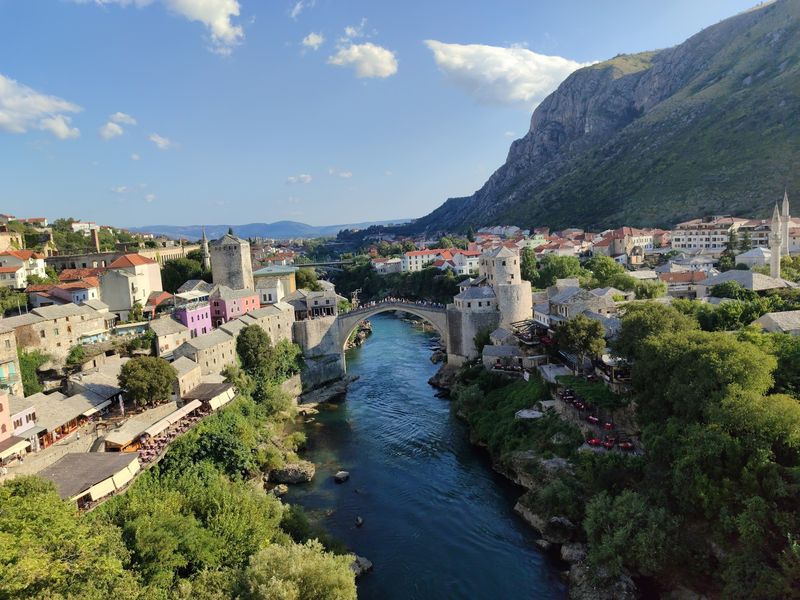
Watch a diver stand on the edge of a bridge, pause, and leap into the river below. That is a classic Mostar moment.
The reconstructed Old Bridge arches high above the emerald Neretva River.
Stone streets on both sides developed during centuries of Ottoman rule. Minarets, traditional houses and steep mountain slopes frame the view.
It is one of the most recognizable urban scenes in the Balkans.
Dubrovnik draws huge crowds to the Adriatic, but Mostar delivers a powerful sight in a different setting. Browse small shops selling copper work and sweets.
Then settle at a terrace cafe beside the water.
The city also bears visible traces of the 1990s war. Bullet-marked buildings give a visit real historical depth beyond the postcard views.
Evening walks are especially atmospheric when the bridge is lit. Mostar rewards travelers who love architecture, history and quiet, memorable moments.
Share this story