History class usually sticks to kings, treaties, and big battles. But the past also holds stories so odd that they sound made up.
There was a town that could not stop dancing, a war fought over a pig, and a wave of molasses rolling through a city street. Some of these events were funny, some were serious, and a few were both at once.
Each one is real, and each one teaches something about how people lived, argued, and made mistakes. Here are 15 strange chapters of history that rarely make it into a textbook, along with the facts that separate the true story from the legend.
The Dancing Plague of 1518
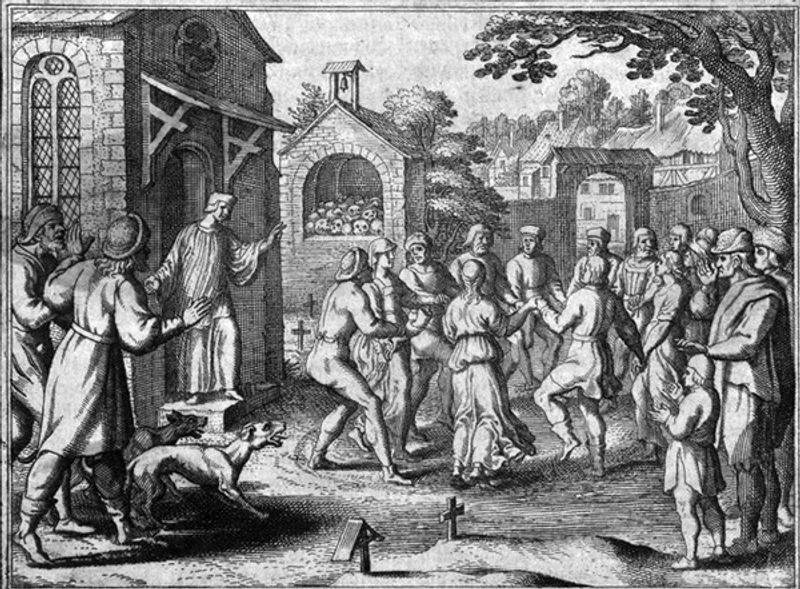
Picture a street in Strasbourg in July 1518 where a woman begins dancing and simply keeps going. She is traditionally identified as Frau Troffea, and accounts say she danced for days.
Within weeks, dozens and possibly hundreds of people had joined her. Local officials made a surprising choice at first.
They encouraged the dancing, hiring musicians and providing spaces so the dancers could carry on.
Records from the time describe exhaustion and deaths, though nobody knows exactly how many people were lost. That uncertainty is part of what keeps the story so fascinating.
Historians have offered several explanations. Some point to extreme stress and hardship in the region.
Others suggest religious beliefs or illness played a role. None of these ideas has won universal agreement, so the cause remains an open question.
It is a reminder that even well-documented events can leave us with more questions than answers, centuries later.
The Great Emu War
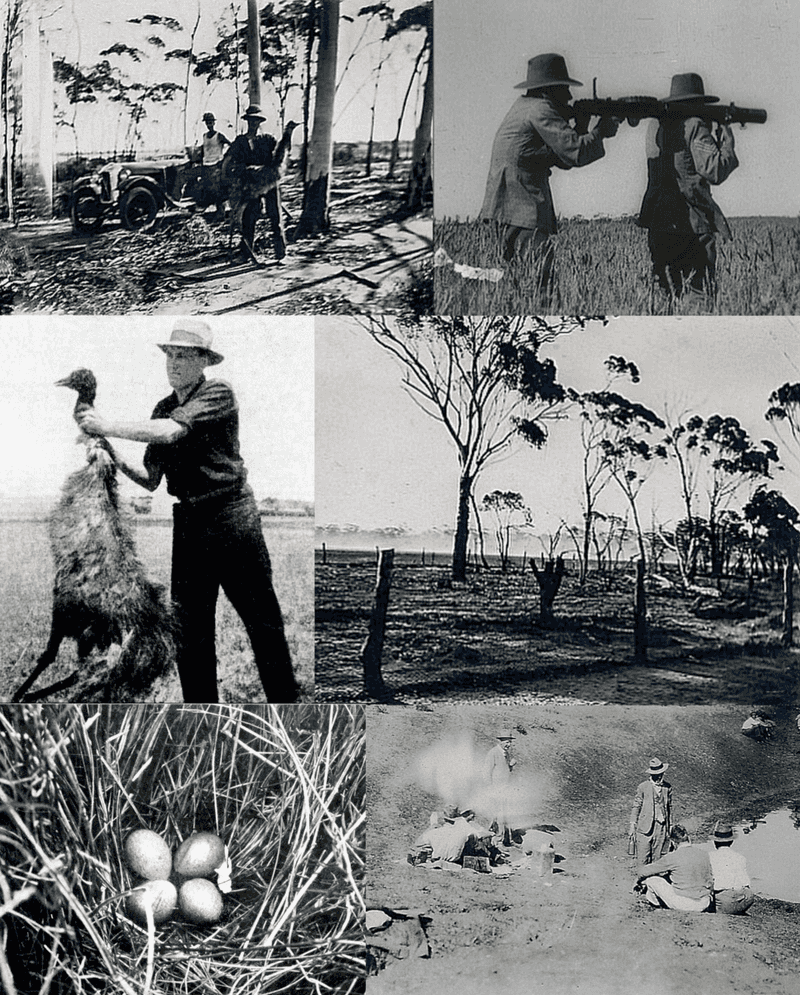
Soldiers against birds sounds like a joke, yet it happened in Western Australia in 1932. Thousands of migrating emus were trampling crops and damaging fences, and farmers were fed up.
Many of those farmers were World War I veterans. They were already dealing with falling wheat prices and the Great Depression, so the emus were the last straw.
The government sent a small military detachment armed with Lewis machine guns. The plan did not go smoothly.
Some birds were killed, but the emus scattered in small groups and proved hard to target.
The soldiers eventually withdrew. The nickname Great Emu War stuck, even though it was really a wildlife control effort and not a true war.
Today the story is told with a grin, but it started with real money worries on struggling farms.
Tulip Mania
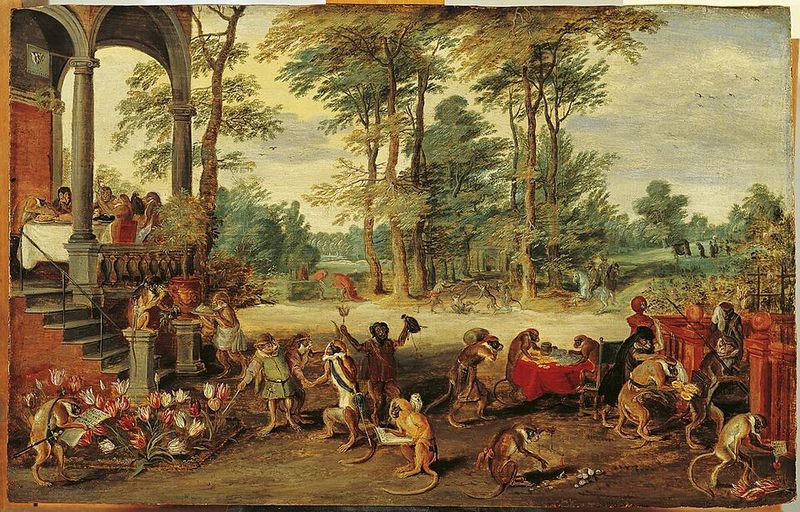
Flowers as a hot investment? In the 1630s, that is exactly what happened in the Dutch Republic.
Rare tulip bulbs became fashionable, and their prices kept climbing.
A speculative trade grew around certain varieties. Prices on some contracts rose sharply, then collapsed in early 1637.
The popular tale is dramatic. Ordinary citizens lose everything, and a single bulb is worth more than a house.
It is often called the first great financial bubble.
Modern historians have pushed back on parts of that version. The speculation was real, but evidence suggests the economic damage was far smaller than later legends claimed.
So the true story is a bit calmer than the myth, yet still a useful lesson. When people rush to buy something only because prices are rising, trouble is usually not far behind.
The Pig War
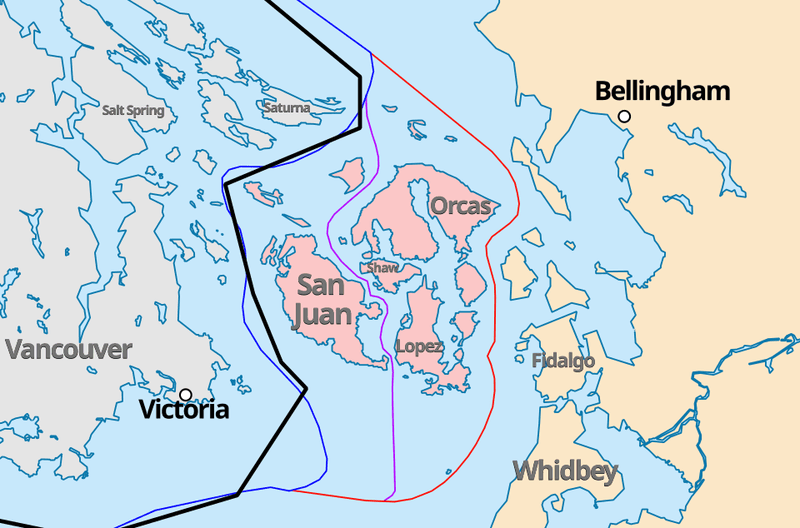
One pig nearly pushed two powerful nations into a fight. On June 15, 1859, American settler Lyman Cutlar shot a pig belonging to the British Hudson’s Bay Company after finding it rooting in his garden on San Juan Island.
The trouble was that Britain and the United States both claimed the island. A garden dispute suddenly became an international matter.
Troops and British warships soon arrived, yet commanders chose not to open fire. Cooler heads kept the standoff from turning violent.
The two countries set up a joint military occupation that lasted 12 years. In 1872, international arbitration settled the question in favor of the United States.
The pig stayed the conflict’s only casualty. It is a rare case where patience, not cannon fire, won the day.
The War of Jenkins’ Ear
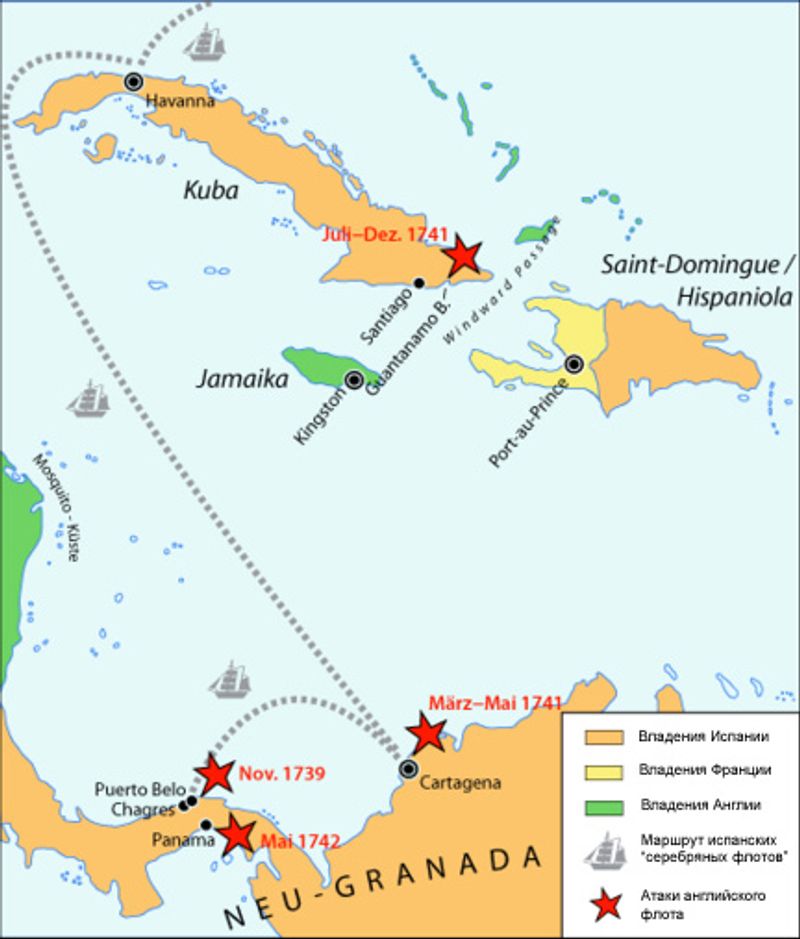
A missing ear gave a whole war its name. British merchant captain Robert Jenkins said Spanish coast guards boarded his ship in 1731 and cut off his ear.
Years later, his story became part of a growing campaign in Britain against Spain. Britain declared war in 1739.
Still, the ear was more symbol than single cause. Trade disputes, smuggling, colonial rivalry, and Spanish efforts to limit British commerce in the Caribbean had been building tension for years.
Then there is the famous scene where Jenkins shows his preserved ear to Parliament. It makes a great picture, but it is disputed.
Historians have found no solid evidence that it truly happened.
The tale shows how one vivid story can help turn public opinion, even when the real reasons run much deeper.
The Great Molasses Flood
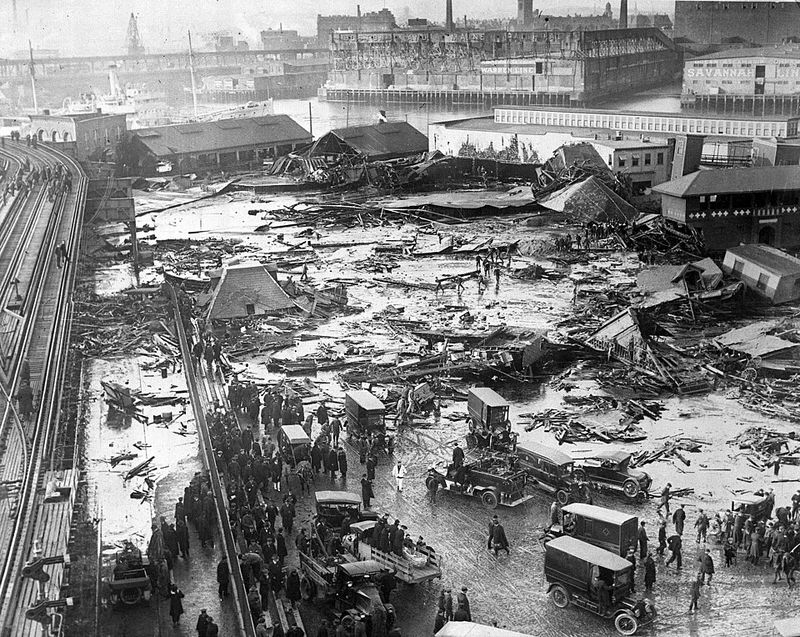
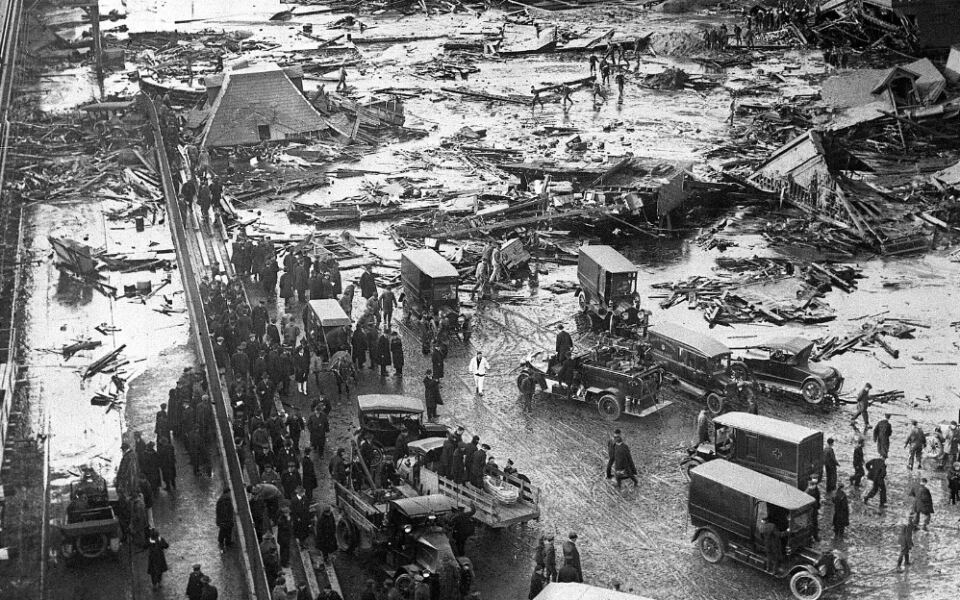
On January 15, 1919, a sweet disaster hit Boston’s North End. A huge storage tank holding roughly 2.3 million gallons of molasses burst apart.
The resulting wave rushed through the neighborhood, destroying buildings and overturning vehicles. Investigations estimated the initial flow moved at about 35 miles per hour.
Twenty-one people were killed and roughly 150 were injured. Cleanup was slow and messy, because molasses is thick and sticky.
The aftermath also brought a lengthy legal battle over who was responsible. It became one of the best known industrial accidents in Boston’s history.
The story sounds almost silly at first, yet it carries a serious lesson about safety rules for large storage tanks. Cases like this pushed people to pay closer attention to how such structures are built and checked.
The Radium Girls
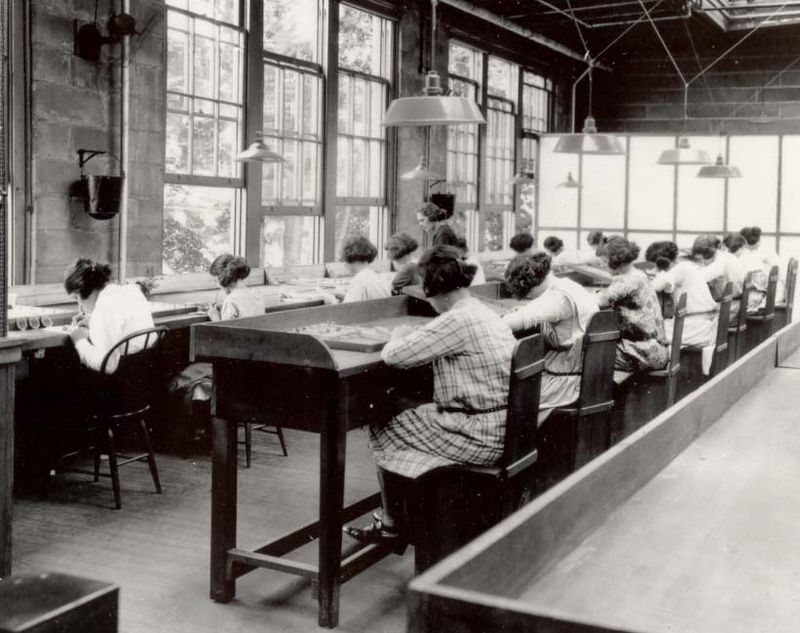
Glow-in-the-dark watches were once a hit, and young women made them by hand. In the early 20th century, workers in American factories painted luminous numbers on watch and instrument dials using radium-based paint.
They were commonly told to shape their brushes with their lips. That meant they swallowed small amounts of radioactive material without knowing the danger.
Years later, many developed serious illnesses, including jaw problems, anemia, fractures, and cancer.
Groups of workers sued their employers in the 1920s and 1930s. Their courage mattered.
The cases helped reveal the dangers of radiation and contributed to stronger workplace health protections in the United States. Their story is a strong reminder that workers speaking up can change safety rules for everyone who comes after them.
The Cadaver Synod
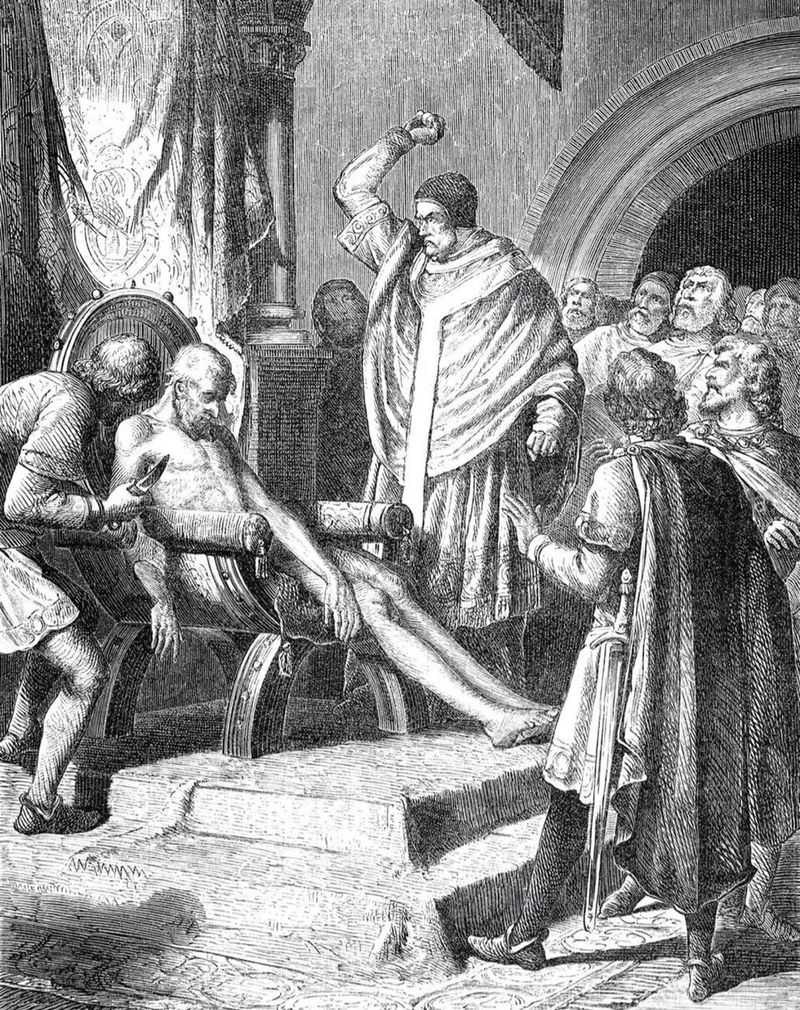
Few trials in history have had such a silent defendant. In 897, Pope Stephen VI ordered the body of his predecessor, Pope Formosus, exhumed and placed on trial.
Formosus had been gone for months. Political rivalries inside the medieval papacy had reached a very odd point.
His body was dressed in papal clothing and set before the court while charges were read. A deacon was reportedly assigned to answer for him.
Formosus was found guilty. The proceedings became one of the best known symbols of the instability that surrounded the papacy in the ninth century.
It still feels almost too strange to be true, yet it is well recorded. The story shows how bitter power struggles could get when rival groups fought over who controlled the church in Rome.
The Whiskey Rebellion
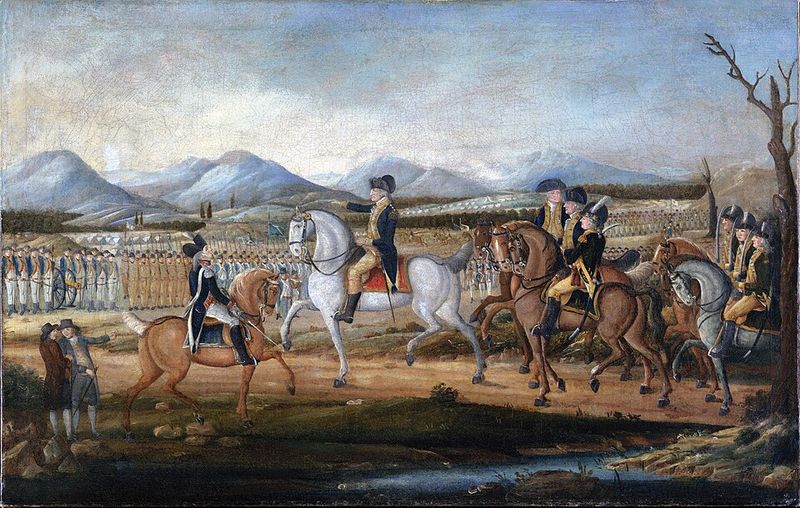
Taxes can start fights, even in a brand-new country. In 1791, Congress placed an excise tax on distilled spirits, and the young United States faced an early test of federal power.
The tax was especially unpopular among farmers and distillers in western Pennsylvania, where whiskey played an important economic role. Resistance grew from refusing to pay to intimidation and violence against federal officials.
In 1794, President George Washington mobilized a large militia force to put down the uprising.
The rebels dispersed without a major battle. Most of the drama ended before serious fighting began.
Still, the message was clear. The new federal government was willing and able to enforce its laws.
The episode helped shape how Americans thought about taxes, local rights, and national authority in the early republic.
The Siege of Caffa
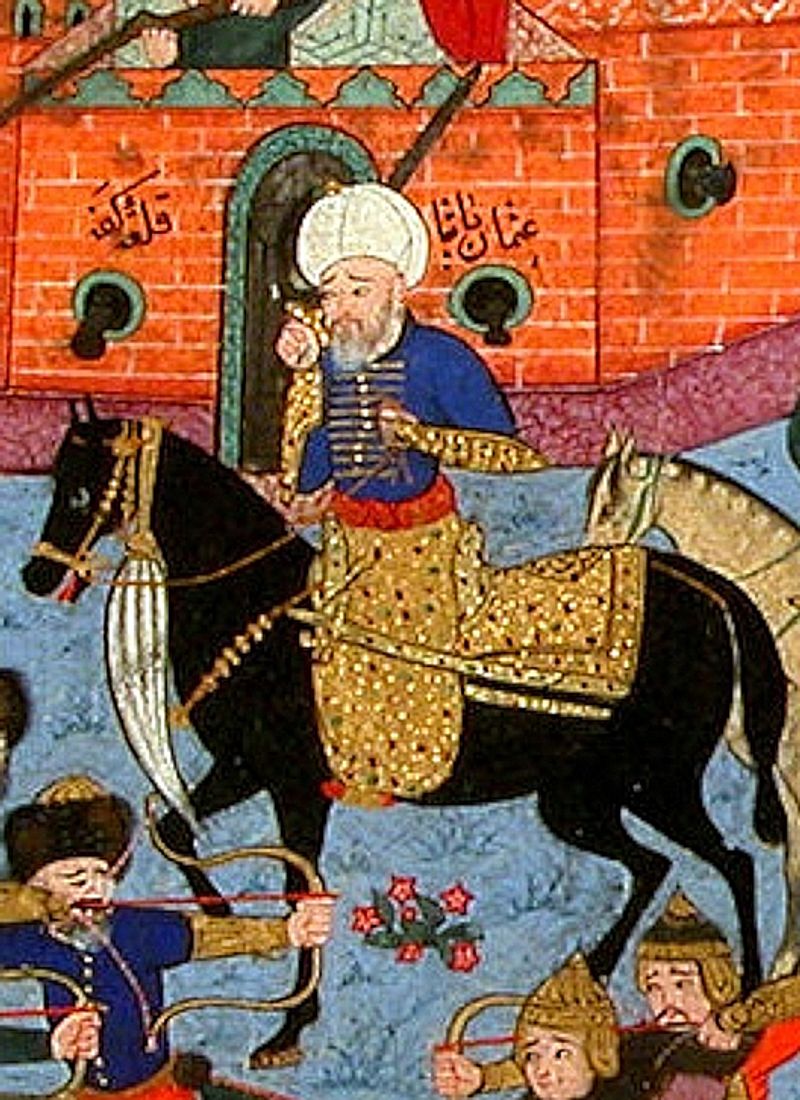
Some stories from the Black Death are hard to read, and the 1346 siege of Caffa is one of them. Caffa was a Genoese trading city in Crimea.
A medieval account claims Mongol forces suffering from plague hurled infected bodies over the city’s walls. Historians consider the story plausible, although no second source confirms it.
The bigger claim is shakier. Some say this one event brought the Black Death to Europe.
That is much less certain. Plague was already moving along several sea and land trade routes, so Caffa was probably just one piece of a much larger network of spread.
The siege is a good lesson in reading old sources carefully. A dramatic tale can be partly true and still not explain everything people later wanted it to explain.
The Taiping Rebellion
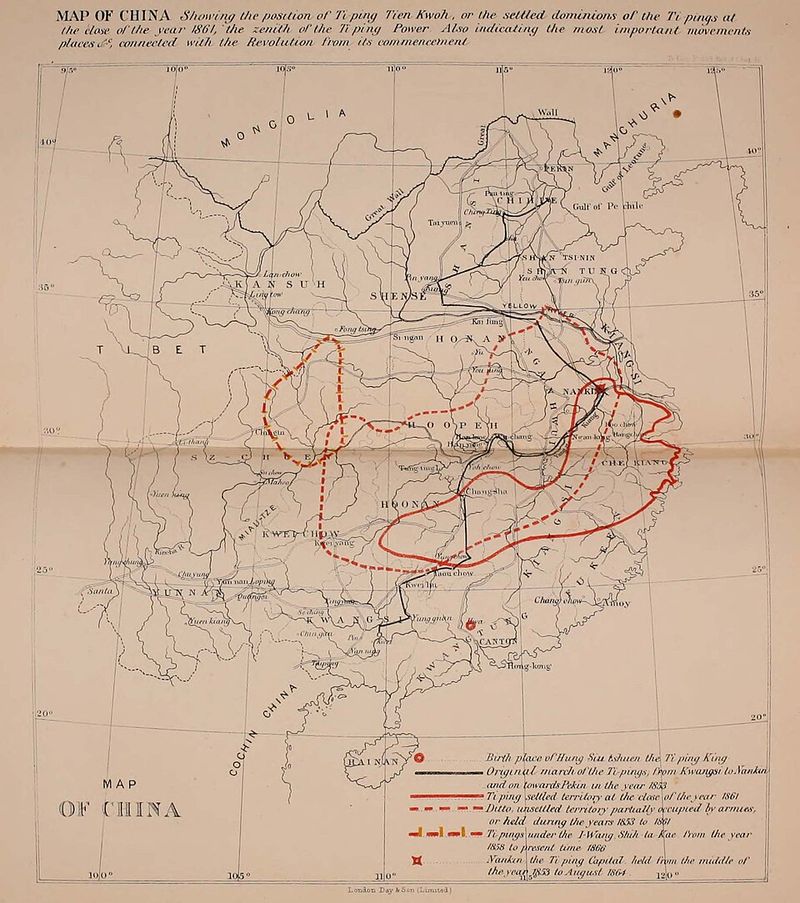
Calling any event forgotten history is tricky, and China’s Taiping Rebellion proves why. It was enormous, yet many students never hear about it.
Beginning in 1850, Hong Xiuquan led a religious and political movement against China’s Qing dynasty. He believed he had a divine relationship with Jesus.
His goal was to build a new society called the Taiping Heavenly Kingdom.
The fighting lasted until 1864 and devastated huge areas of China. Estimates vary, but roughly 20 million people may have died.
That makes it one of the deadliest conflicts of the 19th century. The scale is almost hard to picture.
It is worth learning about because it shaped China’s path in the years that followed, and because it reminds us that some of history’s biggest events happened far from the stories most classrooms cover.
The SS Eastland Disaster
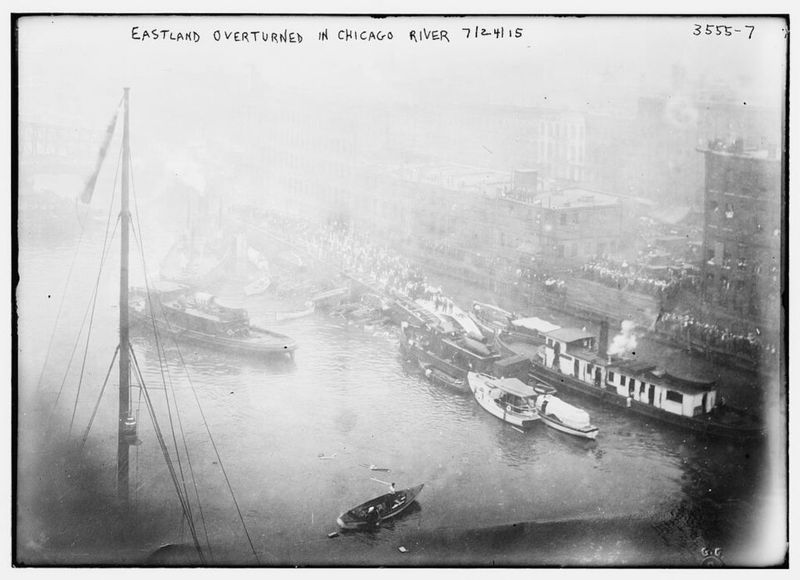
It was supposed to be a fun day out. On July 24, 1915, thousands of Western Electric employees and their families prepared for a company trip from Chicago to Michigan City, Indiana.
Before the SS Eastland even left the Chicago River, the ship rolled onto its side while crowded with passengers.
Many people were trapped beneath decks or drowned in the river, just steps from the dock.
A total of 844 people died. That makes it one of the deadliest maritime disasters in American history and the deadliest disaster in Chicago’s history.
Many people are surprised to learn it happened at the dock and not far out at sea. The event led to a closer look at how crowded passenger ships are balanced and kept stable.
The Zoot Suit Riots
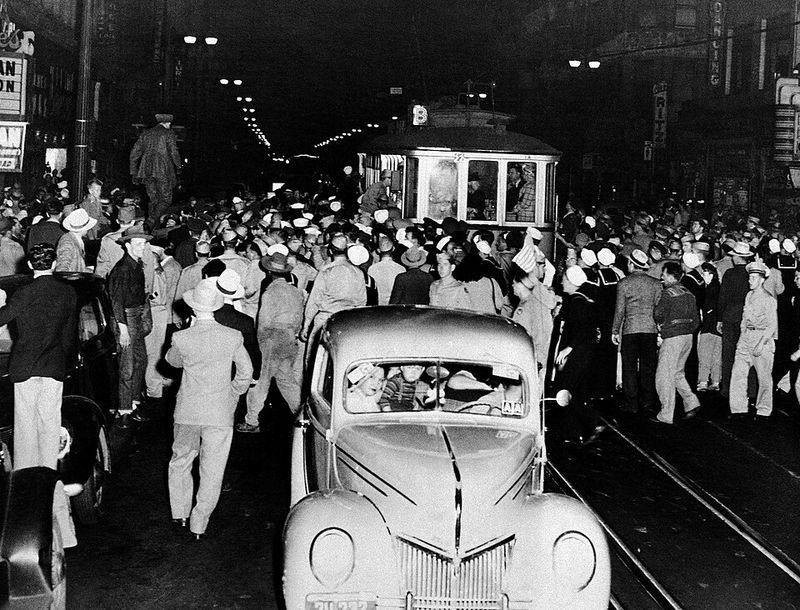
Fashion became a flashpoint in Los Angeles in June 1943. Racial tensions in the wartime city exploded into several days of violence.
Groups of U.S. servicemen and civilians targeted young Mexican American men who wore the distinctive zoot suit. Victims were beaten, stripped of their clothing, and humiliated in public.
Black and Filipino Americans were also attacked.
Despite the name riots, much of the violence involved servicemen and civilians attacking minority communities. Authorities often failed to protect the victims.
The zoot suit, with its long jacket and baggy pants, was a bold style choice for many young people.
The episode reflected deep racial tension in Los Angeles during World War II. It is an important chapter for understanding how prejudice shaped daily life on the home front.
The Pastry War
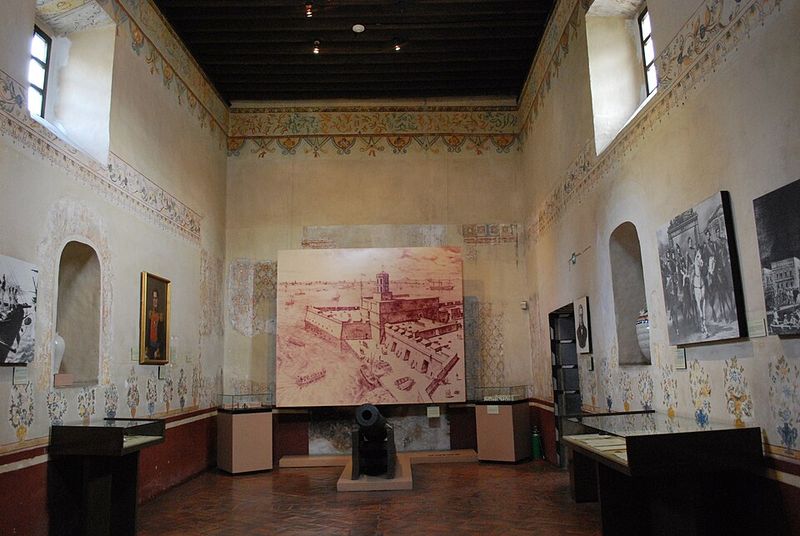
A pastry shop really did play a part in a war between France and Mexico, though cakes were far from the whole story.
A French-born pastry chef known as Remontel sought compensation after his business was damaged during unrest in Mexico. His claim became one of several French financial complaints against the Mexican government.
France demanded hundreds of thousands of pesos and blockaded Mexican ports in 1838.
Fighting followed around Veracruz. Then British mediation helped produce a settlement in 1839.
The funny name makes it easy to remember. The deeper cause was money owed and national pride.
It shows how a small business complaint can be used as one reason among many when larger powers want to press a weaker neighbor for payment.
The Battle of Los Angeles
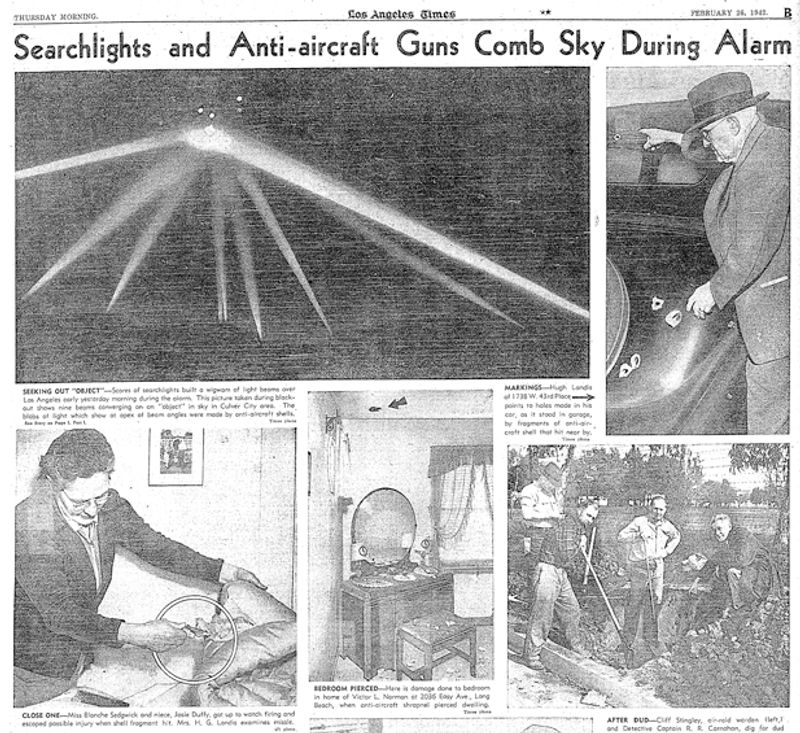
Less than three months after Pearl Harbor, Southern California was on edge. People expected a Japanese attack at any moment.
On the night of February 24 into February 25, 1942, radar and visual reports set off an air-raid alarm around Los Angeles. Anti-aircraft batteries fired into the darkness, filling the sky with shells and searchlights.
By morning, no enemy aircraft had been shot down. There was no confirmed enemy air raid at all.
Later military analysis suggested weather balloons, nervous observers, radar uncertainty, smoke, and exploding shells may have combined to cause the false alarm.
UFO theories came later, but there is no credible evidence that extraterrestrial aircraft were involved. The night is best seen as a snapshot of wartime nerves on the American West Coast.
Share this story