Some of the sweets sitting in modern bakery cases have recipes older than the printing press. Medieval cooks worked without electric ovens, refrigerators, or boxed cake mixes, yet they still found clever ways to make treats from honey, almonds, dried fruit, and imported spices.
Sugar was so costly in much of Europe that it was often stored alongside medicines, and fancy desserts were mostly saved for wealthy households and major feasts. Ordinary families made simpler sweets with flour, fruit, and honey for holidays and fairs.
Between roughly 1000 and 1500, trade routes stretching from the Middle East to England carried new ingredients and cooking ideas across borders. Crusaders, merchants, and monks all helped spread recipes from one region to another.
Some of those dishes faded away, but a surprising number survived. A few changed so much over the centuries that a medieval cook would barely recognize them.
Others look remarkably close to the versions described in old handwritten cookbooks. The list below covers puddings, pastries, candies, and fruit treats from Italy, Spain, England, Sweden, France, and the Middle East.
You will learn where each one started, how it changed, and why it still shows up on tables today.
1. Marzipan, Medieval Mediterranean Europe
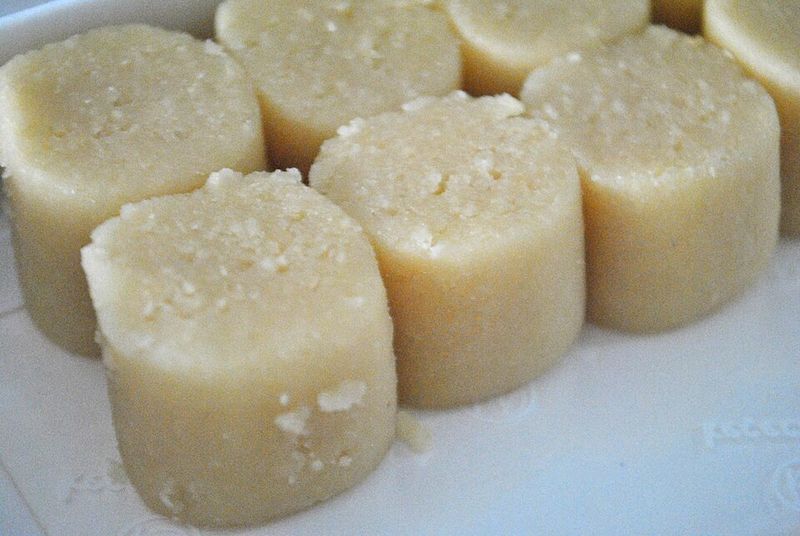
Long before it decorated wedding cakes, marzipan was sometimes sold by pharmacists. Medieval Europeans thought sugar had healing powers, so apothecaries kept almond and sugar paste on their shelves.
Historians still debate exactly where marzipan began. Many trace it to Arab cooks whose almond sweets reached Sicily and Spain around the year 1000.
Both regions had strong Islamic influence and plenty of almond trees. From there, the recipe traveled north through Venice and along routes used during the Crusades.
By the late Middle Ages, marzipan had become a showpiece at banquets. Skilled confectioners molded it into fruit, animals, coats of arms, and even small castles.
Serving such a dish told guests the host could afford two expensive imports at once. Sugar and almonds were both costly in northern Europe.
Today, the German city of Lubeck is famous for its marzipan, and Toledo in Spain claims a long tradition too. Sicilian frutta martorana still copies the old fruit shapes.
Colors are brighter now, but the two-ingredient recipe has barely budged.
2. Gingerbread, Medieval England
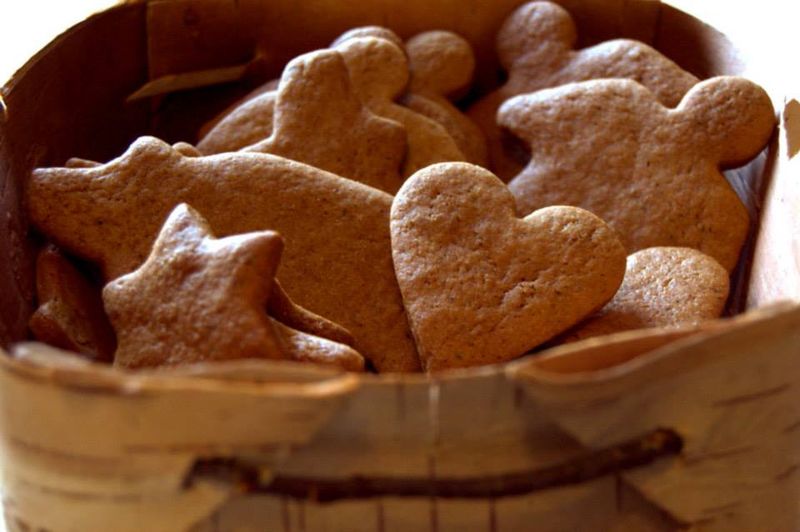
Forget the smiling cookie with icing buttons. Fifteenth-century English gingerbread, spelled gyngerbrede in old recipes, was closer to a chewy candy than a cookie.
Cooks boiled honey, stirred in breadcrumbs, and added ginger, pepper, cinnamon, and sometimes saffron. The thick paste was pressed flat, then cut into squares once it cooled.
Ginger traveled all the way from Asia, so it was pricey. A heavily spiced treat quietly announced that a household had money to spend.
People also believed spices helped digestion. Gingerbread often appeared at the end of a meal for that reason.
Fairs across Europe sold molded gingerbread shaped like flowers, birds, saints, or knights. Some pieces were even decorated with gold leaf.
By the 1600s, flour replaced breadcrumbs. Later, molasses and sugar pushed honey aside as those ingredients grew cheaper.
The famous gingerbread man came later, with one popular story linking him to Queen Elizabeth I, who reportedly had figures made to resemble her guests. Modern recipes look different, yet the love for strongly spiced sweets never left.
3. Blancmange, Medieval France and England
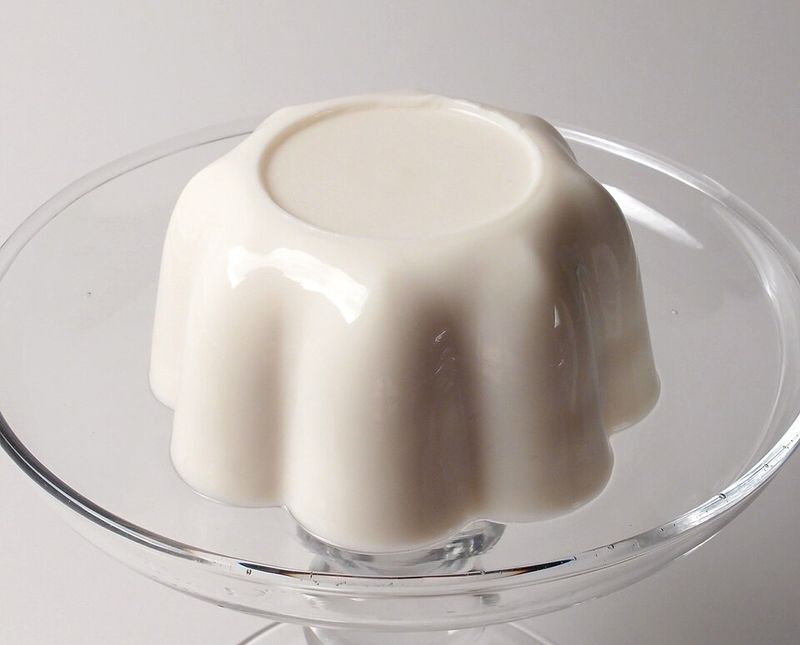
Here is a dessert with a surprising secret: its ancestor contained chicken. The name comes from French words meaning white food, and color was the whole point.
Medieval blancmange mixed almond milk, rice, sugar, and shredded chicken or capon. On fasting days, cooks swapped in white fish.
Every ingredient was chosen to keep the dish pale. Medieval diners linked white foods with purity and refinement.
Recipes appear in both English and French collections, including The Forme of Cury. Doctors of the time also recommended it for people recovering from illness because it seemed gentle and nourishing.
So when did the chicken leave? Starting around the 1600s, cooks gradually dropped the meat and leaned into the sweet side.
Gelatin, cream, and later cornstarch became the thickeners. By the Victorian era, molded blancmange was a party favorite in Britain.
Modern versions are flavored with vanilla, almond, or fruit and served chilled. The meat is long gone, but the name keeps a direct link to the medieval table.
4. Fritters, Medieval Europe
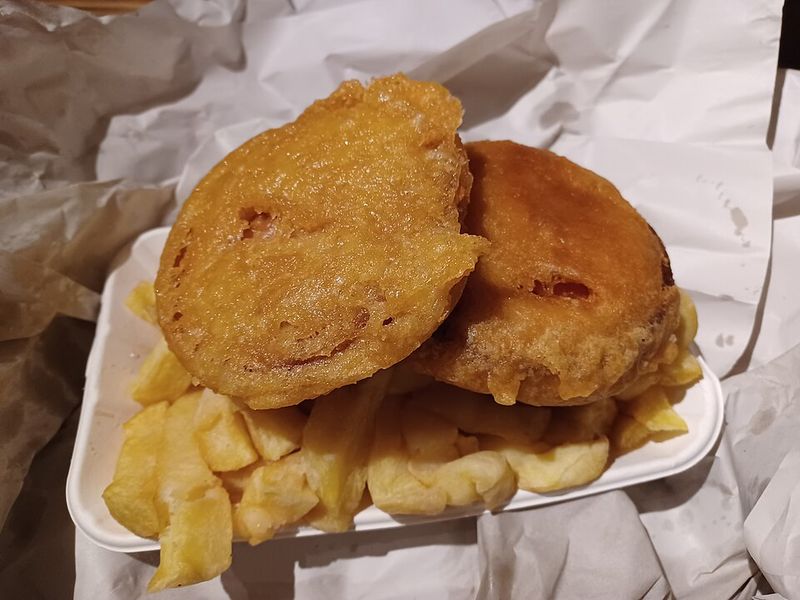
Drop batter into hot fat, and you have a recipe nearly every culture has invented at some point. Medieval Europe was no exception.
Fourteenth-century cookbooks such as The Forme of Cury and the French household guide Le Menagier de Paris both include fritter recipes. Some used apples, while others used cheese, herbs, or even parsnips.
The frying fat depended on location. Northern cooks often used lard, while Mediterranean kitchens favored olive oil.
Honey or sugar turned a plain fritter into a holiday food. Many were linked to the days before Lent, when households used up rich ingredients.
Venice offers a great example. Its fritole became so popular that street vendors formed their own guild, and recipes passed down through families for generations.
That Carnival connection survives today. Italian frittelle, Polish paczki, and American apple fritters all belong to the same broad family.
Fillings and toppings have changed with every generation. Still, the basic plan of mixing, frying, and eating while fresh has stayed reliably the same.
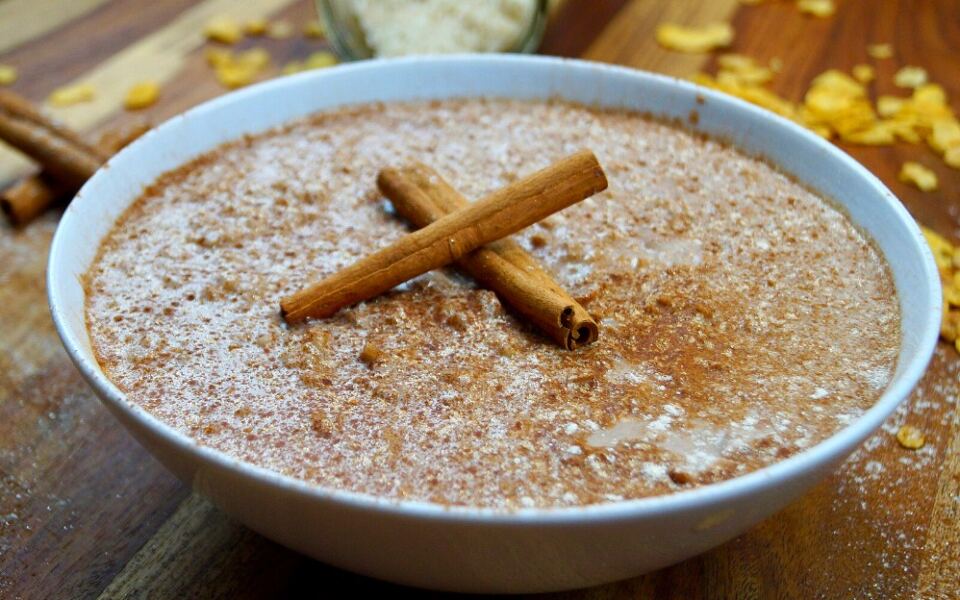
5. Rice Pudding, Medieval Europe
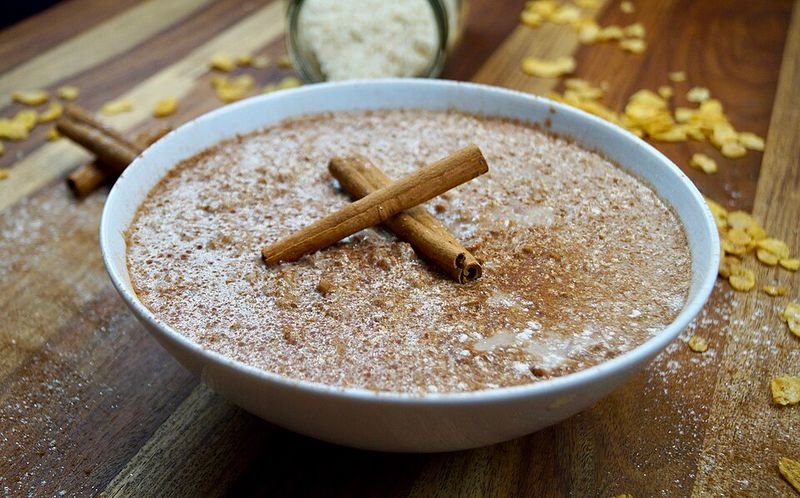
Few comfort foods have a resume as fancy as the humble bowl of rice pudding. Around 1390, cooks for King Richard II of England compiled a recipe collection called The Forme of Cury.
Inside it is a dish simply called ryse. It combined rice with almond milk, a popular dairy substitute during the many fasting days of the church calendar.
Rice was not grown in England at the time. Merchants imported it at a high price, so it was far less common than oats or barley.
That made early rice pudding a status dish. Almonds were imported too, which meant only well-off kitchens could serve it regularly.
Cooks often added honey or sugar when they could afford it. Some versions also included spices from distant trade routes.
Over time, cow’s milk replaced almond milk, and sugar became cheap enough for everyone. Cinnamon and raisins joined the party later.
Today, versions appear from Britain to India, including Spanish arroz con leche and Turkish sutlac. A royal recipe has become an everyday snack.
6. Turrón, Medieval Spain
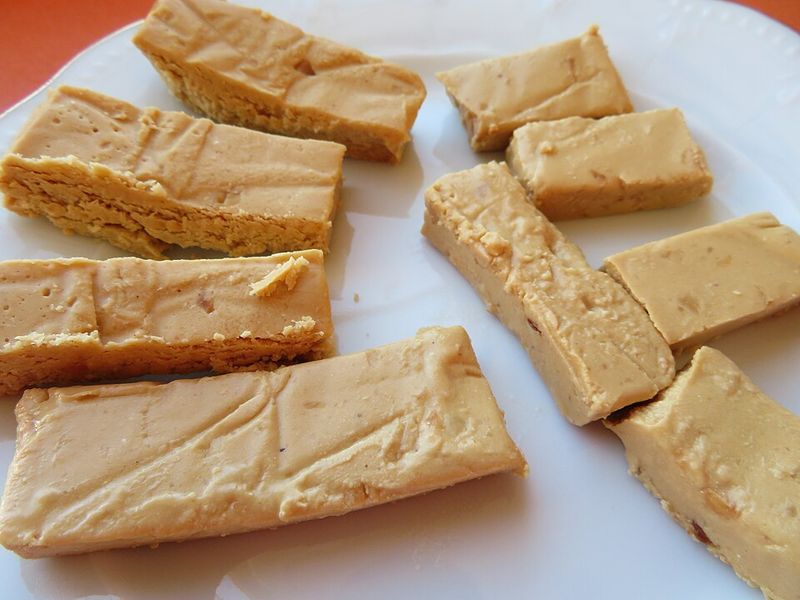
Spanish families buy tons of turrón every December, yet the treat’s story starts centuries before modern Christmas markets. Its roots reach back to medieval Iberia, when much of the peninsula was under Muslim rule.
Arab cooks brought a strong tradition of sweets made from honey and almonds. Almond trees grew well in eastern Spain, especially around Valencia.
The name may come from the Latin word torrere, meaning to toast. That fits, since roasting the almonds is a key step.
Exact dates are hard to pin down. Recognizable turrón became more common near the end of the Middle Ages and kept growing in popularity afterward.
Two towns made it famous. Jijona turrón is soft, made from ground almonds into a smooth paste.
Alicante turrón is hard and crunchy, packed with whole almonds held together by honey and egg white. Both carry protected regional labels today.
Factories now produce chocolate, coconut, and even candied fruit versions. The classic almond and honey bars, though, remain the holiday favorites.
7. Baklava, Medieval Middle East
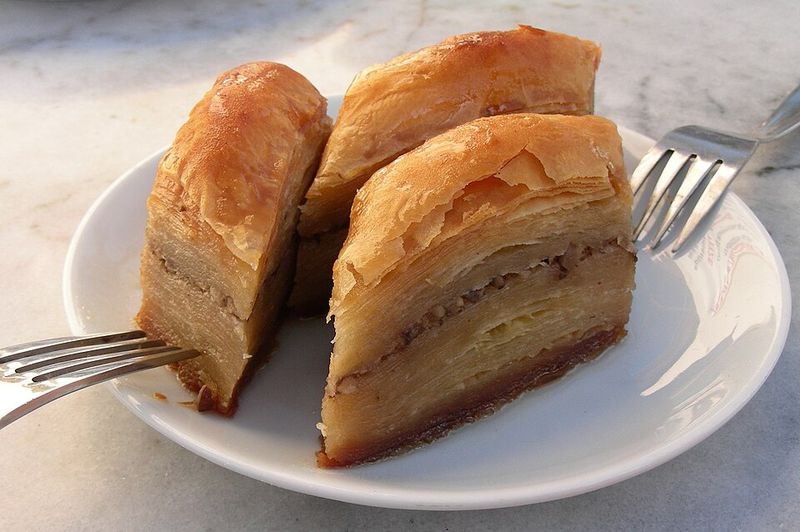
Ask five countries who invented baklava, and you may get five confident answers. The honest truth is that no single kitchen gets full credit.
Medieval cooks across the Middle East and Central Asia made many sweets from thin dough, chopped nuts, and honey. Turkic peoples had layered breads, and Persian cooks loved pistachios and rosewater.
These traditions mixed through trade and conquest. Together, they built the foundation for the pastry we know.
The modern version took shape later in the kitchens of the Ottoman Empire. Palace bakers in Istanbul perfected dough rolled so thin it became nearly see-through.
By the 1600s, baklava held such prestige that the sultan reportedly sent trays to his elite soldiers during Ramadan. That custom became a public parade called the Baklava Procession.
So modern baklava is not a frozen medieval recipe. Its earlier relatives, though, show how long people have paired pastry, nuts, and sweet syrup.
Greek versions often use walnuts and honey, while Turkish Gaziantep baklava favors pistachios. Every region adds its own twist.
8. Panforte, Siena, Italy
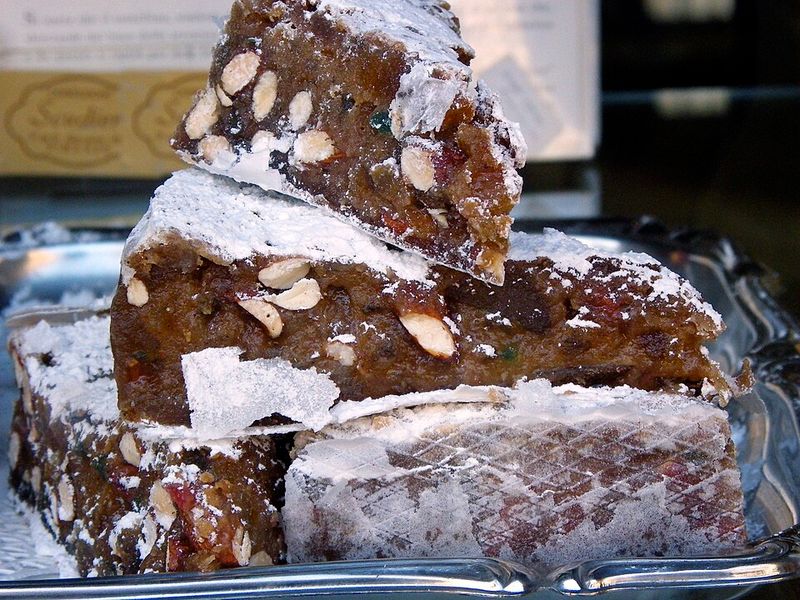
A document from 1205 records a tax payment in Siena that may have included a honey and pepper bread. Many historians point to it as an early sign of panforte.
Back then, it was called panpepato, meaning peppered bread. Its name reflected the heavy dose of pepper among the spices.
Siena sat on a major pilgrim and trade route called the Via Francigena. Merchants passing through supplied the expensive spices that made the cake possible.
Monks and nuns prepared early versions. Because the cake lasted a long time without spoiling, travelers and soldiers could carry it on long journeys.
Panforte was considered a luxury gift. Nobles, knights, and church leaders received it on special occasions.
The name panforte, or strong bread, became common later. In 1879, a version called Panforte Margherita was created in honor of Queen Margherita of Italy, with less spice and a coating of powdered sugar.
Shops across Siena sell it year-round today. Locals still cut it in thin slices, since a little goes a long way.
9. Saffron Buns, Medieval England and Scandinavia
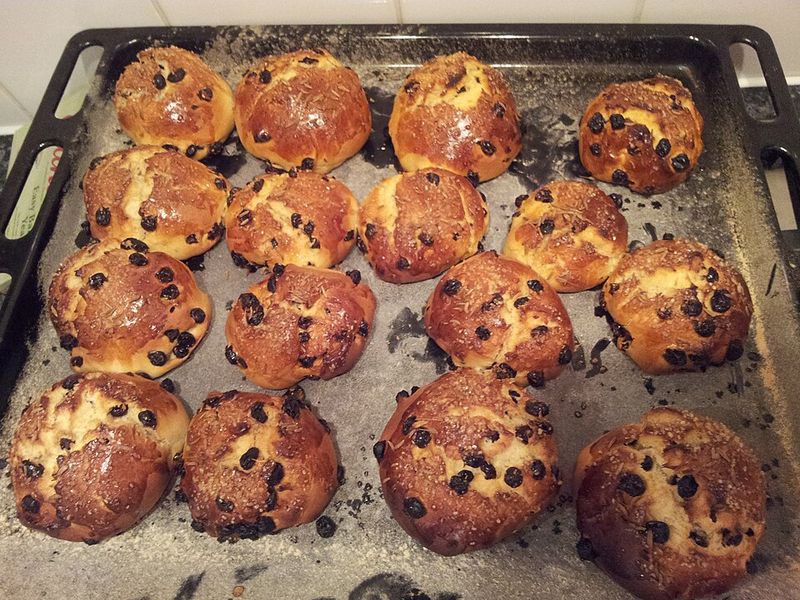
One pound of saffron needs threads from roughly 75,000 crocus flowers, all picked by hand. No wonder medieval Europeans treated it like treasure.
English cookbooks from the 1300s use saffron constantly. Cooks valued it for flavor and especially for the bright yellow color it gave to food.
England even grew its own saffron for a while. The town of Saffron Walden in Essex earned its name from the crop.
Cornwall developed a strong saffron bun tradition. Local legend links it to trade with merchants who exchanged spices for Cornish tin, though historians treat that story with caution.
Sweden built a different custom. Lussekatter, or Lucia cats, are curled S-shaped buns eaten on Saint Lucia’s Day, December 13.
Children dress in white robes, and the oldest girl often wears a crown of candles while serving the buns. The holiday celebrates light during the darkest weeks of winter.
Modern recipes use flour, milk, butter, sugar, and saffron. The shapes are newer, but the tradition of saffron in festive baking runs deep.
10. Ma’amoul, Middle East
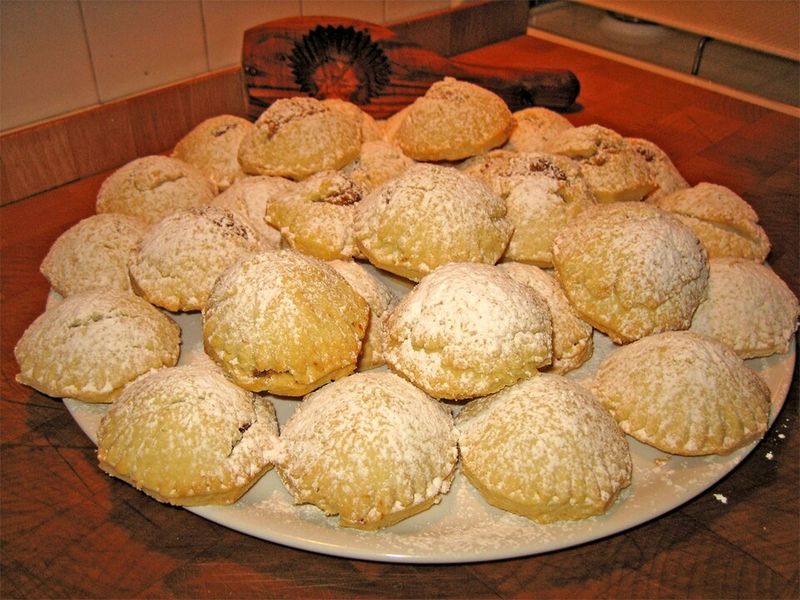
Carved wooden molds hang in many kitchens across Lebanon, Syria, Jordan, and Palestine. Families pull them down before major holidays to make ma’amoul.
These small cookies use a dough of semolina or flour, often flavored with orange blossom or rose water. Fillings usually include dates, walnuts, or pistachios.
The molds, called tabe, press patterns into the surface. Different shapes often signal different fillings, so guests can tell which is which.
No single medieval recipe proves exactly where ma’amoul began. Food historians connect it to older date-filled treats like Egyptian kahk and Iraqi kleicha.
Cookbooks from the Abbasid era, centered in Baghdad, describe stuffed pastries and date sweets. Kahk was also popular during Fatimid rule in Egypt, when it was handed out at festivals.
Today, ma’amoul crosses religious lines. Muslim families bake it for Eid al-Fitr and Eid al-Adha, while Christian families prepare it for Easter.
Baking day is often a group event. Relatives gather to shape hundreds of cookies, keeping a long regional tradition very much alive.
11. Pomegranate and Fruit Jellies, Medieval Europe
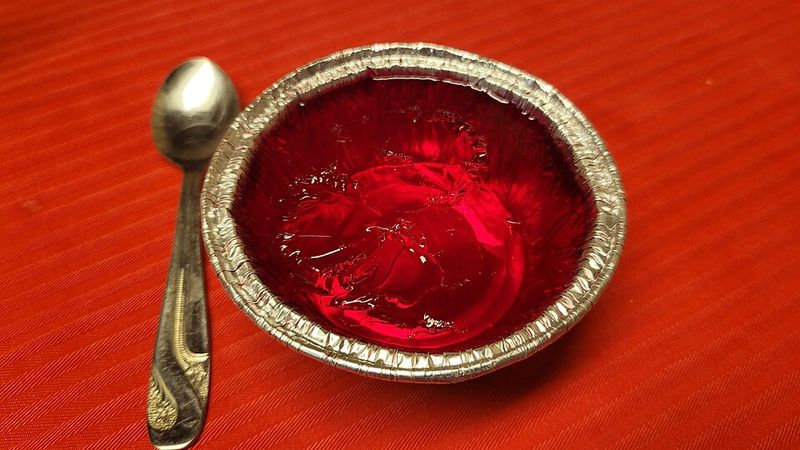
Gummy candy may seem like a factory invention, but medieval cooks already knew how to turn fruit into firm, sliceable sweets. Their secret weapon was the quince.
Quince is hard and sour when raw. It is also full of pectin, a natural substance that makes cooked fruit set.
Cooks simmered quince with honey or sugar for hours until it thickened. The result could be cut into blocks and stored for months.
The Portuguese word for quince is marmelo. Many scholars believe that word gave English its term marmalade.
Pomegranates showed up too, mostly in Mediterranean and Middle Eastern cooking. Cooks used their juice in sauces, syrups, and sweet dishes, though not always as firm jellies.
As sugar became cheaper after the 1500s, fruit preserving exploded in popularity. Jams and jellies spread to ordinary kitchens across Europe.
Spanish membrillo is a living example. Today it is often served with manchego cheese, making a sweet and salty snack built on a very old technique.
12. Hypocras-Soaked Fruits, Medieval France
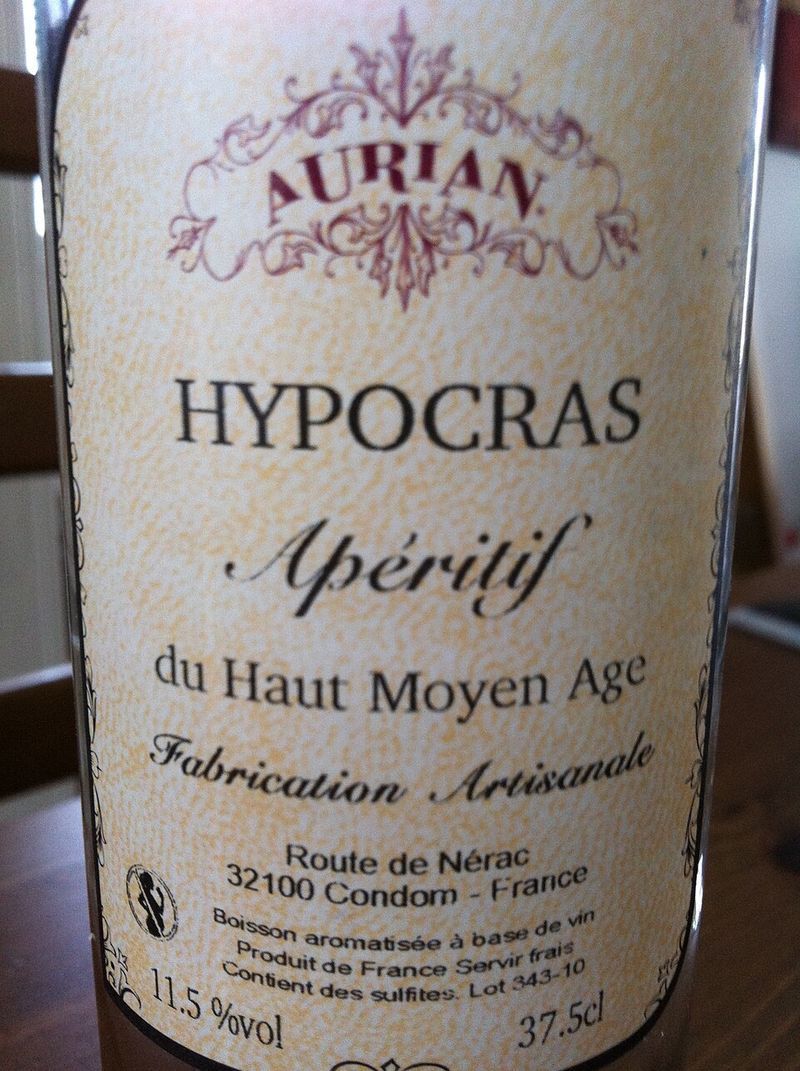
French nobles of the 1300s loved ending a feast with a spiced drink called hypocras. Its name honored Hippocrates, the ancient Greek physician, because people believed the spices were good for health.
Cooks steeped cinnamon, ginger, cloves, and sugar, then poured the mix through a cloth bag to strain it. That bag was nicknamed the sleeve of Hippocrates.
The same spice blend found its way into fruit dishes. Pears were the favorite choice, often simmered in spiced liquid until soft.
Medieval pears were firm cooking varieties. Long simmering made them tender, and spices gave them flavor.
Le Menagier de Paris, a household guide written around 1393, includes spiced fruit preparations. It shows these dishes were part of everyday upper-class French cooking.
Modern poached pears follow the same idea. Many home cooks now use grape juice or cranberry juice with cinnamon and sugar for a family-friendly version.
Served with cream or ice cream, the dish still looks elegant. The spice combination is almost identical to what French cooks used centuries ago.
Share this story