Before tablets, streaming services, and smartphones, a library card was one of the most powerful things a kid could own. The 1960s brought huge changes to children’s publishing.
Dr. Seuss had just proven that early readers did not have to be boring, and new authors started writing about real feelings, real cities, and even trips through space. Some of the favorite books of the decade were brand new, fresh off the presses at Harper and Row, Random House, and Viking.
Others were older titles that parents and teachers kept passing along because they simply worked. Kids met mischievous monkeys, talking spiders, a mysterious candy maker, and a boy who sailed off to rule a land of monsters.
Several of these books won major awards. A few were even pulled from library shelves because some adults thought they were too scary or too honest.
Below, you will find the stories behind each book, including how they were made, why they stood out, and what made them stick with readers for decades. Some facts may surprise you, like the bet that led to a famous breakfast story.
Grab a mental bookmark and see how many of these you can check off your childhood reading list.
1. Where the Wild Things Are by Maurice Sendak (1963)
Some librarians actually banned this book when it first came out, worried it would frighten young readers. Kids disagreed, and they won the argument.
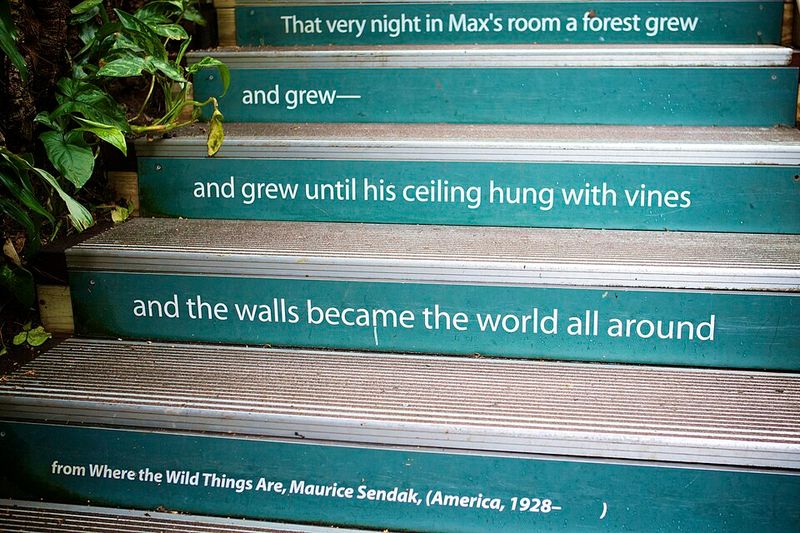
Harper and Row published Maurice Sendak’s picture book on November 13, 1963. It follows Max, a boy in a wolf suit who gets sent to bed without supper after causing trouble.
His room turns into a forest, and he sails away to an island of huge creatures.
Max becomes king of the Wild Things. Still, he eventually wants to go back to where someone loves him best.
Sendak planned the pictures carefully. They start small with lots of white space, then grow until they fill whole pages during the wild rumpus.
The book won the 1964 Caldecott Medal. By 2009, it had sold over 19 million copies worldwide, proving that kids appreciate stories that take anger seriously.
2. Green Eggs and Ham by Dr. Seuss (1960)
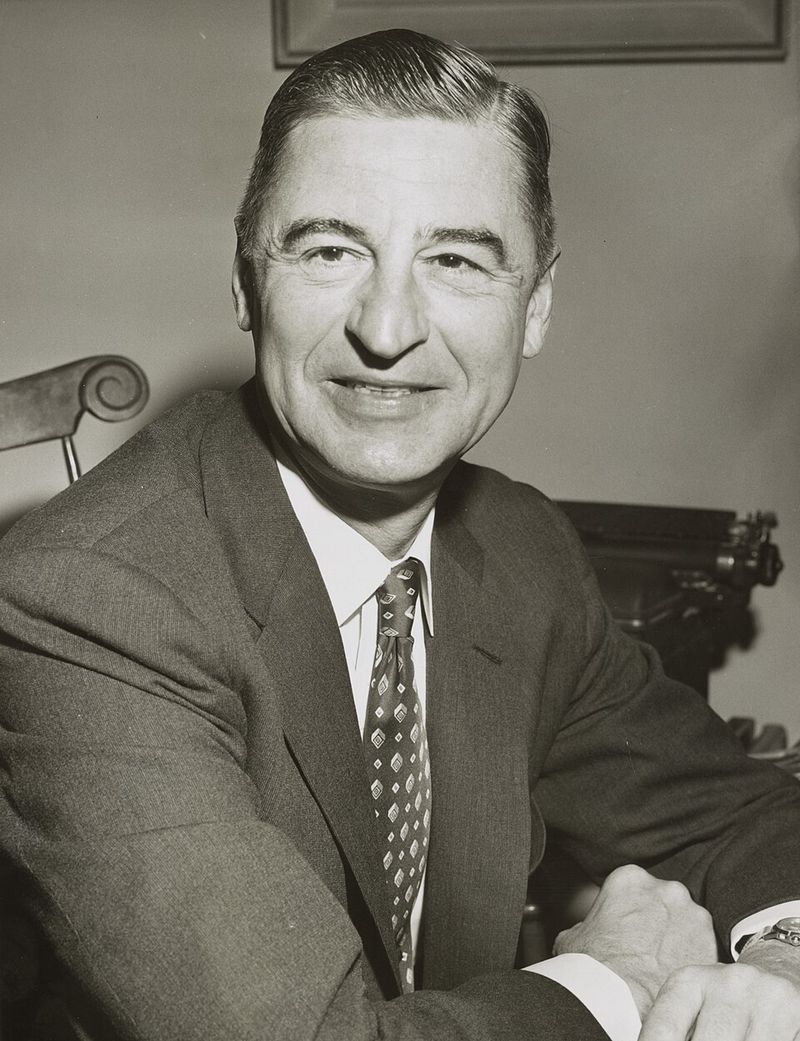
A friendly bet started it all. Publisher Bennett Cerf wagered that Theodor Geisel could not write an entertaining book using only 50 different words.
Geisel took the challenge and won. Green Eggs and Ham arrived on August 12, 1960, through the Beginner Books imprint of Random House.
The plot is simple. Sam-I-Am keeps offering a grumpy character a strange meal in a house, in a box, with a fox, on a train, and even in the rain.
Words like boat, goat, mouse, and tree make up the tiny vocabulary. That repetition helped new readers feel like experts after just a few pages.
There is also a handy lesson inside. You cannot know if you dislike something until you try it.
By the end of 2000, the book had sold over 8 million copies, making it the top-selling Dr. Seuss title.
3. Charlotte’s Web by E. B. White (1952)
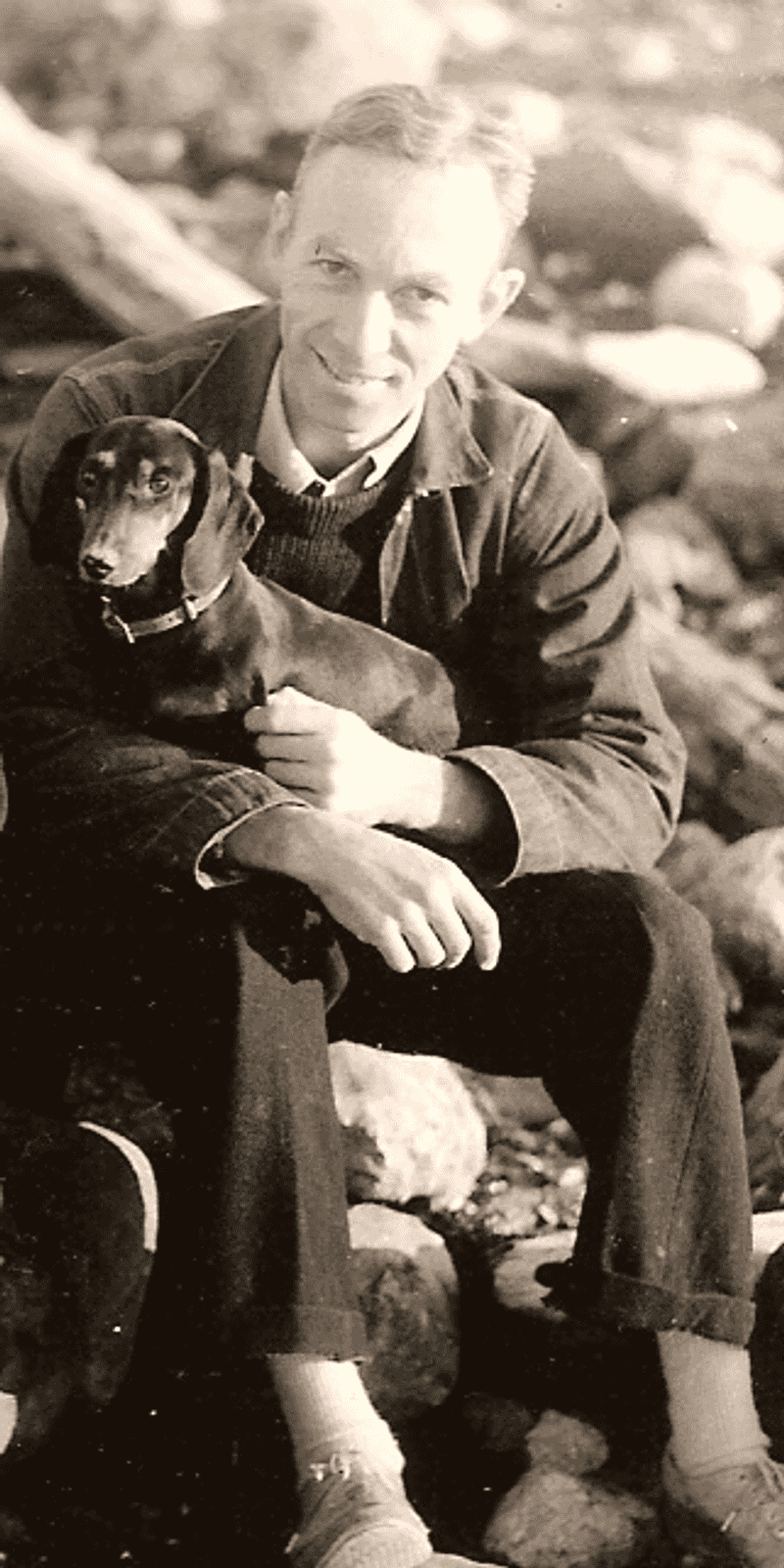
Plenty of 1960s kids can name the first book that made them cry, and many name this one. E.
B. White’s novel had been around since October 15, 1952, yet it stayed a classroom favorite all decade.
Wilbur is a young pig with a worrying future on the farm. Charlotte, a clever barn spider, decides to help by weaving words like Some Pig into her web.
Visitors flock to see the miracle, and Wilbur’s fortunes change. The story covers friendship, loyalty, and the natural cycle of life with real honesty.
Garth Williams drew the pen-and-ink illustrations that made the barnyard feel familiar.
The book earned a Newbery Honor in 1953. It has sold more than 45 million copies.
Fun fact: White reportedly needed 17 tries to record the ending for an audiobook because he kept getting emotional.
4. The Cat in the Hat by Dr. Seuss (1957)
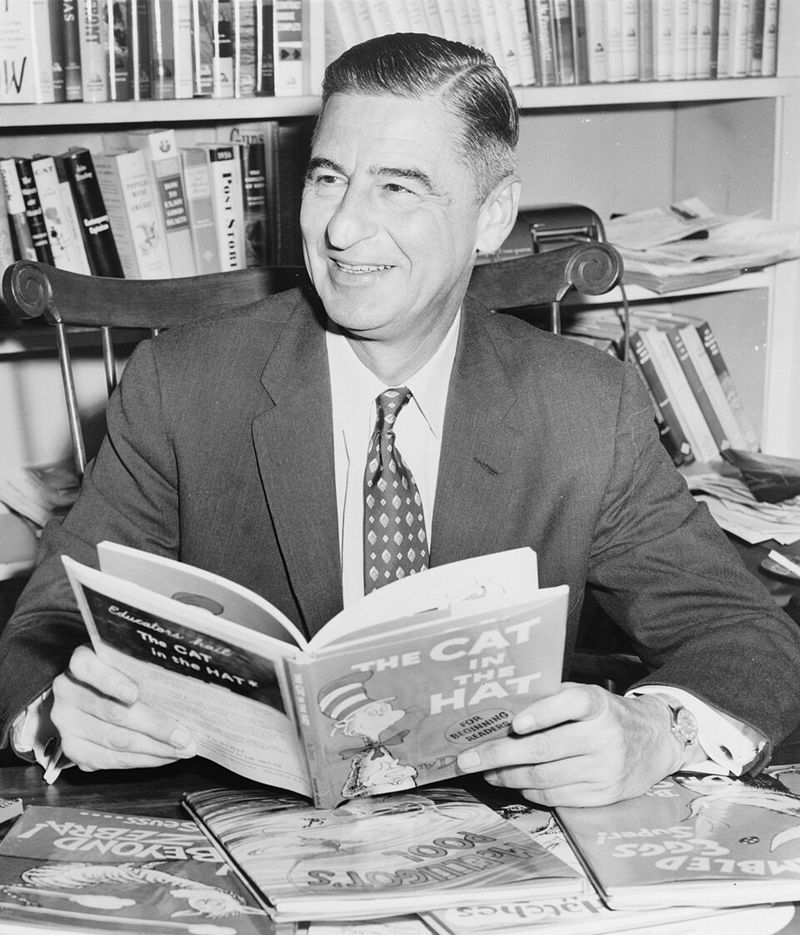
Blame a magazine article for this one. In 1954, Life magazine criticized school primers like Dick and Jane for being dull, and someone challenged Dr. Seuss to do better.
He was given a list of words first-graders should know. The finished story used just 236 different words.
Published March 12, 1957, it shows Sally and her brother stuck inside on a rainy day. Then a tall cat in a striped hat shows up and turns the house upside down.
Thing One and Thing Two pop out of a big red box and fly kites indoors. Meanwhile, a nervous fish begs everyone to behave.
The book sold over a million copies in three years. Its success led directly to the creation of Beginner Books.
By the 1960s, it was the first book many children read entirely on their own.
5. Charlie and the Chocolate Factory by Roald Dahl (1964)
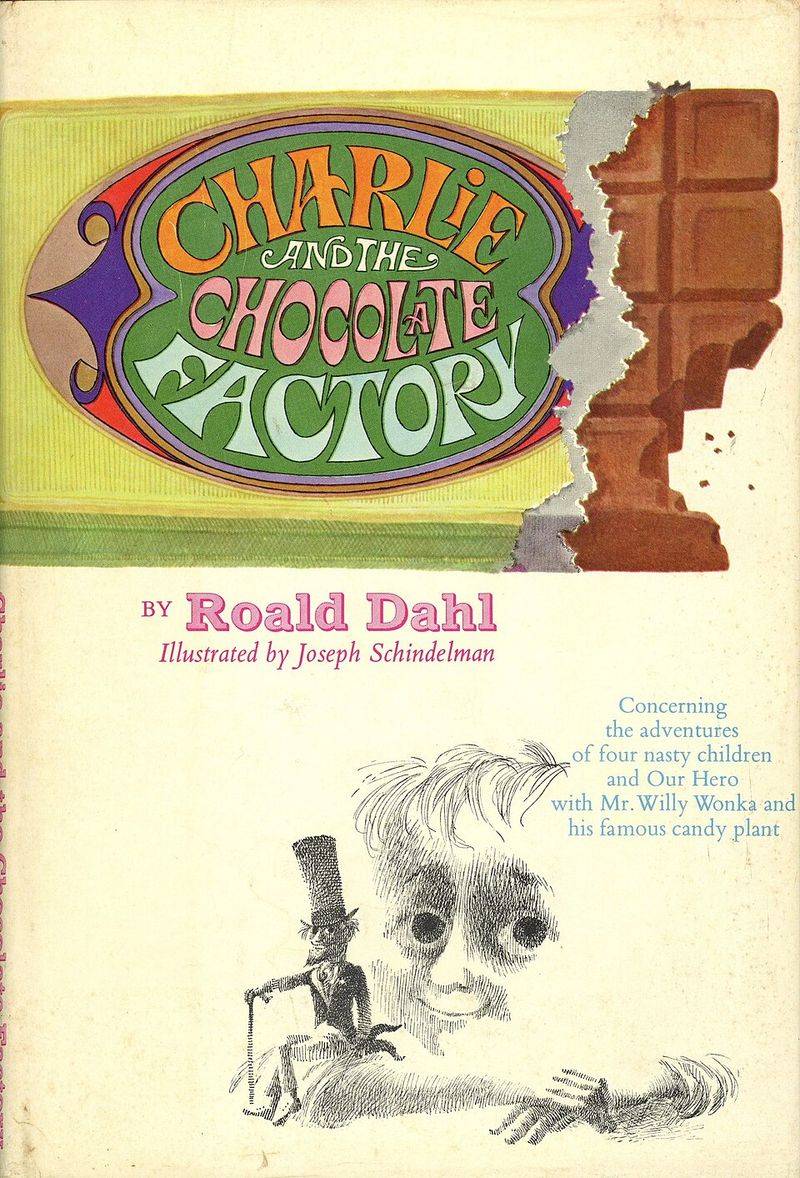
Finding a golden ticket in a candy bar wrapper became every kid’s daydream after 1964. Roald Dahl’s novel landed in the United States first, published by Alfred A.
Knopf, with the British edition following months later.
Charlie Bucket lives in a tiny house with very little food. When he finds one of five golden tickets, he earns a tour of Willy Wonka’s secret factory.
Four other children join him. Augustus Gloop, Veruca Salt, Violet Beauregarde, and Mike Teavee each break the rules and face silly but memorable results.
The book works like a series of tests. Good behavior is rewarded, while greed and bragging lead to trouble.
Dahl filled the pages with made-up words and wild inventions.
In 1971, the story became the film Willy Wonka and the Chocolate Factory, starring Gene Wilder, which brought even more readers to the book.
6. The Giving Tree by Shel Silverstein (1964)
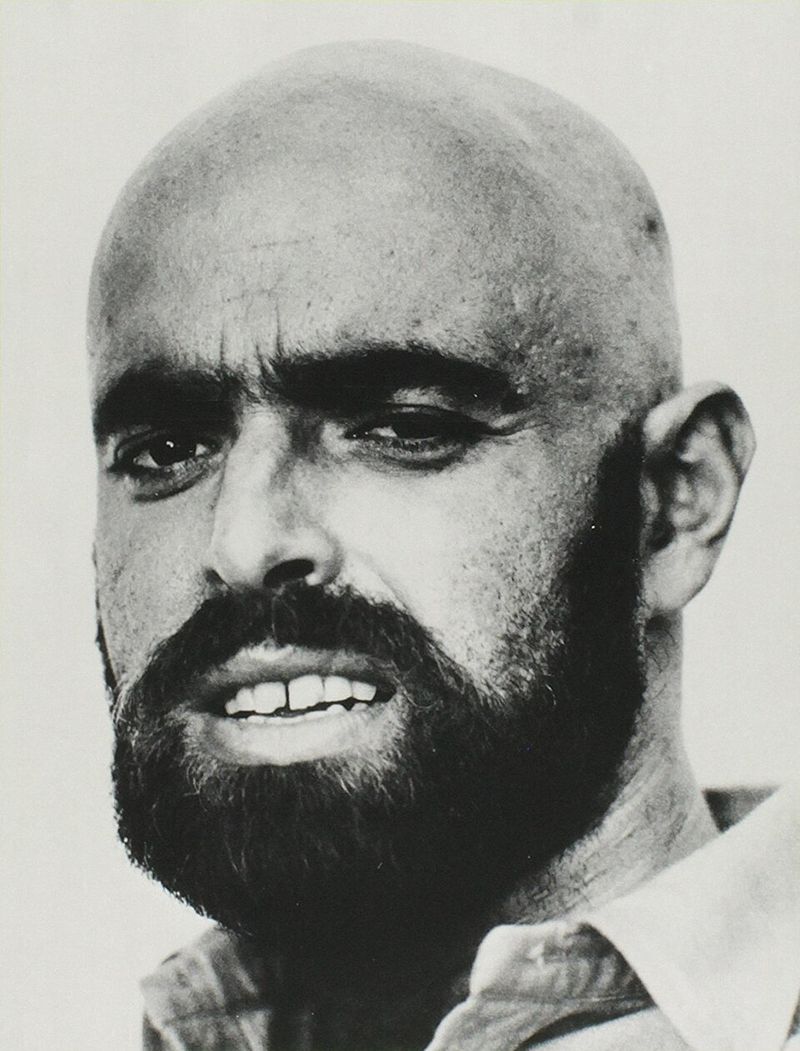
One editor turned it down for being too sad for kids and too simple for adults. Ursula Nordstrom at Harper and Row saw something different and published it on October 7, 1964.
Shel Silverstein’s story follows a boy and an apple tree. As a child, he climbs her trunk and eats her apples.
As he grows up, his requests get bigger. He takes apples to sell, branches for a house, and finally the trunk for a boat.
The black-and-white drawings are plain on purpose. Nothing distracts from the relationship between the two characters.
Readers still argue about the meaning. Some see a picture of a parent’s love, while others see a warning about taking too much.
Silverstein never explained it. He let readers decide, which is why many people find new meaning when they reread it as adults.
7. The Very Hungry Caterpillar by Eric Carle (1969)
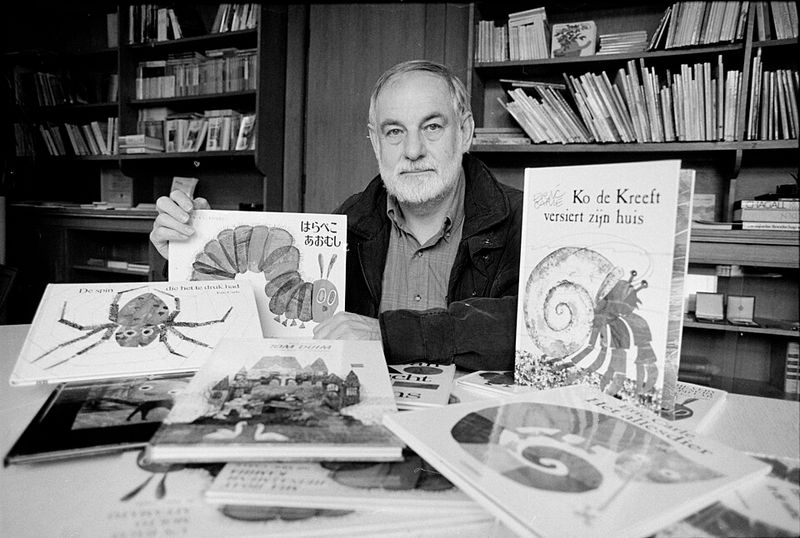
A simple hole punch inspired one of the best-selling picture books ever. Eric Carle was punching holes in paper when he imagined a bookworm munching through pages.
That bookworm became a caterpillar. The World Publishing Company released the book on June 3, 1969.
The story starts with a tiny egg on a leaf. Each day, the caterpillar eats more food, from one apple on Monday to a huge pile of treats on Saturday.
Little fingers could poke through the die-cut holes in each fruit. That made reading feel like play.
Carle made the art by painting tissue paper, then cutting and gluing it into colorful shapes.
Kids learned counting, the days of the week, and how butterflies form. The book has now sold over 55 million copies in more than 70 languages.
8. Curious George by H. A. and Margret Rey (1941)
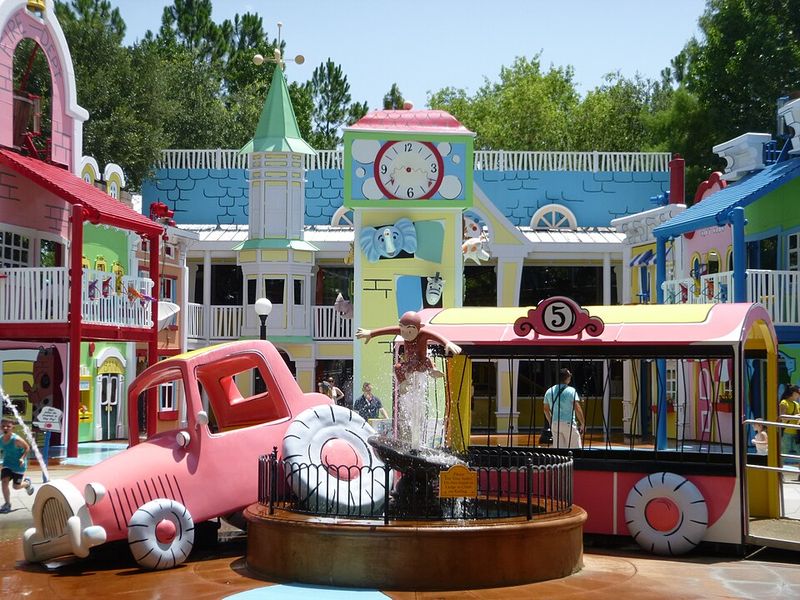
Before he was George, he was Fifi. The famous monkey first appeared under that name in a 1939 book the Reys published in Paris.
In 1940, H. A. and Margret Rey left Paris on bicycles, carrying the manuscript with them.
Houghton Mifflin published Curious George in America the following year.
George’s formula is easy to love. He sees something interesting, investigates, and causes a giant mess.
Luckily, the Man with the Yellow Hat always helps sort things out. He is patient, kind, and never seems to run out of hats.
New titles kept arriving through the 1960s, including Curious George Learns the Alphabet in 1963.
Kids who had ever touched something they were told not to touch understood George completely. The series has sold more than 25 million copies.
9. Madeline by Ludwig Bemelmans (1939)
In an old house in Paris that was covered with vines lived twelve little girls in two straight lines. Many 1960s kids could recite that opening by heart.
Ludwig Bemelmans published Madeline through Viking Press in 1939. She is the smallest of the girls, yet also the bravest.
She is not scared of mice, and she says pooh-pooh to the tiger at the zoo. In the first book, a sudden case of appendicitis sends her to the hospital, where her scar makes classmates jealous.
The pictures show real Paris landmarks like the Eiffel Tower and the Seine River.
Madeline earned a Caldecott Honor in 1940. Then Madeline’s Rescue won the full medal in 1954.
Bemelmans kept writing sequels until 1961, so new adventures were still showing up as the decade began.
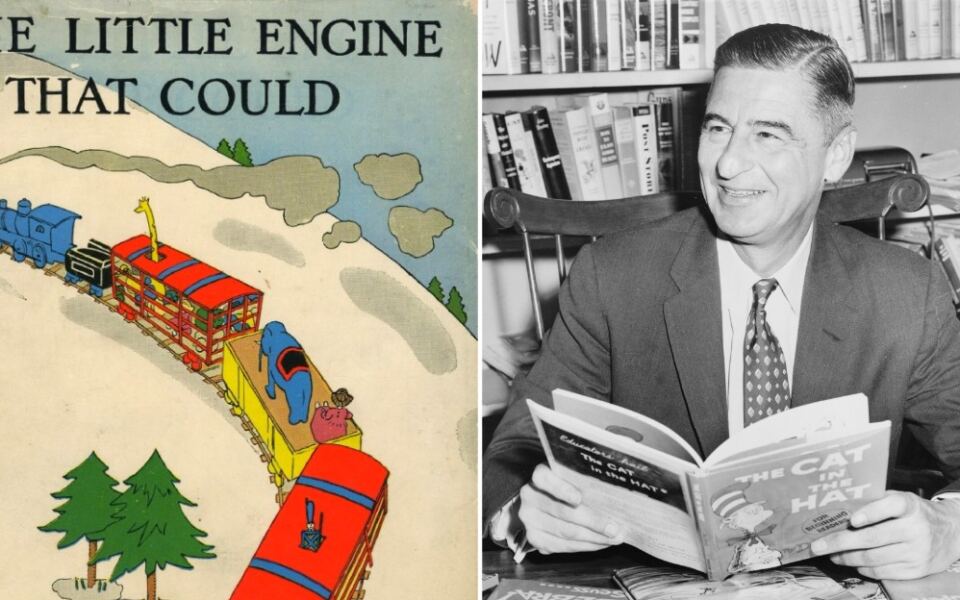
10. The Little Engine That Could by Watty Piper (1930)
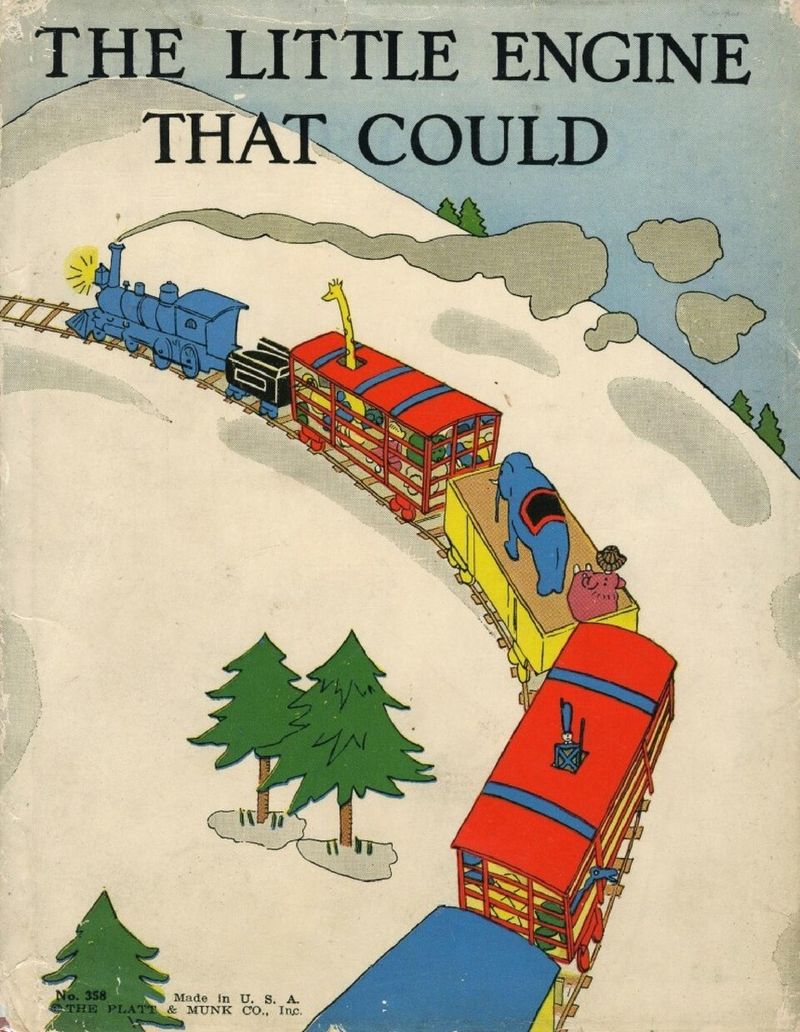
I think I can, I think I can. Few phrases from children’s books have been repeated more by parents, coaches, and teachers.
Watty Piper was not a real person. The name was a pen name for publisher Arnold Munk, whose company Platt and Munk released the best-known version in 1930.
The story itself is older. A recognizable form appeared in print around 1906.
A train full of toys and treats breaks down at the bottom of a mountain. Big, important engines refuse to help.
A small blue engine agrees to try, chanting its famous line all the way up.
A 1954 edition with brighter pictures by George and Doris Hauman was the one many 1960s families owned. Teachers loved it for lessons on effort and confidence.
11. The Phantom Tollbooth by Norton Juster (1961)
Ever literally jumped to conclusions? Milo does, and it lands him on an island he cannot easily leave.
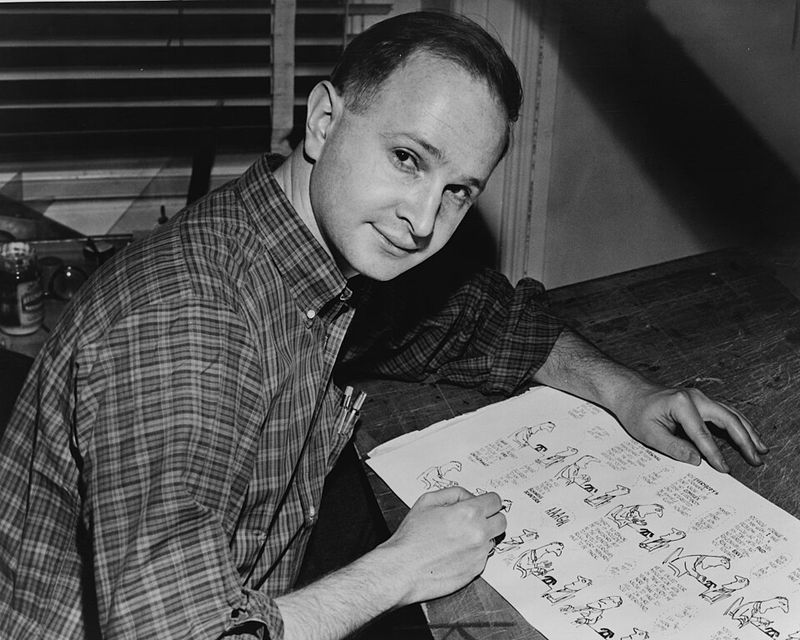
Norton Juster’s novel came out on August 12, 1961, with drawings by Jules Feiffer. Milo is a boy bored with everything until a mysterious tollbooth appears in his room.
He drives his toy car through it and enters the Lands Beyond. There he meets Tock, a watchdog with a clock in his body, and the Humbug, a bragging insect.
Their mission is to rescue two princesses named Rhyme and Reason.
The book is packed with puns. Places like Dictionopolis and Digitopolis turn words and numbers into characters.
Some publishers worried the vocabulary was too advanced for children. Readers proved otherwise, and it became a school library staple often compared to Alice in Wonderland.
12. Harriet the Spy by Louise Fitzhugh (1964)
Writing down honest opinions about your classmates seems harmless until someone finds the notebook. Harriet M.
Welsch learned that lesson the hard way.
Louise Fitzhugh published Harriet the Spy through Harper and Row in 1964. Harriet is eleven, lives on the Upper East Side of New York City, and wants to be a writer.
She follows a spy route after school, observing neighbors and recording everything. Her notes are sharp, funny, and sometimes mean.
When classmates read them, they form a club against her.
Critics called it a milestone of new realism. Harriet was stubborn, curious, and imperfect, unlike the polite heroes in older books.
Some schools banned it for setting a bad example. Kids loved it anyway, and plenty started carrying notebooks of their own.
13. A Wrinkle in Time by Madeleine L’Engle (1962)
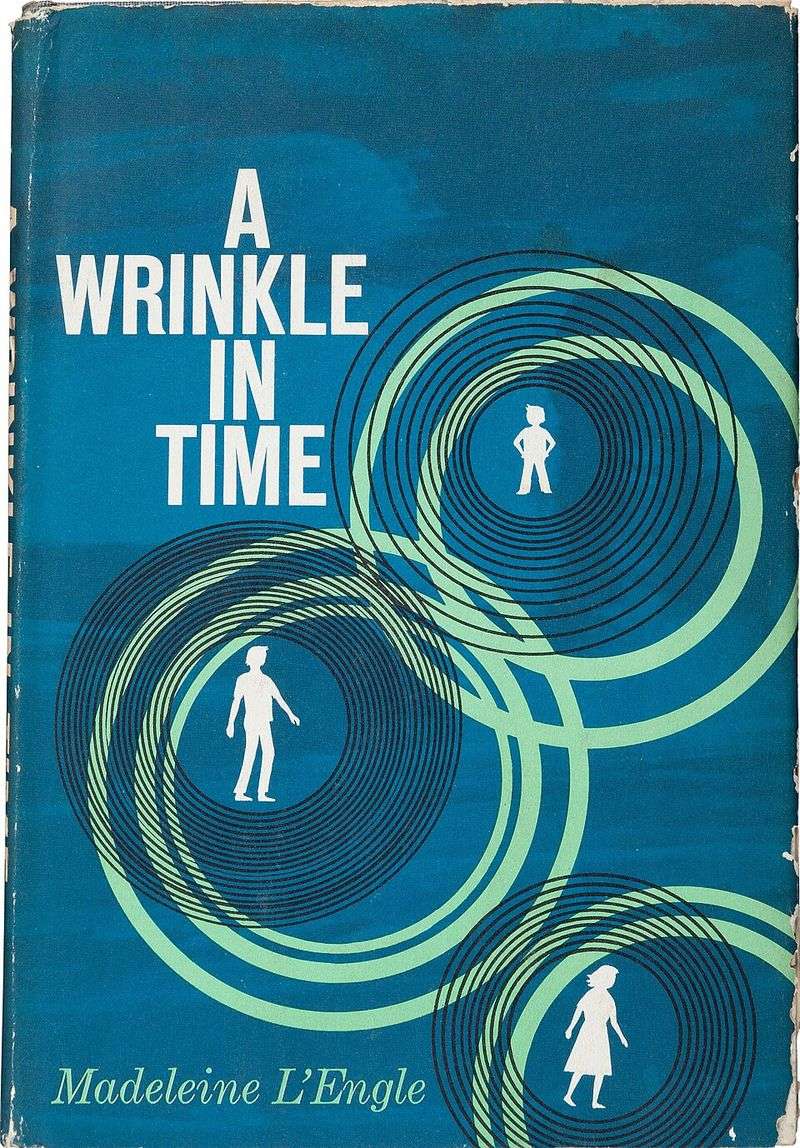
More than two dozen publishers reportedly rejected this novel. Ariel Books finally took a chance in 1962, and it won the Newbery Medal the next year.
Madeleine L’Engle’s hero is Meg Murry, a brainy, awkward teenager. Her scientist father has vanished.
With her gifted little brother Charles Wallace and friend Calvin O’Keefe, Meg travels across the universe. They move by tessering, a way of folding space and time.
Their search leads to Camazotz, a planet where everyone must act exactly alike. A giant brain called IT controls the population.
A girl leading a science fiction story was rare at the time.
The Space Race made rockets a daily headline. So a book about traveling between planets felt very current to readers in the 1960s.
Share this story