Some places get a light dusting of snow, and others spend the whole season buried under it. From Alaska’s mountains to New York’s snowbelt and California’s Sierra Nevada, America has towns where winter totals are counted in feet, not inches.
Streets, forests, and rooftops turn white for months at a time. Grab a warm hat and get ready to meet the snowiest spots in the country.
Valdez, Alaska
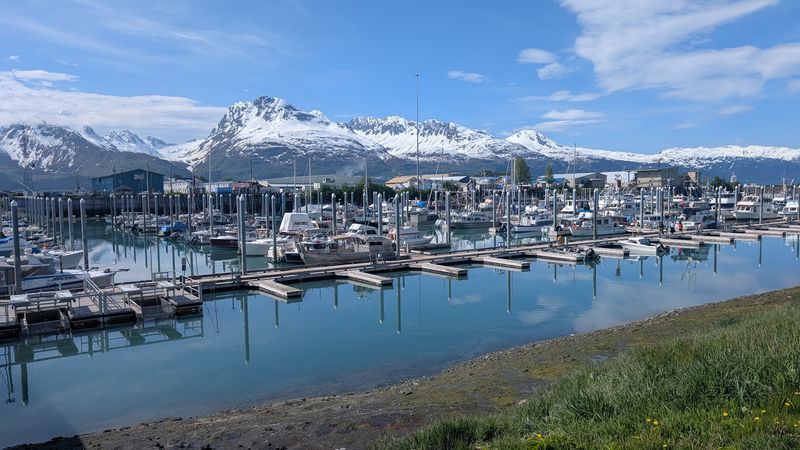
Picture a town of about 4,000 people sitting under mountains that hold some of the deepest snow on Earth. That is Valdez.
Historic NOAA data list the community at more than 300 inches of snow in a year, and the Chugach Mountains above get even more.
Streets here can end up framed by snowbanks taller than a delivery truck. Locals shrug and keep driving.
The peaks stay buried long after spring begins to show up in other states.
Winter turns this corner of Alaska into a giant playground. Backcountry skiers hike and fly into untouched slopes, while snowmobilers zip across wide white valleys.
Ice climbers swing their axes at frozen waterfalls that glitter in the low winter sun.
If you visit, pack serious layers and plan extra time for weather delays. Storms can roll in fast, and roads sometimes close for safety.
Book lodging early, because adventure fans know this place well. Bring a camera too, since the mix of ocean, mountains, and snow is hard to forget.
Few towns on the map make snow feel this enormous, and fewer still make it feel this welcome to travelers who love the cold and the wild.
Truckee, California
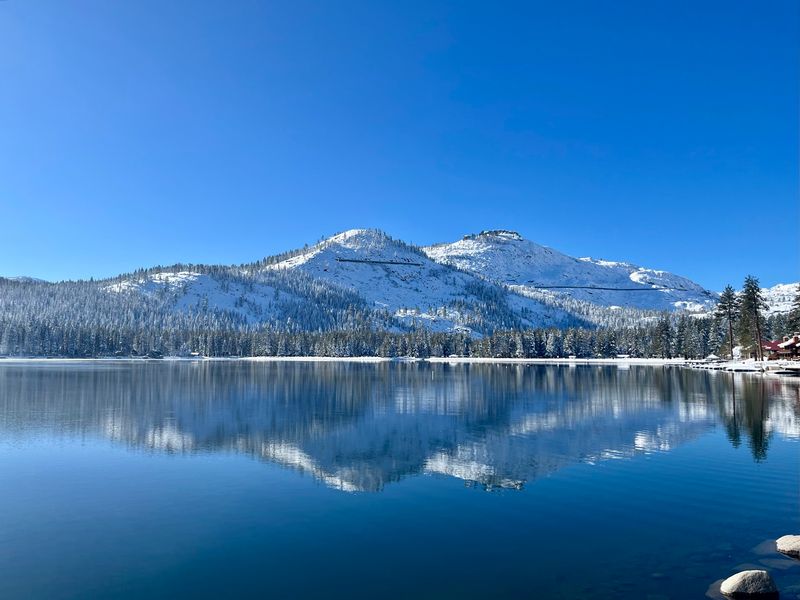
Here is a number that sounds made up: 390 inches of snow in one month. Donner Summit actually recorded that, and Truckee lives just down the road.
The Sierra Nevada sends storms here that rival states much colder than California.
The wider Truckee and Tahoe region gets more than 400 inches in an average year. Spots along the Sierra Crest can pass 500.
Snow piles around the old buildings downtown, and warm lights glow against the white streets after dark.
Locals do not just put up with winter. They plan their whole year around it.
About 12 ski resorts sit nearby, and hundreds of miles of cross-country and snowshoe trails wind through the pines.
Visitors should check chain rules before driving over the mountains, because storms can change plans quickly. Keep a shovel and extra snacks in the car.
After a big storm, grab a hot drink in town and watch the snowplows work. It is a show all its own, and it fits the spirit of a place that treats snow like a neighbor.
Stowe, Vermont
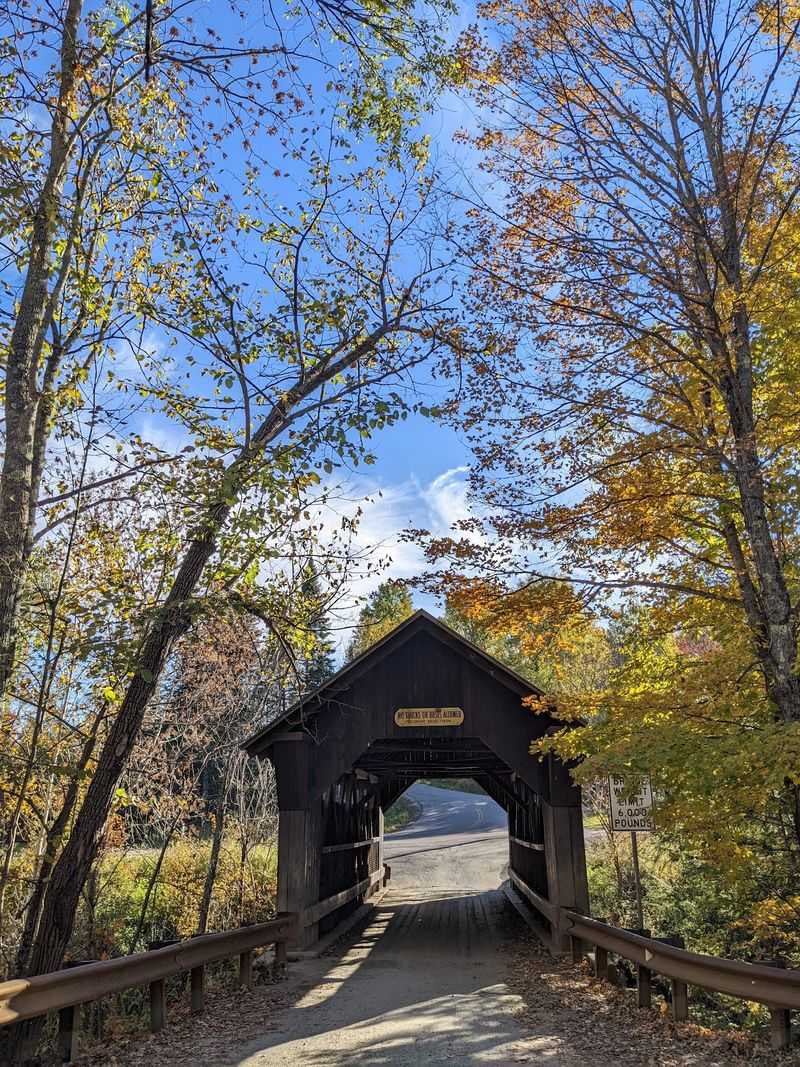
Cue the church steeple, the covered bridge, and a fresh blanket of white. Stowe looks like the Vermont winter card you would find in a gift shop.
The best part is that the snow here is real and plentiful.
Mount Mansfield, the highest peak in Vermont, averages close to 300 inches a year. Stowe Mountain Resort lists more than 300 inches as well.
That steady snow covers forests, mountain roads, and old farmhouses all season.
Skiing gets most of the attention, but it is far from the only fun. Snowshoeing and cross-country trails weave through quiet woods.
Cozy restaurants in the village serve up hearty meals for chilly cheeks and tired legs.
When you plan a trip, aim for midweek if you want smaller crowds. Pack warm socks, because your toes will thank you.
Walk through town after a snowfall and look up at the rooftops piled high. Stowe delivers the classic New England winter picture that many travelers dream about, and it does it with plenty of charm.
Syracuse, New York
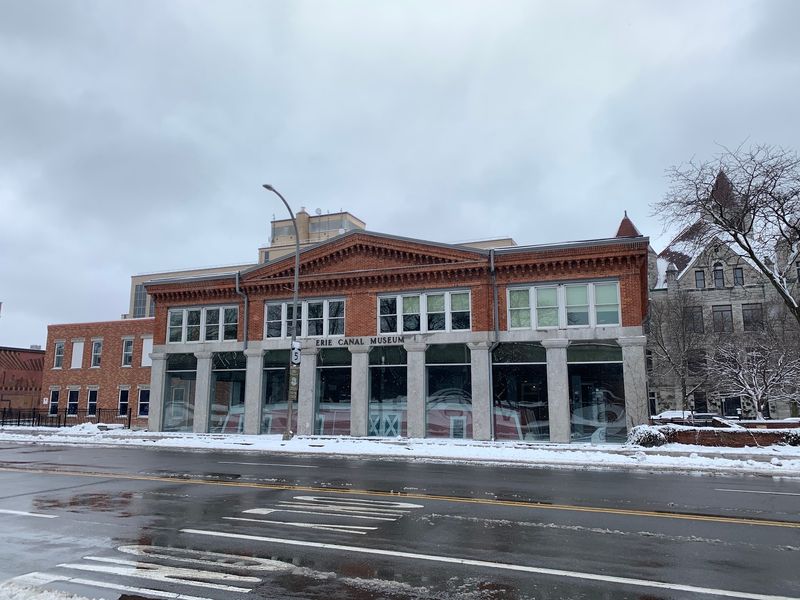
Ask a Syracuse resident about winter, and you might get a calm nod. Snow is just part of life here.
Lake Ontario sends powerful lake-effect storms that can bury a neighborhood in a day.
NOAA data have long put the average above 120 inches. In the 2025 to 2026 season, the city recorded 143.1 inches.
In one NOAA-based comparison, that was the highest total among U.S. cities with at least 50,000 people.
Cars vanish under white mounds, and sidewalks turn into narrow tunnels. Yet the city keeps moving, because crews and residents are well practiced.
Schools and shops know how to handle it.
This makes Syracuse a handy pick for travelers who want a true northern winter without a remote trip. You can fly in, find a hotel, and see deep snow from your window.
Bring boots with good grip and a brush for your windshield. Check the forecast often, since snow bands can be narrow, and one street might get hammered while the next stays calm.
Marquette, Michigan
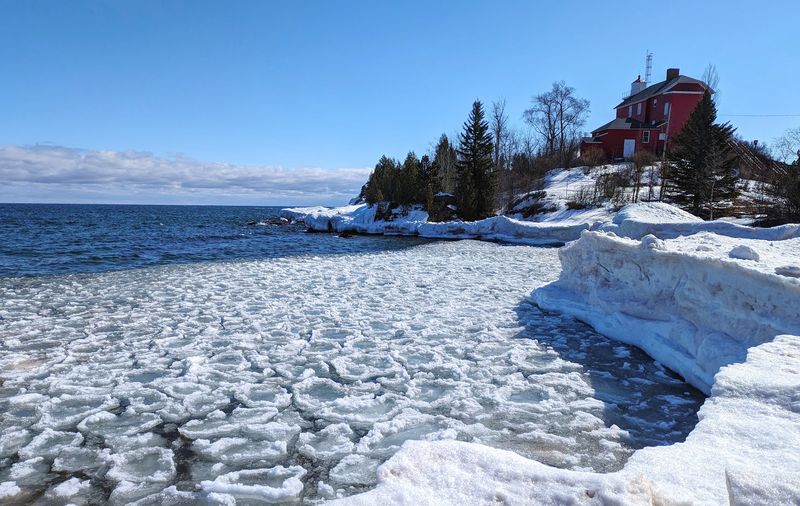
Lake Superior does not do small. Marquette sits right on its shore in Michigan’s Upper Peninsula, which puts it in a perfect spot for lake-effect snow.
Storms keep refilling the landscape all winter long.
The people here lean into the cold. Skiing, snowshoeing, fat-tire biking, and winter hiking are everyday activities, not special events.
You will see locals gliding along trails before work.
The lake adds extra drama. Ice builds along the shoreline, and waves freeze into odd shapes against the rocks.
It looks like nature took up sculpting.
Compared with a polished ski resort, Marquette feels rugged and lived in. That is exactly why many travelers love it.
You get a real snowbelt community with coffee shops, trails, and friendly faces.
If you go, dress in layers and bring waterproof boots. Wind off the lake can bite hard.
Try to catch a sunrise over the icy shore, since the light on frozen waves is something photos barely capture.
Buffalo, New York
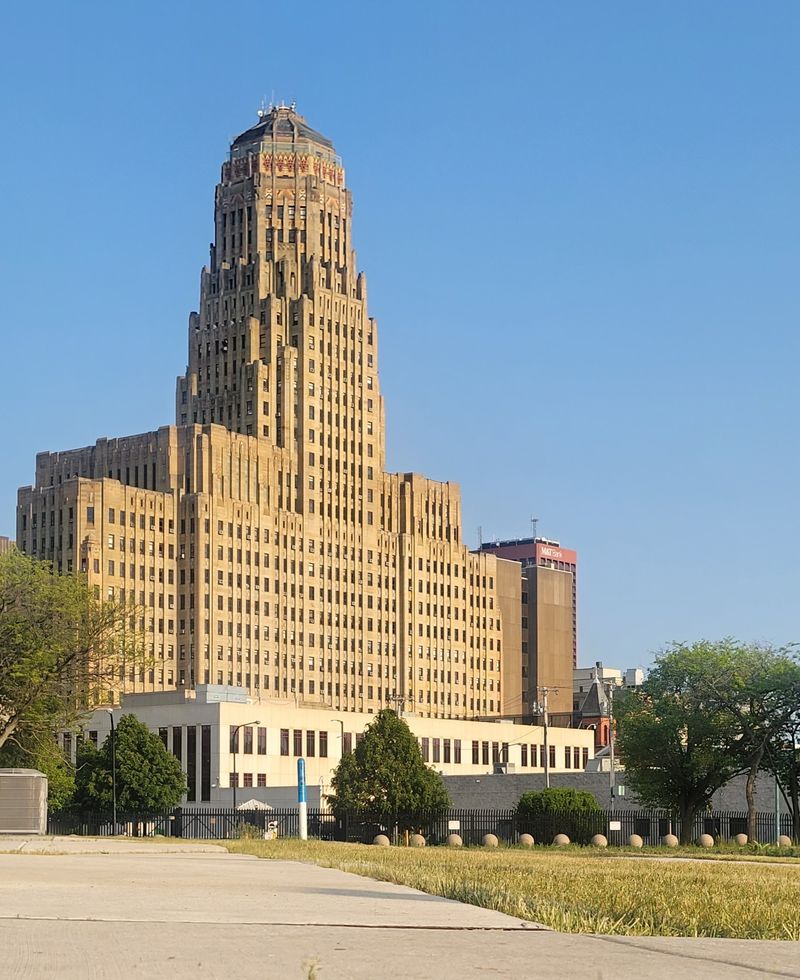
Buffalo’s winter reputation is earned, one shovel at a time. NOAA-based averages from 1991 to 2020 put the city at roughly 95 inches of snow a year.
Much of it comes from Lake Erie storms.
The wild part is how local it can be. A narrow band of snow can park over one area for hours and drop huge amounts.
Meanwhile, a few miles away, people might see plain gray skies.
In the 2025 to 2026 season, one city ranking listed Buffalo at 92.5 inches. After storms, streets can be lined with towering snowbanks, and some homes look nearly swallowed by drifts.
Buffalo does not advertise itself as a winter resort, but it shows lake-effect snow at its mightiest. Residents make the best of it with hockey, sledding, and warm, hearty food.
Try a plate of wings to keep cozy.
If you visit in winter, keep an emergency kit in the car and watch weather alerts. Give yourself extra travel time.
Patience goes a long way when the snow bands roll in.
Rochester, New York
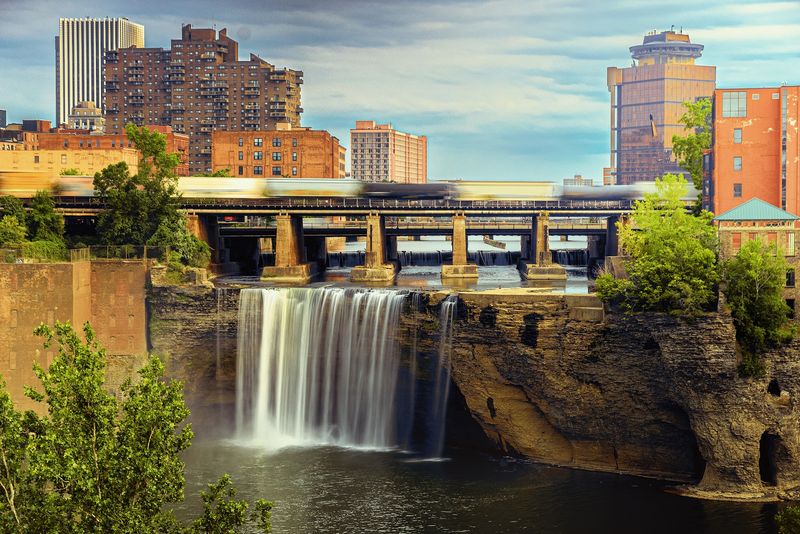
Rochester quietly holds a big title. NOAA normals show about 102 inches of snow each year, making it the snowiest of 56 major U.S. cities in one 1991 to 2020 comparison.
Not bad for a place that rarely brags.
The 2025 to 2026 season brought 114.1 inches. Among cities with at least 50,000 people, only Syracuse beat that number in the NOAA-based ranking.
Both sit in the Lake Ontario snowbelt.
Winter shapes daily life here. Parks fill with sledders, and frozen waterways turn the scenery silver and white.
Just south, the Finger Lakes region adds rolling hills and quiet, snowy views.
The cold season can stretch well into early spring, so visitors have plenty of time to catch it. Bring insulated boots, a warm hat, and a flexible schedule.
Roads can be slick, but plows work hard.
For a good day out, bundle up and walk a snowy park trail, then warm up with a local cafe stop. Rochester proves that winter charm does not need a mountain.
Sault Ste. Marie, Michigan
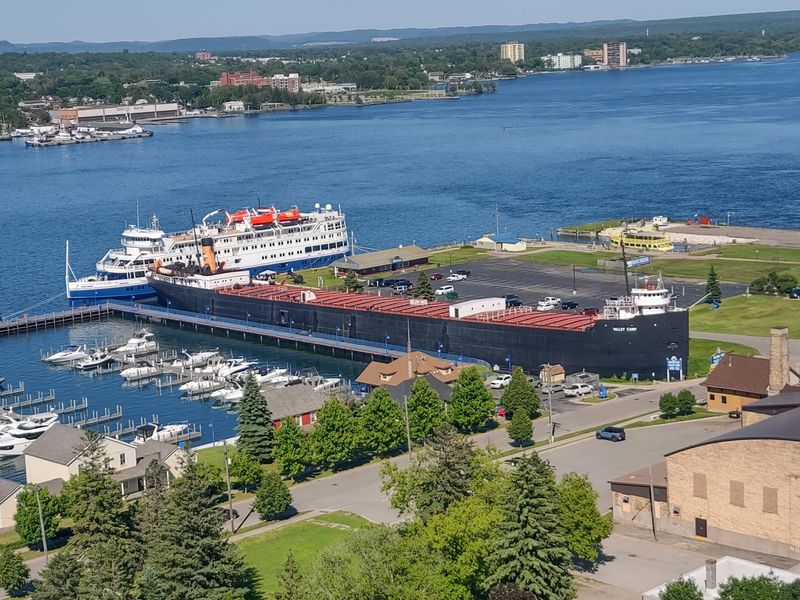
Far up at Michigan’s northern edge, winter shows up early and stays late. Sault Ste.
Marie sits beside the St. Marys River, where cold air meets Great Lakes moisture. The mix makes plenty of snow.
Historic NOAA data place annual snowfall above 120 inches at the local weather station. Forests and shoreline wear deep white coats all season.
Nearby waterways freeze over, adding to the hush.
The city also works as a gateway to remote winter country in the Upper Peninsula. Cross-country ski trails, snowmobile routes, and frozen waterfalls all sit within reach.
Explorers can find quiet corners that feel miles from anywhere.
Not every traveler wants a crowded resort. If you prefer calm, this is a great pick.
Evenings can be peaceful, with snow softly falling outside a cozy window.
Plan ahead by checking trail conditions and packing wool layers. Keep your phone charged, because cold drains batteries fast.
A thermos of something hot never hurts either. This town offers a truly northern atmosphere.
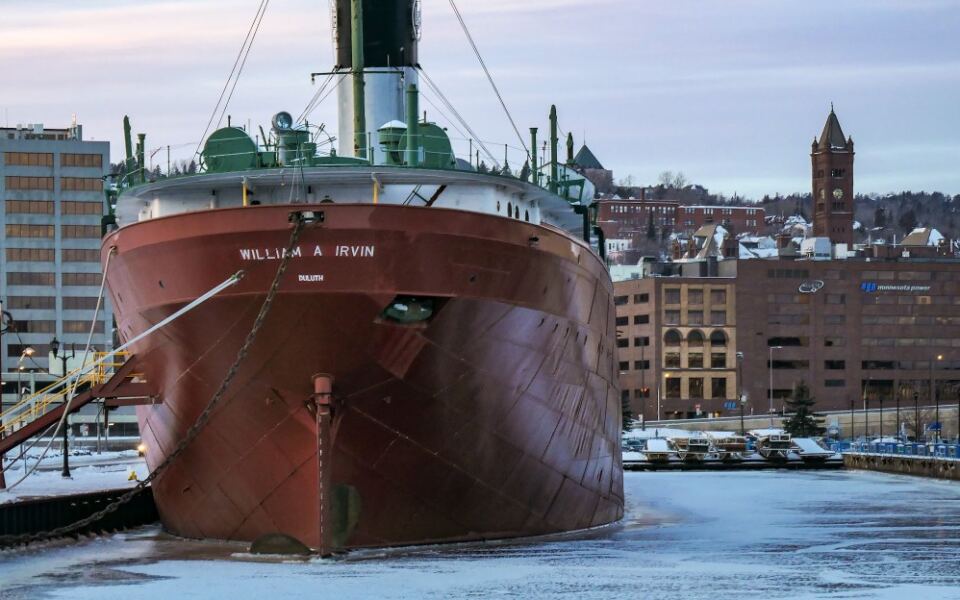
Duluth, Minnesota
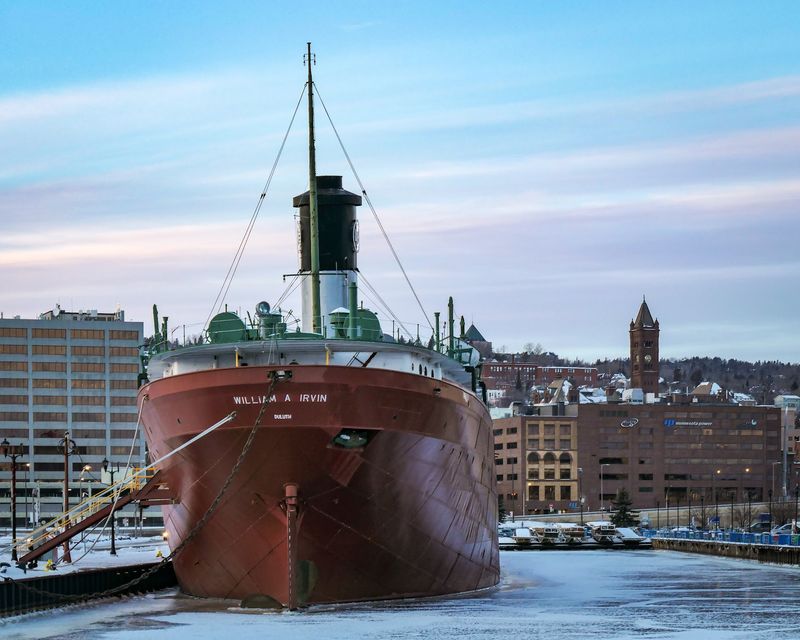
Powder, ice, and a giant lake: Duluth has the winter trifecta. Visit Duluth describes a near-constant supply of fresh snow and ice.
The lakefront and hills become one huge outdoor playground.
In the 2025 to 2026 winter, one NOAA-based city ranking listed Duluth at 82.3 inches. Storms roll off Lake Superior and dust the town again and again.
The city is built on a steep hillside, so snowy views come with every turn.
Spirit Mountain offers downhill skiing with views toward the lake. Forests around town are crisscrossed with Nordic ski and snowshoe routes.
Many trails start right near neighborhoods.
After a big storm, the scenery gets dramatic. Snow clings to lake cliffs, and frozen shoreline formations pile up like glass sculptures.
Photographers love it.
If you go, wear windproof outer layers, because lake breezes can feel sharp. Try a winter walk near the shore, then thaw out at a local coffee spot.
Duluth proves that cold can be beautiful.
Flagstaff, Arizona
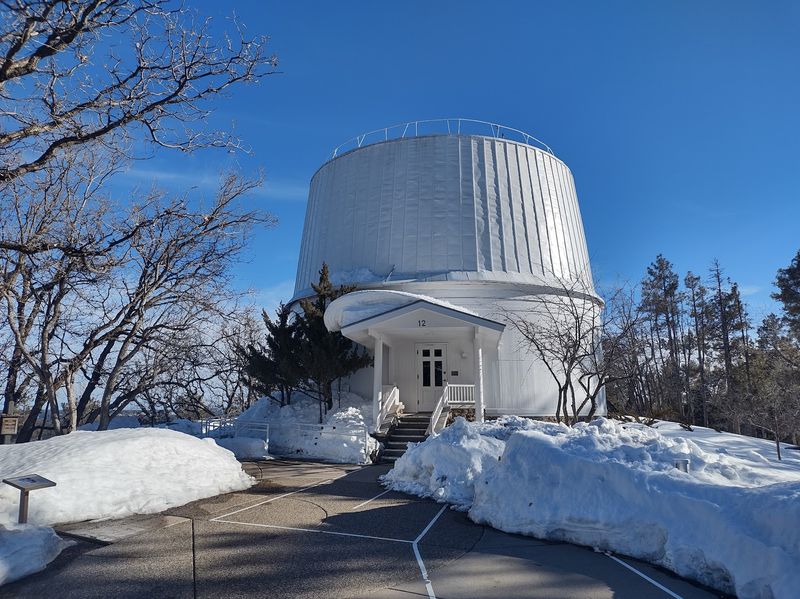
Surprise: Arizona has snow days. Flagstaff sits at roughly 7,000 feet, and winter storms treat it more like a northern town than a desert one.
Many visitors arrive with sandals and leave with mittens.
Historic NOAA data list the city at more than 100 inches of snow a year. That beats many big northern metro areas.
Ponderosa pines hold the white, and the San Francisco Peaks rise above town with an Alpine look.
Arizona Snowbowl brings skiing close to the city. Locals also sled, snowshoe, and build snowmen in their yards.
Route 66 and the historic downtown look totally different under a fresh layer of white.
The contrast is the real treat. You can be in a snowy forest in the morning and a warm red-rock canyon by afternoon if you drive south.
Few places offer that kind of switch.
Bring tire chains or check road conditions before heading out. Pack sunscreen too, since bright snow reflects strong sun at high elevation.
North Conway, New Hampshire
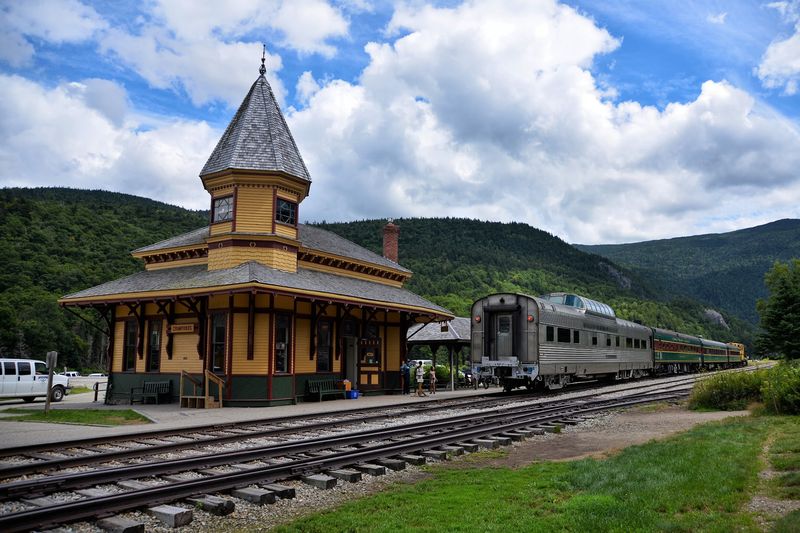
Hot cocoa weather arrives early in North Conway. The town sits in the heart of the White Mountains, where peaks, ski areas, and forests shape the whole winter mood.
Snow changes the Mount Washington Valley into a world of frozen lakes and white ridges.
New Hampshire tourism officials promote the season for skiing, ice attractions, and frozen lakes. Those icy lakes become part of the recreation scene, with people skating and ice fishing.
The landscape feels busy and peaceful at once.
The village itself adds comfort to all that ruggedness. Historic inns and local shops line the streets, and they glow softly in the early evening.
It is a gentle contrast to the sharp mountain skyline.
Plan to sample both sides of the trip. Spend a morning on the slopes, then browse a few shops and warm up by a fire.
Wear waterproof boots, because slush shows up on warmer days. Book weekends early, since North Conway is a popular winter pick across New England.
Park City, Utah
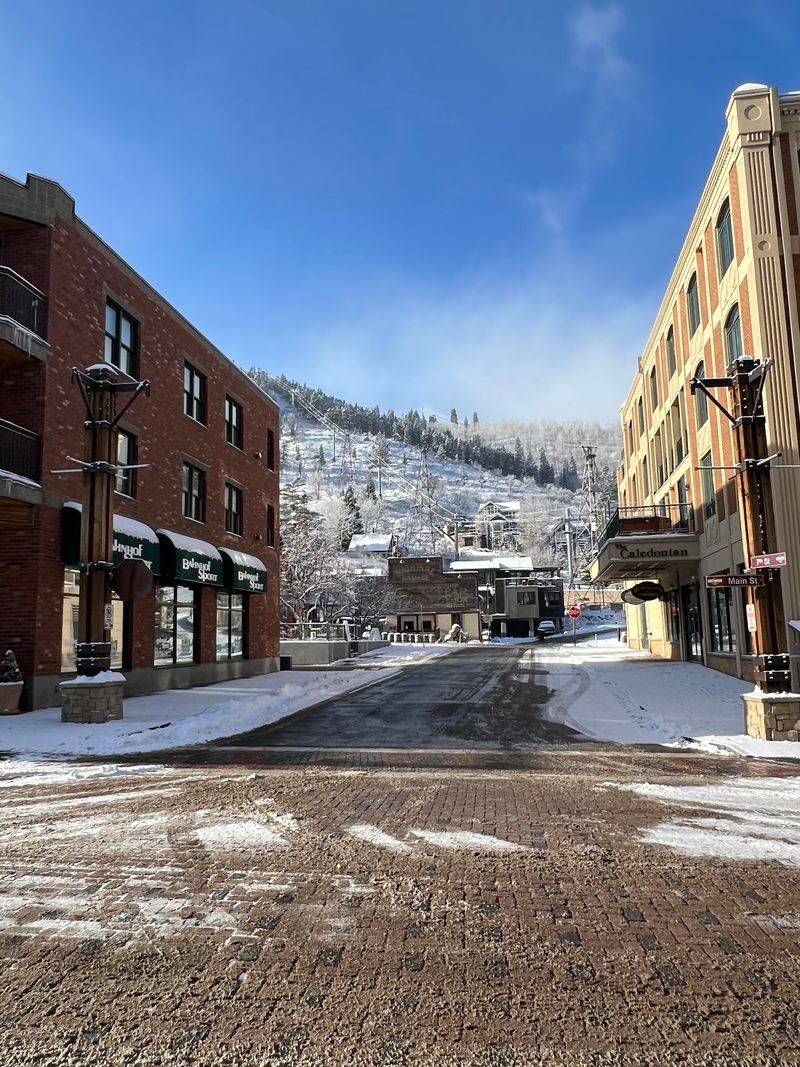
Utah snow has a fan club, and Park City is its headquarters. The town sits in the Wasatch Range, with elevations starting around 6,400 feet.
Cold, snowy weather rolls in regularly from December through February.
Historic Main Street looks best right after a storm. Fresh snow caps the rooftops, and lights glow on the steep hillside once the sun goes down.
It feels lively and cozy together.
The terrain around town handles almost any winter hobby. You can ski, snowboard, snowshoe, or glide along Nordic trails.
Sunny breaks between storms keep things bright.
Utah powder has a reputation for being light and fluffy. It feels different from the heavier, wetter snow found in the Great Lakes snowbelts.
Skiers often describe it as smooth and easy to carve.
If you visit, drink lots of water, since the altitude and dry air can surprise you. Rent gear in town if you want to travel light.
Evenings on Main Street are the perfect time to try local food and swap snow stories.
Snowmass Village, Colorado
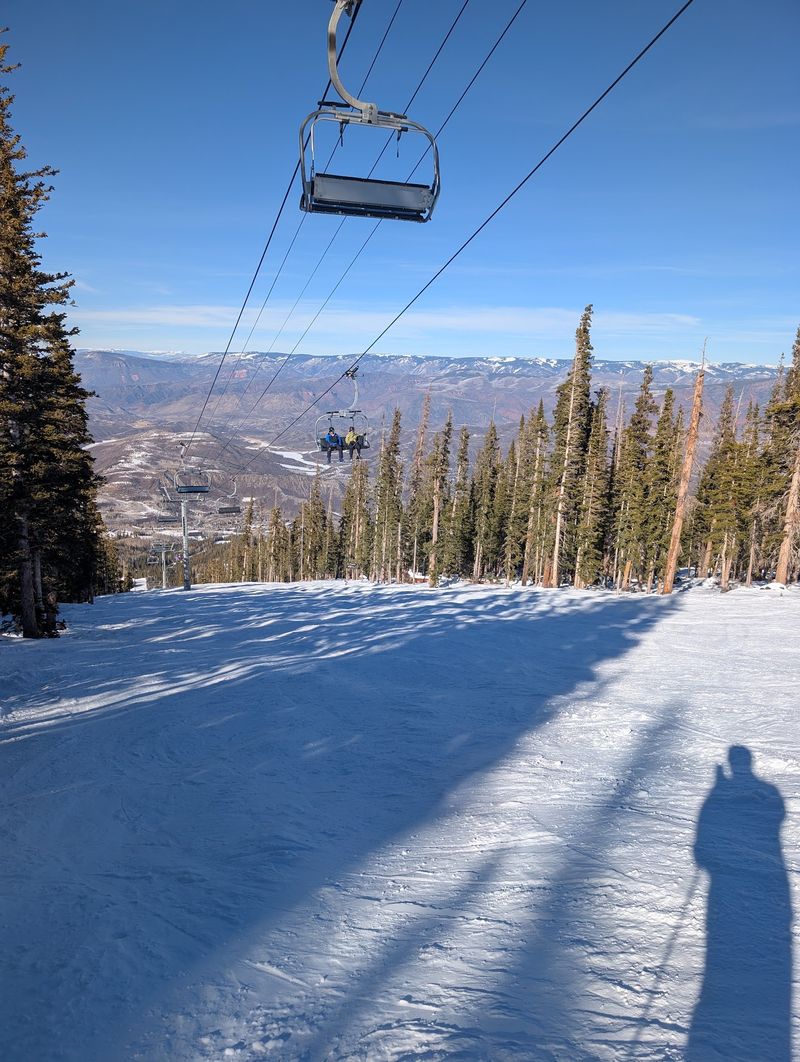
Start at 8,600 feet and keep climbing. That is life at Snowmass Village in Colorado’s Elk Mountains.
The ski terrain tops out above 12,500 feet, so winter has plenty of room to stretch out.
High elevation helps hold snow for a long ski season. The village is built for easy access, with slopes close to where people stay and eat.
You can often walk or ride a short lift from your door to the mountain.
Snowmass offers more than 3,300 acres of terrain and over 4,400 vertical feet. That makes it one of the biggest ski experiences in Colorado.
Beginners and experts can both find their own runs.
After a storm, forests, rooftops, and ridges turn bright white. The whole area takes on the polished winter resort look many people picture when they plan a Colorado trip.
Give yourself a day or two to adjust to the altitude before pushing hard. Pack sunglasses and lip balm.
Then settle in, enjoy the views, and let the mountain do its magic.
Share this story