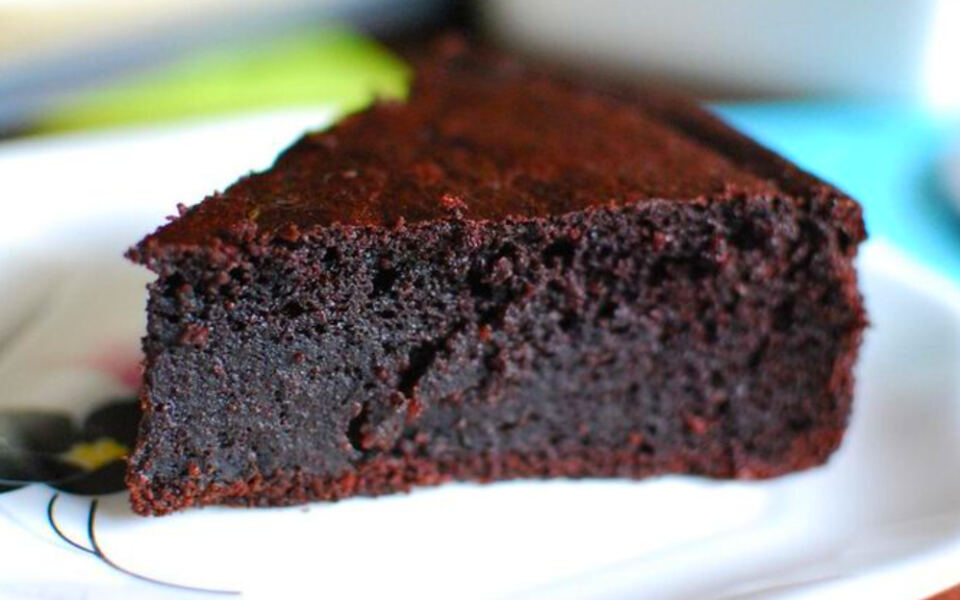
Some recipes taste as though they must involve complicated techniques or an impossibly long list of spices. Then you discover the ingredient doing the heavy lifting is something sitting in an ordinary refrigerator or pantry.
Chocolate can deepen a savory Mexican sauce without turning it into dessert. Anchovies can disappear into salad dressing while leaving behind an unmistakable savory punch.
Coffee can intensify chocolate, mayonnaise can make cake remarkably tender, and milk can soften the acidity of a slow-cooked meat sauce. These ingredients are not necessarily secret in the literal sense.
They are established additions to particular versions or traditions, but they are easy to miss once the finished dish reaches the table. Here are 15 famous dishes with ingredients you might never guess were hiding inside.
1. Caesar Salad, Anchovies
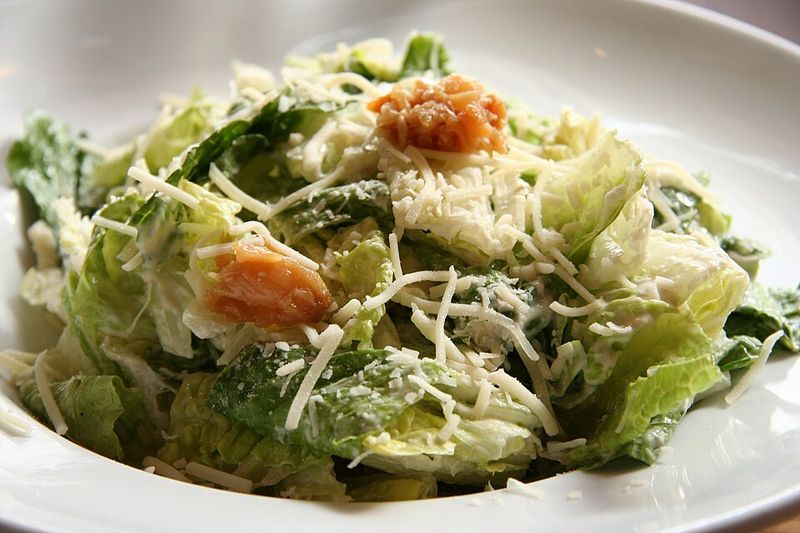
One of the most popular salads in the world has a savory secret that regularly catches people off guard. Caesar salad tastes creamy, tangy, and intensely savory, but one ingredient responsible for that depth can surprise people who insist they dislike fish.
Anchovies are common in modern Caesar dressings, where they get mashed into the mixture alongside garlic, lemon juice, egg, Parmesan, and Worcestershire sauce. Once incorporated, they do not make the dressing taste obviously fishy.
Instead, they contribute concentrated savory flavor that most diners simply cannot place.
There is an interesting historical wrinkle here. Caesar Cardini, who is generally credited with creating the salad in Tijuana during the 1920s, reportedly did not use whole anchovies in his original version.
Worcestershire sauce, which itself traditionally contains anchovies, supplied that savory character instead.
2. Red Velvet Cake, Vinegar

A slice of red velvet cake looks luxurious enough that vinegar seems like the last ingredient anyone would expect to find in the batter. Yet it has appeared in red velvet recipes for a very long time.
Combined with baking soda, the acid creates a chemical reaction that helps the cake rise and contributes to its noticeably tender texture. Historically, natural cocoa also behaved differently from much of today’s Dutch-processed cocoa.
Its pigments can react to acidic conditions, which contributed to the reddish-brown appearance in earlier versions of the cake.
The brilliant red color familiar today generally comes from food coloring rather than chemistry alone. You will not taste vinegar in a properly made red velvet cake.
It vanishes into the batter after performing some genuinely useful work behind the scenes, leaving behind only a better crumb.
3. Traditional British Christmas Pudding, Suet
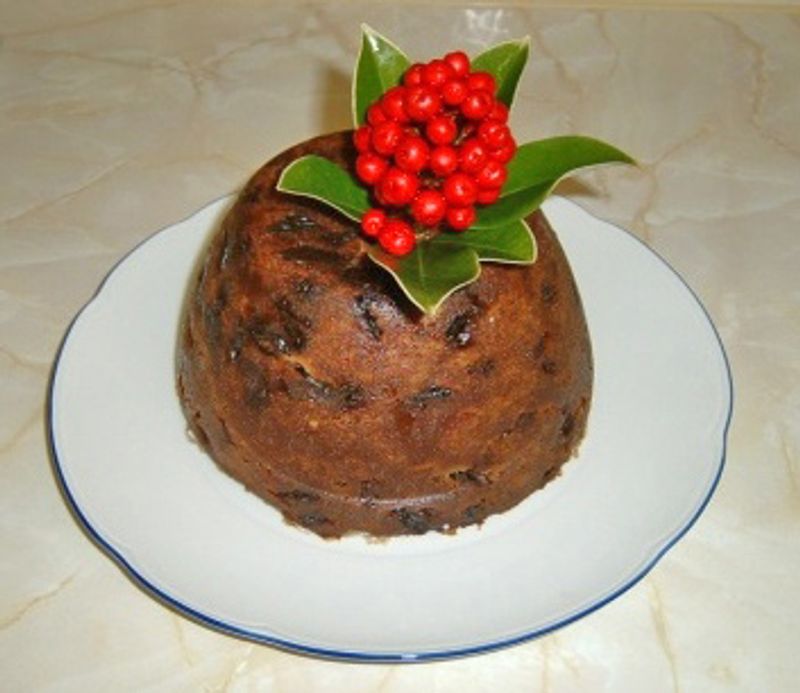
With dried fruit, spices, and sugar packed into every serving, Christmas pudding sounds unmistakably like dessert. Then you reach the suet, and things get considerably more interesting.
Traditional recipes use suet, the hard fat found around the kidneys and loins of cattle or sheep. It sounds more like an ingredient destined for a savory meat dish than the centerpiece of a Christmas dessert, but suet has a long and respected history in British puddings dating back to medieval times.
As the pudding cooks, the fat melts and contributes richness and moisture while helping create the characteristic dense texture that defines the dish. Modern recipes may substitute butter or vegetarian suet, but traditional animal suet remains closely associated with the authentic version.
It is one of those ingredients that sounds strange until you realize how effectively it performs its job.
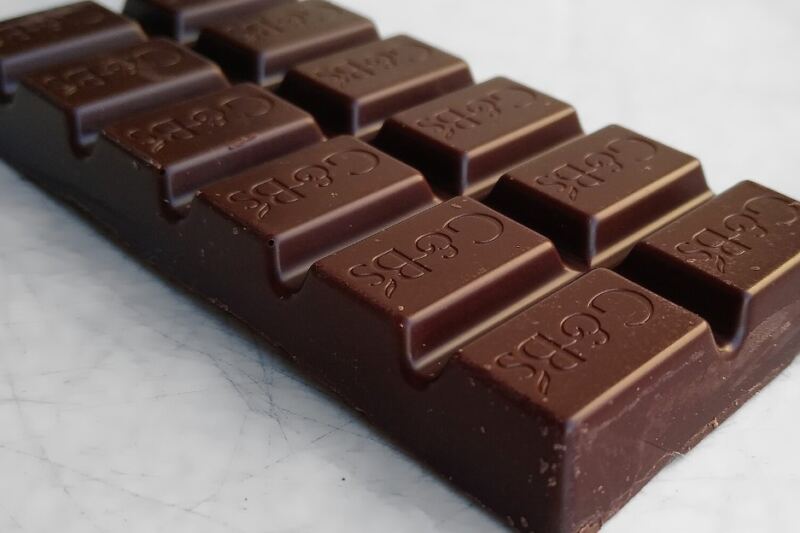
4. Mole Poblano, Chocolate
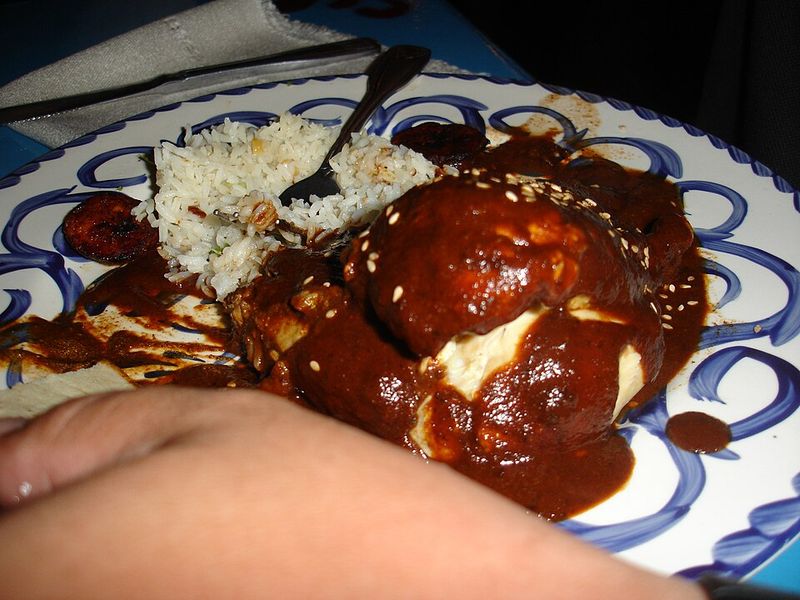
Tell someone that chocolate goes into a savory sauce served with meat and the immediate assumption is usually that the finished dish will taste sweet. Mole poblano proves otherwise, and it does so convincingly.
Recipes vary substantially, but this celebrated Mexican sauce can combine dried chiles, spices, nuts, seeds, fruit, bread or tortillas, and chocolate among a much longer collection of ingredients. Chocolate is only one element in an exceptionally complex flavor structure that has been refined over centuries.
Rather than turning mole into dessert, chocolate contributes bitterness, richness, color, and depth that work alongside the chiles and spices rather than against them. Calling mole simply a chocolate sauce misses almost everything interesting about it.
Chocolate is one small piece of a much larger culinary puzzle, and most people eating it for the first time cannot identify it at all.
5. Chocolate Cake, Coffee

Coffee and chocolate are familiar partners in drinks, but plenty of people are genuinely surprised to discover coffee hiding inside their chocolate cake. The logic behind it is more practical than it first appears.
Bakers add brewed coffee or espresso powder because coffee reinforces cocoa’s roasted and bitter notes. Used carefully, it does not make the finished dessert taste like a morning cup.
Instead, the cake simply tastes more intensely chocolatey than it would have otherwise.
Adding hot coffee also helps bloom cocoa powder, allowing its full flavor to develop before the cake enters the oven. It is one of baking’s cleverest disappearing acts.
Add coffee to the batter, and the ingredient people notice most in the finished cake is actually the chocolate. The coffee did its job quietly and then stepped entirely out of the way.
6. Chocolate Cake, Mayonnaise
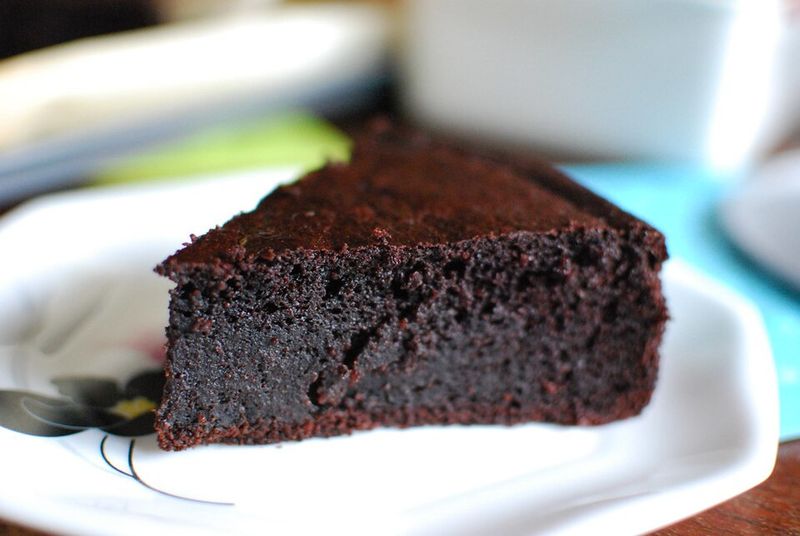
Mayonnaise in chocolate cake sounds like the beginning of a prank recipe, the kind a mischievous sibling might invent to watch someone’s face fall. Look at what mayonnaise actually contains, however, and the idea becomes far less shocking.
Traditional mayonnaise is primarily an emulsion of oil and egg with an acidic ingredient such as vinegar or lemon juice. Those are all ingredients that already have perfectly obvious uses in baking.
Mayonnaise simply delivers them in a single convenient package.
Chocolate mayonnaise cake became a recognizable American recipe, gaining popularity during the Great Depression and World War II when rationing encouraged cooks to work creatively with available pantry staples. Mayonnaise supplies fat and egg while helping create a moist, tender crumb.
A properly made chocolate mayonnaise cake does not taste like sandwich spread. The ingredient essentially disappears, leaving only its useful components behind.
7. Swedish Meatballs, Allspice
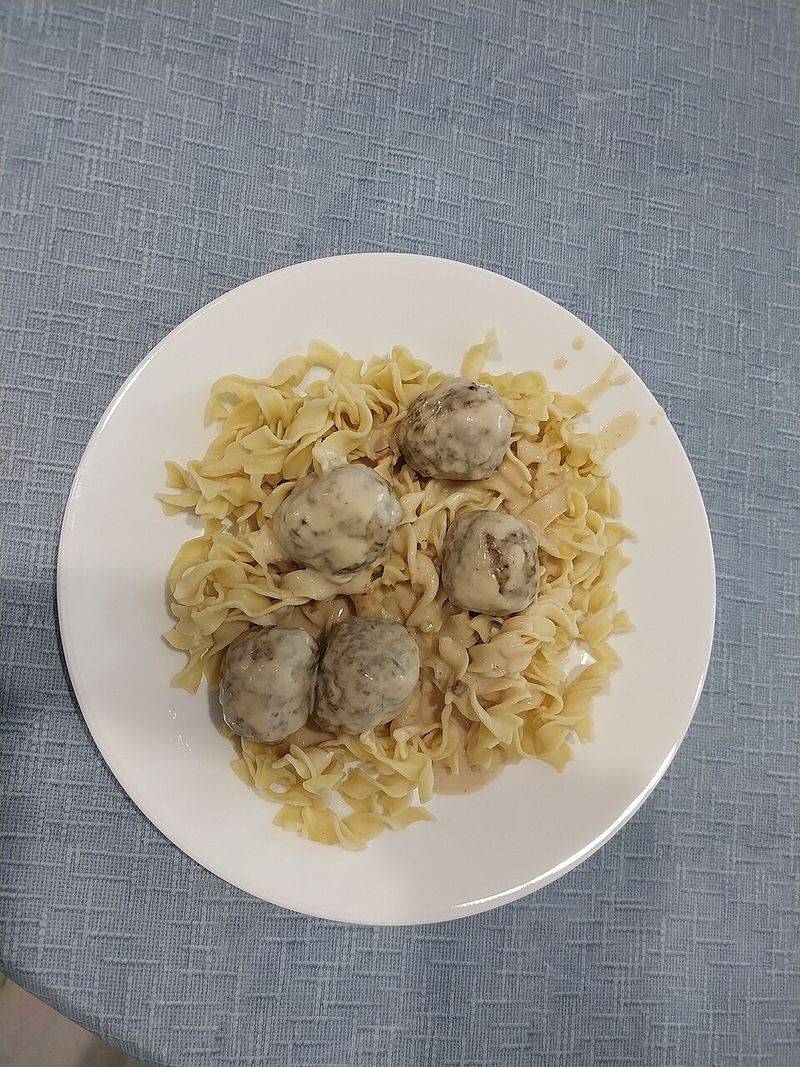
Most meatball traditions lean on garlic, herbs, or tomato-based sauces to build their character. Swedish meatballs take a noticeably different route, and the spice responsible for much of that difference might genuinely catch you off guard.
Allspice is a traditional seasoning in many Swedish meatball recipes, sometimes appearing alongside nutmeg or other warm spices. Those flavors are more likely to remind some cooks of holiday baking than a plate of ground meat, which is exactly what makes the combination so unexpected and interesting.
Used in restrained amounts, allspice does not make the meat taste sweet. It contributes a warm aromatic quality that helps distinguish Swedish meatballs from many other European and American versions.
Combined with their familiar creamy gravy, the seasoning creates a flavor people may recognize instantly from a well-known furniture store’s cafeteria, even when they cannot identify exactly what is producing it.
8. Bolognese Sauce, Milk
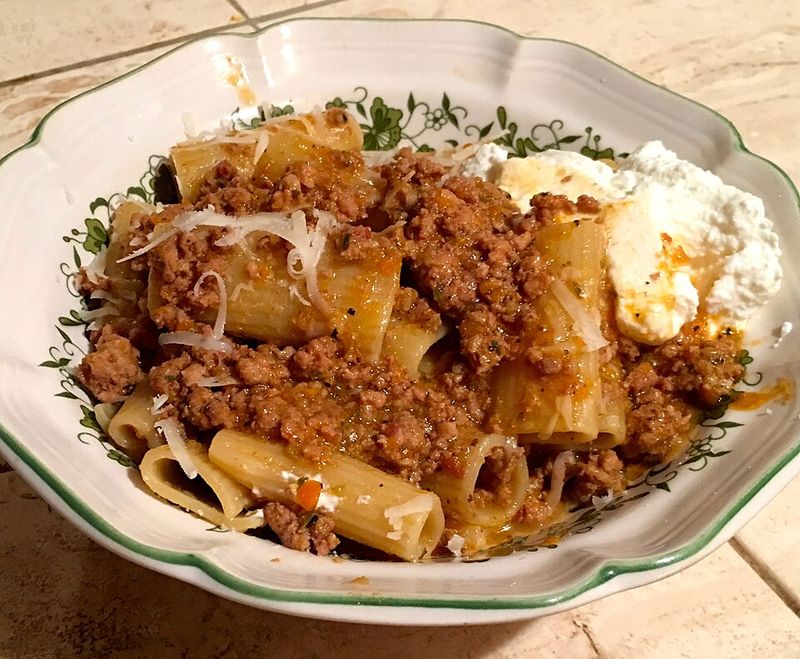
Tomatoes, meat, and onions all sound perfectly reasonable in a pot of ragù. A pour of milk is considerably less obvious, and yet it has a legitimate and well-documented place in traditional Bolognese cooking.
The Italian Academy of Cuisine’s registered recipe for ragù alla bolognese includes whole milk as an optional addition, and milk has long appeared in respected versions of the sauce prepared by home cooks and professional chefs across the Emilia-Romagna region.
Milk is not there to turn the ragù creamy in the style of an Alfredo sauce. A relatively modest amount can mellow the meat mixture and balance some of the acidity during the long cooking process.
That makes milk exactly the kind of ingredient this article is about. You could eat an entire bowl of pasta coated in Bolognese without ever suspecting that dairy had gone into the pot.
9. Beef Bourguignon, Orange Peel
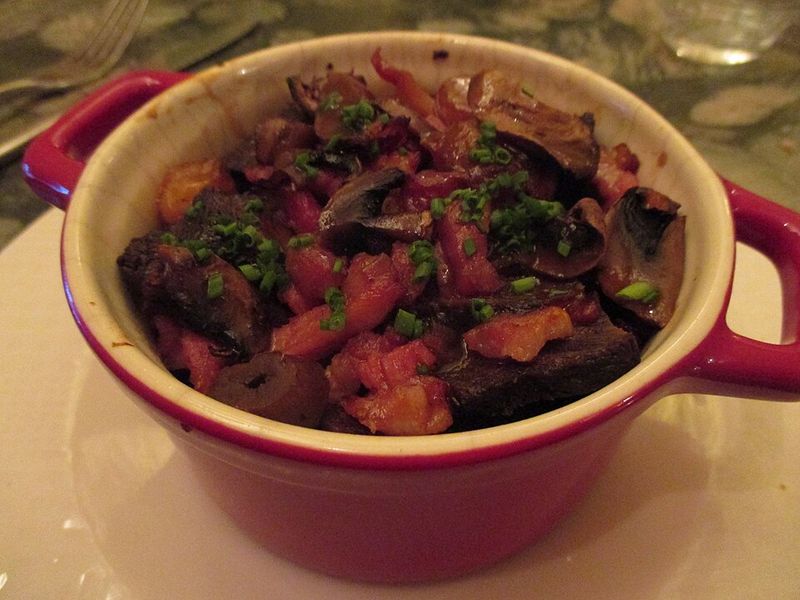
Beef bourguignon immediately brings red wine, beef, onions, mushrooms, and bacon to mind. Citrus is considerably less expected in that company, yet orange peel appears in some traditional and highly regarded versions of this classic French stew.
Julia Child’s widely respected recipe includes dried orange peel as part of the bouquet garni, and similar additions appear in recipes influenced by regional French cooking. A strip of peel simmers alongside herbs and wine before being removed prior to serving, so it never appears in the finished dish.
The goal is not to make the stew taste like oranges. Instead, the peel contributes a subtle aromatic brightness that cuts through the richness of beef, wine, and rendered fat.
By the time the dish reaches the table, most diners would struggle to identify exactly what created that extra layer of complexity hiding beneath the surface.
10. Japanese Curry, Apple
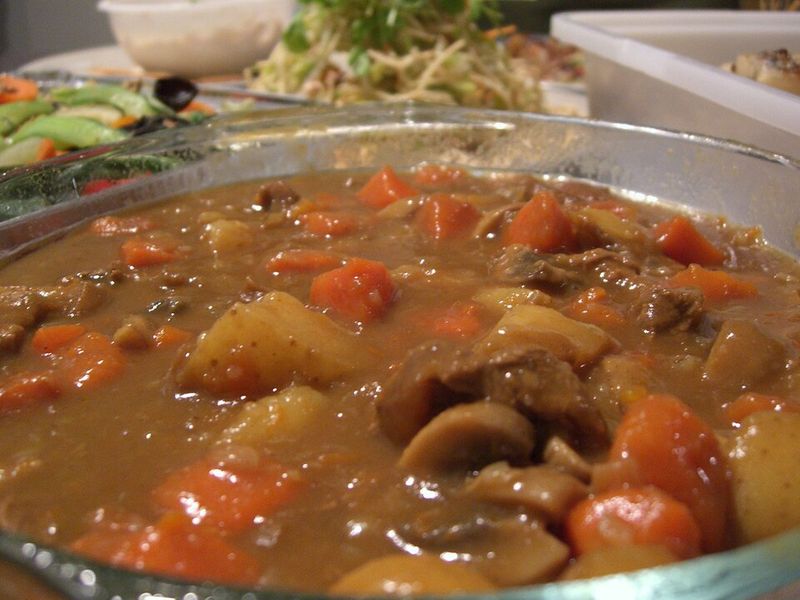
Japanese curry already differs considerably from many curries found elsewhere in Asia. It is thick, gently spiced, and frequently served over rice with meat and vegetables, and one ingredient found in some popular versions might genuinely surprise a curious cook.
Grated apple is added in some well-known recipes and commercial curry products because it breaks down during cooking, contributing subtle sweetness and fruitiness without leaving obvious chunks behind. Honey sometimes performs a similar role in other versions of the dish.
Apple works particularly well because Japanese curry depends on a balance of savory, spicy, and sweet flavors rather than intense heat alone. That gentle sweetness is part of what makes Japanese curry so approachable and popular with a wide range of diners.
Someone tasting the finished dish might notice a pleasant mildness, but identifying apple as its source would be considerably harder than you might expect.
11. Vietnamese Pho, Rock Sugar
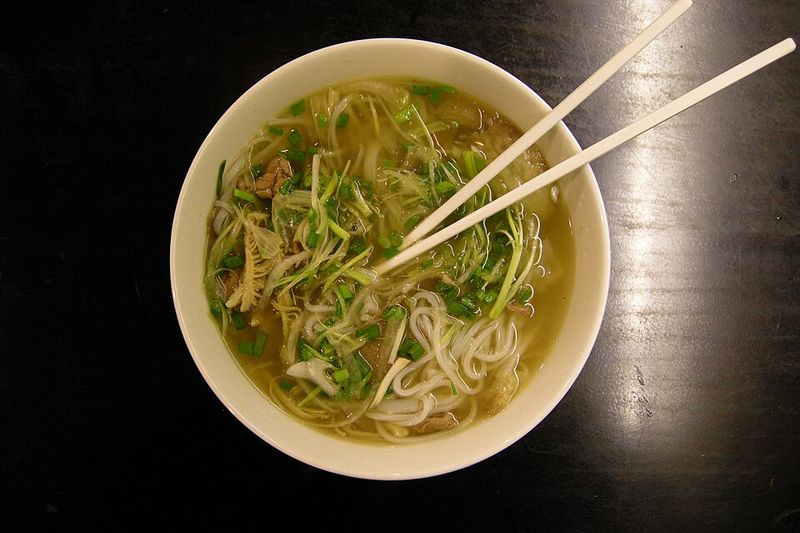
A bowl of pho is unmistakably savory, built from long-simmered bones, charred aromatics, and a collection of spices that can include star anise and cinnamon. That makes one traditional broth ingredient particularly easy to overlook when someone lists the components.
Rock sugar appears in many Vietnamese pho recipes to provide subtle sweetness and help balance salty fish sauce, aromatic spices, and the richness of a carefully prepared meat broth. The amount and type vary considerably between recipes and regional styles across Vietnam.
The goal is not to create a noticeably sugary soup. Sweetness simply becomes another part of the balance that makes a well-made broth taste rounded and complete rather than one-dimensional.
Combined with charred onion, ginger, and warm spices, that small quantity of sugar can disappear entirely into the finished broth. You might appreciate the balance without ever guessing where part of it came from.
12. Southern Tomato Gravy, Bacon Drippings

Tomatoes may be the ingredient everyone sees in this dish, but some old-fashioned Southern tomato gravy recipes get much of their character from something left behind in the skillet after breakfast was already finished.
Bacon drippings form the fatty base of the gravy in many traditional versions. Flour gets cooked in the rendered fat before tomatoes and other ingredients are added, producing a savory sauce that can be served over biscuits, rice, or grits with equal success.
Southern tomato gravy is not a single standardized recipe, and plenty of versions are prepared differently depending on the cook and the region. But bacon drippings have a well-established place in this style of home cooking that goes back generations.
The bacon itself does not need to remain in the finished gravy. Its rendered fat carries flavor throughout the dish, making yesterday’s breakfast the quiet foundation for another meal entirely.
13. Apple Pie, Cheddar Cheese
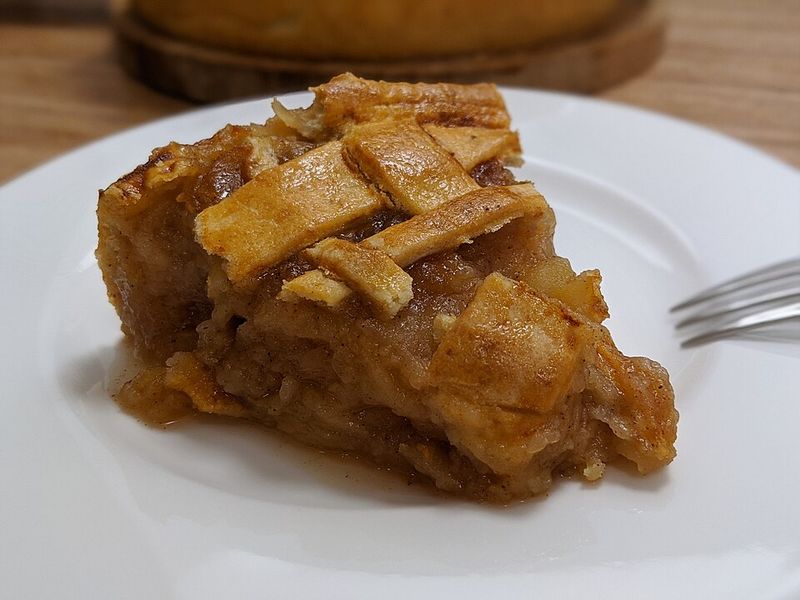
Apple pie and vanilla ice cream seem like the most natural partnership in American dessert history. Apple pie and a wedge of sharp cheddar, on the other hand, can sound considerably stranger if you did not grow up eating that particular combination.
Cheese with apple pie is a long-standing tradition in parts of the northeastern United States, with historical roots reaching back to 17th-century England and the broader practice of pairing cheese with fruit tarts and pastries. Some recipes go even further and incorporate grated cheddar directly into the pastry crust itself.
The combination makes genuine sense once you consider the flavors at play. Sharp, salty cheese contrasts with sweet apples and warm spices in a way that feels balanced rather than bizarre.
It is not how every American eats apple pie, but it is far from a modern internet stunt invented for social media attention.
14. Cincinnati Chili, Cinnamon
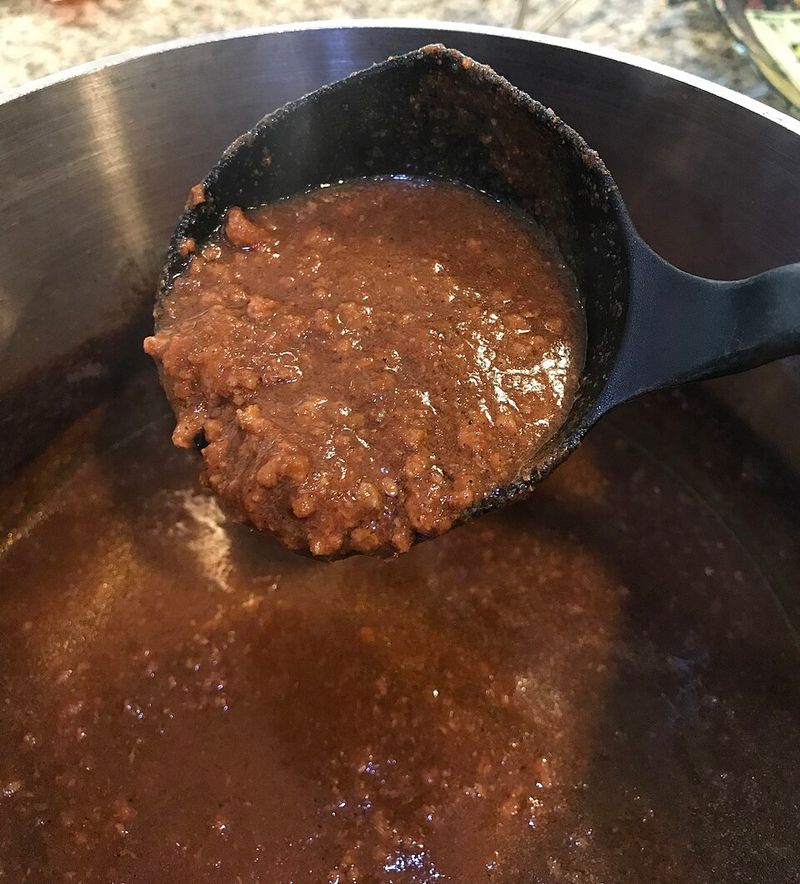
Anyone expecting an ordinary bowl of Southwestern-style chili will get a genuine surprise the first time they encounter Cincinnati chili. This regional specialty is a heavily seasoned meat sauce traditionally served over spaghetti or hot dogs, and its spice profile is where things get particularly interesting.
Cinnamon is strongly associated with Cincinnati-style chili, alongside other warm spices that can include cloves and allspice. The result has an aromatic quality dramatically different from conventional chili con carne, and it tends to divide first-time tasters into enthusiastic fans and thoroughly confused skeptics.
Unsweetened chocolate is also a frequent addition in many established recipes, contributing richness and depth rather than sweetness. Chocolate is often repeated online as the great secret ingredient, but cinnamon is arguably the more surprising and more defensible surprise in the bowl.
Together, these warm spices give Cincinnati chili an identity entirely its own among American regional foods.
15. Meatloaf, Oatmeal

Breadcrumbs seem like the obvious and inevitable binder for meatloaf, but generations of American home cooks have quietly reached for another breakfast staple instead and produced results that are equally good, if not better.
Oats can replace breadcrumbs in meatloaf, absorbing moisture while helping the meat mixture hold together during cooking. Quaker Oats helped popularize meatloaf recipes featuring their product across American kitchens for decades, making oats a long-established variation rather than a recent cooking trend.
Once the meatloaf is fully cooked, the oats soften into the mixture and become genuinely difficult to identify. That is the recurring trick behind many of the unexpected ingredients on this list.
They are not included simply to make recipes sound unusual or creative. They solve practical problems involving moisture, texture, acidity, or balance.
And if nobody mentions they are there, you might finish the entire plate without guessing correctly.
Share this story