Idaho’s gold rush era left behind more than just empty pockets and tall tales. Across the state, you can still find weathered buildings, old cemeteries, rusted machinery, and entire towns that refuse to let history fade away.
Some of these places are easy to reach on a Sunday afternoon drive, while others demand a serious mountain journey just to get there. What they all share is an uncanny ability to make you feel like the prospectors only just packed up and left.
Whether you are a history lover, a road tripper, or simply someone who enjoys a good story, these 13 Idaho sites deliver the real thing. No Hollywood sets, no gift shop recreations, just honest-to-goodness gold rush history still standing where it happened.
Get ready to see Idaho’s past up close.
1. Idaho City Historic District, Idaho City, Idaho
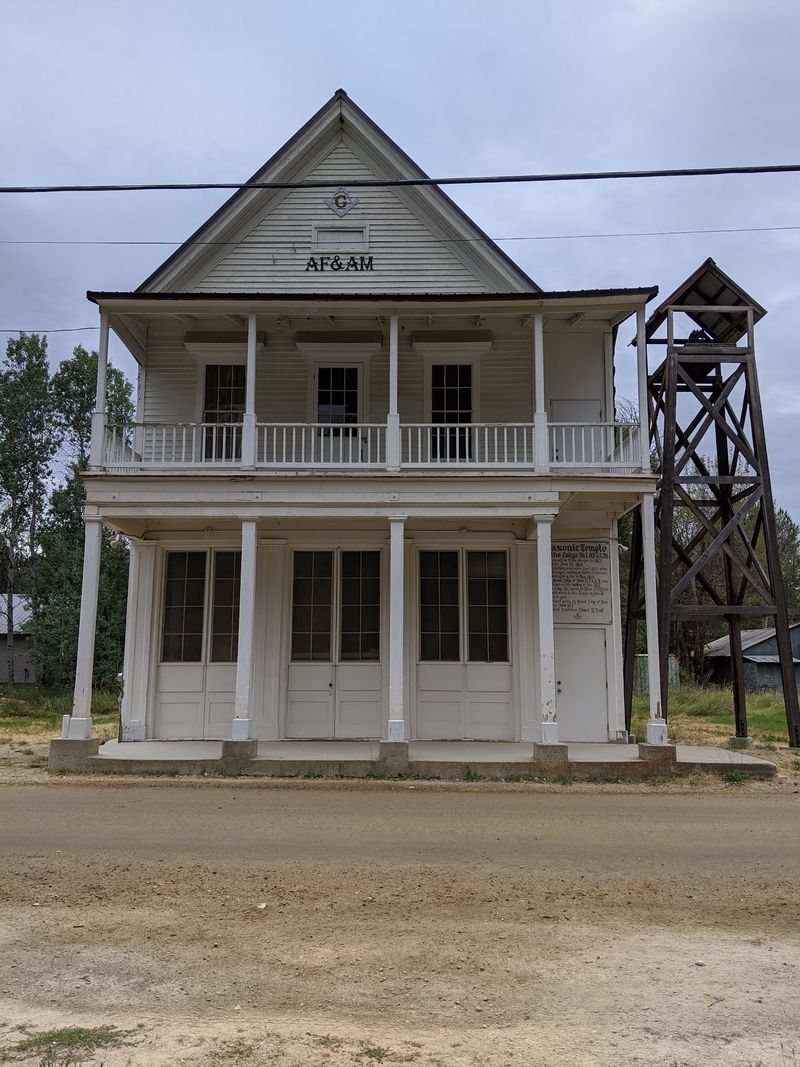
Back in 1862, Idaho City went from a patch of wilderness to the largest city in the entire Pacific Northwest in what felt like the blink of an eye. Gold discovered in the Boise Basin sent thousands of miners, merchants, and fortune hunters flooding into the area, and the town known as “Bannock” quickly swelled to more than 6,000 residents, outpacing even Portland at the time.
Today, the historic district preserves that remarkable chapter through surviving brick buildings, wooden storefronts, and a street layout that still follows the old mining-era plan. The Boise County Courthouse, built in 1871, features half-ton iron doors originally crafted in San Francisco, which tells you a lot about how seriously this town took itself.
A self-guided walking tour map, available at the Visitor Center, connects all the major landmarks in a compact and walkable area. Idaho City is genuinely one of the most rewarding gold rush stops in the entire state.
2. Boise Basin Museum, Idaho City, Idaho
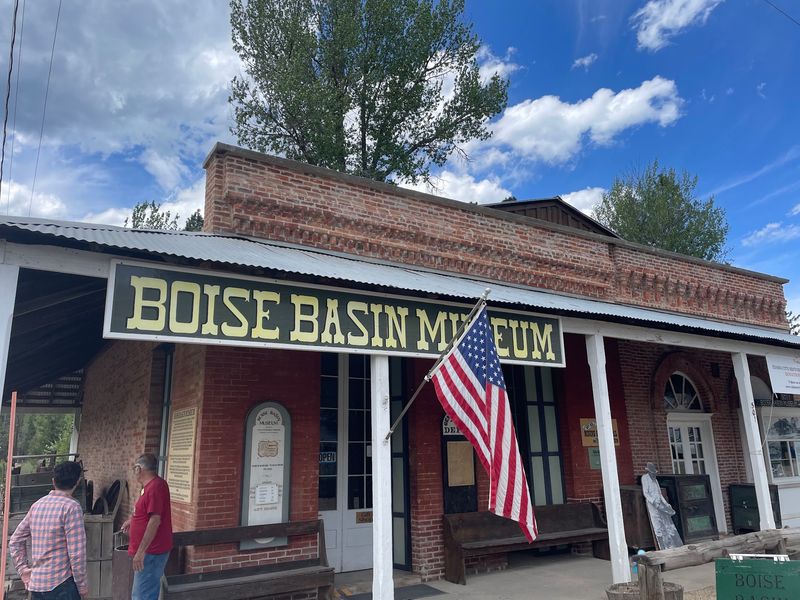
Housed inside a building that dates to 1867, the Boise Basin Museum started its life as Idaho City’s post office, constructed after a fire wiped out much of the earlier town. That kind of stubborn rebuilding spirit is exactly what the museum now celebrates.
Inside, visitors find photographs, mining tools, personal artifacts, and a working replica of a mining operation that brings the Boise Basin’s frantic gold rush years into clear focus. The exhibits explain how quickly everything changed after the 1862 gold discovery, from empty wilderness to one of the busiest places in the entire Northwest.
The real bonus here is that the museum does not exist in isolation. Historic 19th-century buildings line the surrounding streets, so once you finish with the exhibits, the town itself becomes the next exhibit.
Few museums anywhere offer that kind of built-in field trip.
3. Pon Yam House, Idaho City, Idaho
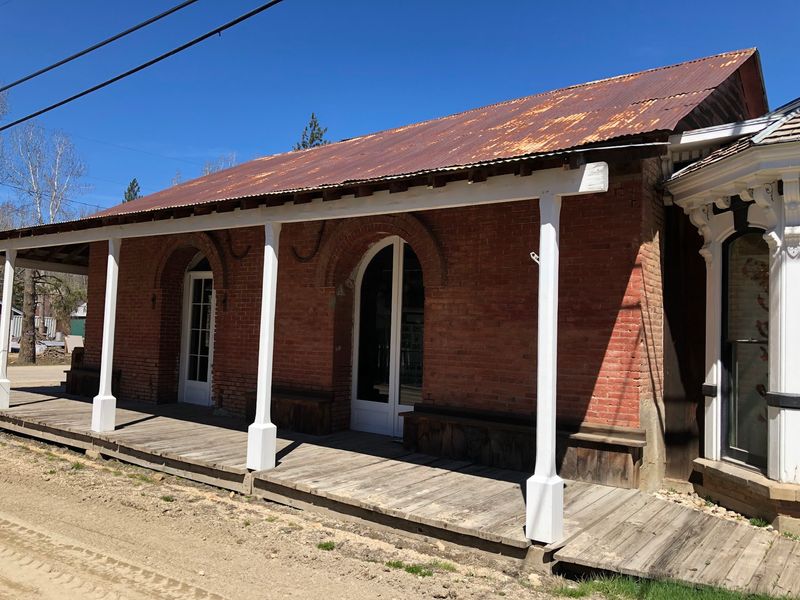
Gold rush history has a habit of centering the same narrow cast of characters, which is exactly why Pon Yam House matters so much. This restored building in Idaho City focuses on the Chinese immigrants who formed a vital and often overlooked part of the Boise Basin’s mining communities during the 1860s and beyond.
Now operating as a museum and resource center, the site uses historic photographs and artifacts to tell the stories of people who worked, traded, and built full lives in the region despite facing serious legal and social discrimination. Their contributions to Idaho’s mining economy were substantial, and this site makes sure that record is not lost.
A visit here adds real depth to any Idaho City trip. Rather than presenting a one-dimensional frontier story, Pon Yam House reminds visitors that the gold rush drew people from across the globe, each with their own reasons for being there.
4. Idaho City Pioneer Cemetery, Idaho City, Idaho
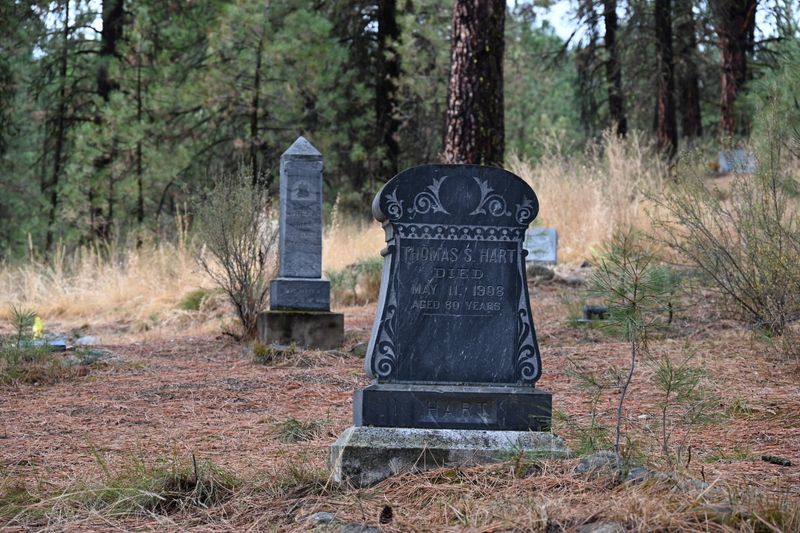
Not every piece of gold rush history involves machinery or storefronts. Idaho City Pioneer Cemetery offers something quieter and, in many ways, more powerful: a direct look at the individual human lives that made up the Boise Basin boom.
Old markers scattered among the trees carry names and dates from the 1860s onward, representing miners, merchants, families, and frontier residents who built their lives here when Idaho was still a brand-new territory. Nearby Boot Hill adds another layer to the story, with its own collection of markers from the rougher side of gold rush life.
Combined with the historic downtown just a short walk away, the cemetery transforms Idaho City from a collection of interesting old buildings into a place with genuine human weight behind it. Plan to spend a few quiet minutes here before heading back into town, because the contrast is worth it.
5. Pierce Courthouse, Pierce, Idaho
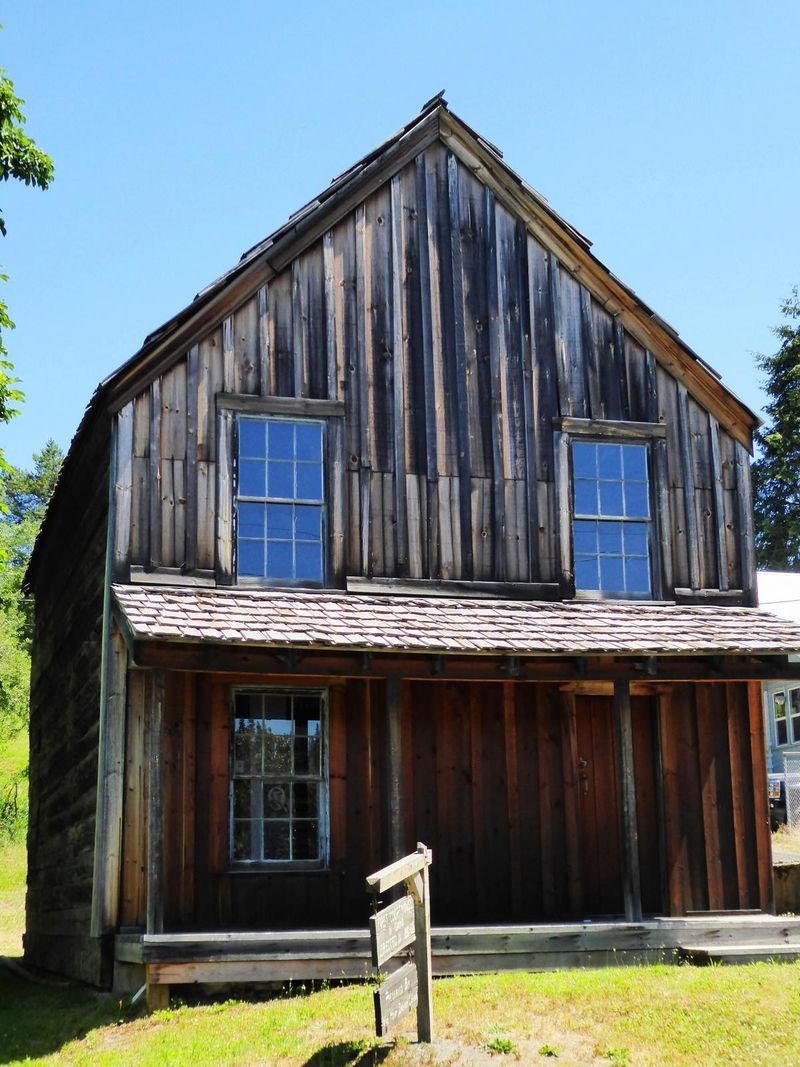
Built in 1862, Pierce Courthouse holds the distinction of being one of Idaho’s oldest surviving public buildings, and it earned that status by sitting at the center of one of the state’s earliest and most significant gold rushes. Gold had been discovered in the Clearwater country by 1860, and within a year, thousands of prospectors had flooded into an area that was still technically part of Washington Territory.
The courthouse became the seat of government for this rapidly growing region, handling the legal and administrative demands of a mining population that arrived faster than any official structure could reasonably accommodate. Its simple wooden construction reflects both the urgency of the times and the practical limits of frontier building.
Interpretive exhibits inside cover the Clearwater region’s exploration, prospecting, and mining history, while the exterior is accessible for self-guided visits every day. For a building that looks so modest, it carries an enormous amount of historical weight.
6. Florence, Idaho
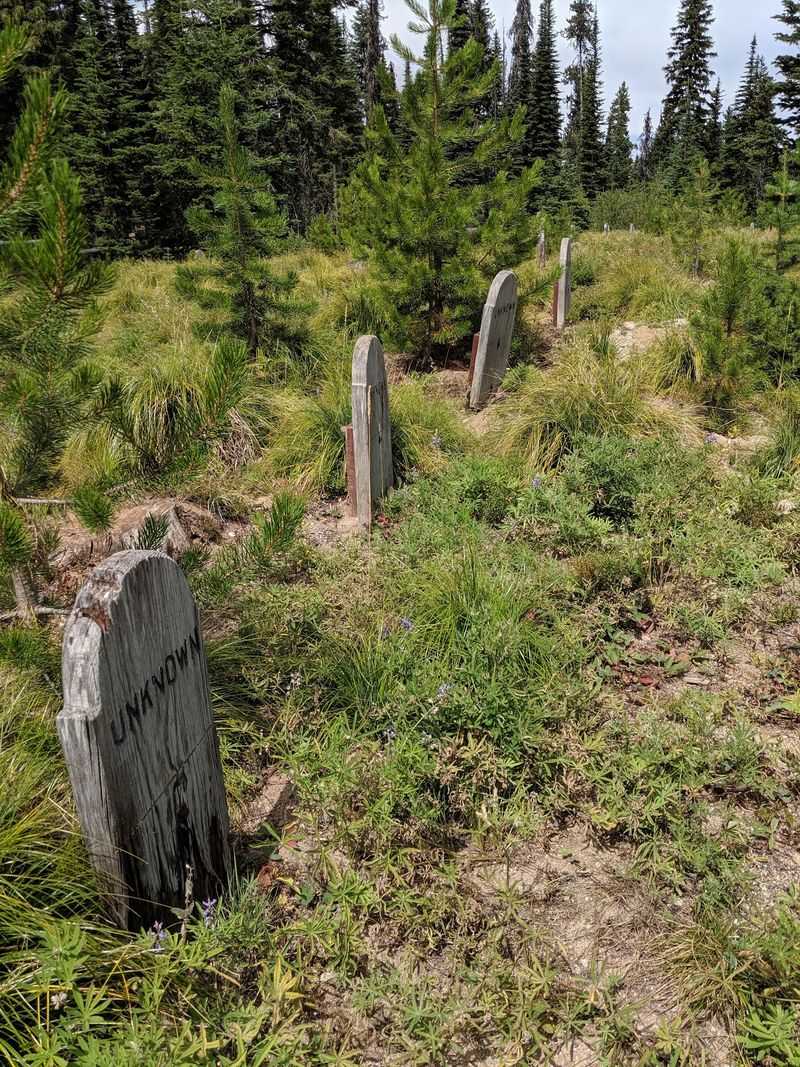
Getting to Florence is not a casual decision. The old townsite sits deep in the mountains of north-central Idaho, and the drive alone communicates something important about what it meant to be a miner here in the early 1860s, when thousands of people somehow found their way into this remote landscape chasing gold.
Florence erupted as a major camp almost immediately after discoveries in the area became widely known, drawing a population that transformed a wilderness location into a crowded and surprisingly busy mining community. That transformation was also short-lived.
As the richest surface deposits gave out, the population declined just as quickly as it had arrived.
What remains today is a sparsely populated historic landscape that rewards visitors who appreciate gold rush history in its most unvarnished form. There are no interpretive centers or paved parking lots here, just the land, the mountains, and the unmistakable sense that something significant once happened in this valley.
7. Warren, Idaho
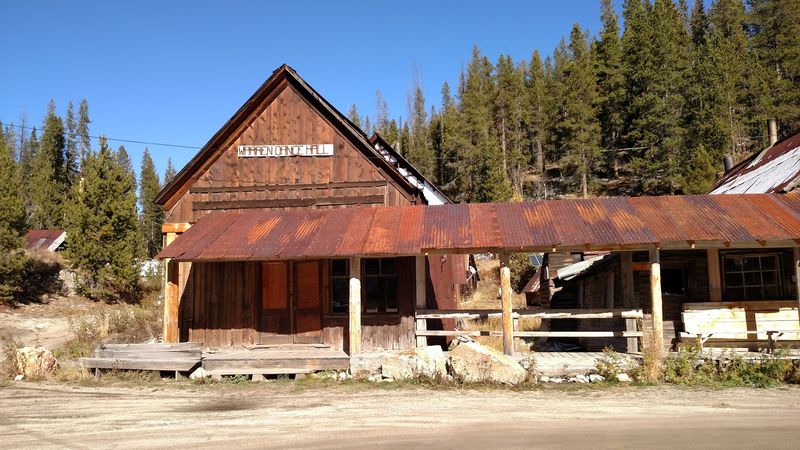
August 1862 was a busy month in Idaho mining history, and Warren was one of the reasons why. Prospectors moving on from earlier strikes at Pierce and Florence discovered gold around Warren Creek, and a new camp appeared with the kind of speed that only a gold rush can produce.
Reports suggest the population climbed past 2,000 people during the peak years.
What separates Warren from many of Idaho’s other historic mining sites is the fact that the community never fully disappeared. People continued to live here through the quiet decades that followed the boom, which means the town today is a genuine survivor rather than an abandoned shell.
Historic structures still stand in a mountain setting that feels genuinely removed from modern Idaho, and the distance from larger towns is not just a geographic fact but a real part of the experience. Warren rewards visitors who come prepared for a proper backcountry road trip.
8. Silver City, Murphy, Idaho
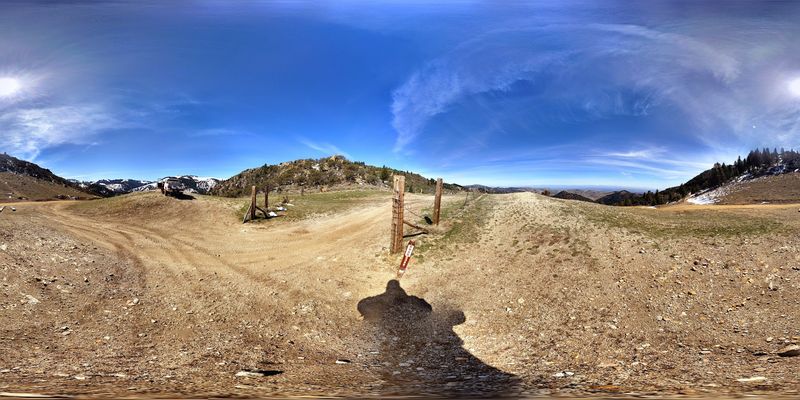
Few places in Idaho make a first impression quite like Silver City. Perched high in the Owyhee Mountains south of Murphy, this former mining hub preserves one of the most substantial collections of original 19th-century buildings anywhere in the Pacific Northwest, and the sheer number of surviving structures in one place is genuinely remarkable.
Gold and silver discoveries in the 1860s drove rapid development here, producing a town complete with hotels, a newspaper, and enough commercial activity to support a serious population. Silver City was listed as a National Register Historic District, a designation that reflects both its historical significance and the quality of what has survived.
Modern mining claims still exist in the surrounding area, but the old streets and weathered buildings are the real draw. Plan your visit for summer or early fall, because the mountain road to Silver City is typically closed during winter months.
9. Rocky Bar, Idaho
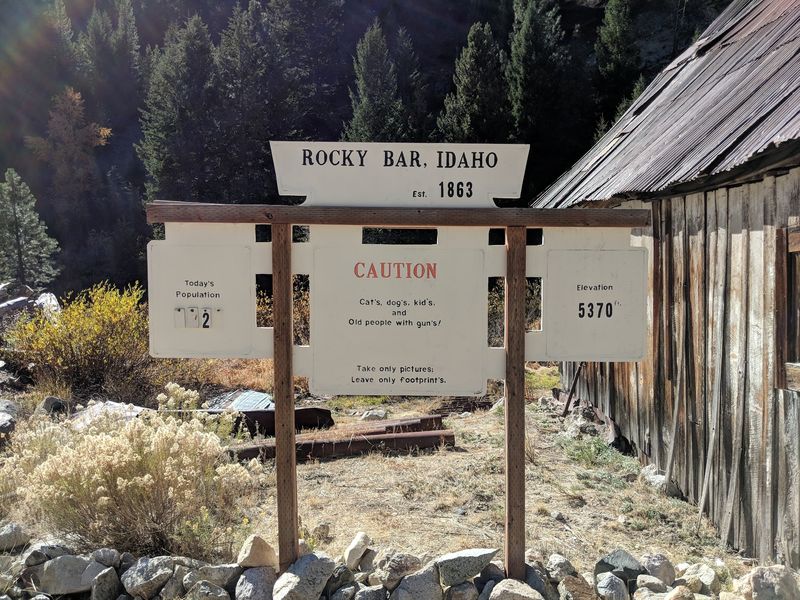
Rocky Bar had a respectable run as one of southern Idaho’s significant early mining settlements after gold was discovered in the surrounding mountains in 1863. The community grew substantial enough to serve as the county seat for Alturas County, which is not something every frontier mining camp managed to accomplish.
Fire and declining mineral production eventually did what most boom-era forces do, and the population drifted away over the following decades. Today Rocky Bar is a ghost town within the South Boise Historic Mining District, which provides some degree of protection for what remains.
Surviving structures, a historic cemetery, and scattered mine remnants throughout the surrounding countryside make this one of the more rewarding stops for travelers who prefer their history without a visitor center attached. The rough access road is part of the deal, and it keeps the site feeling genuinely undisturbed rather than managed for casual tourism.
10. Atlanta, Idaho
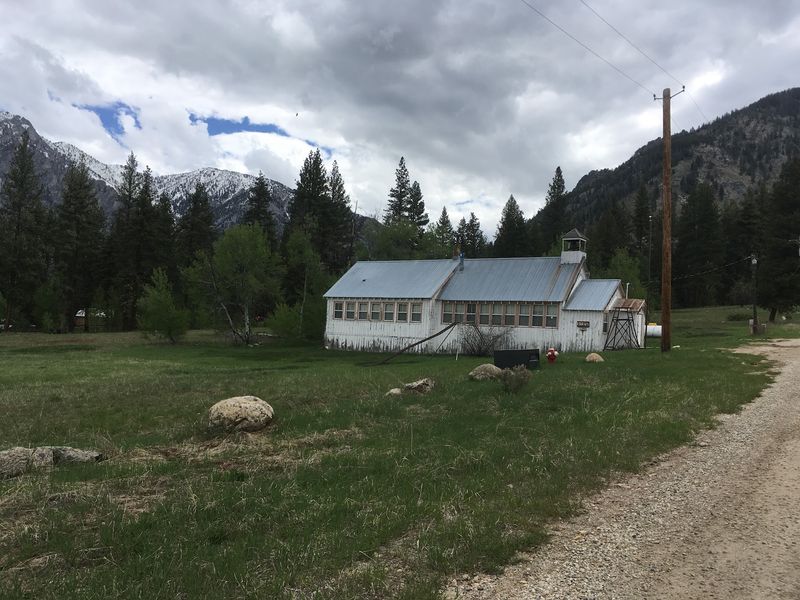
Gold discoveries in 1864 put Atlanta on the map, and the rich quartz deposits found in the mountains northeast of Boise turned it into a real community rather than just a temporary camp. Mines, stamp mills, and the businesses needed to support them all arrived in fairly quick succession, giving Atlanta a more permanent character than many of its rival settlements.
Large-scale mining eventually wound down, but Atlanta did not simply vanish. A small population stayed on, and the town’s historic district today includes buildings from its active mining years alongside structures from later periods.
Reaching Atlanta requires a long drive into the backcountry, and the road conditions can vary significantly depending on the season. That isolation, however, is also the reason the town’s mining-era atmosphere has remained so intact.
For travelers willing to make the commitment, Atlanta delivers a gold rush experience that feels genuinely off the beaten path.
11. Bayhorse Ghost Town, Challis, Idaho
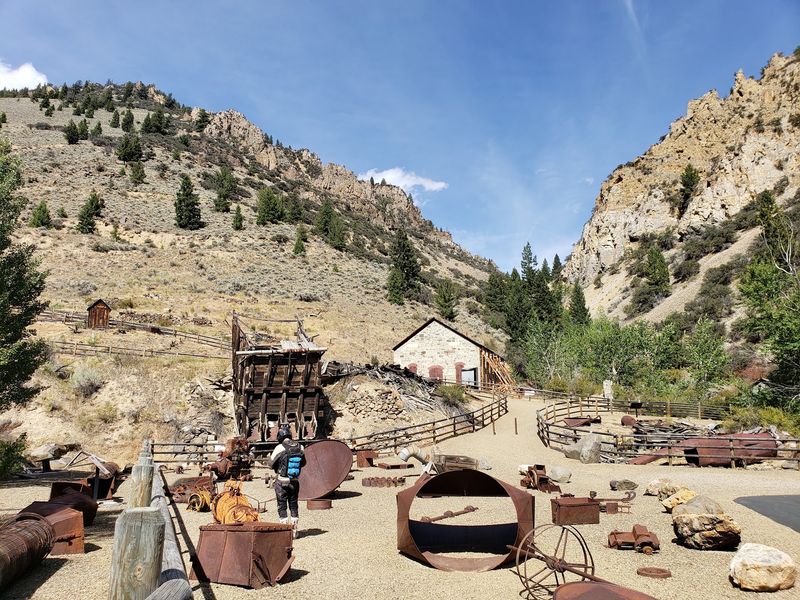
Bayhorse Ghost Town has something going for it that most Idaho ghost towns do not: it is actually accessible without a white-knuckle backcountry adventure. Protected as part of Land of Yankee Fork State Park, the site sits in central Idaho near Challis and offers visitors a well-preserved look at a genuine mining settlement without requiring a four-wheel-drive vehicle as the price of admission.
The historic structures and mining remnants here were not reconstructed or recreated for tourism. They are the actual remains of the community that developed around Bayhorse’s mines, which gives the site an authenticity that purpose-built attractions simply cannot replicate.
Trails and interpretive information help visitors make sense of what they are seeing, explaining how the settlement functioned and how mining shaped the surrounding valley. For families or first-time Idaho history travelers, Bayhorse offers a genuinely satisfying introduction to the state’s mining past without the logistical challenges of more remote sites.
12. Custer, Idaho
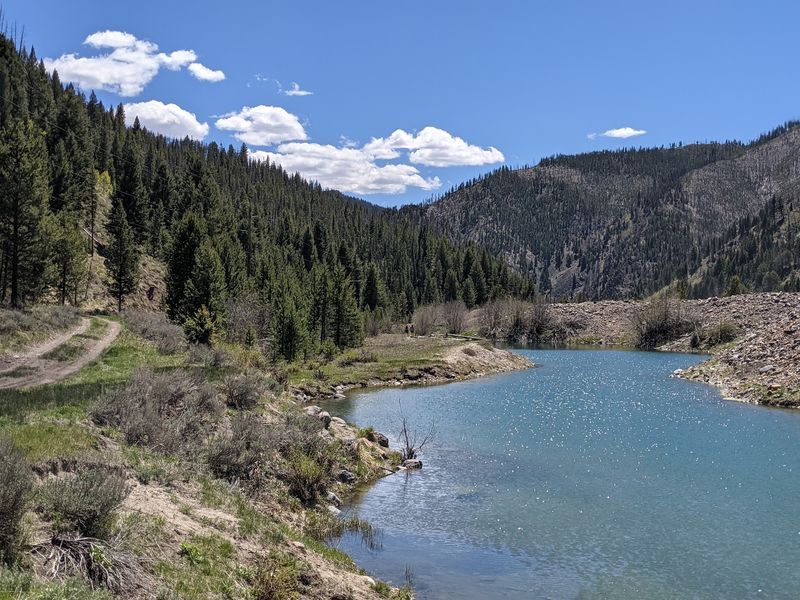
Named after the General Custer Mine rather than the famous military figure, the town of Custer grew up in the Yankee Fork country during the 1870s alongside the neighboring settlement of Bonanza. By the prosperous 1880s, mines with names like Lucky Boy and Montana were producing enough to support a population of around 600 people in a location that most modern travelers would consider extremely remote.
The boom eventually faded, and Custer emptied out over the following decades. What survived is now protected within Land of Yankee Fork State Park, where restored buildings, historic sites, and a quiet cemetery give visitors a layered picture of what the community once looked like.
The mountain setting here is particularly striking, and the concentration of mining-era remnants in one location makes Custer one of Idaho’s best places to genuinely picture daily life inside a working gold camp. Budget at least a couple of hours to do it justice.
13. Yankee Fork Gold Dredge, Stanley, Idaho
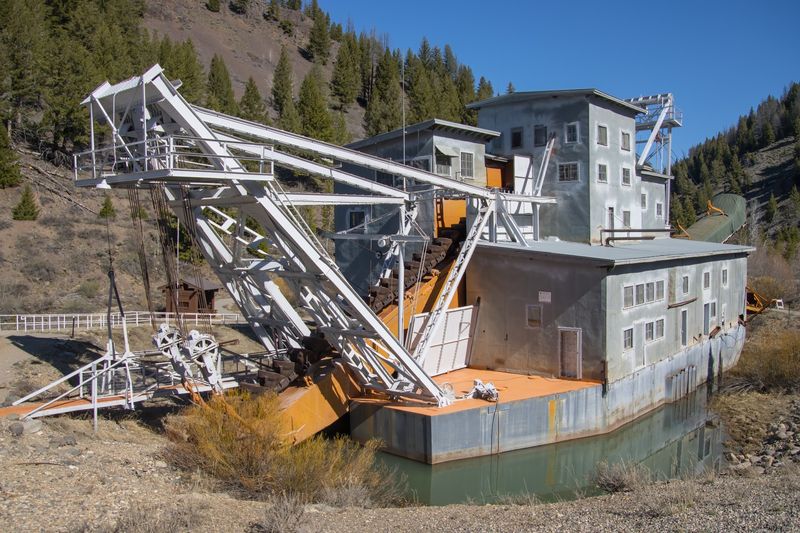
Most gold rush relics fit inside a museum case or a historic building, but the Yankee Fork Gold Dredge operates on an entirely different scale. This 988-ton machine worked the gravels of the Yankee Fork River from 1940 until 1952, processing over six million cubic yards of material and leaving behind miles of distinctive rock tailings that are still clearly visible in the landscape today.
The dredge represents a later chapter in Idaho’s gold-mining story, one driven by industrial machinery rather than individual prospectors with pans and picks. Its sheer physical presence makes it one of the most visually striking historic sites in the entire state.
Visitors can tour the dredge and learn how it operated, making it an excellent final stop on any Yankee Fork mining history loop that also includes Custer and Bayhorse. As a closing statement on Idaho’s long relationship with gold, a 988-ton floating machine is hard to top.
Share this story