When people think of Japan, they picture neon Tokyo, cherry blossoms, and bullet trains, not streets that look like they were swallowed by a glacier. Yet parts of Japan are among the snowiest inhabited regions on Earth, with snowbanks that can rise above cars and sometimes far higher. What makes this happen, and where exactly does it occur?
1. Snowiest country is a headline, but Japan really does have extreme snow zones
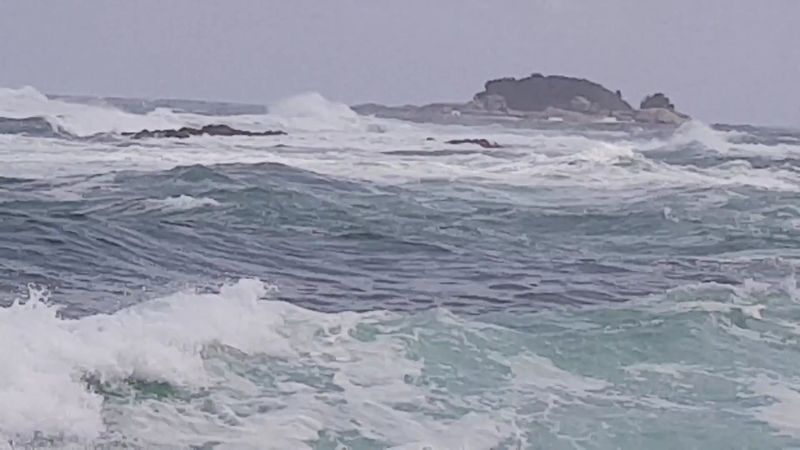
Japan isn’t uniformly snowy since southern islands are subtropical, but the Sea of Japan side and mountainous regions can be extraordinarily snow-prone. The Japan Meteorological Agency itself notes that conditions differ strongly between the Pacific side and Sea of Japan side, with heavy snow on the Sea of Japan side and in mountainous areas in winter.
So while the entire nation doesn’t drown in white powder, specific zones absolutely do. Understanding this geography helps explain why the claim sounds surprising at first.
2. The real secret weapon is cold Siberian air plus a relatively warm sea
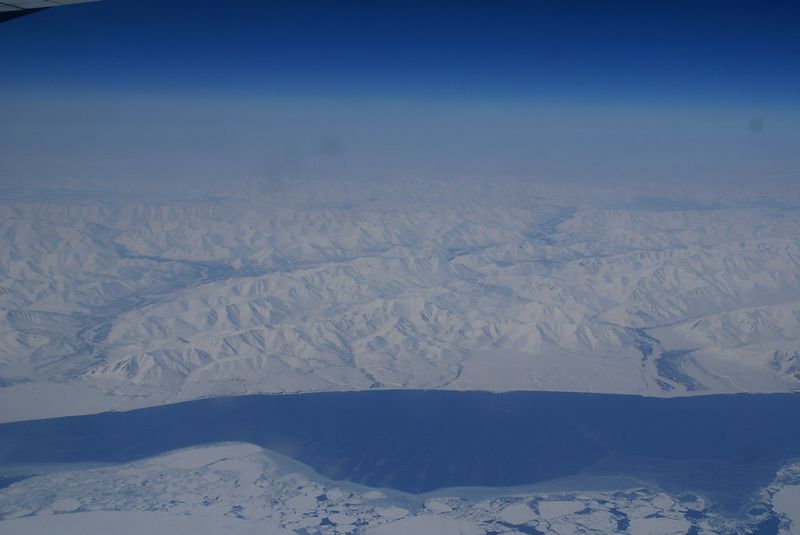
In winter, cold air outbreaks from the Asian continent move across the Sea of Japan, pick up moisture, and then dump it as snow when that air mass hits Japan’s mountains. Think lake-effect snow, but scaled up: meteorologists often frame it as sea-effect plus orographic mountain lift.
This powerful combination creates conditions perfect for massive snowfall totals. Without this unique setup, Japan’s snow reputation would be far less impressive.
3. The snowiest city numbers in articles don’t always match official normals
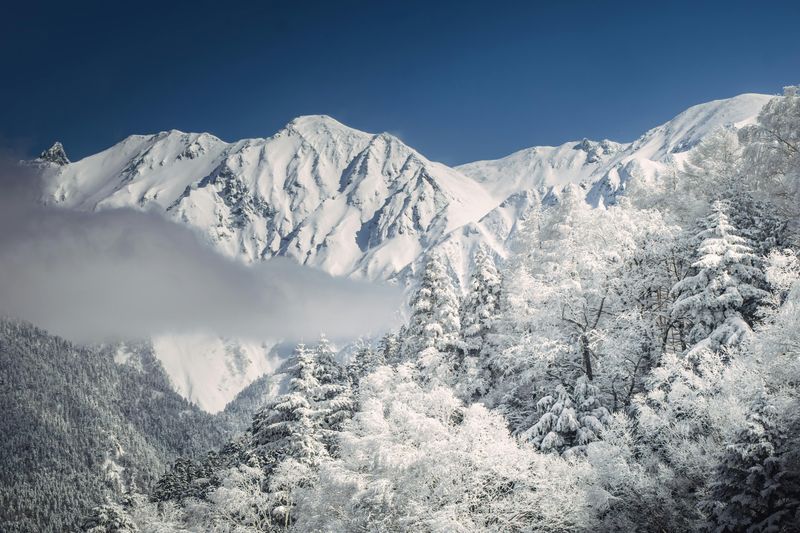
Some articles claim Aomori gets around 7.9 meters of snow a year, Sapporo about 4.85 meters, and Toyama roughly 3.6 meters. When checking Japan Meteorological Agency 1991 to 2020 climate normals, the annual totals shown are Aomori at 5.67 meters, Sapporo at 4.79 meters, and Toyama at 2.53 meters.
Why the mismatch? Different time periods, definitions of snowfall versus snow depth metrics, or different station locations can all create variations in reported numbers.
4. Aomori isn’t just snowy, it’s built around snow
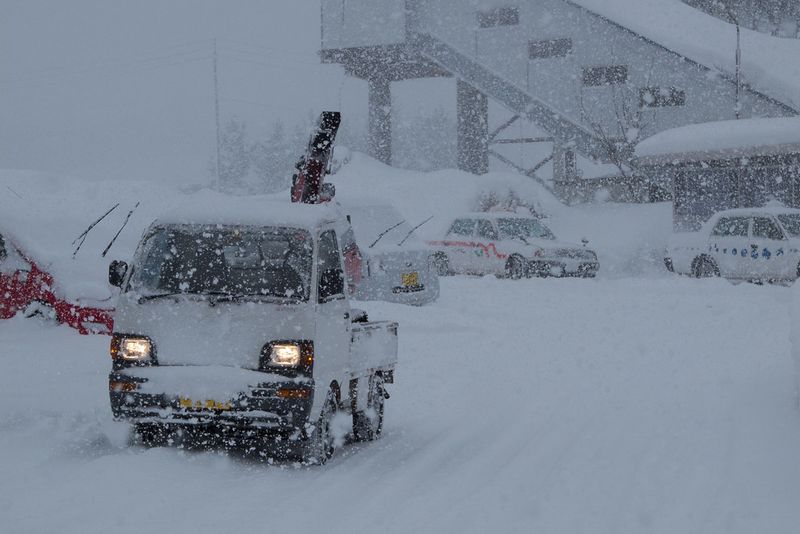
Even using the official normal of 5.67 meters per year, Aomori’s winter is still intense. What makes Aomori feel especially dramatic is how snow piles up: frequent snowfall plus plowing creates towering roadside walls, sidewalks become narrow snow canyons, and snowbanks can persist for months in cold spells.
Photos from Aomori look almost unreal because of this constant reshaping. The city infrastructure and daily routines revolve entirely around managing this white avalanche season after season.
5. Sapporo has huge snow plus a world-famous festival to prove it
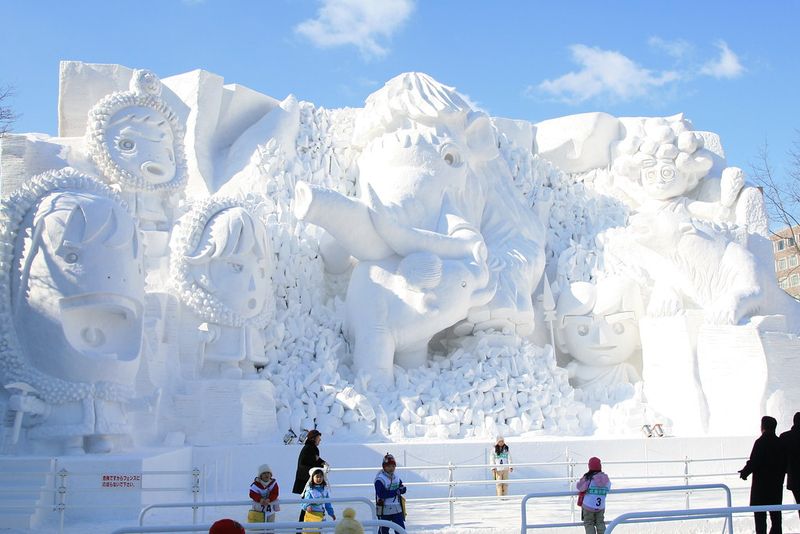
Sapporo’s official normal shows 4.79 meters of annual snowfall depth total. And yes, Sapporo leans into it hard. The Sapporo Snow Festival began in 1950 and grew into a major winter event drawing over two million visitors according to the city’s official tourism site.
So Sapporo isn’t just snowy, it’s snow-as-infrastructure plus snow-as-culture. Residents and visitors celebrate the white stuff rather than just endure it, turning winter into a citywide art gallery.
6. Toyama and the Hokuriku coast have wet snow that stacks like concrete
Toyama’s official normal is 2.53 meters, but Hokuriku, the Sea of Japan coast region, is famous for dense, wet snowfall that accumulates in layers, often heavier and harder to manage than fluffy powder. The Japan Weather Association explains how winter monsoon winds crossing the Sea of Japan absorb moisture and then produce heavy snow once they hit mountainous terrain.
This type of snow can feel like moving cement, making removal exhausting work for residents each winter season.
7. The snow walls that can be taller than houses are absolutely real
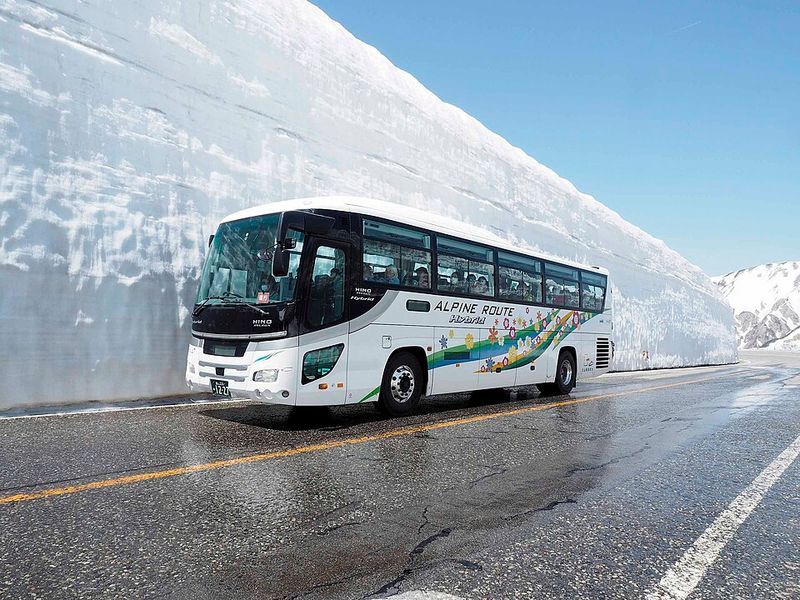
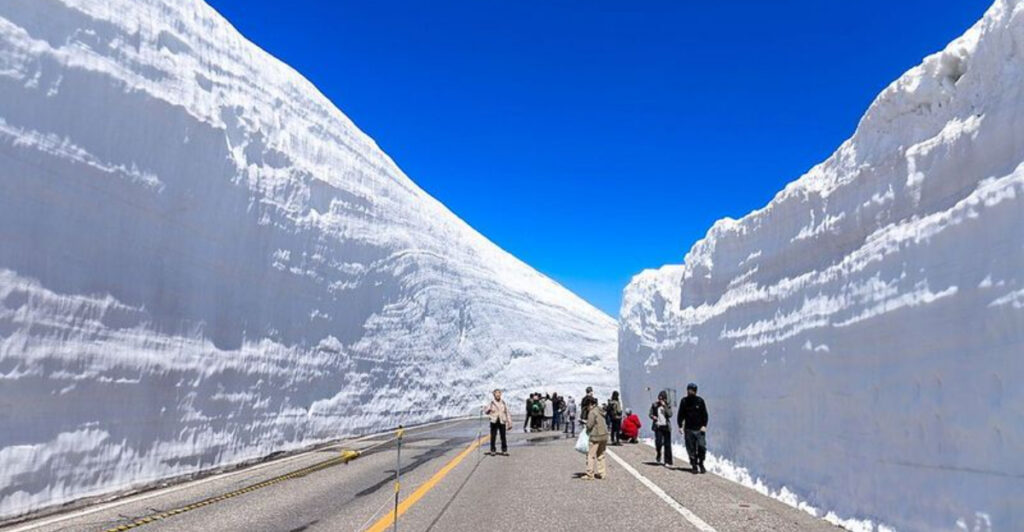
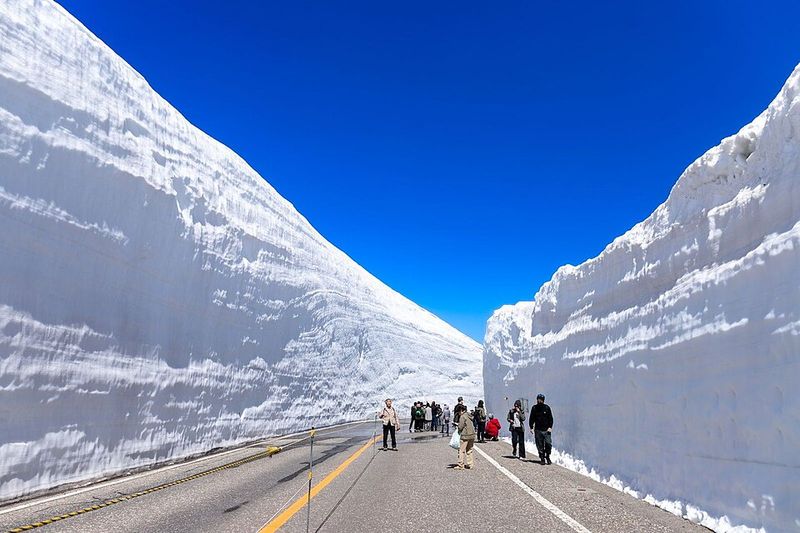
On the Tateyama Kurobe Alpine Route, the famous snow corridor can form a 500-meter passage with walls that rise up to 20 meters. That’s not a city street, but it’s one of the most iconic examples of Japan’s snow extremes, and yes, 20 meters can dwarf houses.
Seeing these walls in person feels surreal. Tourists walk between frozen cliffs that tower overhead, creating an experience unlike anything most people have ever witnessed before in their lives.
8. Timing matters because you can literally walk between the snow walls in spring
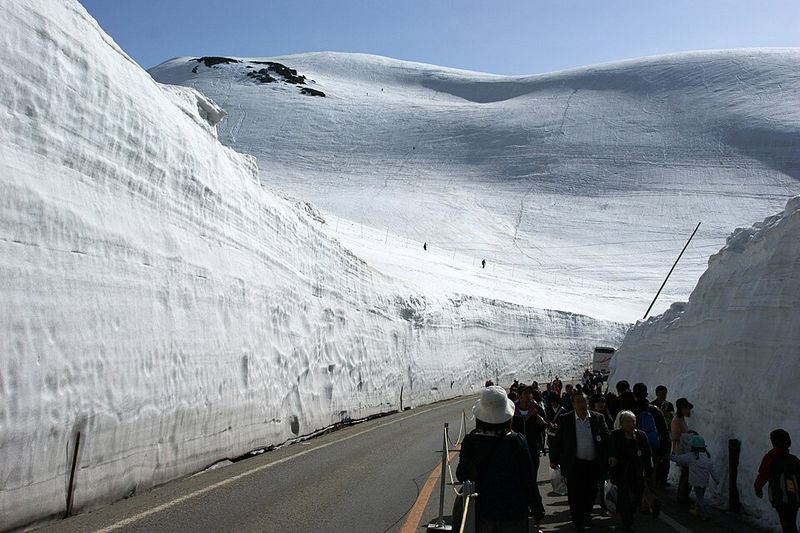
One of the wildest facts: the Tateyama snow corridor is a spring experience, not deep winter. Japan National Tourism Organization notes you can experience the snow walls from mid-April to mid-June.
So even if you miss peak winter storms, Japan can still deliver jaw-dropping snow scenery later in the season. The walls remain intact long after the heavy snowfall ends, preserved by cold mountain temperatures and sheer volume of accumulated snow.
9. Japan holds a verified historic snow depth record and the number is correct
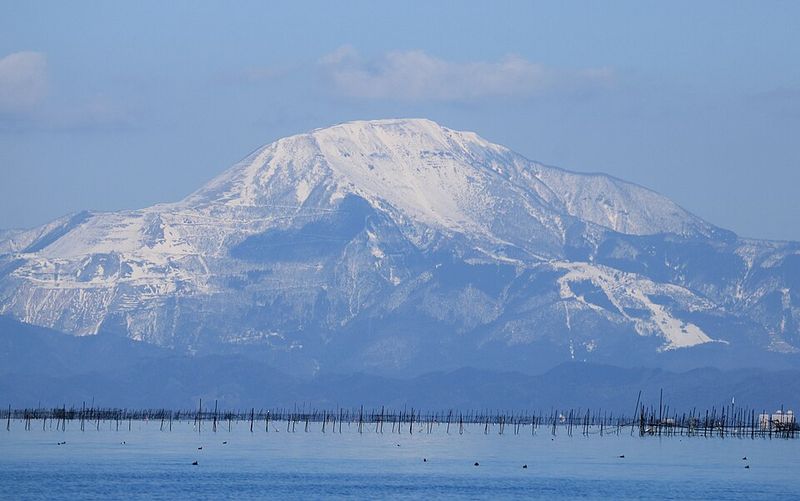
Some articles claim a world record snow depth of 11.82 meters at Mount Ibuki in February 1927. Japan Meteorological Agency’s historical monthly data page for Ibukiyama 1927 shows 1182 centimeters, which equals 11.82 meters, as the maximum snow depth value for February.
So that part checks out perfectly. This staggering measurement remains one of the most extreme snow depth records ever officially documented anywhere on the planet.
10. Snowfall versus snow depth is why meters of snow is trickier than it sounds
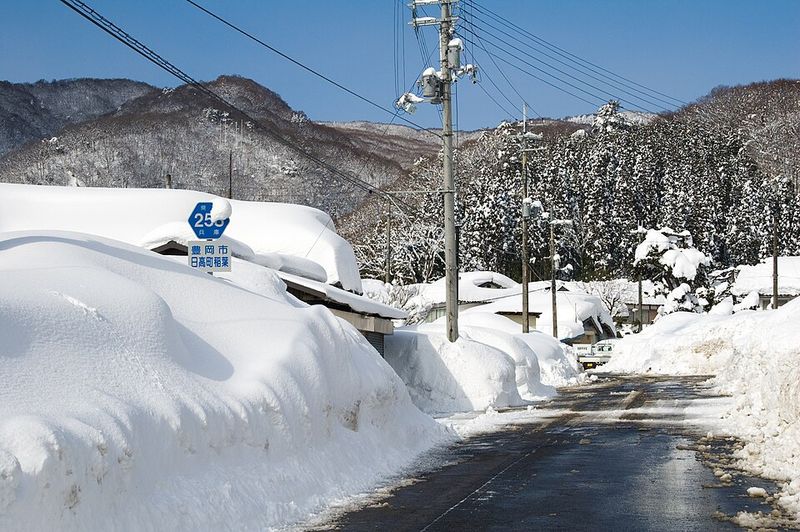
Two different things get mixed online: snowfall total, which is how much falls over time, and snow depth, which is how much is on the ground at once. Snow compacts, melts, refreezes, and gets wind-packed, so the same amount of snow falling can produce very different snow depth on the ground.
That’s why claims about annual meters can diverge depending on measurement conventions and datasets used for comparison purposes.
11. Japan’s heavy snow belt has a name and it’s a studied phenomenon
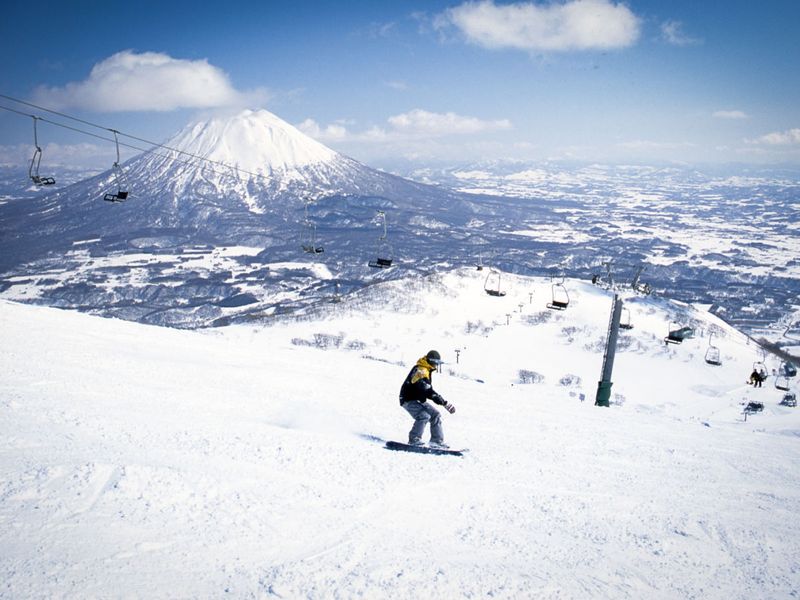
Meteorologists describe a remarkable snow climate on Honshu and Hokkaido near the Sea of Japan, where mean annual snowfall can exceed 600 centimeters in some near-sea-level cities and exceed 1,300 centimeters in some mountain areas. So even if specific city rankings fluctuate, the claim that Japan has extreme snow geography is scientifically solid.
Researchers worldwide study this belt because its combination of factors creates conditions rarely found elsewhere on Earth.
12. Why the Sea of Japan side gets hammered while the Pacific side can be sunny
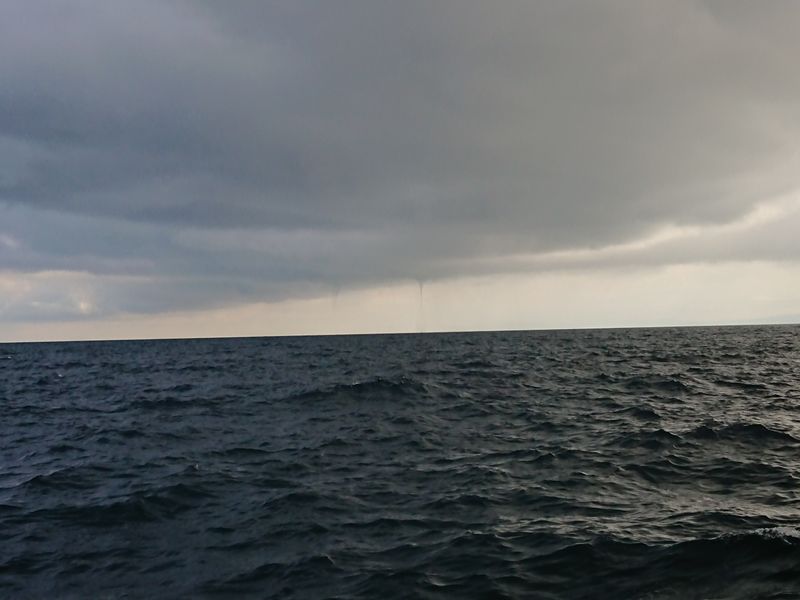
In many winters, the Sea of Japan side experiences clouds plus frequent snow, while the Pacific side enjoys drier, clearer winter days. This contrast is directly tied to prevailing winter winds and mountain barriers.
Japan Meteorological Agency highlights that the two sides experience very different conditions. Mountains act as a dividing wall, trapping moisture on one side while leaving the other relatively dry and pleasant for winter outdoor activities.
13. What daily life looks like when snow is basically a season-long project
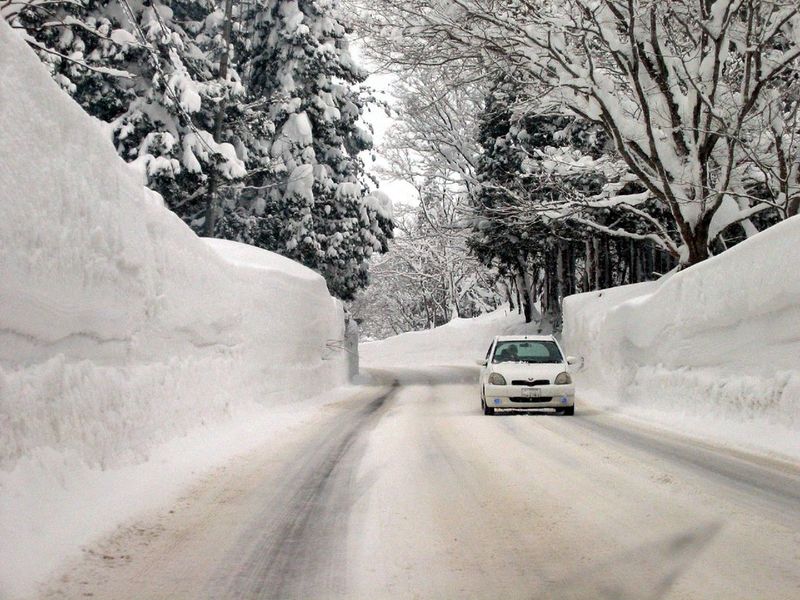
In heavy snow cities and towns, winter life becomes a systems problem: constant plowing of roads, sidewalks, and rooftops, protected walkways and snow fencing in some areas, and snow storage zones where removed snow is piled. This is the invisible reason photos look so dramatic.
The snow doesn’t just fall, it’s moved, piled, stacked, and reshaped every day. Residents treat snow management like a never-ending chore requiring teamwork and planning.
14. Want to experience it as a traveler, match the place to the type of snow
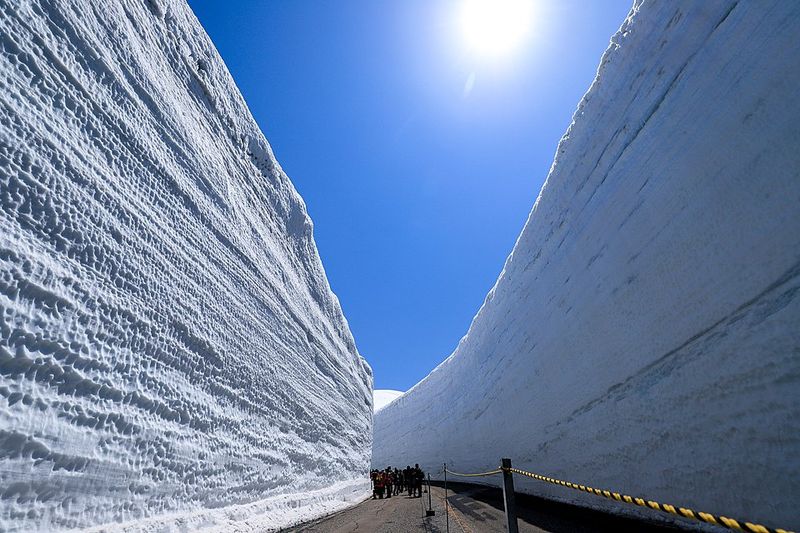
If you’re turning this into a travel-style angle, the best snow experiences are different. City snow life happens in Aomori with snowy streets and Sapporo with its festival plus city winter culture. Iconic mega snow walls appear at Tateyama Kurobe Alpine Route from mid-April to mid-June.
Snow country coast plus mountains vibe thrives in Hokuriku and Sea of Japan side areas with wet, heavy snow patterns creating authentic winter landscapes.
Share this story