Long before social media, press agents, or political consultants existed, kings were already experts at shaping how the world saw them. From ancient Egypt to 20th-century Thailand, rulers understood that power was not just about what you did, but about what people believed you did. A well-placed statue, a carefully worded inscription, or a strategic public appearance could transform a king’s reputation across an entire empire. The rulers in this list were masters of image-making, each using the tools available in their era to craft a legacy that outlasted their own lifetimes.
Some rewrote history on stone walls, others hired poets and painters, and a few used the newest technology of their day to speak directly to millions of people. What they all shared was a clear understanding that public perception was a form of power in itself. Read on to discover how these thirteen rulers shaped not just their kingdoms, but the stories told about them for centuries.
1. Louis XIV of France
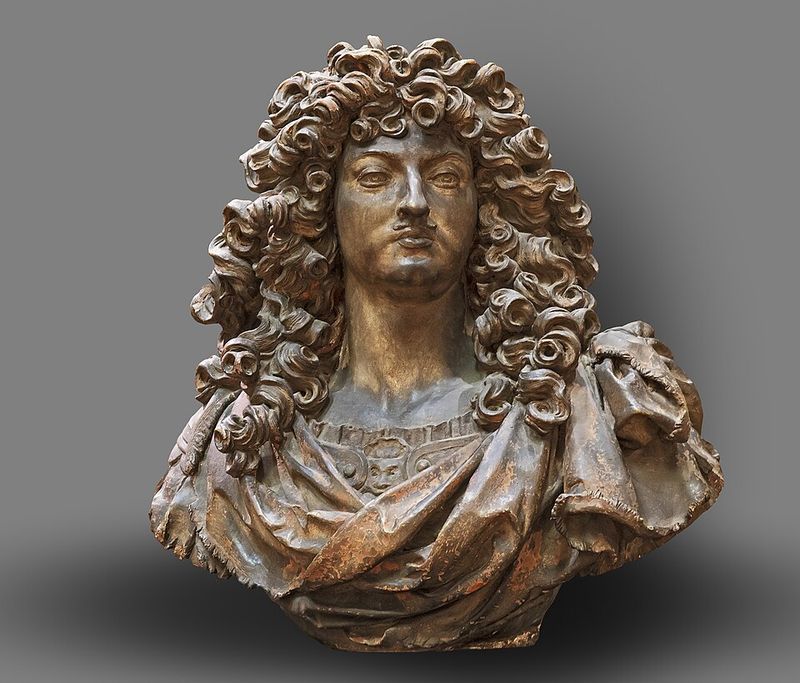
Few rulers in history understood the politics of spectacle quite like the man who once declared that he and the state were one and the same. Louis XIV, who began his personal rule in 1661, turned the French royal court into the most theatrical institution in Europe.
Versailles was not merely a palace. It was a living stage designed to place the king at the center of all things. Courtiers competed for the privilege of handing him his morning coat, a ritual that reinforced their dependence on royal favor.
Louis commissioned painters, sculptors, and playwrights to celebrate his reign. Charles Le Brun painted grand ceiling murals depicting the king as a Roman emperor. Official portraits showed him in full regalia, projecting divine authority.
Fashion itself became a political tool. Louis standardized court dress codes, ensuring that every nobleman visually confirmed his place in a hierarchy with the king at the top. The “Sun King” title was not accidental. It was a carefully chosen brand.
2. Henry VIII of England
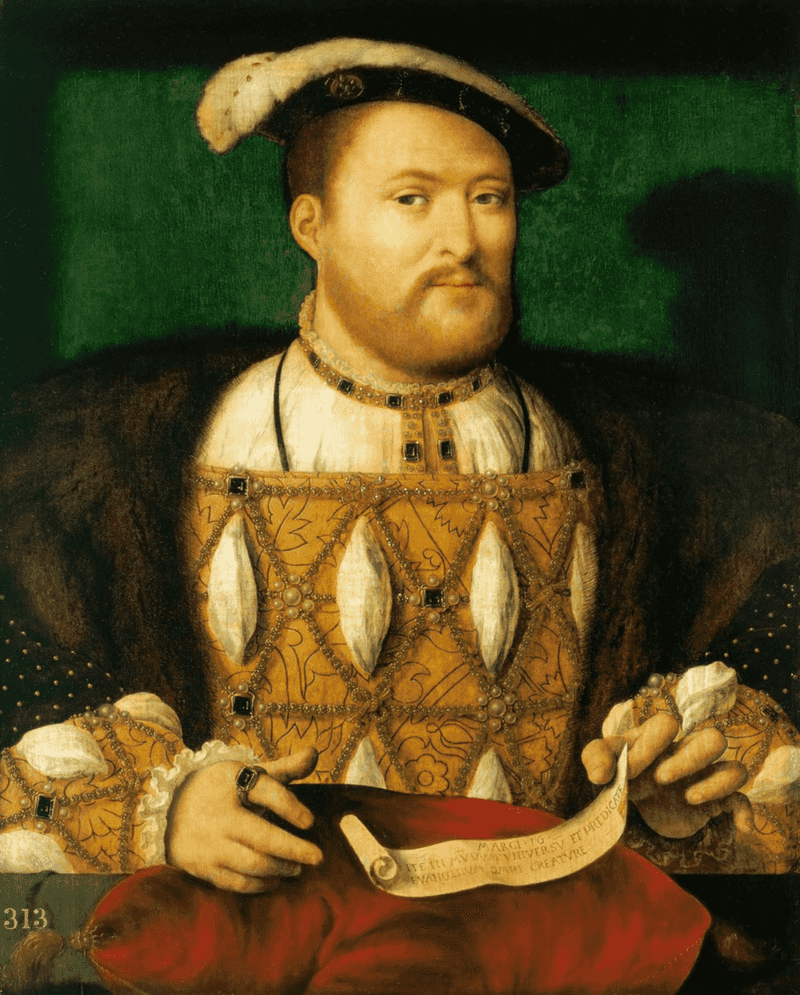
When a king breaks with the most powerful religious institution in the Western world, he needs a very convincing story to tell his subjects. Henry VIII managed exactly that, largely through one of the most deliberate image campaigns in English history.
The painter Hans Holbein the Younger was central to this effort. His iconic 1537 portrait of Henry standing wide-legged with squared shoulders did not simply record a likeness. It constructed a visual argument for dominance and unquestionable authority.
After Henry declared himself Supreme Head of the Church of England in 1534, royal propaganda shifted into a higher gear. Official documents, sermons, and printed texts reinforced the narrative that his break with Rome was a righteous correction rather than a political maneuver.
Royal pageants and public ceremonies were staged to display his magnificence to ordinary people. The Field of the Cloth of Gold in 1520 was an earlier example, a diplomatic spectacle designed as much for domestic audiences as for foreign rivals.
3. Alexander the Great of Macedon
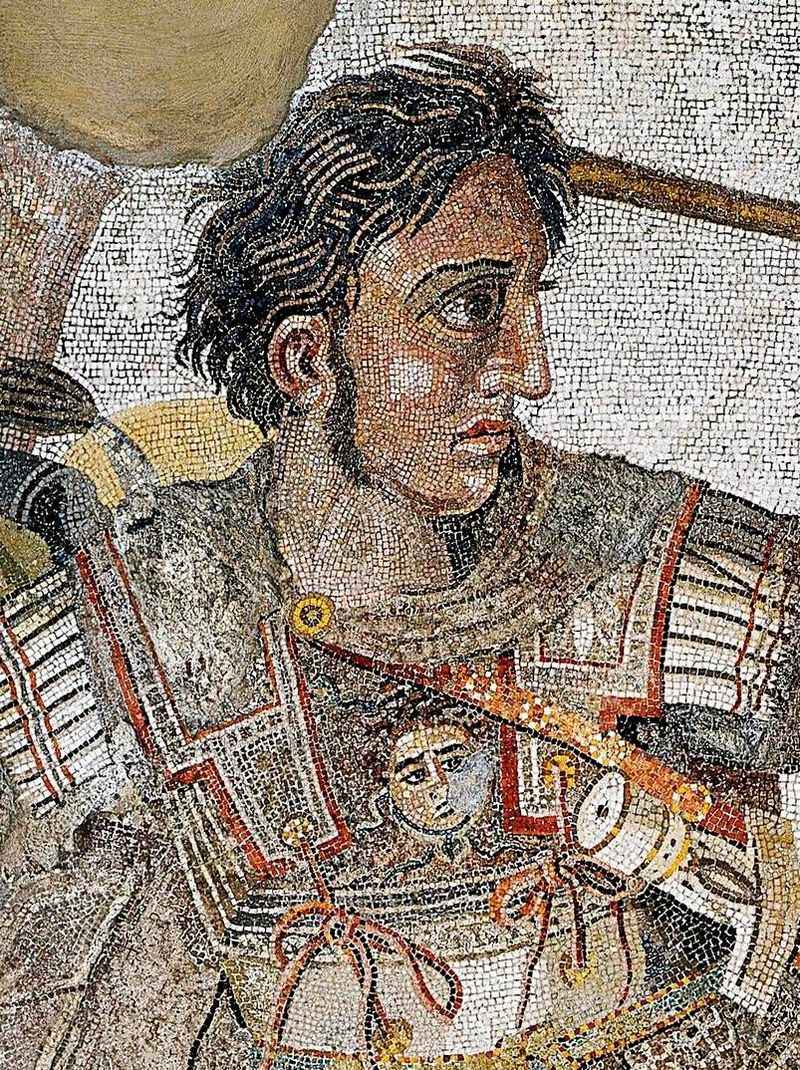
Most rulers waited for artists to flatter them. Alexander of Macedon went further, actively controlling who was allowed to depict him at all. He appointed the sculptor Lysippos as his official image-maker, ensuring that every statue projected the same carefully chosen vision.
That vision was specific: youthful, clean-shaven, with hair swept back in a style called the anastole, and eyes lifted slightly upward as if gazing toward the divine. Breaking with Greek tradition by rejecting the bearded look, Alexander visually separated himself from ordinary men.
Coins minted across his vast empire carried his profile alongside images of Heracles and Zeus, directly linking him to legendary heroes and gods. These coins circulated from Greece to Persia, functioning as portable propaganda reaching populations he would never personally visit.
Ancient writers including Arrian and Plutarch later contributed to his legend, blending documented campaigns with stories that emphasized his superhuman qualities. The image Alexander built was so powerful that later rulers across centuries copied his hairstyle and portrait style to borrow its authority.
4. Ramses II of Ancient Egypt
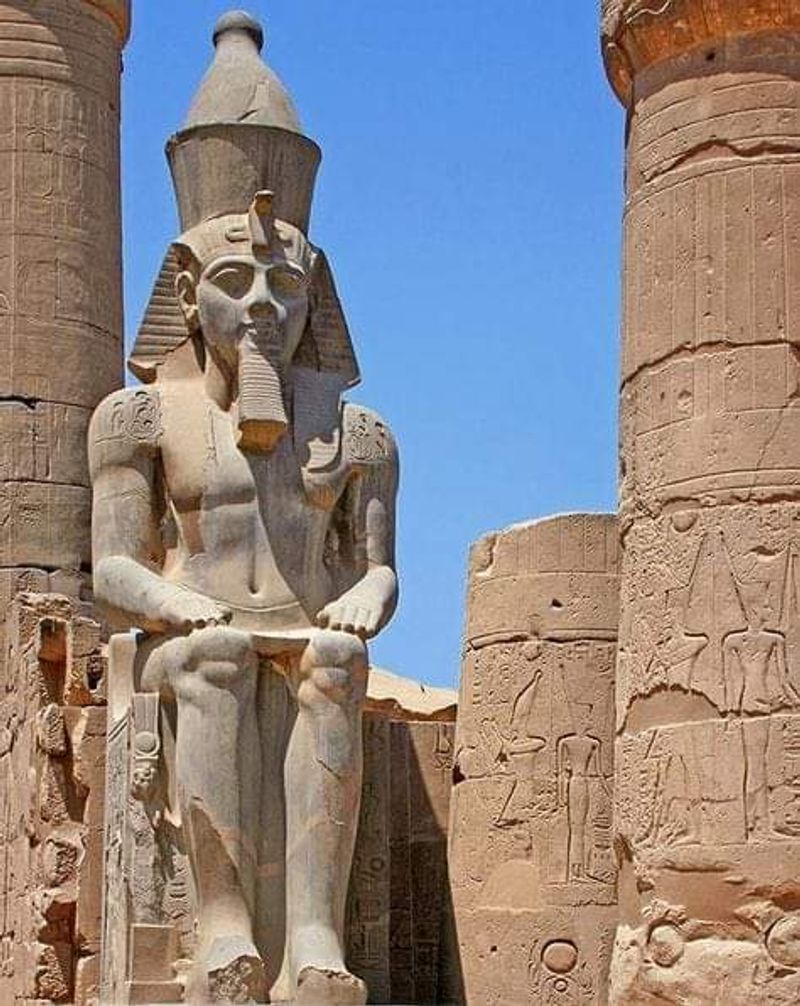
No pharaoh in Egyptian history left behind more monuments to himself than the man who ruled for approximately 66 years and made sure every corner of his empire knew it. Ramses II, who reigned from around 1279 BCE, turned stone into a communication strategy.
At Abu Simbel, four colossal seated statues of Ramses, each standing over 20 meters tall, were carved directly into a sandstone cliff. The message was unmistakable: here is a ruler on the scale of the gods themselves.
His treatment of the Battle of Kadesh against the Hittites in 1274 BCE is one of history’s earliest documented examples of spin. The battle was largely a stalemate, but Ramses had temple walls across Egypt covered with reliefs depicting himself as the sole hero, single-handedly routing the enemy.
He also added his cartouche to monuments built by earlier pharaohs, effectively claiming their legacies as his own. Ramses II understood that controlling the visual record meant controlling how history would remember his reign.
5. Ashoka the Great
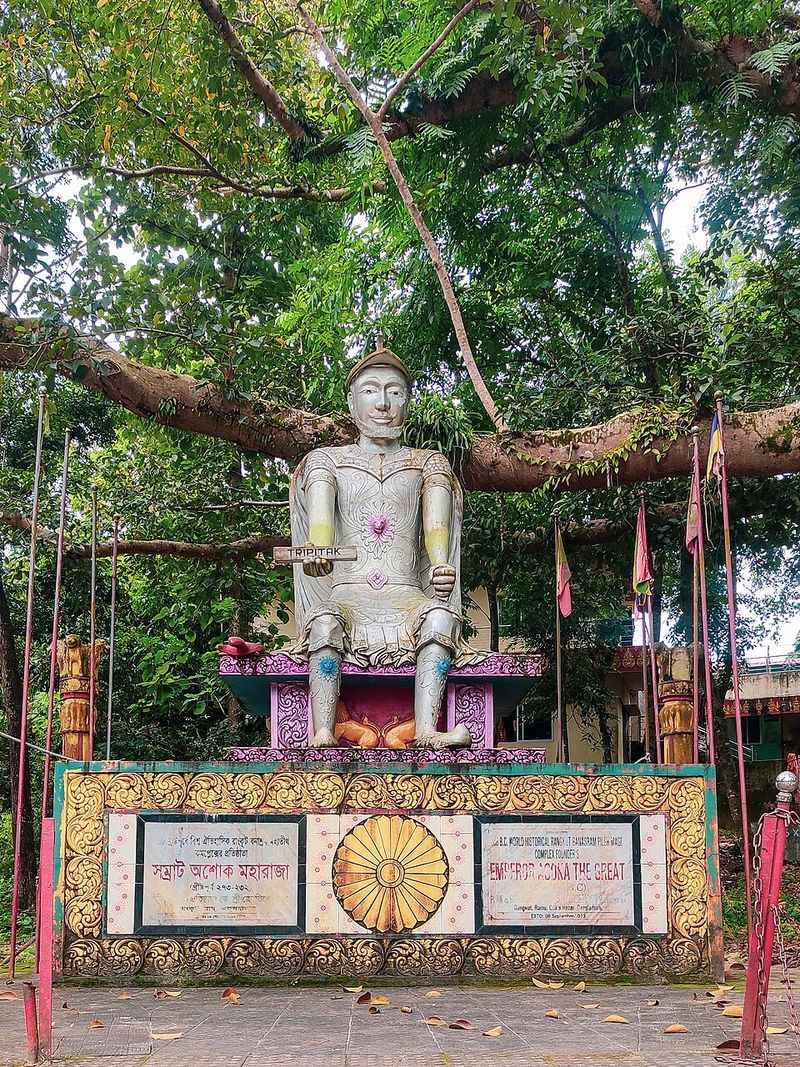
Changing your public image after decades of military conquest is not a small project, but Ashoka the Great undertook it with remarkable thoroughness. Following the Kalinga War around 261 BCE, which caused enormous suffering, Ashoka embraced Buddhism and launched a systematic rebranding of his entire reign.
His primary tool was the stone edict. Across his vast Mauryan Empire, stretching from modern Afghanistan to southern India, Ashoka had inscriptions carved onto polished rock faces and tall sandstone pillars in local languages and scripts. These edicts promoted non-violence, religious tolerance, care for animals, and welfare for ordinary people.
He established hospitals for humans and animals, planted shade trees along roads, and dug wells for travelers. Each of these acts was documented and publicized through the edict network, creating a documented record of his compassionate governance.
His own children were sent as Buddhist missionaries to Sri Lanka and Central Asia, extending both the faith and his reformed reputation far beyond his borders. The contrast with his earlier reputation as “Chandashoka,” meaning Ashoka the Fierce, was the whole point.
6. Cyrus the Great
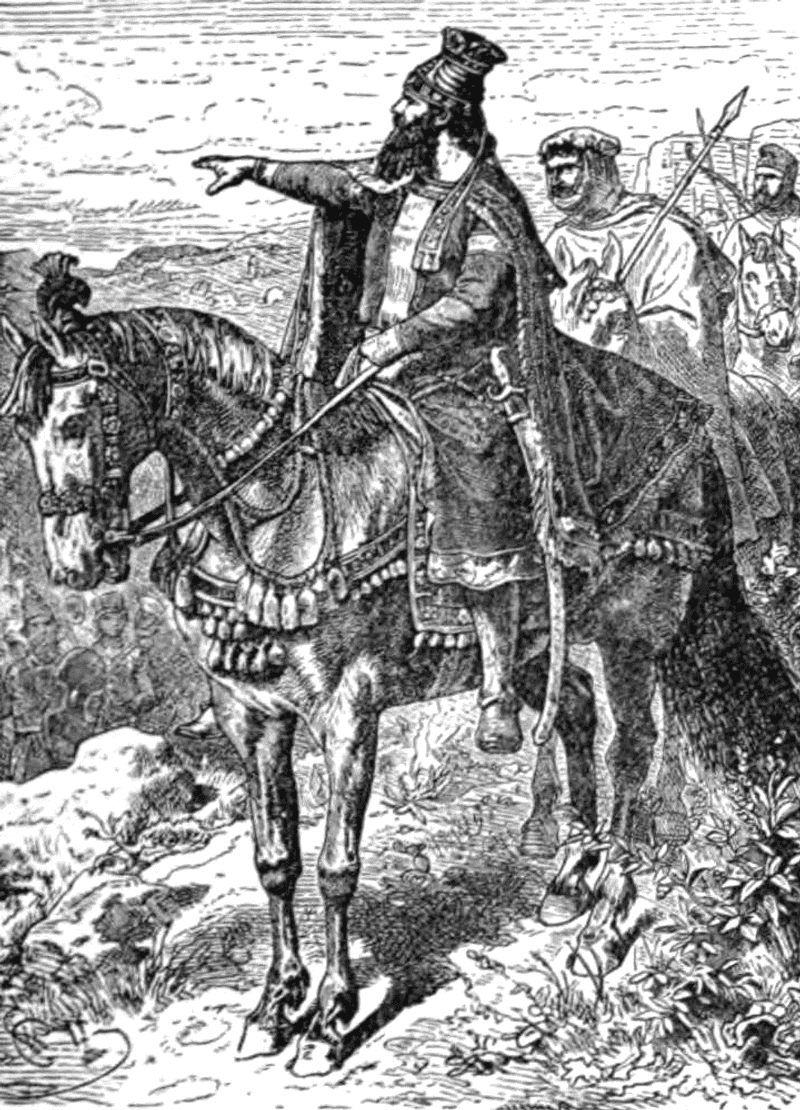
Conquering Babylon in 539 BCE was a military achievement. What Cyrus the Great did next was something rarer: he conquered the narrative too. Rather than presenting himself as an invader, Cyrus positioned himself as a liberator chosen by the Babylonian god Marduk to restore order and justice.
The Cyrus Cylinder, a clay barrel inscription discovered in 1879, is the clearest surviving record of this strategy. The text described Cyrus as a pious and merciful ruler who returned displaced peoples to their homelands and restored neglected temples, a sharp contrast to the destructive conquests typical of the era.
Jewish texts in the Old Testament also praised Cyrus for ending the Babylonian exile and permitting the rebuilding of the Temple in Jerusalem. This cross-cultural endorsement added considerable weight to his benevolent reputation.
The Greek historian Xenophon later wrote the Cyropaedia, essentially a philosophical biography presenting Cyrus as the ideal ruler embodying discipline, generosity, and wise governance. Whether the real Cyrus matched every detail matters less than the fact that his image was shaped with consistent and deliberate purpose across multiple cultures.
7. Augustus
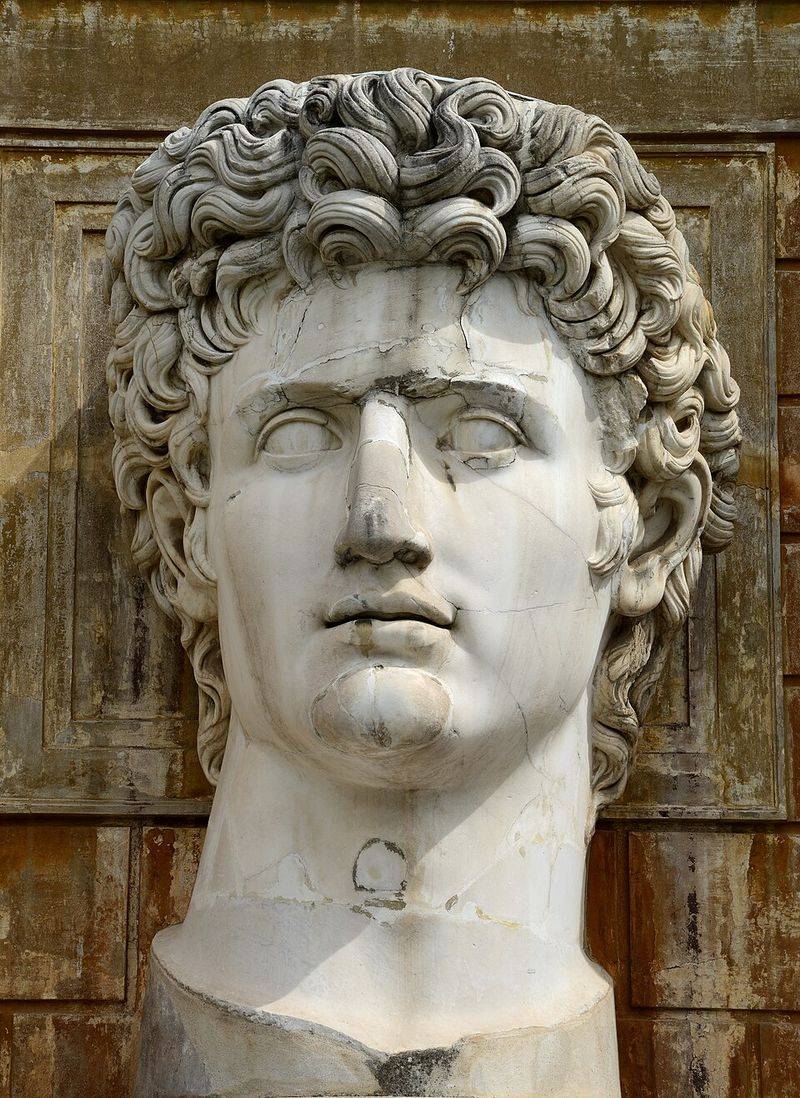
Coming to power after decades of Roman civil war gave Augustus a ready-made narrative: he was the man who brought peace. The challenge was making that story stick, and he pursued it through one of the most comprehensive propaganda programs in the ancient world.
The Ara Pacis, completed in 9 BCE, was a marble altar dedicated to Augustan peace. Its carved panels showed Augustus alongside priests, family members, and senators in a procession that visually linked his rule to Roman religious tradition and family values.
Coins bearing his image circulated throughout the empire, each one a small statement of his authority and legitimacy. Statues depicted him not as an aging politician but as an idealized, ageless leader. The Prima Porta statue showed him in a heroic military pose with divine symbolism worked into the armor carvings.
He also patronized writers including Virgil and Horace, whose works celebrated Roman greatness and, by extension, his own reign. His own Res Gestae, a public account of his achievements displayed across the empire, gave him the last word on his own legacy.
8. Charlemagne
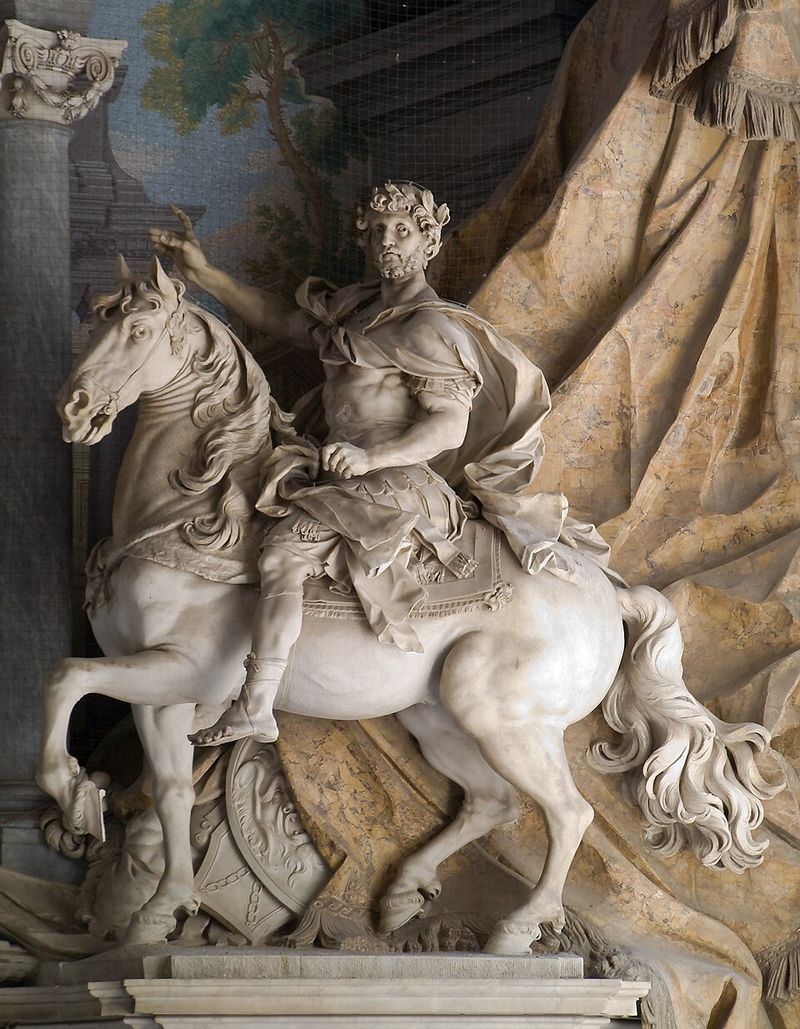
Charlemagne ruled the Frankish Empire from 768 CE and was crowned Emperor of the Romans in 800 CE, but maintaining that title required more than military victories. It required a convincing story about who he was and what he represented.
His biographer Einhard, writing shortly after Charlemagne’s reign, described a king of impressive physical stature, clear intelligence, and deep Christian devotion. That portrait became the foundation of his official image for centuries.
Charlemagne actively supported scholars at his court in Aachen, encouraging the production of manuscripts, theological texts, and chronicles that depicted him as the ideal Christian ruler and legitimate heir to the Roman imperial tradition. This cultural effort, known as the Carolingian Renaissance, served both intellectual and political purposes.
Medieval literature later expanded his legend considerably. The Song of Roland, written around the 11th century, portrayed him as a heroic defender of Christianity with a flowing white beard that became his standard visual attribute. Across France, Germany, and the broader European tradition, his image was repeatedly claimed by rulers seeking to borrow his authority.
9. Frederick II of Prussia
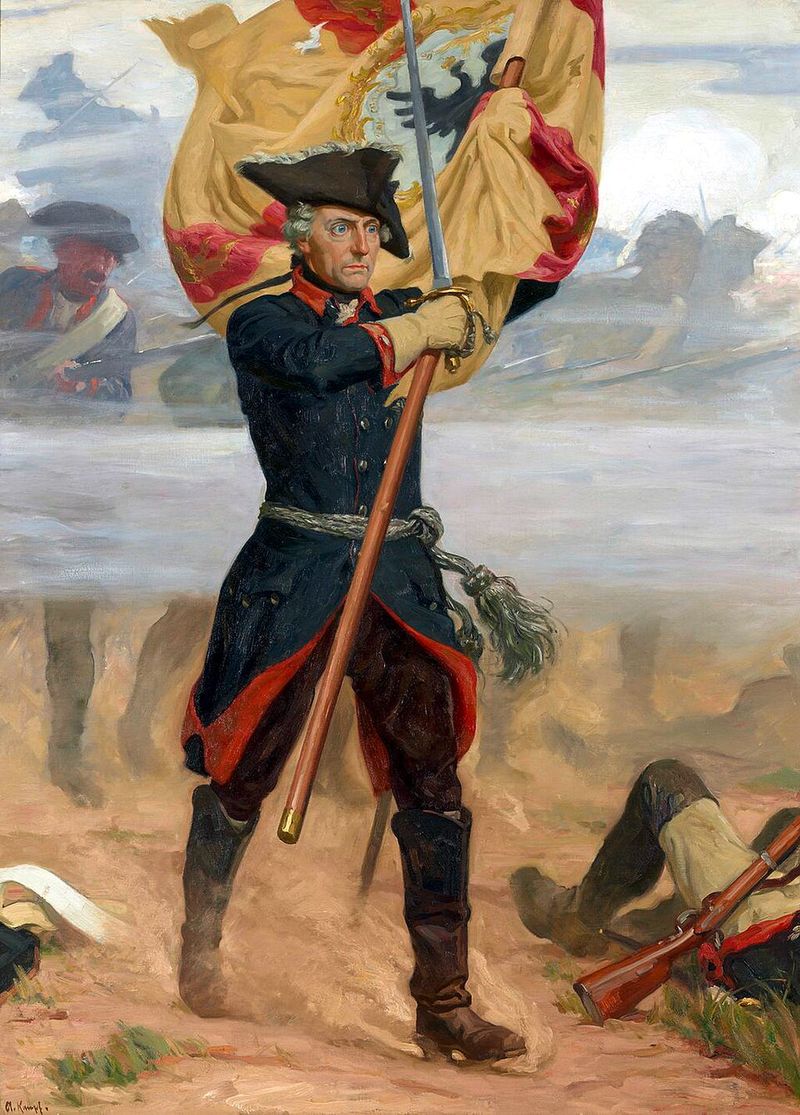
Not many monarchs write anti-Machiavellian political philosophy before taking the throne, but Frederick II of Prussia did exactly that in 1740, the same year he became king. His Anti-Machiavel argued against ruthless political manipulation, establishing him immediately as an intellectual ruler with principles.
He then proceeded to invade Silesia within months of publishing it, which says something about the gap between royal image and royal action. Still, Frederick maintained the “philosopher king” identity throughout his reign with genuine commitment to certain Enlightenment ideals.
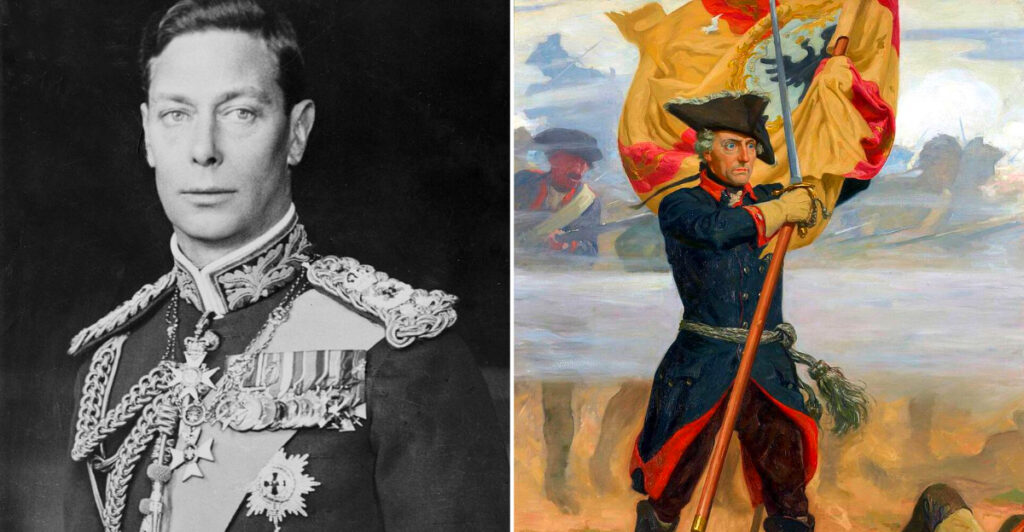
He corresponded extensively with Voltaire, hosted him at Sanssouci Palace, and composed music as an accomplished flutist. His architectural projects, particularly Sanssouci near Potsdam, were designed as retreats for intellectual life rather than displays of military dominance.
His military victories in the Silesian Wars added the title “Frederick the Great” to his reputation, combining martial success with cultural sophistication. That combination, warrior and philosopher, made him a model that later rulers across Europe studied and attempted to replicate.
10. Gustav III of Sweden
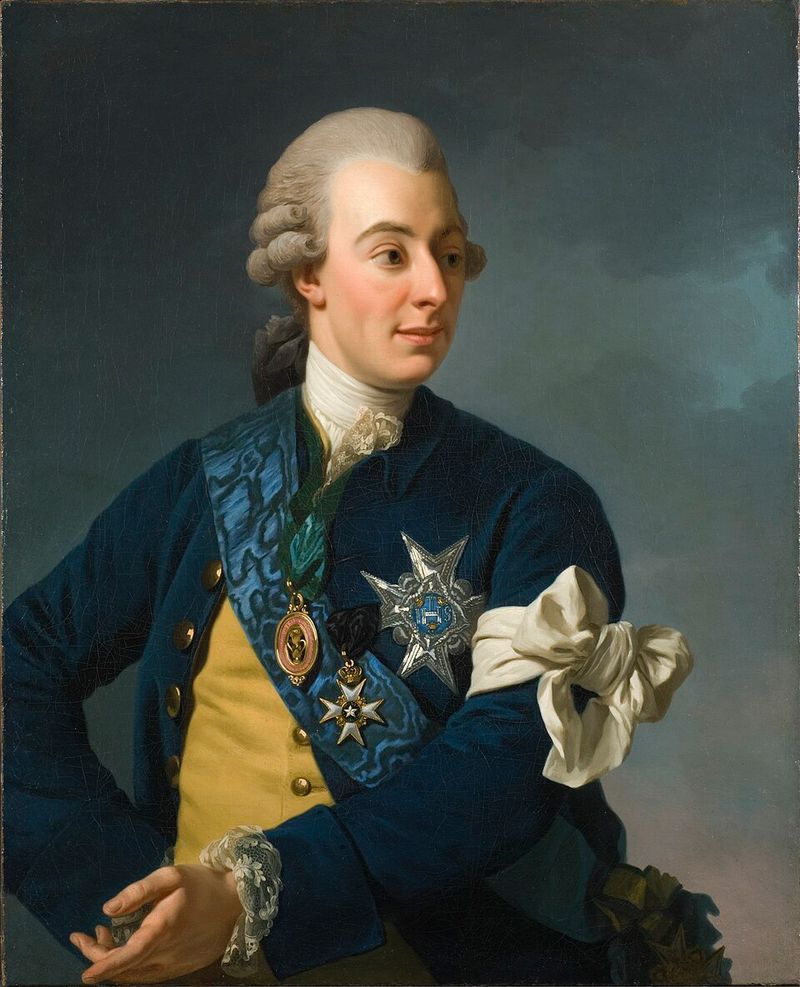
After seizing power through a coup in 1772, Gustav III of Sweden faced a practical problem common to rulers who take power by force: convincing people that his authority was legitimate and worth supporting. His solution leaned heavily on culture.
Gustav founded the Royal Swedish Opera in 1773 and the Royal Dramatic Theatre in 1788. He wrote plays and librettos himself, positioning the monarchy as the patron and guardian of Swedish cultural identity at a time when national culture carried real political weight.
Public ceremonies under Gustav were carefully choreographed spectacles designed to showcase royal magnificence and personal charisma. He understood that a king who appeared in public with grace and purpose created a different kind of authority than one who simply issued decrees.
His patronage extended to painting, literature, and scientific inquiry, aligning him with the Enlightenment image of the educated monarch. By making himself the center of Swedish cultural life, Gustav tied loyalty to the crown directly to pride in Swedish identity, a clever and durable political strategy.
11. Queen Victoria
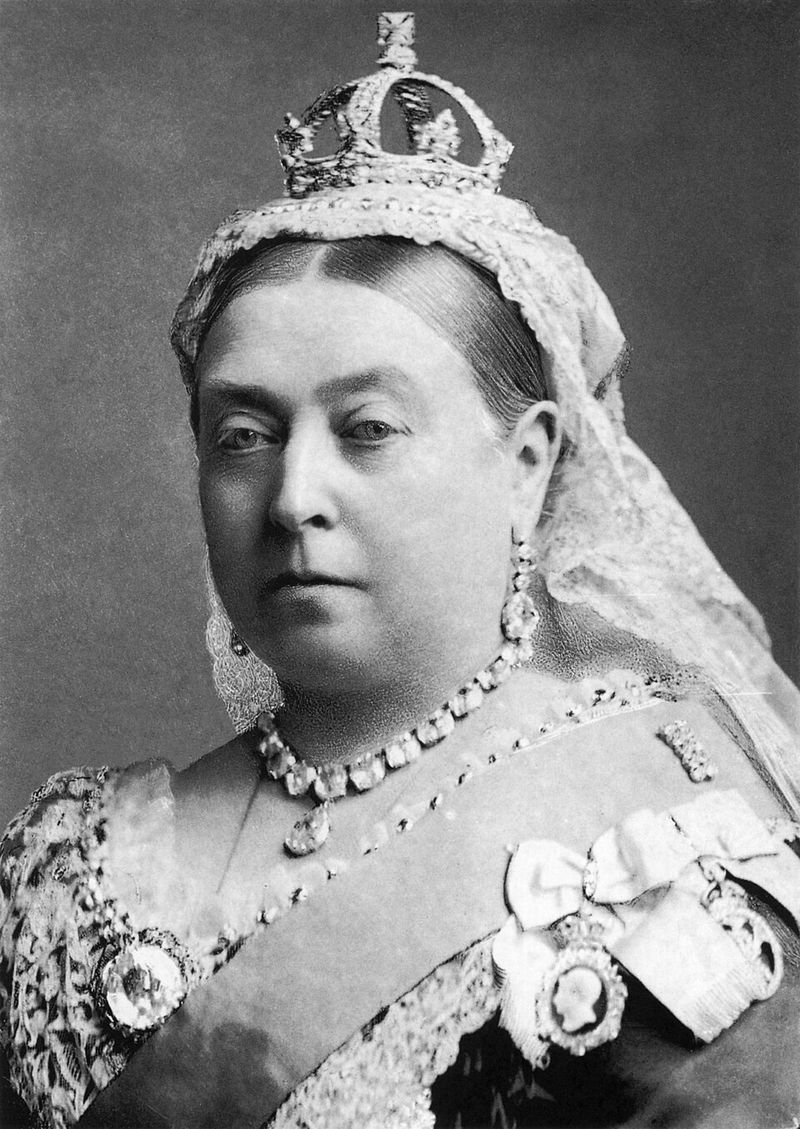
Queen Victoria reigned for 63 years, from 1837 to 1901, and across that stretch of time her public image went through several distinct phases, each carefully managed to reflect what Britain needed from its monarchy at a given moment.
Early in her reign, she was portrayed as a young, energetic queen alongside Prince Albert, projecting domesticity and moral seriousness. Official portraits and widely circulated photographs showed the royal family as a model household, setting a tone of respectable family life for the nation.
After Albert’s death in 1861, her prolonged public mourning became its own image strategy. The devoted widow consumed by grief reinforced ideals of loyalty, duty, and feminine virtue that defined Victorian social expectations.
Her Golden Jubilee in 1887 and Diamond Jubilee in 1897 were massive public spectacles that reframed her long reign as a national triumph. Adopting the title Empress of India in 1876 extended her symbolic reach to an imperial scale. By the end of her reign, Victoria had become less a person than an institution.
12. King George VI
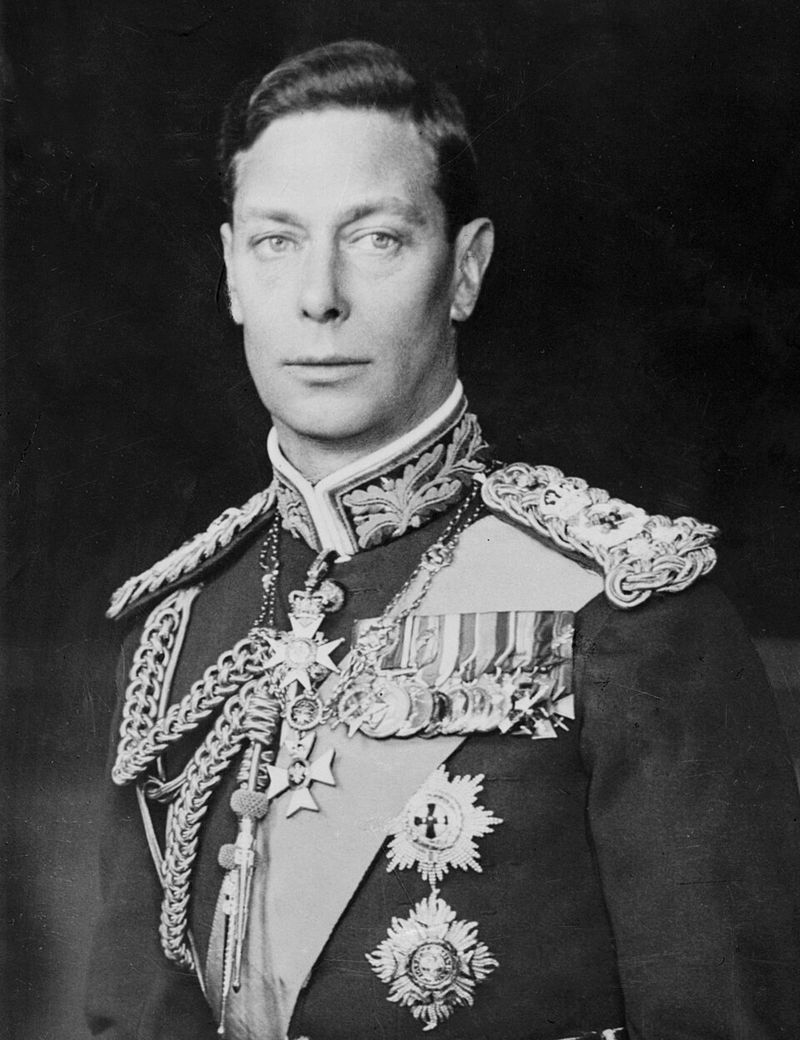
George VI never expected to be king. His older brother Edward VIII abdicated in 1936, placing a man with a significant speech impediment on the throne at one of the most communication-dependent moments in British history. What followed was a remarkable exercise in managed public confidence.
Radio had made the monarch’s voice a direct presence in millions of British homes. George VI worked intensively with speech therapist Lionel Logue to manage his stammer, and his wartime broadcasts became central to maintaining public morale during the most difficult years of World War II.
His decision, alongside Queen Elizabeth, to remain in London during the Blitz rather than evacuate to safety was a powerful symbolic choice that was widely reported and photographed. Visiting bombed neighborhoods in the East End connected the monarchy to ordinary civilian experience in a way that formal ceremonies could never achieve.
Every public appearance, broadcast, and photograph was considered for its effect on national confidence. The image that emerged was one of quiet, steady courage, which proved far more persuasive than any grand gesture could have been.
13. King Bhumibol Adulyadej of Thailand
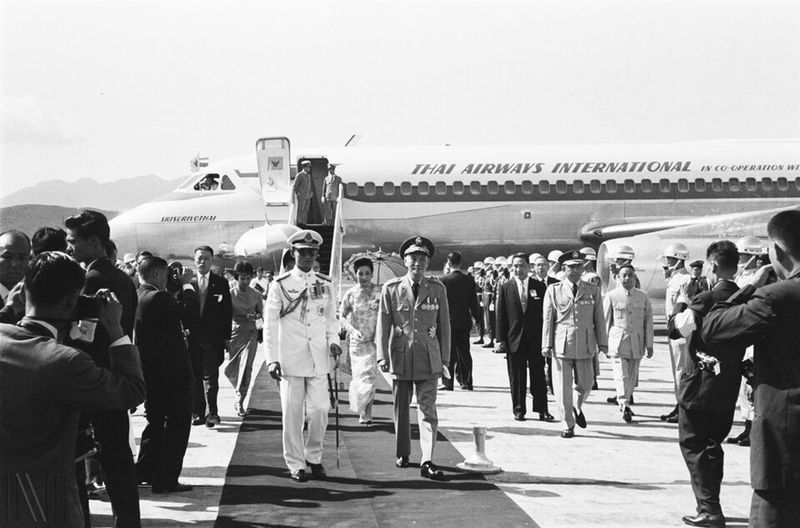
King Bhumibol Adulyadej reigned from 1946 until 2016, making him one of the longest-serving monarchs in recorded history. Over those seven decades, his public image was constructed through consistent, documented engagement with his country’s development rather than ceremonial distance.
He personally initiated and oversaw thousands of royal development projects focused on agriculture, water management, and rural poverty reduction. These projects were extensively covered by Thai state media, creating a steady stream of images showing the king in working clothes, studying maps, speaking with farmers, and visiting remote villages.
Thai television and radio reinforced this image through regular programming that highlighted his projects and personal dedication. Official publications, school curricula, and public spaces kept his image visible and associated with national progress and stability.
During periods of political upheaval, which were frequent in Thailand across the 20th century, his carefully maintained reputation as a unifying and benevolent figure gave him moral authority that elected governments often lacked. His image was not built through grand proclamations but through decades of visible, methodical, and well-documented work.
Share this story