Prague has carried the nickname the City of a Hundred Spires for good reason, but its real character runs far deeper than Gothic towers and medieval bridges. Beneath the cobblestones and centuries-old architecture, the city holds a remarkable collection of myths, folklore, and ghost stories that have shaped how generations of Czechs understand their own history. Some of these legends stretch back to the 16th century, others to the earliest days of the Bohemian kingdom, and a few blur the line between documented history and pure imagination so effectively that even scholars pause. Whether you are a first-time visitor or a longtime admirer of Central European history, these stories offer a window into how a city builds its identity through the tales it chooses to keep telling.
Each legend on this list has survived for a reason, and understanding them means understanding Prague itself in a way that no guidebook quite captures.
1. The Headless Templar
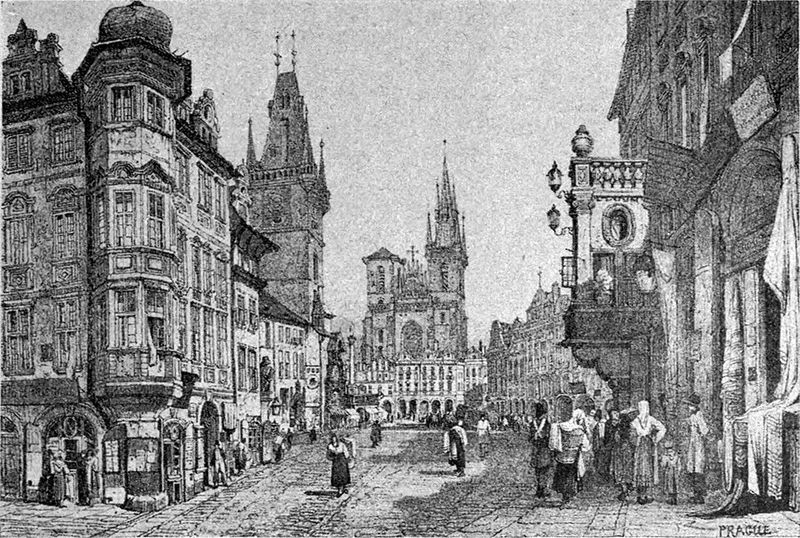
Not every ghost story requires centuries of embellishment to stick. The legend of the Headless Templar has circulated through Prague’s Old Town for generations, built around the claim that a wrongfully executed knight still patrols the streets searching for his missing head.
The Knights Templar were a powerful Catholic military order suppressed across Europe in 1307 under orders from King Philip IV of France. Many members faced harsh sentences, and the sense of injustice surrounding their dissolution fed folklore across the continent for centuries.
Prague’s version places one of these knights permanently in the city’s narrow medieval lanes. Witnesses across different eras reportedly described the same figure: armored, upright, and unmistakably incomplete. The story functions as a kind of collective memory of institutional wrongdoing, preserved not in documents but in the persistent habit of looking over one’s shoulder near the Old Town Square after dark.
2. The Astronomical Clock’s Master Builder
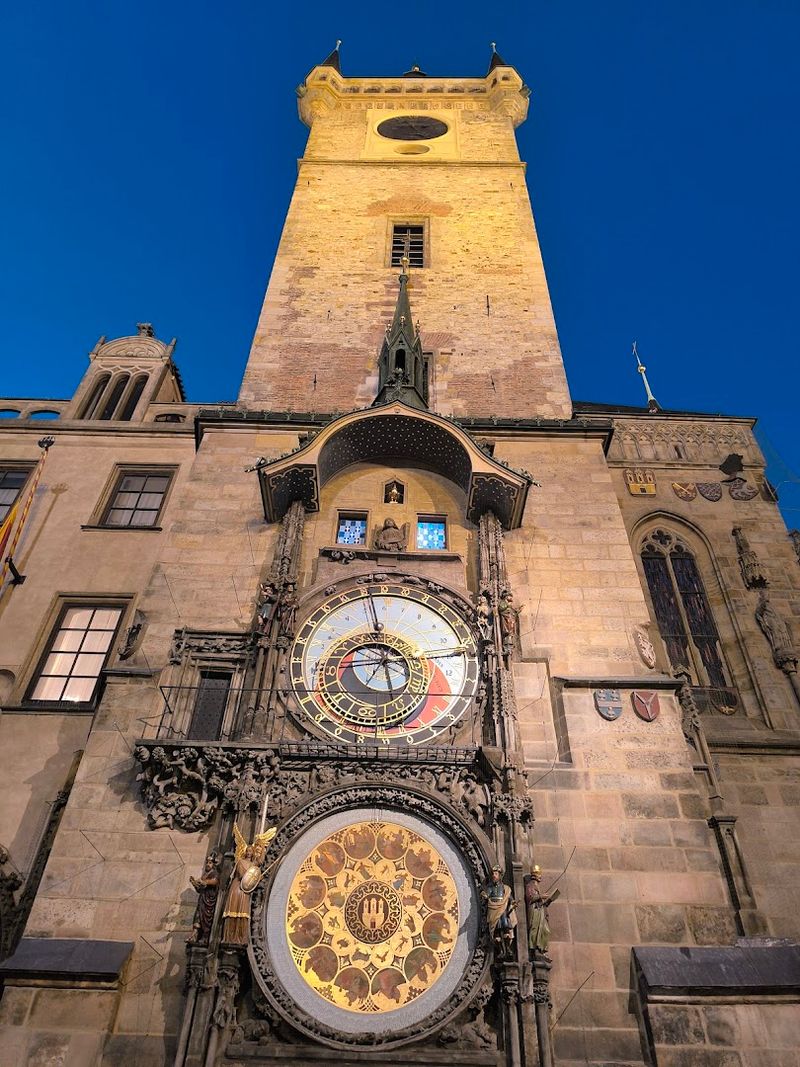
Prague’s Astronomical Clock, installed on the Old Town Hall Tower in 1410, is one of the oldest functioning astronomical clocks in the world. The legend attached to its creation is considerably darker than its intricate mechanics suggest.
According to the tale, city officials were so impressed by master clockmaker Hanus’s work that they feared he would build something even more spectacular for a rival city. To prevent this, they allegedly had him blinded. In a final act of defiance, Hanus supposedly reached into the clock’s mechanism and damaged it beyond easy repair before he passed away.
Historians have found no credible evidence supporting this story. Records indicate the clock was built by clockmaker Mikulas of Kadan and mathematician Jan Sindel. The legend, however, has outlasted the historical record in popular culture. It persists because it captures something true about the relationship between great craftsmanship and the powerful people who commission it.
3. The White Lady of Prague Castle
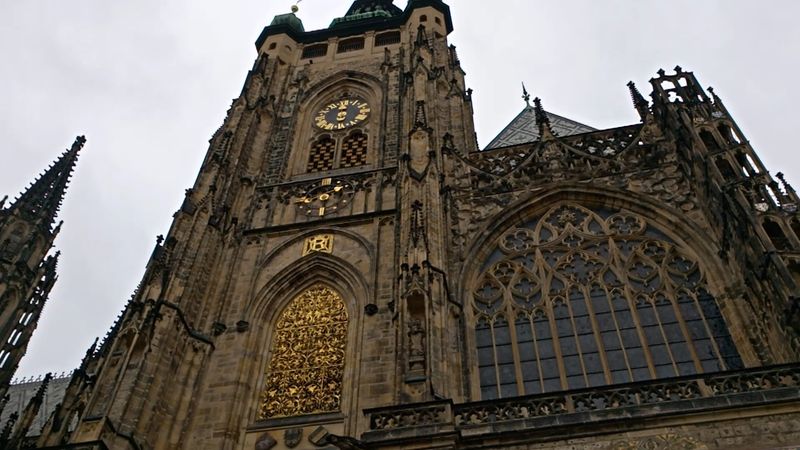
White Lady legends appear across Central European castles, but Prague Castle’s version carries specific historical weight. The ghost is most commonly identified as Perchta of Rozmberk, a 15th-century noblewoman who reportedly suffered greatly in an unhappy marriage and vowed to return after her passing.
Perchta was a real historical figure, born around 1429 into one of Bohemia’s most powerful noble families. Her marriage to Jan of Lichtenburg was documented as deeply troubled, and she reportedly appealed repeatedly to her family for help. Her story was well known during her lifetime.
The ghostly version of Perchta is said to appear wearing white gloves when good fortune is coming and black gloves when misfortune approaches. Over the centuries, her appearances have reportedly been linked to major events in Czech history. Whether one treats the legend as folklore or as a cultural shorthand for political anxiety, her presence in Prague Castle’s mythology is firmly established.
4. The Golem of Prague
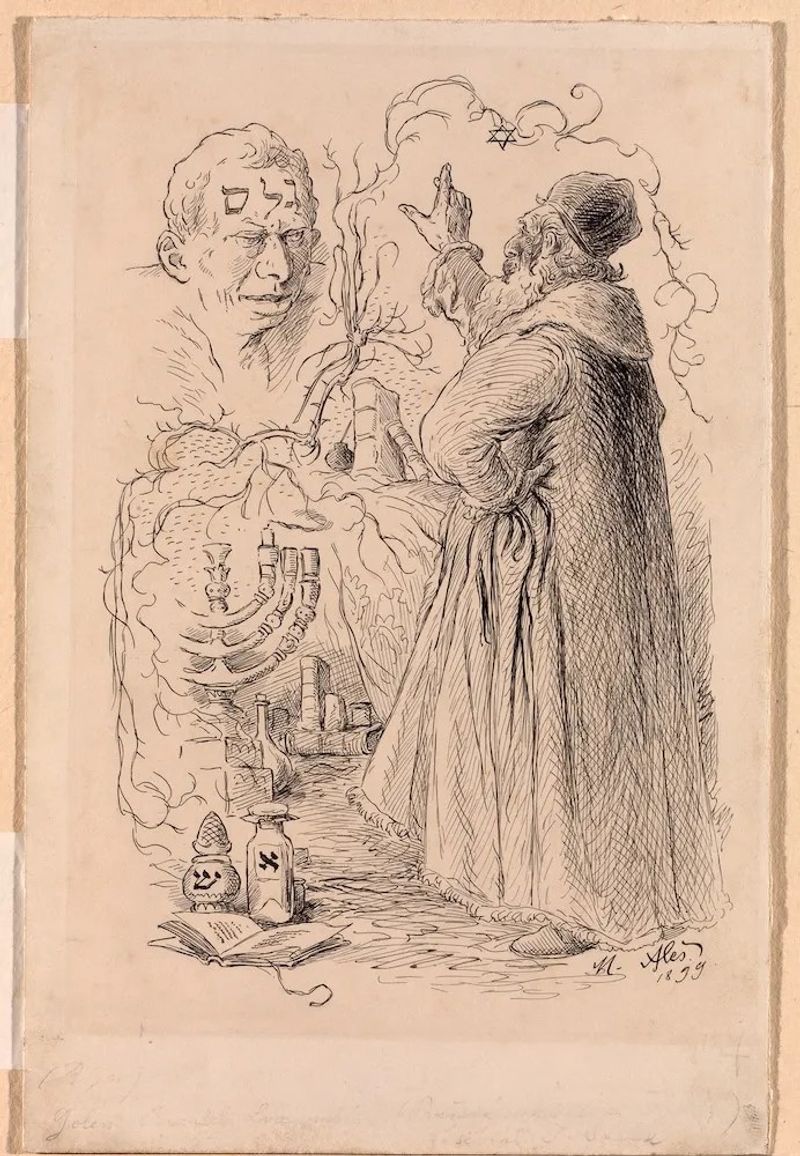
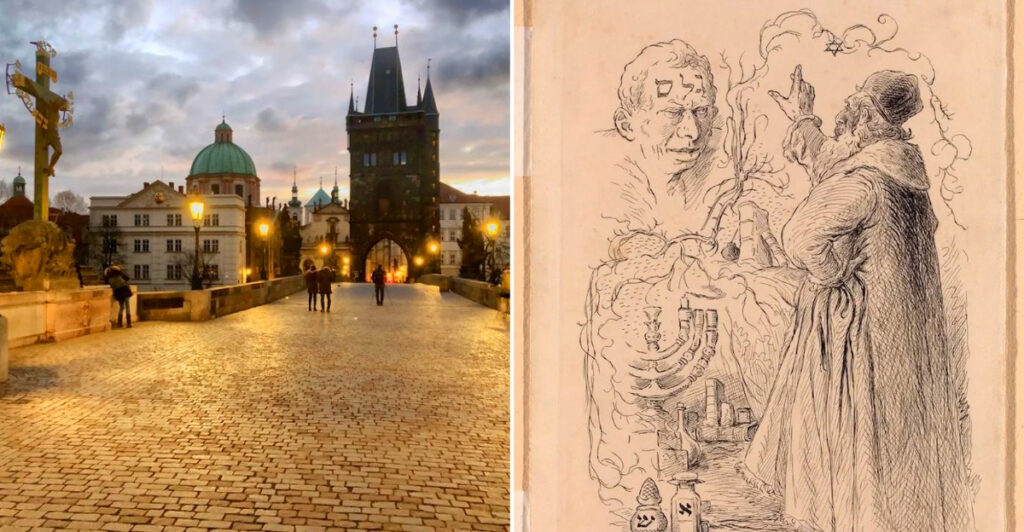
Rabbi Judah Loew ben Bezalel, known as the Maharal, reportedly fashioned a giant protector from Vltava River clay sometime in the late 16th century. The creature, called the Golem, was brought to life through mystical Hebrew inscriptions placed on its forehead or in its mouth. Its sole purpose was to shield Prague’s Jewish Quarter from persecution during the reign of Holy Roman Emperor Rudolf II.
Deactivating the Golem required erasing the first letter of the Hebrew word for truth, converting it to the word for death. According to tradition, the creature grew uncontrollable when Rabbi Loew forgot to deactivate it before the Sabbath.
Historians note the written connection between Rabbi Loew and the Golem only appeared in print during the 1840s, more than two centuries after his passing. The legend’s staying power, however, is undeniable. The Old-New Synagogue’s sealed attic remains its supposed resting place.
5. The Devil’s Bible
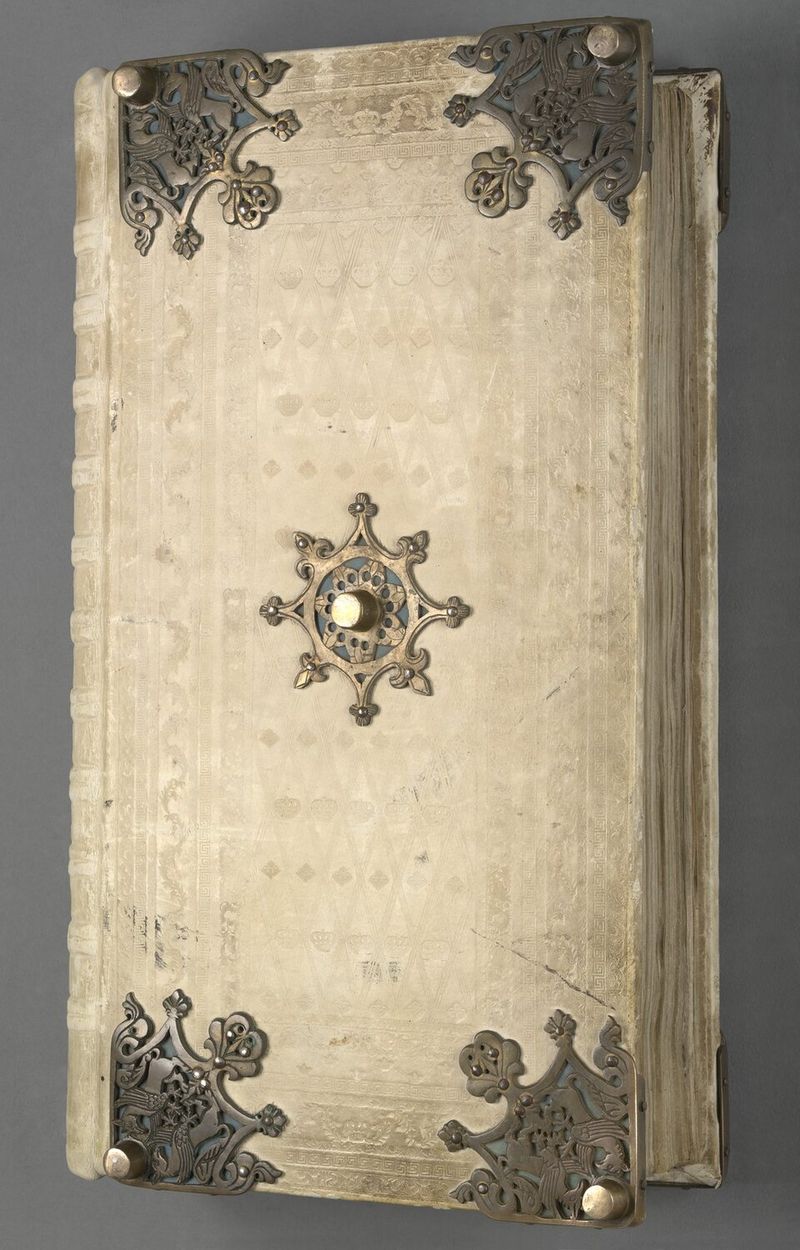
The Codex Gigas is the largest surviving medieval manuscript in the world, measuring roughly 92 centimeters tall and weighing about 75 kilograms. It was created in the early 13th century at the Benedictine monastery of Podlazice in Bohemia, which places its origins firmly within the historical Czech lands.
The legend attached to its creation claims a monk facing execution for breaking his vows promised to produce a complete manuscript in a single night as penance. Unable to complete the task alone, he allegedly made a bargain with the devil, who finished the book in exchange for the monk’s soul. The devil’s full-page portrait inside the codex is the most striking illustration in the entire manuscript.
The book was taken to Sweden as war plunder in 1648 and now resides in the National Library of Sweden in Stockholm. Prague’s claim to the Codex Gigas remains a source of cultural pride and occasional diplomatic discussion.
6. The Faust House
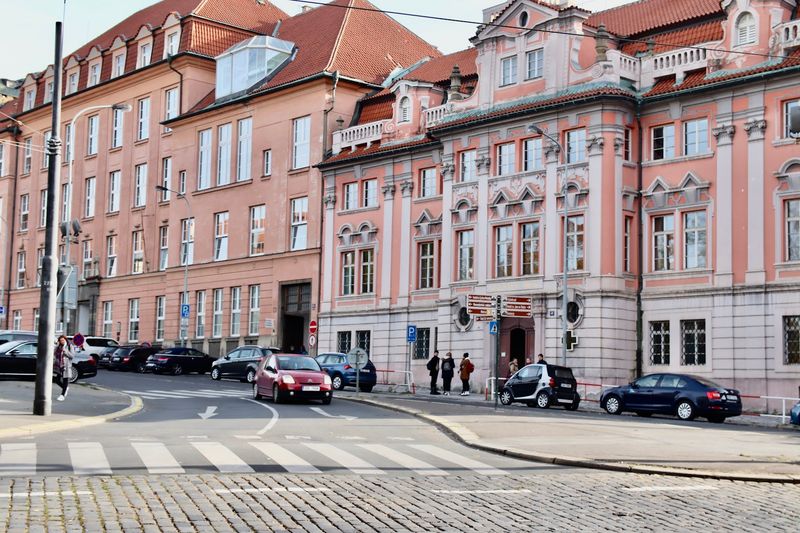
A substantial baroque building on Charles Square in Prague’s New Town has been associated with forbidden knowledge and dark experimentation for at least four centuries. Known today as Faust House, it earned its reputation through a series of owners whose interests in alchemy and occult sciences were well documented.
Edward Kelley, an English alchemist who worked under Emperor Rudolf II in the late 16th century, is among those connected to the property. Rudolf II’s Prague was a genuine center of alchemical research during this period, attracting scholars and fraudsters from across Europe in roughly equal measure.
The specific legend attached to the building claims one resident was carried through the ceiling by the devil after attempting to back out of a deal. The hole in the ceiling, according to local storytellers, refused to stay patched regardless of how many times workers repaired it. The building now houses a pharmacy, which adds its own quiet irony to the story.
7. The Ghost of Charles Bridge
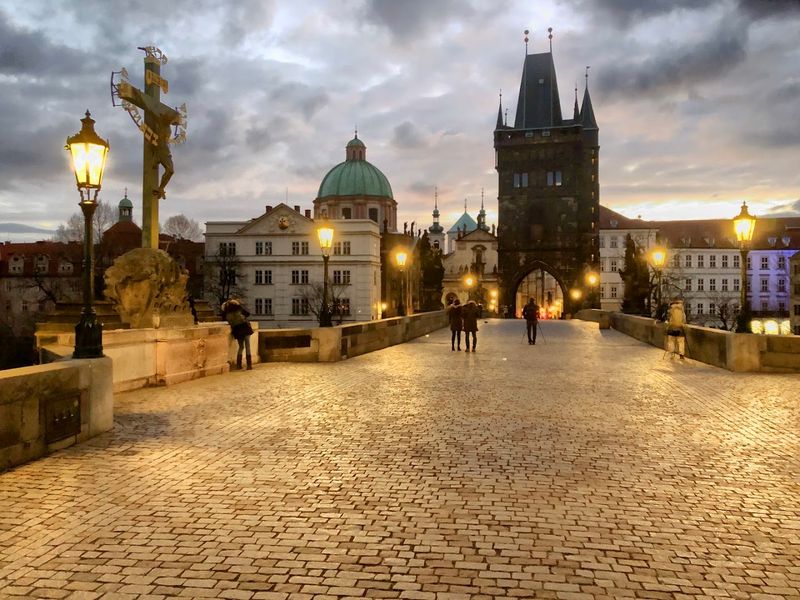
Charles Bridge, completed in 1402 under King Wenceslas IV, took over from the earlier Judith Bridge as Prague’s main crossing of the Vltava River. Its 30 baroque statues were added primarily between 1683 and 1714, transforming a functional structure into one of the most visually distinctive bridges in Europe.
The ghostly legends attached to the bridge are numerous. One centers on a monk who appears near the bridge’s eastern end after midnight, reportedly seen by watchmen and travelers across multiple centuries. Another tradition holds that the souls of those who drowned in the Vltava River linger beneath the arches.
A more specific story involves Brozik the executioner, said to haunt the bridge as penance for his professional activities during the medieval period. The bridge’s long history as a site of public punishment and political pageantry gave Prague’s storytellers plenty of raw material. Its legends are less invented than accumulated.
8. The Seven Keys Treasure
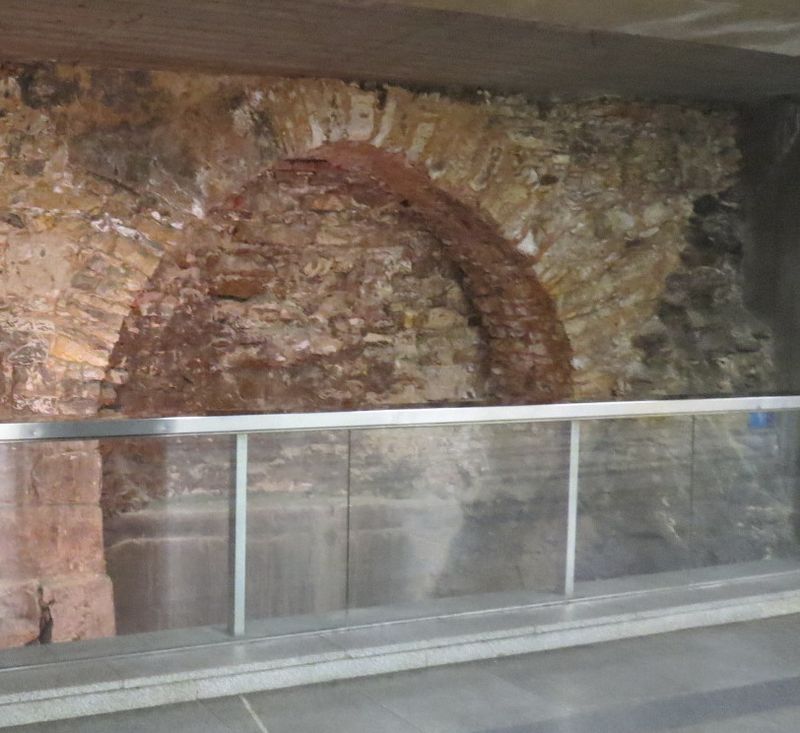
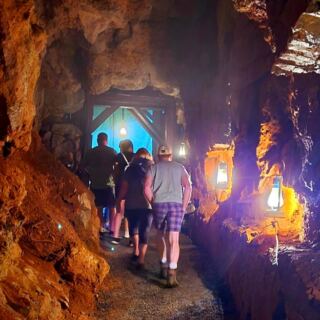
Underground Prague has always fired the imagination. The city sits atop a network of cellars, tunnels, and passages built across centuries of construction and reconstruction, and the idea that something extraordinary might be hidden within them is not entirely far-fetched.
The legend of the Seven Keys Treasure claims a vast fortune is buried beneath the city, protected by seven enchanted keys scattered across different locations. Only a person of genuinely pure character can collect all seven without triggering the curse that guards the hoard.
This type of legend, sometimes called a guardian treasure myth, appears across Central European folklore and typically reflects historical periods when wealth was hidden during invasions or political upheaval. Prague experienced both in considerable quantity during the Hussite Wars of the 15th century and the Thirty Years War of the 17th century. The Seven Keys story may encode a real historical memory of valuables deliberately concealed and never recovered.
9. The Alchemists of Golden Lane
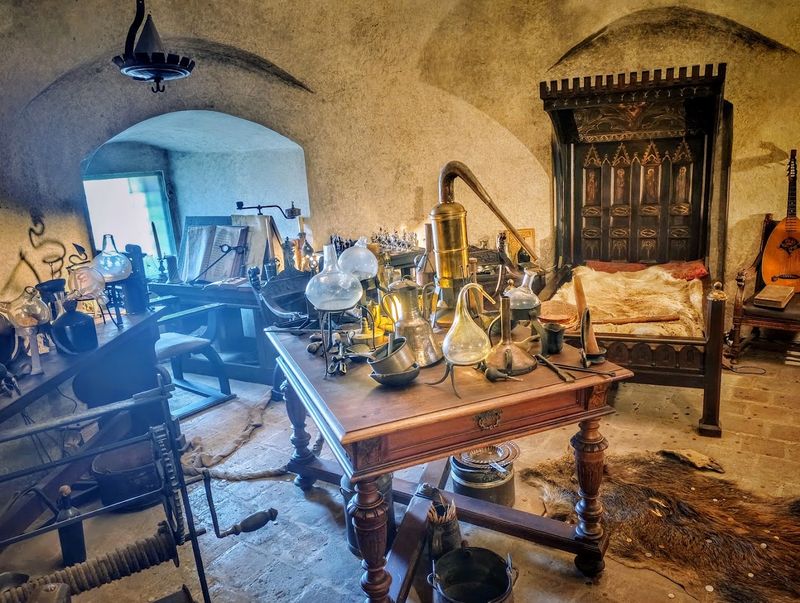
Golden Lane is one of the most visited spots within Prague Castle, a narrow row of tiny, brightly painted houses built into the castle walls during the 16th century. Emperor Rudolf II, who ruled from Prague between 1583 and 1611, had a well-documented obsession with alchemy, astronomy, and the collection of unusual objects.
Rudolf’s court attracted genuine scientists alongside outright charlatans. Tycho Brahe and Johannes Kepler both worked in Prague during his reign, giving the city a real claim to scientific history. The alchemical legends of Golden Lane grew from this verified context.
Folklore claims the lane’s residents worked in secret to discover the Philosopher’s Stone and the formula for eternal life. Historians point out that the lane was actually home to castle guards and later to goldsmiths, making the alchemist connection more romantic than accurate. Franz Kafka famously rented a house on Golden Lane in 1916 and 1917, adding a literary layer to its already complicated mythology.
10. The Bells That Rang by Themselves
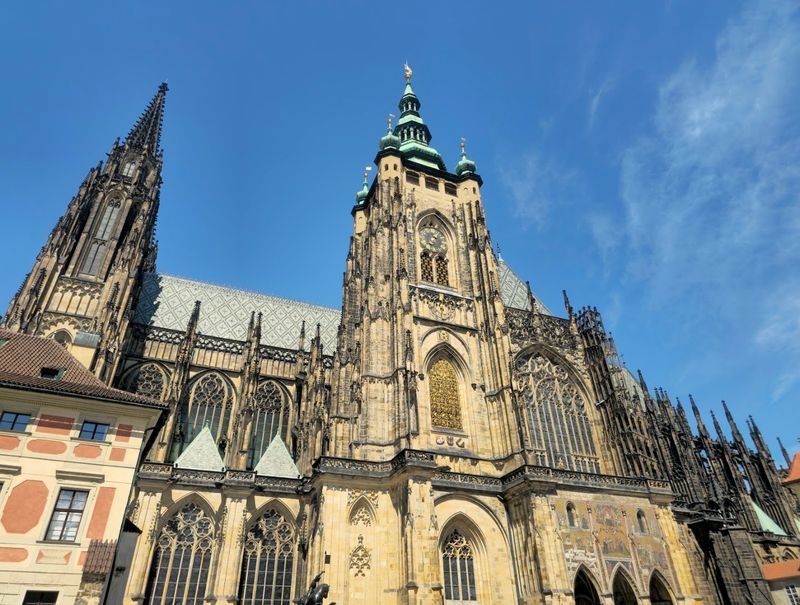
Self-ringing bells occupy a specific place in Czech religious folklore. Several churches in Prague carry traditions claiming their bells rang without human assistance at moments of great historical significance, serving as warnings or announcements from beyond normal explanation.
The legend attached to the bells of St. Vitus Cathedral is among the most persistent. According to oral tradition passed through the cathedral’s community, the bells rang on their own before major events affecting the Bohemian kingdom, including the passing of prominent rulers and the approach of military threats.
Bells held enormous cultural authority in medieval and early modern Europe. They marked time, announced community events, called people to prayer, and signaled emergencies. Attributing independent action to them reflects how central they were to public life. When something important happened that no one had predicted, the explanation that the bells had tried to warn everyone offered both comfort and a retrospective sense of order in uncertain times.
11. The Water Goblin of the Vltava
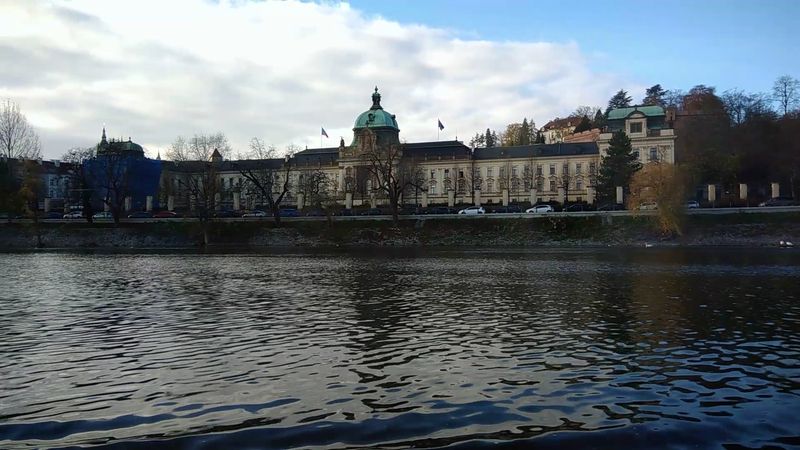
The Vodnik is one of the most enduring figures in Czech folklore, a water spirit typically depicted as a green-skinned, frog-like creature wearing clothes that perpetually drip with river water. Unlike many European water spirits, the Czech Vodnik has a distinct personality: mischievous, occasionally vengeful, but also subject to certain rules and weaknesses.
Karel Jaromir Erben, the 19th-century Czech poet and folklorist, included a memorable Vodnik poem in his 1853 collection Kytice, cementing the creature’s place in Czech literary culture. Erben’s version is particularly unsettling, focusing on a young woman trapped beneath the water by a Vodnik who refuses to release her.
Along the Vltava in Prague, specific locations near the river’s banks were historically identified as Vodnik territory by local residents. The creature collected the souls of drowning victims in small covered jars. Its presence in Prague’s folklore reflects the river’s genuine power and the real dangers it posed to residents across centuries of the city’s history.
12. The Cursed Crown Jewels
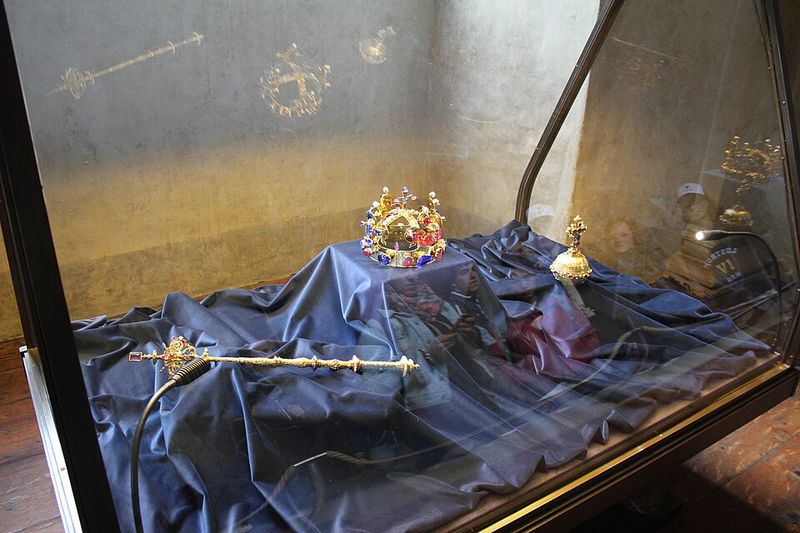
The Crown of Saint Wenceslas, crafted in 1347 for the coronation of Charles IV, is the centerpiece of the Bohemian Crown Jewels stored in St. Vitus Cathedral. It is one of the best-preserved medieval crowns in Europe and a genuine national symbol for the Czech Republic.
The curse attached to it states that any person who places the crown on their head without a legitimate claim to the Bohemian throne will pass away within a year. The legend gained specific traction in the 20th century when Reinhard Heydrich, the Nazi Reich Protector of Bohemia and Moravia, reportedly placed the crown on his head in 1941. He was assassinated in Prague in 1942.
Whether the timing was coincidence or something more, the story has been repeated widely ever since. The crown is kept behind seven locks, with seven different officials each holding one key. It is displayed to the public only on rare ceremonial occasions.
13. The Ghostly Executioner
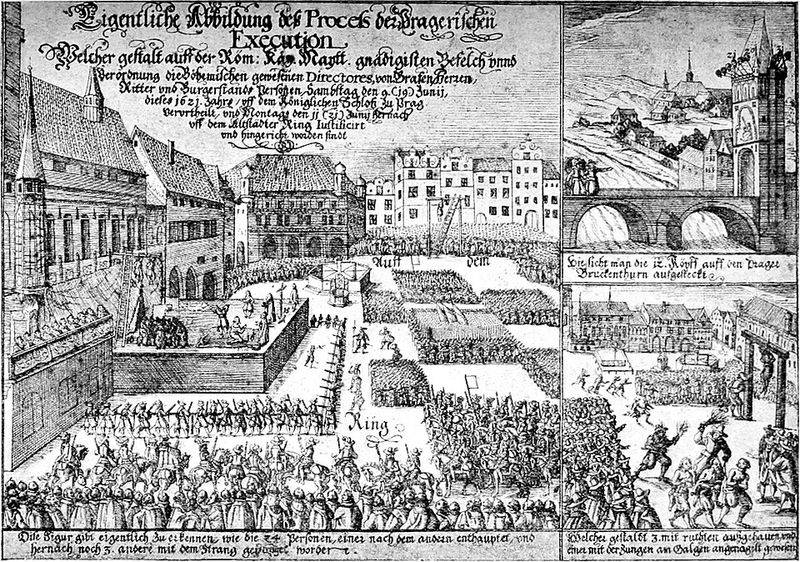
Public executions were a regular feature of medieval and early modern Prague. The most significant took place on June 21, 1621, when 27 leaders of the Bohemian Protestant Estates were executed on Old Town Square following their defeat in the Battle of White Mountain. The event marked a turning point in Czech history and left a lasting impression on the city’s collective memory.
The legend of the Ghostly Executioner draws on this history without attaching itself to a single documented individual. The figure reportedly seen in the Old Town is described as wearing the traditional hood and carrying the tools of his profession, wandering as though still carrying out an assignment that was never finished.
Prague maintained official executioners for centuries, and their social status was complicated. They were necessary to the legal system but treated as social outsiders, often living apart from the main community. The ghost legend reflects the moral unease that surrounded their role long after the practice of public execution ended.
14. The Black Dog of Vysehrad
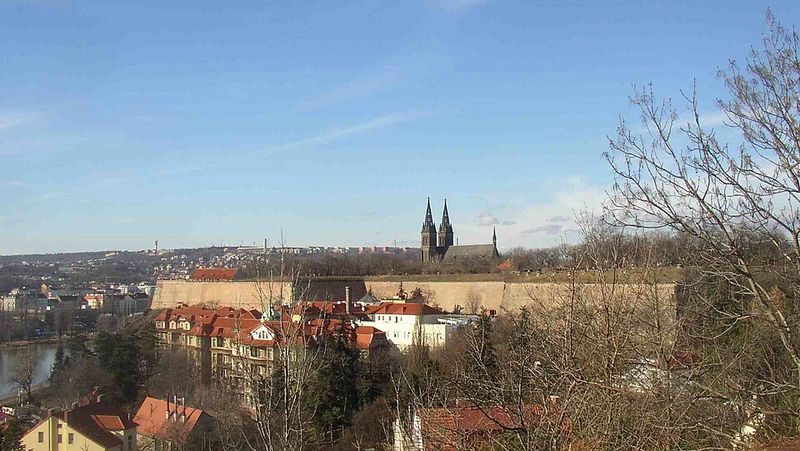
Vysehrad is one of Prague’s oldest fortified sites, sitting on a rocky promontory above the Vltava River south of the city center. Archaeological evidence suggests settlement there dates back to the 10th century, and the fortress played a central role in early Bohemian political history before Prague Castle became the primary royal seat.
The Black Dog legend attached to Vysehrad describes a large spectral animal with notably bright eyes that appears on the fortress grounds. According to the tradition, the dog is a guardian figure rather than a threatening one, connected to the hidden history of the site and its buried secrets.
Sightings are said to occur specifically before major life changes for the person who encounters the animal. This type of omen-bearing creature appears in folklore traditions across Northern and Central Europe, often connected to locations with long histories of human settlement and conflict. Vysehrad’s real historical depth makes it a natural home for exactly this kind of story.
15. The Sleeping Knights of Blanik
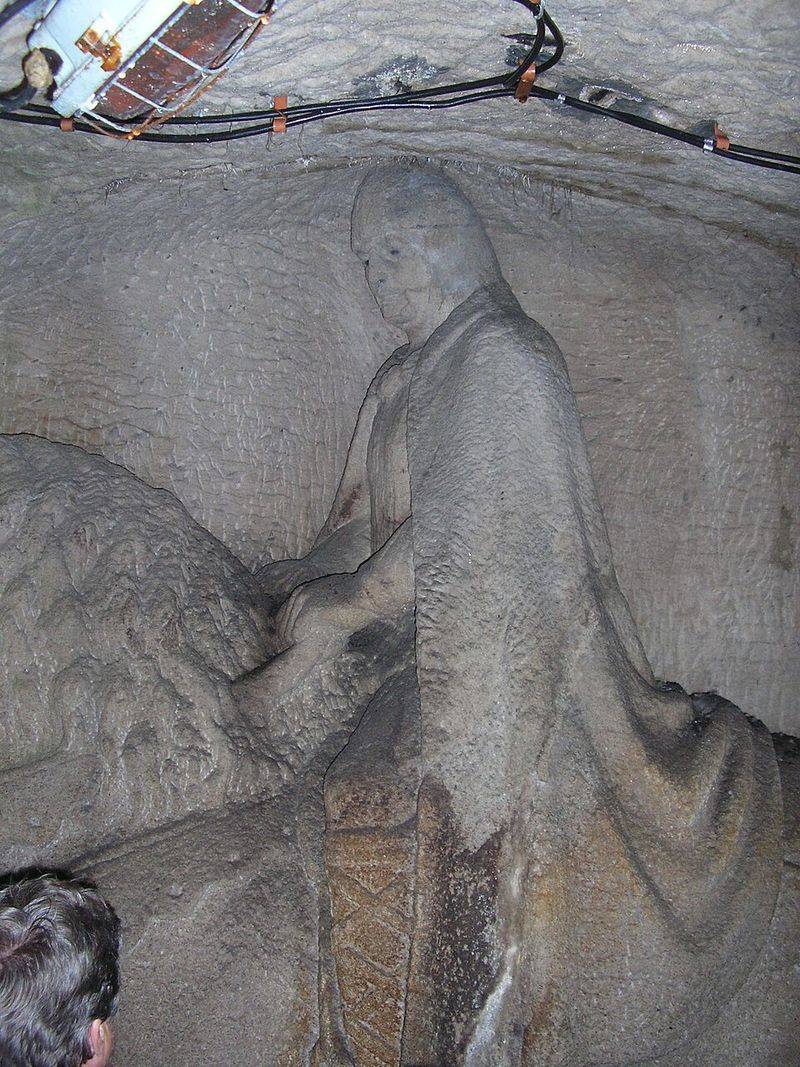
Mount Blanik, located about 60 kilometers southeast of Prague in the Bohemian Highlands, has been central to Czech national mythology for centuries. The legend claims an entire army of knights sleeps inside the mountain, led by Saint Wenceslas, the patron saint of Bohemia and the figure depicted on the famous equestrian statue in Wenceslas Square.
According to the tradition, the knights will remain asleep until the Czech nation faces its most critical moment of need. At that point, the mountain will open, and the army will ride out to defend the country. The legend gained particular cultural weight during periods of foreign occupation, when it served as a form of collective reassurance.
Bedrich Smetana incorporated the Blanik legend into his 1879 symphonic poem of the same name, part of the famous Ma vlast cycle. The musical version helped carry the story beyond oral tradition and into formal Czech cultural identity, where it has remained ever since.
Share this story