Most of us rarely think twice about the everyday objects that surround us. A chainsaw, a stick of gum, a decorative flower – these seem like the most unremarkable things in the world. Yet scratch the surface of many familiar items and you will find histories tied to colonial exploitation, industrial cruelty, military conflict, and public health crises that shaped the modern world. From the 18th century to the early 20th, the objects people used daily were often products of conditions far removed from the convenience they represent today.
What follows is a look at 13 ordinary things whose backstories are far more complicated, and at times far more troubling, than their current reputation suggests.
1. Chainsaws

Long before anyone used one to fell a tree, the chainsaw was a medical instrument designed to cut through human bone. Scottish surgeons John Aitken and James Jeffray developed a hand-cranked, chain-toothed device in the late 1780s to assist with a procedure called symphysiotomy, which involved cutting pelvic cartilage and bone to widen the birth canal when a baby could not pass through safely.
Modern cesarean sections were not yet a reliable option, and the tools available for difficult births were crude and slow. The chainsaw offered a faster, more controlled cut than the rigid knives and saws then in use. German orthopedist Bernhard Heine later refined the concept in 1830, developing the osteotome, a chain-based bone-cutting device that influenced surgical instruments for decades.
The mechanical principles behind these early bone saws were later adapted into the wood-cutting chainsaws used in forestry and construction. What began as a desperate surgical solution became one of the most recognizable power tools in the world.
2. Wallpaper
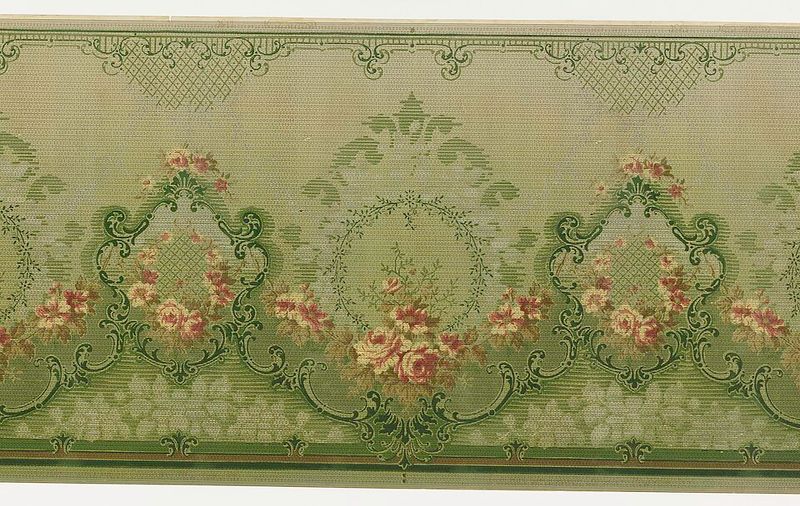
Victorian homeowners who chose fashionable green wallpaper for their parlors were unknowingly decorating with poison. The pigments responsible for those rich, vivid greens, particularly Scheele’s Green and Paris Green, were made from copper arsenite compounds. Swedish chemist Carl Wilhelm Scheele developed Scheele’s Green in 1771, and its intense color quickly made it a favorite across the textile and wallpaper industries.
As machine printing lowered production costs through the mid-1800s, arsenic-laden wallpapers spread across homes of all income levels. In damp conditions, mold growing on the paper could trigger a chemical reaction that released toxic microscopic particles and, in some cases, arsine gas into the air.
Residents reported unexplained illnesses including fatigue, headaches, and skin problems that doctors struggled to explain. Prolonged exposure led to organ damage and, in severe cases, far worse outcomes. Regulatory change was slow, and it was ultimately shifting consumer demand and advances in synthetic dye chemistry that pushed these hazardous papers out of production.
3. Barbed Wire

Joseph Glidden received a U.S. patent for barbed wire in 1874, and the invention transformed ranching across the American West almost overnight. Cheap to produce and easy to install, it made it possible for farmers and ranchers to enclose vast stretches of land that previously had no practical boundary.
Its transition from agricultural tool to military weapon happened with unsettling speed. Armies began incorporating barbed wire into defensive positions as early as the 1880s, and it featured in conflicts including the Spanish-American War and the Second Boer War. During World War I, it became a defining feature of the Western Front, strung in dense, overlapping rows across No Man’s Land to slow infantry advances and funnel soldiers into pre-targeted killing zones.
Soldiers assigned to nighttime wiring parties, tasked with laying or repairing wire under cover of darkness, faced some of the most dangerous conditions on the battlefield. A tool designed to manage livestock had become a primary instrument of wartime containment and confinement.
4. Matchsticks
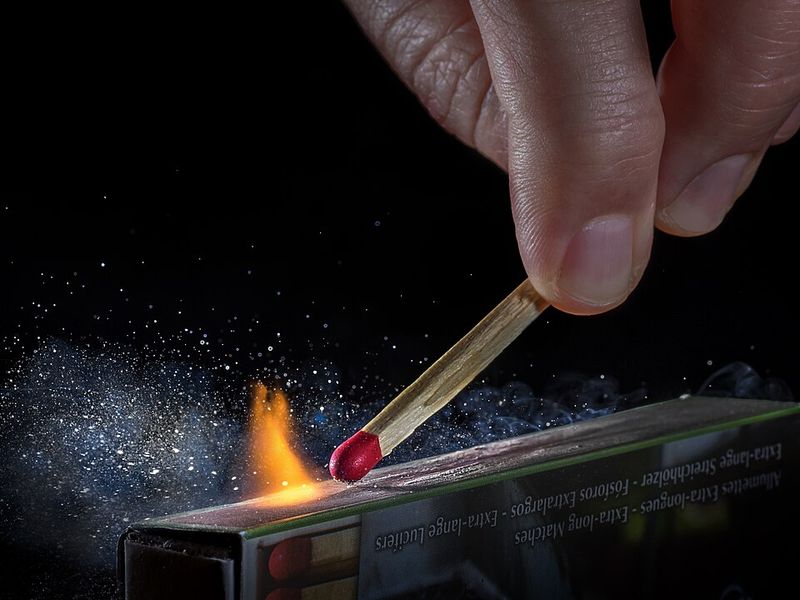
For most of the 19th century, the convenience of a strike-anywhere match came at a devastating cost to factory workers. White phosphorus, the key ingredient in match heads at the time, was highly toxic, and workers in poorly ventilated factories were exposed to its fumes and residue day after day.
The result was a disease called phossy jaw, a form of phosphorus necrosis first identified in 1839. It began with toothaches and gum swelling, then progressed to abscesses, bone destruction, and severe facial disfigurement. Affected bone tissue could produce a faint greenish glow in the dark, an eerie marker of serious internal damage. The disease could also cause fatal systemic toxicity.
Public pressure mounted steadily, fueled in part by the 1888 London matchgirls strike organized by activist Annie Besant, which drew wide attention to factory conditions. The 1906 International Berne Convention ultimately banned white phosphorus from match manufacturing, marking the beginning of the end for one of industrial history’s most preventable occupational illnesses.
5. Sugar
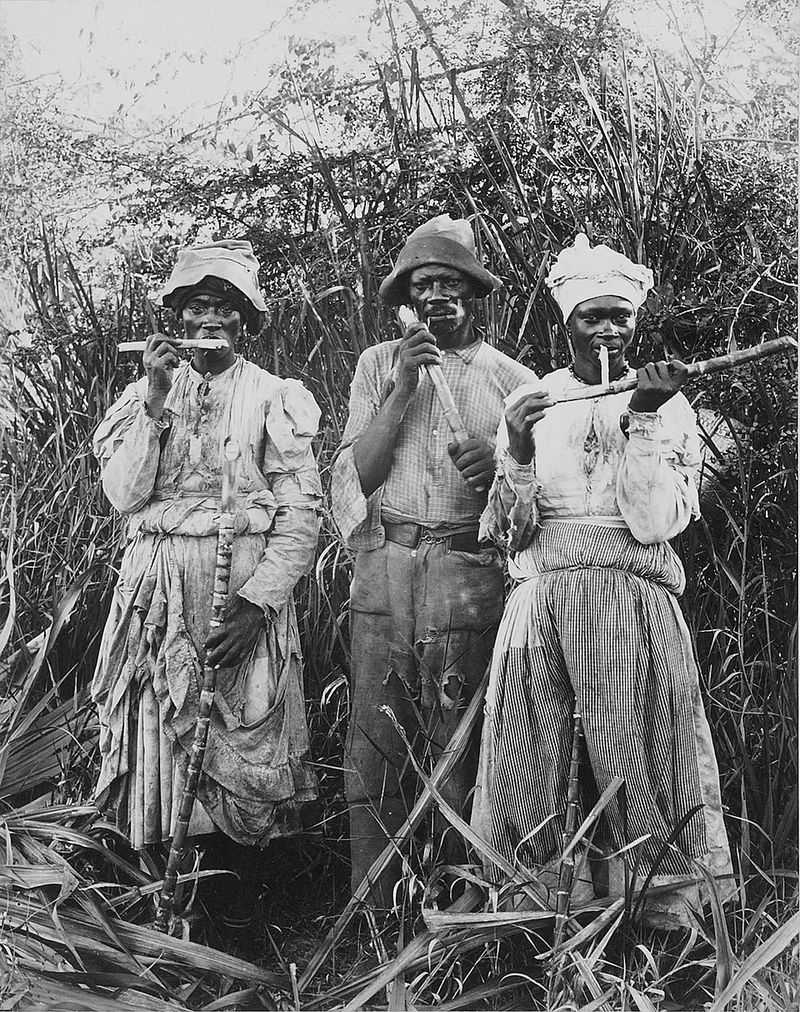
Sugar became one of the most profitable commodities in the colonial world, and its rise was built almost entirely on forced labor. From the mid-17th century onward, European powers established enormous plantations across the Caribbean and the Americas, relying on the systematic enslavement of millions of Africans to plant, harvest, and process sugar cane.
The work was relentless and physically brutal, covering every stage of production from field labor to boiling houses where raw cane juice was processed into refined sugar and molasses. By the end of the 18th century, it is estimated that enslaved workers on British plantations alone were collectively contributing roughly one million hours of unpaid labor each year.
European nations grew extraordinarily wealthy from this trade, and sugar became deeply embedded in the global economy long before abolition movements gained traction. The pantry staple found in nearly every home today carries a history tied to one of the most exploitative and far-reaching systems the modern world has ever seen.
6. Cotton

Eli Whitney’s cotton gin, patented in 1793, made processing short-staple cotton dramatically more efficient, and it triggered one of the most rapid and consequential agricultural expansions in American history. What followed was not prosperity shared broadly, but a sharp increase in the demand for enslaved labor across the Deep South.
By 1860, cotton represented more than half of all U.S. exports and supplied roughly two-thirds of the world’s supply. Approximately 1.8 million enslaved people were forced to cultivate it by 1850, a number that continued growing in the years that followed. This expansion also drove what historians call the Second Middle Passage, a forced migration of over one million African Americans from the Upper South to new cotton-growing regions further south.
The fabric that revolutionized everyday clothing and powered the Industrial Revolution on both sides of the Atlantic was produced through a system of extreme coercion. Northern textile mills and British manufacturers both depended heavily on slave-grown American cotton, tying them directly to the institution they publicly distanced themselves from.
7. Fingerprinting
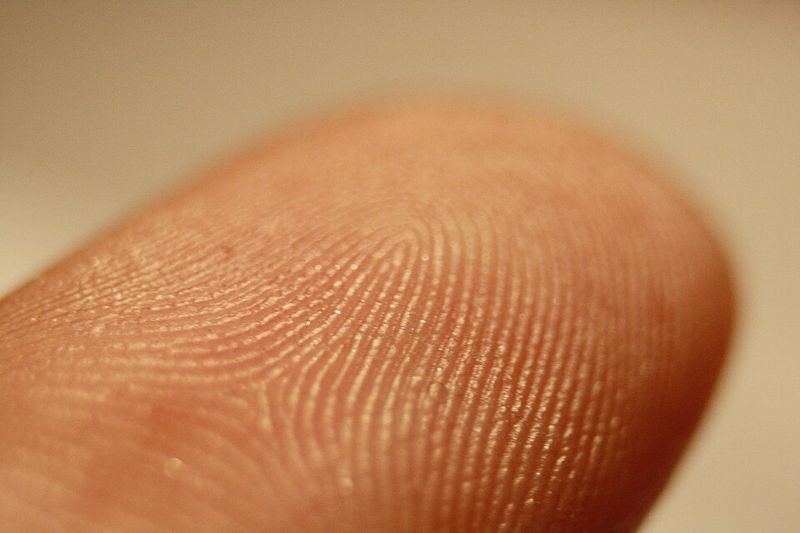
Fingerprint identification is now considered one of the most reliable tools in forensic science, but its early institutional use was rooted in colonial administration rather than criminal justice. British magistrate Sir William Herschel began using handprints and fingerprints on contracts in Bengal, India, in 1858. His stated motivation was distrust of the local population, believing fingerprints would prevent native contractors from later denying agreements they had signed.
The classification system that made fingerprinting practical on a large scale was developed by two Indian police officers, Sub-Inspectors Azizul Haque and Hem Chandra Bose, working in Calcutta’s Anthropometric Bureau. Their British supervisor, Sir Edward Richard Henry, received primary credit for the system, which became internationally known as the Henry Classification System.
In 1897, fingerprinting officially replaced anthropometry as the standard for criminal identification in British India, and the world’s first fingerprint bureau opened in Calcutta. Scotland Yard adopted the Henry system in 1900. The contributions of Haque and Bose went largely unacknowledged for many decades after the system gained global recognition.
8. Dynamite
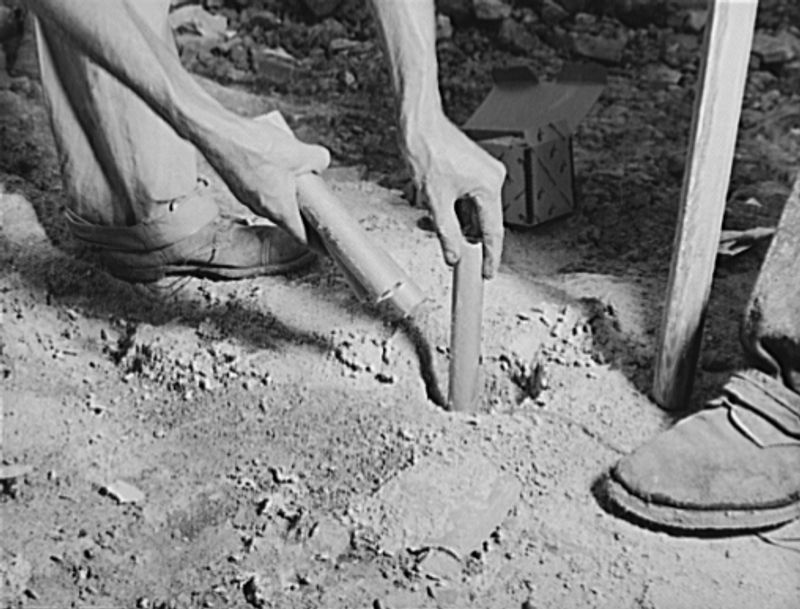
Alfred Nobel filed his patent for dynamite in 1867 with a straightforward goal: make blasting safer. Nitroglycerin, the explosive then widely used in mining and construction, was dangerously unstable and had caused numerous accidental detonations. Nobel stabilized it by mixing it with diatomaceous earth, creating a product that could be handled, transported, and detonated with a controlled blasting cap.
The peaceful applications he envisioned included tunnel excavation, canal construction, and road building. Military forces, however, adopted dynamite and Nobel’s related inventions almost immediately. His smokeless military explosive, ballistite, saw use in several conflicts, and dynamite itself was deployed during the Franco-Prussian War of 1870.
A French newspaper’s premature 1888 obituary labeled Nobel “the merchant of death,” a phrase that reportedly disturbed him deeply. Whether or not that specific account fully shaped his thinking, Nobel ultimately directed the bulk of his fortune toward establishing the Nobel Prizes, creating a legacy centered on peace, science, and human achievement rather than the destructive potential of his inventions.
9. Gas Masks
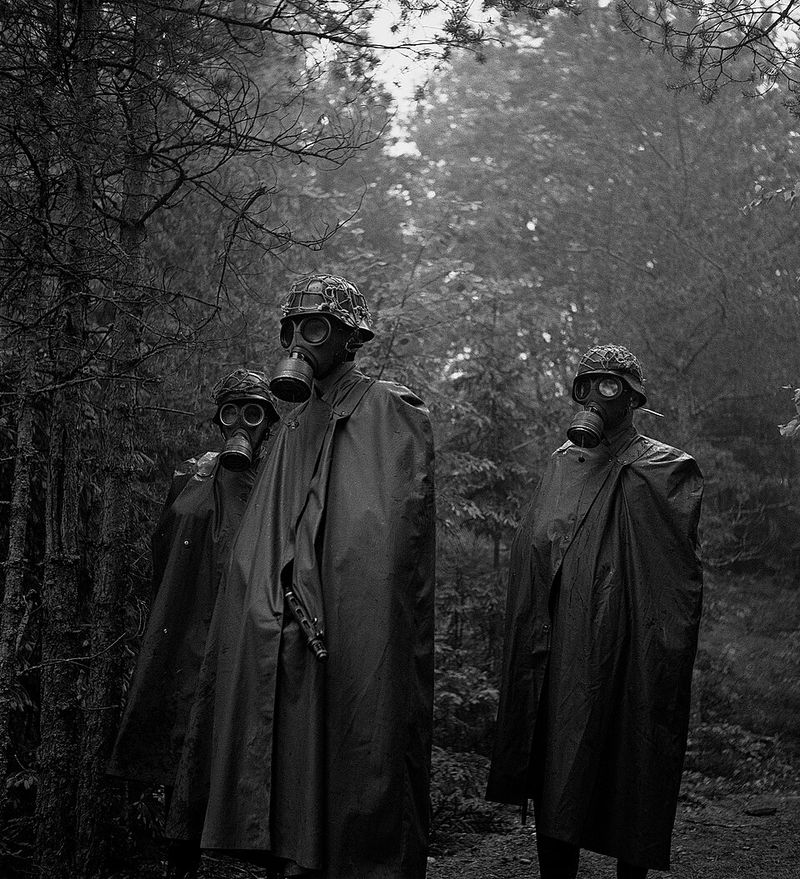
The gas mask exists because of a military decision made in April 1915 that changed the nature of warfare. German forces released chlorine gas at Ypres, Belgium, marking the first large-scale use of chemical weapons in modern combat. The attack caused immediate casualties and widespread panic among Allied troops who had no protection against it.
Phosgene followed, a colorless gas six times more lethal than chlorine that could cause fatal lung damage days after exposure. Mustard gas appeared in 1917, causing severe chemical burns and blistering on contact with skin. Chemical agents ultimately caused over 1.3 million casualties during World War I, with phosgene and related compounds accounting for an estimated 85 percent of those deaths.
Early countermeasures were improvised, including cotton pads soaked in bicarbonate of soda held over the face. By 1918, filter respirators using activated charcoal had become standard issue. The protective masks developed in response to this crisis eventually found peacetime applications in industrial safety, firefighting, and emergency response worldwide.
10. Disposable Paper Cups

Shared public drinking cups were a standard fixture in schools, train stations, and public buildings throughout the 19th century. By the early 1900s, health researchers had identified these communal vessels as a significant factor in spreading tuberculosis, diphtheria, and influenza from one person to the next.
The individual paper cup emerged as a direct public health response. Health reformers and medical professionals promoted it as a simple, affordable barrier against contamination, and several U.S. states moved to ban shared cups in public spaces during the first decade of the 1900s. Massachusetts banned them in schools in 1908, and other states followed quickly.
The disposable cup was marketed not as a convenience item but as a lifesaving product, a distinction that is easy to forget given how thoroughly it has since become associated with takeout coffee and fast food. Its origins as a disease-prevention tool helped establish the broader culture of single-use products that defined much of 20th century consumer life in the United States and beyond.
11. Artificial Flowers

Victorian artificial flowers were a popular domestic decoration and a fashionable accessory, prized for holding their color and shape indefinitely. The vivid greens that made them so appealing came from arsenic-based pigments, particularly Scheele’s Green and Paris Green, which produced colors that natural dyes could not reliably match.
For the workers who made them, typically young women employed in small workshops and factories, the exposure was constant and direct. Handling arsenic-laden dyes and materials daily meant absorbing the poison through skin contact and inhaling fine toxic dust. Chronic illness, skin lesions, and more severe health deterioration were common outcomes for those in the trade.
Consumers who displayed these flowers at home were not entirely safe either. In damp rooms, arsenic could flake from the fabric or release into the air, particularly where ventilation was poor. The hazard was widely discussed in medical and reform circles by the 1860s and 1870s, yet the flowers remained popular for years. Aesthetic preference and limited regulatory pressure kept them on the market long after the risks were understood.
12. Christmas Tree Candles

The tradition of placing real candles on Christmas trees dates back to at least 1660 in Germany, and by the 19th century it had spread widely across Europe and North America. The visual effect was striking, but the fire risk was substantial. A dry evergreen tree with open flames attached to its branches was a serious hazard in any enclosed room.
Newspapers from the late 1800s and early 1900s regularly reported house fires traced to Christmas tree candles. A 1885 Chicago hospital fire and a 1925 Oklahoma fire that killed 36 people were among the more widely covered incidents. By 1908, insurance companies in several regions had begun refusing coverage for fire damage originating from Christmas trees.
Electric Christmas lights were first introduced in the late 19th century, but they remained expensive and out of reach for most households until prices dropped in the early 1900s. Safety concerns were a central part of their marketing, and adoption grew steadily as the dangers of candles became harder to ignore. The shift from candles to electric lights was as much a public safety transition as it was a design trend.
13. Alarm Clocks

For most of human history, waking schedules were shaped by daylight, seasons, and agricultural rhythms that shifted naturally across the year. The Industrial Revolution disrupted that entirely. As factories expanded across Britain, the United States, and Europe from the late 18th century onward, mass production required workers to arrive at precise times, often before dawn, regardless of the season.
The alarm clock became a practical enforcer of this new industrial schedule. Rather than a personal convenience, it was a tool of labor discipline, a mechanical stand-in for the factory whistle or the knocker-up, a paid worker in British and Irish industrial towns who tapped on bedroom windows to rouse workers before shifts began.
By the early 20th century, affordable mechanical alarm clocks had become standard in working-class households. Their widespread adoption reflected not a desire for better mornings, but the pressure of factory owners who penalized late arrivals and docked wages accordingly. The device that now lives on every smartphone began as a symbol of how completely industrial capitalism reorganized daily human life around the demands of the production floor.
Share this story