In Pocatello, one remarkable historical complex brings together centuries of southeastern Idaho’s past in a way few attractions can match. Visitors can explore a reconstructed fur trading fort, stroll through a railroad village, discover Native American heritage, and browse museum exhibits filled with artifacts from the pioneer era and beyond, all during a single visit. It’s the kind of place where every building and exhibit adds another chapter to the story of how this region helped shape the American West.
The experience extends far beyond the museum galleries. A replica of historic Fort Hall, a miniature railroad town, fascinating pioneer artifacts, Indigenous history, Oregon Trail exhibits, family-friendly displays, research archives, and decades of community preservation have made this one of Idaho’s most rewarding historical destinations. Whether you’re traveling across southeastern Idaho or looking for an educational family outing, it’s easy to understand why history enthusiasts keep coming back.
Here’s why the Bannock County Historical Complex has become one of Idaho’s most important heritage attractions and one of the best places to explore the history of southeastern Idaho.
Where the Address Itself Tells a Story
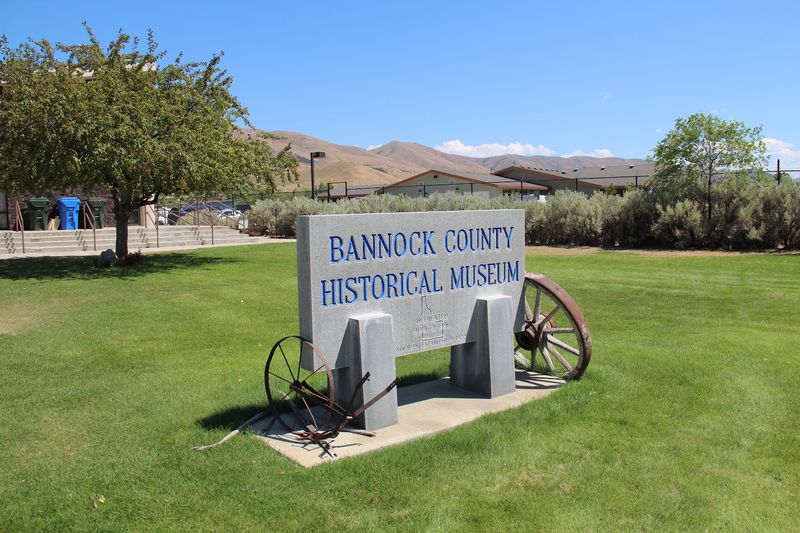
The full address of the Bannock County Historical Complex is 3000 Avenue of the Chiefs, Pocatello, Idaho 83204, and even that street name carries weight before you set foot inside. “Avenue of the Chiefs” is not a marketing invention; it reflects a deliberate tribute to the indigenous leaders whose people shaped this land long before European explorers arrived.
The complex sits in Pocatello, a city in Bannock County in the southeastern corner of Idaho, and it operates as the primary heritage institution for the entire region. The Bannock County Historical Society, founded in 1922, oversees everything here, making it one of the longer-running preservation organizations in the state.
You can reach the museum by phone at 208-233-0434, and their website offers additional planning details. The physical setting near the Pocatello Zoo makes it easy to combine both into a single outing, which many families do without any trouble at all.
Three Attractions Packed Into One Visit
Most history museums ask you to walk through a series of rooms and read some plaques. This complex does something more ambitious by offering three completely separate experiences that each demand their own time and attention.
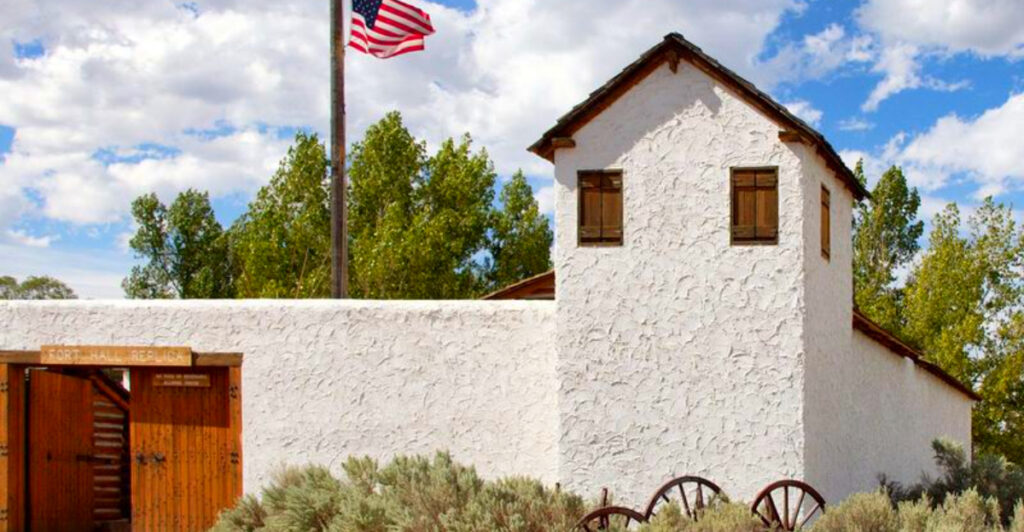
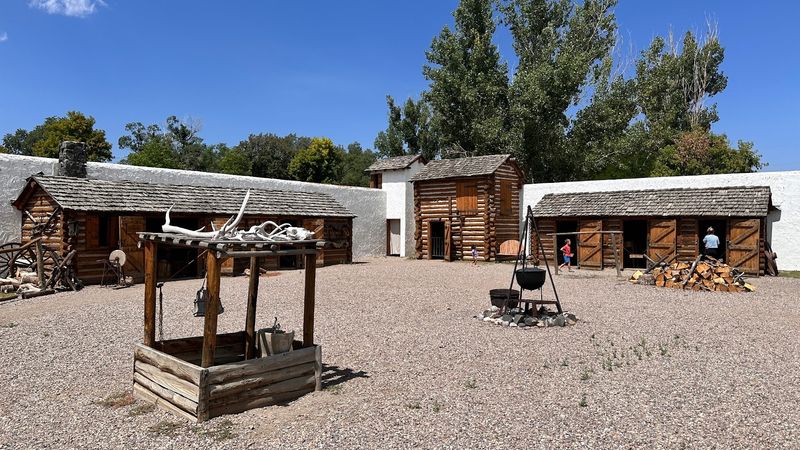
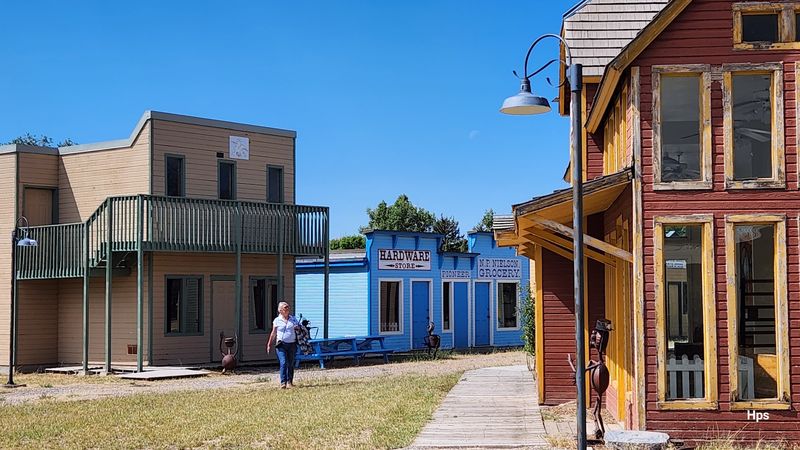
The first is the Bannock County Historical Museum, a fully indoor facility with climate control, clean restrooms, complimentary water bottles, and a gift shop stocked with regional books, memorabilia, and stuffed animals representing local wildlife. The second is the Fort Hall Replica, a historically accurate reconstruction of the original 1834 fur trading post. The third is Pocatello Junction, a 3/4 scale outdoor village representing the original railroad townsite that eventually became the city of Pocatello.
Each of these three components was developed separately over decades, yet they connect into a coherent narrative arc that moves from indigenous and frontier history through pioneer migration and into the railroad era. Plan at least two hours to do all three justice, and arrive before 4:30 PM to avoid feeling rushed toward closing time.
The Museum’s Surprisingly Wide Range of Exhibits
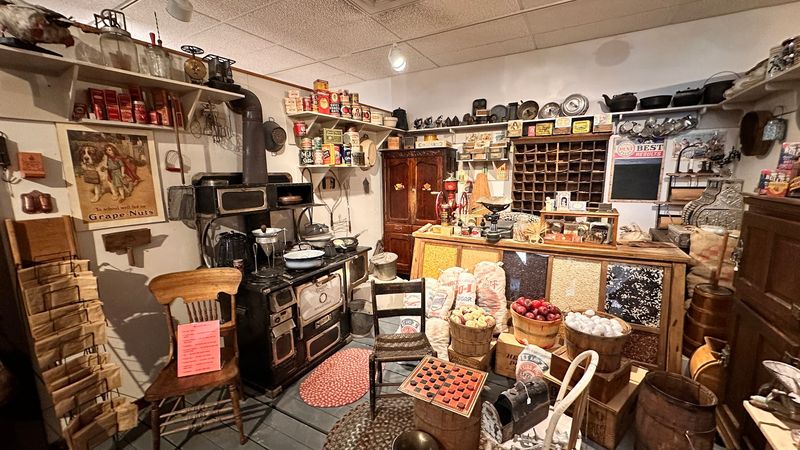
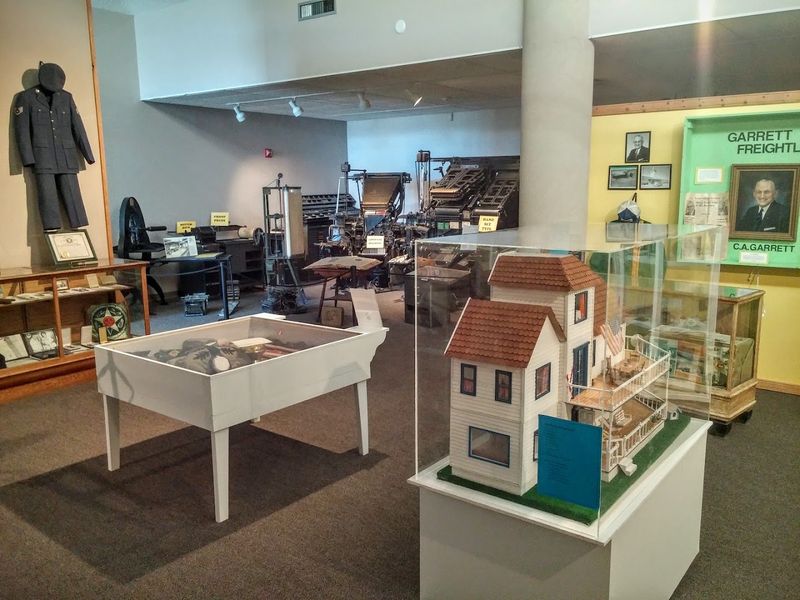
The indoor museum covers far more ground than most visitors expect from a county-level institution. Exhibits range from Victorian parlor furnishings and early medical equipment to telegraph and telephone systems from the party-line era, cavalry attire from the old military presence in the region, and a fully recreated general store.
There is a section on local printing and the history of the press, another on ranching and farming tools, and even a display on prohibition-era police evidence that adds an unexpectedly entertaining angle to the collection. A Japanese shrine exhibit underscores the cultural diversity that shaped southeastern Idaho, while a photography studio display traces the evolution of portrait-making in frontier towns.
The Standrod Mansion room receives particular attention from repeat visitors, who often cite it as one of the most visually striking sections in the building. The museum’s good lighting and thoughtful organization make it easy to move through exhibits without fatigue, and the air conditioning is a genuine relief during hot Idaho summers.
Fort Hall Replica and What It Took to Build It
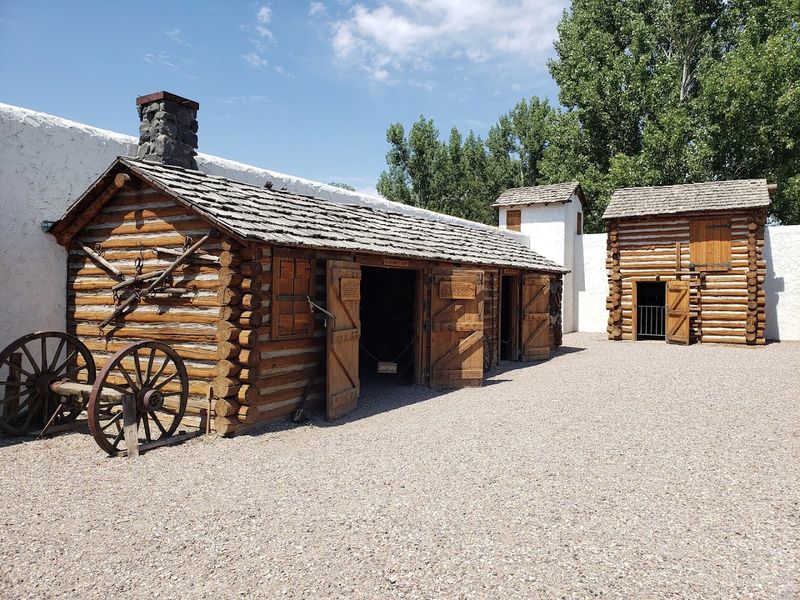
Captain Nathaniel Wyeth established the original Fort Hall in 1834 as a fur trading post along the Snake River, and it quickly became one of the most critical waypoints in the entire Snake River Valley. An estimated 280,000 emigrants passed through or near the fort during the peak years of westward migration along the Oregon and California Trails, relying on it for supplies, blacksmith repairs, livestock, and provisions.
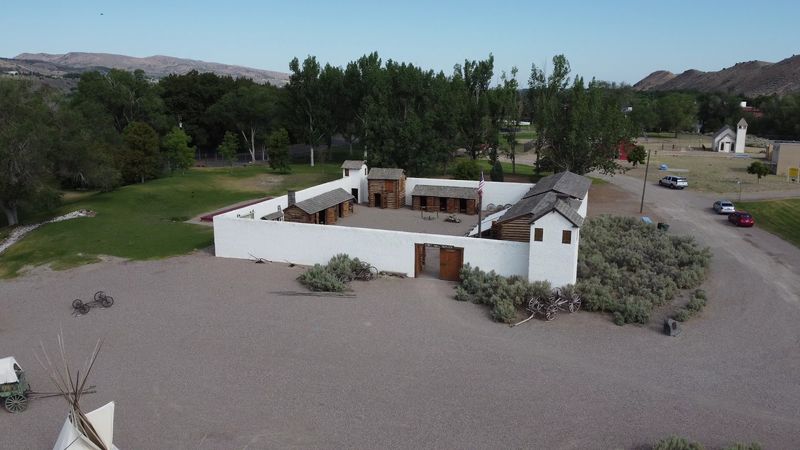
The replica standing at the complex today was constructed for Idaho’s Territorial Centennial in 1963 and completed in 1964. Builders used original floor plans obtained directly from the Hudson Bay Company and employed traditional materials and construction methods to ensure the result felt authentic rather than decorative. That commitment shows the moment you step through the gate.
Inside the log buildings, the temperature drops noticeably because the thick wood and pitch used in construction insulate just as effectively now as they did in the 19th century. A short video presentation inside the fort adds narrative depth that makes the physical space even more meaningful, and multiple floors give you plenty to explore.
Pocatello Junction and the Birth of a Railroad City
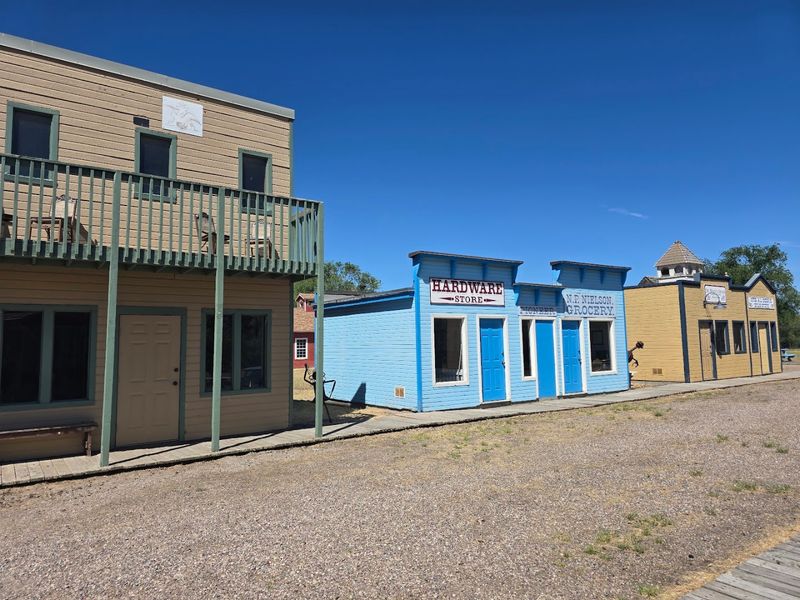
Before Pocatello became a city, it was a junction. The Union Pacific Railroad’s decision to extend its line north through this particular spot transformed a modest crossroads into what eventually earned the nickname “Gateway to the Northwest.” Pocatello Junction, the outdoor village at the complex, represents that original train stop with twelve 3/4 scale buildings arranged along a walking path.
Each structure represents a type of business that would have been essential to a nascent railroad town, from commercial shops to service providers, and the windows of each building contain exhibits depicting the era’s necessities and daily routines. The village was built as part of Idaho’s Centennial Celebration in 1990, the same year the main museum building was constructed, both funded substantially through community donations.
Walking through the village on a clear afternoon, you get a surprisingly tangible sense of how quickly raw ambition and steel rails could transform an open landscape into a functioning community. The contrast between this outdoor section and the Fort Hall Replica nearby makes the full arc of regional development feel genuinely vivid.
Indigenous Heritage at the Heart of the Collection
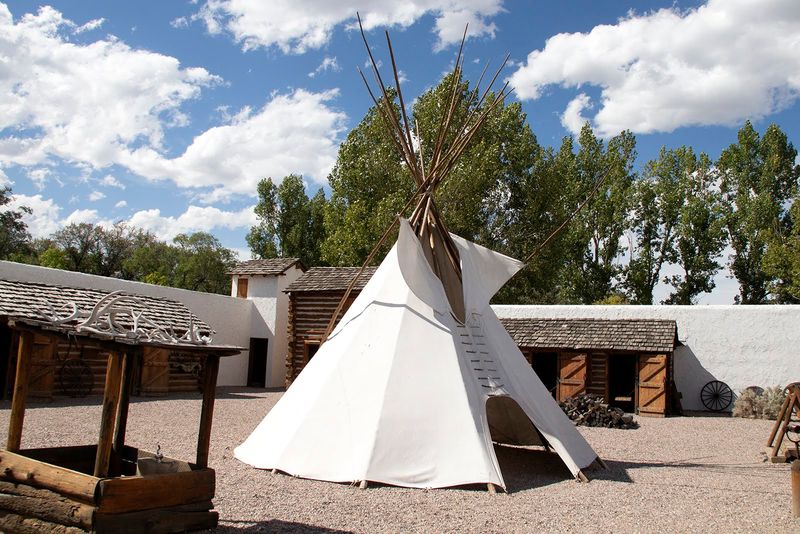
The Shoshone-Bannock peoples have lived in this region for thousands of years, and the complex treats that history with the seriousness it deserves. Ethnographic photographs, traditional attire, ceremonial objects, and pre-Columbian artifacts form a substantial portion of the museum’s collection, offering context that extends the regional story far beyond the 19th century.
These exhibits do not present indigenous culture as a footnote to pioneer history. They stand as their own chapter, one that predates every other narrative in the building and continues into the present day through the living heritage of the Shoshone-Bannock Tribes, whose reservation at Fort Hall sits just outside Pocatello.
The archaeological specimens in the collection add another layer, revealing evidence of human activity in southeastern Idaho that stretches back millennia. Researchers and genealogists can access the museum’s archive and library for deeper study, making the complex a resource for serious historical inquiry as well as casual visiting. The combination of artifact, photograph, and document creates a genuinely well-rounded portrait of the region’s original inhabitants.
The Oregon Trail Connection That Draws Travelers Off the Highway
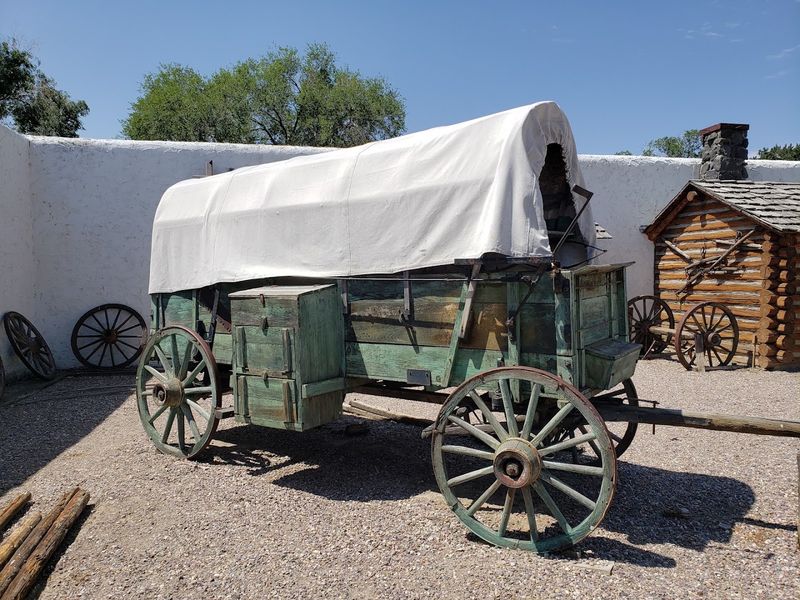
Many travelers passing through southeastern Idaho are retracing portions of the historic Oregon Trail, and the Bannock County Historical Complex sits squarely within that corridor. The museum dedicates substantial exhibit space to the realities of overland emigration, covering the challenges, logistics, and human stories behind the mass westward migration of the mid-19th century.
The Fort Hall Replica brings this connection into three dimensions. The original fort served as a critical supply and repair stop for wagon trains, and the blacksmith shop within the replica illustrates exactly how essential those services were to emigrants whose lives depended on functional equipment. Between 1842 and 1852, an estimated 200,000 people passed by the fort, many of them missionaries and settlers heading toward what they hoped would be a better life.
A Holladay Overland Stage Co. stagecoach on display inside the museum adds another layer to the transportation story, alongside horse tack and other period equipment. For anyone following the trail’s modern route through Idaho, this complex functions as the most comprehensive single stop for understanding what that journey actually meant.
Admission Prices and Practical Visiting Details
The entry fee here is refreshingly modest. Adults pay $6.00, seniors and military personnel pay $5.00, and children between the ages of 4 and 17 are admitted for $3.00. Kids under four get in free, which makes this a genuinely budget-friendly outing for families. The complex also participates in the “Museums for All” program, providing free admission to eligible visitors.
Group visits require a bit of advance planning. Groups of 25 or more should call at least three weeks ahead to allow staff to prepare. Non-school groups of 25 to 50 people receive a dollar off each admission, while school groups, Boy Scout troops, and Girl Scout troops pay just $1.00 per student, with adult chaperones entering free.
The museum accepts all major debit and credit cards as well as cash and checks, so payment is never an issue. The main museum is open Monday through Saturday from 10 AM to 5 PM year-round, though holiday closures apply. Arriving before 4:30 PM gives you comfortable time to cover all three sections of the complex without rushing toward the exit.
Seasonal Access to the Outdoor Exhibits
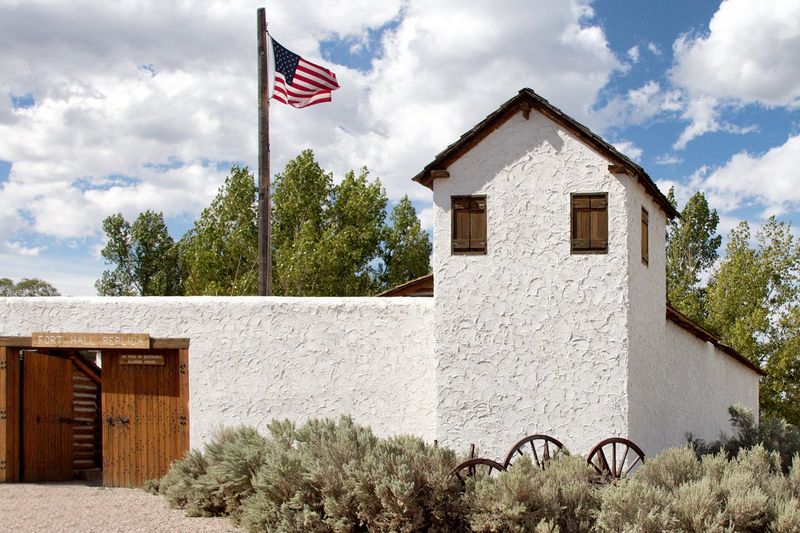
The indoor museum stays open year-round, but the two outdoor sections operate on a seasonal schedule that reflects both practical preservation needs and visitor comfort. The Fort Hall Replica and Pocatello Junction are open from May through October, weather permitting, giving them roughly a six-month window each year.
This seasonal rhythm actually adds a layer of authenticity to the experience. Early settlers in this region lived and worked according to the seasons in ways that modern visitors rarely consider, and the outdoor exhibits closing for winter quietly echoes that reality. Summer visits offer the fullest experience, with all three components accessible in a single outing.
One practical note worth remembering: the outdoor areas have no climate control, so summer mornings are the most comfortable time to explore them. The museum’s review archive includes a helpful tip about arriving early during hot months, and that advice holds up well. Pairing your visit with a stop at the adjacent Pocatello Zoo is a natural extension of the day, especially for families with younger children who need variety to stay engaged.
What Repeat Visitors Keep Coming Back to Discover
Some museums feel complete after a single visit. This one tends to reward return trips, partly because the collection is dense enough that first-time visitors inevitably miss sections, and partly because the complex occasionally updates its exhibits and programming. Several visitors have noted coming back within weeks of their first visit and still finding new details to absorb.
The train exhibit inside the museum draws particular enthusiasm from younger visitors, with the miniature railroad display consistently ranking among the most memorable sections for families. The Standrod Mansion room, the prohibition evidence display, and the photography studio are among the sections that surprise adults who expected a more conventional pioneer narrative.
The research archive and library make the complex a destination for genealogists and local historians who return not just for the public exhibits but for access to documents, photographs, and records that are not on public display. That dual function, serving both casual visitors and serious researchers, gives the Bannock County Historical Complex a depth that most small regional museums simply cannot match.
Planning Your Visit and Exploring the Surrounding Area
The complex sits in a part of Pocatello that makes it easy to combine with other nearby attractions. The Pocatello Zoo is directly adjacent, and the Shoshone-Bannock Tribal Museum on the Fort Hall Indian Reservation is a short drive away, offering a living cultural perspective that pairs naturally with what you see inside the historical complex.
Downtown Pocatello adds another dimension to the visit. The Old Town area features a collection of vintage neon signs that were revitalized starting in 2012 as part of the “Relight the Night” initiative, and a walking tour through those illuminated storefronts provides a different kind of historical encounter. Antique shops along the same route give browsers a chance to find tangible pieces of regional history to take home.
For those extending their trip further, Massacre Rocks State Park sits about 30 minutes from Pocatello along the Snake River and connects directly to the Oregon Trail narrative explored inside the museum. The Idaho Potato Museum in Blackfoot is another easy day-trip addition. The Bannock County Historical Complex makes an excellent anchor for a full southeastern Idaho heritage itinerary that leaves you genuinely satisfied with how much ground you covered.
Share this story