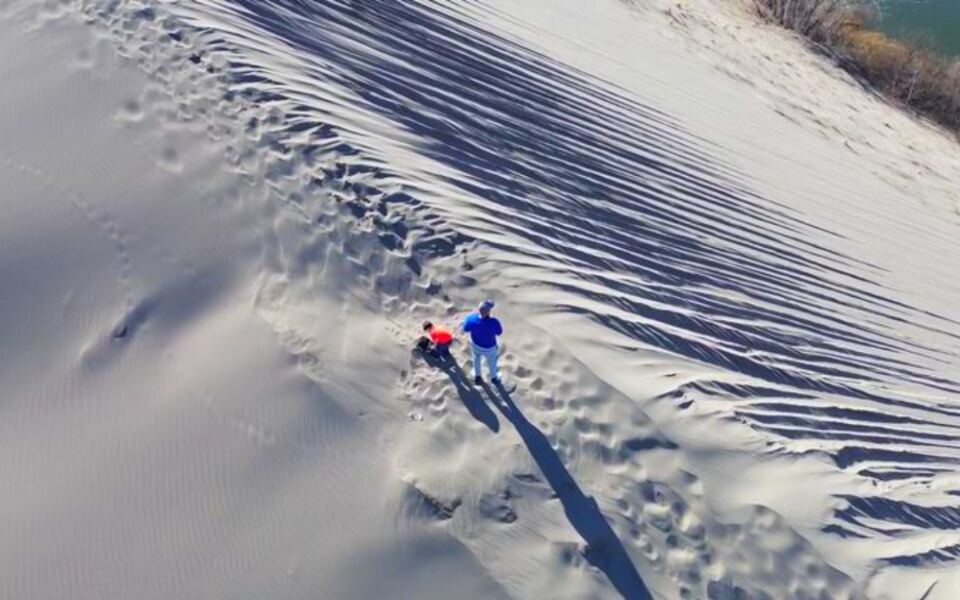
In southwestern Idaho, one remarkable landscape rises dramatically from the high desert, crowned by a 470-foot sand dune. Visitors can climb the towering dunes, explore the surrounding terrain, and experience scenery that feels surprisingly different from the rest of the state.
After dark, the experience becomes even more impressive. Exceptionally dark skies and an on-site observatory make this remote destination a memorable place for stargazing, combining outdoor adventure, unusual geology, and spectacular views of the night sky.
Where to Find This Desert Marvel
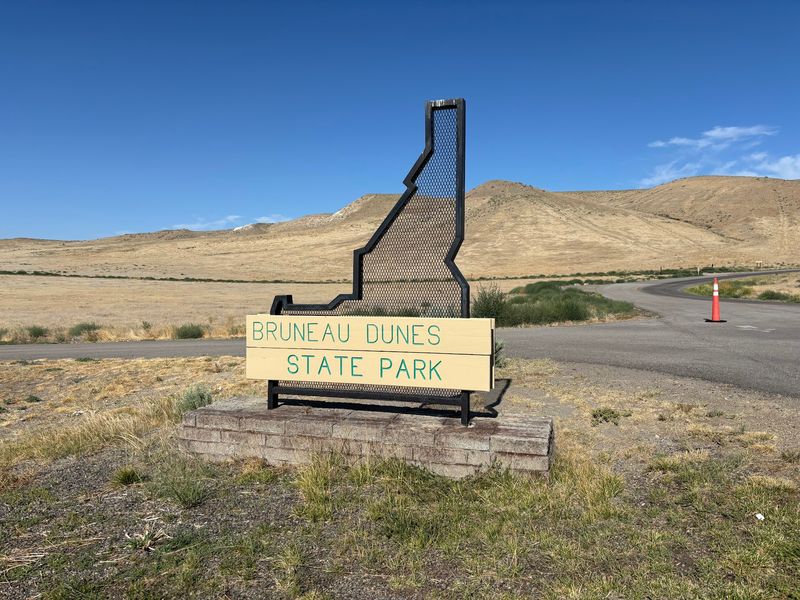
The official address is 27608 Bruneau Sand Dunes Rd, Bruneau, ID 83604, tucked into Owyhee County in southwestern Idaho. The park sits roughly 64 miles south of Boise and about 15 miles south of Mountain Home, making it a realistic day trip for anyone staying in the Treasure Valley area.
Getting there is straightforward. Take Highway 51 south from Mountain Home, and the park entrance appears with clear signage before you reach the small town of Bruneau.
The drive itself passes through open sagebrush plains that set the mood perfectly for what awaits.
The entrance fee is $7 per vehicle, and the park phone number is +1 208-366-7919 if you want to call ahead about conditions or observatory hours. The official website at parksandrecreation.idaho.gov keeps schedules current, which is especially useful before planning an evening visit to the observatory.
The Tallest Single-Structure Sand Dune in North America
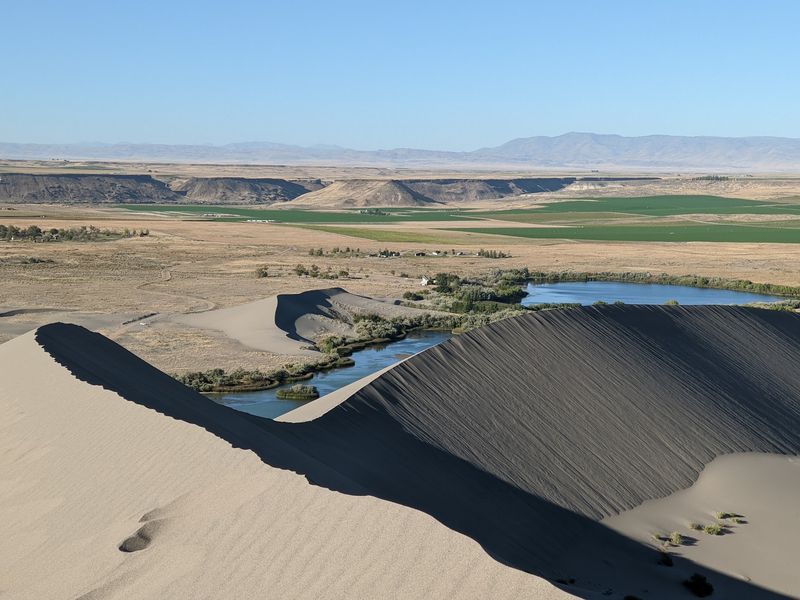
Most people expect sand dunes to be modest, maybe knee-high ripples at the edge of a beach. The main dune at this park rises 470 feet above the surrounding desert floor, and that vertical climb hits differently when you are standing at the base looking up.
What makes this formation even more unusual is its position. Unlike most dunes that form at the edge of a basin, this one built itself near the center of the Eagle Cove Depression, a natural bowl that has been collecting sand for over 12,000 years.
The sand itself has a distinctive salt-and-pepper appearance, blending dark basalt grains with lighter quartz particles.
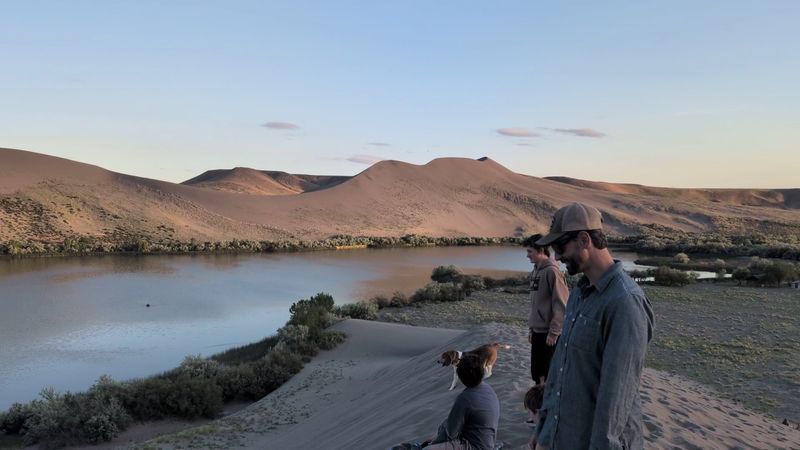
Climbing to the summit rewards you with sweeping panoramic views across the desert and down to the two small lakes below. The descent is the fun part, whether you slide on a rented sandboard or simply run down in long, gravity-assisted strides that feel almost reckless in the best possible way.
The Ancient Geology Behind the Dunes
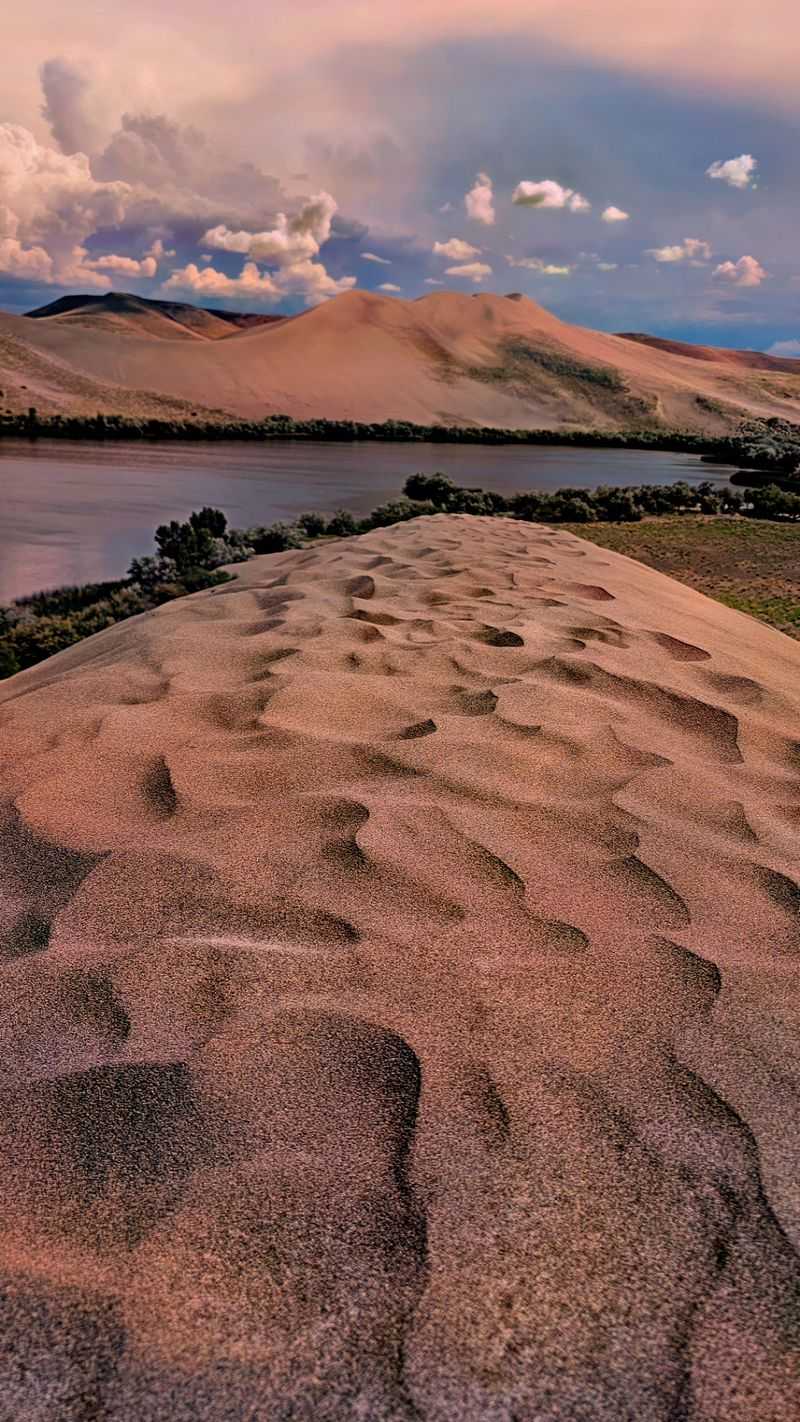
Around 15,000 years ago, a cataclysmic event known as the Bonneville Flood reshaped much of the Snake River Plain. That ancient deluge carved out the U-shaped basin that now cradles the dunes, depositing enormous quantities of sand and sediment that wind has been sculpting ever since.
Here is the part that surprises most geology enthusiasts: these dunes barely move. Strong winds blow from the southeast about 28 percent of the time and from the northwest about 32 percent of the time.
That near-equal tug-of-war pushes sand upward rather than across the landscape, keeping the main dune remarkably stable over millennia.
This geological quirk makes Bruneau Dunes genuinely rare in the Western Hemisphere. Other dune systems drift and migrate, sometimes burying roads and fences.
These dunes essentially pile upon themselves, growing taller while staying put. Understanding that balance makes every step up the slope feel like a walk through deep time, which honestly changes how you experience the climb.
Sandboarding, Swimming, and Fishing at the Base
Sandboarding is the headline activity here, and it lives up to the hype. The Visitor Center rents sandboards and sleds, typically for around $15 each or two for $25, with rentals available from 9 a.m. and returns due by 4 p.m.
Staff will not rent boards once temperatures climb above 80 degrees Fahrenheit, so arriving early on summer days is genuinely smart advice rather than just a polite suggestion.
At the base of the dunes, two small lakes called Big Dune Lake and Small Dune Lake offer a completely different kind of fun. Swimming is popular after a sweaty dune climb, and fishing for bluegill and bass keeps anglers entertained for hours.
Bass fishing is mostly catch-and-release to protect the trophy population.
Only electric motor boats are permitted on the lakes, which keeps the atmosphere calm and the water clean. Paddle boarding has also become a popular option, and the generally flat water makes it accessible even for beginners trying it for the first time.
A Certified Dark Sky Park with a Working Observatory
DarkSky International officially designated Bruneau Dunes State Park as an International Dark Sky Park, and one evening under that canopy makes it obvious why the title was earned. The absence of light pollution out here is not subtle; the Milky Way appears as a dense, textured river of light rather than a faint smudge.
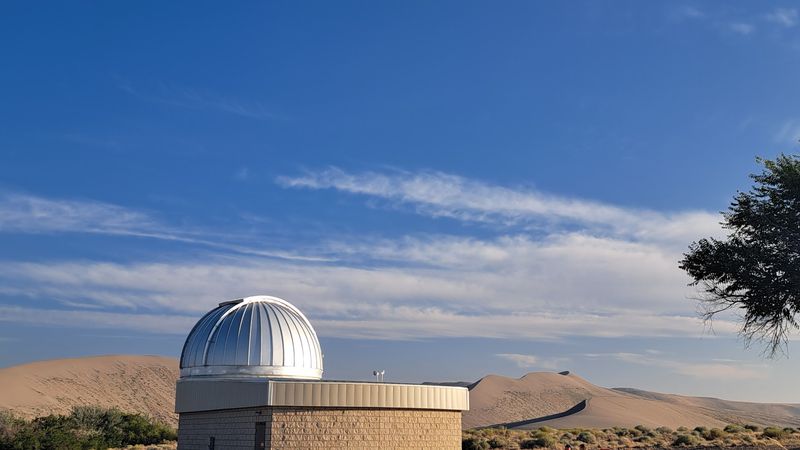
The on-site observatory holds some serious equipment, including a 24-inch Dobsonian telescope and a PlaneWave CDK700 observatory system that came online in 2023. Public astronomy programs typically run on Friday and Saturday evenings from mid-March or April through mid-October, with presentations that cover everything from planetary science to deep-sky objects.
Dress warmly even in summer, because the presentation room gets cold and the desert night air drops fast once the sun disappears. Red flashlights are the rule after dark to protect night vision, and the staff running the programs genuinely know their material.
The whole experience feels less like a tourist attraction and more like a private lecture under the stars.
Wildlife Hiding in Plain Sight
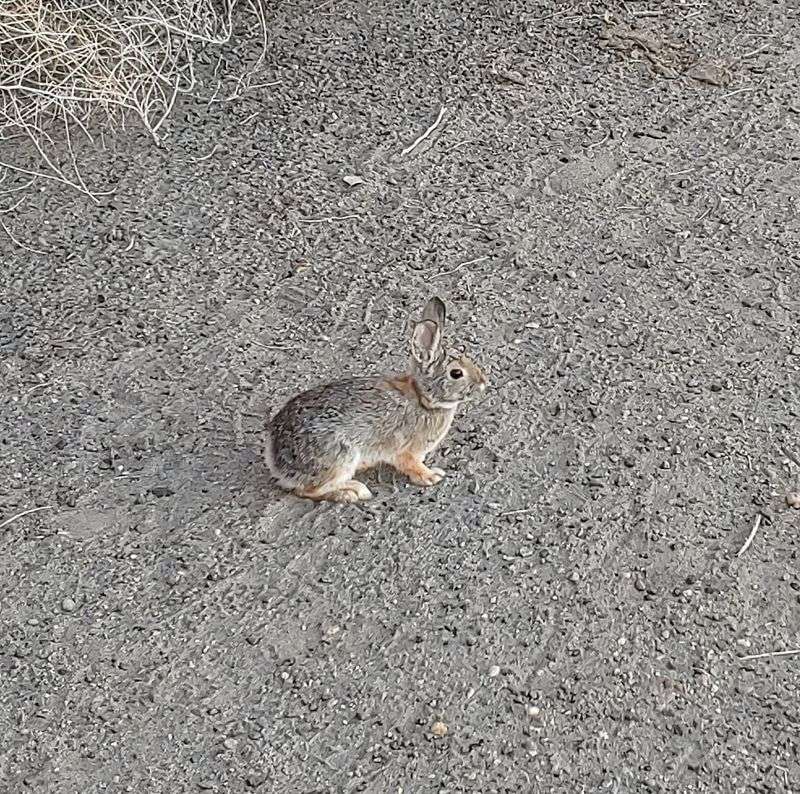
The desert looks sparse until you slow down and pay attention. Muskrats and frogs thrive near the lake edges, coyotes trot across the open plains at dusk, and jackrabbits materialize out of nowhere with their improbable ears.
Gopher snakes are spotted regularly near the campgrounds, and they are notably unbothered by human company.
Lizard spotting is a rewarding pursuit here. Long-nosed leopard lizards and common side-blotched lizards bask on warm sand throughout the day, moving with quick, purposeful bursts that make them tricky to photograph.
After dark, small scorpions emerge and their exoskeletons glow a vivid blue-green under ultraviolet light, which the observatory program occasionally incorporates into a dedicated scorpion walk.
Birdwatchers will find the wetland areas particularly productive. Long-billed curlews, black-necked stilts, American kestrels, and Northern harriers are all regulars.
Waterfowl use the lakes throughout the year, and the diversity of habitats packed into 4,800 acres means the bird list keeps growing with each new season and every careful observer.
Hiking Trails Through Five Distinct Habitats
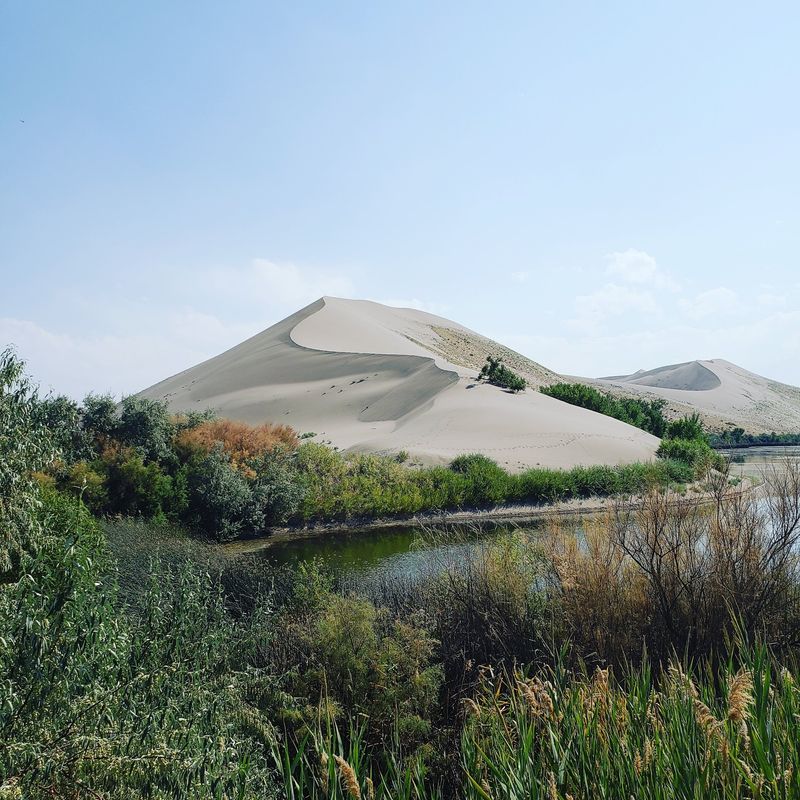
Five separate ecosystems exist within the park boundaries: desert, dune, prairie, lake, and marsh. The trail network winds through all of them, which means a single hike can take you from dry sagebrush flats to the edge of a reed-lined marsh within a surprisingly short distance.
That ecological variety keeps the scenery from feeling repetitive.
Trails range from easy flat walks along the lake edges to the more demanding climb up the main dune face. Most paths are well marked, though a few reviewers have noted that additional signage along some routes would be helpful, so picking up a trail map at the Visitor Center before heading out is a practical first step.
Morning hikes are consistently recommended by experienced visitors, partly because the sand stays cooler and partly because the light at that hour turns everything golden in a way that afternoon sun simply cannot replicate. Wildlife activity also peaks in the early hours, giving patient hikers the best chance of spotting the park’s more elusive desert residents before the heat of the day arrives.
Camping Options for Every Style of Visitor
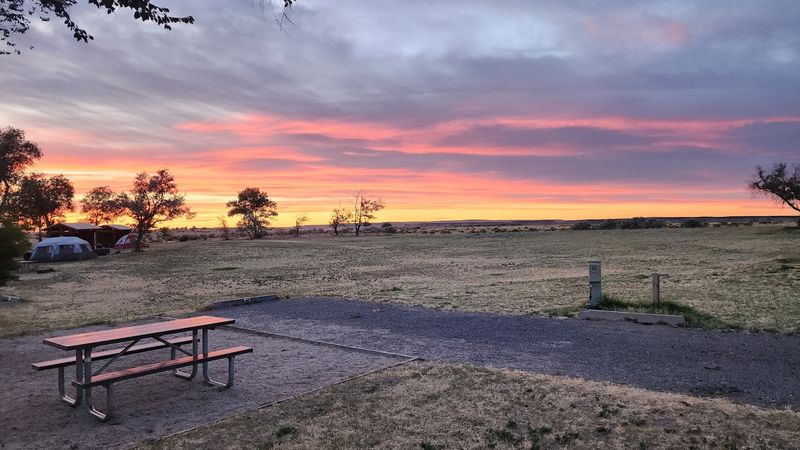
Bruneau Dunes State Park runs one of the longest camping seasons in the entire Idaho Parks system, which makes it a viable destination from late winter through early fall. Eagle Cove Campground offers 50 spacious sites, many with water and electric hookups, and sits within easy walking distance of the dune lakes.
Broken Wheel Campground provides additional serviced sites for those who prefer a slightly different setting. Both campgrounds include fire rings and picnic tables, and communal restrooms with showers are available, though water and shower facilities may be seasonal depending on conditions and time of year.
For visitors who prefer solid walls over tent fabric, two furnished cabins offer electricity, heating, and air conditioning. Reservations can be made up to nine months in advance and are strongly recommended during peak months.
One important note: nighttime temperatures drop sharply even during hot summer days, so packing layers regardless of the season is not optional advice, it is genuinely necessary preparation for a comfortable stay.
Horseback Riding on Desert Trails
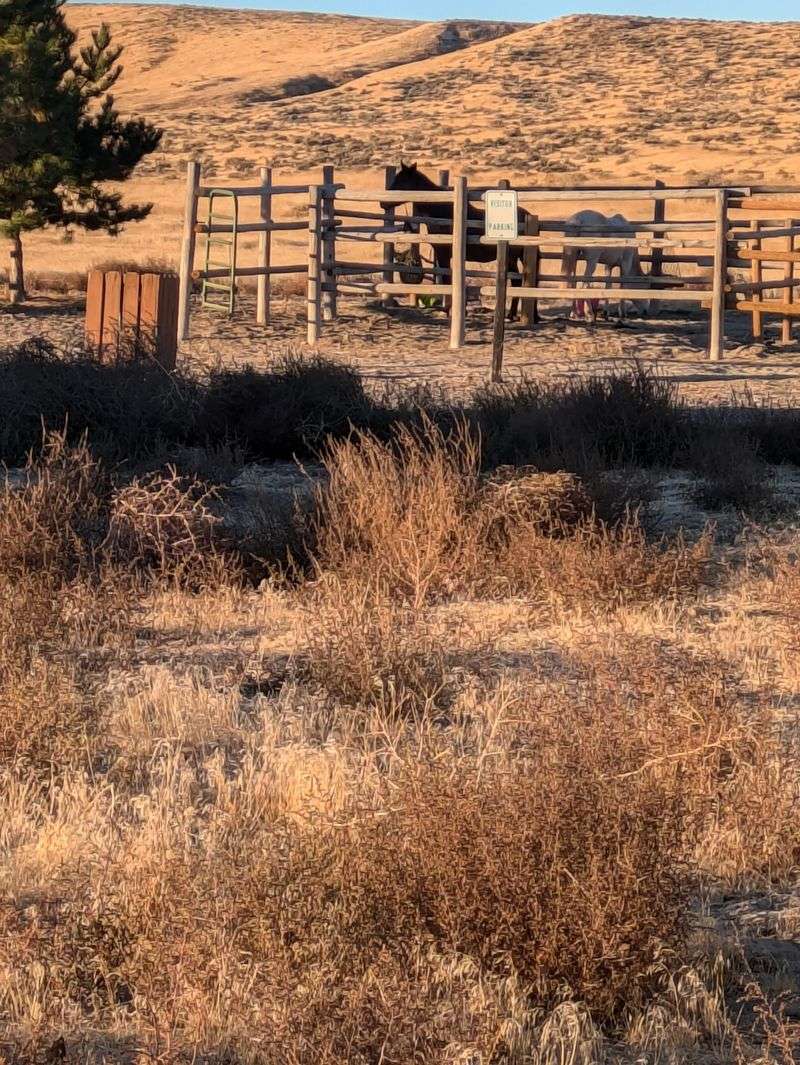
Not many state parks dedicate serious infrastructure to equestrian visitors, but Bruneau Dunes genuinely rolls out the welcome mat for riders and their horses. Seven to nine miles of dedicated equestrian trails wind around the dunes, offering a perspective of the landscape that hikers on foot simply cannot replicate from the saddle of a horse.
The Equestrian Campground provides 19 non-reservable campsites with extra-large parking pads designed to accommodate horse trailers and larger motorhomes. Corrals and water spigots for horses are on-site, and a small shelter with picnic tables gives riders a comfortable spot to rest between trail segments.
Dogs on leashes are also welcome in this campground.
Riding through the desert with 470-foot dunes looming nearby creates a cinematic quality that is hard to describe without sounding like a tourism brochure, but the experience genuinely earns that dramatic framing. The quiet of the desert, punctuated only by hoofbeats and wind, makes equestrian visits feel like a completely separate park from the one day-trippers typically experience.
The Visitor Center and What It Offers
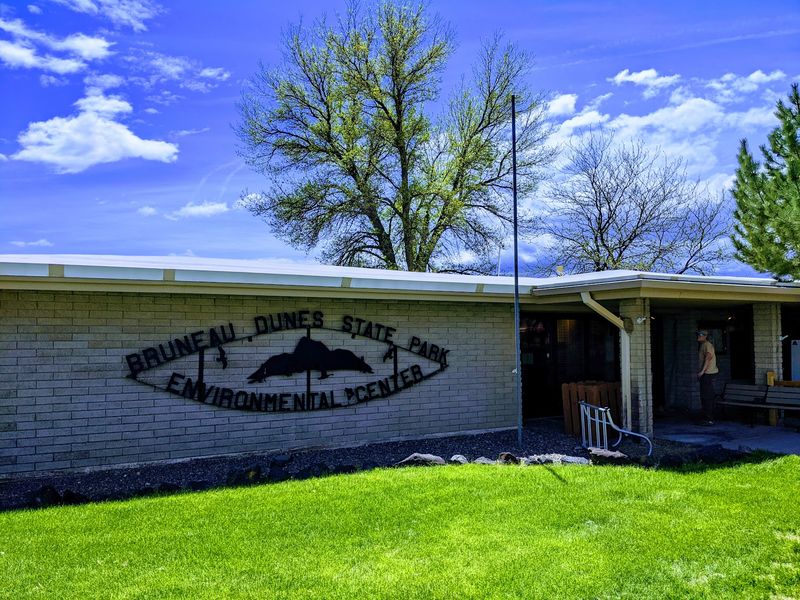
The Visitor Center deserves more attention than it typically gets from visitors eager to race straight to the dunes. Natural history displays inside cover the park’s geology, wildlife, and the ancient Bonneville Flood that created the basin holding the dunes.
Fossilized bones, taxidermy specimens, and geological samples give context to everything you see outside.
Knowledgeable staff answer questions about trail conditions, wildlife activity, and the best times to visit the observatory. Sandboard and sled rentals are handled here, which makes it a practical first stop before heading to the dunes.
The gift shop carries souvenirs, snacks, and drinks for those who underestimated the desert heat or forgot to pack supplies.
The adjacent Steele Reese Education Center supports the park’s astronomy programming and reinforces the educational mission that runs throughout the whole facility. Visiting the center on the way out rather than skipping it entirely tends to change how people feel about what they just experienced, turning a fun outdoor trip into something with a bit more lasting substance and curiosity behind it.
Best Times to Visit and Practical Tips
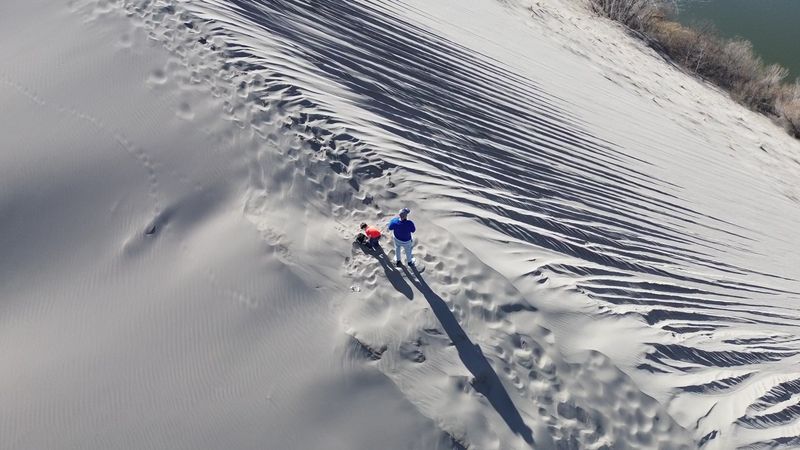
Spring and fall consistently deliver the most comfortable conditions for exploring the park. Temperatures stay manageable, the sand is easier to walk on, and the light during those seasons has a quality that makes photography genuinely rewarding.
Summer visits are absolutely possible but require discipline: get to the dunes before 10 a.m., bring far more water than you think you need, and accept that the sand will be hot enough to matter.
August and September attract serious astronomy enthusiasts because meteor activity peaks during those months, adding another layer to the already impressive night sky. Winter brings quieter crowds, faster sledding on cooler sand, and some of the clearest air of the year for stargazing, though observatory hours are reduced.
Mosquitoes emerge aggressively after sunset near the lake areas, so insect repellent and long sleeves after dark are worth packing regardless of the season. Closed-toe shoes protect feet on rocky trail sections, and sunscreen is non-negotiable at this elevation and latitude.
The park phone number is +1 208-366-7919 for current conditions and scheduling questions.
Photography and the Art of Capturing Desert Light
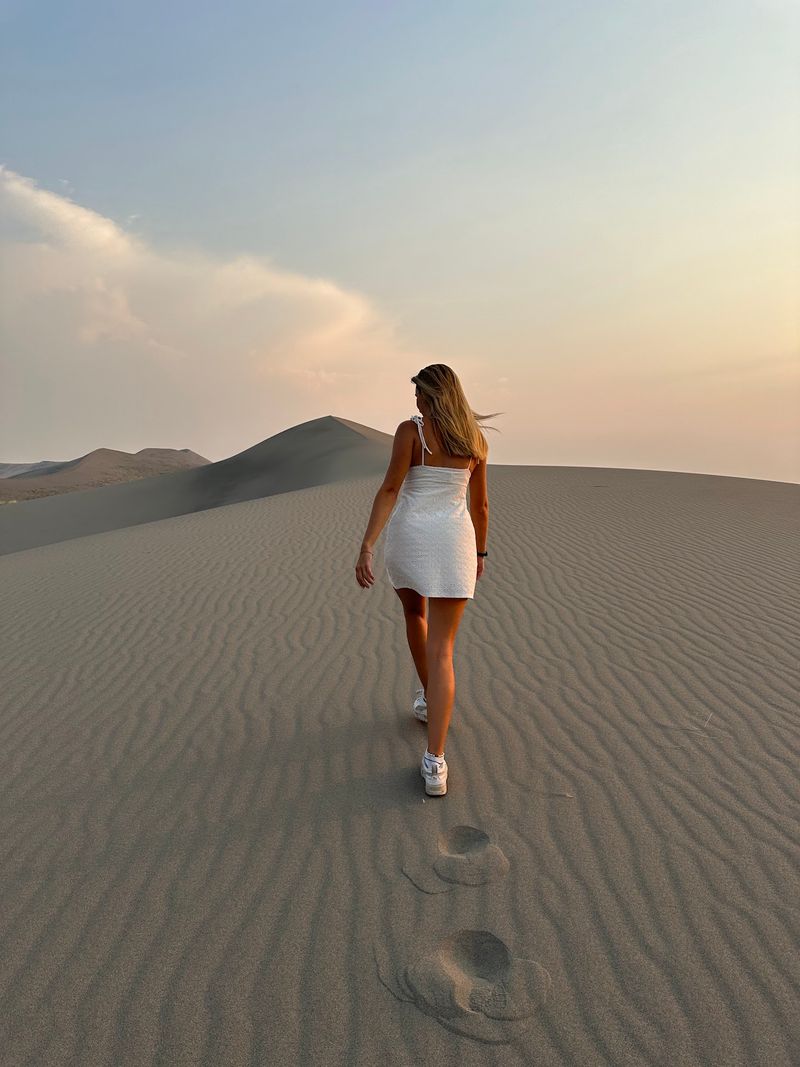
The interplay of light and shadow across the dune face changes hour by hour, and photographers who arrive at sunrise often end up staying well past noon simply because each angle reveals something new. The low morning sun cuts across the sand in ways that emphasize every ripple and ridge, turning the dune surface into a study in texture and contrast.
Sunset from the top of the main dune is a reliable spectacle. The desert floor below shifts through orange, pink, and deep purple as the light fades, and the two small lakes catch the colors in reflections that add depth to any wide-angle composition.
Many photographers then stay for the full dark to attempt astrophotography.
With International Dark Sky Park status, the night sky here is genuinely exceptional for long-exposure work. Capturing the Milky Way above the dune silhouette is a technically achievable goal even for intermediate photographers with a basic tripod and a camera that handles high ISO settings reasonably well.
The results tend to look almost too dramatic to be real, even though every pixel is entirely honest.
Share this story