South America is home to some of the most breathtaking history, culture, and architecture in the world. But tucked behind those beautiful facades are stories of restless spirits, mysterious sounds, and unexplained events that have been passed down for generations.
From grand cemeteries to crumbling fortresses, these places carry a weight that goes beyond their age. If you are brave enough to visit, each one offers a genuinely eerie experience you are unlikely to forget.
1. La Recoleta Cemetery – Buenos Aires, Argentina
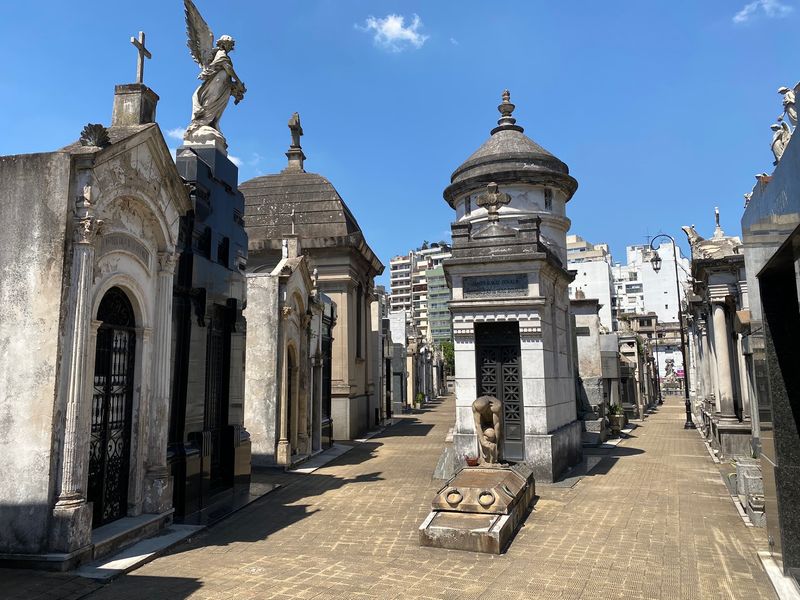
Walking through La Recoleta Cemetery feels less like visiting a graveyard and more like wandering through a miniature city built entirely for the dead. Located in one of Buenos Aires’ wealthiest neighborhoods, this cemetery opened in 1822 and is packed with grand marble mausoleums, bronze statues, and winding stone paths that seem to go on forever.
One of its most famous legends involves Rufina Cambaceres, a young woman buried here in 1902 after being mistakenly declared dead. According to local stories, she woke inside her coffin and died trying to escape.
Visitors have reported hearing scratching sounds near her tomb.
The cemetery is open to the public and even offers guided tours. More than 4,700 above-ground vaults line its paths, making it one of the most architecturally impressive burial grounds in the world.
Ghost stories here feel almost as layered as the history itself.
2. Gran Hotel Viena – Miramar, Argentina
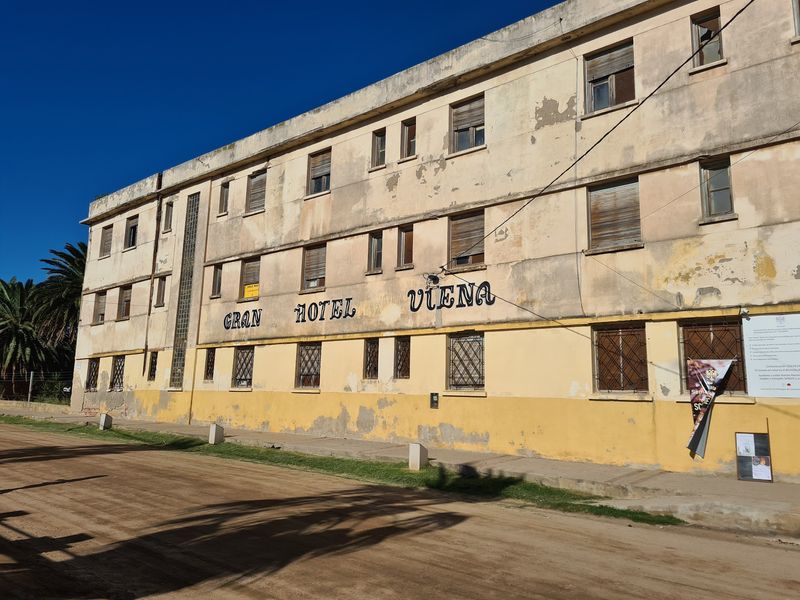
Once a glamorous seaside resort, the Gran Hotel Viena in Miramar now stands as one of Argentina’s most unsettling abandoned buildings. The hotel drew wealthy guests from across the country during its peak years, but after closing its doors, it became something else entirely: a place where locals refuse to walk past alone at night.
Decades of ghost stories have grown around its empty corridors. Residents nearby have reported hearing footsteps on the upper floors, faint voices echoing from rooms that have been sealed for years, and shadowy figures appearing in darkened windows.
Some urban explorers who have entered the building describe a heavy, unexplainable feeling of being watched.
Although the hotel is not an official tourist attraction, its crumbling exterior is visible from the street and has become a popular stop for those interested in Argentina’s abandoned architecture and paranormal history. Its story is far from finished.
3. Palacio de La Moneda – Santiago, Chile
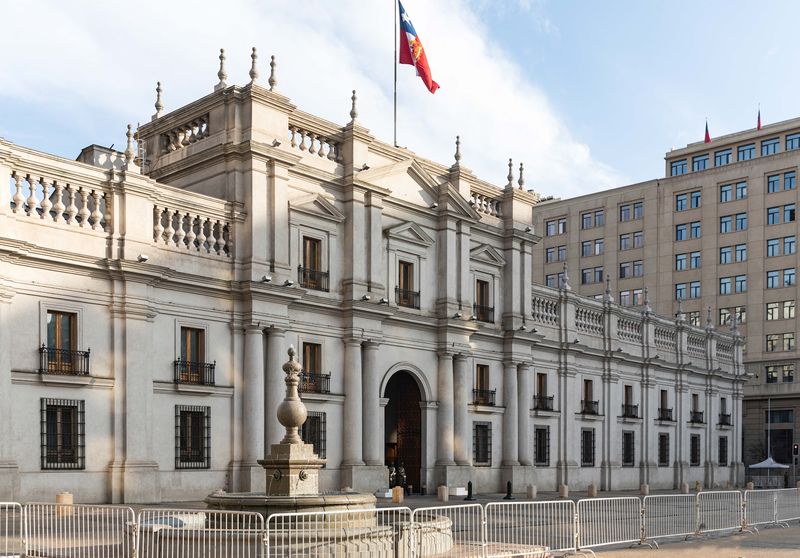
Chile’s presidential palace, the Palacio de La Moneda, carries a history heavy enough to make the walls feel like they remember everything. Built in the late 18th century, the building was originally a royal mint before becoming the seat of government.
It has witnessed coups, political upheaval, and moments of national crisis that shaped the entire country.
The most significant event tied to its haunted reputation is the 1973 military coup, during which President Salvador Allende died inside the palace. Many Chileans believe his spirit, along with others lost during that turbulent period, never truly left the building.
Staff members over the years have quietly shared stories of cold spots, strange sounds late at night, and unexplained shadows in the hallways.
Parts of the palace are open to the public on weekdays, allowing visitors to walk through its historic halls. The architecture alone is worth the visit, but the atmosphere adds something harder to explain.
4. Cementerio General de Santiago – Santiago, Chile
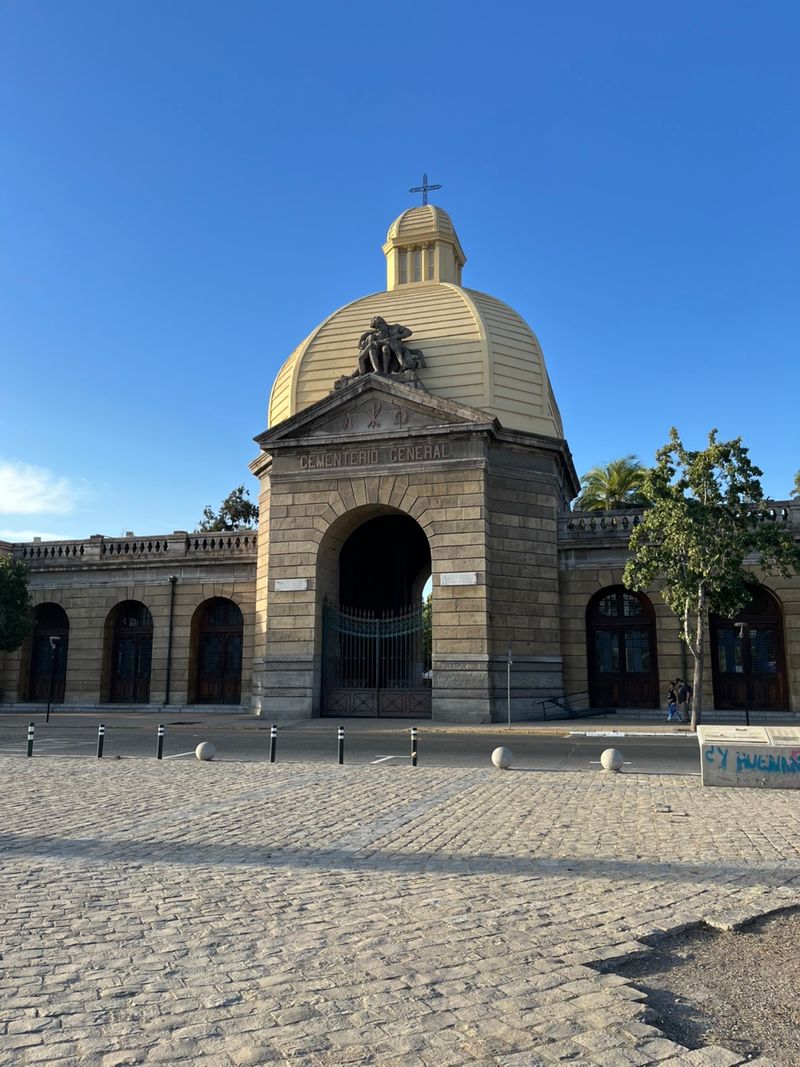
Spread across more than 86 hectares, the Cementerio General de Santiago is one of the largest cemeteries in all of Latin America and one of the most historically significant. Since opening in 1821, it has become the final resting place for presidents, artists, poets, and ordinary citizens, all sharing the same sprawling grounds.
Local ghost stories here are deeply woven into Santiago’s culture. Residents and night guards have described seeing figures moving between the tombs after dark, hearing whispered voices with no source, and noticing lights flickering near mausoleums that have no electricity connected.
Some of the older sections of the cemetery, where the most elaborate and crumbling structures stand, are considered especially active by those who believe in such things.
The cemetery is open to visitors during the day and functions partly as an outdoor museum. Guided historical tours are available, making it a genuinely fascinating place even for those who are not chasing ghost stories.
5. Hotel Eden – La Falda, Argentina
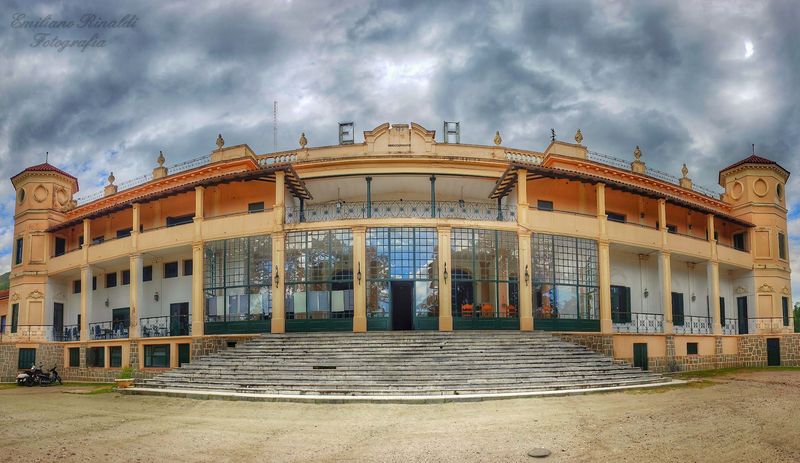
Nestled in the Cordoba hills of Argentina, Hotel Eden opened in 1898 and quickly became one of the most fashionable luxury resorts in South America. European aristocrats, celebrities, and even Albert Einstein reportedly stayed within its walls.
But after decades of changing ownership and eventual abandonment, the grand hotel became something far more mysterious.
The stories that surround Hotel Eden are as elaborate as its architecture. Visitors on guided tours have reported seeing ghostly figures in the windows of upper floors, hearing footsteps in empty hallways, and feeling sudden drops in temperature in specific rooms.
The hotel’s long history and the many lives that passed through it seem to have left something behind.
Today, Hotel Eden is partially restored and open for guided tours that walk visitors through its storied past and its more unexplained reputation. The combination of faded grandeur and eerie atmosphere makes it one of Argentina’s most memorable destinations for history lovers and ghost enthusiasts alike.
6. Presbitero Maestro Cemetery – Lima, Peru
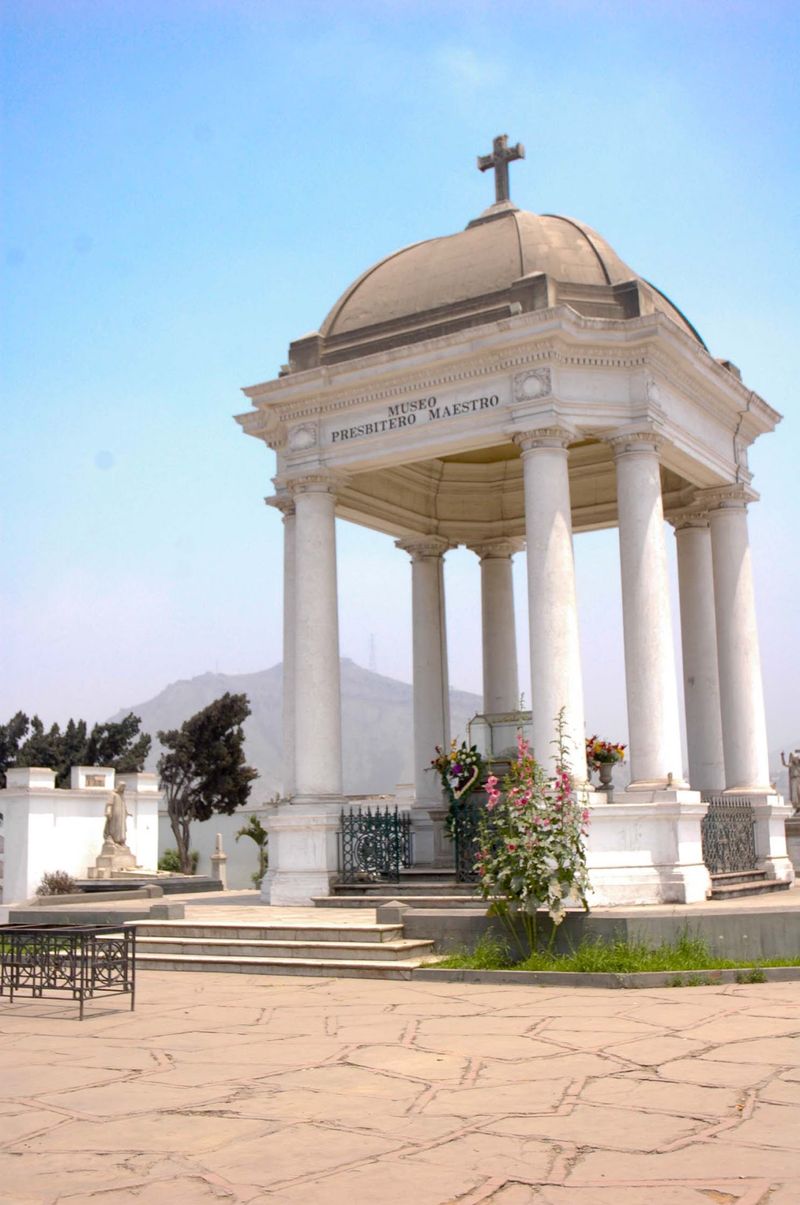
Founded in 1808, the Presbitero Maestro Cemetery in Lima holds the distinction of being one of the oldest and most architecturally impressive cemeteries in all of the Americas. Its design was inspired by European neoclassical styles, and it shows in every carved column, sculpted angel, and elaborate family vault that lines its wide avenues.
Beyond its beauty, the cemetery has earned a solid reputation as one of Lima’s most haunted locations. Local ghost legends describe apparitions wandering the older sections at dusk, unexplained sounds echoing through the marble corridors, and a general sense of unease that even daytime visitors sometimes mention.
Cemetery workers have passed down stories for generations about things seen and heard after closing time.
The site functions as an open-air museum and welcomes visitors who want to explore its funerary art and history. Special cultural events are sometimes held inside, blending education with an atmosphere that is impossible to fully shake off.
7. Real Felipe Fortress – Callao, Peru
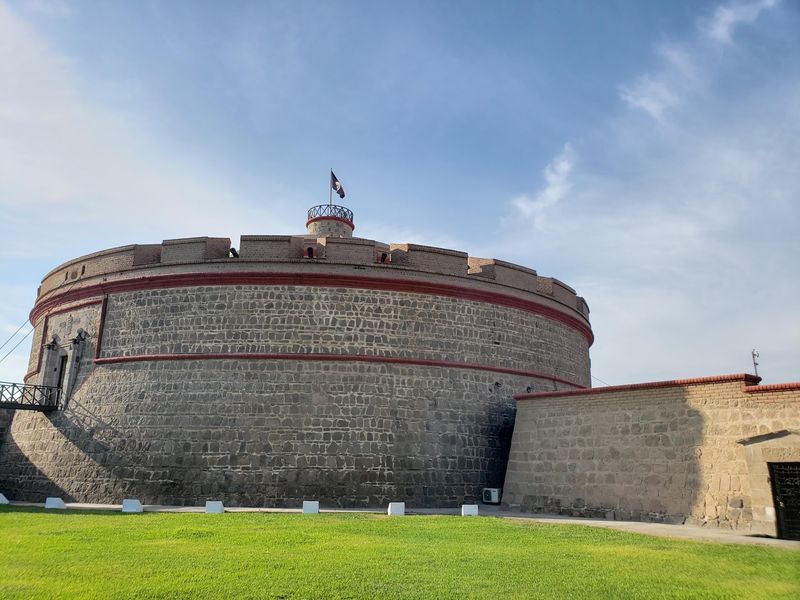
Standing guard over the port city of Callao since the 1740s, the Real Felipe Fortress is one of the best-preserved examples of Spanish military architecture in South America. Built to protect Lima from pirate attacks and enemy navies, the fortress witnessed sieges, battles, and some of the bloodiest moments of Peru’s war for independence.
That violent past has given rise to a deeply rooted haunted reputation. Peruvian soldiers and staff who work at the fortress have reported hearing the sounds of marching boots in empty courtyards, seeing faint figures near the old prison cells, and noticing unexplained cold drafts moving through sealed rooms.
The dungeons, where many prisoners suffered during the colonial era, are considered the most unsettling areas.
The fortress is open to the public as a military museum and historical site. Visitors can walk through its thick stone walls, view historic weapons, and absorb a history that feels very much alive despite the centuries that have passed.
8. Casa de la Emancipacion – Trujillo, Peru
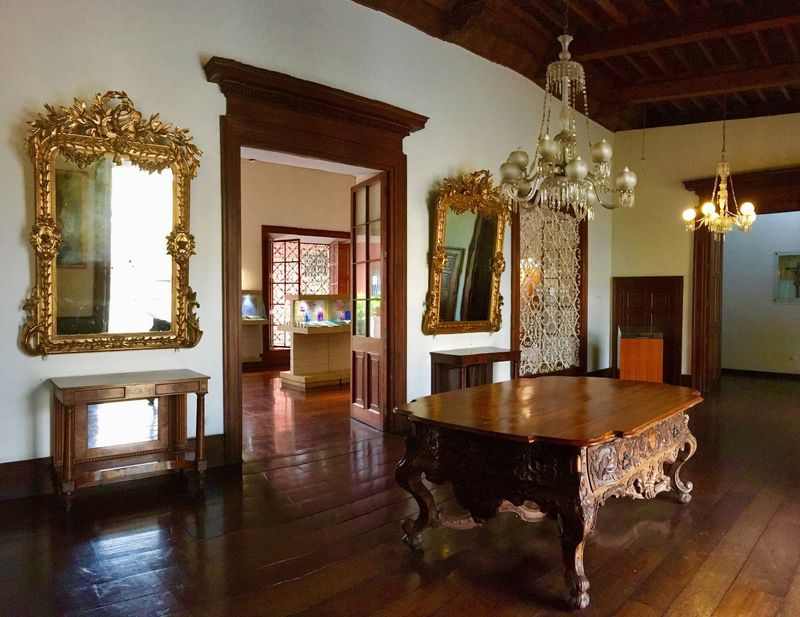
In the heart of Trujillo’s colonial district sits the Casa de la Emancipacion, a building that played a pivotal role in Peru’s declaration of independence in 1820. Its graceful colonial architecture and richly decorated interior have made it a cultural landmark that draws historians and tourists from across the country.
But alongside its official history, the Casa de la Emancipacion carries quieter stories that locals have shared for years. Visitors and staff have described hearing mysterious knocking sounds in empty rooms, footsteps crossing hallways with no one present, and a persistent feeling of being observed while standing in the older sections of the building.
Some believe the energy of the dramatic historical events that unfolded here never fully dissipated.
The building is open to the public as a cultural and exhibition space. Its combination of genuine historical importance and unexplained atmosphere makes it an interesting stop for anyone visiting Trujillo’s well-preserved colonial center.
9. La Candelaria – Bogota, Colombia
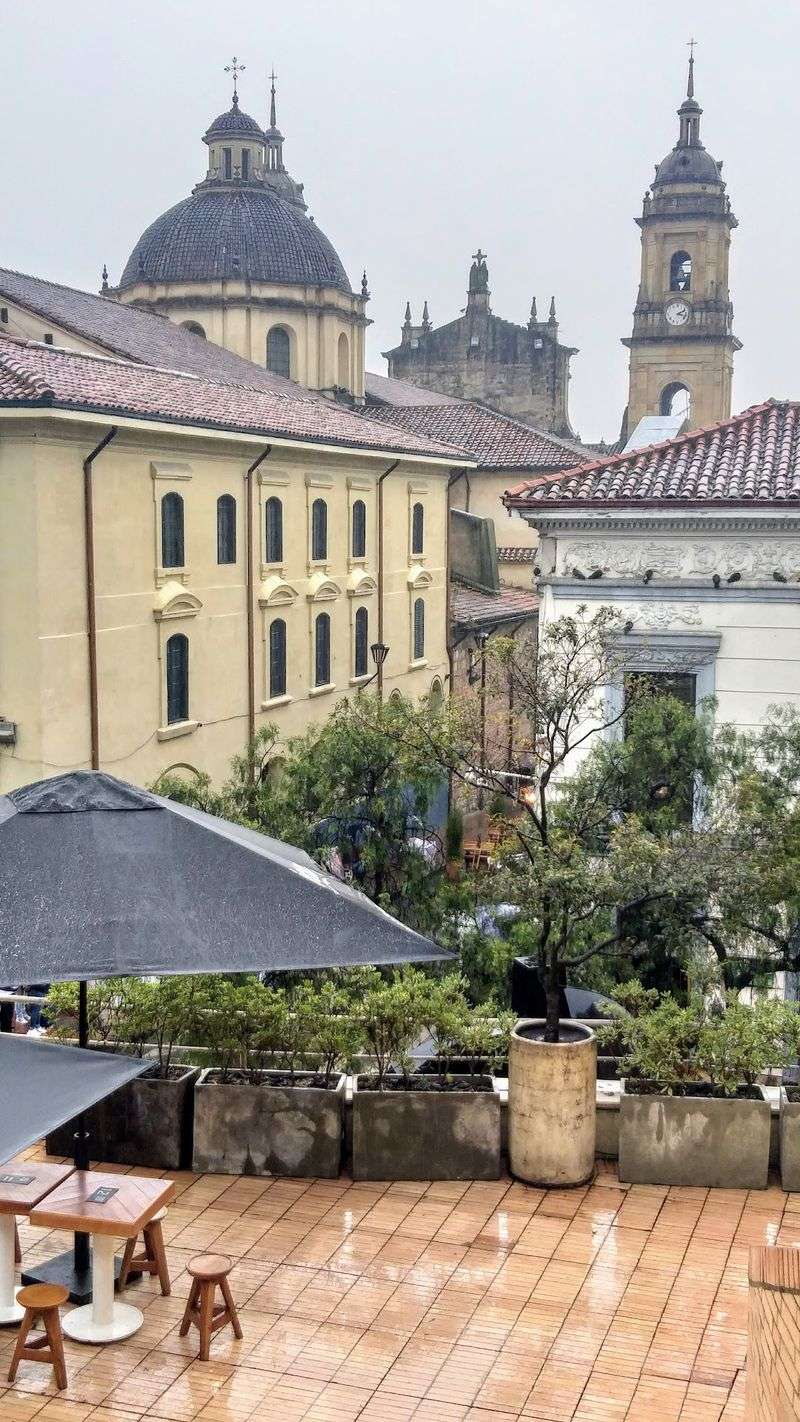
La Candelaria is the beating historical heart of Bogota, a neighborhood where centuries-old houses, cobblestone streets, and colonial churches crowd together in a way that makes the past feel impossibly close. Founded in the 16th century, this district has seen everything from Spanish colonial rule to periods of political violence that left deep marks on the city’s identity.
Ghost legends here are practically part of the neighborhood’s identity. Locals tell stories of a weeping woman seen wandering the streets at night, unexplained shadows passing through closed doors in old mansions, and cold presences felt inside some of the oldest churches and government buildings.
The sheer density of history packed into such a small area seems to fuel an endless supply of supernatural tales.
La Candelaria is fully open to visitors and is one of Bogota’s most popular areas for walking tours. Several operators offer night tours specifically focused on its ghost legends, combining local history with an atmosphere that feels genuinely atmospheric after dark.
10. Cemiterio da Consolacao – Sao Paulo, Brazil
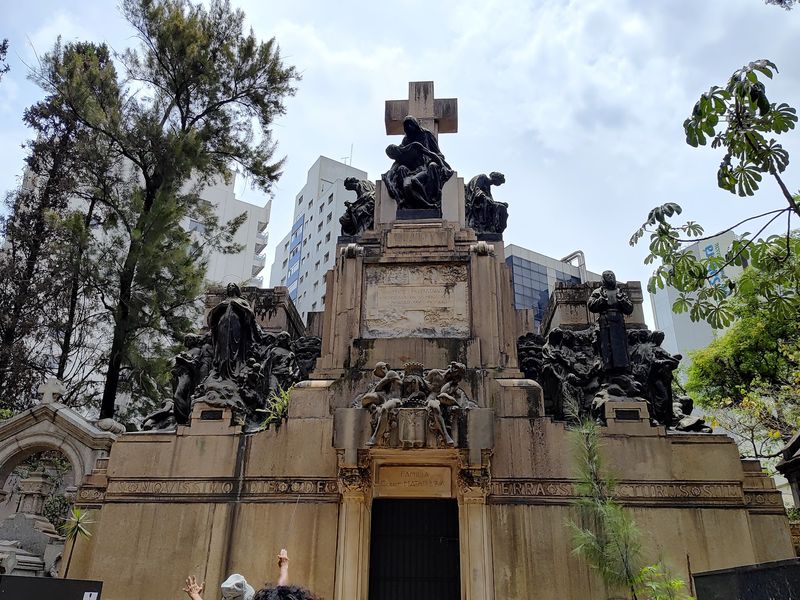
Opened in 1858, the Cemiterio da Consolacao in Sao Paulo is more than a burial ground. It is an open-air gallery of funerary art featuring sculptures by some of Brazil’s most celebrated artists.
Grand mausoleums, bronze figures, and intricate stone carvings fill the grounds in a way that blurs the line between cemetery and museum.
Alongside its artistic reputation, the Cemiterio da Consolacao has accumulated a strong collection of supernatural legends. Residents of the surrounding neighborhood have passed down stories of seeing figures moving between the tombs at night, hearing soft voices near certain graves, and experiencing unexplained cold spots even on warm Sao Paulo evenings.
The older sections of the cemetery, where the most elaborate and time-worn structures stand, are considered the most atmospheric.
The cemetery welcomes visitors during daytime hours and is considered a cultural heritage site. Its combination of artistic beauty and eerie ambiance makes it one of the most unique places to visit in all of Brazil.
11. Joelma Building – Sao Paulo, Brazil
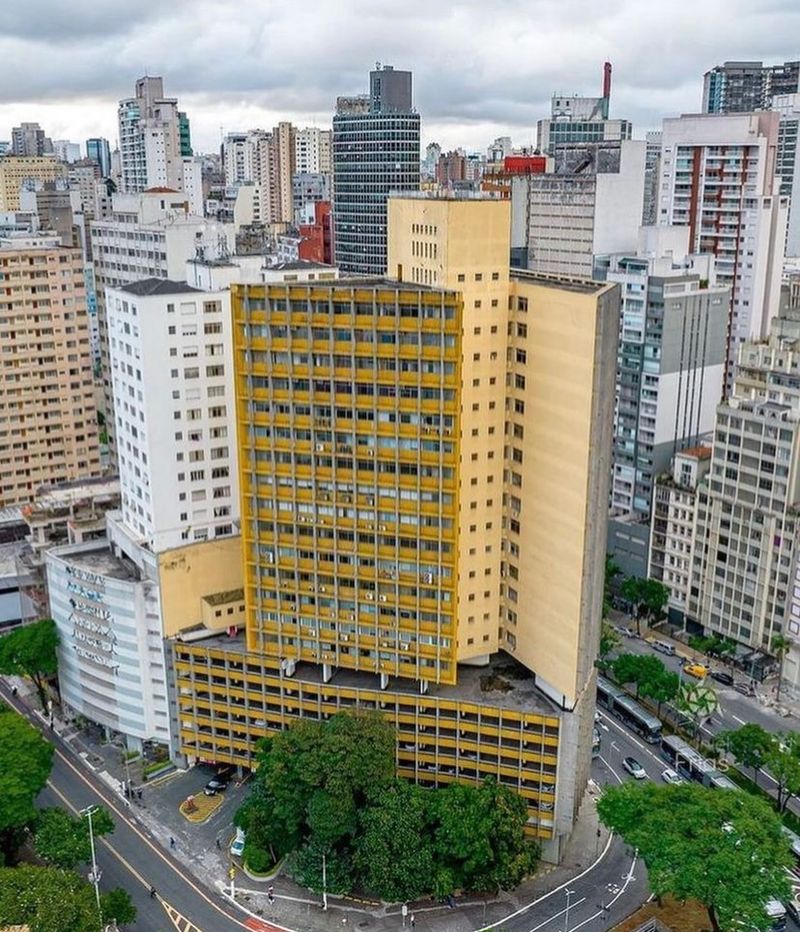
On February 1, 1974, a fire broke out on the 11th floor of the Joelma Building in Sao Paulo and spread with terrifying speed. By the time it was extinguished, 179 people had lost their lives, many of them trapped on the upper floors with no way to escape.
The disaster became one of the deadliest building fires in Brazilian history and left a permanent mark on the city’s memory.
In the years that followed, workers and visitors to the building began reporting strange experiences. Elevators moving on their own, the smell of smoke in rooms where nothing was burning, and shadowy figures seen on the floors most affected by the original fire became recurring stories.
The building was renamed Edificio Praiano in an attempt to distance it from the tragedy, but the ghost stories followed regardless.
The Joelma Building is still an active commercial building, not a traditional tourist attraction. However, it remains one of Sao Paulo’s most talked-about paranormal locations and a sobering reminder of the 1974 disaster.
12. Panteon Nacional – Caracas, Venezuela
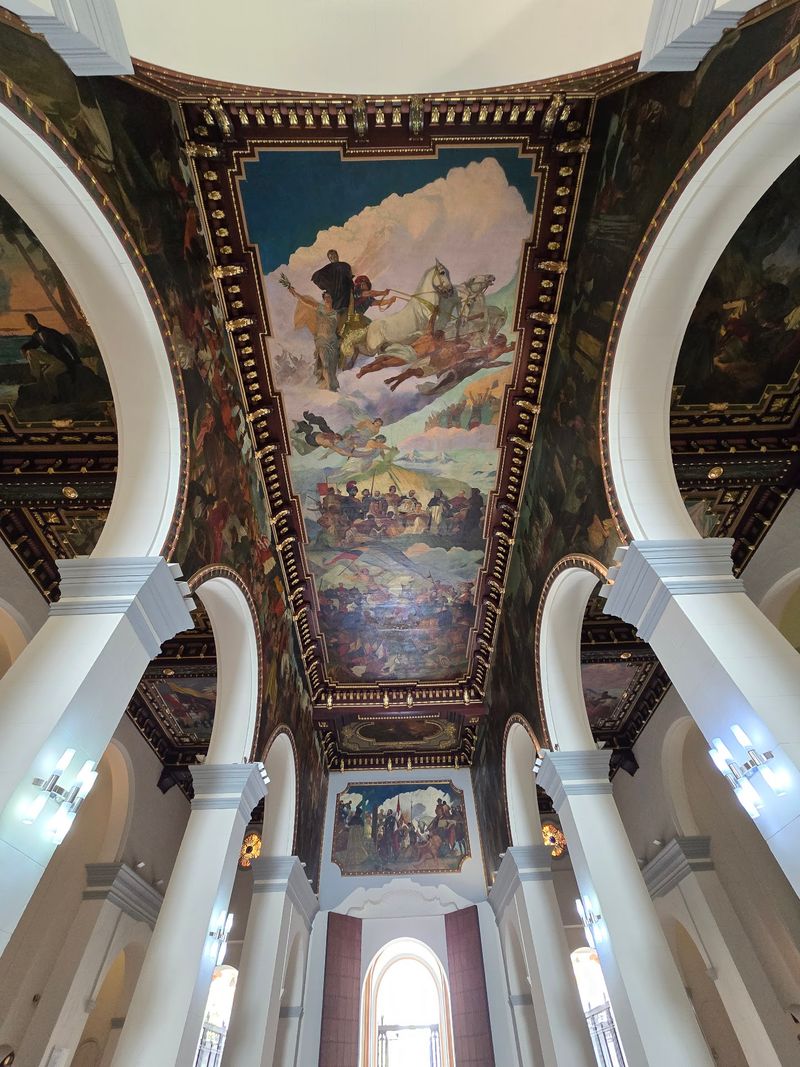
Built originally as a church in the 18th century, the Panteon Nacional in Caracas was converted in 1874 into a monument dedicated to Venezuela’s most important historical figures. Simon Bolivar, the liberator of much of South America, rests here in a bronze sarcophagus surrounded by marble, gold, and the flags of the nations he helped free.
For a building meant to honor the great and the celebrated, the Panteon Nacional has attracted its share of supernatural stories. Guards who have worked overnight shifts describe hearing footsteps echoing through the empty marble halls, seeing lights flicker near certain tombs, and feeling a strong presence in the central nave that is difficult to explain away.
Some believe the weight of so much national history concentrated in one place simply cannot rest quietly.
The Panteon Nacional is open to visitors and admission is free. Seeing Bolivar’s tomb in person is a moving experience, and the building’s grand interior makes the visit worthwhile entirely on its own terms.
Share this story