Workplace stress is a bigger problem across Europe than many people realize, even in countries famous for good pay, long vacations, and strong worker protections. A 2026 Gallup report found that 39% of European employees felt stressed during much of the previous day, just one point below the global average.
Some countries sit far above that figure, with Greece topping the list at a striking 61%. Whether you work in a sunny Mediterranean office or a sleek Nordic building, the pressure of the workday follows you everywhere.
Greece – 61%
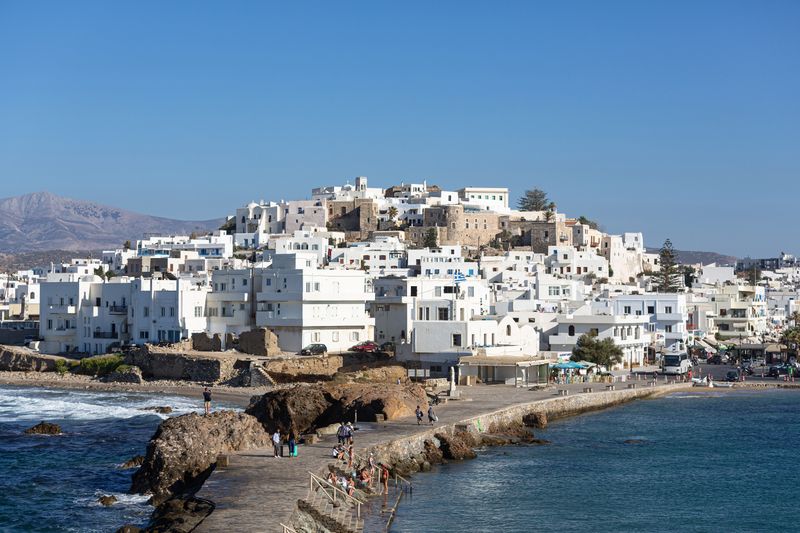
Greece holds the unwanted crown as the most stressed workforce in Europe, with 61% of employees reporting significant daily stress. That number sits a massive 22 percentage points above Europe’s average, which is not a small gap.
The figure also crept up from 59% in the previous measurement period, meaning things are trending in the wrong direction.
What makes this especially striking is that only about one-third of Greek employees were classified as thriving in their overall lives. That paints a picture of workers who are under real, consistent pressure day after day.
Gallup’s survey captures actual emotional experience from the previous day, not guesses or assumptions.
The data alone cannot point to a single villain, whether wages, long hours, or economic uncertainty. Greece has faced serious financial turbulence over the past decade, and those ripples clearly reach the workplace.
Whatever the mix of causes, the numbers tell a clear story: Greek workers are carrying a heavy load.
Malta – 57%
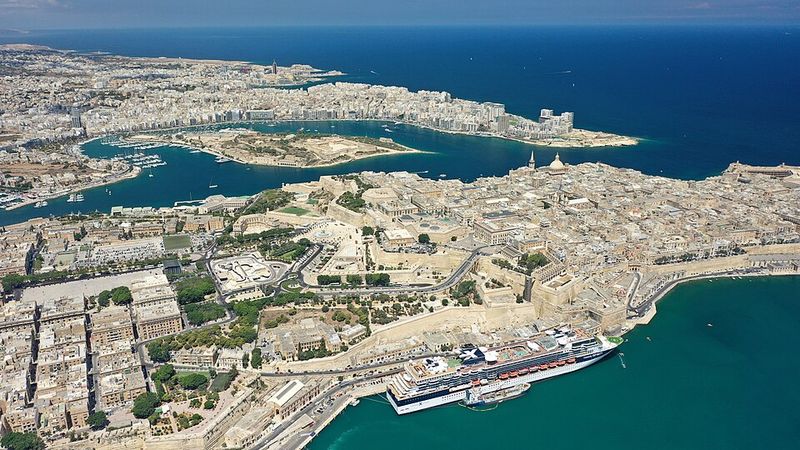
Malta packs a lot of pressure into a very small island. Gallup found that 57% of Maltese employees experienced substantial daily stress, placing the country nearly 20 points above Europe’s average.
The figure dipped slightly from 58% in the prior period, but that is barely a sigh of relief.
What makes Malta’s case genuinely fascinating is the backdrop. The island’s economy has transformed rapidly, with international workers flooding in and industries shifting at a fast pace.
That kind of economic energy sounds exciting from the outside, but for workers on the ground it can feel relentless.
Gallup also found that 22% of Maltese employees experienced anger during much of the previous day. Anger and stress together are a rough combination, suggesting that frustration is baked into the daily routine for many workers.
Malta proves that a warm climate and a booming economy do not automatically translate into a calm, manageable workday.
Cyprus – 56%
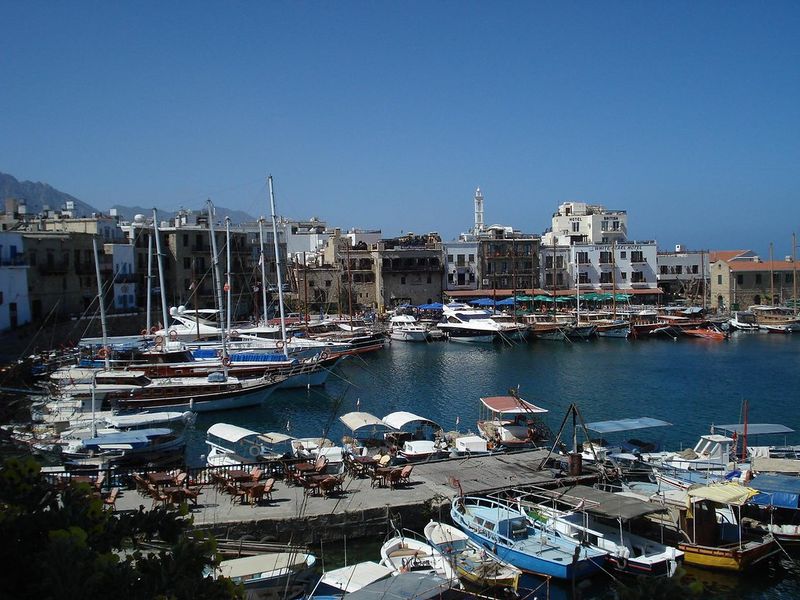
Cyprus sits at 56%, unchanged from the previous rolling period and comfortably above both the European and global averages. Consistency is usually a good thing, but not when the number being consistent is this high.
The figure has stayed stubbornly elevated despite economic shifts on the island.
Historical context adds a layer of surprise here. Cyprus actually reported stress levels above 60% during parts of the mid-2010s, meaning the country has been wrestling with this issue for a long time.
It dipped for a while before climbing back toward current levels, showing a stubborn pattern.
There is a curious twist in the data: 68% of Cypriot employees said it was a good time to find a job in their area, one of the more optimistic readings in Europe. So workers feel the job market is healthy, yet stress remains very high.
That combination suggests the pressure is not about job scarcity but about something happening inside the workplace itself.
Italy – 51%
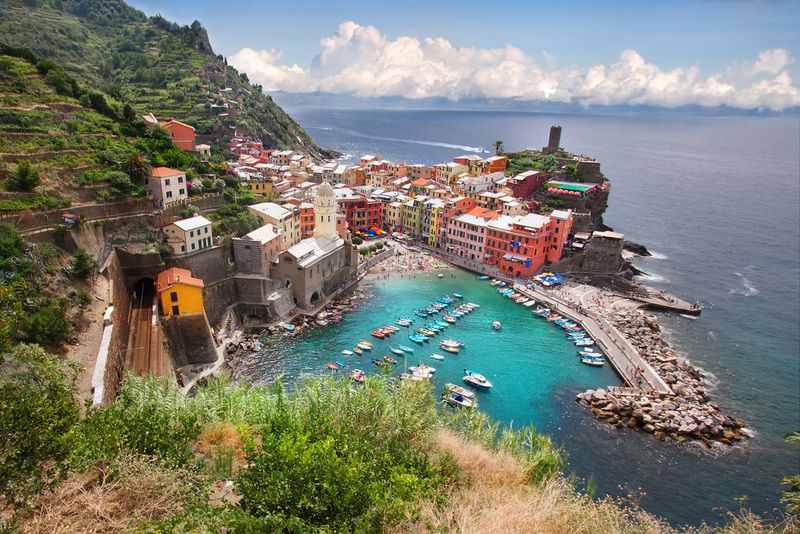
Just crossing the 50% mark, Italy lands in a zone where more than half of workers are feeling the squeeze on any given day. Gallup recorded 51% of Italian employees reporting significant daily stress, a two-point jump from the previous rolling average.
That upward tick matters because it continues a climb that began after the pandemic years.
Italy’s stress history has been bumpy. Levels reached the upper 50s before the pandemic, fell during the early 2020s, and are now heading north again.
The pattern suggests that whatever relief workers felt during that quieter period is fading fast.
One thing worth understanding about Gallup’s method: it asks people how they felt the previous day. That approach captures real, lived experience rather than relying on assumptions about Italy’s famous work culture or siesta stereotypes.
The data says more than half of Italian workers are genuinely stressed on a typical day, and that deserves to be taken seriously regardless of any cultural cliches.
Portugal – 47%
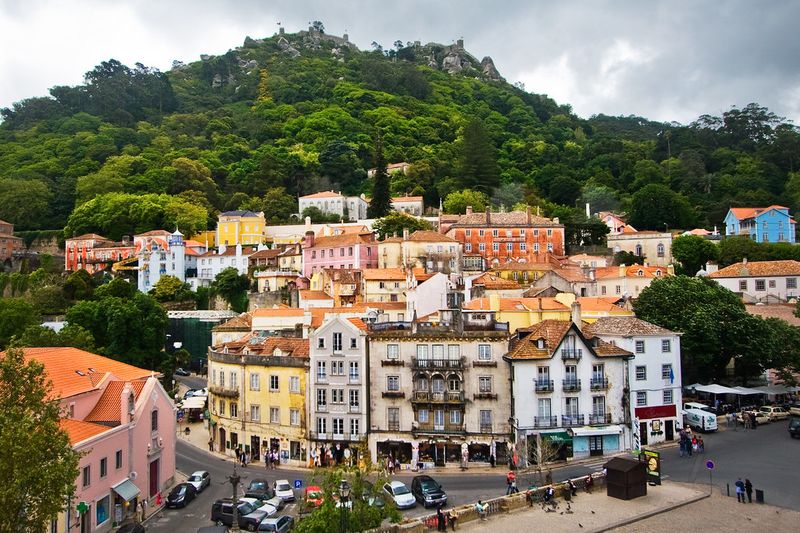
Portugal’s beaches and laid-back tourism reputation can be seriously misleading when you look at the actual data. Gallup found that 47% of Portuguese employees experienced stress during much of the previous day, a full eight points above Europe’s average.
That number also jumped four points from the previous rolling period.
Portugal’s stress history has moved in waves. It exceeded 50% during parts of the 2010s, dropped during the early 2020s, and has recently been climbing again.
Workers who may have caught a brief breather are feeling the pressure return. Only 39% of Portuguese employees were categorized as thriving overall, which is a notably low figure.
The gap between how outsiders see Portugal and how workers actually experience it is worth noting. Millions of tourists visit every year and fall in love with the place.
But for the people clocking in every morning, the daily grind tells a different story. A beautiful country and a stressful workday are not mutually exclusive, and Portugal proves that point clearly.
United Kingdom – 46%
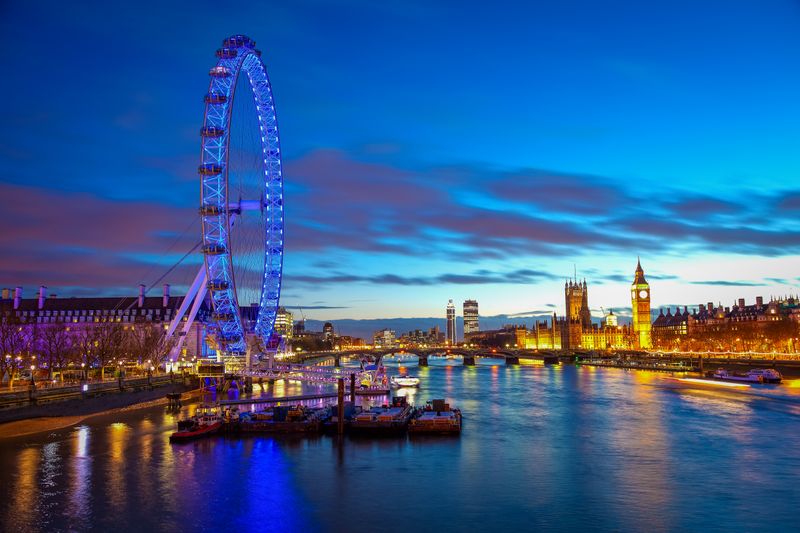
The United Kingdom posted one of the sharpest recent increases in Gallup’s European dataset. A total of 46% of UK employees reported substantial daily stress, up five points from the previous rolling level of 41%.
That puts Britain seven points above the European average and at its highest recorded level in the Gallup series going back to at least 2010.
What makes this rise particularly eye-catching is where it came from. The UK stress figure had actually fallen to 38% in 2022, a relatively calm reading.
Since then it has climbed steadily, erasing those gains and then some. The speed of the reversal is notable.
Gallup’s 2026 findings also offer a broader observation: globally, both hybrid workers and on-site workers who could work remotely registered 46% daily stress. That suggests flexible working arrangements are not a guaranteed fix.
For UK workers, the pressure is building regardless of where the laptop is open, and the trend line is moving in the wrong direction.
Belgium – 43%
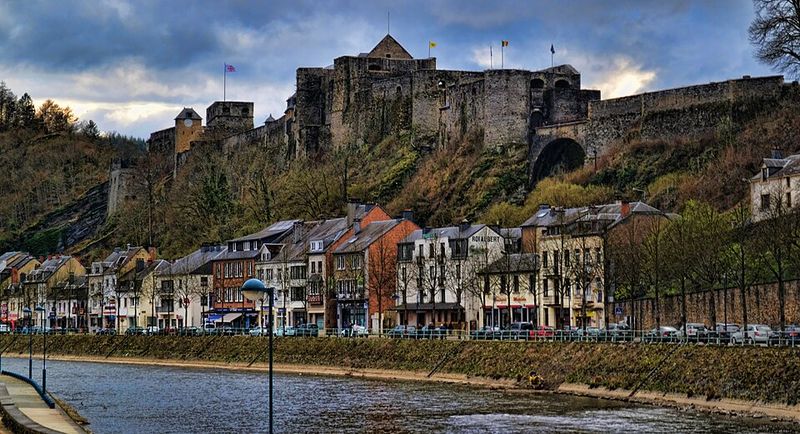
Belgium lands at 43%, four points above the European average, in a result that challenges a common assumption. Strong social safety nets, generous benefits, and relatively high wages have long been features of Belgian working life.
Yet the stress data suggest that those advantages do not automatically create a pressure-free environment.
The figure has eased slightly from 44% in the previous period, which is a small positive signal. But looking further back, Belgian workplace stress sat around one-third during the early 2010s, meaning it has climbed considerably over the past decade.
The upward drift is worth paying attention to.
Belgium actually performs well on other Gallup measures. A solid 60% of employees were classified as thriving in their overall lives, which is above the European average.
That contrast is genuinely useful: it shows that workplace stress and general life satisfaction can move independently of each other. Belgium is a good reminder that a single number never tells the whole story about a country’s workers.
Luxembourg – 43%
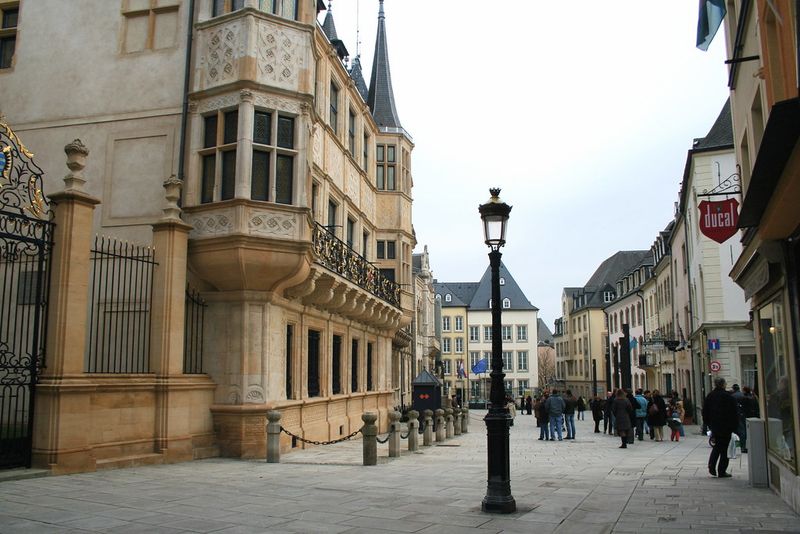
Luxembourg ties Belgium at 43%, but what makes its story stand out is how far it has already fallen. Gallup’s data show the country’s workplace stress hit a remarkable 57% in 2021.
It then dropped to 51%, then 47%, and now sits at 43%. That is real progress, even if the current level is still above Europe’s average.
The country’s economic profile makes the numbers interesting to think about. Luxembourg has some of the highest average incomes in the world and a sophisticated, internationally connected financial sector.
Yet high earnings clearly have not eliminated the kind of daily stress that Gallup’s survey picks up.
A particularly unusual feature of Luxembourg’s workforce is its large cross-border commuter population. Many workers travel in daily from France, Germany, and Belgium.
Gallup does not attribute the stress figure to that arrangement, but the sheer complexity of managing that kind of workforce adds a layer of context. About 51% of employees were classified as thriving overall, a figure that sits just above the European average.
Norway – 43%
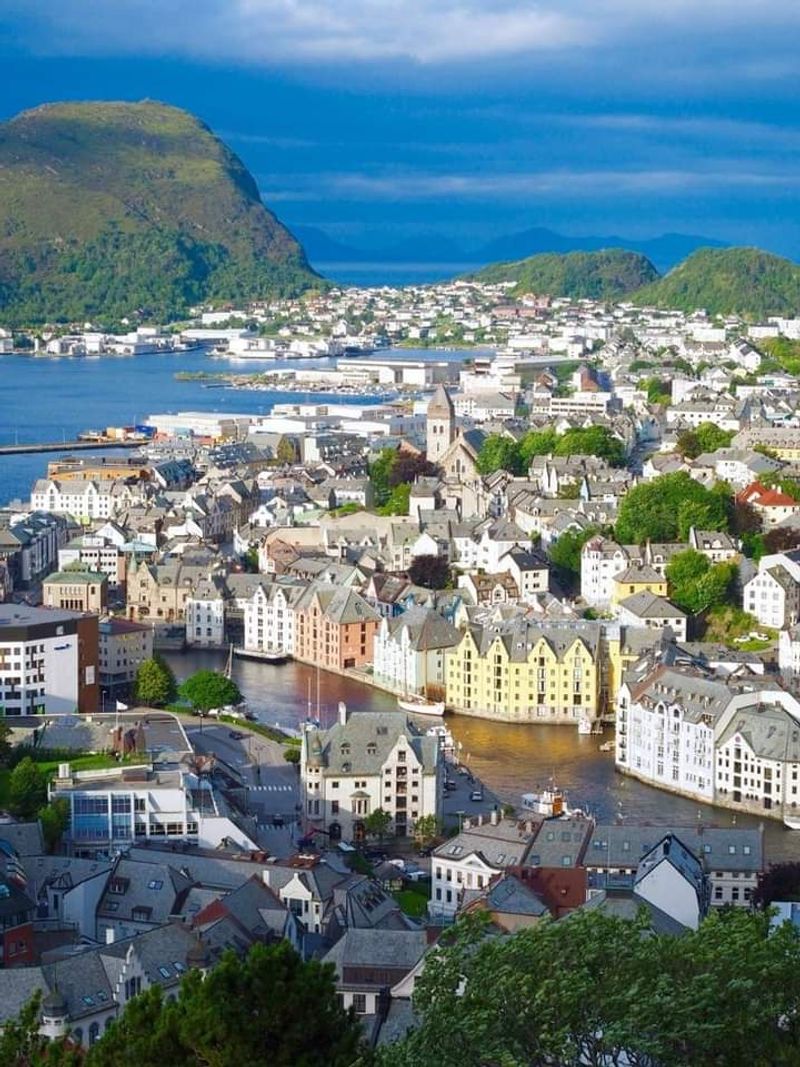
Norway is the kind of country that regularly tops global happiness and prosperity rankings, which makes a 43% workplace stress figure genuinely surprising. Four points above Europe’s average is not a catastrophic number, but for a nation with Norway’s reputation, it raises an eyebrow.
The figure has also remained stable rather than improving.
The contrast with other Gallup measures is the most interesting part of Norway’s entry. Around 68% of Norwegian employees were classified as thriving in their overall lives, a strong reading by any standard.
Yet workplace stress stayed firmly in the low 40s for more than a decade. Those two facts sitting side by side are thought-provoking.
Norway essentially dismantles the idea that a great quality of life automatically means a calm workday. Workers can feel financially secure, socially supported, and genuinely happy with their lives while still finding the office genuinely stressful.
That is a nuanced but important lesson from the Norwegian data, and it is one that policymakers in many countries would benefit from taking seriously.
Ireland – 42%
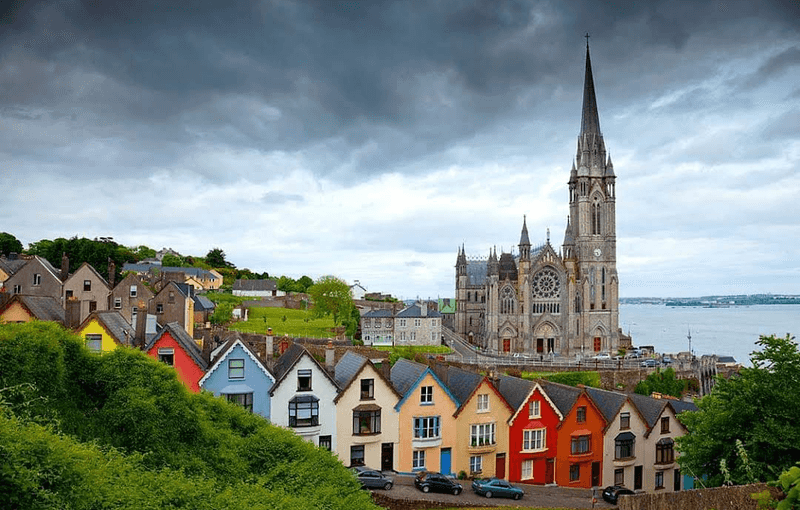
Ireland recorded 42% daily employee stress, a three-point jump from the previous rolling average that pushed the country above both the European regional rate and its own recent trend. The rise follows a period of relative calm after stress peaked at 49% around 2019 and 2020, then dropped sharply before beginning to climb again.
That up-down-up pattern is worth paying attention to. Irish workplace stress has shown it can rise and fall quickly, which suggests the workforce is sensitive to broader changes in economic conditions or workplace culture.
The current upward trajectory is a signal that conditions are tightening again.
Roughly 49% of Irish employees were classified as thriving in their overall lives, exactly matching the European average. So Ireland sits in an interesting middle ground: life satisfaction is not unusually low, but the share of workers feeling real daily stress is climbing.
The country is not in crisis territory, but the direction of travel is something worth watching carefully over the next few reporting periods.
Austria – 40%
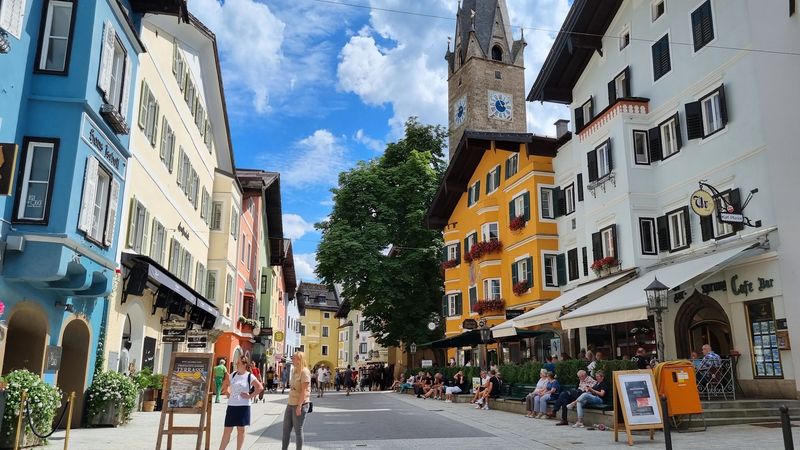
Austria clocks in at 40%, just one point above Europe’s average, which might sound reassuring until you look at the direction of travel. Gallup reports a five-point increase from the previous three-year rolling average.
That is a meaningful jump for a country that had been sitting comfortably around 35% to 36% for several years.
The sudden upward shift is what earns Austria a spot on this list. Stability in stress data is usually a neutral signal, but a five-point climb in a short period suggests something in Austrian workplaces has shifted.
Whether that reflects economic pressures, organizational changes, or broader social factors, the data do not specify.
About 48% of Austrian employees were classified as thriving overall, close to Europe’s 49% figure. Austria is statistically tied with Czechia, Iceland, and Slovenia at exactly 40%, so no single country among those four can claim to be definitively more or less stressed.
Austria appears here because of the alphabetical tiebreaker built into this list’s 13-country format, not because it outranks the others.
Czechia – 40%
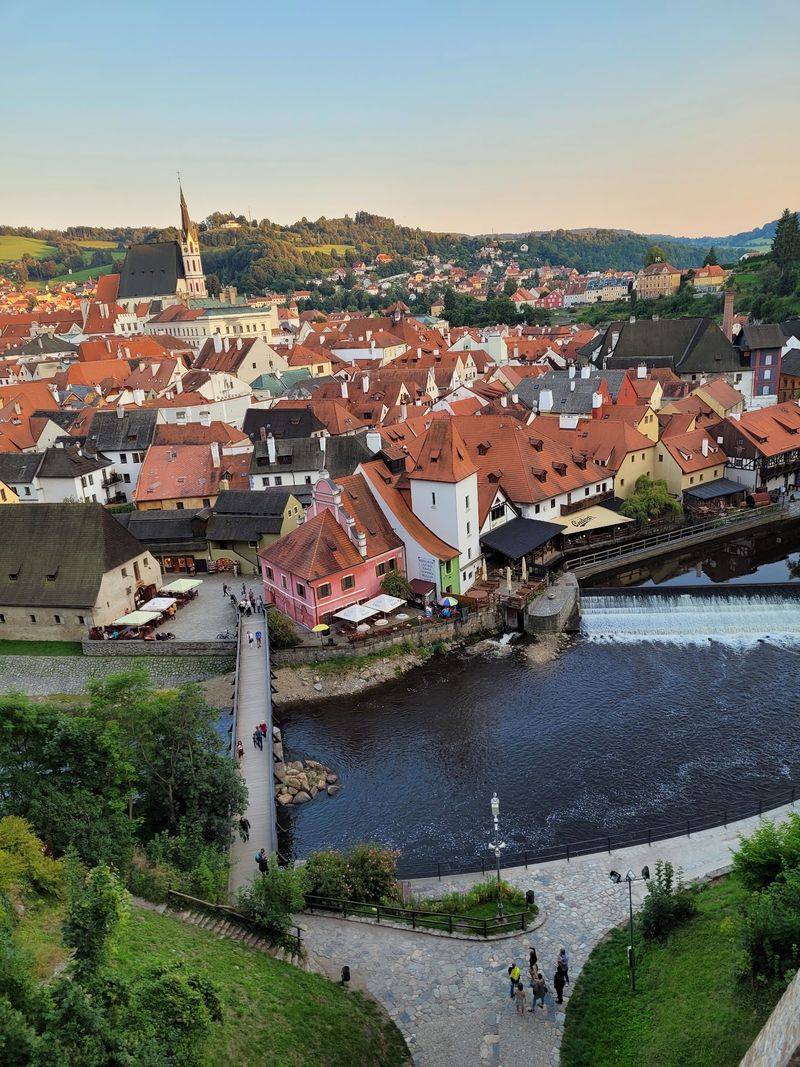
Czechia also sits at 40%, but the path that led here looks different from Austria’s sharp jump. The Czech figure has climbed gradually and steadily: from the low 30s in the late 2010s, to 37% in 2021, then 38%, 39%, and now 40% in the latest period.
That slow, consistent rise has a quiet persistence to it.
Gradual increases can sometimes fly under the radar precisely because no single year looks alarming. But when you zoom out and see a decade-long upward trend, the picture becomes clearer.
Czech workers are feeling more daily stress than they did ten years ago, and the trend has not reversed.
On the brighter side, 54% of Czech employees were classified as thriving overall, which is above the European average. That makes Czechia another example of a country where workplace stress and broader life satisfaction are moving somewhat independently.
Reading this list as a simple ranking of unhappy nations would miss the point. Czechia is largely a content country with a specific and growing workplace stress challenge worth addressing.
Iceland – 40%
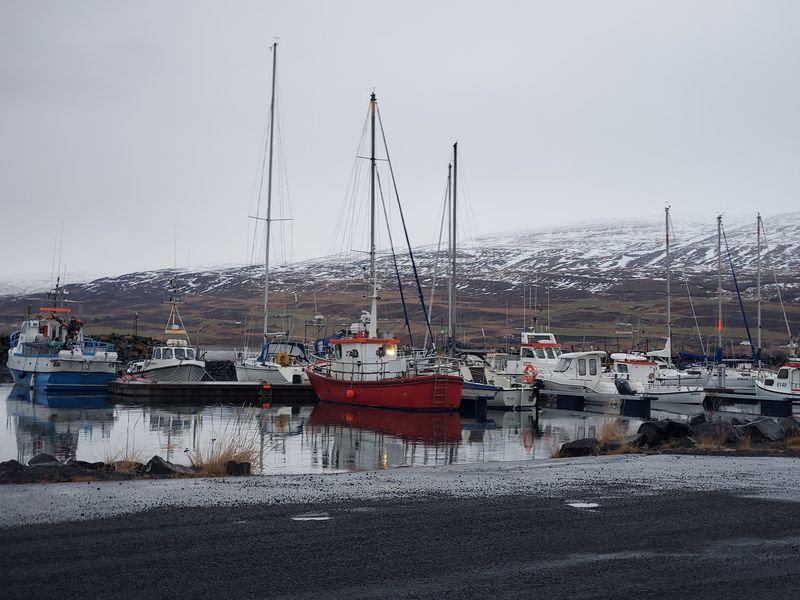
Iceland closes the list with a number that creates one of the most striking contrasts in the entire ranking. A full 78% of Icelandic employees were classified as thriving in their overall lives, one of the highest readings Gallup recorded anywhere.
Yet 40% of those same workers still reported significant daily stress. Those two facts together are genuinely startling.
The stress figure has been fairly stable recently, sitting at 37% in 2023 before rising to 40% in both 2024 and 2025. So this is not a sudden spike but a settled level that sits one point above Europe’s average.
For a country with Iceland’s quality of life credentials, even that small gap is worth discussing.
Iceland also stands out on the anger measure: only 7% of employees reported frequent anger, well below Europe’s 15% average. So Icelandic workers are stressed but not particularly angry, which is an unusual combination.
The data suggest a workforce that is broadly content with life but still finds the workday genuinely demanding. Iceland rounds out a list that proves workplace stress respects no borders and spares no reputation.
Share this story