Some foods taste completely different depending on where they come from. The soil, climate, and traditions of a region can shape a food’s flavor in ways that simply cannot be replicated anywhere else.
From creamy Italian cheeses to smoky Spanish spices, geography plays a huge role in what ends up on your plate. These 13 foods prove that where something is made matters just as much as how it is made.
1. Parmigiano Reggiano – Italy
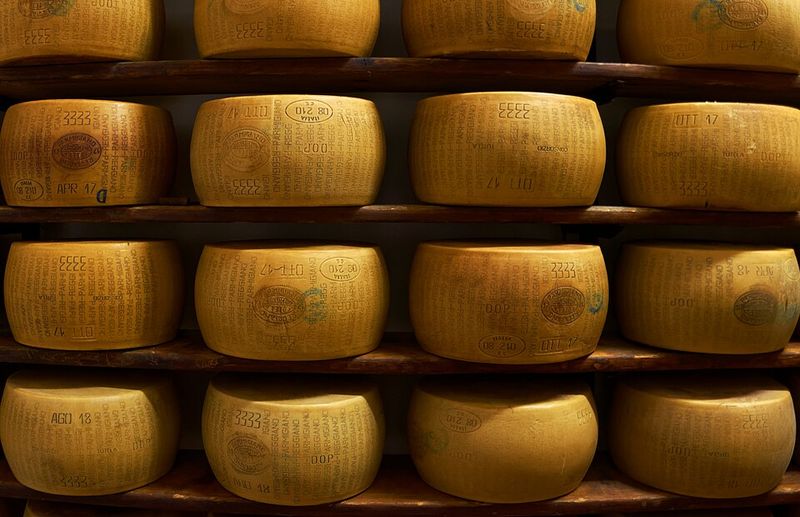
Few cheeses in the world carry as much prestige as Parmigiano Reggiano. Made exclusively in the Emilia-Romagna region of northern Italy, this hard, granular cheese has been produced the same way for nearly 900 years.
The cows that produce the milk graze on specific local grasses, giving the cheese its uniquely rich, nutty flavor.
Each wheel is aged for a minimum of 12 months, though many are aged for 24 or even 36 months. The longer it ages, the more complex and crumbly it becomes.
European Union law protects the name, meaning only cheese made in this exact region can legally be called Parmigiano Reggiano.
Imitation versions labeled “Parmesan” exist worldwide, but they simply cannot match the depth of flavor found in the real thing. If you ever spot the dotted rind, you know it is authentic.
2. Kobe Beef – Japan
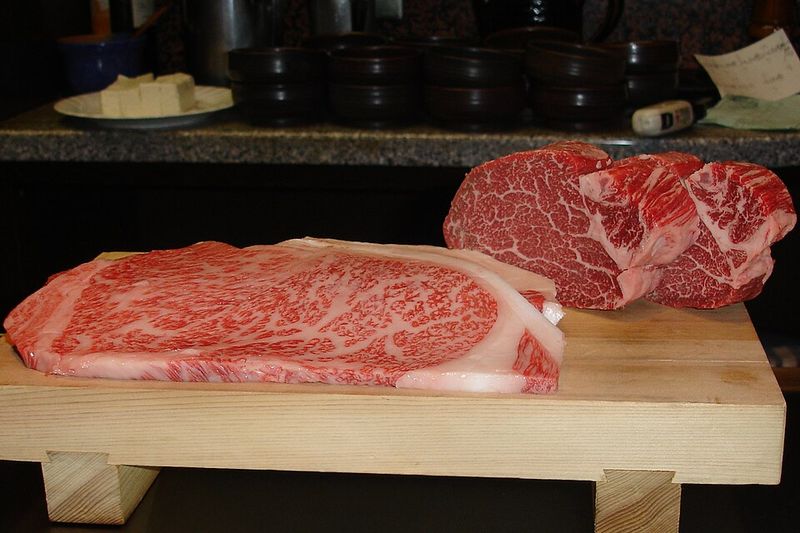
Kobe beef is perhaps the most famous meat in the world, and it earns that reputation through incredibly strict standards. It comes exclusively from Tajima-strain Wagyu cattle raised in Hyogo Prefecture, Japan.
The cattle are fed a carefully controlled diet and raised in low-stress environments, which contributes to the extraordinary marbling that makes each bite melt on your tongue.
To be certified as true Kobe beef, the meat must pass rigorous grading tests. Only a small percentage of Wagyu cattle in Japan ever qualify.
This scarcity, combined with the labor-intensive raising process, makes authentic Kobe beef extremely expensive.
Many restaurants around the world claim to serve Kobe beef, but most are using Wagyu from other regions. Japan only began exporting genuine Kobe beef in 2012, so always check certification when ordering.
The real thing is a genuinely unforgettable culinary experience.
3. Darjeeling Tea – India
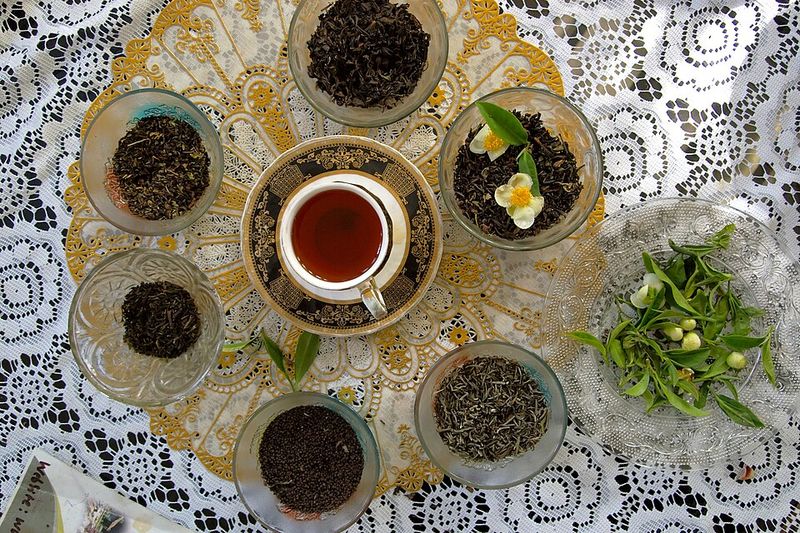
Nicknamed the “Champagne of teas,” Darjeeling tea grows in the foothills of the Himalayas in West Bengal, India. The high altitude, cool temperatures, and misty conditions create a growing environment that produces tea with a delicate, floral, and slightly muscatel flavor that cannot be found anywhere else on Earth.
There are four distinct harvests, called flushes, each producing tea with its own character. The first flush in spring is especially prized for its light, fresh taste.
True Darjeeling tea carries a Geographical Indication tag from the Indian government, protecting it from imitation products.
Unfortunately, counterfeit Darjeeling tea is a real problem. Experts estimate that several times more tea is sold under the Darjeeling label globally than is actually produced in the region each year.
Buying from certified sellers is the best way to ensure you are getting the genuine article.
4. Roquefort – France
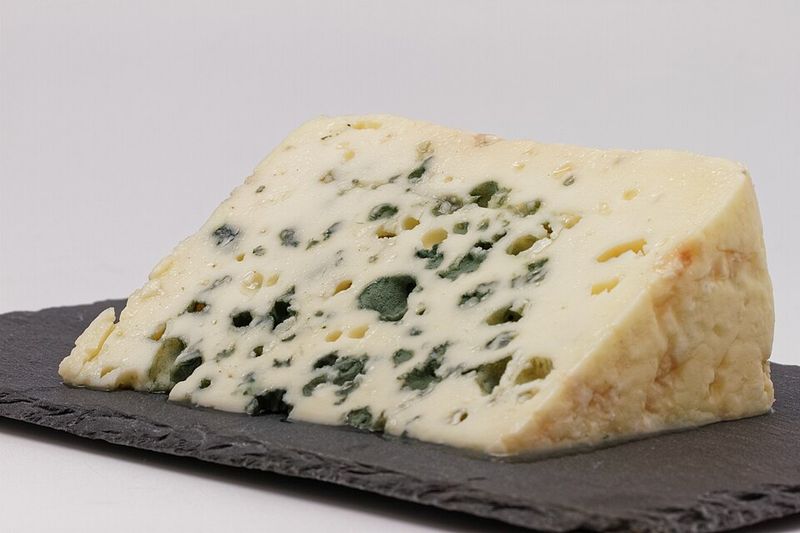
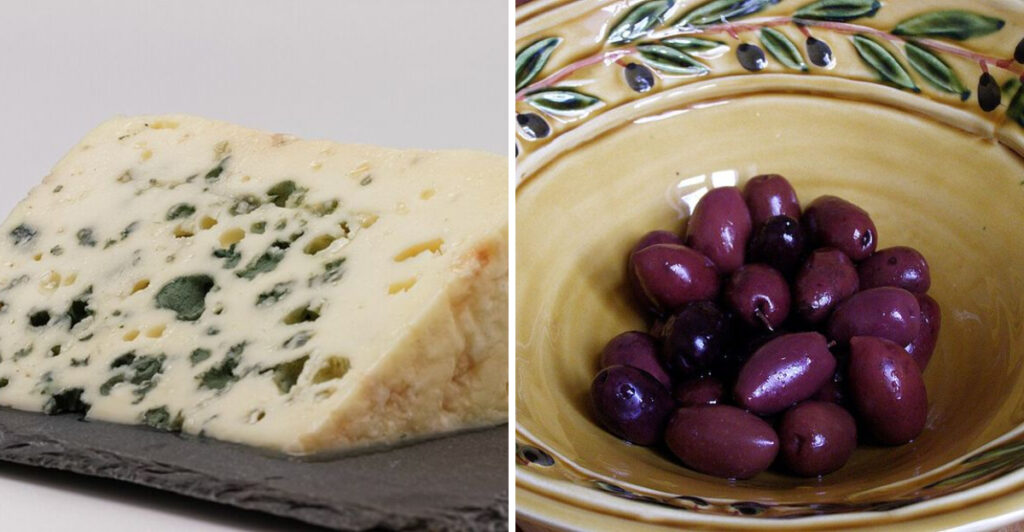
Roquefort holds a legendary status among blue cheeses, and it all starts in the caves of Combalou in southern France. Made from the raw milk of Lacaune sheep, this cheese develops its signature blue-green veins from a mold called Penicillium roqueforti, which grows naturally in those ancient limestone caves.
The flavor is bold, tangy, and unmistakably sharp.
French law dictates that only cheese aged in these specific caves can carry the Roquefort name. The caves maintain a naturally constant temperature and humidity, creating perfect conditions for the mold to thrive.
Roquefort received its first legal protection back in 1411, making it one of the earliest protected foods in history.
Pairing Roquefort with honey, walnuts, or a sweet wine balances its intensity beautifully. Many chefs consider it a cornerstone ingredient in French cuisine, and food lovers around the world seek out the real version for its unmatched complexity.
5. Prosciutto di Parma – Italy
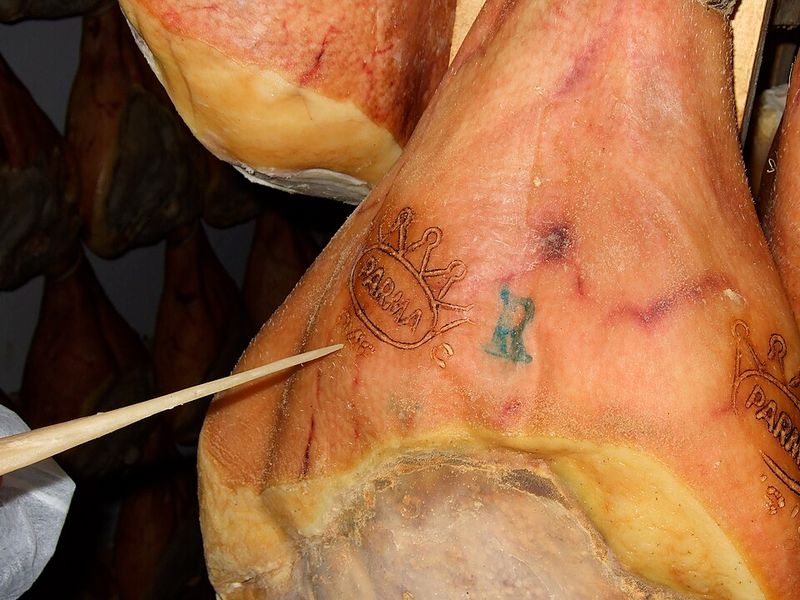
Prosciutto di Parma is a dry-cured ham that has been made in the hills around Parma, Italy, for over 2,000 years. Only pigs raised in specific regions of Italy and fed a diet that includes whey from Parmigiano Reggiano production qualify for this designation.
That unique diet contributes to the sweet, delicate flavor the ham is known for.
After slaughtering, the hams are salted and left to cure for a minimum of 12 months, sometimes much longer. The Parma air, which flows down from the Apennine Mountains, is credited with giving the ham its subtle sweetness during the curing process.
Each finished ham is stamped with the iconic five-pointed crown of Parma.
Prosciutto di Parma is protected under European Union law, so anything without that crown stamp is simply not the real product. Served thinly sliced over melon or wrapped around breadsticks, it is a taste of Italian tradition.
6. Feta – Greece
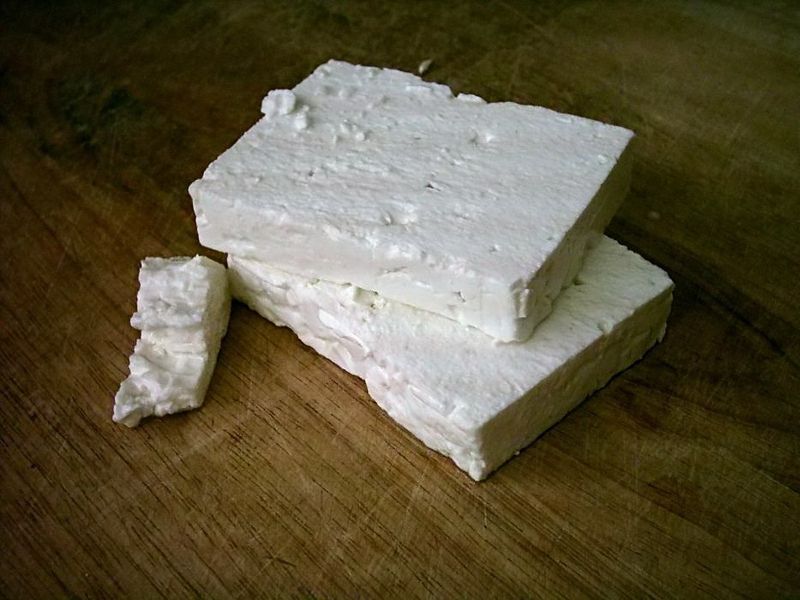
Feta is one of the oldest cheeses in recorded history, with roots stretching back thousands of years in Greece. Made from sheep’s milk, or a blend of sheep and goat’s milk, it carries a tangy, salty, and slightly crumbly character that works beautifully in salads, pastries, and dips.
The specific grasses and herbs that Greek sheep graze on directly influence the cheese’s final flavor.
After a long legal battle, the European Union granted Feta Protected Designation of Origin status in 2002. This means only cheese made in specific regions of Greece using traditional methods can legally be called Feta.
Producers in Denmark, the United States, and other countries had been making similar cheeses under the same name for decades.
Real Greek Feta is aged in brine, which gives it that distinctive saltiness. Buying imported Greek Feta from a specialty store is the most reliable way to experience the authentic version.
7. Manchego – Spain
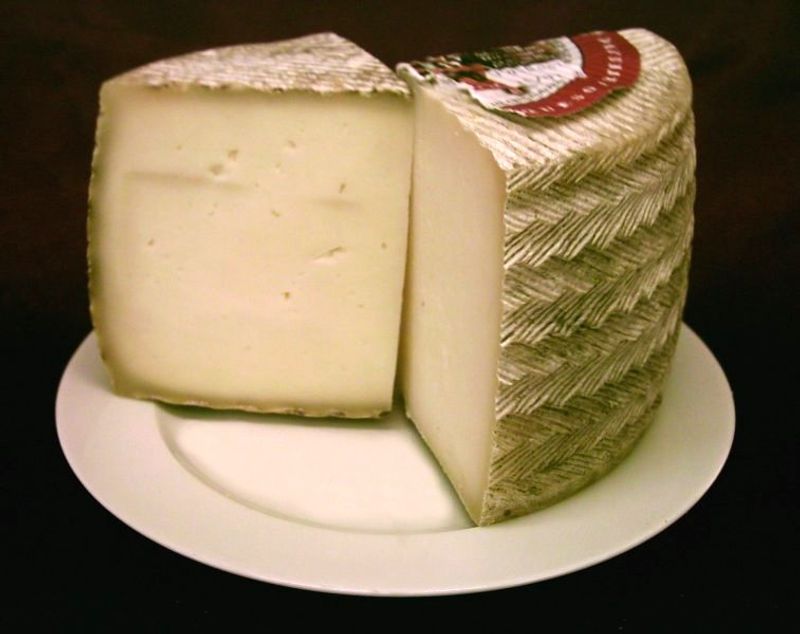
Manchego comes from the windswept plains of La Mancha in central Spain, the same landscape immortalized in the story of Don Quixote. Made from the milk of Manchega sheep, a breed native to that dry, rugged region, this cheese develops a firm texture and a rich, buttery flavor with a slightly grassy finish.
The harsh climate and sparse vegetation of La Mancha shape the milk in ways that cannot be replicated elsewhere.
Authentic Manchego carries a Protected Designation of Origin label and is aged anywhere from 60 days to over two years. Younger versions are softer and milder, while aged Manchego becomes harder and develops a more intense, almost caramel-like depth of flavor.
The distinctive zigzag pattern on the rind comes from the traditional esparto grass molds used during production.
Paired with quince paste, cured meats, or a glass of Spanish Tempranillo wine, Manchego is a centerpiece of Spanish culinary tradition that food lovers genuinely treasure.
8. Kalamata Olives – Greece
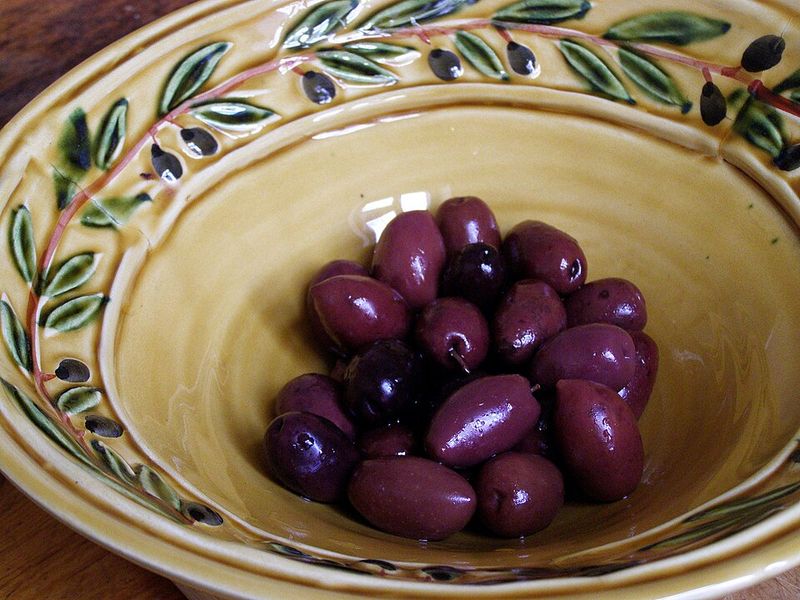
Named after the city of Kalamata in the southern Peloponnese region of Greece, these olives are instantly recognizable by their deep purple color and almond shape. The warm Mediterranean climate, fertile soil, and centuries-old Koroneiki and Kalamon olive tree varieties all contribute to a flavor profile that is rich, fruity, and slightly tangy.
Kalamata olives are always hand-harvested to prevent bruising.
After harvesting, they are traditionally cured in red wine vinegar or olive oil brine, which softens their bitterness and enhances their complex flavor. This curing process sets them apart from most commercially produced olives, which are often chemically processed to speed things up.
The European Union protects the Kalamata name under its Protected Designation of Origin system.
Generic “black olives” sold in cans are a completely different product. Real Kalamata olives have a meaty texture and bold taste that elevates any dish, from pasta to charcuterie boards to simple bread and olive oil spreads.
9. San Marzano Tomatoes – Italy
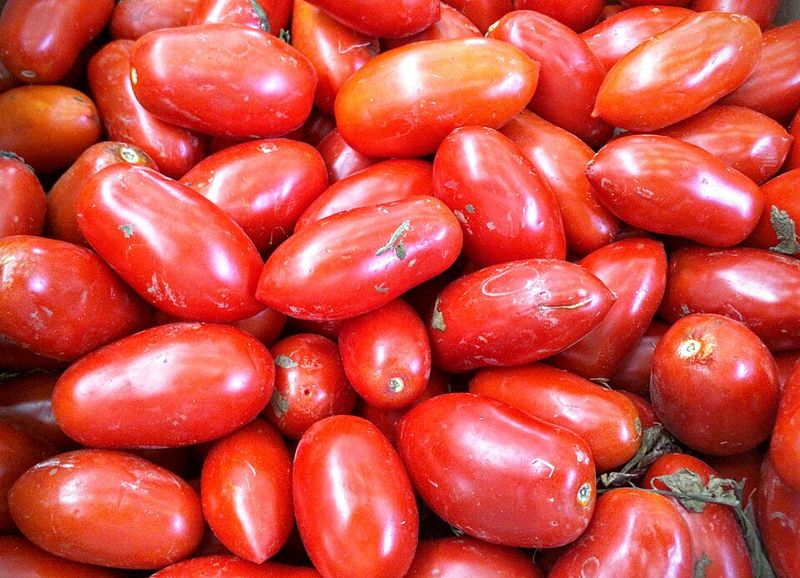
Ask any serious pizza maker or pasta chef about tomatoes, and San Marzano will come up immediately. Grown in the volcanic soil of the Agro Sarnese-Nocerino area near Mount Vesuvius in southern Italy, these elongated tomatoes benefit from the mineral-rich earth left behind by ancient eruptions.
The result is a tomato that is sweeter, less acidic, and meatier than almost any other variety.
San Marzano tomatoes have Protected Designation of Origin status, meaning only tomatoes grown in that specific area qualify for the name. Canned versions labeled D.O.P. are the real deal and are used by top pizzerias and restaurants around the world.
Imitation products are widely sold, so reading labels carefully matters.
Their low seed count and thick flesh make them ideal for sauces. A simple sauce made with genuine San Marzano tomatoes, olive oil, and basil needs very little else to taste extraordinary.
Geography truly does the heavy lifting here.
10. Mozzarella di Bufala Campana – Italy
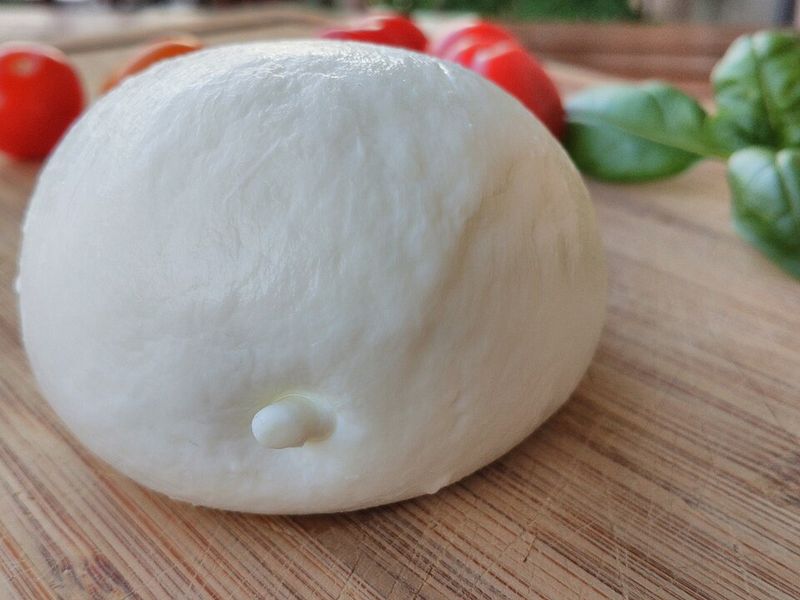
Stretchy, milky, and impossibly fresh, Mozzarella di Bufala Campana is made from the milk of water buffalo raised in the Campania and Lazio regions of southern Italy. Buffalo milk is richer in fat and protein than cow’s milk, giving this mozzarella a creamier texture and a more pronounced tangy flavor than the widely available cow’s milk version sold in most supermarkets.
The cheese has been produced in this region for centuries, and it earned Protected Designation of Origin status from the European Union in 1996. Authentic versions are made fresh daily and are best eaten within 24 to 48 hours of production.
That freshness requirement is part of why the flavor of locally purchased mozzarella in Italy is so dramatically different from what most people find on store shelves elsewhere.
Sliced over ripe tomatoes with fresh basil and extra virgin olive oil, it forms the classic Caprese salad. Few simple dishes highlight how much location affects flavor as clearly as this one does.
11. Comte – France
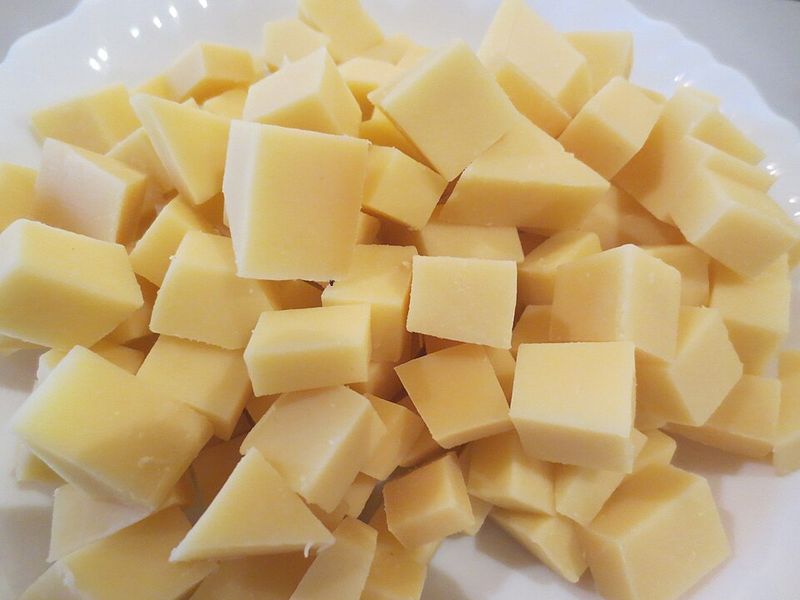
Produced in the Jura Massif mountains of eastern France, Comte is one of the country’s most beloved and widely consumed cheeses. Made from the raw milk of Montbeliarde or French Simmental cows that graze on mountain pastures, it develops a complex, nutty, and slightly sweet flavor profile that deepens with age.
The mountain grasses and wildflowers the cows eat directly influence the milk’s character throughout the seasons.
Each wheel of Comte weighs around 77 pounds and is aged for a minimum of four months, though many are matured for 18 months or more. Affineurs, the specialists who oversee aging, carefully monitor each wheel, turning and brushing them regularly.
The longer the aging, the more pronounced the crystalline texture and caramel-like notes become.
Comte earned its Appellation d’Origine Protegee status in 1952, making it one of France’s earliest officially protected cheeses. Melted into a fondue or enjoyed on a cheese board, it is a true product of its mountain homeland.
12. Pistacchio Verde di Bronte – Italy
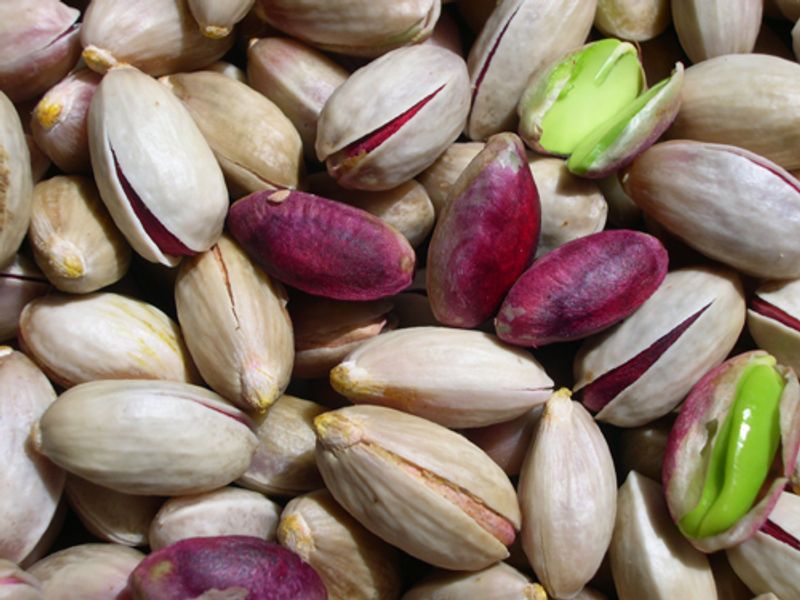
On the slopes of Mount Etna in Sicily, a small town called Bronte produces what many chefs consider the finest pistachios in the world. The volcanic soil surrounding Etna is uniquely mineral-rich, and the combination of hot summers, cool winters, and excellent drainage creates conditions that transform these pistachios into something extraordinary.
Their color is a vivid emerald green, far more intense than the pale versions found in most grocery stores.
Bronte pistachios have a sweeter, more complex flavor than ordinary pistachios, with earthy and slightly resinous undertones. They are harvested only once every two years, which concentrates the tree’s energy and enhances the nut’s quality.
This biennial harvest cycle also keeps supply limited and prices relatively high.
Chefs across Italy prize them for gelato, pesto, pastries, and savory dishes alike. Pistacchio Verde di Bronte received Protected Designation of Origin status in 2009, confirming what Sicilians have known for generations: Etna’s soil makes all the difference.
13. Pimenton de la Vera – Spain
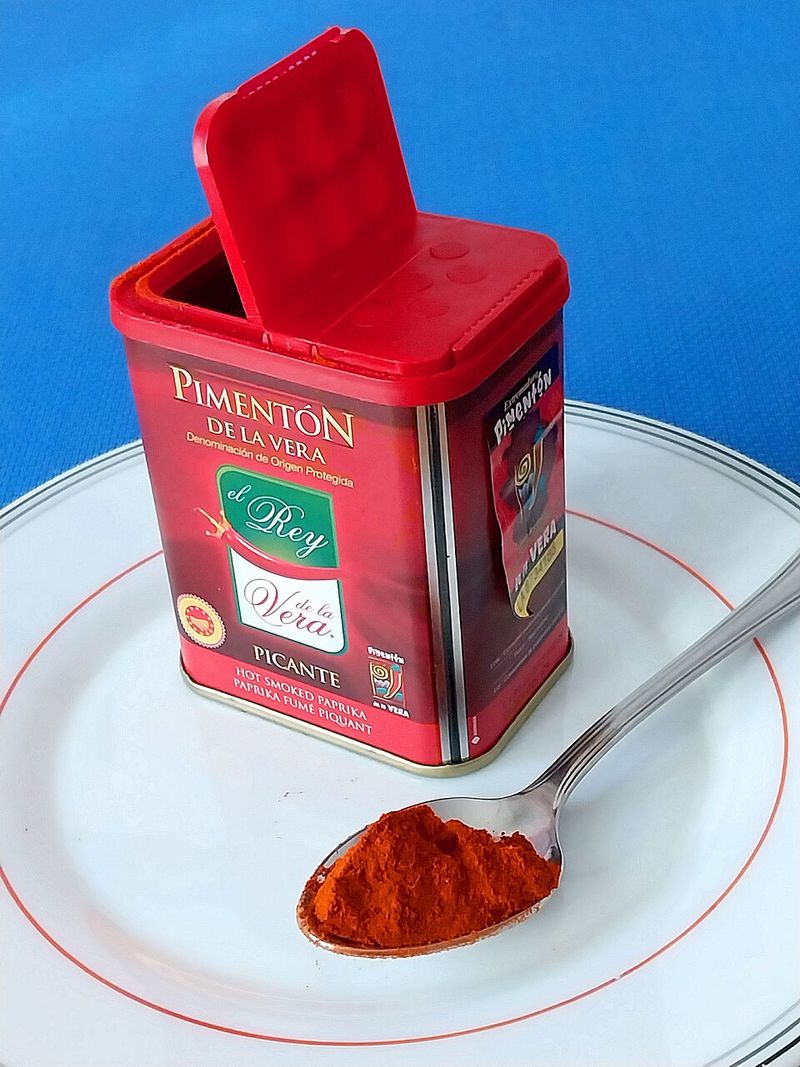
Pimenton de la Vera is a smoked paprika from the La Vera valley in Extremadura, Spain, and it carries a depth of flavor that ordinary paprika simply cannot match. The peppers used are grown locally, then slowly dried and smoked over oak wood fires for up to two weeks.
That slow smoking process is what gives this spice its distinctive, almost meaty aroma and rich, complex taste.
The valley’s unique microclimate, with its combination of mountain air and river humidity, creates ideal conditions for growing the specific pepper varieties used. La Vera paprika comes in three styles: sweet, bittersweet, and hot.
All three share that unmistakable smoky backbone that has made this spice a staple of Spanish cuisine for centuries.
Protected under European Union law since 1999, genuine Pimenton de la Vera carries a certification seal. A small pinch can transform a simple dish of potatoes, eggs, or grilled meat into something deeply satisfying and full of character.
Share this story