Polish cuisine is one of Europe’s most comforting and satisfying food traditions, built on hearty ingredients, bold flavors, and centuries of history. From slow-cooked stews to delicate pastries, Polish food reflects the warmth and resourcefulness of its people.
Whether you’re planning a trip to Poland or simply curious about Eastern European cooking, these dishes are worth knowing. Here are 14 Polish foods that deserve a spot on your must-try list.
1. Pierogi
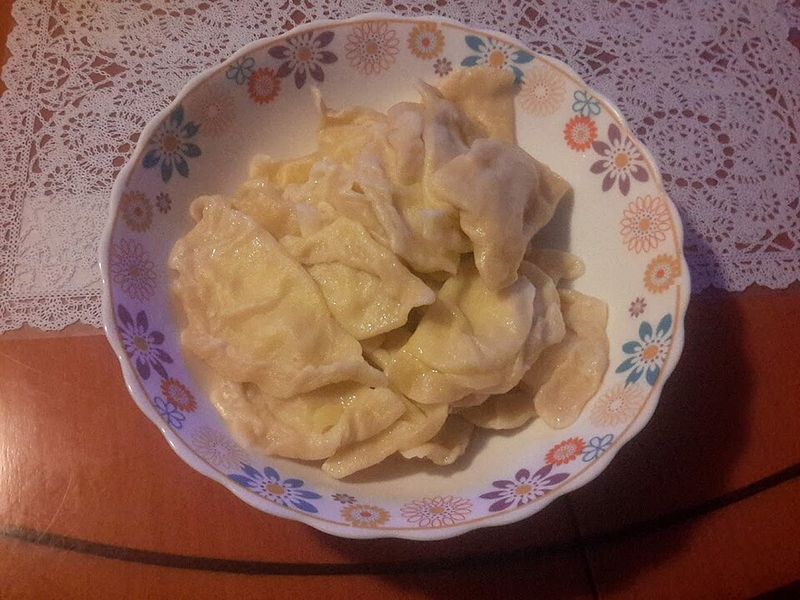
Few foods in the world carry as much comfort as a plate of freshly made pierogi. These soft, half-moon-shaped dumplings are one of Poland’s most beloved dishes, enjoyed by people of all ages across the country.
They can be boiled, pan-fried, or even baked, giving them a range of textures depending on how you prepare them.
The fillings are where things get truly exciting. Classic options include mashed potato with white cheese, seasoned ground meat, or a tangy mix of sauerkraut and mushrooms.
Sweet versions stuffed with blueberries or strawberries are popular in summer. Most families have their own secret recipe passed down through generations.
Pierogi are often served with a dollop of sour cream or topped with crispy fried onions. In Poland, they are not just food; they are a symbol of home.
Trying them once is rarely enough.
2. Bigos
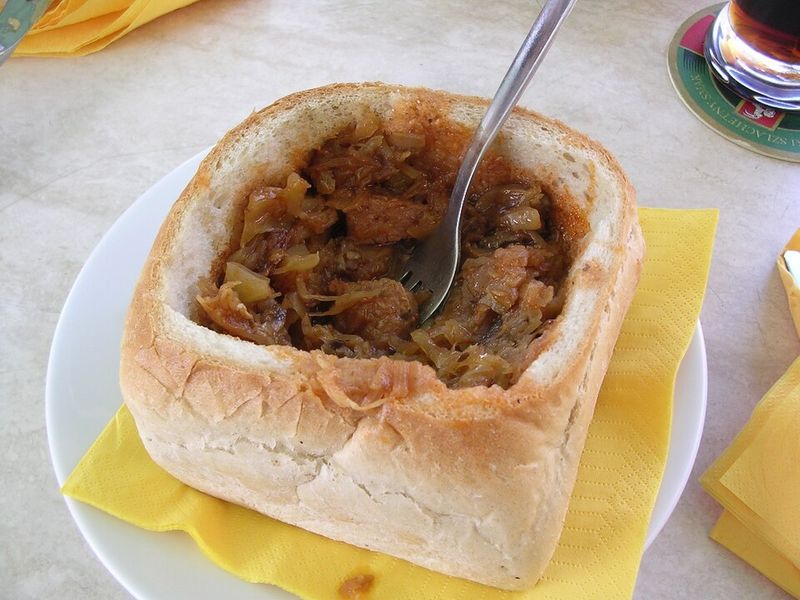
Bigos has earned its nickname as Poland’s national dish, and one spoonful tells you exactly why. This thick, hearty stew combines sauerkraut and fresh cabbage with chunks of meat, smoked sausage, dried mushrooms, and sometimes a splash of red wine.
The result is a deeply savory, tangy dish that only gets better the longer it simmers.
Traditionally called “hunter’s stew,” bigos was historically made by hunters who would cook whatever game they caught alongside preserved cabbage. Today, it is a staple at holiday tables, family gatherings, and local restaurants throughout Poland.
Many cooks insist it tastes best on the second or third day after cooking, once all the flavors have fully melded together.
Bigos is best served with a thick slice of rye bread to soak up the rich broth. Cold weather and a bowl of bigos make a perfect pair.
3. Zurek
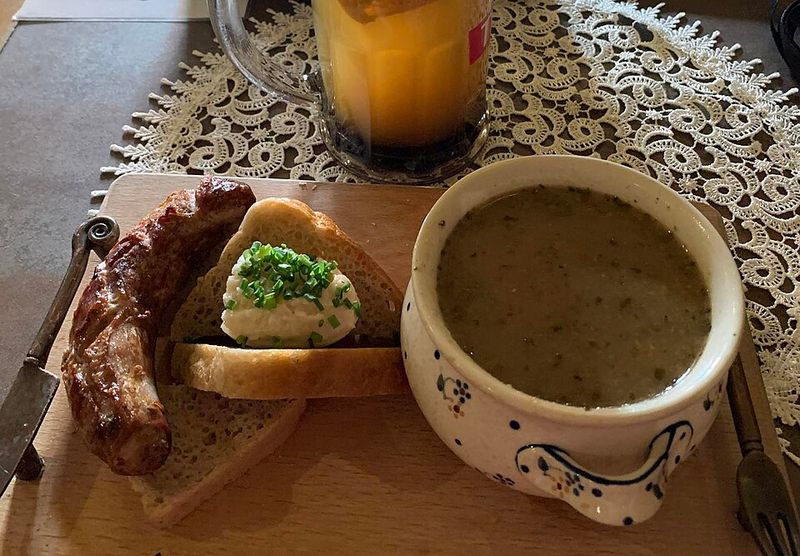
Zurek is not your average soup. Made from fermented rye flour starter, this tangy, slightly sour broth has a flavor unlike anything else in Polish cooking.
The soup base alone is bold and distinctive, but it becomes a full meal when paired with slices of white sausage and a hard-boiled egg nestled right in the bowl.
In some regions of Poland, zurek is served inside a hollowed-out round loaf of bread, which slowly soaks up the soup and becomes part of the meal itself. This tradition is especially popular during Easter, when zurek appears on nearly every Polish table alongside other festive dishes.
First-time tasters are sometimes surprised by its sourness, but that tartness is exactly what makes zurek so memorable. Paired with a little horseradish or a sprinkle of marjoram, this soup is a true Polish culinary experience worth seeking out.
4. Golabki
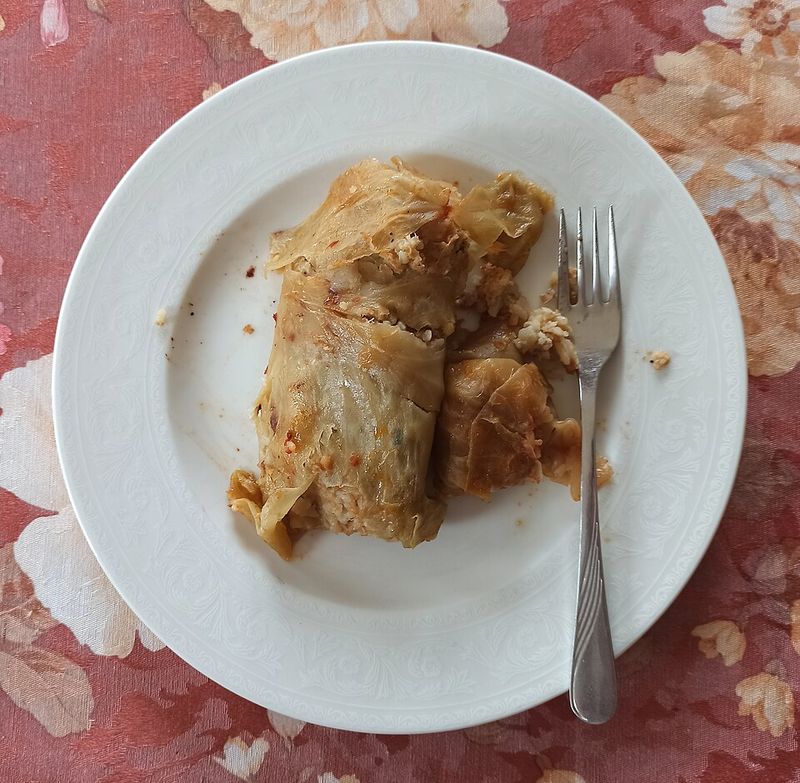
Golabki might look simple at first glance, but these stuffed cabbage rolls pack an impressive amount of flavor into every bite. Soft cabbage leaves are wrapped around a filling of minced pork or beef mixed with rice or barley groats, then simmered slowly in a tomato or mushroom-based sauce until everything becomes tender and fragrant.
The name “golabki” actually means “little pigeons” in Polish, a quirky old-fashioned term that stuck around long after the dish became a household staple. They are a classic Sunday dinner food in Poland, often made in large batches so leftovers can be enjoyed throughout the week.
Reheated golabki absorb even more sauce flavor overnight, making them arguably tastier the next day.
Each region of Poland has its own slight variation, from the type of meat used to the choice of sauce. Trying golabki is like getting a taste of Polish home cooking at its most genuine.
5. Kotlet Schabowy
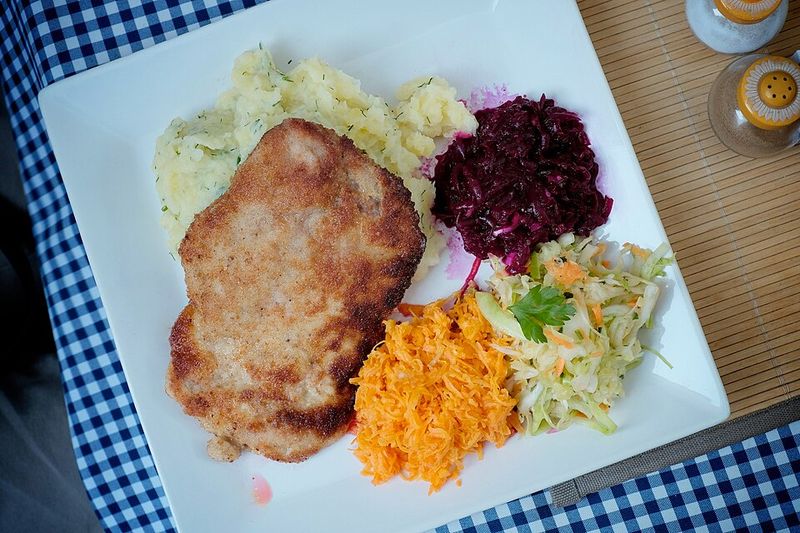
Poland’s answer to the Viennese schnitzel, kotlet schabowy is a breaded pork cutlet that has been a dinnertime favorite for generations. A thin slice of pork loin is pounded flat, coated in flour, egg, and breadcrumbs, then fried in a generous amount of oil or lard until the crust turns a deep, satisfying golden brown.
The result is crispy on the outside and juicy on the inside, with a simple seasoning of salt and pepper that lets the pork flavor shine through. It is almost always served alongside mashed potatoes and a side of pickled beet salad or cucumber salad, creating a well-rounded and filling plate.
Kotlet schabowy appears on the menu of nearly every traditional Polish restaurant and is a staple in home kitchens across the country. Its straightforward, no-fuss appeal is exactly what makes it so enduringly popular and deeply satisfying to eat.
6. Placki Ziemniaczane
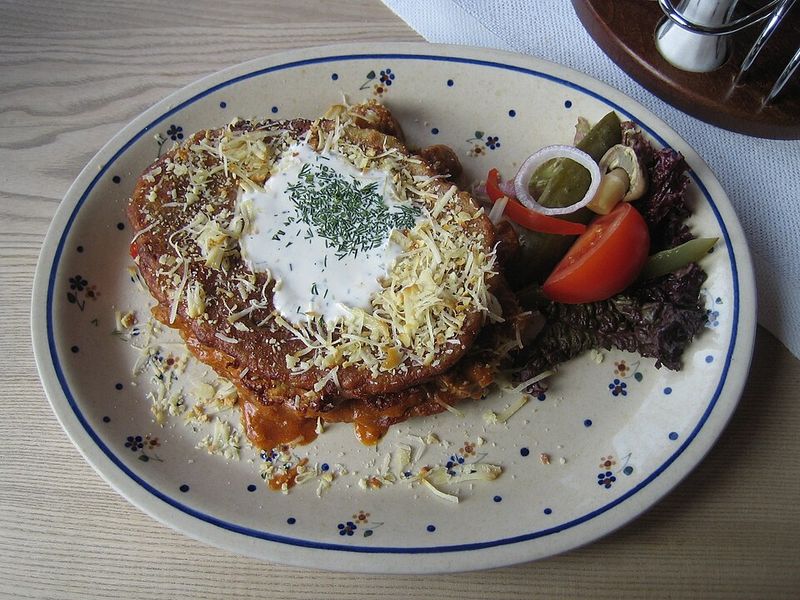
Crispy edges, a soft center, and a golden color that practically begs you to take a bite. Placki ziemniaczane, or Polish potato pancakes, are one of those simple foods that somehow manage to be deeply satisfying every single time.
Grated raw potato is mixed with egg and a little flour, then pan-fried in oil until each pancake is perfectly crunchy.
The toppings are where personal preference comes in. Many Poles enjoy them savory, topped with a spoonful of sour cream or a rich mushroom sauce.
Others prefer a sweet version dusted with sugar or spread with a little apple sauce. Both approaches are completely valid and equally delicious depending on your mood.
Street food vendors and traditional Polish restaurants alike serve placki ziemniaczane as a quick, affordable, and crowd-pleasing option. They also make a fantastic side dish.
Once you try them fresh from the pan, frozen potato pancakes will never measure up again.
7. Barszcz Czerwony
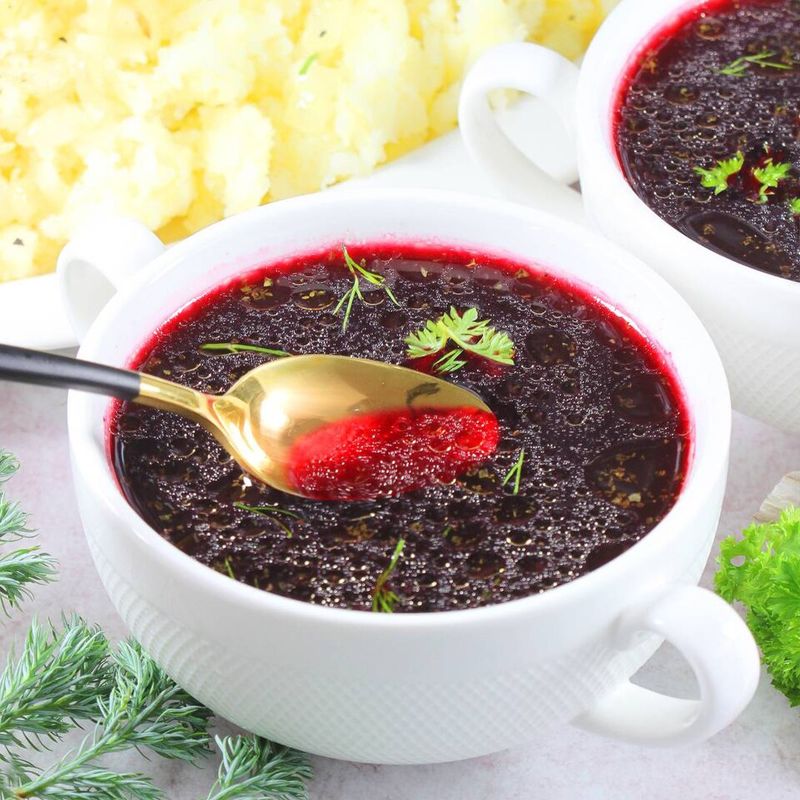
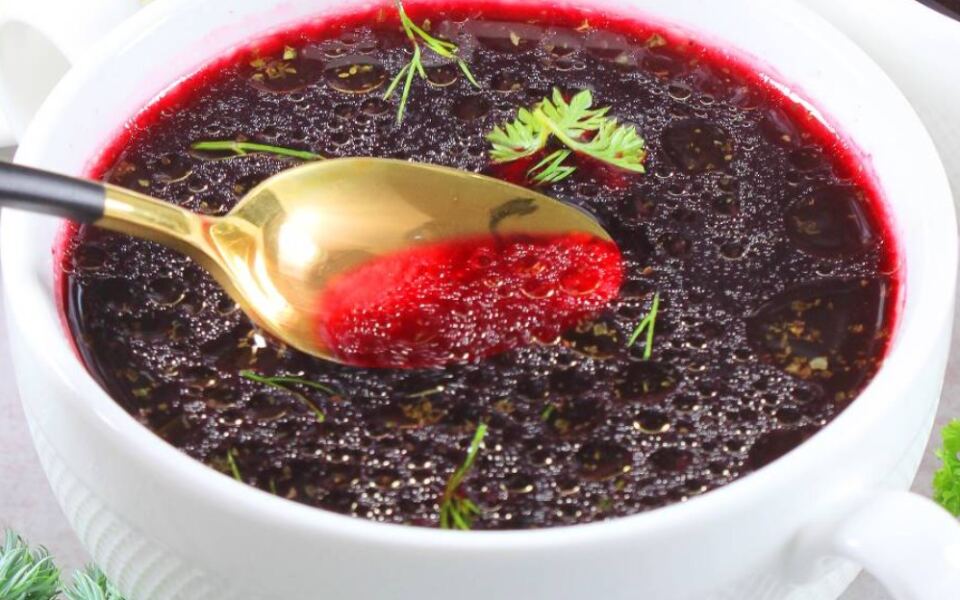
The color alone is enough to stop you in your tracks. Barszcz czerwony is a deep crimson beet soup that is as visually striking as it is flavorful.
Made from slow-cooked beets with a splash of vinegar or lemon juice for brightness, this soup has a clean, earthy sweetness balanced by a pleasant tanginess that keeps each sip interesting.
On Christmas Eve, barszcz czerwony is traditionally served as a clear broth alongside tiny dumplings called uszka, which are filled with a savory mushroom and sauerkraut mixture. The combination of the light, jewel-toned soup with the little dumplings is considered one of the most iconic bites in all of Polish cuisine.
Outside of the holiday season, barszcz is also enjoyed as a warm drink poured into a mug, especially on cold days. Its simplicity and vibrant flavor make it one of the most recognizable dishes Poland has to offer.
8. Kielbasa
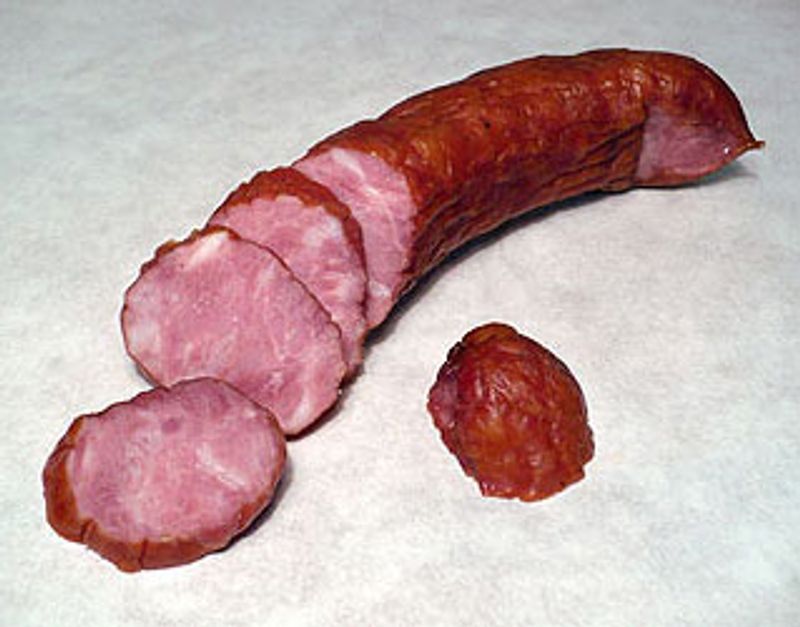
Ask any Polish person about kielbasa and you will quickly learn that it is not just one sausage; it is an entire world of sausages. Poland produces dozens of regional varieties, each with its own blend of meats, seasonings, and smoking techniques.
From the garlicky, coarsely ground kabanos to the thick, smoky wiejska sausage, there is a kielbasa for every occasion and every palate.
Kielbasa can be grilled, boiled, sliced into soups, or eaten cold with bread and mustard at a casual lunch. During outdoor festivals and market fairs in Poland, the smell of kielbasa sizzling over an open fire is practically a national scent.
It is the kind of food that brings people together around a table or a campfire.
Many Polish communities around the world, especially in the United States, have kept kielbasa-making traditions alive for generations. Tasting an authentic, freshly made Polish sausage is a completely different experience from anything found in a supermarket.
9. Oscypek
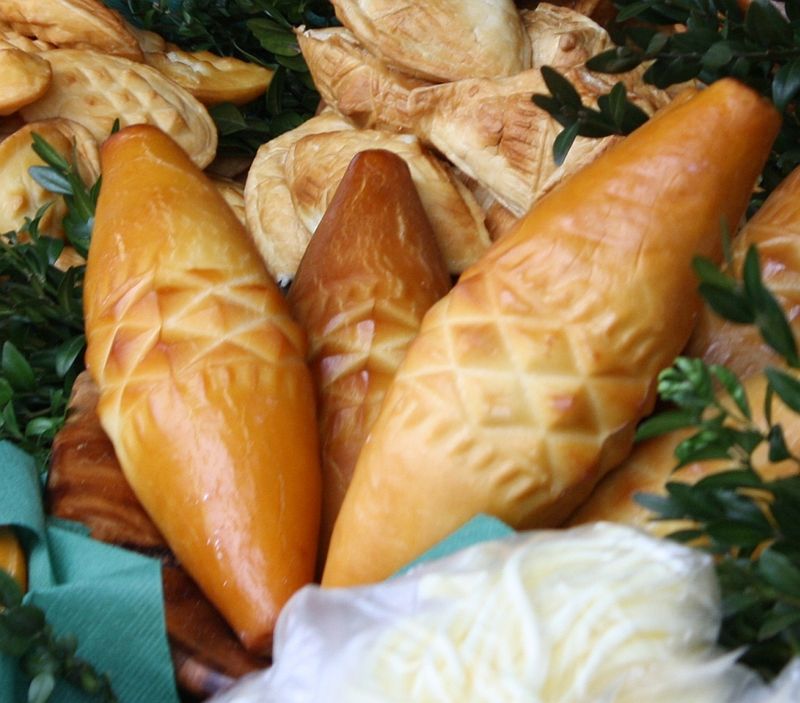
High in the Tatra Mountains of southern Poland, a centuries-old cheesemaking tradition has been kept alive by highland shepherds known as bacas. Oscypek is their masterpiece: a firm, smoked sheep’s milk cheese shaped into an oval form with intricate carved patterns pressed into its sides.
The result is as beautiful to look at as it is delicious to eat.
The flavor of oscypek is smoky, slightly salty, and rich, with a firm texture that holds up well when grilled or pan-fried. Street vendors in the mountain town of Zakopane sell warm slices topped with a spoonful of cranberry jam, and the combination of savory smoky cheese with tart fruit is genuinely wonderful.
Oscypek holds a protected designation of origin in the European Union, meaning only cheese made in the traditional way in the Tatra region can officially carry that name. Finding the real thing is an experience in itself.
10. Zapiekanka
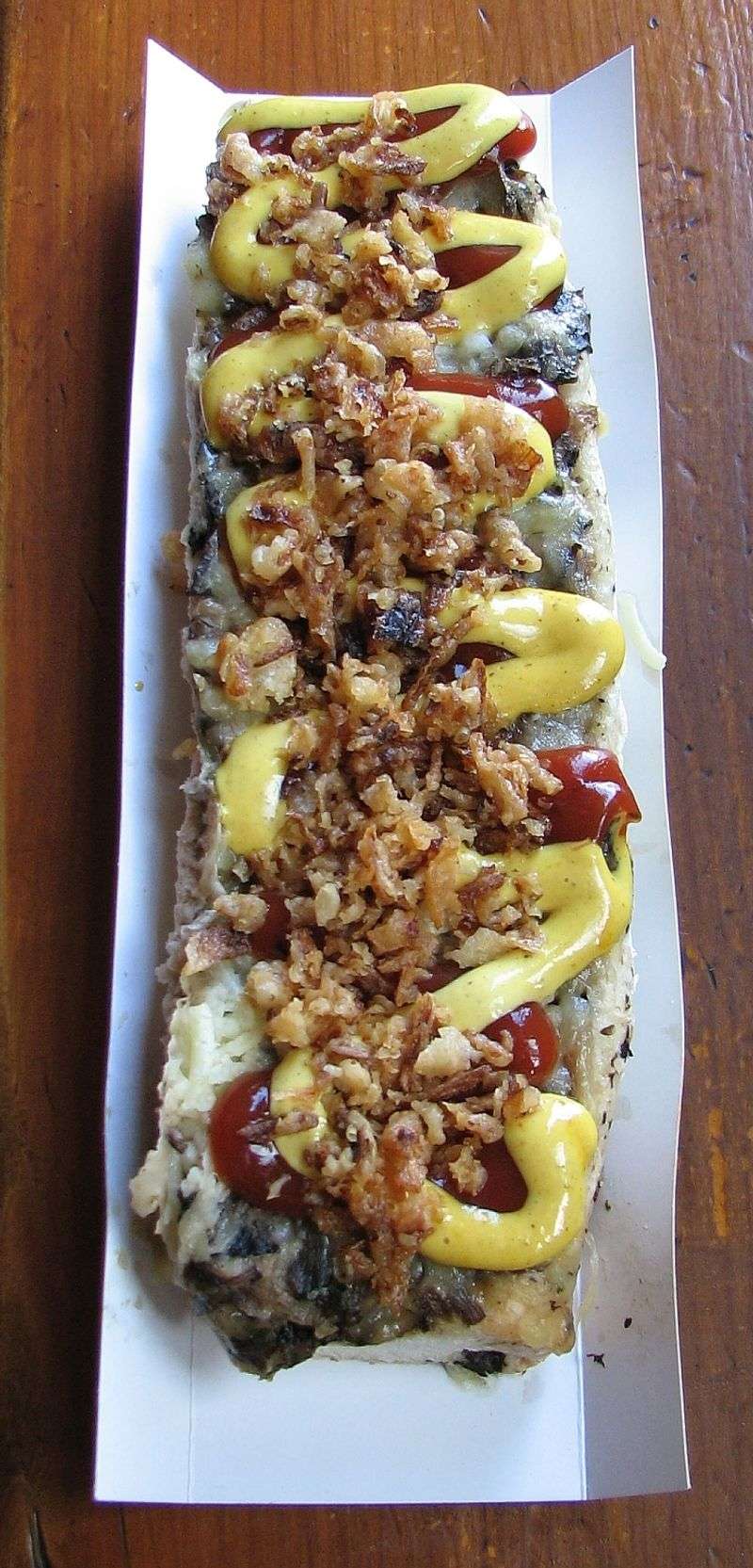
Poland’s most beloved street food is gloriously simple and unapologetically satisfying. Zapiekanka is an open-faced toasted baguette half loaded with sauteed mushrooms and melted cheese, then finished with a generous drizzle of ketchup across the top.
It sounds basic, but the combination of textures and flavors is genuinely hard to resist.
The dish became wildly popular during the communist era in Poland, when ingredients were limited but creativity in the kitchen was not. Street kiosks called “okraglak” in Krakow’s Kazimierz district became famous for their zapiekanki, and the tradition has only grown stronger over the decades.
Today, modern versions come topped with everything from pulled pork to truffle oil, though purists stick firmly to the original mushroom and cheese formula.
Grabbing a hot zapiekanka from a street vendor and eating it while walking through a Polish city is one of those small, memorable travel experiences that stays with you long after the trip ends.
11. Paczki

Once a year, on Fat Thursday, the Thursday before Lent, Poland transforms into a nation of doughnut lovers. Paczki are rich, deep-fried pastries that look like oversized doughnuts but are far more indulgent.
The dough is made with eggs, butter, sugar, and sometimes a splash of grain alcohol to keep them extra tender, then fried to a deep golden color.
The most traditional filling is rose hip jam, which gives each paczek a floral, slightly tart sweetness that balances the richness of the fried dough perfectly. Other popular fillings include prune jam, custard, and sweet cheese.
After frying, they are glazed with icing or dusted with powdered sugar and topped with a strip of candied orange peel.
On Fat Thursday alone, Poles consume an estimated 100 million paczki. Bakeries run out before noon, and lines form around the block.
Skipping paczki on Fat Thursday is considered bad luck by many Poles, which is a tradition worth adopting immediately.
12. Sernik
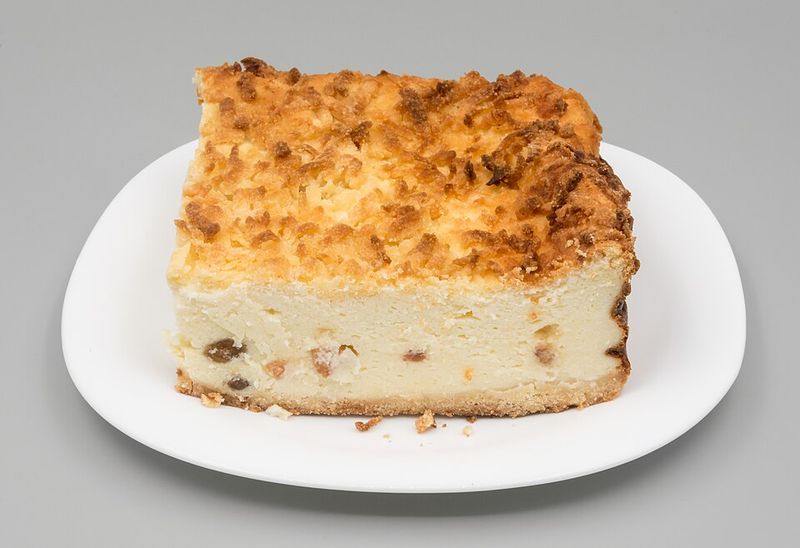
Polish cheesecake, known as sernik, is a different experience from the dense New York-style cheesecakes most people are familiar with. Instead of cream cheese, sernik is made with twarog, a fresh Polish curd cheese that gives the cake a lighter, slightly grainy texture and a clean, tangy flavor that is not overly sweet.
The batter typically includes eggs, sugar, butter, and vanilla, and the cake is baked slowly until it sets into a firm but tender slice. Some versions have a layer of pastry on the bottom, others are baked in a simple springform pan, and many are topped with a thin layer of glazed fruit, chocolate, or a dusting of powdered sugar.
Sernik is a fixture at Polish family celebrations, from birthdays to Easter Sunday dessert tables. Every grandmother seems to have her own prized recipe, and debates about whose sernik is best are taken very seriously.
It is gentle, satisfying, and completely addictive.
13. Makowiec
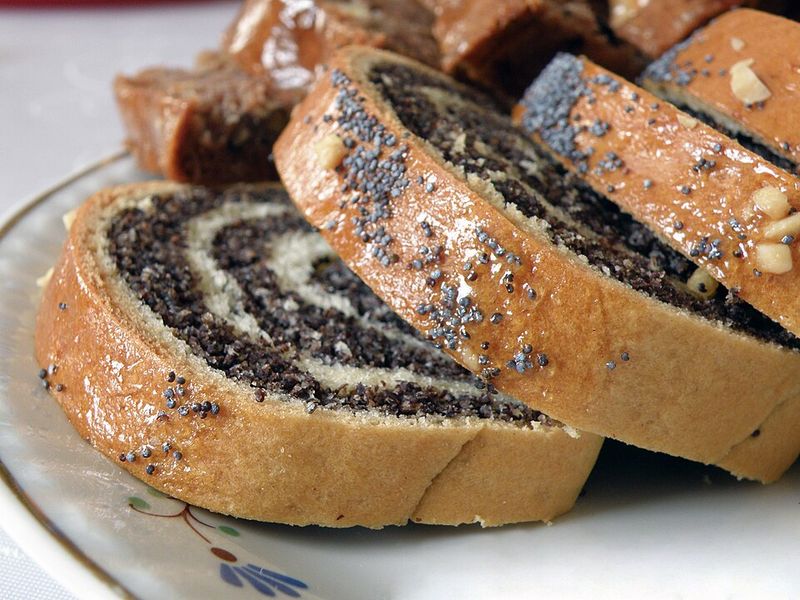
During the Christmas season in Poland, the smell of freshly baked makowiec drifting from the kitchen is one of the most nostalgic scents imaginable. This rolled yeast cake is filled with a thick, dark paste made from ground poppy seeds mixed with honey, sugar, raisins, and chopped nuts.
When the dough is rolled up around the filling and sliced, each piece reveals a beautiful dark spiral inside.
Makowiec carries symbolic meaning in Polish tradition. Poppy seeds have long been associated with prosperity and good fortune, making this cake a meaningful addition to the Christmas Eve table known as Wigilia.
Families often prepare it days in advance, and the aroma of it baking signals that the holiday season has truly arrived.
The flavor is nutty, sweet, and faintly floral, with a soft bread-like dough that complements the rich filling beautifully. Even people who think they don’t enjoy poppy seeds tend to find makowiec surprisingly irresistible after the first bite.
14. Kremowka
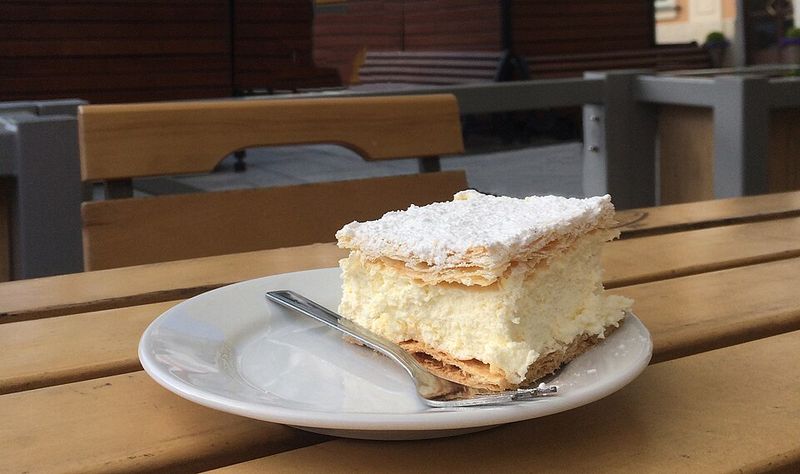
There is a reason Pope John Paul II once publicly declared his love for kremowka. This elegant pastry, also called napoleonka, consists of two layers of crisp, golden puff pastry sandwiching a thick, silky vanilla custard cream.
Each bite delivers a satisfying crunch followed by a smooth, rich filling that melts on your tongue.
The connection to Pope John Paul II is more than just trivia. He reportedly ate kremowka as a young student in the town of Wadowice, and his fond mentions of the pastry later in life turned it into a point of national pride.
Today, Wadowice has its own kremowka shops that attract visitors from across Poland and beyond.
Kremowka is widely available in Polish bakeries and cafes, often served as an afternoon treat alongside a cup of coffee or tea. Its balance of flaky pastry and creamy filling makes it one of the most satisfying desserts in all of Polish baking, full stop.
Share this story