Food does not always look the way it tastes. Some of the world’s most beloved dishes are honestly a little hard to look at, with strange colors, mushy textures, or unusual shapes that might make you think twice before taking a bite.
But looks can be very deceiving in the kitchen. Once you try these meals, you will likely wonder why you ever judged them by their appearance in the first place.
1. Stargazy Pie – England
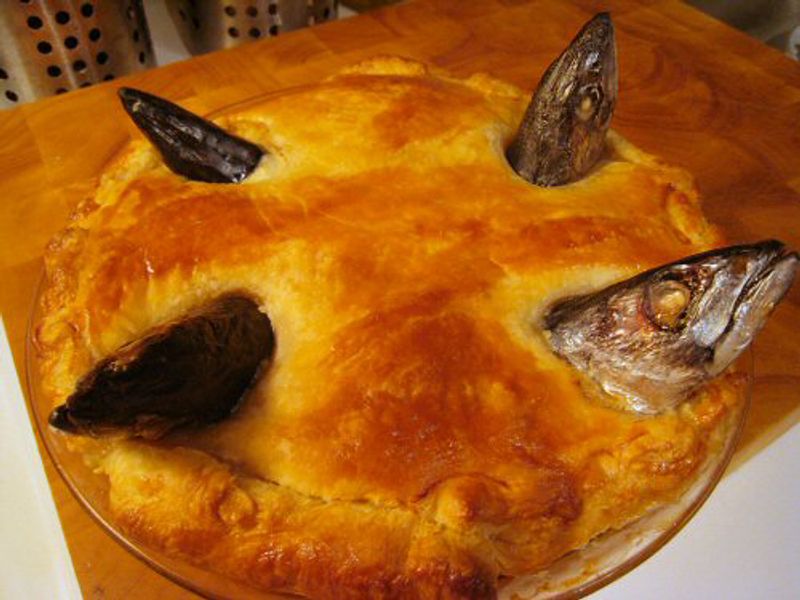
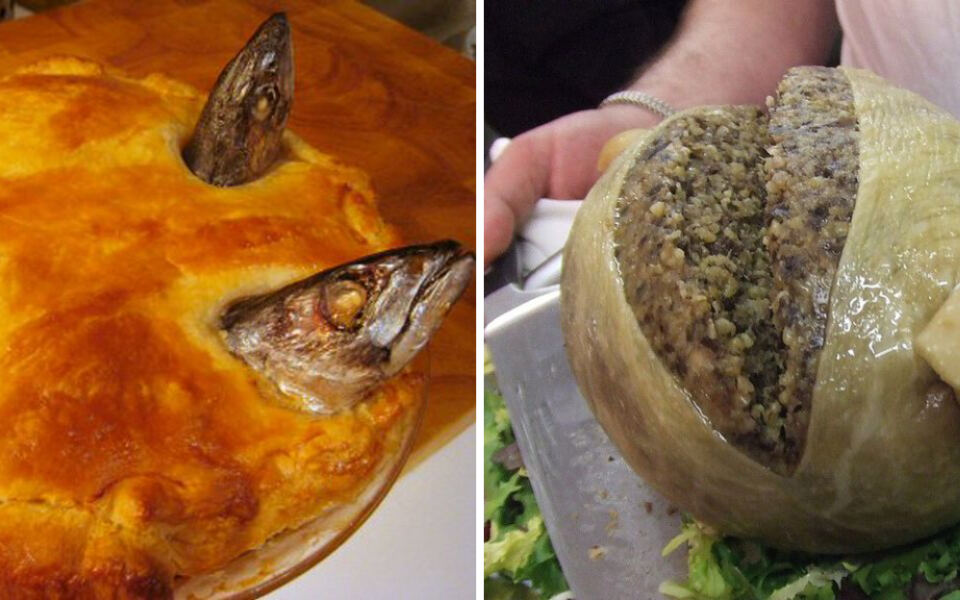
Picture a golden pie with fish heads poking out of the crust, their little eyes staring straight up at the sky. That is Stargazy Pie, a dish from the small fishing village of Mousehole in Cornwall, England.
It looks like something from a quirky fairy tale, but the flavor is warm, savory, and deeply satisfying.
The pie is traditionally filled with pilchards or sardines, along with eggs, bacon, and a creamy sauce, all tucked under a flaky pastry shell. The fish heads are left sticking out on purpose, partly for tradition and partly so the oils from the fish drain back into the filling.
Stargazy Pie is made every December 23rd to celebrate Tom Bawcock’s Eve, honoring a local fisherman who saved his village from starvation. One bite of this odd-looking pie reveals a rich, hearty meal worth every second glance.
2. Haggis – Scotland
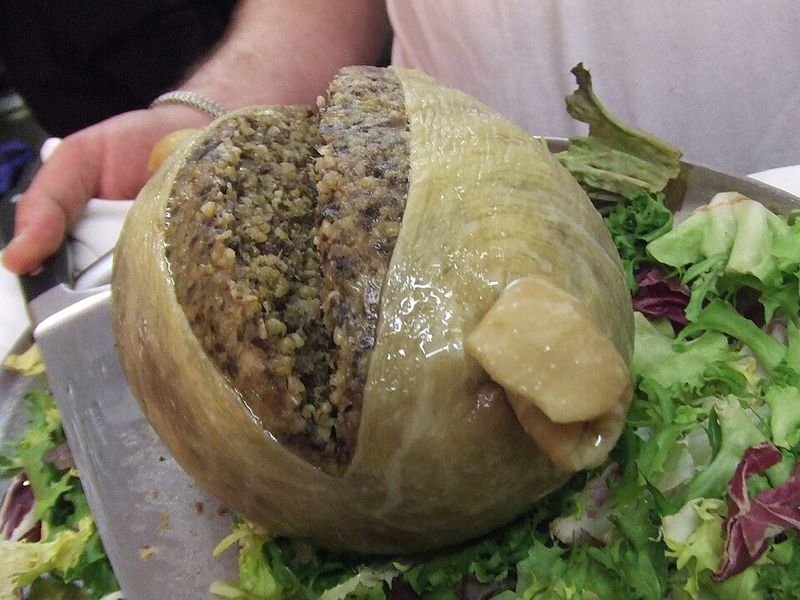
Haggis has a reputation that arrives before it does. Made from sheep’s heart, liver, and lungs mixed with oatmeal, onions, and spices, then cooked inside a sheep’s stomach, it sounds like something most people would pass on quickly.
The finished dish is a grayish-brown crumbly mound that does not win any beauty contests.
Scotland’s national dish has been eaten for centuries and is celebrated every year on Burns Night, January 25th, in honor of poet Robert Burns. When it hits the table alongside neeps (turnips) and tatties (mashed potatoes), the combination is genuinely comforting and full of earthy, peppery flavor.
The oatmeal gives it a pleasant, slightly nutty texture, and the spices add real warmth. Many people who try haggis for the first time are surprised by how much they enjoy it.
Sometimes the most honest food is the kind that does not try to look pretty.
3. Loco Moco – Hawaii, United States
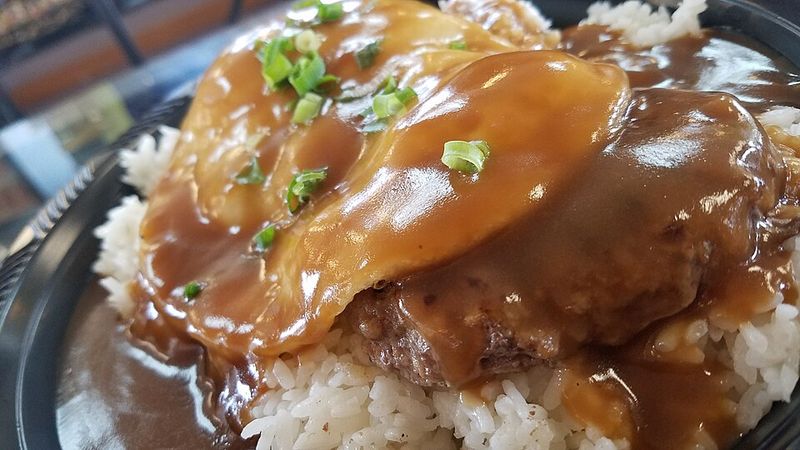
A bowl of white rice, a hamburger patty, a fried egg, and a generous pour of brown gravy all stacked on top of each other sounds more like a dare than a meal. Loco Moco is a Hawaiian comfort food classic that looks like someone combined breakfast, lunch, and dinner into one slightly chaotic bowl.
When the yolk breaks and the gravy soaks into the rice, things get even messier. But that mess is exactly where the magic lives.
Every bite delivers something warm, rich, and deeply satisfying in a way that only true comfort food can.
Loco Moco was reportedly created in the late 1940s in Hilo, Hawaii, as an affordable meal for hungry teenagers. Today it is served at diners and restaurants across the islands, and visitors rarely leave without trying it.
Appearances aside, this dish is one of Hawaii’s most beloved culinary treasures.
4. Poutine – Canada

Soggy fries covered in gravy with white cheese curds melting on top might not sound like the national pride of an entire country, but Canada would disagree. Poutine originated in Quebec in the 1950s and has since become one of the most recognized Canadian foods in the world.
The cheese curds are key. When they are fresh, they squeak against your teeth, and as the hot gravy hits them, they start to soften just enough without fully melting.
The result is a salty, savory, creamy combination that is hard to stop eating once you start.
Poutine has inspired countless variations over the years, including versions topped with pulled pork, lobster, or butter chicken. But the original three-ingredient version remains the most beloved.
It looks like an accident on a plate, but every Canadian knows it is absolutely intentional, and absolutely delicious.
5. Labskaus – Germany
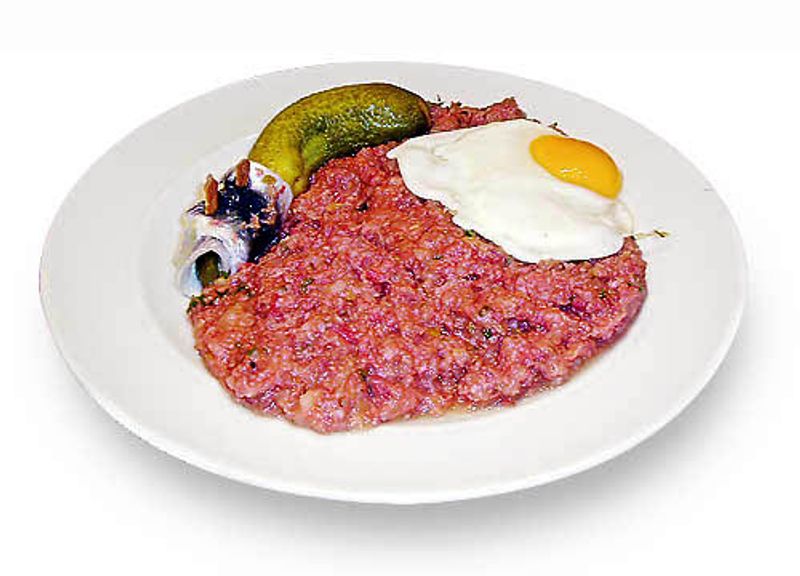
Labskaus looks like something that came out of a blender by accident. This Northern German dish is a pinkish-red mash made from corned beef, potatoes, and pickled beets, all mixed together and usually topped with a fried egg, pickled herring, and gherkins.
The color alone gives most first-timers pause.
Despite its unusual appearance, Labskaus has a long and practical history. Sailors along the North Sea coast ate it for centuries because the ingredients kept well on long voyages.
The salty, tangy, and savory flavors all blend together in a surprisingly balanced way.
The beets give it that striking pink hue and a subtle sweetness that balances the saltiness of the corned beef. Hamburg is considered the spiritual home of this dish, and locals there eat it with real pride.
Once you get past the color, Labskaus is a hearty, filling meal with genuine character and flavor.
6. Biscuits and Gravy – United States
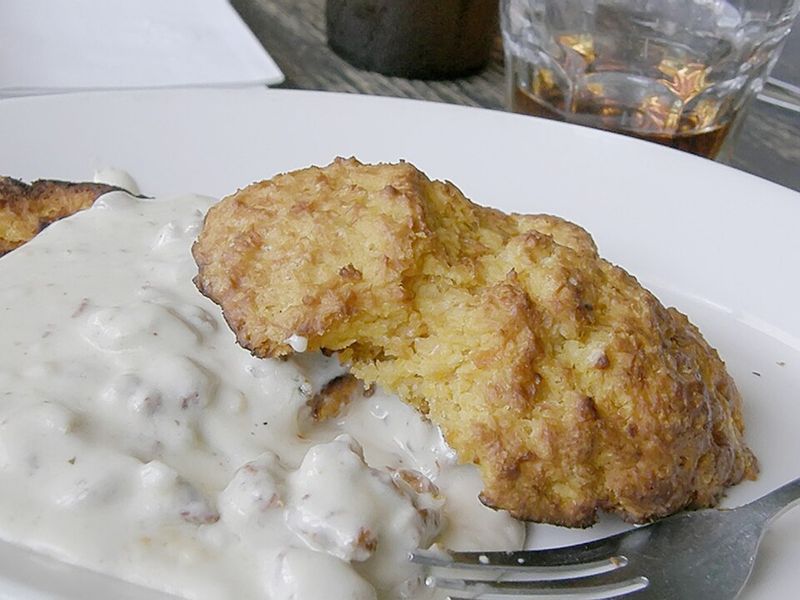
White lumpy sauce poured over pale doughy biscuits is not exactly a glamorous sight first thing in the morning. Biscuits and gravy is a Southern American breakfast staple that looks about as exciting as a gray winter morning, but smells and tastes like everything comfort food should be.
The gravy is made from pork sausage drippings, flour, milk, and plenty of black pepper, creating a thick, creamy sauce that is rich and savory. The biscuits underneath are soft and fluffy, soaking up every bit of that gravy as you eat.
This dish has roots in the rural South, where it was created as a cheap and filling way to feed farm workers before a long day of hard labor. Today it is found on diner menus across the country.
People who grew up eating it feel a strong nostalgic pull every single time they smell it cooking.
7. Feijoada – Brazil
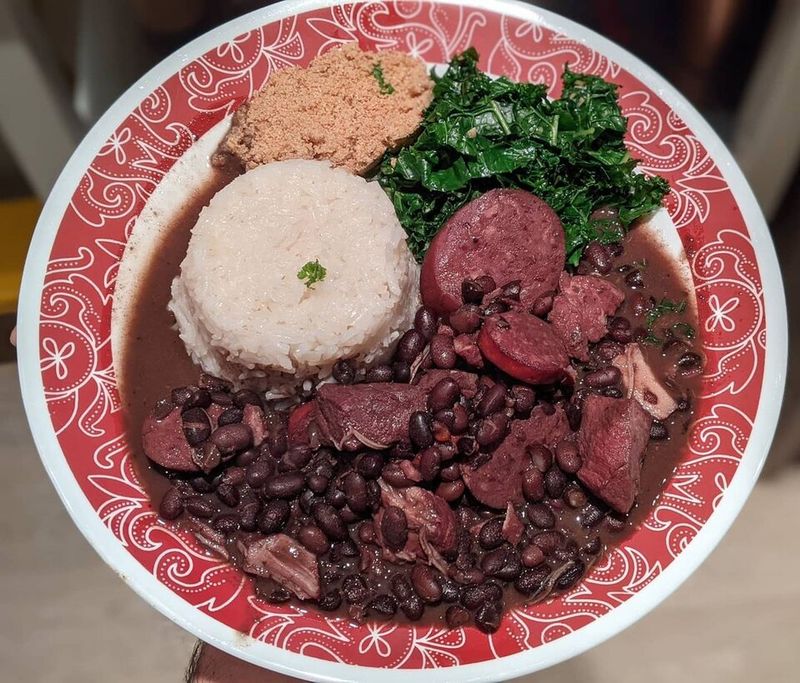
Dark, murky, and bubbling away in a heavy pot, feijoada does not make the most attractive first impression. Brazil’s national dish is a thick black bean stew packed with various cuts of pork, including sausage, ribs, and sometimes ears and tails.
It looks dense and a little intimidating from across the room.
Feijoada has deep roots in Brazilian history, with origins tied to African enslaved people who combined leftover pork scraps with black beans to create something nourishing and flavorful. Today it is eaten across all social classes and is considered a symbol of Brazilian culture and togetherness.
Served alongside white rice, collard greens, orange slices, and crispy toasted cassava flour called farofa, the full meal is a celebration of bold, satisfying flavors. The orange slices are not just decoration either.
Their acidity helps cut through the richness of the stew perfectly.
8. Mole Poblano – Mexico
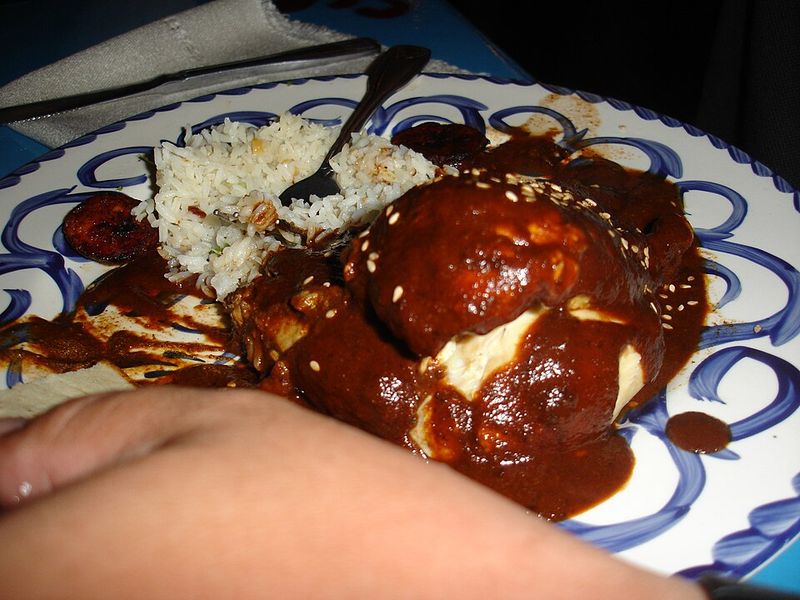
A dark, almost black sauce made with dried chilies and chocolate poured over chicken might sound like a kitchen experiment gone wrong. Mole Poblano is one of Mexico’s most iconic sauces, and it takes hours, sometimes even days, to make properly.
The color and thickness can be off-putting, but the flavor is something else entirely.
Originating in the state of Puebla, mole poblano is believed to have been created by nuns in the 17th century who blended dozens of ingredients together for a special feast. The sauce combines dried chiles, tomatoes, spices, and a small amount of chocolate, which adds depth rather than sweetness.
The result is a complex, layered flavor that is smoky, slightly spicy, and savory all at once. Sesame seeds are sprinkled on top before serving, adding a gentle crunch.
Mole Poblano is proof that the most rewarding flavors sometimes come in the most unexpected colors.
9. Baba Ganoush – Middle East
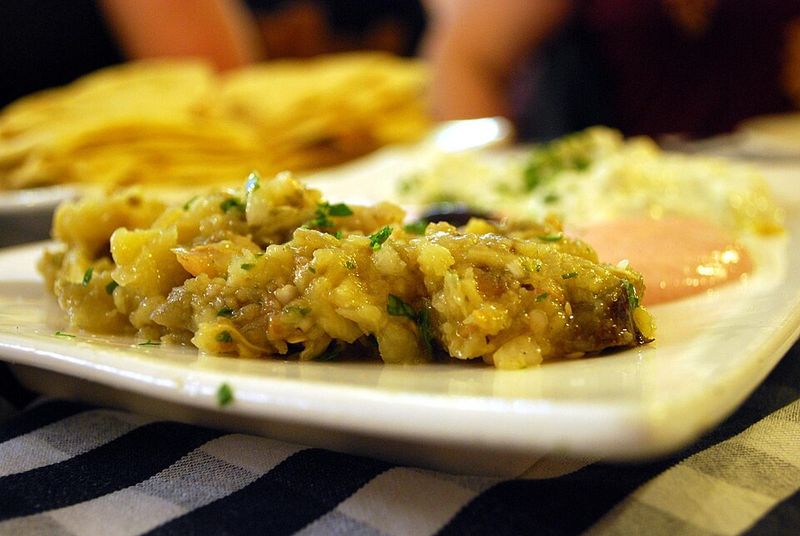
Grayish-brown and slightly lumpy, baba ganoush is not going to win any awards for visual appeal. Made from roasted eggplant that has been blended with tahini, lemon juice, garlic, and olive oil, this Middle Eastern dip has the kind of earthy appearance that can make people hesitant at first glance.
The secret is in the roasting. When eggplant is charred over an open flame or under a broiler, the skin blackens and the inside becomes smoky and soft.
That smokiness becomes the backbone of the entire dip, giving it a flavor that is deep and complex in the best possible way.
Baba ganoush is popular across Lebanon, Israel, Syria, and Egypt, and every family tends to have its own version. Served with warm pita bread, it transforms quickly from a forgettable-looking spread into one of the most addictive things on the table.
The smoky aroma alone draws people in.
10. Ful Medames – Egypt
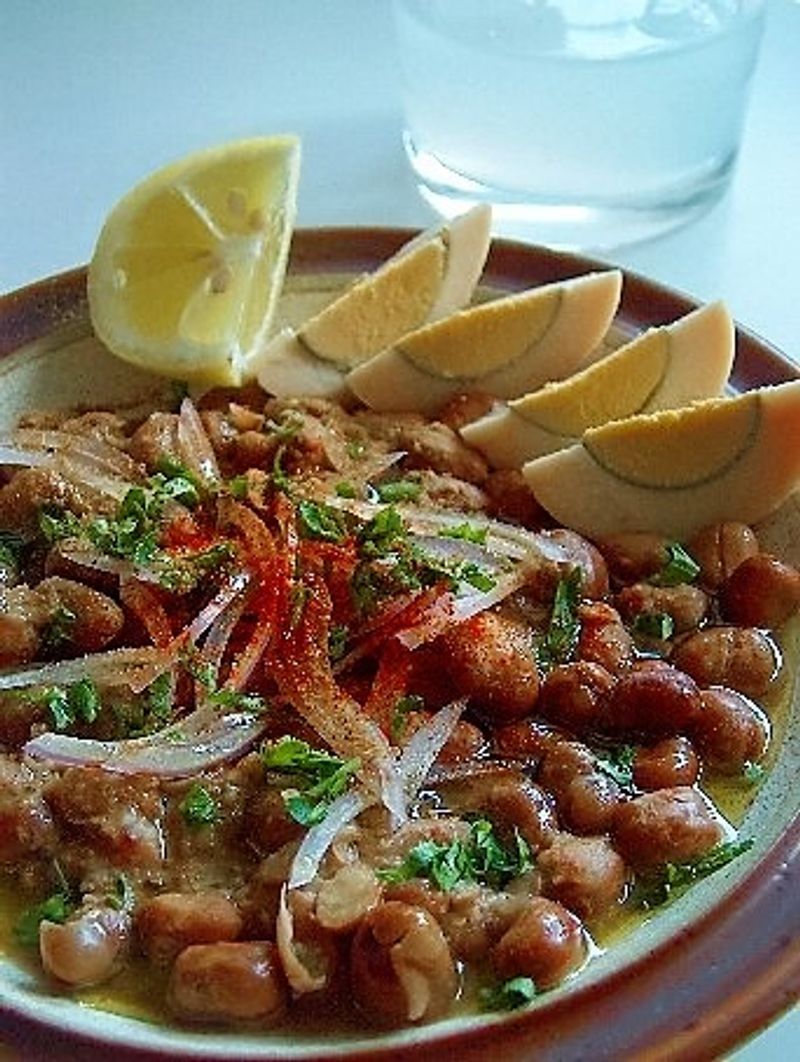
A bowl of mushy brown beans might not sound like breakfast worth waking up for, but millions of Egyptians would strongly disagree. Ful medames is Egypt’s most popular morning meal and has been eaten there for thousands of years.
Archaeologists have found evidence of fava beans in ancient Egyptian tombs, which says a lot about how long this dish has been loved.
The beans are slow-cooked until completely tender, then mashed and seasoned with olive oil, lemon juice, garlic, and cumin. The result is a humble but deeply flavorful dish that is filling, nutritious, and genuinely satisfying first thing in the morning.
Street vendors in Cairo serve it piled into flatbread or spooned into bowls with fresh vegetables on the side. It is inexpensive, widely available, and a true cornerstone of Egyptian daily life.
Simple food done this well rarely needs to look fancy to earn its place at the table.
11. Black Pudding – United Kingdom and Ireland
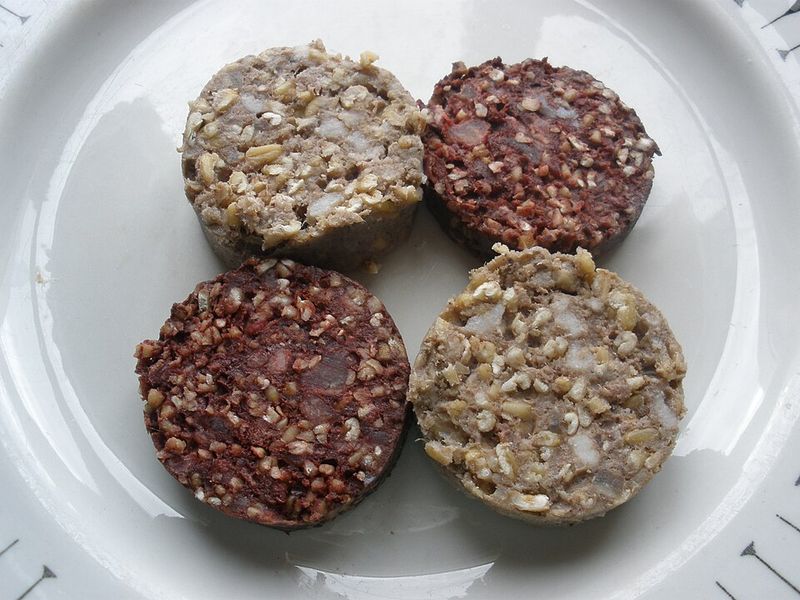
Black pudding is dark, dense, and made from pork blood, fat, and oatmeal stuffed into a sausage casing. When you hear those ingredients listed out loud, it is understandable why some people back away slowly.
But black pudding has been a breakfast staple across the United Kingdom and Ireland for centuries, and fans of it are fiercely loyal.
When sliced and pan-fried, the outside gets slightly crispy while the inside stays rich and tender. The flavor is savory and earthy with a mild iron taste that pairs surprisingly well with eggs, toast, and grilled tomatoes in a traditional full English breakfast.
Black pudding has also found a new audience in fine dining, where chefs use it in creative ways alongside scallops, apples, and other upscale ingredients. It is high in protein and iron, making it more nutritious than its appearance might suggest.
Skeptics who try it often end up becoming regulars.
12. Rendang – Indonesia
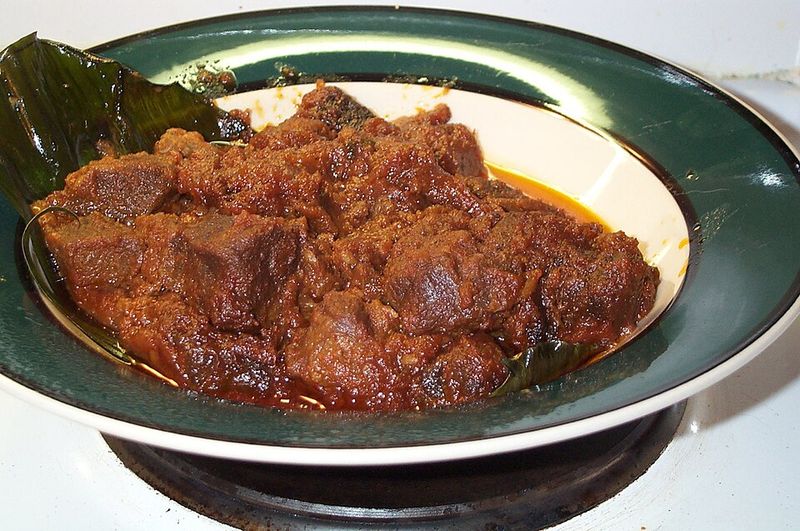
Rendang is the kind of dish that looks like it might have been left on the stove a little too long. The beef chunks are dark brown, almost black, and coated in what appears to be a very thick, dry paste.
Nothing about its appearance hints at the extraordinary depth of flavor hiding underneath that caramelized exterior.
Originally from the Minangkabau people of West Sumatra, rendang is made by slow-cooking beef in coconut milk and a spice paste of lemongrass, galangal, turmeric, garlic, and chili for several hours until all the liquid evaporates. What remains is incredibly tender meat wrapped in intensely spiced, caramelized coconut.
CNN once named rendang the most delicious food in the world in a global poll, which feels like justice for a dish that gets overlooked based on looks. Served with steamed rice, it is a flavor experience that is genuinely hard to forget once you have had it.
13. Natto – Japan
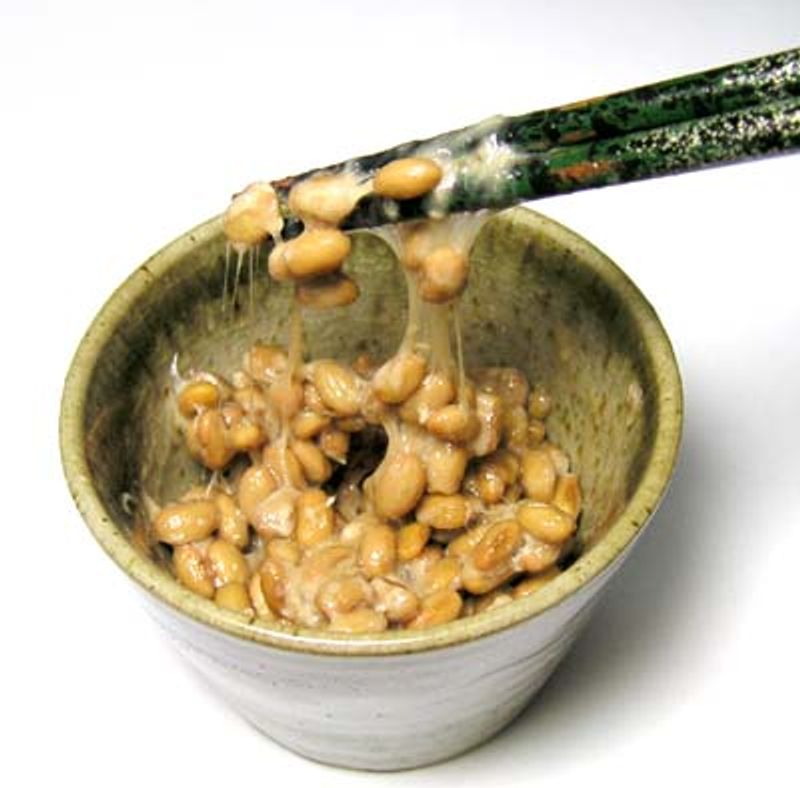
Natto is the food that even many Japanese people have a complicated relationship with. Fermented soybeans that are sticky, slimy, and covered in long stringy threads when stirred, natto smells pungent and looks like something that went wrong in the back of the refrigerator.
And yet, it is eaten for breakfast across Japan every single day.
The fermentation process gives natto a bold, funky flavor that is hard to describe. It is savory, earthy, and slightly bitter, with a texture that takes real getting used to.
Served over warm rice with a drizzle of soy sauce and a dab of mustard, it becomes a surprisingly complete and nutritious meal.
Natto is packed with protein, probiotics, and vitamin K2, making it one of the healthiest fermented foods in the world. Food scientists and nutritionists frequently highlight it as a superfood.
Travelers who push past the appearance and smell often walk away genuinely impressed.
14. Cullen Skink – Scotland
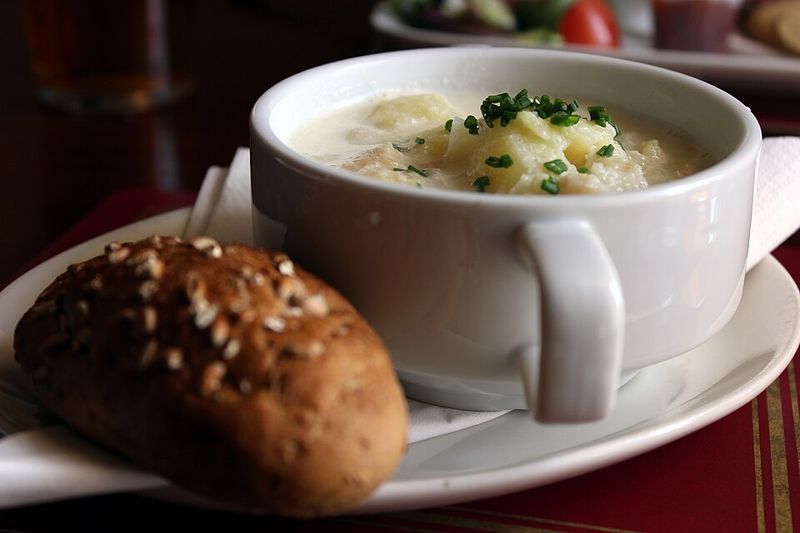
Cullen Skink sounds more like a creature from a fantasy novel than a soup, but this Scottish classic from the coastal town of Cullen is a genuinely beloved dish. At first glance, it is a pale, milky, slightly murky soup that does not look like much.
But the smell of smoked haddock drifting from the bowl tells a different story entirely.
Made with smoked haddock, potatoes, onions, and cream or milk, Cullen Skink is thick, hearty, and full of smoky, savory flavor. The smokiness of the fish infuses every spoonful, and the potato gives it a comforting, filling body that makes it perfect for cold Scottish weather.
Served with thick crusty bread on the side, it is a meal that warms you from the inside out. The word “skink” actually comes from an old Scottish Gaelic word for a shin or knuckle of beef, though no beef appears in this dish at all.
Confusing name, extraordinary soup.
15. Chilaquiles – Mexico
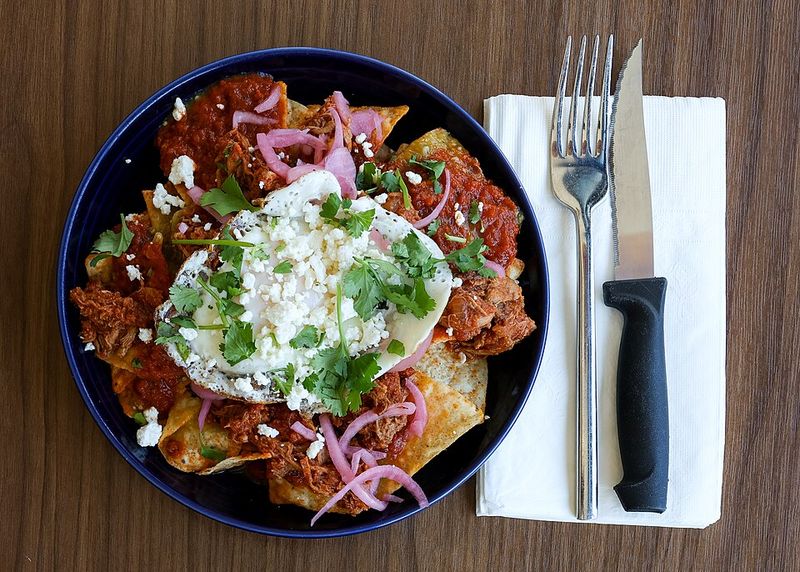
Soggy tortilla chips smothered in salsa and piled with toppings sounds like the result of someone knocking a snack bowl into a pot of sauce. Chilaquiles is a Mexican breakfast dish that looks like controlled chaos on a plate, but it is one of the most satisfying morning meals you can find anywhere in the world.
Corn tortillas are cut or torn into pieces, briefly fried, and then simmered in red or green salsa until they soften just enough to absorb all those bold flavors. Toppings like crumbled cheese, sour cream, sliced onion, cilantro, and a fried egg get piled on top before serving.
Chilaquiles are also a brilliant way to use up leftover tortillas, which is exactly how the dish originated in Mexican home kitchens. The name comes from a Nahuatl word meaning “chili and greens.” Every bite is a mix of tangy, spicy, creamy, and crispy that makes the messy presentation completely irrelevant.
Share this story