Cooking food from other countries is one of the best ways to explore the world without leaving your kitchen. Traditional dishes carry history, culture, and flavor all in one bite.
The good news is that many beloved recipes from around the globe use simple ingredients you can find at any grocery store. Whether you are a beginner cook or just looking for something new to try, these 15 classic dishes are approachable, delicious, and totally worth making at home.
1. Tortilla Española – Spain
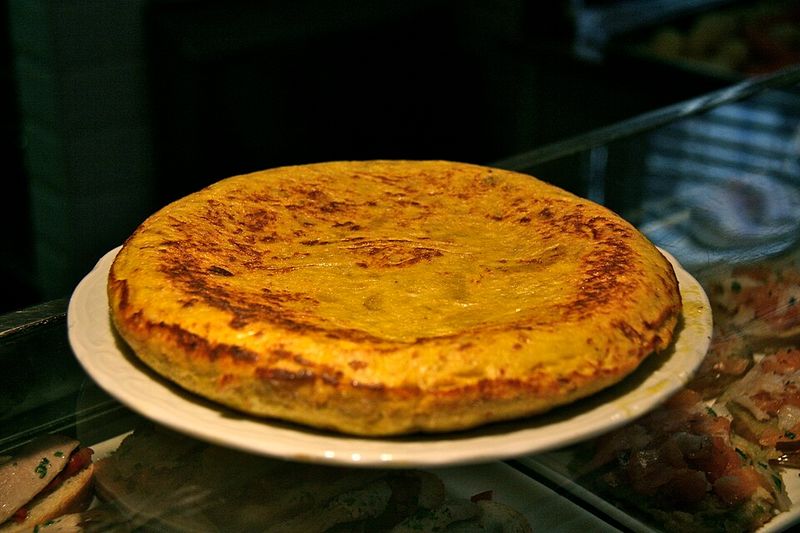
Picture a thick, golden omelet fresh out of the pan, and you have got Tortilla Española. This beloved Spanish staple has been feeding families for centuries, and it only needs four basic ingredients: potatoes, eggs, olive oil, and onion.
Simple as it sounds, the result is incredibly satisfying.
Making it at home is easier than most people expect. You slice the potatoes thin, cook them slowly in olive oil until soft, then mix them with beaten eggs before returning everything to the pan.
The key is flipping the tortilla halfway through, which takes a little courage but gets easier with practice.
Tortilla Española is eaten at any time of day in Spain, from breakfast to a late-night snack. Serve it warm or at room temperature, sliced into wedges.
Leftovers taste just as good the next day, making it a wonderfully practical dish to have in your cooking rotation.
2. Bruschetta al Pomodoro – Italy
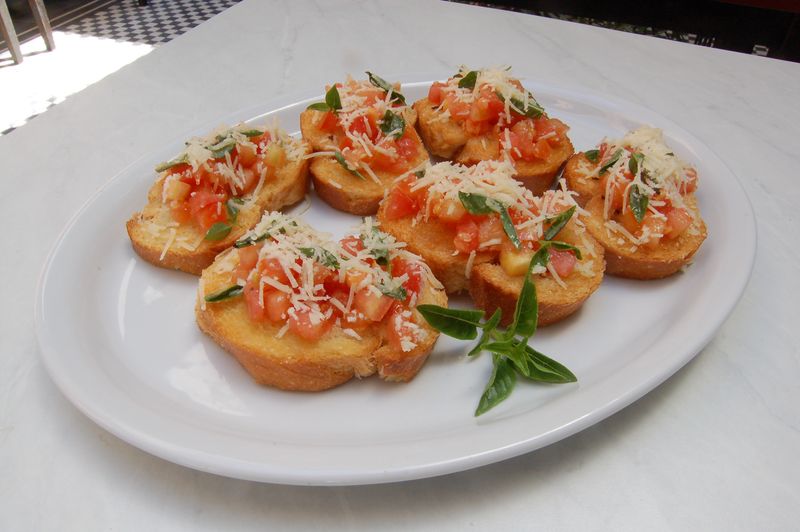
There is something almost magical about how a few humble ingredients can taste so extraordinary together. Bruschetta al Pomodoro is proof of that.
Originating in central Italy, this classic appetizer pairs toasted bread with fresh tomatoes, garlic, olive oil, and basil for a combination that has stood the test of time.
The secret to great bruschetta is using ripe, flavorful tomatoes and good-quality olive oil. Chop the tomatoes, mix them with minced garlic, torn basil, a pinch of salt, and a generous splash of olive oil.
Let the mixture sit for a few minutes so the flavors can blend together before spooning it onto the toast.
Grill or broil thick slices of crusty bread, then rub the surface with a cut garlic clove right after it comes out of the oven. This adds a subtle but important layer of flavor.
Bruschetta works perfectly as a starter, a light lunch, or even a quick afternoon snack.
3. Shakshuka – North Africa
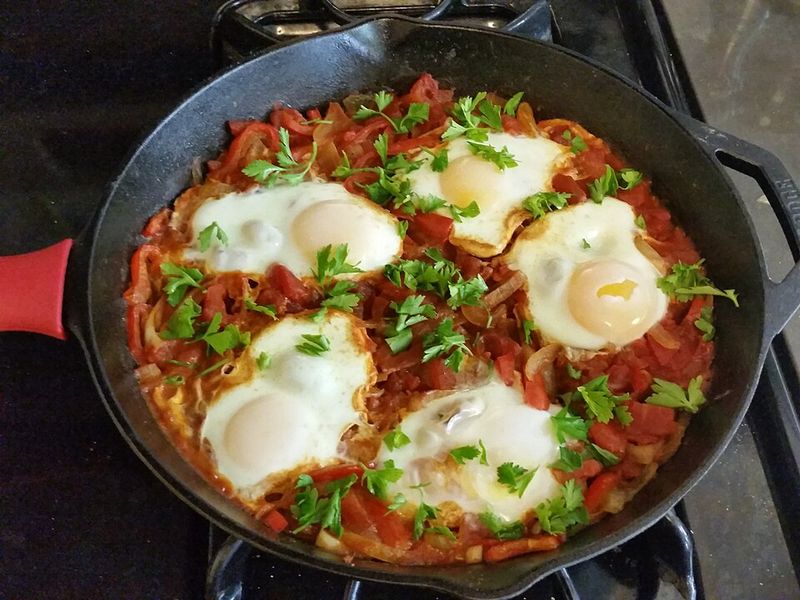
Shakshuka has a name that sounds as fun as it tastes. Originally from North Africa and now popular across the Middle East and beyond, this dish features eggs gently poached right inside a spiced tomato and pepper sauce.
The whole thing comes together in a single pan, which means less cleanup for you.
Start by sauteing onions, garlic, and bell peppers in olive oil. Add crushed tomatoes, cumin, paprika, and a pinch of cayenne, then let the sauce simmer until it thickens.
Create small wells in the sauce and crack an egg into each one. Cover the pan and cook until the whites are set but the yolks are still slightly runny.
Shakshuka is traditionally eaten for breakfast or brunch, scooped up with plenty of warm bread. It is budget-friendly, packed with vegetables, and endlessly customizable.
Add feta cheese or swap in different spices to make it your own version of this North African favorite.
4. Tzatziki – Greece
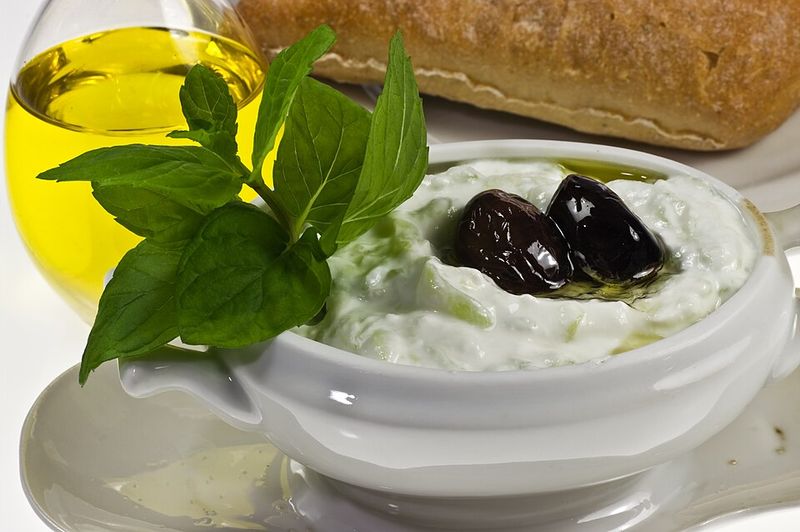
Cool, creamy, and packed with fresh flavor, tzatziki is one of Greece’s most recognized contributions to the world of food. This simple yogurt-based sauce has been served alongside grilled meats, flatbreads, and vegetables in Greek households for generations.
Making it yourself takes only about ten minutes.
The base is strained yogurt, sometimes called Greek yogurt, which gives the dip its thick, velvety texture. Grate cucumber and squeeze out as much water as possible before mixing it in, otherwise your tzatziki will turn watery.
Add minced garlic, a drizzle of good olive oil, fresh or dried dill, and a squeeze of lemon juice.
Season with salt and let it chill in the refrigerator for at least thirty minutes before serving. The resting time helps all the flavors meld together beautifully.
Tzatziki works as a dip, a sandwich spread, or a refreshing topping for grilled chicken and lamb. It is incredibly versatile and always crowd-pleasing.
5. Pão de Queijo – Brazil
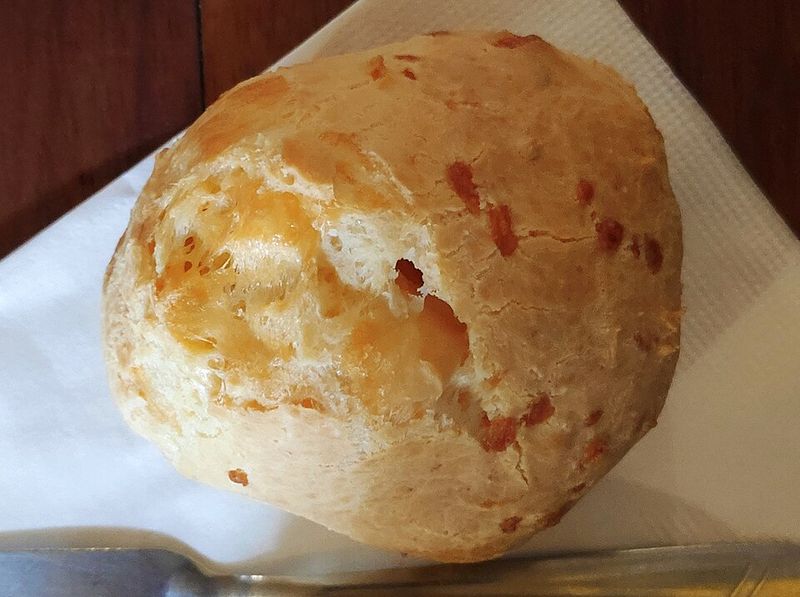
Walk into almost any Brazilian bakery in the morning and the warm, cheesy smell of pão de queijo will stop you in your tracks. These small, round cheese breads are crispy on the outside and delightfully chewy on the inside, thanks to tapioca starch, which gives them a texture unlike any other bread you have tried.
The dough comes together quickly. Mix tapioca starch with warm milk, oil, eggs, and plenty of grated cheese, traditionally Minas cheese in Brazil, though Parmesan or mozzarella work well as substitutes.
Roll the dough into small balls and bake them until they puff up and turn golden.
One fun fact: tapioca starch makes pão de queijo naturally gluten-free, which is great news for people with gluten sensitivities. They are best eaten fresh and warm, straight from the oven.
Enjoy them plain, or slice them open and fill with ham and cheese for a heartier snack.
6. Irish Colcannon – Ireland
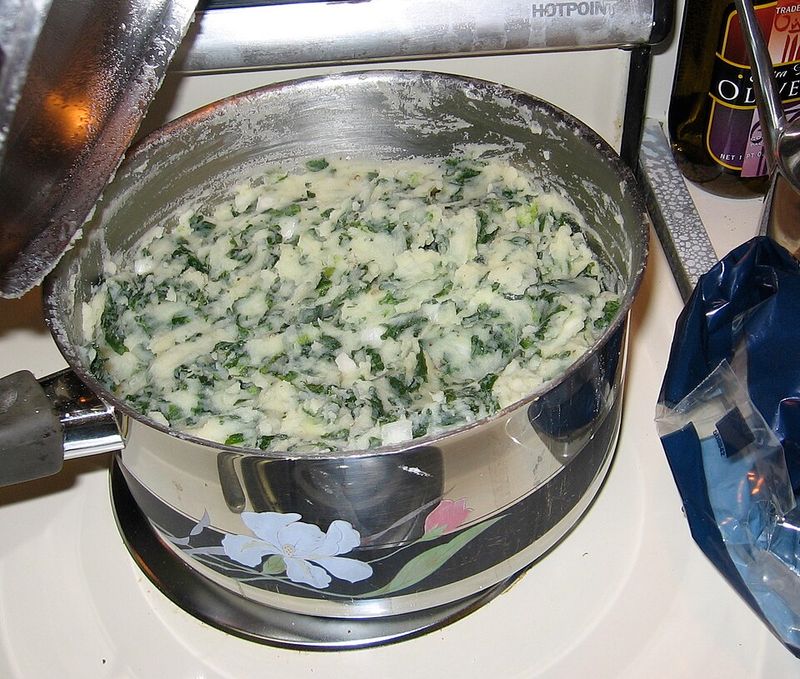
Colcannon is the kind of food that feels like a warm hug on a cold day. This traditional Irish dish combines fluffy mashed potatoes with cooked cabbage or kale and a generous amount of butter, creating something far greater than the sum of its parts.
It has been a staple of Irish cooking for hundreds of years.
Boil your potatoes until tender, then mash them with butter and warm milk until smooth and creamy. Fold in cooked, finely shredded cabbage or kale and sliced scallions if you like.
The green vegetables add a slight earthiness that balances the rich, buttery potato base perfectly.
Colcannon is traditionally associated with Halloween in Ireland, where coins were sometimes hidden inside the pot for good luck. Today it is enjoyed year-round as a comforting side dish.
Pair it with sausages, roasted chicken, or simply enjoy a big bowl of it on its own with extra butter melted on top.
7. Rösti – Switzerland
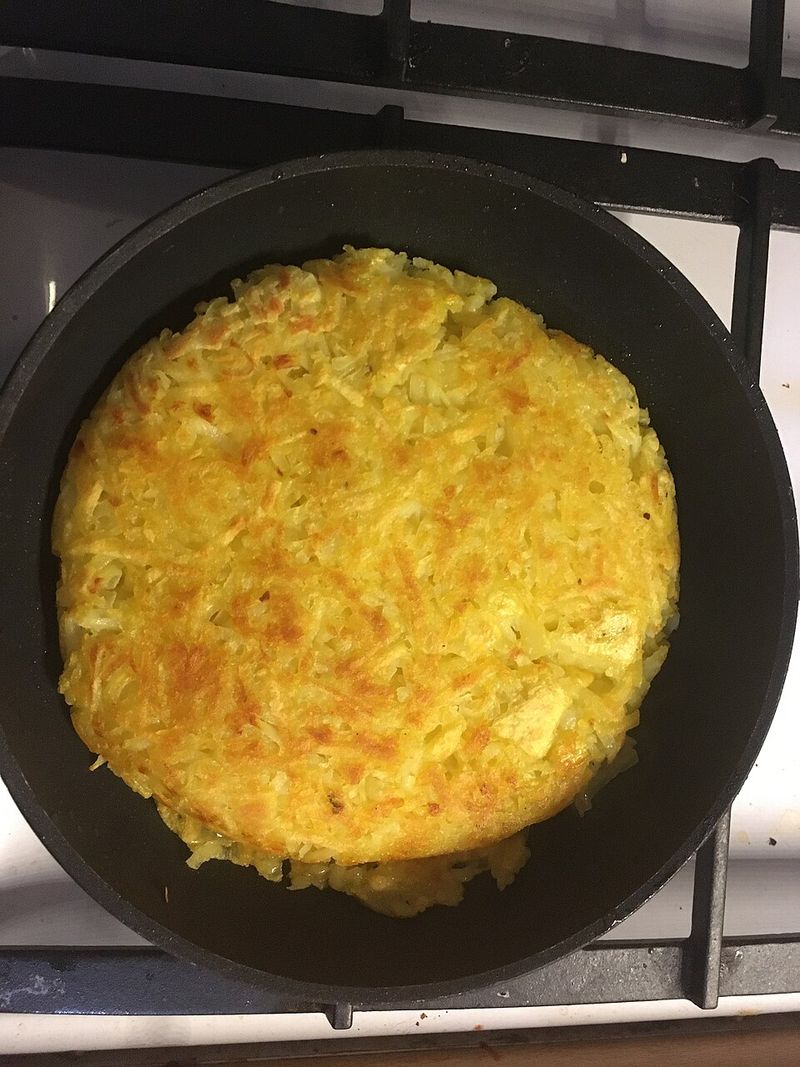
Rösti is Switzerland’s answer to the hash brown, but calling it just a hash brown would not do it justice. This crispy potato pancake from the German-speaking part of Switzerland has a golden, crunchy crust and a tender, flavorful interior that makes it hard to eat just one slice.
It was originally a farmer’s breakfast, made simply and eaten heartily before a long day of work.
Grate raw or parboiled potatoes and squeeze out as much moisture as possible. Season with salt and pepper, then press the grated potato into a hot, well-oiled pan.
Cook on medium heat without disturbing it until the bottom is deeply golden, then carefully flip and cook the other side until equally crisp.
Rösti is endlessly versatile. Serve it topped with a fried egg, smoked salmon, sour cream, or melted cheese.
It works as a hearty breakfast, a satisfying side dish, or even the star of a light vegetarian dinner. Once you make it, it will become a regular in your kitchen.
8. Nasi Goreng – Indonesia
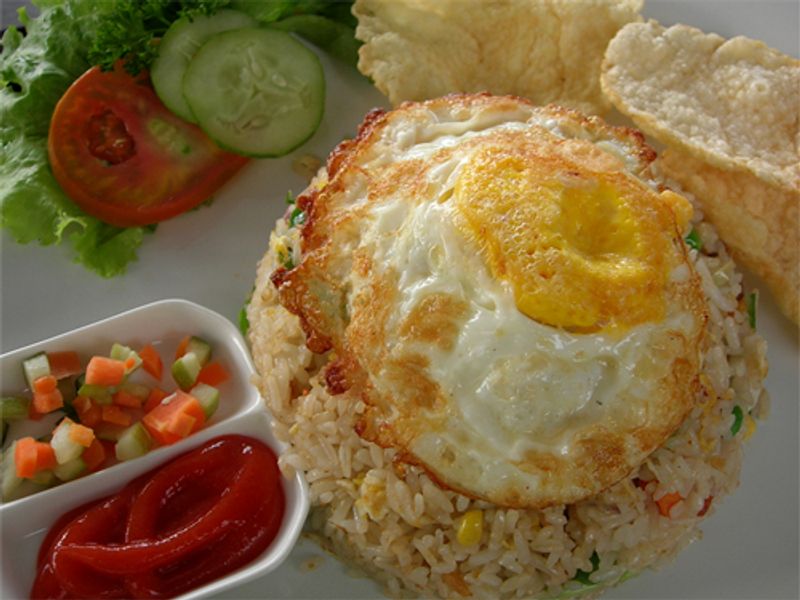
Nasi goreng literally means fried rice in Indonesian, but this dish is anything but ordinary. It is one of Indonesia’s most iconic foods, recognized by CNN as one of the world’s best dishes.
Every household has its own version, but the one ingredient that sets it apart from other fried rice dishes is kecap manis, a sweet soy sauce that gives the rice its deep color and slightly caramelized flavor.
Start with day-old cooked rice, which fries up better than fresh rice because it is drier. Stir-fry garlic, shallots, and chilies in a hot pan, add the rice, then season generously with kecap manis and regular soy sauce.
Toss in shrimp, chicken, or vegetables based on what you have available.
Top each serving with a fried egg and garnish with sliced cucumber and tomato on the side. Nasi goreng comes together in under fifteen minutes, making it a perfect quick weeknight meal that feels special and satisfying every single time.
9. Menemen – Türkiye
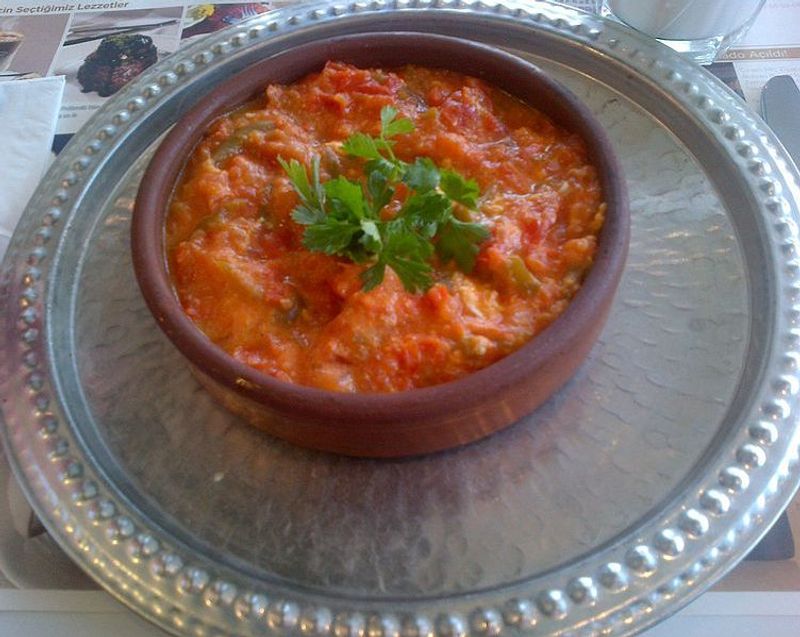
If you have never started your morning with a pan of menemen, you are missing out on one of the most satisfying breakfasts in the world. This Turkish egg dish is cooked with tomatoes and peppers, seasoned simply, and eaten straight from the pan with thick slices of crusty bread for scooping.
It is humble, quick, and deeply comforting.
Heat olive oil in a pan, add diced green peppers and cook until softened, then stir in chopped ripe tomatoes and a pinch of red pepper flakes. Let the mixture simmer until the tomatoes break down into a thick, fragrant sauce.
Crack in your eggs and stir gently, cooking until they are just set but still soft and creamy.
There is a playful debate in Turkey about whether menemen should be stirred or left as whole eggs, much like arguments over scrambled versus fried. Either way, the result is delicious.
Serve it immediately with plenty of bread and a glass of strong Turkish tea for the full experience.
10. Quesadillas – Mexico
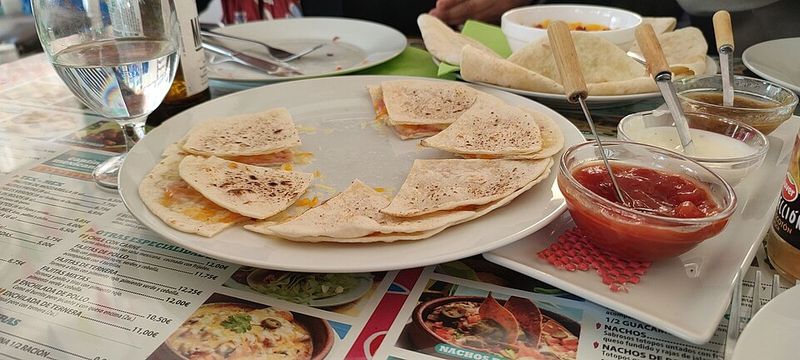
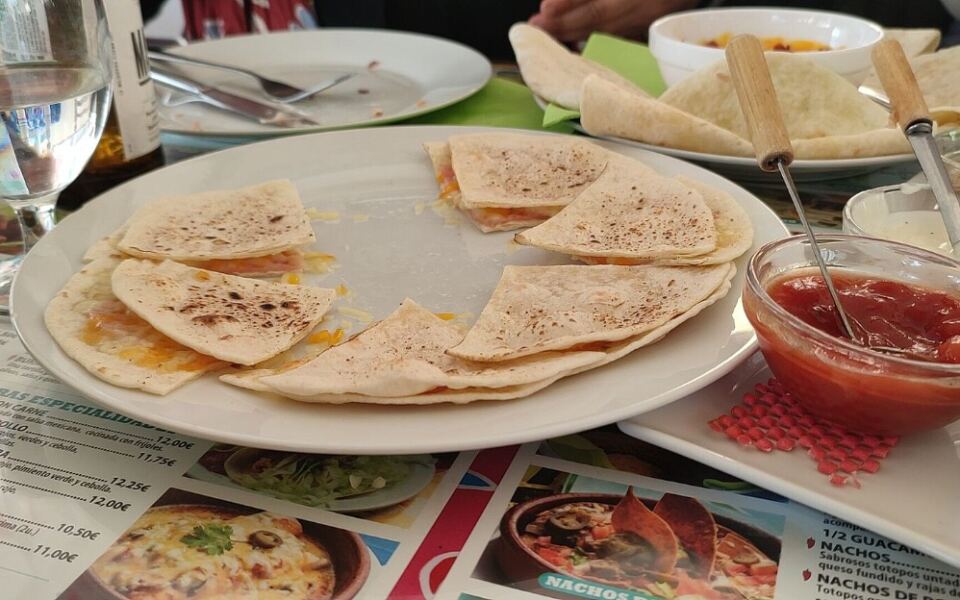
Quesadillas are proof that simple food done well is always a winner. At their core, they are tortillas filled with cheese, folded or pressed together, and cooked until the outside is crisp and the inside is melted and gooey.
Across Mexico, regional definitions of quesadillas vary widely, with some versions not even including cheese as a standard ingredient, which surprises many people.
To make a classic version at home, place a flour or corn tortilla in a dry skillet over medium heat. Add shredded cheese, fold the tortilla in half, and press it gently as it cooks.
Flip once the bottom is golden and cook the other side until equally crisp and the cheese is fully melted.
From there, the possibilities are wide open. Add cooked mushrooms, black beans, grilled chicken, roasted peppers, or whatever fillings you enjoy.
Serve with salsa, guacamole, and sour cream on the side. Quesadillas are one of those rare dishes that work perfectly for breakfast, lunch, or dinner.
11. Khachapuri – Georgia
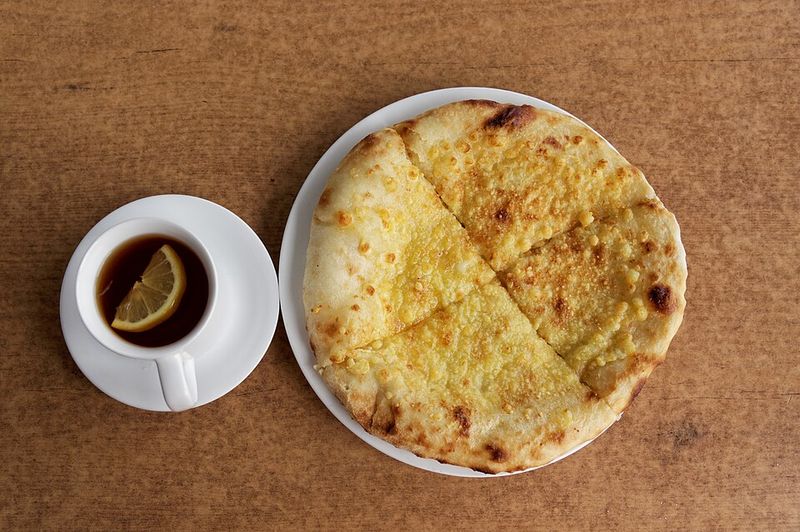
Khachapuri looks like something a talented artist designed, but it is actually a traditional bread eaten daily across the country of Georgia in the Caucasus region. The most famous version, Adjarian khachapuri, is shaped like a boat, filled with melted cheese, and topped with a raw egg and a pat of butter that you stir in just before eating.
The result is rich, gooey, and completely irresistible.
Making the dough requires only basic pantry ingredients: flour, yeast, water, salt, and a little oil. After the dough rises, shape it into an oval, crimp up the edges to form a border, and fill the center generously with a mixture of brined white cheese such as feta or mozzarella.
Bake until the crust is golden and the cheese is bubbling, then add the egg in the last few minutes. Tear off pieces of the crust and drag them through the cheesy, eggy center.
Khachapuri is the kind of dish that makes people go quiet at the table because they are too busy eating to talk.
12. Okonomiyaki – Japan
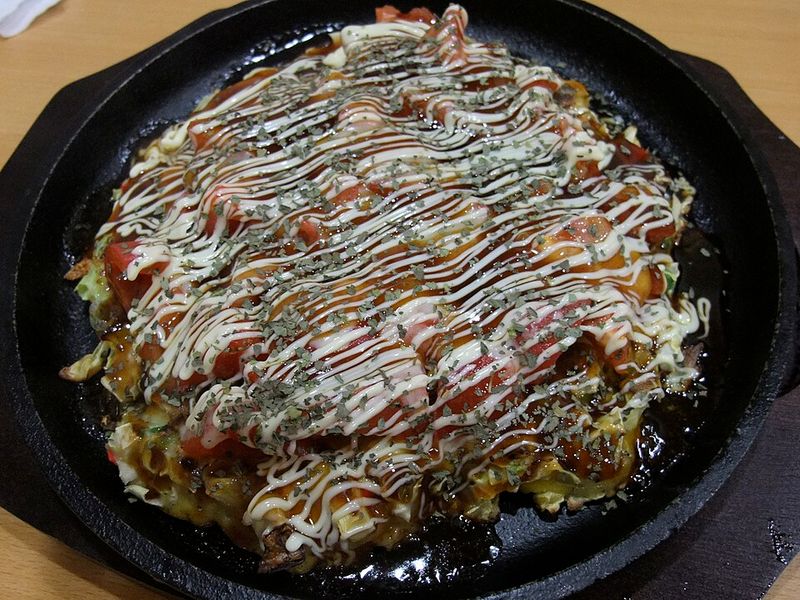
Okonomiyaki translates roughly to “cook what you like,” which tells you everything you need to know about this dish’s personality. Closely associated with Osaka, this savory Japanese pancake is made from a simple batter mixed with shredded cabbage and whatever toppings or mix-ins you choose.
It is playful, filling, and endlessly adaptable.
The basic batter combines flour, dashi stock or water, eggs, and shredded cabbage. Mix in thinly sliced pork belly, shrimp, or cheese, then pour it into a lightly oiled pan and cook like a thick pancake, flipping once halfway through.
The outside should be golden while the inside stays tender and soft.
The toppings are where okonomiyaki really comes alive. Drizzle with okonomiyaki sauce and Japanese mayonnaise in zigzag lines, then scatter bonito flakes on top.
The flakes wave in the heat, making the dish look almost alive. Finish with a sprinkle of aonori seaweed flakes and pickled ginger on the side for the full Osaka experience.
13. Dal – India
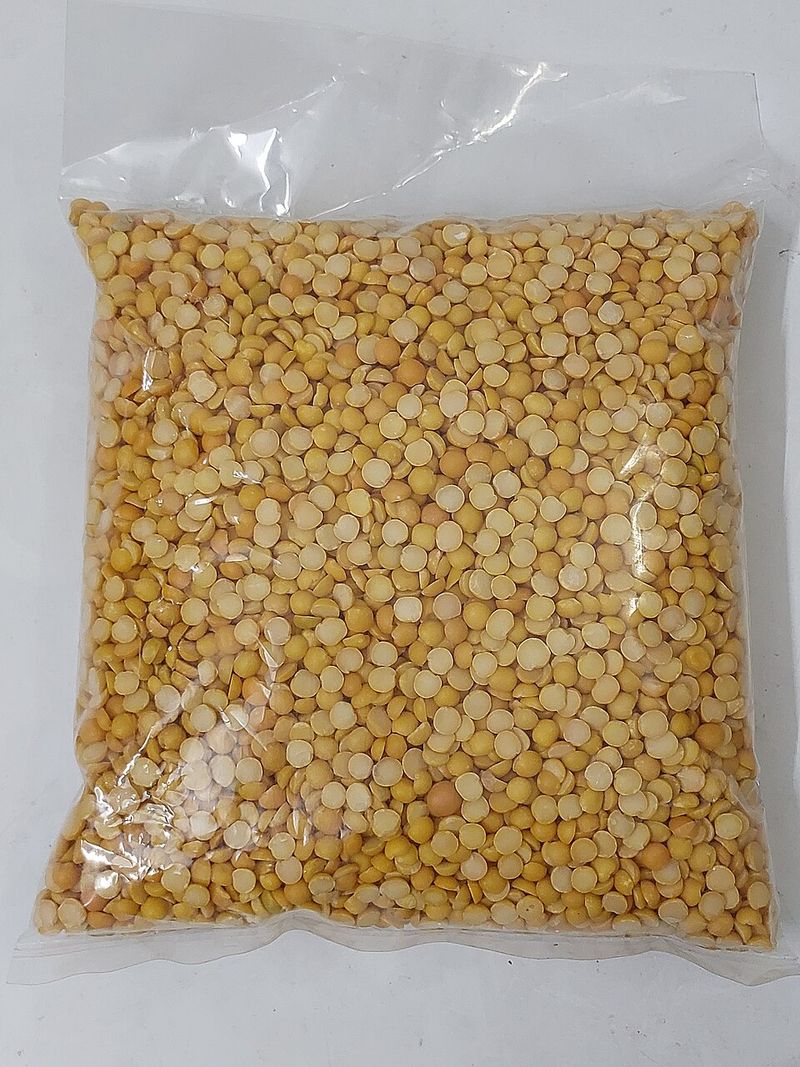
Dal is the backbone of Indian home cooking. Made from lentils or other pulses simmered with spices and aromatics, it appears on tables across India every single day in countless regional variations.
From the creamy black dal makhani of Punjab to the light, tangy masoor dal of Bengal, no two versions are exactly alike, and that variety is part of what makes it so fascinating.
For a beginner-friendly version, rinse red lentils and cook them in water with turmeric until they are completely soft and almost falling apart. In a separate small pan, heat oil or ghee and fry cumin seeds, mustard seeds, garlic, and dried chilies until fragrant.
Pour this sizzling mixture, called a tadka, over the cooked lentils and stir it in.
Season with salt, a squeeze of lemon, and fresh cilantro. Serve over steamed rice or with warm flatbread.
Dal is naturally vegan, incredibly affordable, and loaded with plant-based protein. It is the kind of everyday food that nourishes both the body and the spirit.
14. Banitsa – Bulgaria
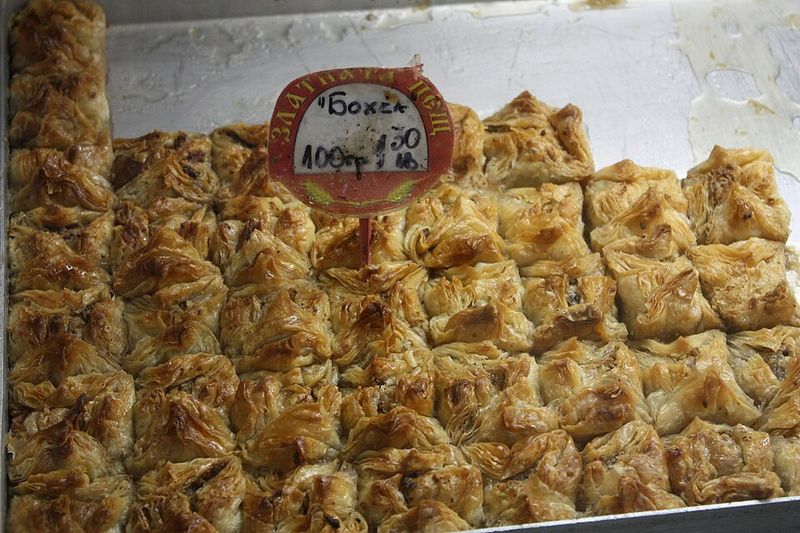
Banitsa is Bulgaria’s beloved morning pastry, and for many Bulgarians it is the taste of home. Made from thin sheets of filo pastry layered with a filling of eggs, yogurt, and salty white brined cheese, it bakes into a flaky, golden spiral or layered pie that is incredibly satisfying.
On New Year’s Eve, Bulgarians tuck small lucky charms or coins into the layers for good fortune.
Working with filo pastry can feel intimidating at first, but the technique is straightforward once you get started. Brush each sheet lightly with melted butter or oil, add spoonfuls of the cheese and egg mixture, then roll or fold the sheets and arrange them in a baking dish.
Repeat until all the filling is used.
Bake at a moderate temperature until the top is deep golden and crisp. Let it cool slightly before cutting so the layers hold together.
Banitsa is traditionally served warm for breakfast alongside a glass of cold ayran, a tangy yogurt drink, or a cup of strong Bulgarian tea.
15. Palatschinken – Austria

Palatschinken might not be as famous as Wiener Schnitzel, but ask any Austrian grandmother and she will tell you these thin, delicate pancakes are just as essential to the national identity. Similar to French crepes, palatschinken are made from a simple batter of eggs, flour, milk, and a pinch of salt, then cooked in a lightly buttered pan until perfectly thin and golden.
The batter should be very liquid, much thinner than American pancake batter. Let it rest for about fifteen minutes before cooking so the flour fully hydrates.
Pour a small ladleful into the pan, swirl to coat the bottom in a thin, even layer, and cook for about a minute per side.
The classic filling is apricot jam, spread across the pancake before rolling it into a neat cylinder and dusting with powdered sugar. Other popular fillings include Nutella, sweetened quark cheese, or crushed walnuts with sugar.
Palatschinken are quick to make and bring a touch of Viennese charm to any breakfast or dessert table.
Share this story