American wine country is far bigger than one famous valley. From mountain estates in California to bluffs on Long Island and ranches in Arizona, vineyards across the country offer very different ways to spend a day.
This list covers fifteen wineries with real history, strong reputations, and settings worth planning a trip around. Some welcome walk-ins, while others ask for reservations, so a little planning helps.
Whether you are a longtime wine fan or just curious about where to start, these stops show how much variety the US has to offer, and a few of them may be places you have never heard of.
Ridge Vineyards Monte Bello, Cupertino, California
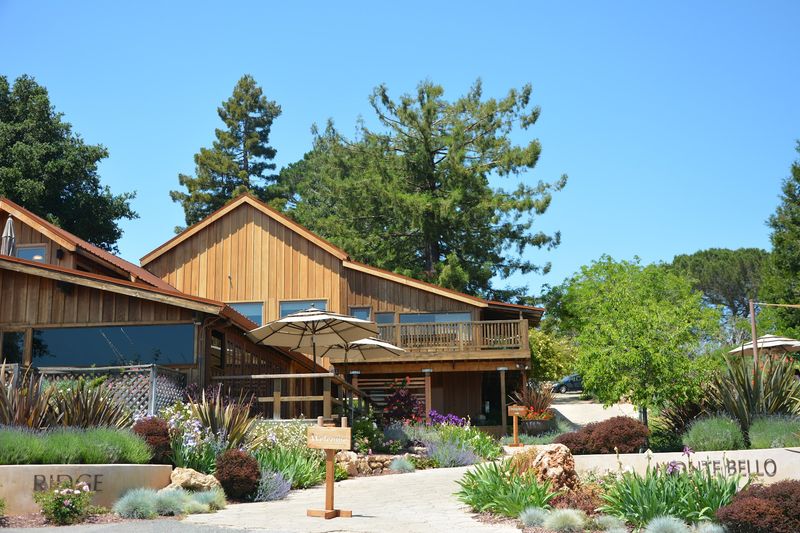
Napa gets the headlines, but this mountain estate shows a quieter side of California. Ridge’s Monte Bello property sits high in the Santa Cruz Mountains, surrounded by historic vineyards and wide views of the landscape below.
The winery has built its reputation largely on age-worthy Cabernet-based wines. That focus gives the visit a serious, wine-first feel without much fuss.
Visitors can currently book a seated Estate Tasting that features four single-vineyard wines. Ridge also offers a deeper library tasting that compares current releases with older vintages, which is a neat way to see how the wines change over time.
Tastings are available daily by reservation, so booking ahead is the key step. Since the estate is up in the mountains, give yourself plenty of travel time and plan the trip as its own outing.
For travelers who want to learn about one of California’s most respected historic producers without heading north to Napa, Monte Bello is a strong choice.
Tablas Creek Vineyard, Paso Robles, California
Here is a fun bit of history: this estate came from a partnership between the Perrin family of Château de Beaucastel in France and importer Robert Haas. Together they helped turn Paso Robles into a major home for Rhône-style wines.
The vineyard is also known for regenerative agriculture, which adds an interesting layer for curious visitors.
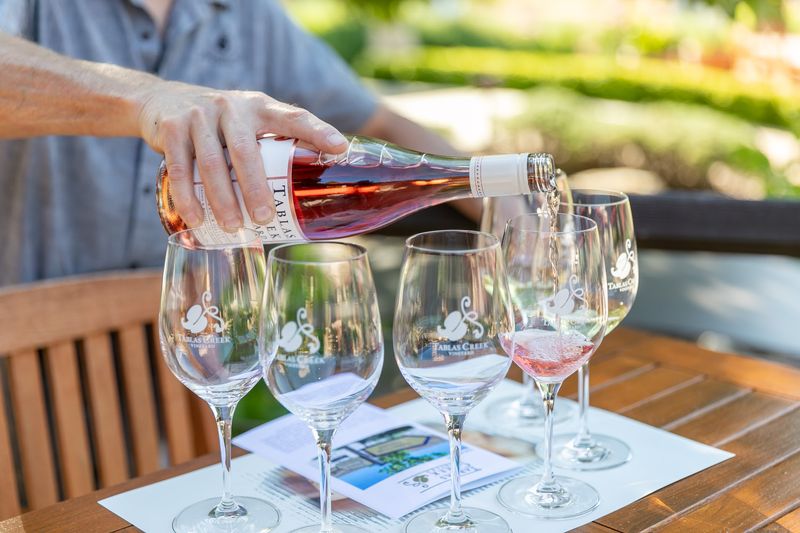
Guests can choose indoor or outdoor seated tastings. Several flights regularly feature varieties such as Mourvèdre, Grenache, Syrah, and Roussanne.
Vineyard and cellar tours are available too, along with a premium Legacy Tasting focused on flagship and library wines.
The tasting room is open daily, and reservations are recommended during busy periods. It suits people who want to learn something without sitting through a stiff, formal tasting.
That balance keeps Tablas Creek near the top of Paso Robles winery stops.
A. Rafanelli Winery, Healdsburg, California
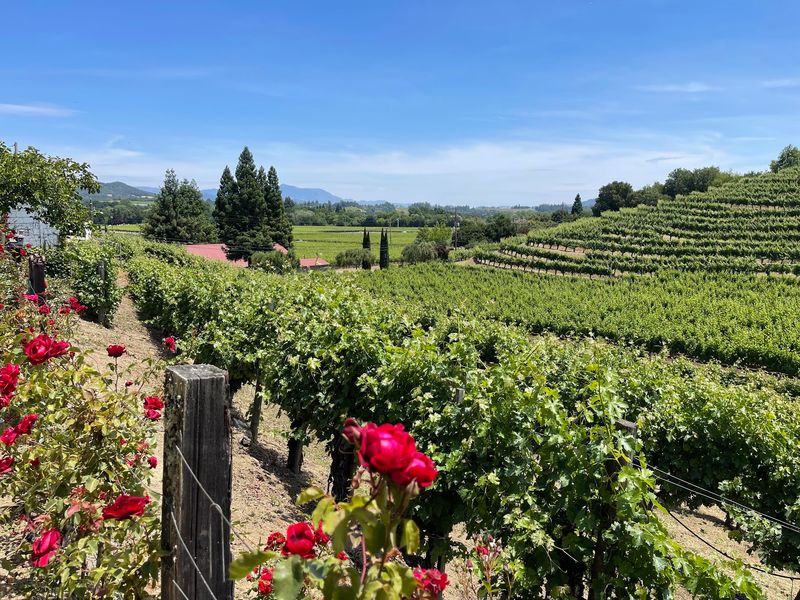
You cannot just wander in here, and that is part of the story. A.
Rafanelli takes visitors by appointment only, and parties are limited to six or fewer.
The winery sits on West Dry Creek Road near Healdsburg. It has long been associated with Dry Creek Valley reds.
That small-scale approach changes the whole visit. Instead of moving through a crowded tasting hall, guests get a more intimate introduction to the winery and its wines.
Sonoma’s wine scene ranges from polished tasting complexes to rustic family estates. A.
Rafanelli firmly belongs in the family-estate camp.
The practical tip is simple. Arrange your visit ahead of time, and keep your group small.
If you like quieter tastings with a personal touch, this stop fits well into a Dry Creek Valley day.
The Eyrie Vineyards, McMinnville, Oregon
David Lett planted Pinot Noir in the Willamette Valley in the 1960s, long before Oregon was known for it. Eyrie released its first commercial Pinot Noir vintage in 1970.
That history makes this stop a must for anyone curious about how Oregon’s wine scene began.
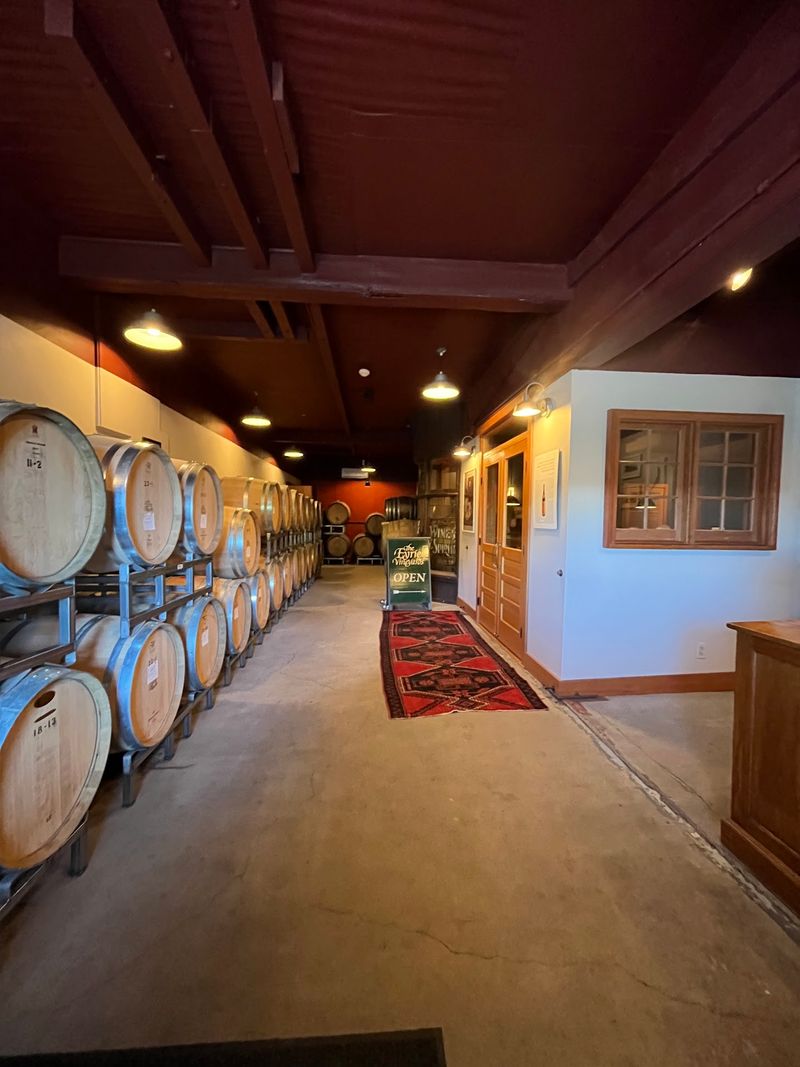
Visitors taste at the winery’s historic McMinnville location, not at the estate vineyards in the Dundee Hills. Tastings are reservation-based.
Flights can include Pinot Noir and Chardonnay, along with less common varieties such as Chasselas and Trousseau. Single-vineyard bottlings and occasional library wines also show up in the lineup.
There are no resort-style extras here. The focus stays on history, vineyard character, and what is in the glass.
For people who like their wine stops straightforward and full of backstory, Eyrie is hard to beat.
King Estate Winery, Eugene, Oregon
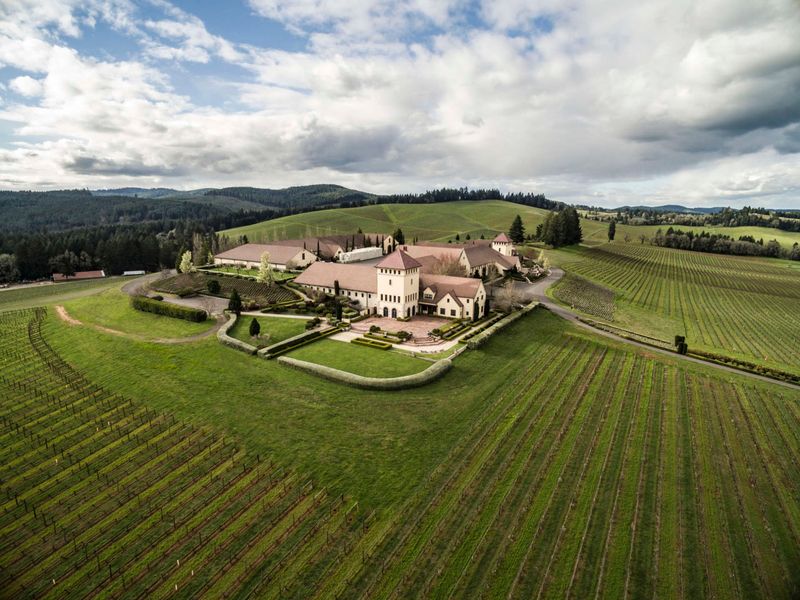
Over 1,000 acres is a lot of ground, and King Estate uses it. The property sits at the southern end of the Willamette Valley and includes hundreds of acres of vines, plus orchards, gardens, and woodlands.
Pinot Gris and Pinot Noir are central to its identity. The estate is certified organic and Biodynamic.
Things changed in 2025, when King Estate closed its longtime full-service restaurant and shifted the focus back toward wine tasting. The tasting room now operates primarily by reservation, with wine-and-food experiences offered during much of the week.
The hilltop setting gives guests panoramic views over the vineyards. That alone makes the visit memorable.
Limited-production wines are available only through the winery, which gives returning visitors a reason to come back. Reserve a spot before you go, since walk-in space is not the main model now.
Kiona Vineyards and Winery, Benton City, Washington
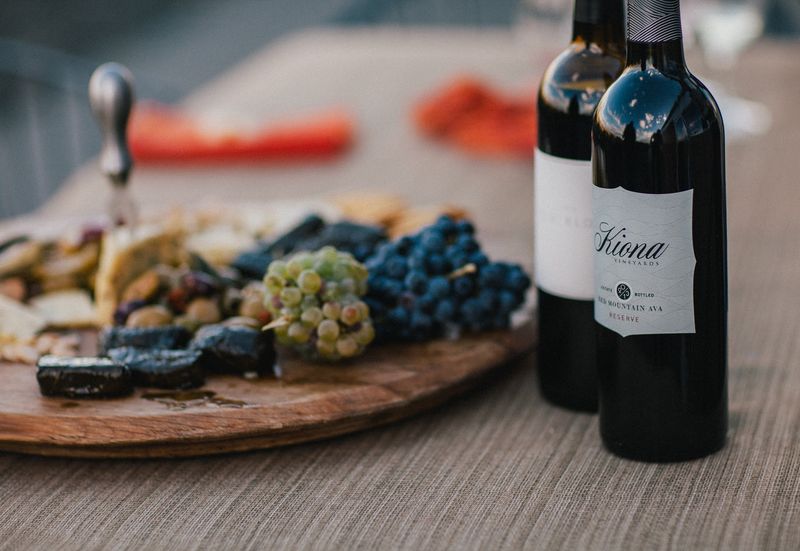
Tasting wine right among the vines is the big draw here. Kiona sits on Red Mountain in Benton City, with broad views across one of Washington’s most important growing regions.
It is a family-owned winery, and its multi-generational roots are a big part of its character.
The tasting room is open year-round, with indoor and outdoor seated tastings available daily. Flights focus on estate-grown wines, and charcuterie boards can be added for guests who want to stay a while.
Red Mountain is known for powerful red varieties. Kiona gives visitors an accessible way to learn about the area without a long, formal lesson.
Reservations are encouraged, though walk-ins are accepted when space allows. If you are building a Red Mountain trip, this is an easy first stop to anchor the day.
Dr. Konstantin Frank Winery, Hammondsport, New York
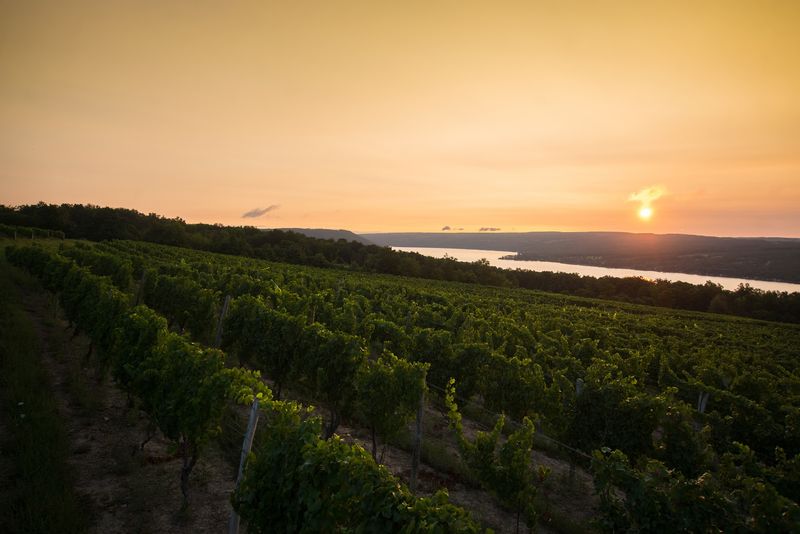
Plenty of people once believed European grapes could not survive Finger Lakes winters. Konstantin Frank proved them wrong, and that changed how people thought about New York wine.
The winery still overlooks Keuka Lake and is open to visitors seven days a week.
The year-round Signature Seated Tasting is the usual starting point. Seasonal vineyard experiences, outdoor wine service in Eugenia’s Garden, and the more immersive 1886 Wine Experience add other options.
Riesling is the obvious star, but the portfolio also includes sparkling wines, Pinot Noir, Cabernet Franc, and several less common varieties.
History, lake views, and educational tastings come together here. That mix makes it one of the easiest Finger Lakes recommendations for newcomers and seasoned wine travelers alike.
Ravines Wine Cellars, Geneva and Hammondsport, New York
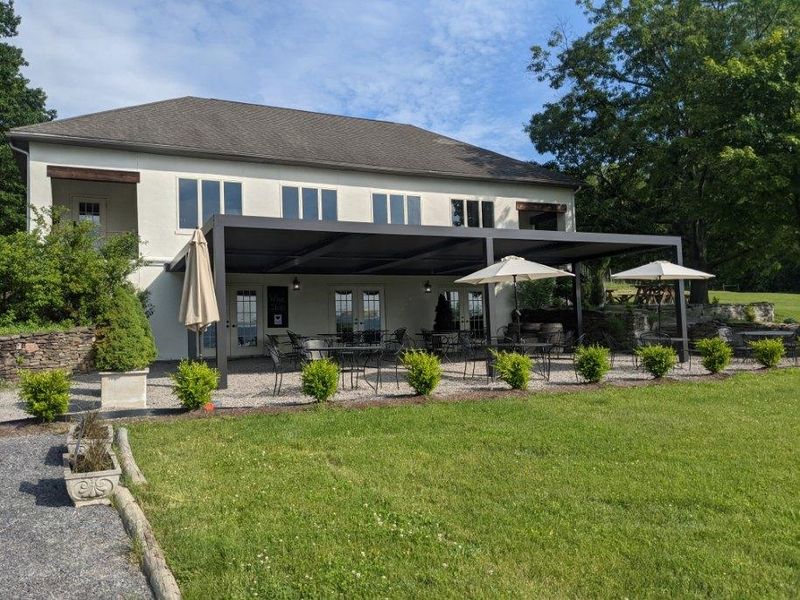
Two locations, two moods. Ravines lets Finger Lakes visitors choose between a barn in Geneva and a lakeside tasting room near Hammondsport.
The Geneva spot offers seated tastings in a renovated barn overlooking the White Springs Vineyard. The Keuka Lake location adds water scenery to the visit.
Both continue to offer guided flights, which makes Ravines easy to fit into a Seneca Lake or Keuka Lake itinerary.
The winery has built a strong name for dry, food-friendly wines, especially Riesling and Cabernet Franc. That sets it apart from the sweeter styles the region was once known for.
The Geneva tasting room is open daily, while Keuka Lake hours change seasonally, so check before you go. For anyone spending several days in the area, Ravines shows how varied the Finger Lakes can be within a compact stretch.
Kontokosta Winery, Greenport, New York
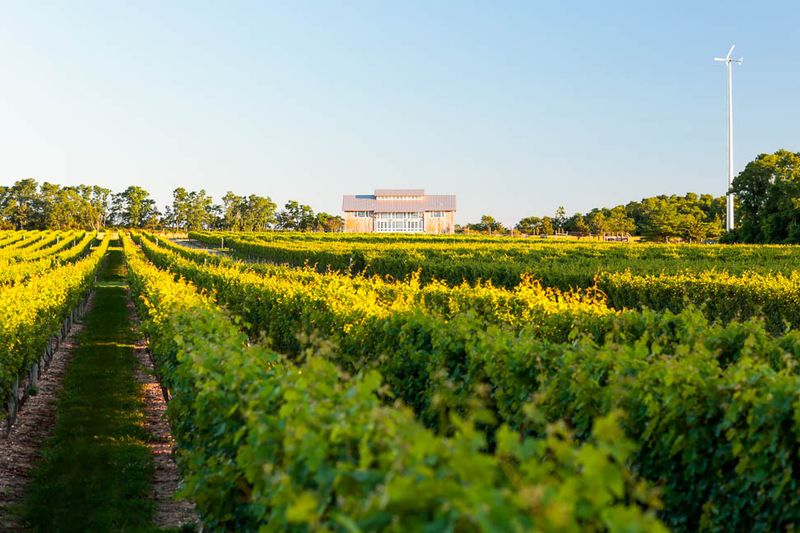
Carrying a glass out toward open water is the signature move here. Kontokosta sits on bluffs above Long Island Sound in Greenport, giving North Fork visitors a coastal backdrop.
The family manages its vineyard and farm operations directly. The wines are shaped by the North Fork’s maritime climate.
The winery is open every day, and reservations are not required. That makes it a good fit for spur-of-the-moment trips.
Guests can enjoy tastings as well as glasses around the tasting room, meadow, and bluff areas.
California often dominates the idea of American wine travel. Kontokosta shows how different the experience can feel on the opposite coast, with sea views taking the place of valley hills.
Barboursville Vineyards, Barboursville, Virginia
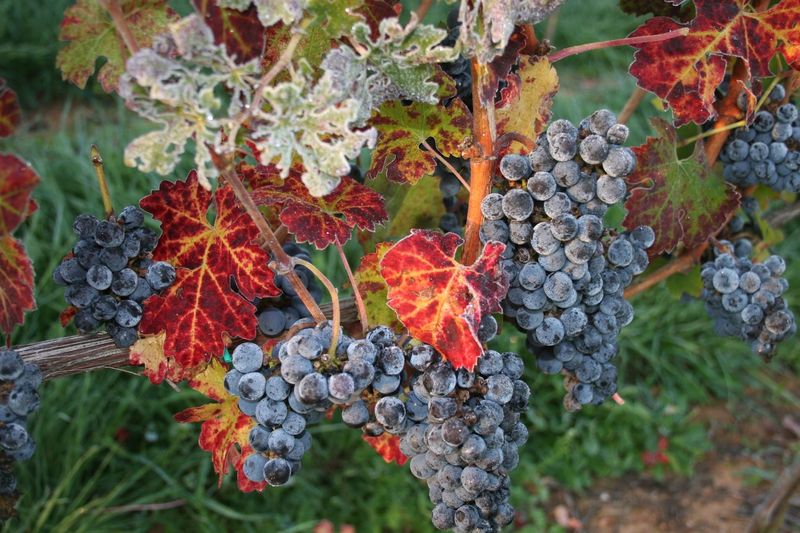
Thomas Jefferson designed a mansion here, and its ruins still stand on the grounds. They belonged to Governor James Barbour, and visitors can walk out to see them.
The Zonin family established the winery in 1976 in the foothills of the Southwest Mountains, and it has been part of Virginia’s modern wine story ever since.
Tastings range from casual to specialized. The Discovery Tasting Room is open every day and presents a broad selection of reserve wines, while Library 1821 offers older-vintage flights.
Octagon, the flagship Bordeaux-style red blend, is among Virginia’s best-known wines.
With vineyards, historic architecture, lodging, and Palladio Restaurant all on the property, Barboursville works as more than a quick stop. Plan an entire afternoon or even an overnight stay around it.
King Family Vineyards, Crozet, Virginia
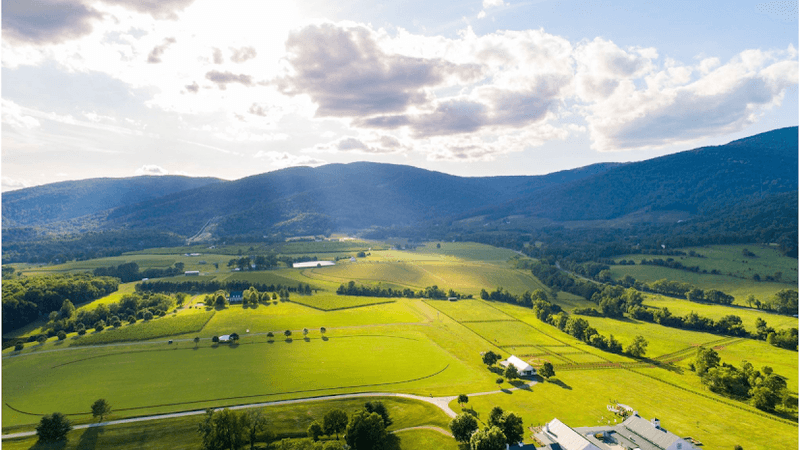
Blue Ridge views and a relaxed pace set the tone at this Crozet favorite. King Family Vineyards operates at Roseland Farm, at the foot of the mountains.
Visitors can choose self-guided flights or guided tastings. Reservations are generally not needed to enjoy the winery during normal hours.
Cabernet Franc and Viognier are the varieties most associated with the estate, and both have become important to Virginia wine. The portfolio also includes blends and other estate-focused bottlings.
Outdoor seating and expansive mountain views give the place a social, approachable feel. It is far from a stiff tasting-room setting.
Hours stretch across most of the week, with longer hours on Wednesday. If you are exploring the Monticello wine region around Charlottesville, King Family makes a handy companion stop to more historic estates.
William Chris Vineyards, Hye, Texas
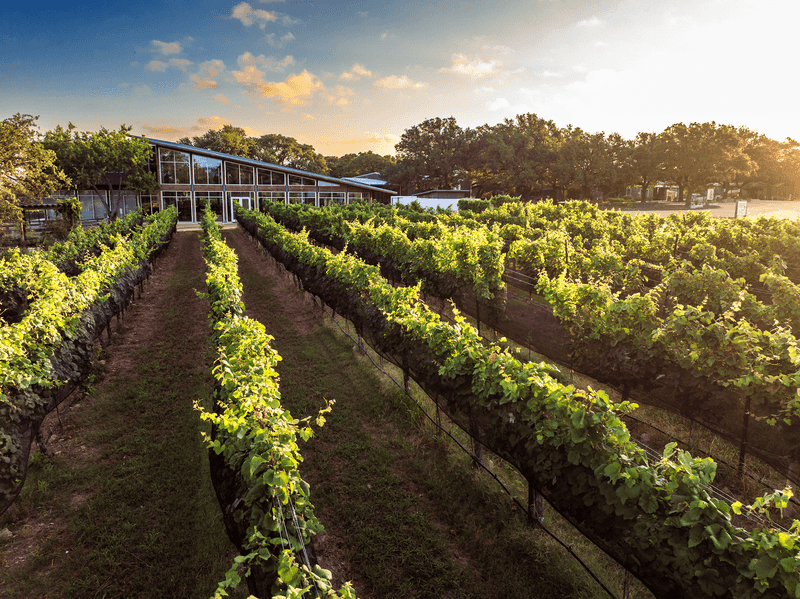
In 2025, this Texas winery reached No. 31 on the World’s 50 Best Vineyards list. That is a big milestone for Hill Country wine.
Bill Blackmon and Chris Brundrett founded William Chris in 2008. The winery emphasizes wines grown from Texas fruit rather than grapes brought in from better-known states.
The Hye property is open for tastings throughout the week. It pairs polished hospitality with a distinctly Texas atmosphere.
Visitors can book tastings and explore wines sourced from the estate and partner growers across Texas.
Texas Hill Country has grown into one of the country’s most interesting wine destinations. For anyone who still assumes American wine begins and ends on the West Coast, William Chris is a good place to change that view.
D.A. Ranch, Cornville, Arizona
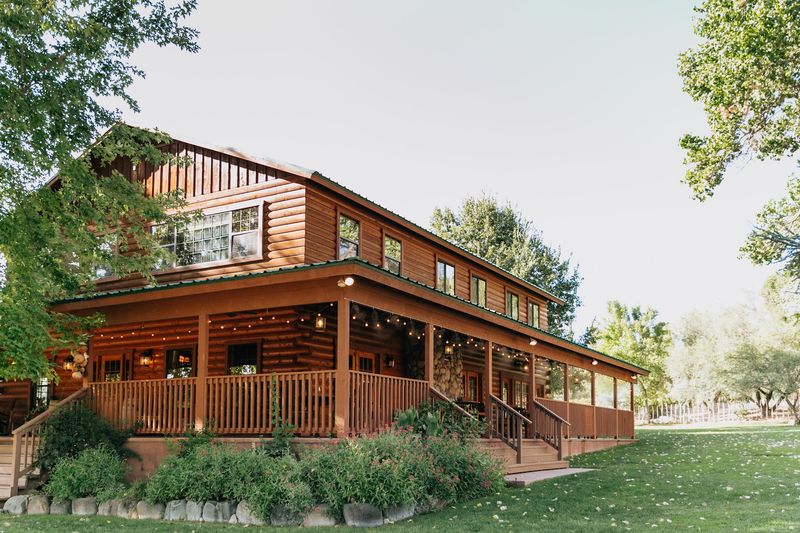
Arizona might not be the first state that comes to mind for wine, but the Verde Valley has a lively vineyard scene. D.A.
Ranch in Cornville is a good example.
This family-owned estate was established in 2002 and produces wines from estate-grown fruit.
The tasting room welcomes walk-ins from Wednesday through Sunday. Wines are served by the glass, bottle, and flight.
Weekends often bring food trucks, and live music is regularly part of the visit. The result is a relaxed ranch atmosphere rather than a formal tasting room.
A weekly discount for Verde Valley locals ties the winery to its community. Between vineyards, mature trees, open lawns, and Arizona scenery, D.A.
Ranch offers a style of American wine-country visit that looks nothing like Napa or Oregon.
Chateau Chantal, Traverse City, Michigan
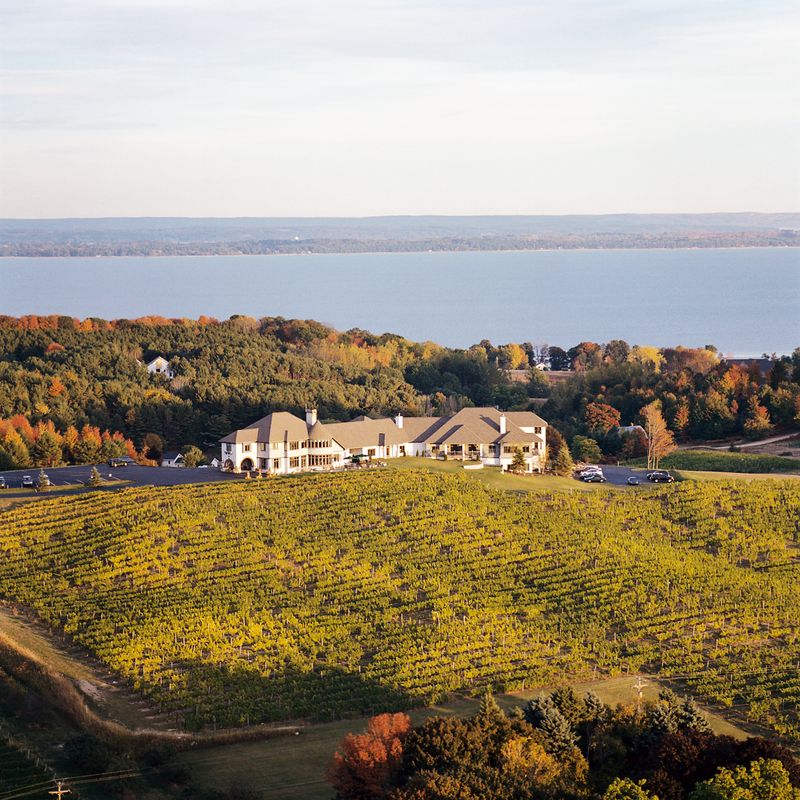
Water on both sides of the vines makes this Old Mission Peninsula spot easy to picture. Chateau Chantal’s vineyards sit between the arms of Grand Traverse Bay.
Visitors can enjoy wine on terraces that overlook both the vines and the water.
The winery operates throughout the week, with longer hours on Friday and Saturday. Walk-ins are welcomed.
Flights, glasses, seasonal specialty drinks, and small plates are available. Accommodations on the property make it possible to turn a tasting stop into an overnight stay.
Northern Michigan’s cool climate suits aromatic whites and sparkling wines, which gives the region its own identity. With landscape, wine, and hospitality in one place, Chateau Chantal is an approachable introduction to Michigan wine.
Gruet Winery, Albuquerque, New Mexico
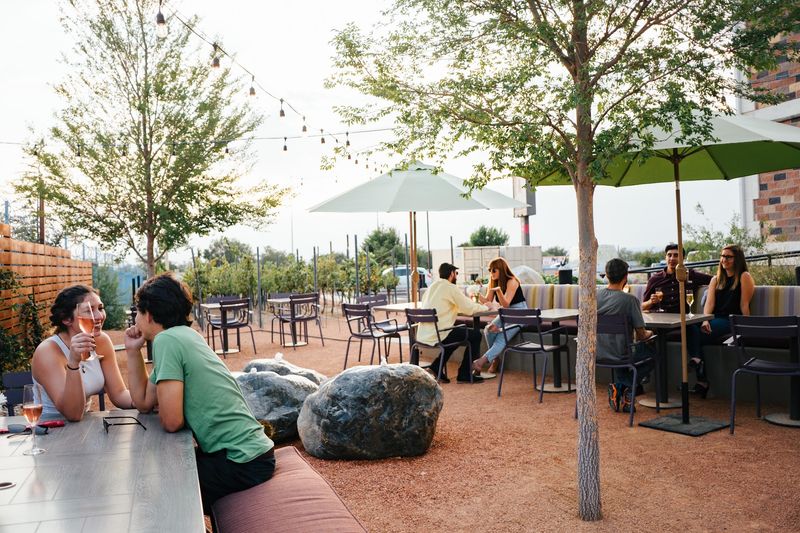
Sparkling wine from the high desert sounds unlikely, yet Gruet has made it a New Mexico specialty. The winery has played a major role in putting the state on the national wine map.
The family traces its winemaking roots to Champagne. The American operation built its reputation with grapes grown in New Mexico’s high-elevation climate.
The Albuquerque winery is open to visitors seven days a week. Guests can sample sparkling wines from familiar non-vintage bottlings to reserve and vintage selections, along with smaller-production still wines.
Winery tours are also available. They offer a closer look at how traditional-method sparkling wine is made in a place few travelers would link with bubbles.
Gruet shows that excellent American sparkling wine is not limited to California or Oregon. Its Albuquerque location is easy to reach for travelers exploring New Mexico.
Share this story