Food is one of the best ways to understand a culture. Across Europe, every country has at least one dish that tells its story, from the ingredients used to the traditions behind it.
These meals have been passed down through generations, shaped by history, geography, and local pride. Get ready to explore 15 of Europe’s most beloved national dishes.
1. Pizza Napoletana – Italy
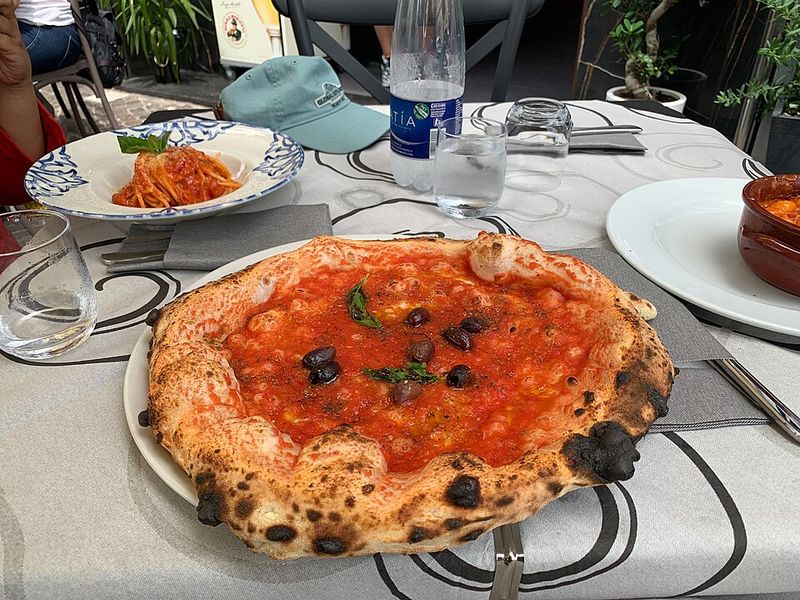
Born in the streets of Naples, Pizza Napoletana is one of the most recognized foods on the planet. Its simplicity is what makes it so powerful.
A thin, soft dough topped with San Marzano tomatoes, fresh mozzarella, and a drizzle of olive oil, then fired in a wood-burning oven at extremely high heat.
The result is a slightly charred crust with a soft, chewy center that no oven-baked frozen pizza can replicate. In 2017, the art of Neapolitan pizza-making was added to UNESCO’s list of intangible cultural heritage, a recognition that this dish is more than just food.
True Pizza Napoletana follows strict rules set by the Associazione Verace Pizza Napoletana. Only specific ingredients and methods are allowed.
If you ever visit Naples, eating a pizza straight from a wood-fired oven is an experience you will never forget.
2. Paella Valenciana – Spain
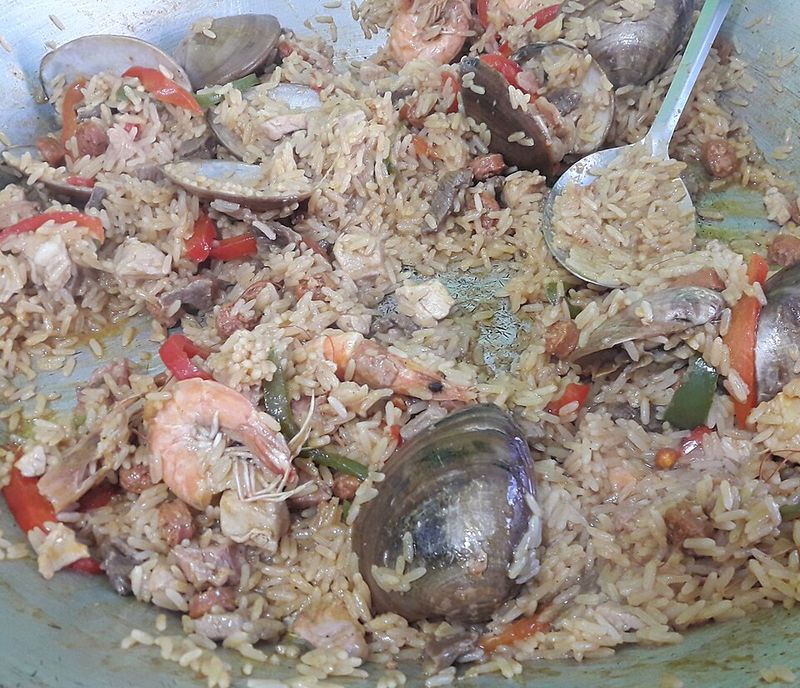
Paella Valenciana has a reputation for being Spain’s most iconic dish, and it earned that title honestly. Originating from the rice fields of Valencia on Spain’s eastern coast, this dish was originally a farmer’s meal cooked over an open fire using whatever ingredients were available, typically chicken, rabbit, green beans, and white beans.
The key to a great paella is the socarrat, the crispy, caramelized layer of rice that forms at the bottom of the pan. Locals consider this the best part.
Saffron gives the rice its signature golden color and subtle earthy flavor that makes the dish instantly recognizable.
Many people outside Spain assume paella always contains seafood, but the traditional Valencian version does not. Seafood paella is a popular variation, but purists will tell you the original recipe is the true classic.
Sharing a pan with family on a Sunday afternoon is a Spanish tradition worth celebrating.
3. Moussaka – Greece
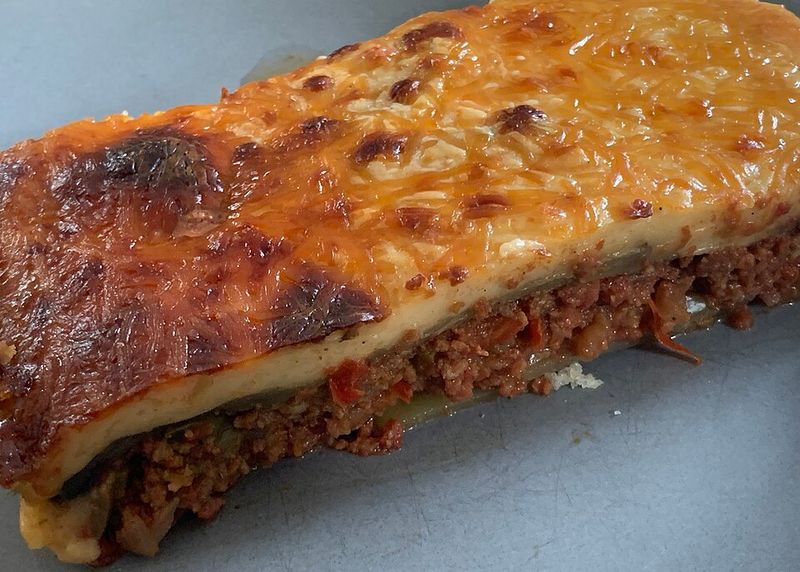
Moussaka is Greece’s answer to comfort food, and it delivers every single time. Layers of roasted eggplant, spiced ground lamb or beef, and a thick, creamy bechamel sauce are baked together until the top turns a gorgeous golden brown.
The aroma alone is enough to draw a crowd.
What separates a great moussaka from an average one is patience. The eggplant needs to be properly salted and cooked before layering, and the bechamel must be thick and well-seasoned.
Rushing the process shows in the final result.
Moussaka has roots that stretch beyond Greece. Similar dishes exist across the Middle East and Balkans, but the Greek version, popularized in the early 20th century by chef Nikolaos Tselementes, is the one the world knows best.
Served warm with a simple salad and crusty bread, it is a meal that feels like a warm welcome every time.
4. Wiener Schnitzel – Austria
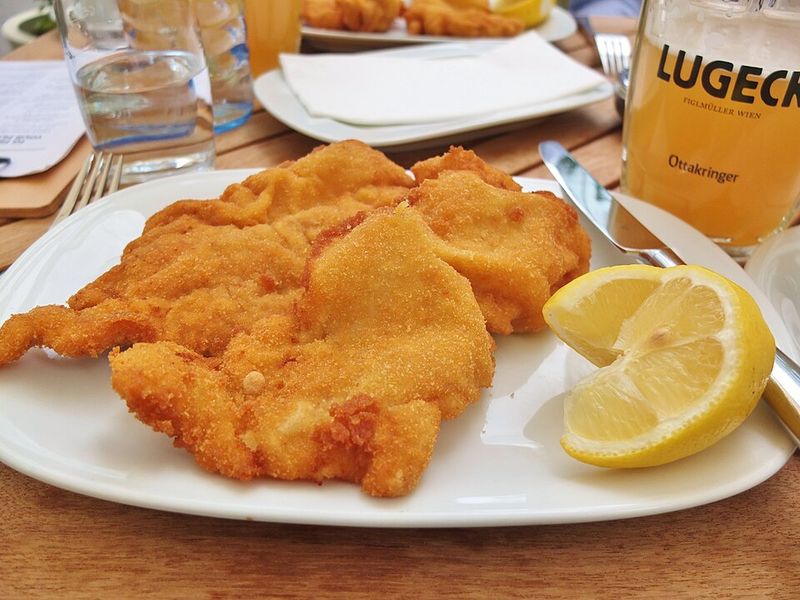
Few dishes command as much respect as Wiener Schnitzel. This Austrian classic is a thin slice of veal, coated in breadcrumbs and fried to a perfect, crispy golden finish.
It sounds simple, but achieving that delicate, even crust without it sticking to the meat is a skill that takes practice.
By Austrian law, a dish can only be called Wiener Schnitzel if it is made with veal. Any other meat must be labeled differently, such as Schnitzel Wiener Art, meaning Viennese style.
This level of protection shows just how seriously Austria takes its culinary heritage.
Traditionally served with a wedge of lemon and a side of potato salad or parsley potatoes, Wiener Schnitzel is a staple in Viennese restaurants called Gasthäuser. The dish became internationally famous in the 19th century and remains a point of national pride.
Squeezing fresh lemon over the crispy crust just before eating is considered the proper way to enjoy it.
5. Pierogi – Poland
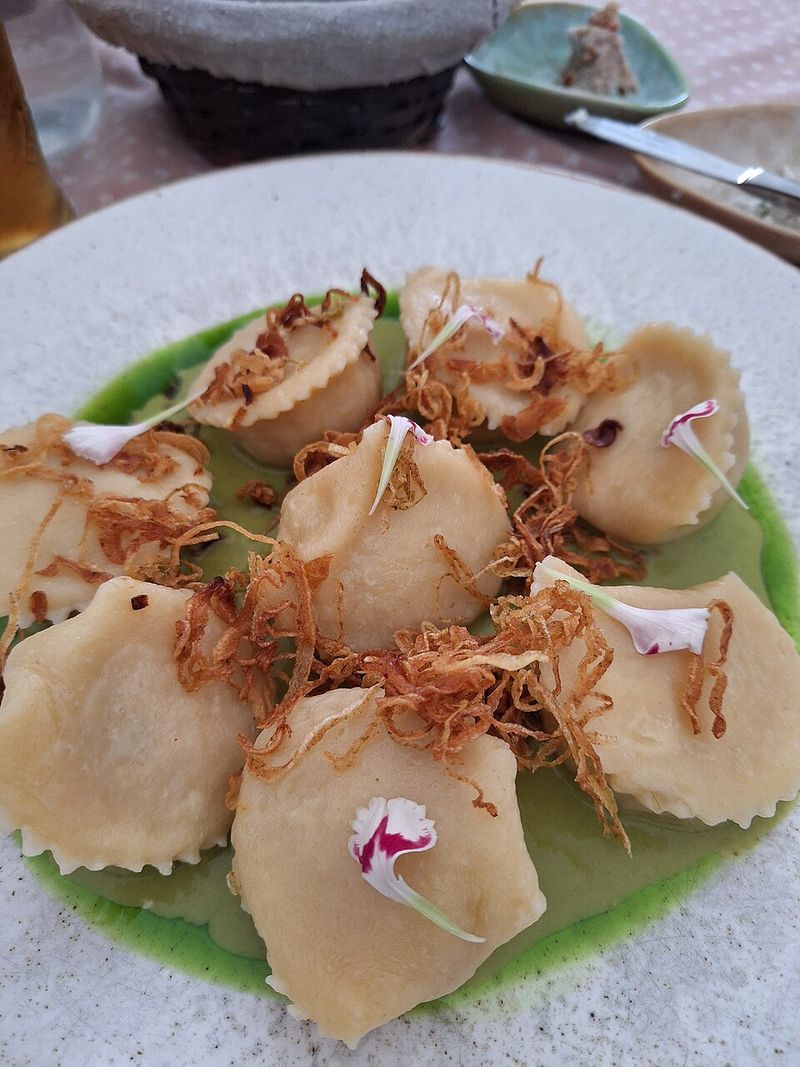
Pierogi are the kind of food that feels like a hug from the inside. These soft, doughy dumplings are stuffed with a variety of fillings, from mashed potatoes and cheese to sauerkraut, mushrooms, or sweet fruit, and then boiled or pan-fried until perfectly tender.
Poland has been making pierogi for centuries, and the dish carries deep cultural meaning. They are a staple at family gatherings, holiday celebrations, and everyday dinners.
Every Polish family has its own preferred recipe, and debates over the best filling are friendly but passionate.
The most classic version, Pierogi Ruskie, is filled with potato, farmer’s cheese, and onion, then topped with sour cream and crispy fried onions. Despite the name suggesting Russian origin, this variety is widely considered Polish.
Street food stalls across Krakow and Warsaw sell hundreds of them daily. Once you try a freshly made, pan-fried pierogi, you will understand why Poland loves them so much.
6. Gulyas (Goulash) – Hungary
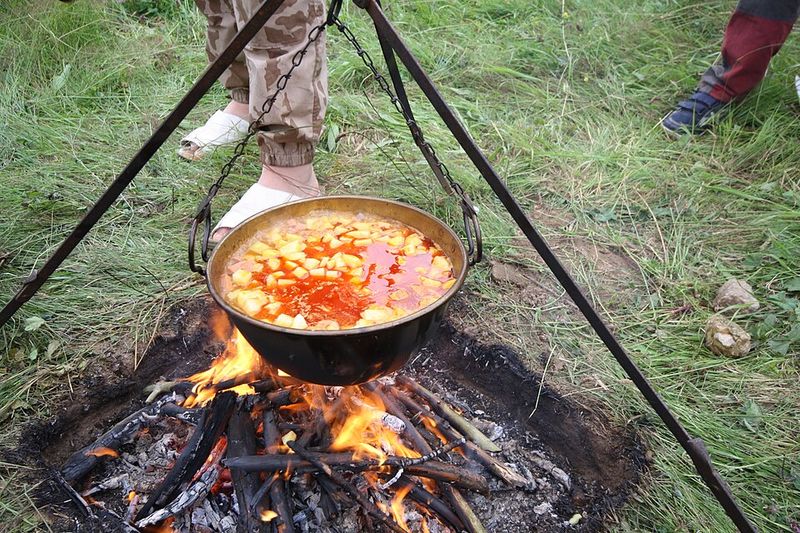
Hungarian Gulyas is not just a stew, it is a symbol of national identity. Originally prepared by cattle herders on the Hungarian plains, this dish was cooked in a kettle over an open fire and made with beef, onions, and the one ingredient that defines Hungarian cooking: sweet paprika.
Over centuries, Gulyas evolved from a simple herdsman’s meal into Hungary’s most celebrated dish. Today it is typically served as a hearty soup rather than a thick stew, loaded with tender beef, potatoes, and sometimes egg noodles called csipetke.
The deep red color from paprika makes it visually striking and instantly appetizing.
Hungary produces some of the world’s finest paprika, and Gulyas showcases it beautifully. The dish is eaten year-round but feels especially fitting on a cold winter day.
Restaurants across Budapest serve their own versions, but the most authentic Gulyas is still cooked slowly in a traditional kettle called a bogrács.
7. Cevapi – Bosnia and Herzegovina
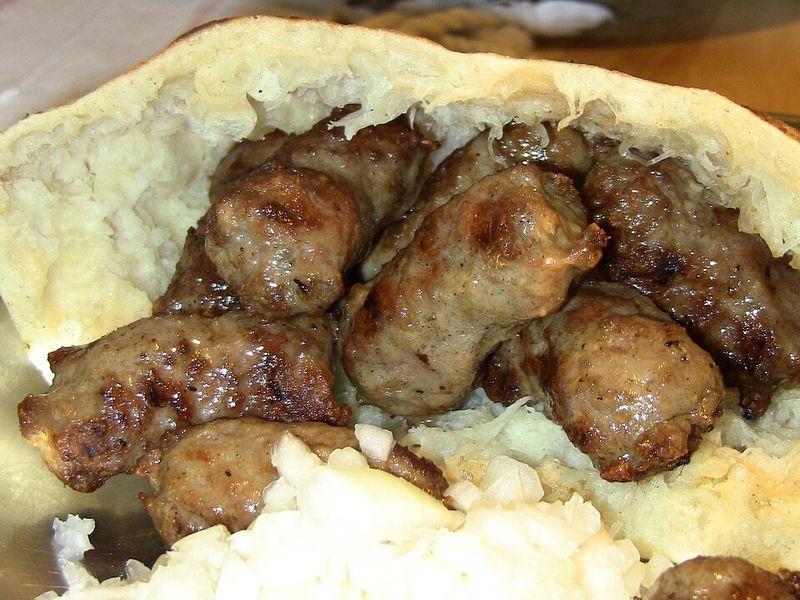
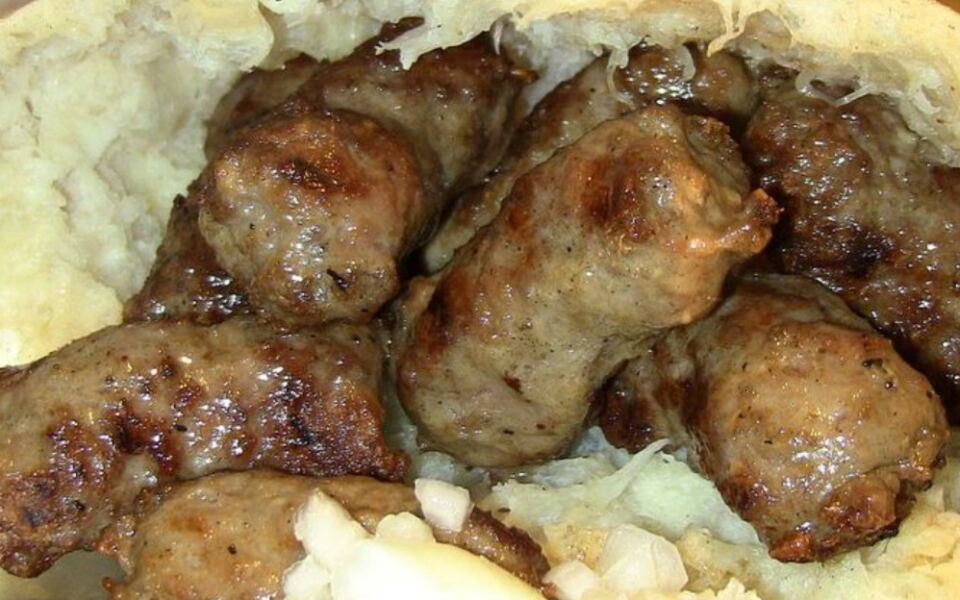
Cevapi are small, skinless grilled sausages made from a mix of beef and lamb, and they are the soul of Bosnian street food. Served tucked inside a soft flatbread called lepinja, alongside raw chopped onions and a smoky red pepper spread called ajvar, this dish is bold, simple, and completely satisfying.
The origins of cevapi trace back to the Ottoman Empire, which had a lasting influence on Balkan cuisine. Over time, Bosnia developed its own distinct version, and the city of Sarajevo is particularly famous for its cevapi.
Local restaurants called cevapdžinicas specialize in nothing else and have loyal followings that span generations.
What makes Bosnian cevapi unique is the texture. The meat is finely ground and seasoned with garlic and baking soda, giving it a springy, almost fluffy consistency when grilled.
Eating cevapi fresh off a charcoal grill, wrapped in warm lepinja, is one of the most satisfying experiences the Balkans has to offer.
8. Bacalhau – Portugal
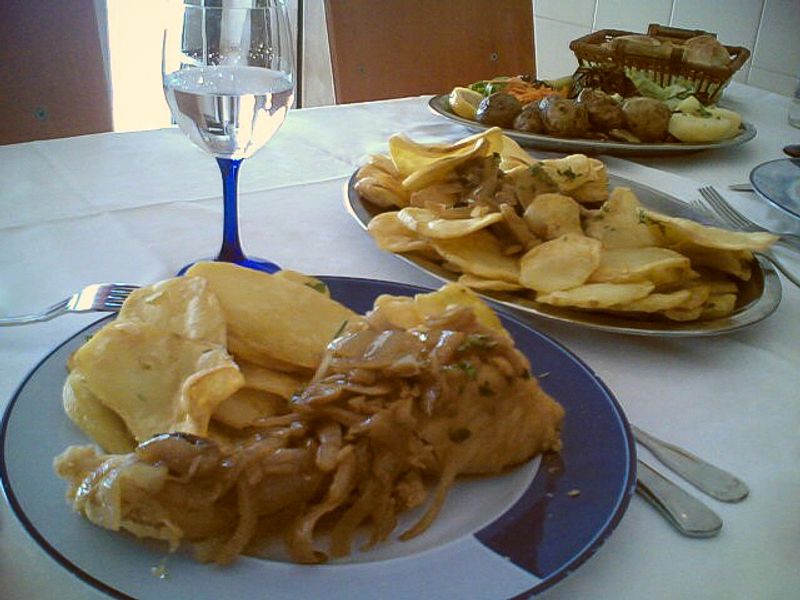
Portugal and salted cod have a relationship that goes back over 500 years. Bacalhau, or dried and salted codfish, is considered the country’s national ingredient, and the Portuguese claim to have 365 ways to prepare it, one for every day of the year.
Whether that number is exact or not, the variety is genuinely impressive.
The fish is first dried and salted to preserve it, then soaked in water for 24 to 48 hours before cooking to remove the salt and rehydrate it. This process gives bacalhau a distinct texture and flavor that fresh cod simply does not have.
Popular preparations include Bacalhau a Bras, made with shredded cod, eggs, and crispy potatoes, and Bacalhau com Natas, a creamy baked version.
Bacalhau is central to Portuguese culture and appears at nearly every major celebration, especially Christmas Eve dinner. Despite cod not being native to Portuguese waters, Portugal built its culinary identity around it through centuries of Atlantic fishing.
9. Boeuf Bourguignon – France
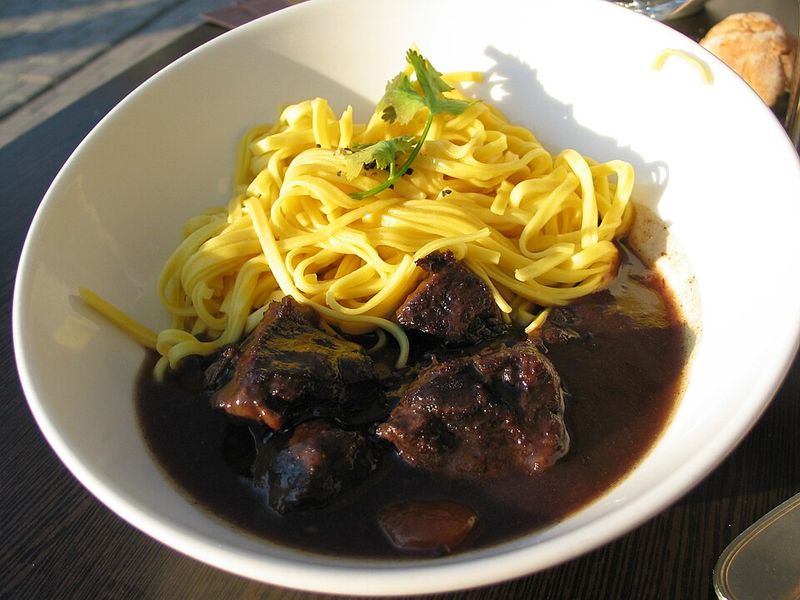
Boeuf Bourguignon is French country cooking at its finest. This slow-braised beef stew from the Burgundy region uses red wine as its primary cooking liquid, along with beef stock, pearl onions, mushrooms, and herbs.
The result is a deep, complex sauce that coats every piece of tender, fall-apart beef perfectly.
The dish gained international fame partly through Julia Child, the American chef who introduced French cooking to a wide audience in the 1960s. Her version of Boeuf Bourguignon became so popular that it is still one of the most searched French recipes today.
The key is using a good Burgundy wine, since the quality of the wine directly affects the depth of flavor in the sauce.
Traditionally served with crusty bread, egg noodles, or mashed potatoes, this dish rewards patience. The longer it simmers, the better it tastes.
Many French cooks insist it is even better the next day, after the flavors have had more time to develop overnight.
10. Moules-Frites – Belgium
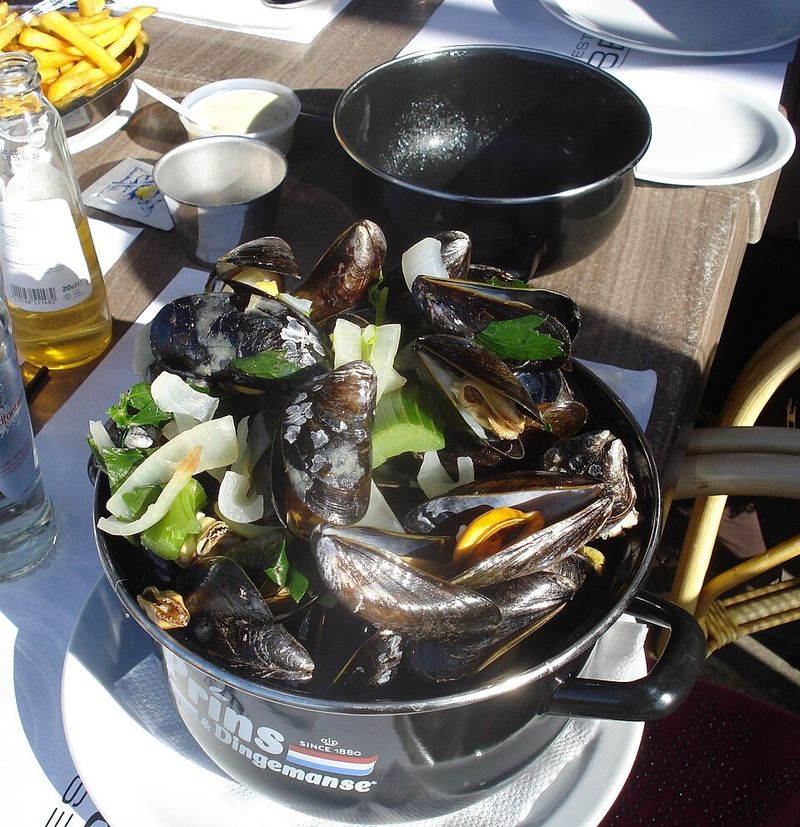
Belgium may be a small country, but its food punches well above its weight. Moules-Frites, mussels served with fries, is the dish that best captures Belgian culinary culture.
It is casual, generous, and deeply satisfying in a way that fancy dishes sometimes are not.
The mussels are typically steamed in white wine with shallots, garlic, celery, and parsley until they open up and release their natural briny juices. The resulting broth is so flavorful that dipping fries into it is considered part of the experience.
Belgian fries, by the way, are not thin and limp. They are thick-cut, twice-fried, and served with a thick mayonnaise that is nothing like the jarred version.
Belgium is actually credited with inventing the french fry, despite the misleading name. Moules-Frites season runs from late summer through winter, when mussels are at their freshest.
In Brussels, this dish is served in enormous pots at affordable prices, making it a true national treasure.
11. Fish and Chips – United Kingdom
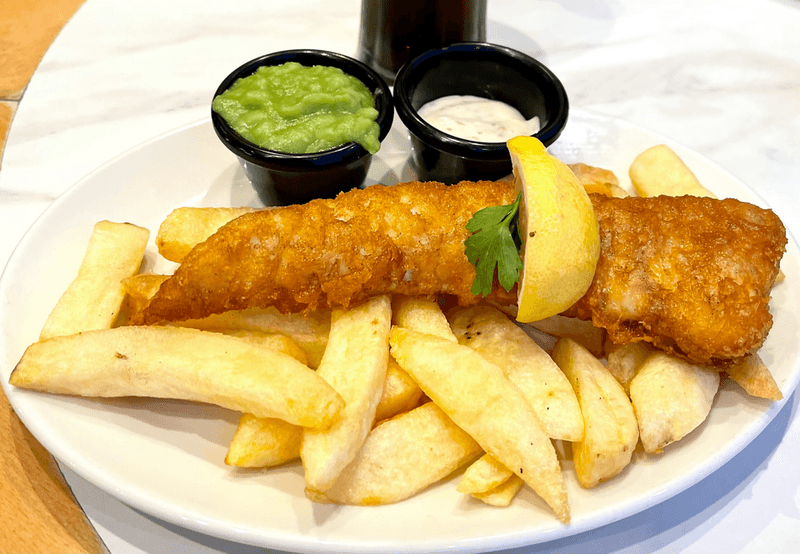
Ask anyone in Britain what their national dish is, and fish and chips will almost always come up. This beloved combination of battered deep-fried fish, typically cod or haddock, served alongside thick, golden chips has been a British staple since the mid-1800s.
It is the kind of food that carries nostalgia in every bite.
The dish became popular during the Industrial Revolution when affordable fish and potatoes fed working-class families across England. During World War II, fish and chips were one of the few foods not rationed by the British government, a decision that helped maintain public morale.
That says a lot about how important this meal was to everyday life.
Eating fish and chips from paper wrapping, ideally near the seaside, is considered the authentic British experience. A sprinkle of malt vinegar and a side of mushy peas complete the classic plate.
Today, there are over 10,000 fish and chip shops across the UK, known fondly as chippies.
12. Svickova – Czechia
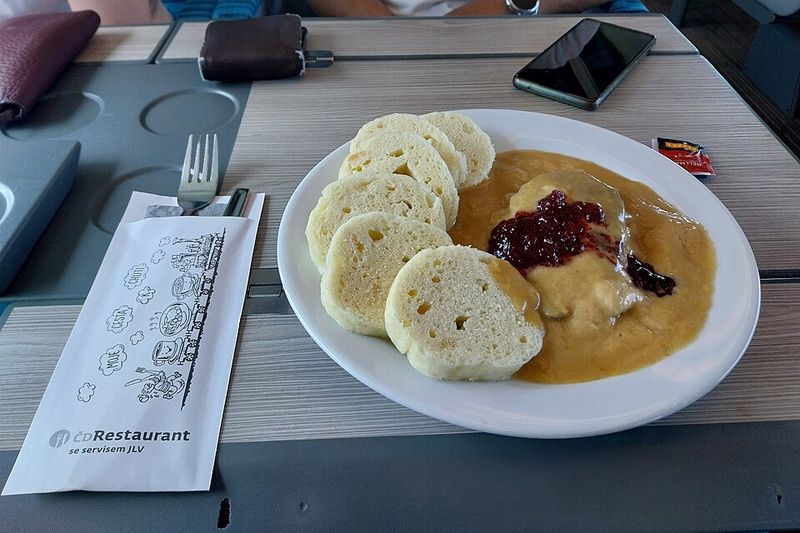
Svickova na smetane is the dish that Czech people talk about with genuine affection. Sliced beef sirloin is slow-braised with root vegetables like carrots, parsnips, and celery root, then the cooking liquid is pureed into a smooth, creamy sauce that is sweet, tangy, and savory all at once.
It is a flavor combination that surprises first-timers in the best way possible.
The dish is served with knedliky, soft Czech bread dumplings that are perfect for soaking up every drop of that sauce. On top goes a spoonful of whipped cream, a slice of lemon, and a small portion of cranberry sauce.
The contrast between the rich beef and the sweet-tart garnishes is what makes the dish so memorable.
Svickova is closely tied to Czech family life. It takes hours to prepare properly and is reserved for Sundays and special occasions.
Restaurants across Prague serve their own versions, but many Czechs insist that nothing beats their grandmother’s recipe.
13. Sarmale – Romania
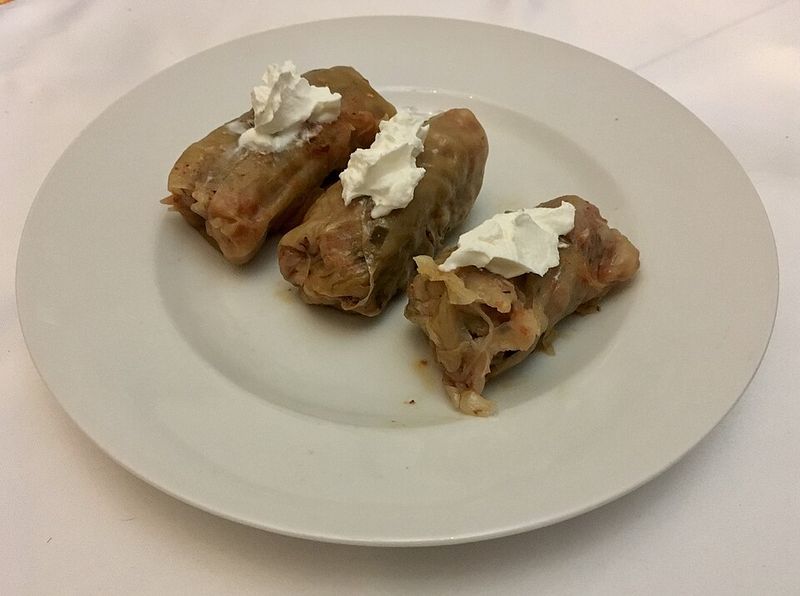
Sarmale holds a place of honor at every Romanian celebration. These cabbage rolls, stuffed with a seasoned mixture of minced pork and rice, are slow-cooked in tomato sauce until the cabbage becomes tender and the filling absorbs all the surrounding flavors.
The smell of sarmale cooking is practically synonymous with Romanian holidays.
The dish has Ottoman roots, as stuffed vine or cabbage leaves are common across the Balkans and Middle East. But Romania made the recipe its own over centuries, and today sarmale is considered the country’s most beloved comfort food.
They are especially central to Christmas and Easter feasts, where no table is considered complete without them.
Romanians typically serve sarmale with mamaliga, a polenta-like cornmeal porridge, and a generous spoonful of sour cream. Some families add smoked meat to the pot for extra depth of flavor.
Making sarmale is a labor of love, often involving the whole family rolling hundreds of tiny cabbage parcels together.
14. Peka – Croatia
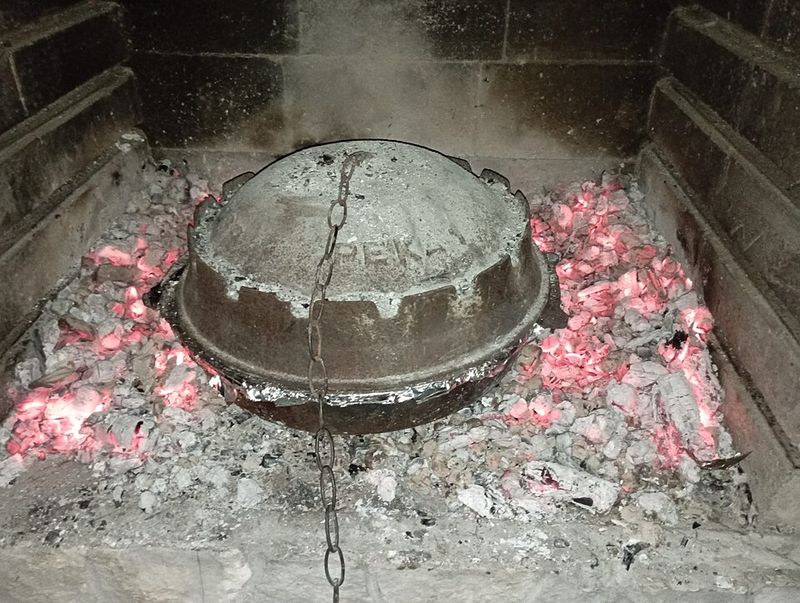
Peka is not just a dish, it is a cooking method, and in Croatia, it is considered an art form. Meat, usually lamb or veal, is placed in a shallow pan with vegetables and olive oil, then covered with a heavy iron or clay bell-shaped lid called a peka.
Hot embers are piled on top, and the food is left to cook slowly for hours.
The result is incredibly tender meat that practically melts off the bone, surrounded by vegetables that have soaked up all the cooking juices. The sealed environment traps steam and flavor, creating a richness that other cooking methods struggle to match.
Octopus under peka is another popular variation along the Dalmatian coast.
Ordering peka at a Croatian restaurant requires advance notice, usually at least 24 hours, because of the long cooking time. That waiting period only adds to the anticipation.
Peka is central to Croatian celebrations and family gatherings, especially in Dalmatia and Istria, where the tradition runs deep.
15. Bryndzove Halusky – Slovakia
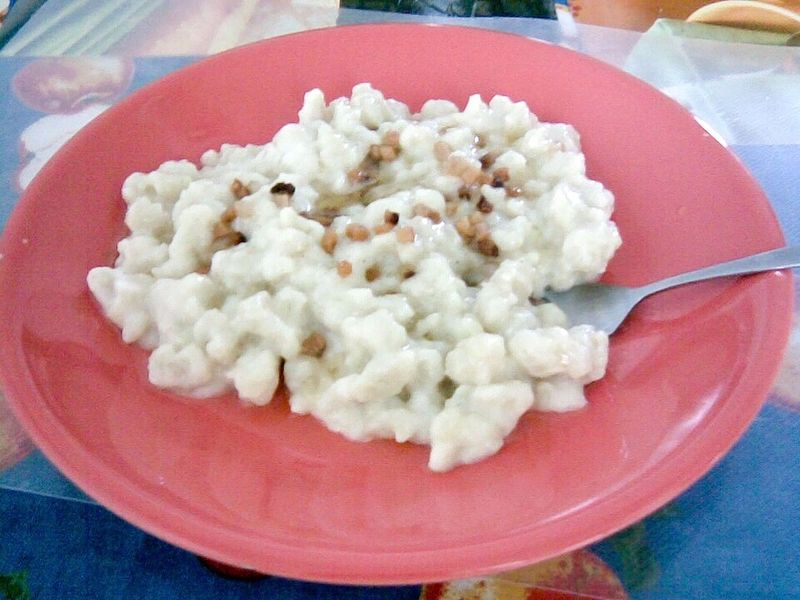
Slovakia’s national dish is hearty, humble, and surprisingly addictive. Bryndzove Halusky consists of small, soft potato dumplings called halusky, tossed generously in bryndza, a sharp, creamy sheep’s milk cheese that is native to the Carpathian mountain region.
Crispy fried bacon or smoked lard is scattered on top, adding a salty crunch that balances the creamy cheese perfectly.
Bryndza is what makes this dish truly Slovak. The cheese has a tangy, slightly sour flavor that is unlike any other cheese in Europe.
It is produced in mountain regions where sheep farming has been a way of life for centuries. In 2008, Slovak bryndza received protected geographical status from the European Union.
Bryndzove Halusky is eaten year-round but feels especially fitting in colder months when something warm and filling is exactly what is needed. Annual festivals celebrating the dish are held in Slovakia, drawing crowds who come to enjoy the food and honor the tradition that has shaped Slovak culture for generations.
Share this story