Frying dough in hot oil is one of the oldest ways to make a sweet treat, and nearly every culture has its own version. From crisp sticks to syrup-soaked spirals, these desserts show how a few simple ingredients can become something special.
Here are fifteen favorites from across the globe, each with its own story, flavor, and texture.
1. Gulab Jamun – India
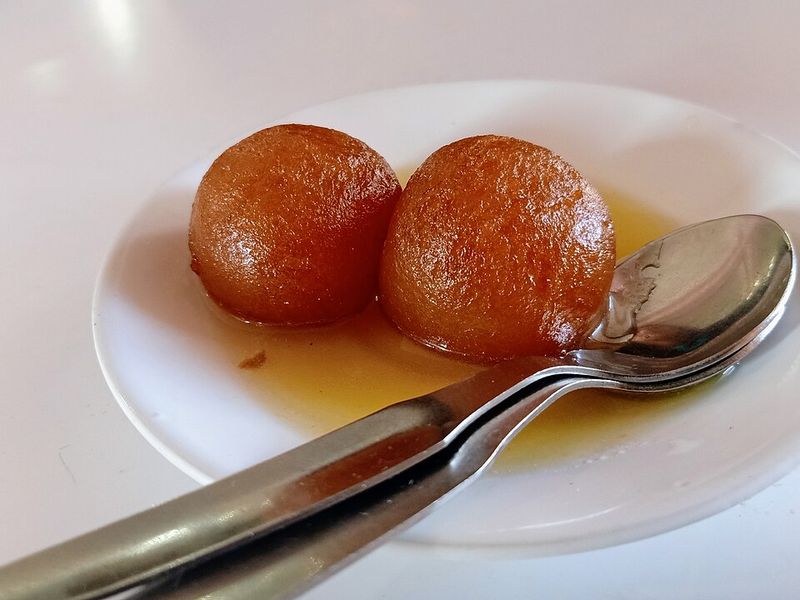
Few sweets show up at Indian celebrations as reliably as gulab jamun. Weddings, Diwali gatherings, and birthdays all seem to include a bowl of these dark, glossy dumplings.
The dough is made from milk solids called khoya, mixed with a little flour and shaped into smooth balls. Cooks fry them slowly in ghee or oil over gentle heat so the insides cook through without burning the outside.
After frying, the dumplings go straight into warm sugar syrup flavored with cardamom and sometimes rose water. They soak up the liquid and turn soft, tender, and very sweet.
Fun fact: the name comes from Persian words meaning rose water and berry. Many people enjoy them warm, sometimes with a scoop of vanilla ice cream on the side.
If you try making them at home, keep the oil temperature low and steady, because that is the secret to a perfectly round, evenly browned result.
2. Churros – Spain
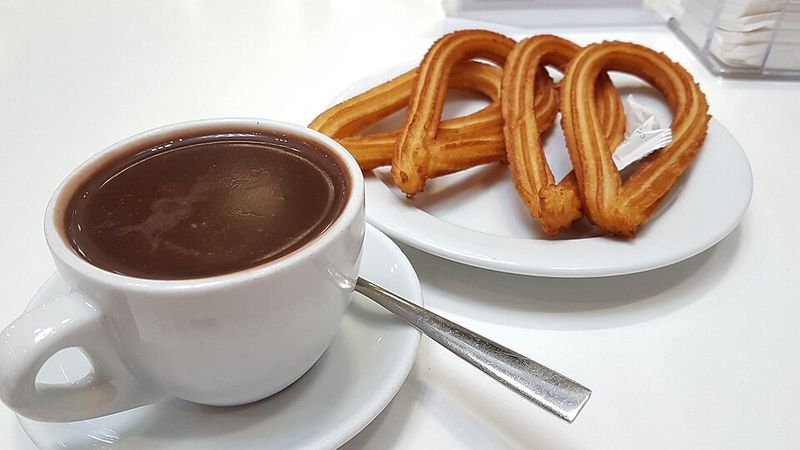
Picture a chilly morning in Madrid, with a paper cone of hot churros in your hand. That is how many Spaniards start a weekend or end a late night out.
The batter is simple: flour, water, and salt. It is squeezed through a star-shaped tip into hot oil, which gives each stick its signature ridges.
Those ridges catch the crunch and help the surface turn crisp while the inside stays soft.
Churros are usually rolled in sugar or dunked into chocolate so thick it almost feels like pudding. Some cafes also serve them with dulce de leche or a dusting of cinnamon.
Many food historians think Spanish shepherds helped popularize them, since the dough is easy to cook over a campfire. Eat them fresh, because they lose their crunch quickly once they cool down.
3. Loukoumades – Greece
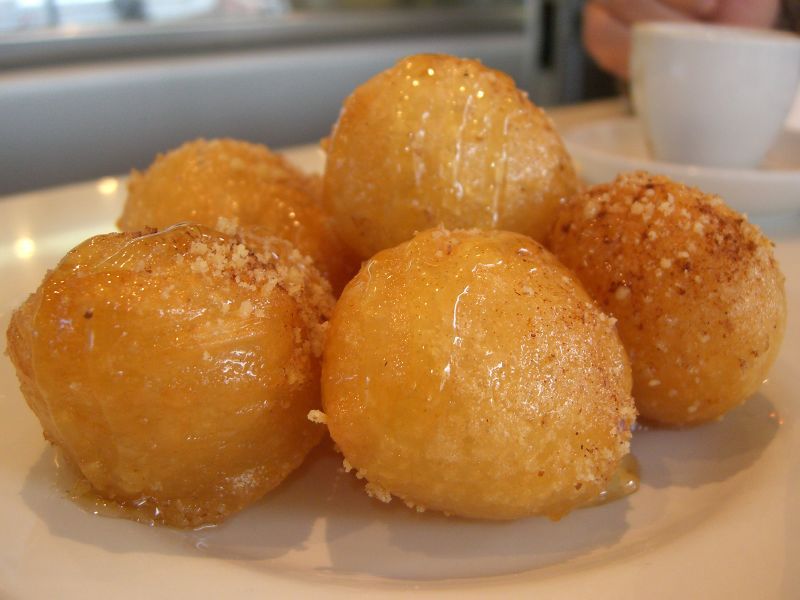
Legend says winners of the ancient Olympic Games were handed honey fritters as a prize. Whether or not that is entirely true, loukoumades have a very long history in Greece.
The batter is light and yeasty, and it puffs up when spooned into hot oil. The result is a tiny ball with a thin crisp shell and an airy, almost hollow center.
As soon as they come out of the fryer, cooks drench them in warm honey and shake over cinnamon. Chopped walnuts are a popular finishing touch, and some shops add chocolate sauce or sesame seeds.
Greek families often buy them from street stalls during festivals. They are best eaten right away, while the outside still crackles.
Share a plate with friends, because it is very hard to stop at just one bite.
4. Zeppole – Italy
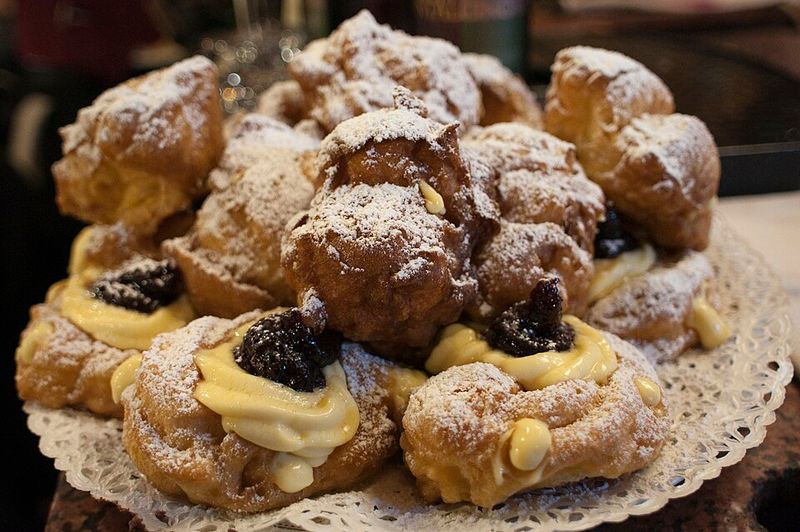
On March 19, Saint Joseph’s Day, bakeries across Italy fill their windows with zeppole. In Naples, the day is practically a holiday for sweet lovers.
Street festival versions are made from a soft yeast dough that is dropped into oil and fried until golden. Once they puff up, they get a heavy snowfall of powdered sugar.
Bakery versions can be piped from choux pastry and topped with custard and a cherry.
The texture is what sets them apart. Biting through the thin outer layer reveals a warm, cloud-like inside that feels almost like bread.
Italian American communities brought the tradition overseas, so you can spot zeppole at fairs and feast days in many U.S. cities too. Eat them hot and keep a napkin handy, because the sugar tends to land everywhere, including your shirt.
5. Jalebi – India
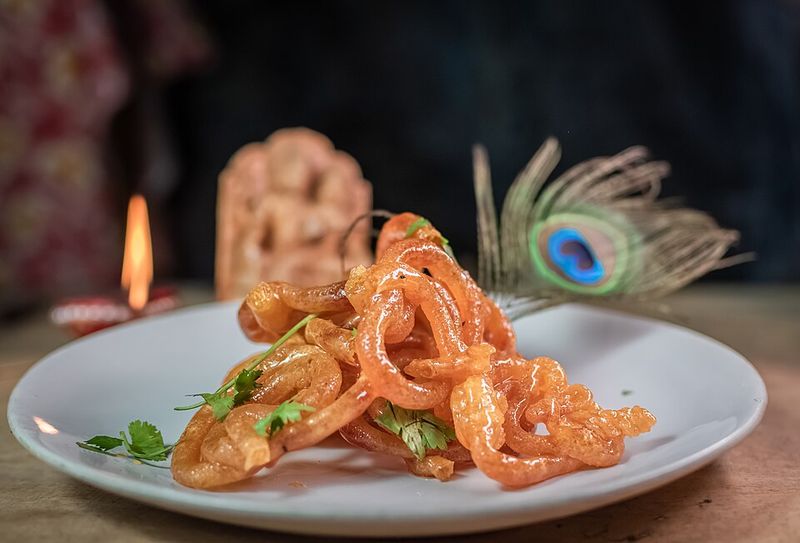
Watching a jalebi maker work is half the fun. He squeezes batter from a cloth in swirling circles straight into a wide pan of sizzling oil, creating perfect coils in seconds.
The batter is made from fermented flour and often tinted with saffron or food color for that bright orange glow. Once crisp, the spirals are dipped into warm sugar syrup, which seeps into every tiny hole.
The bite is crunchy at first, then sticky and juicy. Some people pair jalebi with warm milk for breakfast, while others enjoy them with rabri, a thickened sweet cream.
Versions of this treat appear from the Middle East to South Asia, where it is known by names like zalabiya. Choose jalebi that was just made, since fresh ones have the loudest crunch and the best flavor.
6. Pączki – Poland
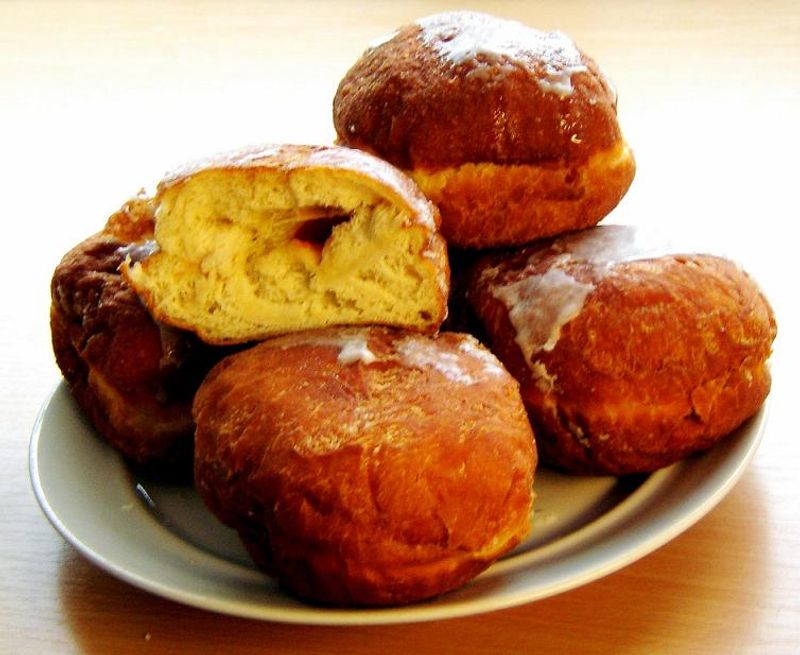
Poland has a day set aside just for doughnuts. Fat Thursday, held shortly before Lent begins, sends people lining up at bakeries before sunrise.
Pączki, pronounced roughly poonch-key, are richer than the doughnuts many people know. The dough includes eggs, butter, and sometimes a splash of spirits, which helps keep the pastry from soaking up too much oil.
Traditional fillings include rose petal jam, plum butter, and custard. After frying, they are glazed or rolled in sugar, and candied orange peel often adds a finishing touch.
Polish communities in Chicago and Detroit hold big celebrations each year, selling thousands of them. If you get a chance to taste one, look for a pale ring around the middle.
Bakers consider that line a sign of a well-made pączek.
7. Oliebollen – Netherlands
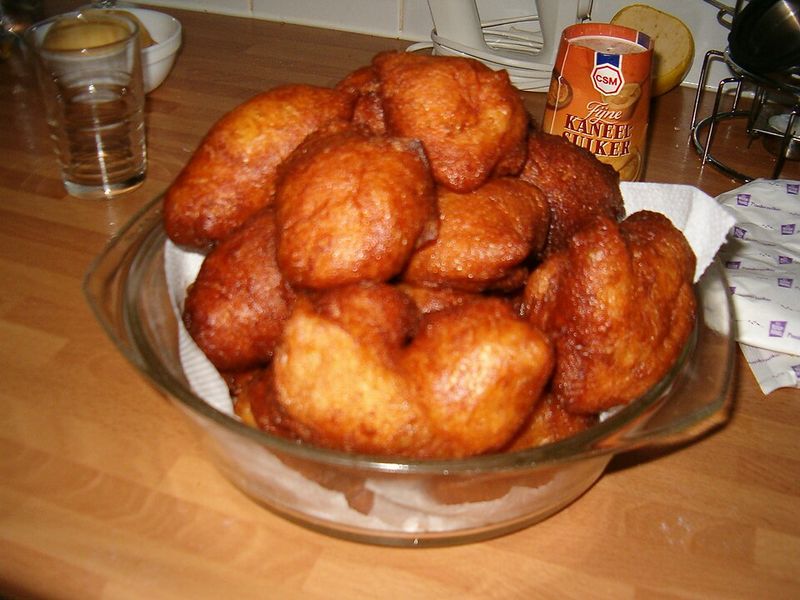
When December 31 arrives in the Netherlands, the smell of hot oil drifts through outdoor markets. Oliebollen stands pop up on street corners, and people wait in long lines in the cold.
The name means oil balls, and the recipe is wonderfully simple. A stretchy yeast batter is mixed with raisins or currants, then scooped with two spoons into the fryer.
They come out round, craggy, and deep brown.
A thick coat of powdered sugar finishes the job. The inside is soft and slightly chewy, almost like a warm bread roll with a sweet twist.
Some historians trace the treat back to Germanic winter festivals. Today, Dutch families make them at home, and many bakers add apple chunks or candied fruit.
Enjoy them on the same day, since leftovers turn heavy fast.
8. Picarones – Peru
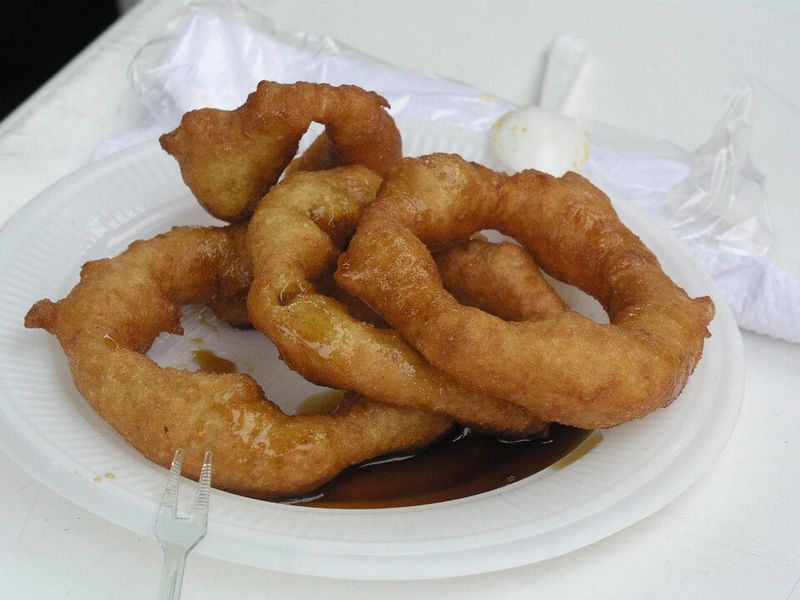
Walk through a food market in Lima and you might spot orange rings bobbing in a pot of oil. Those are picarones, a favorite Peruvian street sweet.
The dough combines mashed sweet potato and squash with flour and a little yeast. Cooks stretch the sticky mixture into a ring shape by hand, using a quick twist of the wrist, then drop it into the fryer.
What really makes the dish memorable is the syrup, called chancaca. It is made from raw cane sugar and flavored with cinnamon, cloves, and citrus peel, giving it a deep, smoky sweetness.
Picarones are believed to have grown out of Spanish colonial times, when cooks adapted a fritter recipe using local ingredients. They are often sold with anticuchos, a grilled meat dish, making an unforgettable evening snack.
9. Buñuelos – Colombia
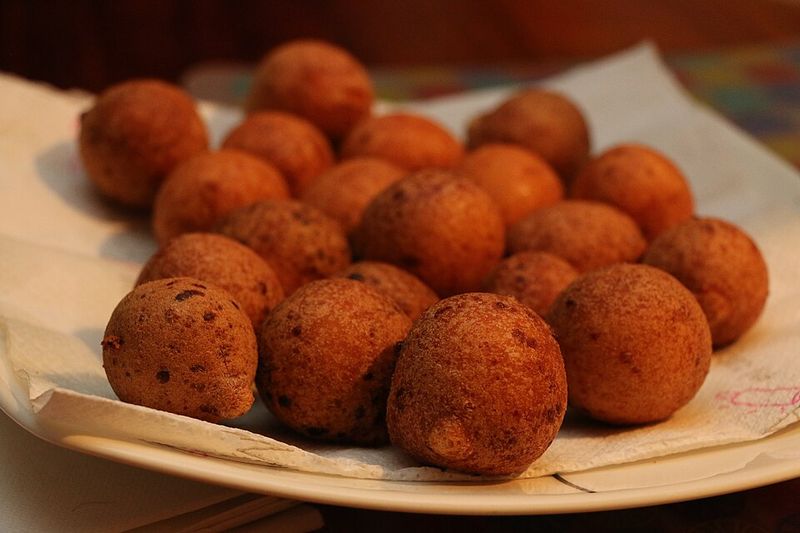
Ask any Colombian what Christmas tastes like, and buñuelos will probably come up in the first sentence. They appear alongside natilla, a creamy pudding, at family gatherings in December.
These fritters are made from fresh white cheese, cornstarch, and sometimes a little sugar. The mixture is rolled into smooth balls and slipped into oil that is not too hot, which lets them puff slowly without cracking.
The outside turns a deep gold and crunchy, while the inside is soft and slightly salty. That balance of salty and sweet makes them different from most fried desserts.
Families often fry big batches on Christmas Eve while music plays in the background. Be patient with the oil temperature, because if it is too high, the buñuelos brown fast but stay raw in the center.
10. Youtiao with Sweetened Condensed Milk – China
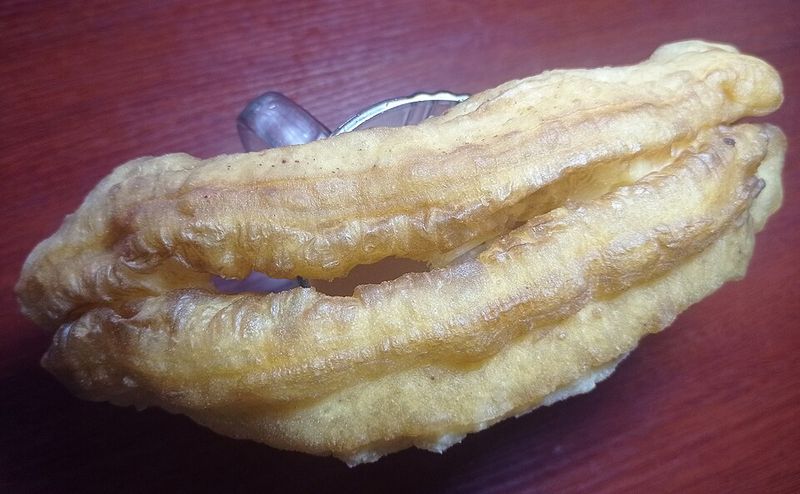
Most people in China know youtiao as a savory breakfast staple, often dunked into warm soy milk or rice porridge. A sweet twist turns it into a dessert.
The dough is made with wheat flour, a little baking ammonia or baking soda, and water. Two strips are pressed together and stretched before frying, so the sticks swell into long, hollow golden twists with a crisp shell.
For the dessert version, simply serve them warm with a small bowl of sweetened condensed milk for dipping. The creamy sauce clings to the airy dough and softens each bite.
Some cooks also sprinkle sugar or drizzle honey on top. Youtiao is sometimes called a Chinese cruller.
For the best texture, fry them right before serving, since they lose their crunch within an hour or so.
11. Malasadas – Portugal
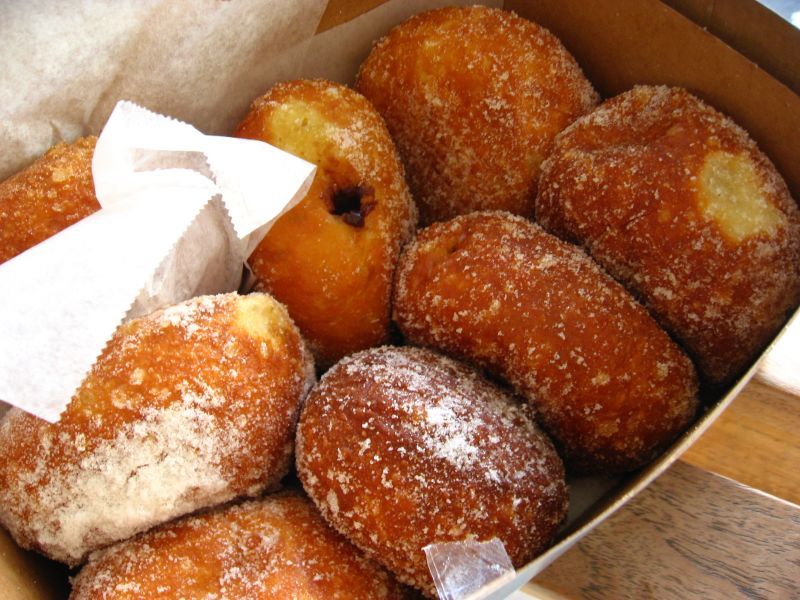
Before Lent begins, bakers in Portugal and its islands, like Madeira and the Azores, fire up their fryers for malasadas. The tradition was a clever way to use up eggs, butter, and sugar before fasting.
The dough is soft and slightly eggy, made with milk and yeast, then left to rise until puffy. Pieces are dropped into hot oil, where they swell into round pillows without any filling.
Right out of the fryer, each one is tossed in granulated sugar, which sticks to the warm surface and forms a sweet crust.
Portuguese immigrants carried the recipe to Hawaii, where malasadas became a beloved local treat, sometimes filled with coconut cream. A malasada tastes best within minutes of frying, when it is still warm and tender.
12. Klepon Goreng – Indonesia
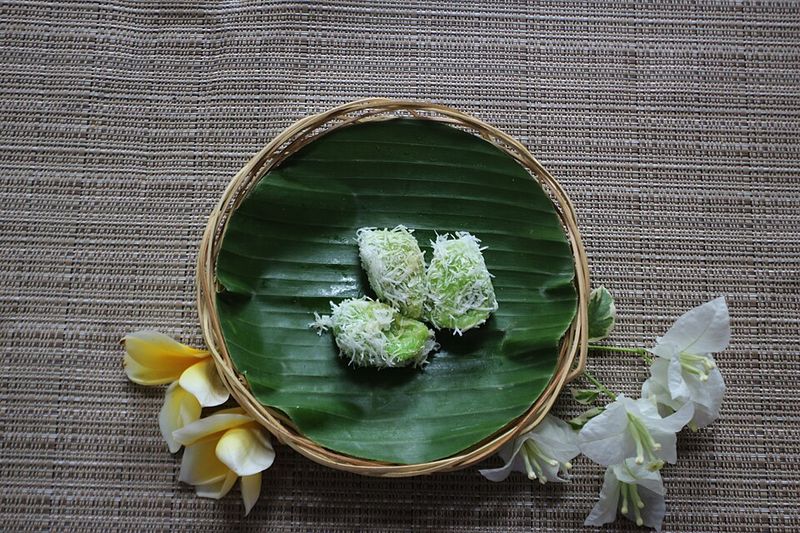
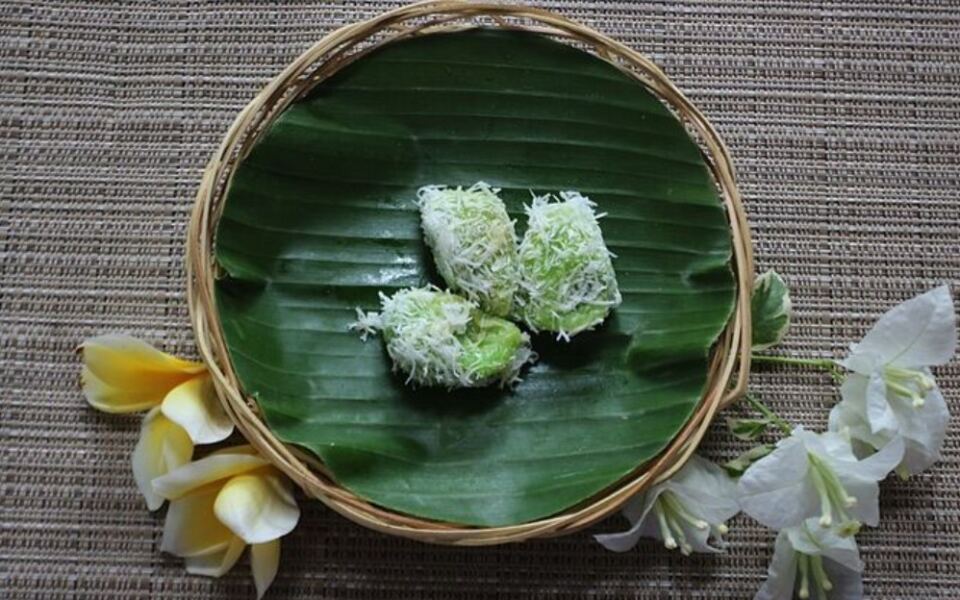
Biting into a klepon is like opening a tiny surprise. A thin chewy shell gives way, and warm liquid palm sugar rushes out.
Traditional klepon is boiled and tinted green with pandan leaf juice. The fried version, called klepon goreng, takes a different path.
Rice flour dough is wrapped around a piece of gula jawa, the local palm sugar, then rolled and lightly fried until the outside turns crisp.
Shredded coconut, often mixed with a pinch of salt, coats the outside. That hint of salt makes the sweet center taste even richer.
Street vendors across Java sell these chewy snacks in small paper bags. Let them cool for a moment before biting in, since the melted sugar inside can be very hot and may surprise you.
13. Koeksisters – South Africa
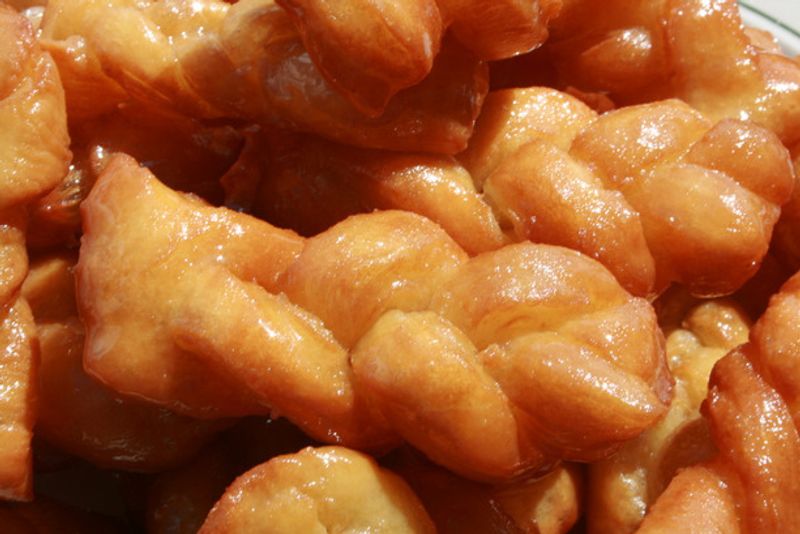
Two very different treats share the name koeksister in South Africa, and the braided Afrikaner version is the one known for its crunch. Its signature move is the cold syrup bath.
The dough is plaited into a neat three-strand braid, then fried until golden brown. While still hot, it is dipped straight into ice-cold sugar syrup flavored with lemon and ginger.
That temperature difference is the trick. The syrup is pulled in quickly, leaving a glassy, crisp shell on the outside and a sticky, juicy interior.
Families often make big batches for church fundraisers and tea gatherings. A cup of strong rooibos or black tea balances the sweetness nicely.
Keep the syrup in the fridge or over ice while you cook, because a warm bath will leave the pastry soggy.
14. Beignets – France
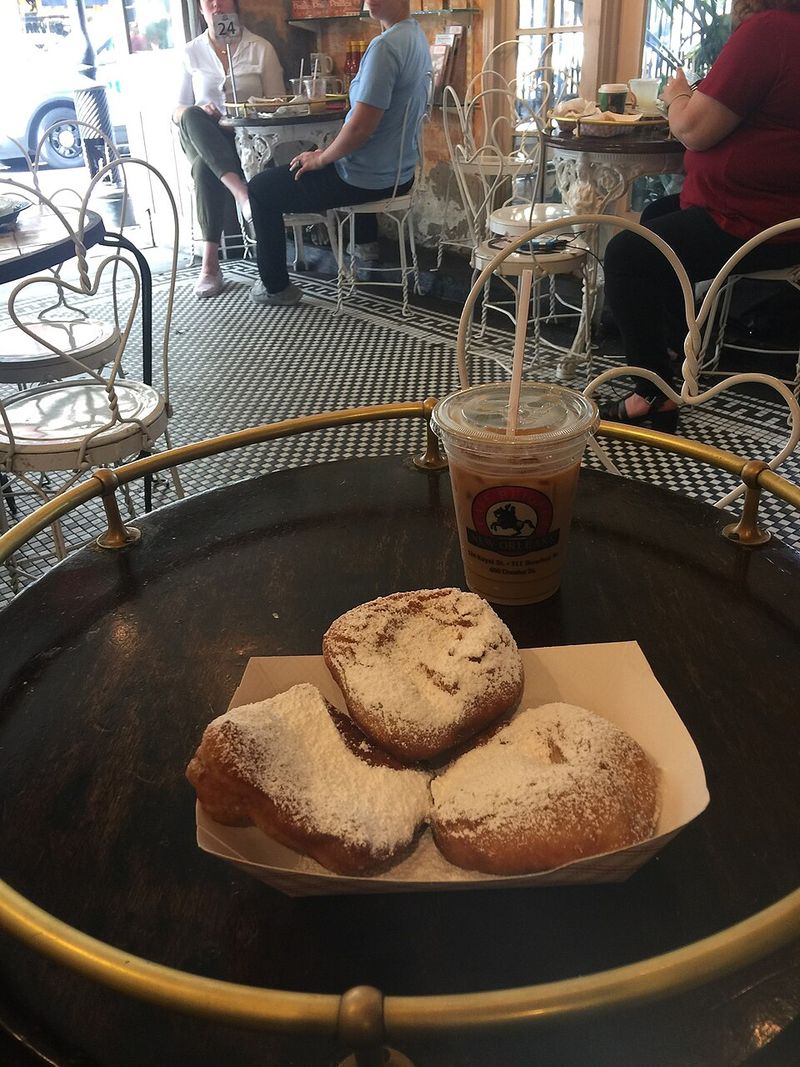
A good beignet feels like biting into a warm, sweet cloud. The French word simply means fritter, and the pastry has been enjoyed in France for centuries.
Bakers make the dough from flour, eggs, milk, and yeast, then roll it thin and cut it into squares. In the fryer, each piece inflates, forming a hollow pocket with a delicate, golden skin.
A generous snowfall of powdered sugar finishes the job. Some French versions are filled with jam, custard, or fruit puree.
French settlers carried the recipe to Louisiana, and beignets are now a signature treat of New Orleans, often paired with chicory coffee. Eat them right away and try not to breathe in while you take your first bite, because the sugar cloud is real and it will find your nose.
15. Luqaimat – United Arab Emirates
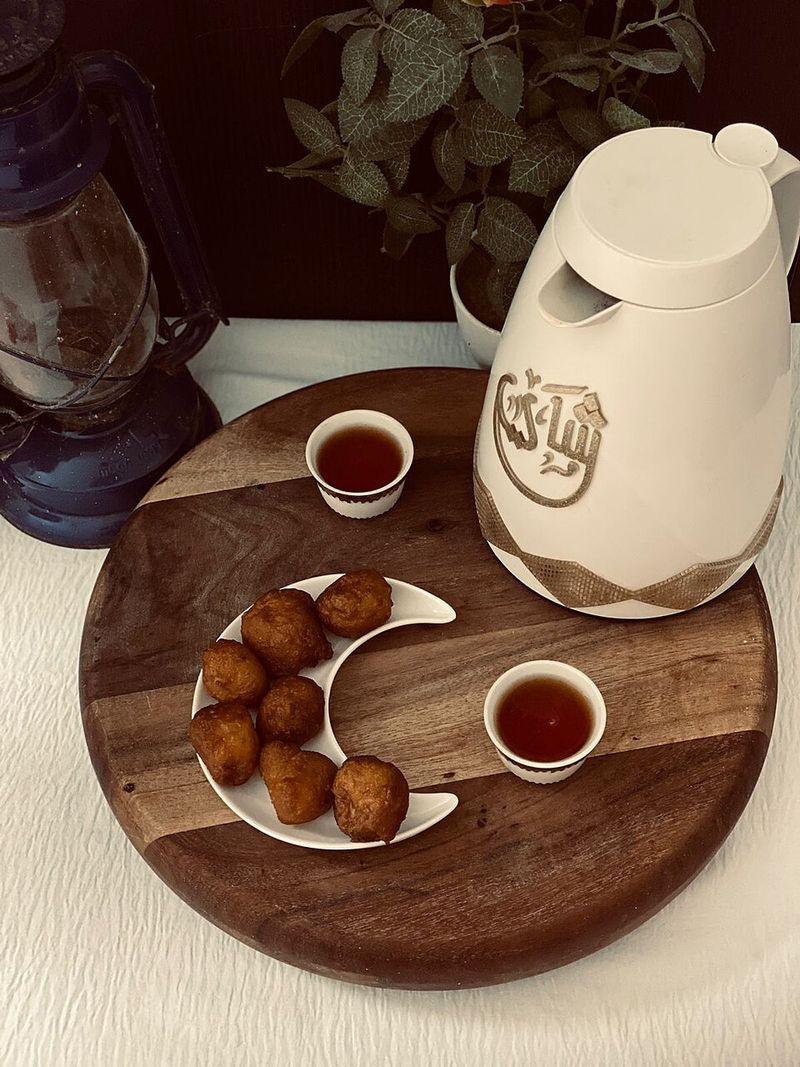
During Ramadan evenings in the Gulf, plates of luqaimat make their way from kitchen to table as families break their fast. The name roughly means small bites.
The batter is thin and bubbly, made from flour, yeast, and sometimes milk powder or yogurt. Many cooks add saffron and cardamom, which give the dumplings a floral aroma.
Spoonfuls are dropped into hot oil, and they bob up as little golden spheres.
Once fried, the dumplings are drizzled with dibs, a thick date syrup, and sprinkled with sesame seeds. The shell stays crunchy while the center stays soft and airy.
Similar sweets appear across the Middle East under other names. Emirati hosts often serve luqaimat with Arabic coffee, so the bitter cup balances the syrupy dumplings perfectly.
Share this story