Many foods we enjoy every day seem like they come from other countries, based on their names or flavors. But some of the most beloved dishes around the world were actually invented right here in the United States.
From German Chocolate Cake to Fortune Cookies, the real stories behind these foods might catch you off guard. Get ready to see some familiar favorites in a whole new light.
1. German Chocolate Cake
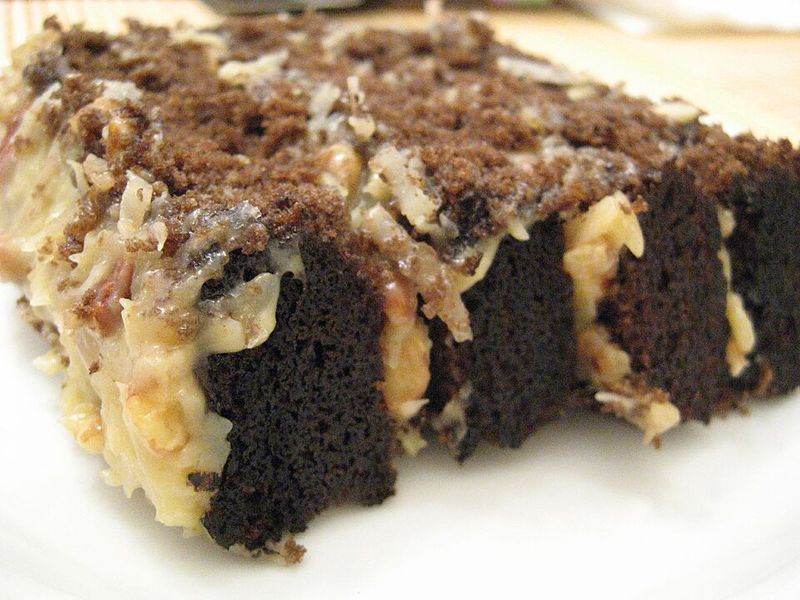
Despite the name, German Chocolate Cake has nothing to do with Germany. It was named after Sam German, an American baker who developed a sweet baking chocolate for the Baker’s Chocolate Company back in 1852.
The cake became widely popular after a Texas homemaker’s recipe was published in a Dallas newspaper in 1957.
General Foods, which owned Baker’s Chocolate at the time, quickly spread the recipe across the country after noticing a huge spike in chocolate sales. The coconut-pecan frosting that makes this cake so recognizable is entirely an American invention.
Germany has no traditional cake that resembles it at all.
Today, German Chocolate Cake is a staple at birthday parties and bakeries across the United States. Knowing the real story behind its name makes every bite a little more interesting.
2. English Muffins
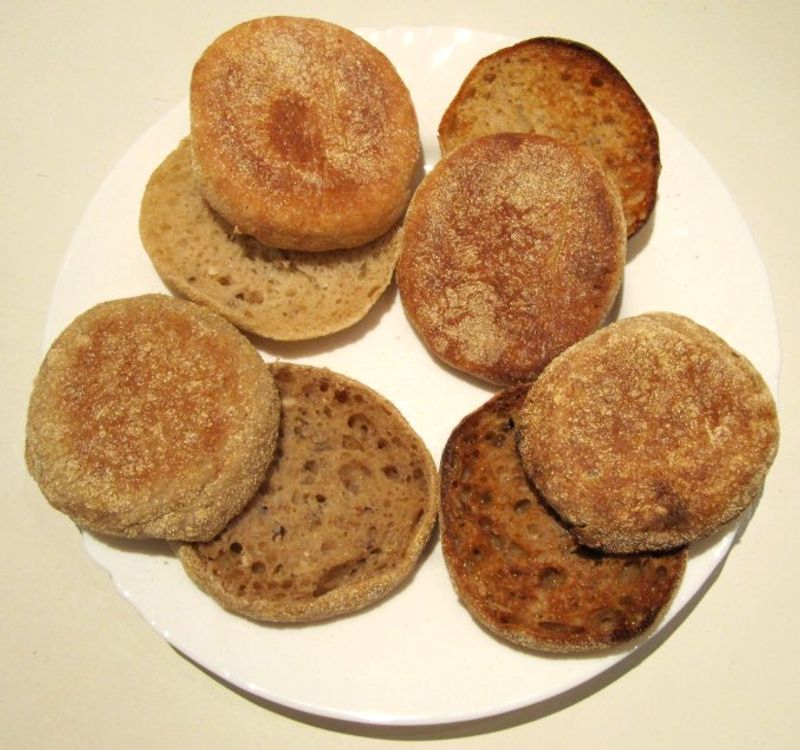
Walk into any American diner and you will likely find English muffins on the menu, but these breakfast staples were actually created in New York City. Samuel Bath Thomas, an English immigrant, invented them in 1880 after opening a bakery in Manhattan.
He wanted to create a bread product that captured the texture of crumpets but worked better for American tastes.
Thomas trademarked his recipe and built a business that still carries his name today. The famous “nooks and crannies” that hold butter and jam so perfectly are a signature of his original design.
British people did not widely recognize or eat this style of muffin until much later.
So while the name suggests a UK origin, English muffins are proudly a product of American ingenuity. They remain one of the most popular breakfast breads sold in grocery stores nationwide.
3. French Dressing
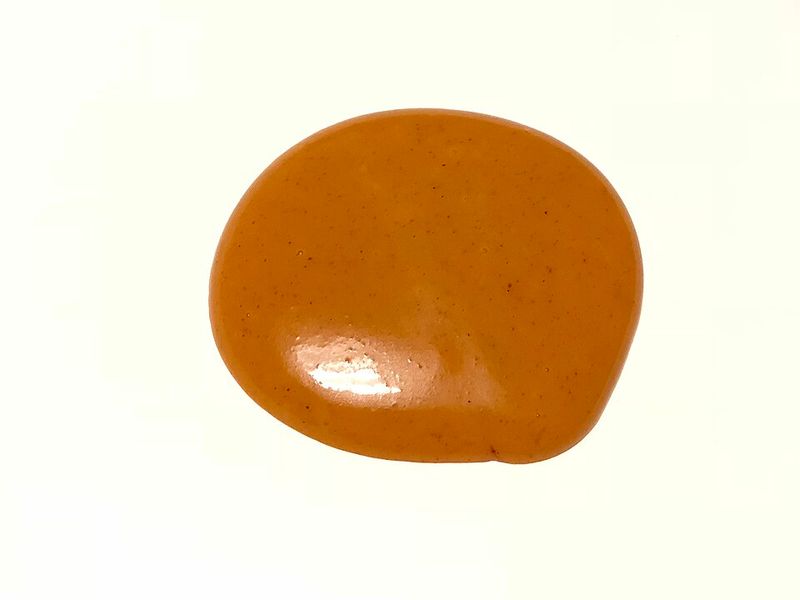
French Dressing in America looks nothing like anything you would find on a table in France. The creamy, tangy, orange-red condiment sold in bottles across U.S. grocery stores is a uniquely American creation.
Real French vinaigrette is a simple mix of oil, vinegar, mustard, and herbs, with no sweetener or tomato base involved.
American food companies began producing the sweetened, tomato-flavored version in the early 20th century, and it caught on quickly as a salad staple. The bold color and sweet-tangy flavor became associated with “French” style, even though no connection to France actually existed.
It was more of a marketing choice than a culinary one.
French Dressing remains a beloved salad topping in the U.S. to this day. Next time you reach for that orange bottle, know that you are enjoying something entirely homegrown.
4. Russian Dressing
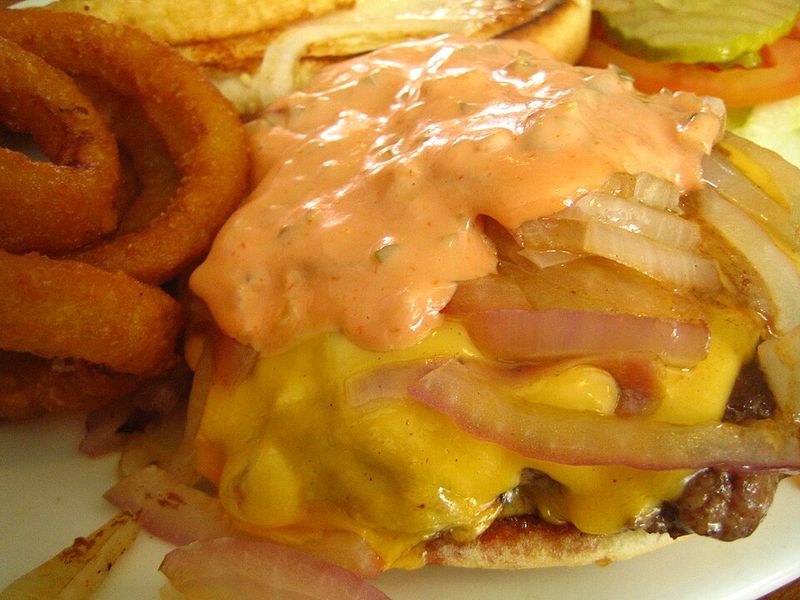
Russian Dressing sounds like it belongs on a table in Moscow, but it was born in New Hampshire around 1910. James E.
Colburn of Nashua is often credited with creating the original recipe, which combined mayonnaise and ketchup with a few savory seasonings. The name may have come from an early version of the dressing that included caviar, a food commonly associated with Russia.
Over time, the caviar was dropped and the recipe became simpler and more affordable for everyday Americans. Russian Dressing became famous as a key ingredient in the classic Reuben sandwich, which is also an American invention.
Its creamy, slightly spicy flavor became a favorite across delis and diners nationwide.
Despite the exotic-sounding name, Russian Dressing is about as American as it gets. It is a great example of how food names can be more about image than actual geography.
5. Fortune Cookies
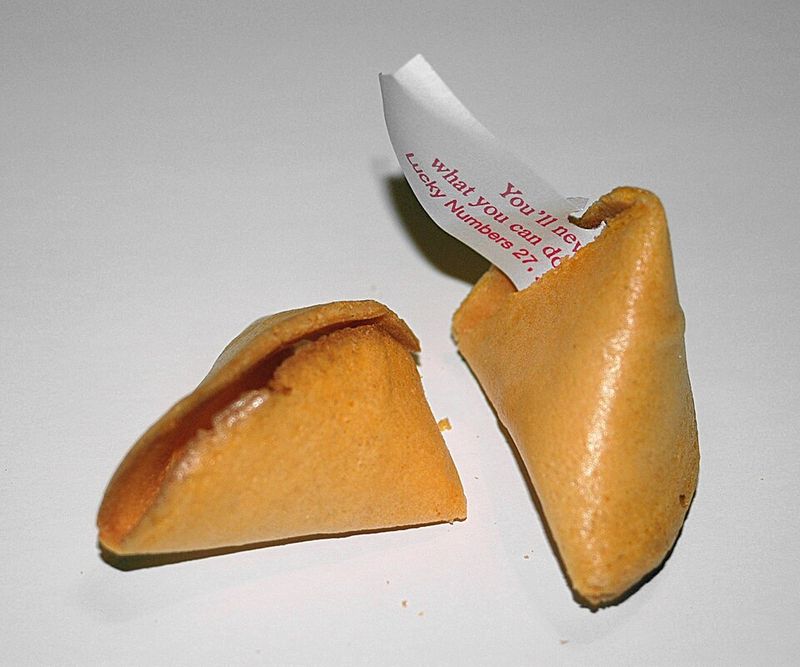
Fortune cookies are handed out at the end of nearly every Chinese-American restaurant meal, yet they are rarely, if ever, found in China. The true origin of fortune cookies is debated, but most food historians agree they were invented in California in the early 1900s.
Japanese immigrants in San Francisco and Los Angeles may have first introduced a similar folded cookie to the American public.
When Japanese Americans were placed in internment camps during World War II, Chinese-American entrepreneurs took over production of the cookies. From there, fortune cookies became deeply tied to Chinese-American dining culture across the country.
When fortune cookies were actually introduced to China in the 1990s, locals reportedly found them strange and unfamiliar.
This crispy little treat is a true product of American culture, born from immigration, creativity, and a touch of mystery. The message inside might surprise you, but the origin story definitely will.
6. Spaghetti and Meatballs
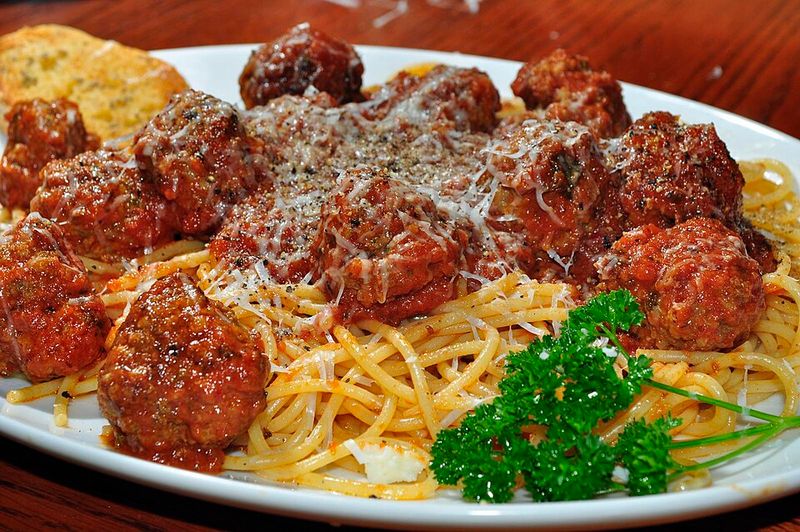
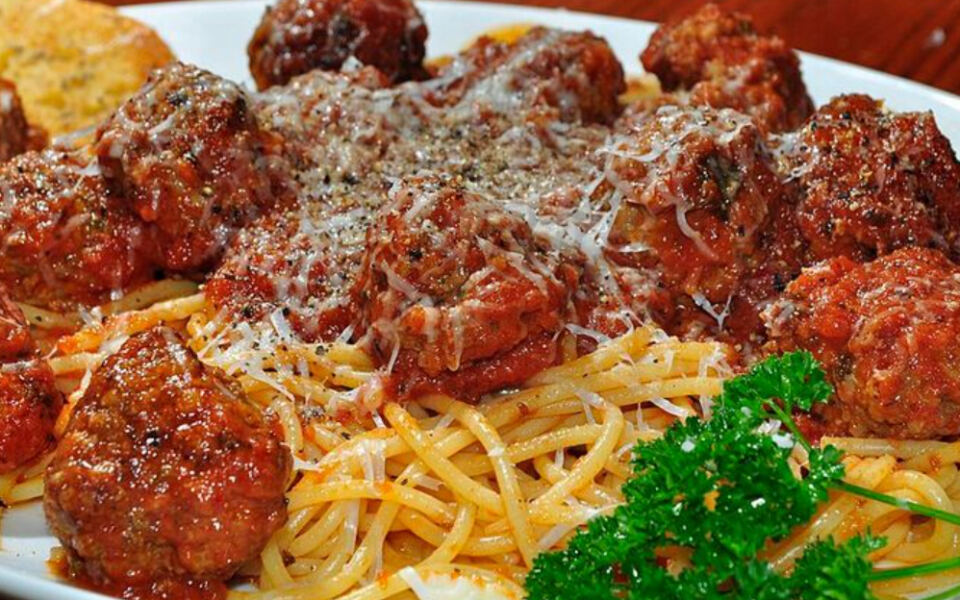
Spaghetti and meatballs may feel like a classic Italian dish, but you would have a hard time finding it served together in Italy. Italians do eat pasta and they do make meatballs, known as polpette, but the two are rarely combined into one dish the way Americans know it.
The pairing was created by Italian immigrants who arrived in the United States in the late 1800s and early 1900s.
In America, meat was far more affordable and accessible than it had been back home in Italy. Immigrants adapted their traditional recipes using the ingredients available to them, and the generous, hearty combination of pasta and meatballs became a symbol of Italian-American cooking.
The dish grew even more popular after it appeared in films and television shows throughout the 20th century.
Today, spaghetti and meatballs is one of the most recognized pasta dishes in the world, proudly shaped by the American immigrant experience.
7. Chicken Parmesan
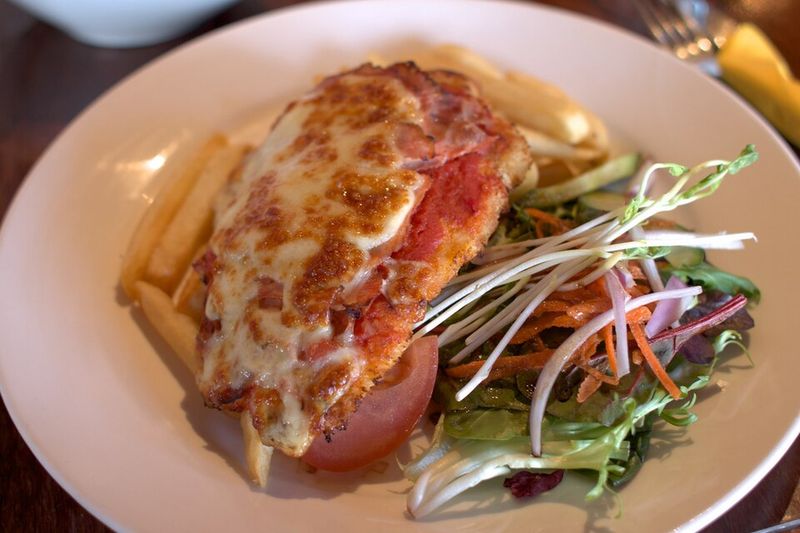
Chicken Parmesan, or Chicken Parm as fans affectionately call it, is one of the most ordered dishes at Italian restaurants in America. However, it does not actually come from Italy.
The dish is believed to have evolved from Eggplant Parmesan, which is a genuine Southern Italian recipe brought over by immigrants from regions like Sicily and Campania.
Once in America, Italian immigrants substituted chicken for eggplant because chicken was widely available and popular with American diners. The breaded, fried cutlet topped with tomato sauce and melted cheese became a hit across Italian-American communities in New York and New Jersey during the mid-20th century.
From there, it spread to restaurants all over the country.
You will not find Chicken Parmesan on menus in Italy the way it is served here. It is a true Italian-American creation, shaped by the creativity of immigrant cooks working with what they had.
8. General Tso’s Chicken
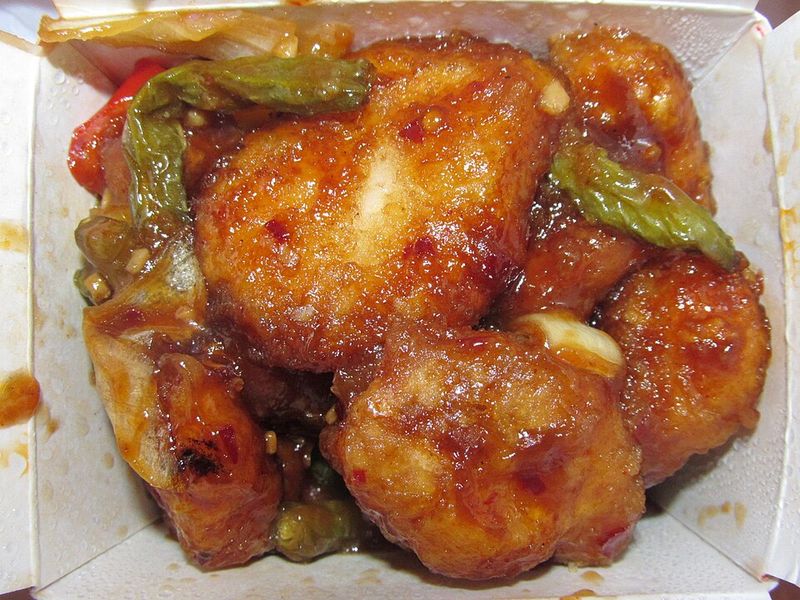
General Tso’s Chicken is one of the most ordered dishes at Chinese takeout restaurants across the United States, yet it is virtually unknown in China. The dish is named after Zuo Zongtang, a real 19th-century Chinese military general, but the recipe itself has no roots in his homeland.
It was created in the 1970s by Taiwanese chef Peng Chang-kuei, who later moved to New York City.
Chef Peng developed the sweet, spicy, crispy chicken dish while cooking in America, adapting flavors to suit American tastes. The version most Americans know today, with its thick sweet sauce and deep-fried chicken, was further refined by Chinese-American restaurant owners who wanted a crowd-pleasing menu item.
When Peng returned to Taiwan and tried to introduce the dish there, locals found it far too sweet.
General Tso’s Chicken is a delicious reminder that American food culture has a unique way of creating its own traditions.
9. California Roll
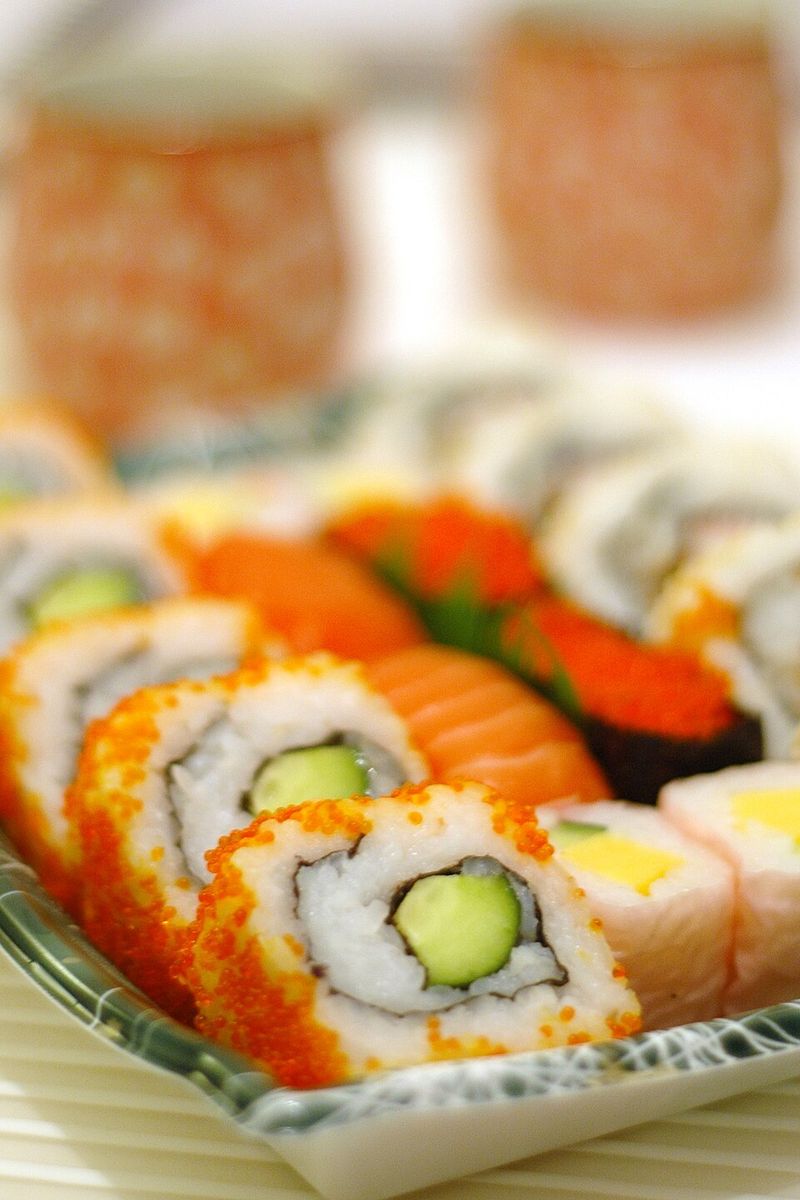
Sushi is one of Japan’s most celebrated culinary exports, but the California Roll was invented right here in the United States. The roll was created in the 1960s or early 1970s, most likely in Los Angeles, when Japanese chef Ichiro Mashita substituted avocado for tuna to create a milder, more approachable flavor for American diners.
The avocado’s creamy texture closely mimicked the fattiness of raw tuna.
Another key change was placing the rice on the outside of the seaweed, which made the roll more visually appealing and less intimidating for people unfamiliar with nori. This inside-out style became known as an uramaki roll and helped introduce sushi to a much wider American audience.
The California Roll opened the door for the massive sushi boom that followed in the U.S.
Interestingly, the roll eventually made its way back to Japan and became popular there too, a full circle moment in food history.
10. Fajitas
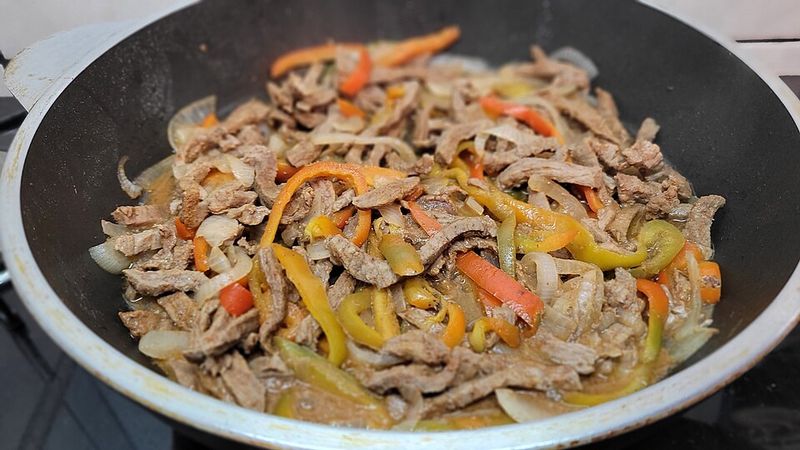
Fajitas have become one of the most popular Tex-Mex dishes in American restaurants, but they were not created in Mexico. The word “fajita” comes from the Spanish word “faja,” meaning belt or strip, referring to the skirt steak that was traditionally used in the dish.
The origins trace back to Mexican ranch workers in West Texas during the 1930s and 1940s.
These workers were often paid partly in beef, and they received the tougher, less desirable cuts like skirt steak. They learned to marinate and grill the meat, then wrap it in tortillas with simple toppings.
The dish stayed largely regional until a Texas A&M student named Sonny Falcon began selling fajitas at public events in the 1970s, earning the nickname “The Fajita King.”
Fajitas hit mainstream restaurant menus in the 1980s and never looked back. Today they are a Tex-Mex staple enjoyed across the entire country.
11. Chimichangas
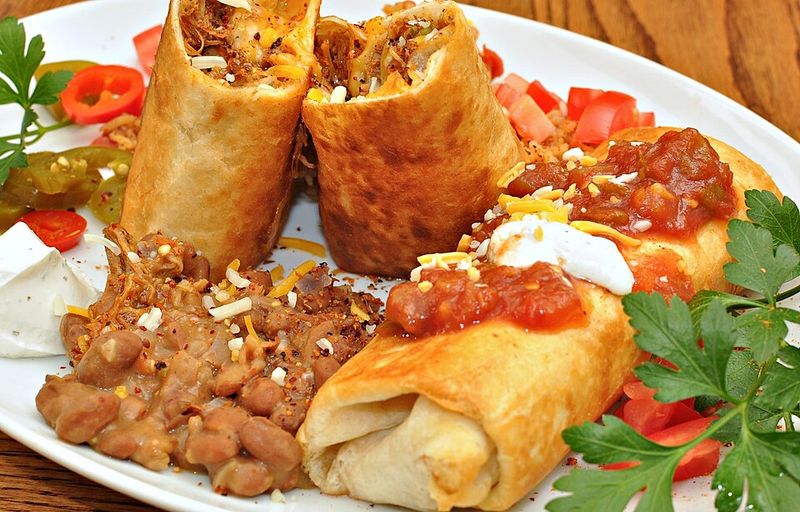
The chimichanga, that glorious deep-fried burrito, is a staple of Mexican restaurant menus across the U.S., but its roots are firmly planted in Arizona. The most popular origin story credits Monica Flin, founder of the El Charro Cafe in Tucson, with accidentally inventing the dish around 1922.
According to the story, she dropped a burrito into a deep fryer and started to shout a Spanish curse word before catching herself and substituting “chimichanga,” a nonsense exclamation.
Another competing claim comes from Macayo’s Mexican Kitchen in Phoenix, which also takes credit for popularizing the dish. Regardless of exactly who made the first one, chimichangas are a distinctly American Southwestern creation with no equivalent in traditional Mexican cuisine.
Mexico does not have a culinary tradition of deep-frying burritos.
Crispy, filling, and endlessly customizable, the chimichanga is a fun example of accidental American food invention at its most delicious.
12. Ranch Dressing
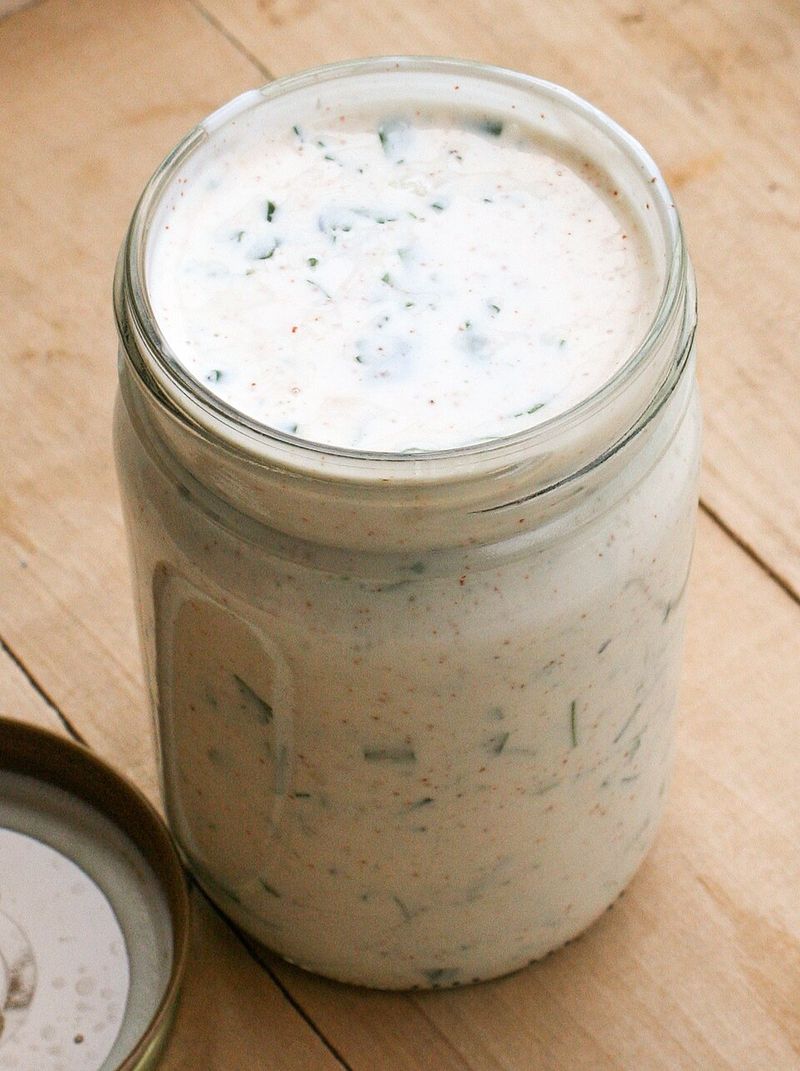
Ranch dressing is arguably the most popular salad dressing in the United States, outselling every other variety for decades. It was invented in the early 1950s by Steve Henson, a plumber and contractor who developed the recipe while working in Alaska.
He later moved to California with his wife and opened a dude ranch called Hidden Valley Ranch near Santa Barbara in 1954.
Henson began serving his buttermilk and herb dressing to guests, and it became so popular that visitors started asking to take packets of the seasoning mix home. The Hensons eventually began selling the mix by mail order, and demand grew rapidly.
In 1972, they sold the Hidden Valley Ranch brand to Clorox for eight million dollars, and the rest is condiment history.
Today, ranch dressing is used on everything from salads and pizza to chicken wings and fries. It is a purely American creation with a surprisingly humble backstory.
13. Tater Tots
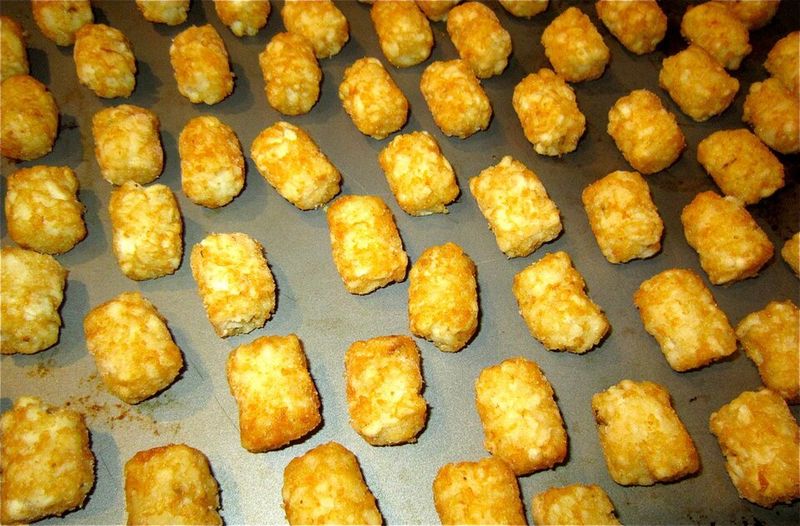
Tater Tots are a beloved side dish found in school cafeterias, fast food restaurants, and home kitchens all across America. They were invented in 1953 by F.
Nephi Grigg and his brother Golden Grigg, co-founders of the Ore-Ida potato company based in Oregon. The brothers were looking for a way to use up the leftover slivers of potato that were cut off during the making of frozen french fries.
Rather than waste the scraps, they seasoned the shredded potato pieces, formed them into small cylinders, and fried them up. The result was a crispy, portable snack that quickly became a hit.
The name “Tater Tot” was trademarked by Ore-Ida and came from an internal naming contest within the company.
When Tater Tots first hit store shelves, they were so cheap that many people did not take them seriously. Now they are a nostalgic American food icon with a loyal following of fans of all ages.
14. Corn Dogs
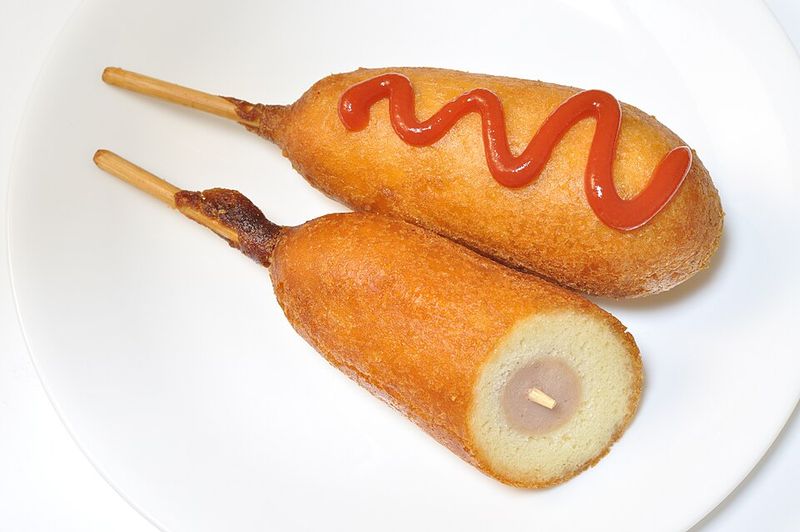
Corn dogs are one of the most recognizable fair foods in the United States, and they are entirely an American invention. A hot dog coated in cornmeal batter and fried on a stick sounds simple, but figuring out who made the first one is a bit complicated.
Several people and companies have claimed credit, including the Fletcher brothers of Texas, who say they introduced the corn dog at the 1942 State Fair of Texas.
Other claims point to vendors at fairs in Oregon and Minnesota around the same time period. What is clear is that the corn dog emerged in America during the early 1940s and became a fairground staple almost immediately.
The combination of savory sausage and slightly sweet cornbread coating proved to be an irresistible pairing for fair-going crowds.
Today, corn dogs are sold everywhere from state fairs to convenience stores. They remain a fun, handheld symbol of classic American snack culture.
15. S’mores
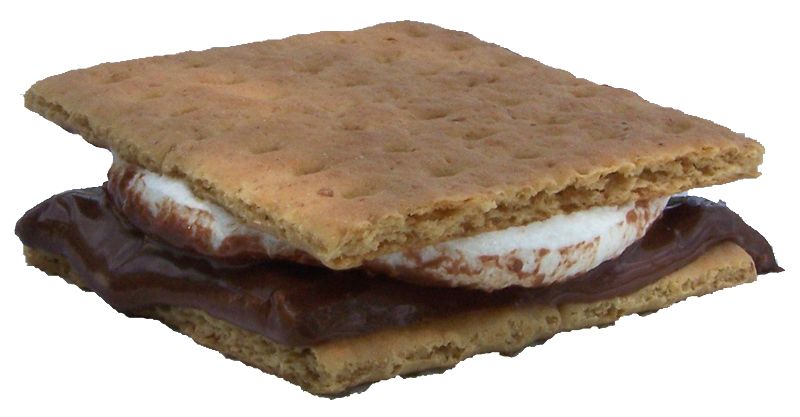
Few foods feel as purely American as s’mores, and that feeling is completely justified. The first known printed recipe for s’mores appeared in a 1927 Girl Scouts publication called “Tramping and Trailing with the Girl Scouts.” The treat combined a toasted marshmallow and a piece of chocolate sandwiched between two graham crackers, and it was an instant hit with campers everywhere.
The name comes from the phrase “some more,” because once you eat one, you always want another. Graham crackers, one of the three key ingredients, were also invented in America by Sylvester Graham in the 1820s.
Marshmallows had been around for centuries in other forms, but the packaged, fluffy version used in s’mores was an American commercial product.
S’mores have grown far beyond the campfire. Today you can find s’mores-flavored ice cream, cereal, cookies, and candy bars.
The original recipe, though, remains the best version of all.
Share this story