Pastries tell the story of the places they come from. Each one reflects local ingredients, old traditions, and the skill of bakers who have practiced for generations.
From flaky layers to creamy fillings, the world offers a treat for every sweet tooth. Here are fifteen pastries that are well worth a taste, whether you travel to find them or bake them at home.
1. Pastel de Nata – Portugal
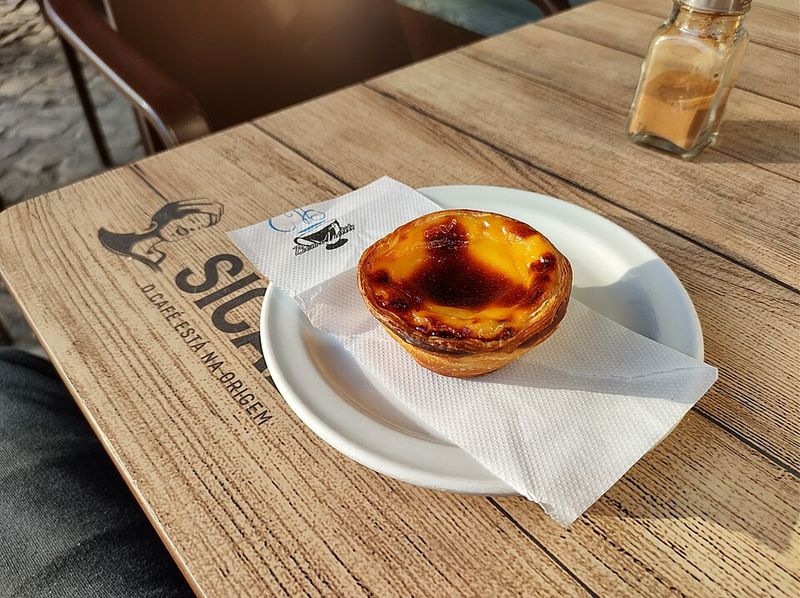
Walk into any bakery in Lisbon and you will smell warm custard and cinnamon before you even see the tray. The pastel de nata is a small tart with a crisp, flaky shell and a creamy egg filling.
Its top is baked until it has dark, caramelized spots.
Monks at the Jeronimos Monastery near Lisbon are said to have created the recipe long ago. They used extra egg yolks, which were left over from starching clothes with egg whites.
Today the original bakery nearby still guards its secret recipe.
Most locals eat them fresh and slightly warm. A sprinkle of cinnamon or powdered sugar is common, and a strong coffee on the side is the classic pairing.
If you try one, notice how the shell shatters gently while the center stays soft and silky. Many bakers outside Portugal now make their own versions, so you can find a good one in many cities.
2. Croissant – France
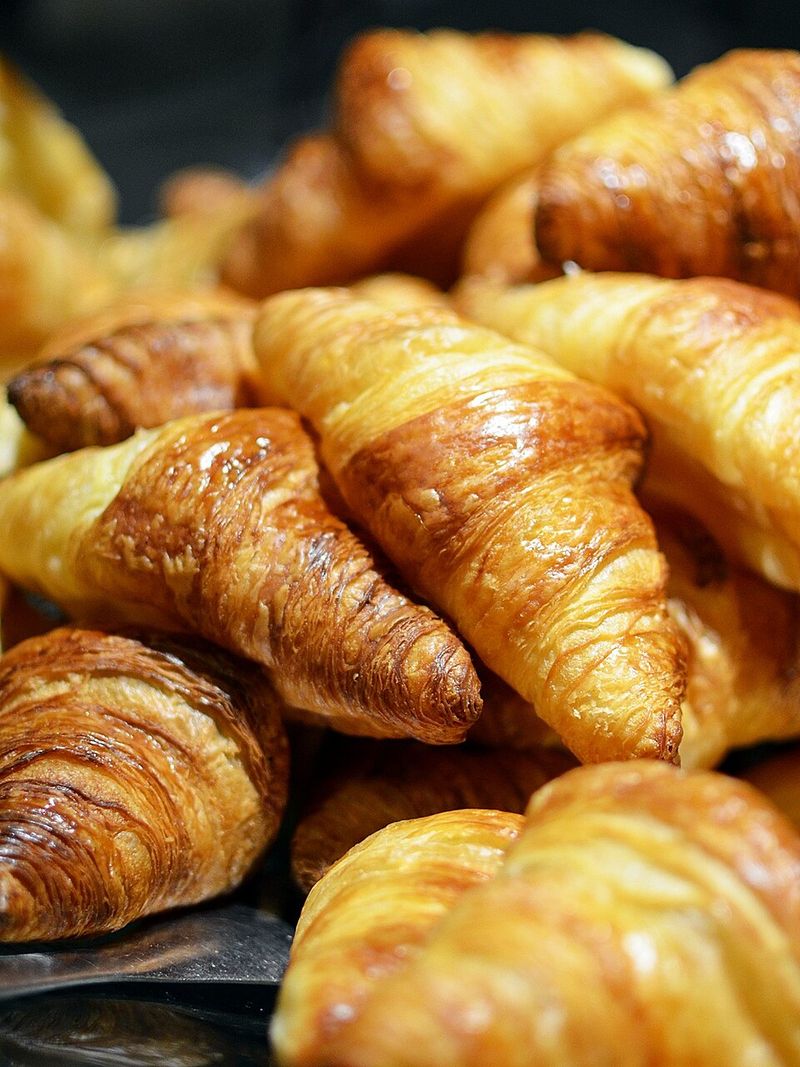
Few foods feel as French as a croissant with morning coffee. Its crescent shape and crisp, buttery layers make it a daily habit for millions of people.
Yet the pastry has roots in Austria, where a similar crescent roll called the kipferl was baked for centuries.
The magic comes from lamination. Bakers fold cold butter into dough again and again, which creates dozens of thin layers.
In the hot oven, the butter releases steam and puffs the layers apart, leaving a honeycomb inside.
A great croissant should sound crackly when you pull it apart. The inside should look airy and slightly stretchy, not doughy.
Plain versions show off the baker’s skill best, though almond and chocolate versions are popular too. Try one fresh from the oven, since the texture fades quickly after a few hours.
3. Baklava – Turkey
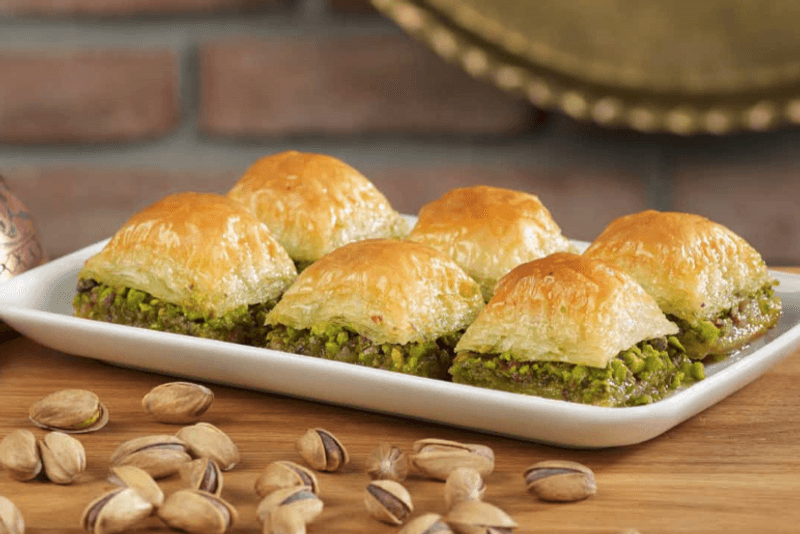
Imagine biting into dozens of paper-thin layers that crunch and then melt into nutty sweetness. That is baklava, a favorite across Turkey and many nearby countries.
Cooks stack sheets of phyllo dough, brush each with butter, and spread chopped nuts between them.
After baking, the pastry is soaked in sugar syrup, sometimes with lemon or honey. Gaziantep, a city in southern Turkey, is famous for versions made with bright green pistachios.
Some bakers there even earn special recognition for their craft.
Baklava is rich, so small pieces go a long way. Turks often enjoy it with strong tea or Turkish coffee, which balances the sweetness.
Look for pieces that are crisp rather than soggy, with a glossy but not dripping surface. Holidays and celebrations often feature a whole tray shared among family and friends.
4. Cannoli – Italy
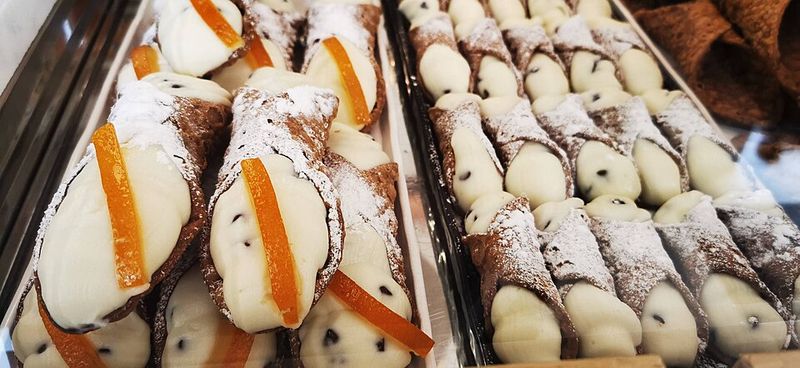
Here is a fun fact: the word cannoli is plural, so one pastry is a cannolo. This Sicilian treat is a fried tube of dough filled with sweetened ricotta cream.
The ends are often dipped in chopped pistachios, chocolate chips, or candied fruit.
The shell is the key. It should be crunchy and slightly blistered, which gives a satisfying snap.
Because moisture softens it quickly, good bakeries fill cannoli only after you order.
Cannoli began as a festive sweet, linked to Carnival season in Sicily. Now they appear in Italian bakeries around the world.
If you get the chance, try one made with sheep’s milk ricotta, which tastes a little tangier and creamier. Pair it with espresso, and you have a simple dessert that feels like a small holiday.
5. Kouign-Amann – France
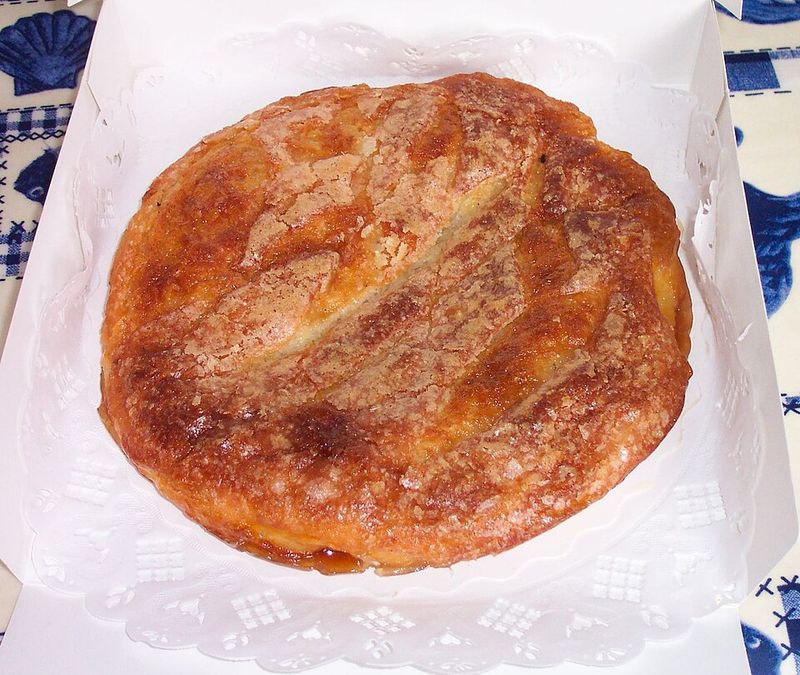
Say it like “queen ah-mahn,” and you have the name of Brittany’s famous butter cake. In the Breton language, it means butter cake, and that is exactly the idea.
Dough, butter, and sugar are folded together in layers and baked until the outside turns deep amber.
The sugar melts into a crackly caramel crust, while the inside stays tender and flaky. It looks a bit like a croissant that went to a candy shop.
The pastry was reportedly invented in the town of Douarnenez in the 1800s.
Because it is so rich, a small one is plenty. Try it with black coffee or unsweetened tea to balance the flavor.
Bakeries in North America have also made it popular, often in muffin-sized versions. Look for dark edges and shiny layers, which show it was baked properly.
6. Apfelstrudel – Austria
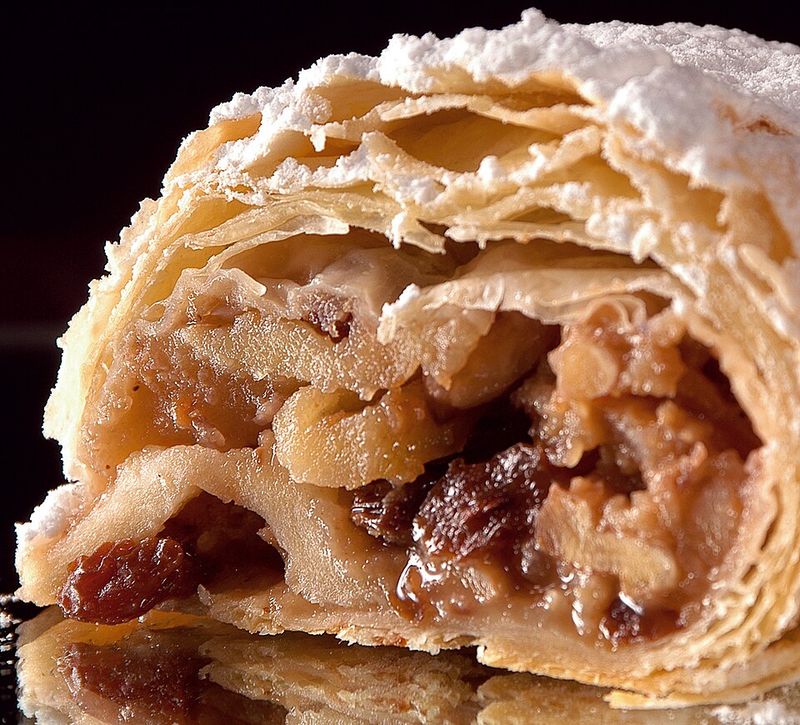
In a Viennese cafe, time seems to slow down, and a warm slice of apfelstrudel fits the mood perfectly. Thin dough is stretched so fine that people used to say you could read a newspaper through it.
It is then rolled around tender apples, cinnamon, raisins, and breadcrumbs.
After baking, the strudel is dusted with powdered sugar. Many cafes serve it with vanilla sauce or a spoonful of whipped cream.
The contrast of warm fruit and crisp pastry is hard to beat.
Strudel came to Austria through the old Habsburg Empire, which linked many food traditions across Central Europe. The oldest known strudel recipe, written in Vienna in 1696, is still kept in a city library.
On a cold day, a slice is comfort food at its best.
7. Éclair – France
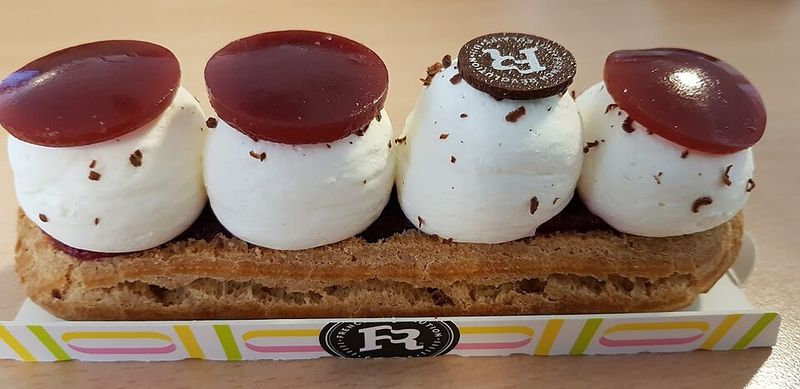
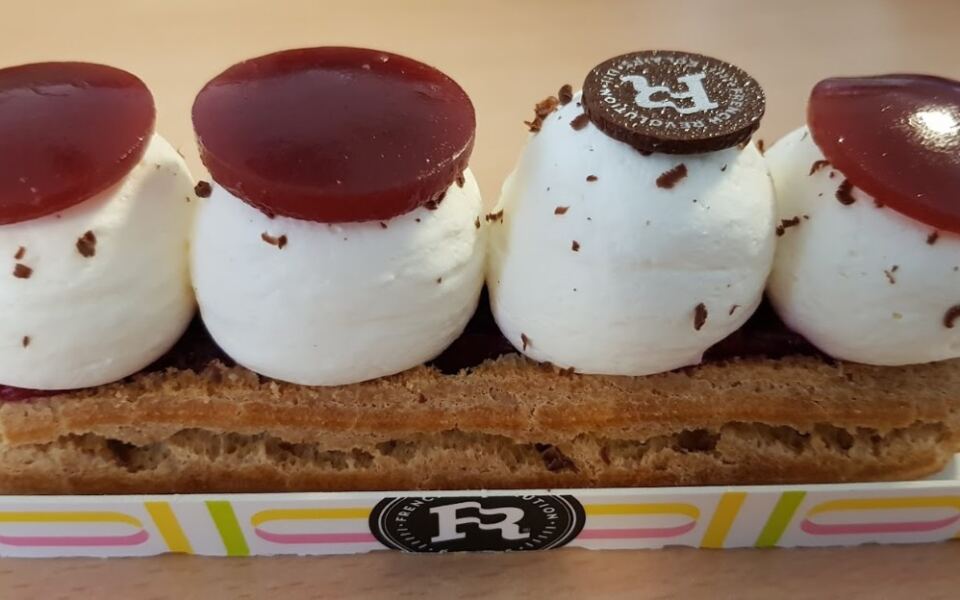
The name means lightning in French, perhaps because people eat it so fast. An éclair is a long pastry made from choux dough, which puffs up hollow in the oven.
Bakers fill it with cream and top it with glossy icing.
Chocolate and coffee are the classic flavors. Modern pastry shops also try pistachio, caramel, lemon, and seasonal fruit.
Each one is a little work of art, with neat lines and a smooth shine.
Choux pastry has no yeast. Steam from the water and eggs lifts it, which is why it needs careful timing.
Marie-Antoine Careme, a famous French chef from the early 1800s, is often linked with developing the éclair. When you pick one, look for a thin, crisp shell and a filling that feels light, not heavy or gluey.
8. Kürtőskalács (Chimney Cake) – Hungary
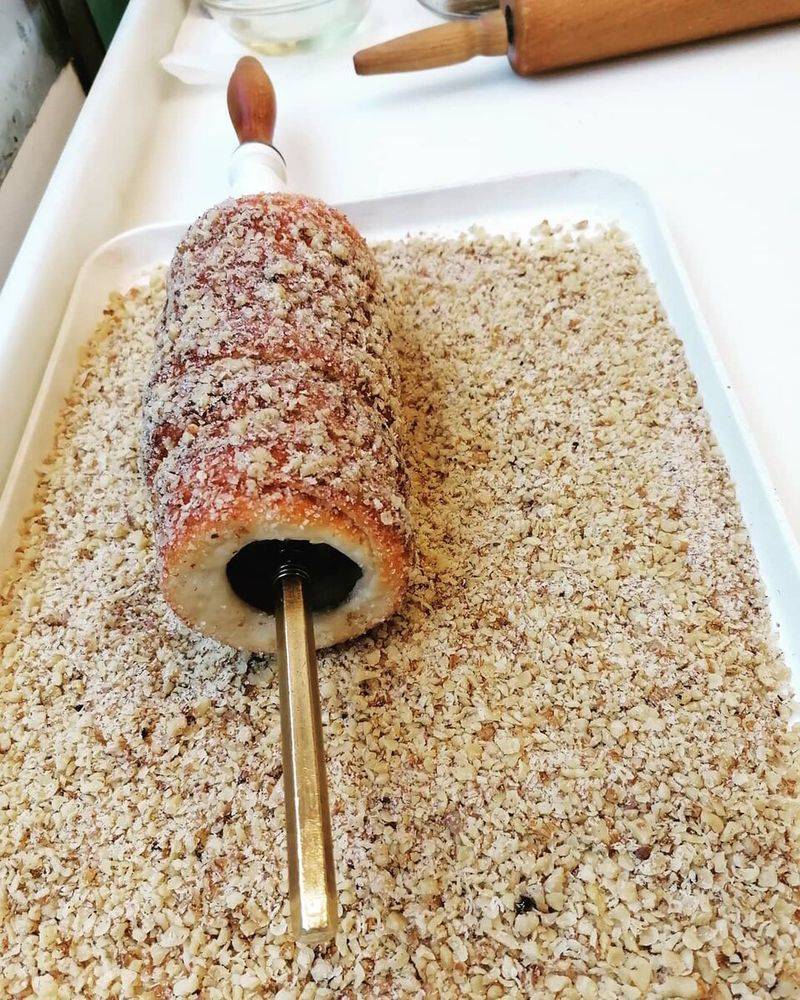
Picture a hollow, spiral-shaped pastry turning slowly over glowing coals, filling a winter market with the smell of caramel. That is kürtőskalács, also called chimney cake.
The name comes from its tall, tube shape, which looks a bit like a chimney.
Bakers wrap strips of sweet yeast dough around a wooden roller. They brush it with butter, roll it in sugar, and bake it until the outside turns crisp and shiny.
The inside stays soft and pulls apart in long ribbons.
The pastry is closely tied to Transylvania, a region with a large Hungarian community. Common coatings include cinnamon, walnuts, cocoa, and coconut.
Many vendors now fill the hollow center with ice cream or chocolate cream. Eat it warm, because the sugar crust is best when it is still crackly.
9. Sfogliatella – Italy
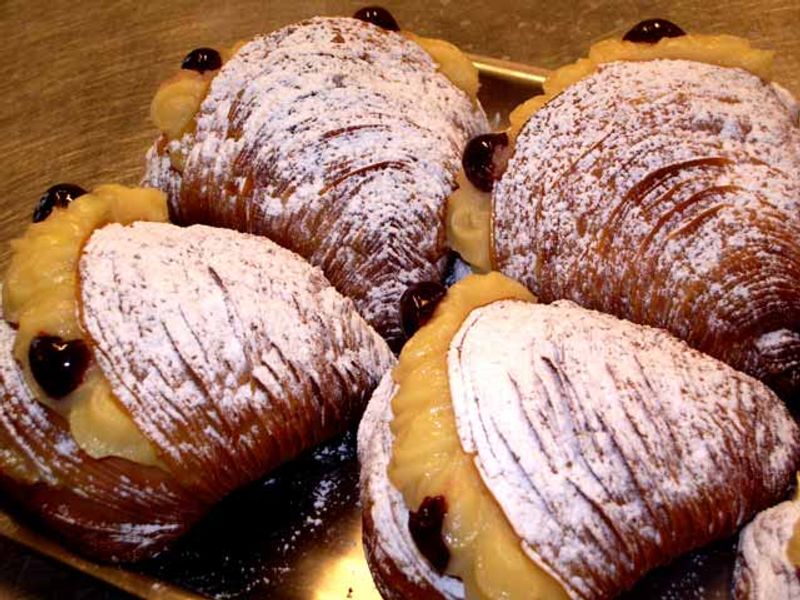
Naples has a pastry that sounds like a whisper and crunches like autumn leaves. Sfogliatella riccia is shaped like a small seashell, with dozens of thin, crisp layers.
Inside is a filling of semolina, ricotta, sugar, and often a bit of candied orange.
The story goes that nuns in a convent on the Amalfi Coast created it in the 1600s. A Naples pastry maker later bought the recipe and made it famous across the city.
Today it is a staple of morning cafes.
There is also a softer version called frolla, which has a smooth shortcrust shell. Both are good, but the riccia is the showstopper.
Order it with a cappuccino and expect crumbs everywhere. That mess is part of the fun, and locals do not mind at all.
10. Danish Pastry (Wienerbrød) – Denmark
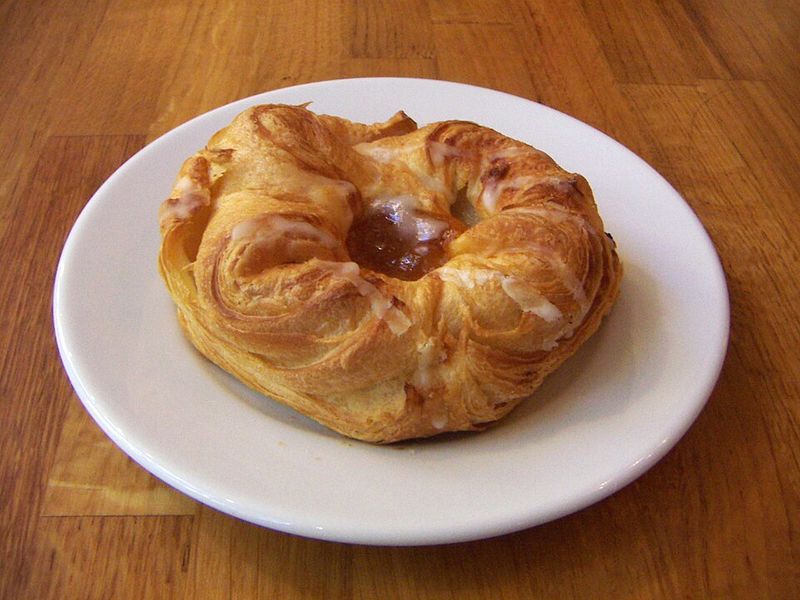
Ask a Dane for a Danish pastry, and you might get a puzzled look. In Denmark, it is called wienerbrød, which means Vienna bread.
Austrian bakers who came to Denmark in the 1800s brought the layered dough technique with them.
Danish bakers adapted it with plenty of butter and a slightly richer dough. The result is flaky, tender, and perfect for toppings.
Popular versions include spirals with custard, folded pockets with jam, and cinnamon swirls.
Spandauer, a round pastry with a custard center, is a classic. Many Danish bakeries also add remonce, a sweet paste of butter, sugar, and sometimes marzipan.
Locals often enjoy these pastries at breakfast or during a coffee break. If you visit Copenhagen, follow the line outside a neighborhood bakery.
It usually leads somewhere delicious.
11. Medovik (Honey Cake) – Russia
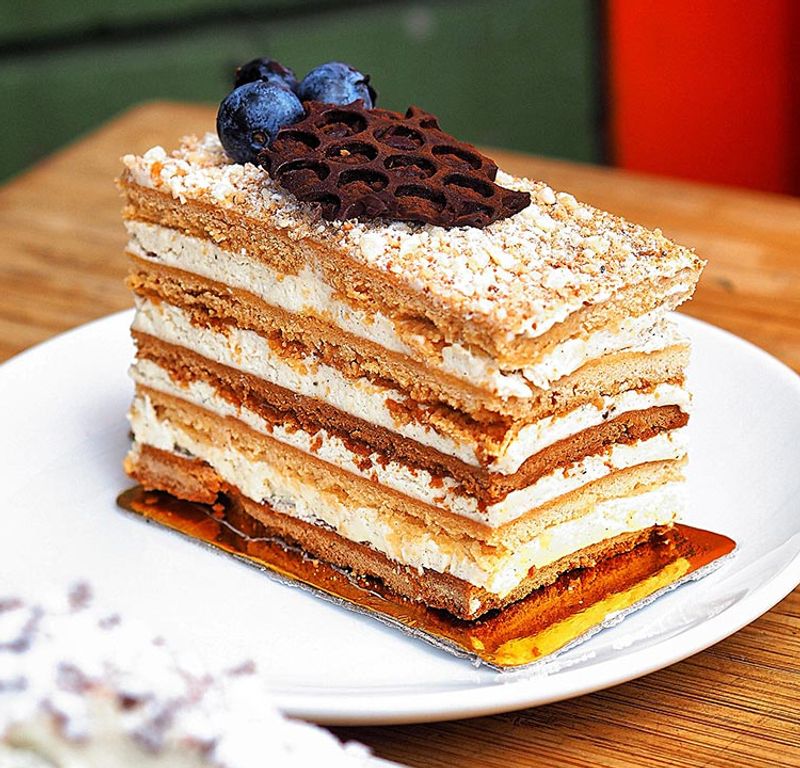
Some desserts win hearts slowly, and medovik is one of them. This Russian honey cake has thin, soft layers flavored with honey and spread with a light sour cream or condensed milk frosting.
After a night in the fridge, the layers soften and blend into one tender, creamy slice.
The cake became popular in the Soviet era, though stories about its origin vary. One tale says a chef created it to please an empress who disliked honey.
Whether or not that is true, it is now a favorite for birthdays and family gatherings.
The flavor is gentle, with warm honey and a faint caramel note. Crumbs from the baked layers often cover the outside.
Serve it with black tea, and give it time to rest before slicing. Patience makes it better.
12. Galaktoboureko – Greece
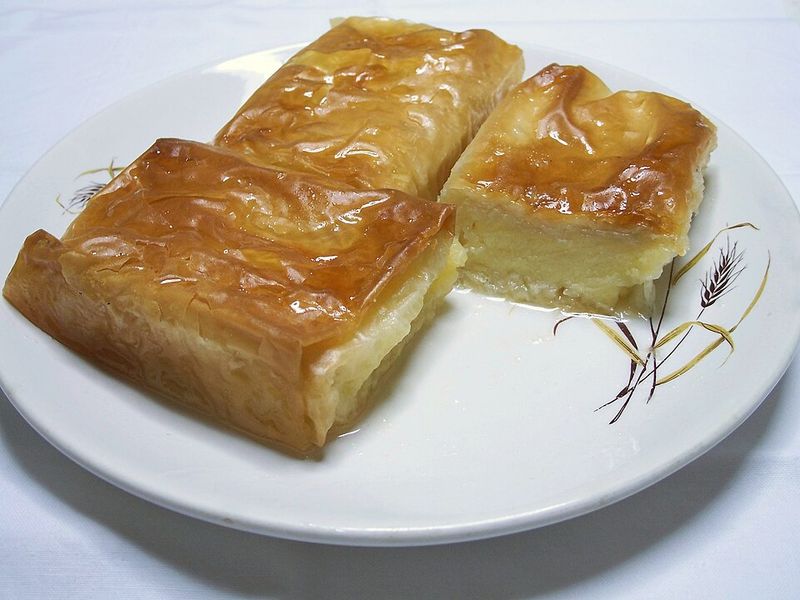
Greek bakeries have a dessert that is crisp on the outside and wobbly-soft on the inside. Galaktoboureko is made of creamy semolina custard baked between sheets of golden phyllo.
Once it comes out of the oven, a light syrup is poured over the top.
The name combines the Greek word for milk with a word for a type of pastry. Vanilla, lemon peel, or orange zest often flavors the custard.
Cinnamon is sometimes sprinkled on top.
Texture matters here. The phyllo should shatter under a fork, while the custard should feel smooth and cool.
It is usually cut into neat squares and served at room temperature. Families often make it for Sunday gatherings and holidays.
If you see it behind the glass at a Greek cafe, it is a safe and tasty choice.
13. Pain au Chocolat – France
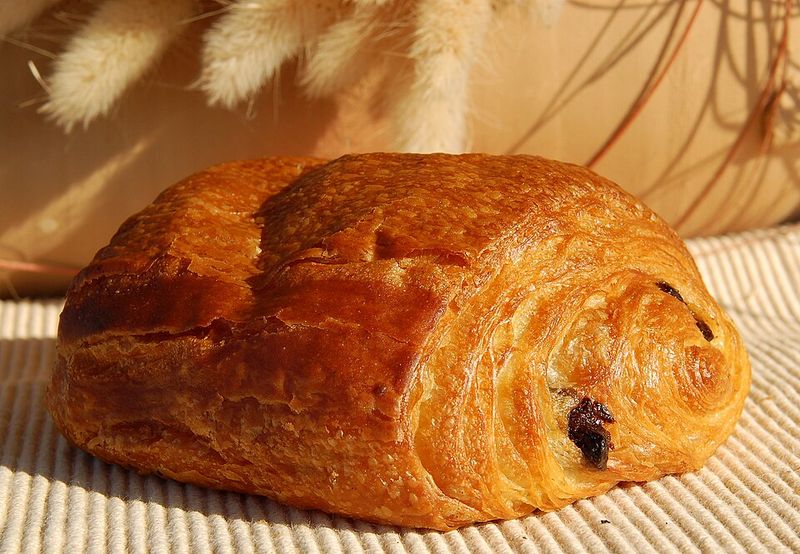
French schoolchildren have long known the joy of a pain au chocolat in their afternoon snack. It is a rectangle of croissant-style dough wrapped around two sticks of dark chocolate.
The pastry bakes up golden, with crisp edges and soft, warm chocolate inside.
In parts of southwestern France, people call it a chocolatine, and locals will happily argue about the right name. Both words describe the same treat.
The debate is a friendly one and part of its charm.
To enjoy one at its best, eat it the same day it is baked. A quick warm-up in the oven brings back the crunch.
Some people dunk it in hot chocolate or milk. Look for visible layers on the sides, which signal careful folding and plenty of real butter.
14. Ensaimada – Spain
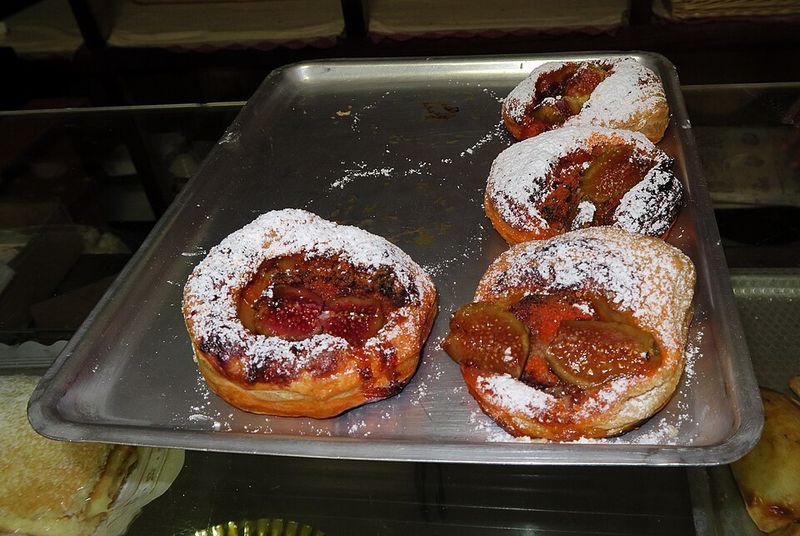
On the island of Mallorca, breakfast often features a soft, spiral-shaped pastry dusted with powdered sugar. The ensaimada is made from a dough enriched with eggs and saim, a local word for pork lard.
This gives it a light, tender texture that is hard to copy.
Bakers stretch the dough thin, roll it into a long rope, and coil it into a spiral. After baking, it comes out airy and slightly flaky, with a delicate sweetness.
Plain versions are common, but fillings include pumpkin jam, cream, and chocolate.
Visitors often carry boxes of ensaimadas home from Mallorca, and airports even sell special round boxes for them. Locals enjoy them with hot chocolate or coffee.
Because the dough is so soft, handle it gently and enjoy it fresh.
15. Kanafeh (Knafeh) – Middle East
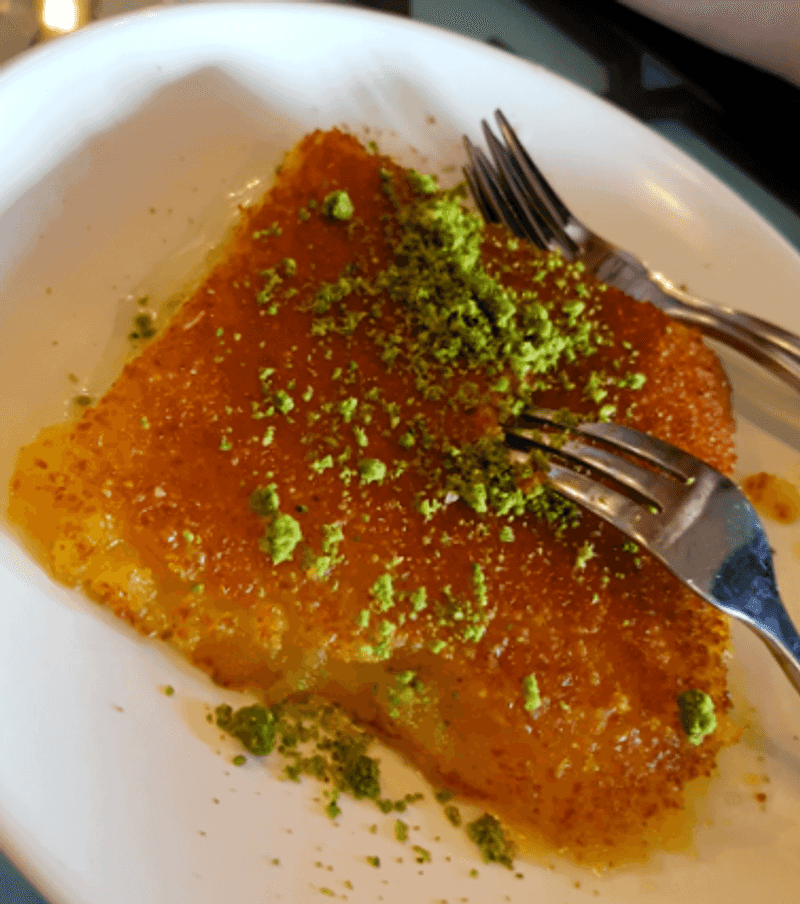
Hot, stretchy cheese under a crunchy golden crust, all soaked in sweet syrup, sounds like a puzzle. Yet kanafeh solves it beautifully.
This Middle Eastern dessert is popular in places such as Palestine, Lebanon, Syria, and Jordan.
There are two main styles. One uses shredded pastry strands called kadayif, and the other uses fine semolina.
Both are layered with mild, melting cheese, baked, and finished with syrup. Crushed pistachios often add color on top.
Nablus in Palestine is especially known for its version. Kanafeh is best eaten warm, when the cheese is still soft and gooey.
Many people have it for breakfast or at celebrations, sometimes tucked into a sesame bread bun. Be ready for a sweet and salty mix that surprises first-timers in the best way.
Share this story