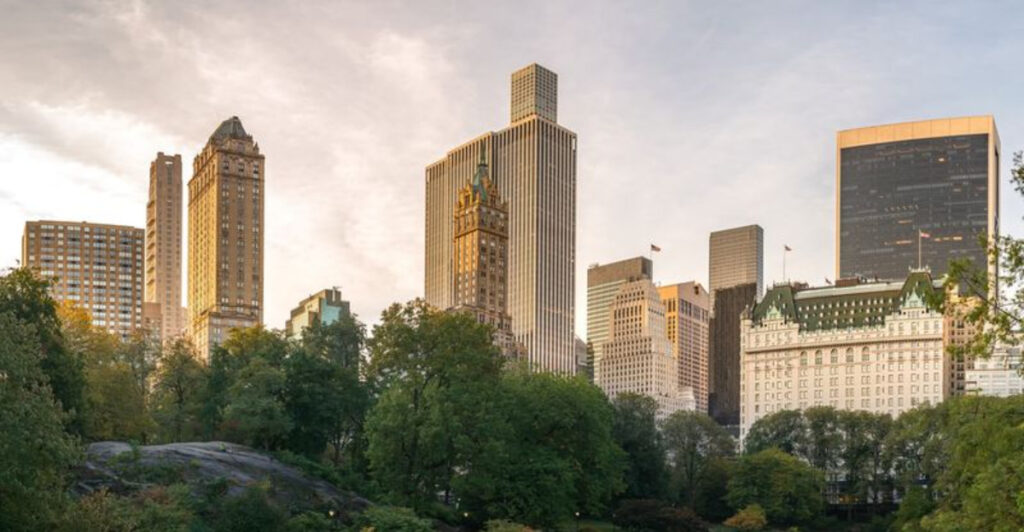
Some cities just do luxury differently. From jaw-dropping hotel suites to streets lined with the world’s most expensive boutiques, certain places have turned spending money into an art form.
Whether you are drawn to old-world elegance, futuristic skylines, or sun-soaked opulence, these 15 cities prove that high-end living has no single look. Pack your curiosity and maybe your black card, because this list is about to raise the bar.
Singapore
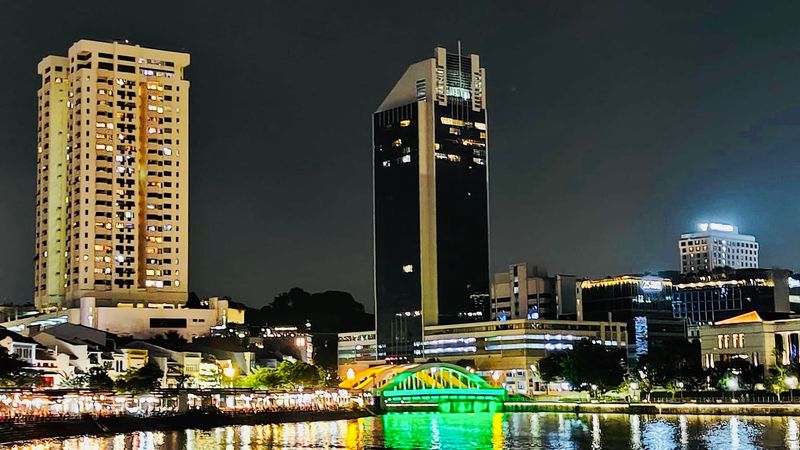
Spotlessly clean, almost intimidatingly efficient, and quietly dripping in wealth, Singapore has turned luxury into a lifestyle that actually functions. Henley and Partners counted roughly 242,400 resident millionaires here in 2025, a figure that grew 62% over the previous decade.
That kind of money does not sit quietly.
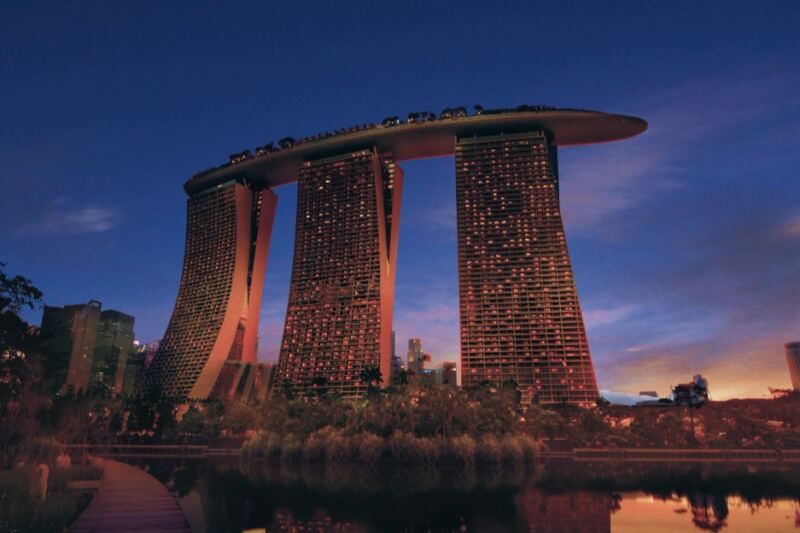
The Shoppes at Marina Bay Sands has become one of Southeast Asia’s most talked-about retail addresses, drawing major international brands for high-profile launches. Orchard Road adds another layer of high-end shopping that stretches for kilometers.
Michelin’s 2025 Key hotel selection recognized seven Singapore properties, reflecting just how seriously the city takes hospitality.
What makes Singapore stand apart is the level of control behind every experience. Nothing feels accidental.
Service is polished, spaces are immaculate, and even the food courts somehow manage to feel curated. Luxury here skips the theatrics and goes straight for flawless execution.
It is newer than Paris, shinier than London, and completely unapologetic about both. If you want grandeur with zero tolerance for inefficiency, Singapore is basically the final boss of modern luxury cities.
London, United Kingdom
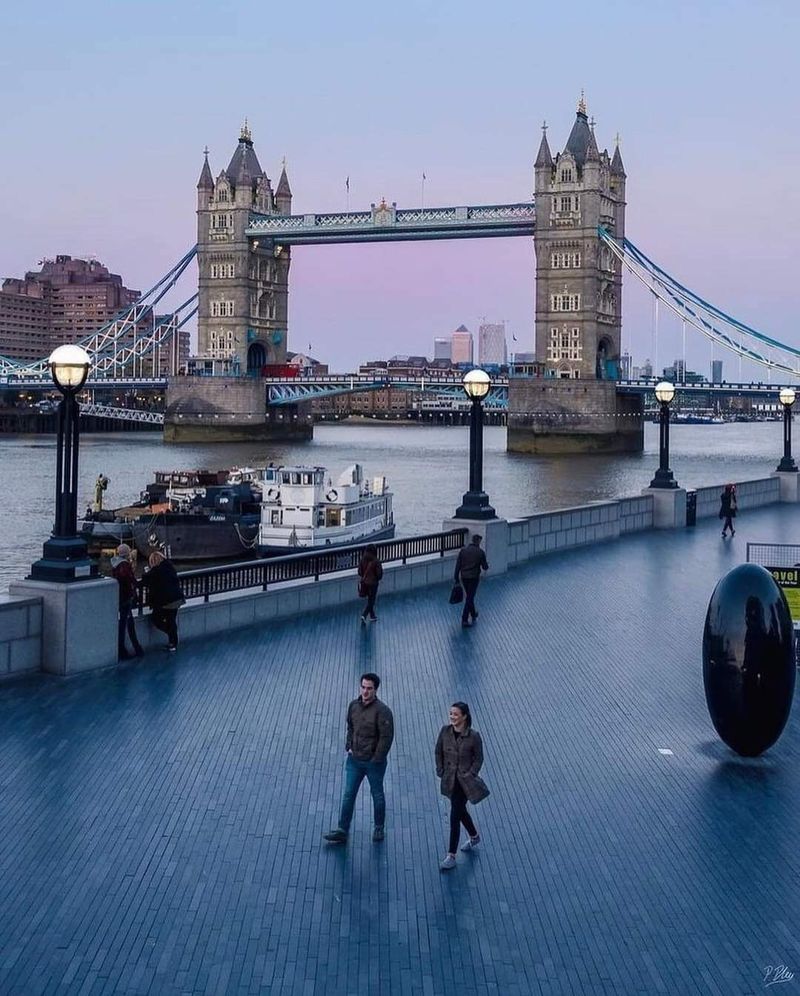
New Bond Street became the world’s most expensive retail street in 2025, with average prime rents hitting $2,231 per square foot after a 22% annual jump. That single statistic tells you a lot about what London does with money.
Henley counted 215,700 millionaires, 352 centi-millionaires, and 33 billionaires living here the same year.
But London luxury is not just about one street. Mayfair hotels, Knightsbridge department stores, Belgravia townhouses, private members’ clubs, and Michelin-level restaurants all stack on top of each other to create something almost unfair in its depth.
Haute couture sits next to century-old jewelers, and neither looks out of place.
What London does better than almost anywhere else is blend old money with global fashion power. A Georgian townhouse can sit two doors down from a flagship store that opened last month, and both feel completely at home.
History here is not a museum piece. It is the backdrop to everything, which gives London luxury a sense of weight that newer cities simply cannot manufacture.
Extravagance with a century of context attached is a genuinely rare thing.
Hong Kong
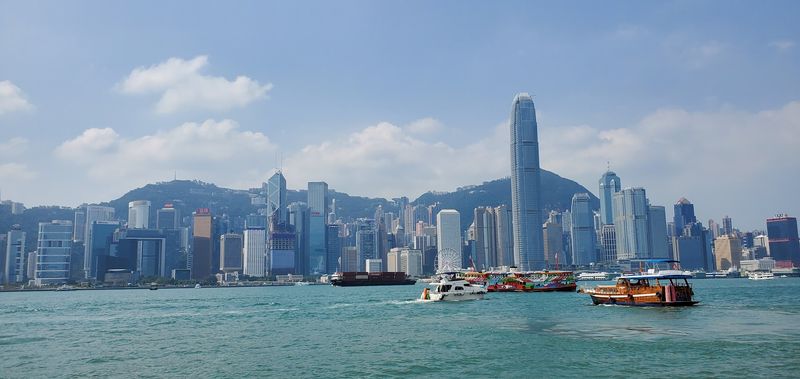
Tsim Sha Tsui ranked fourth among the world’s most expensive retail locations in Cushman and Wakefield’s 2025 report, trailing only London, Milan, and New York. For a city squeezed onto a relatively small patch of land, that kind of retail firepower is genuinely remarkable.
Hong Kong has always punched above its geographic weight.
Savills found Hong Kong among the strongest cities for luxury rental growth in 2025, with annual increases topping 10%. Nine properties made Michelin’s 2025 global Key hotel selection, underlining a hospitality scene that refuses to plateau.
Harbor-view suites, rooftop restaurants, and ultra-luxury malls are practically stacked on top of each other here.
The city’s real talent is what you might call vertical luxury. A single chauffeured ride can take you from a flagship boutique to a harbor-view penthouse to a rooftop bar without the city ever losing its electric intensity.
Space is scarce, which somehow makes everything feel more precious. Hong Kong compresses what other cities spread across entire boroughs into a few extraordinary square kilometers, and the result is a luxury experience that feels genuinely pressurized in the best possible way.
New York City
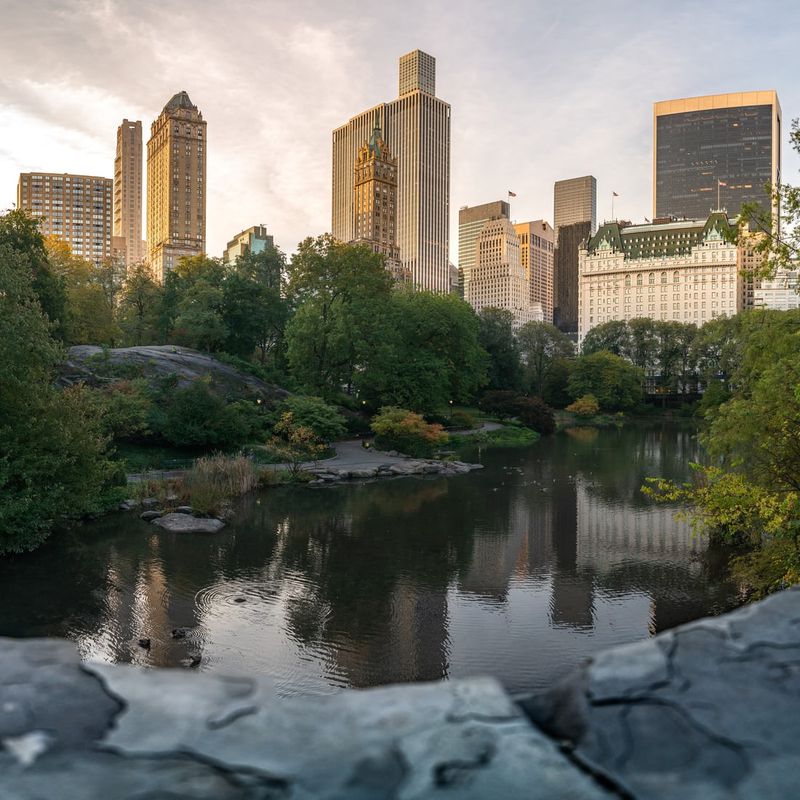
No other city on the planet has more millionaire residents than New York. Henley counted 384,500 millionaires, 818 centi-millionaires, and 66 billionaires in 2025, making it the undisputed global capital of private wealth.
Upper Fifth Avenue ranked third on Cushman and Wakefield’s list of the world’s most expensive retail streets the same year.
Shopping is just one chapter of the story. Manhattan trophy penthouses regularly trade for nine figures.
Reservation-only restaurants book out months in advance. Private art auctions, Broadway premium experiences, and bespoke tailoring services all compete for the attention of a population that genuinely has options most cities cannot imagine offering.
The defining quality of New York luxury is sheer range. Whatever your personal version of high-end living looks like, whether that is fashion, real estate, nightlife, art, or absolute privacy, New York has a version of it with an extra zero on the price tag.
The city never really stops competing with itself, which means the luxury ecosystem keeps pushing upward. Nowhere else makes ambition feel quite so much like a city-wide sport, played at a level the rest of the world watches from a distance.
Paris, France
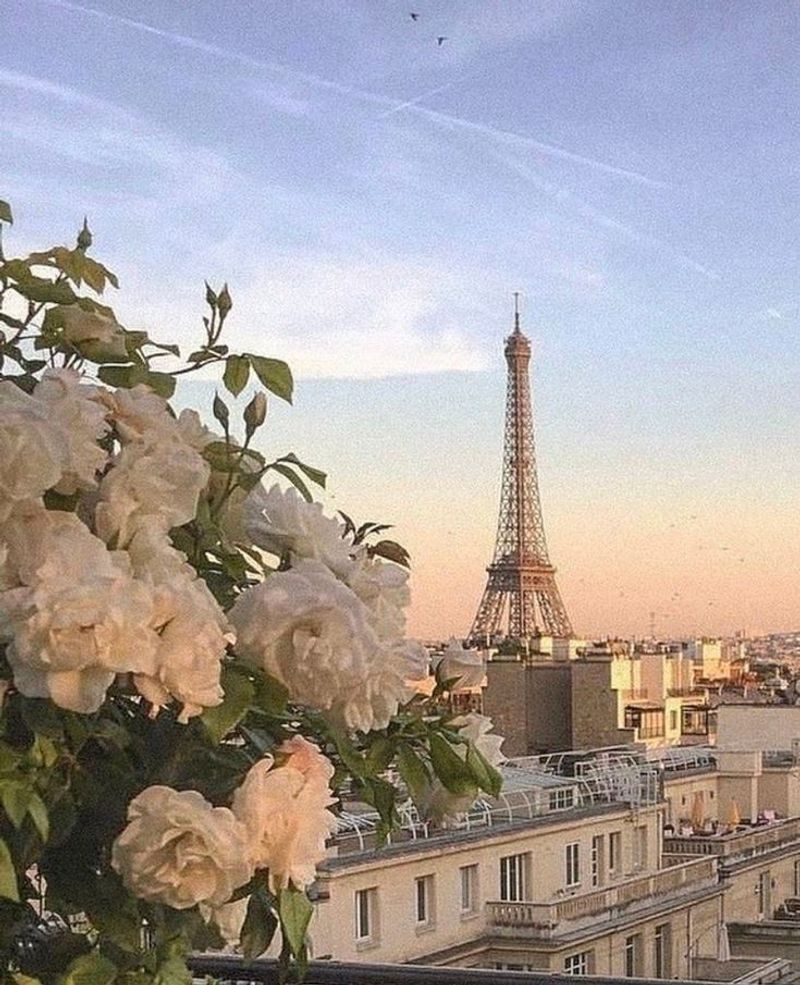
Paris did not just join the luxury conversation. It basically started it.
The French capital helped define what haute couture, fine jewelry, palace hotels, and serious gastronomy look like for the rest of the world, and it has never stopped holding that position. Cushman and Wakefield ranked the Champs-Elysees fifth among the world’s most expensive retail streets in 2025.
The real luxury geography of Paris goes well beyond one famous avenue. Avenue Montaigne, Rue Saint-Honore, and Place Vendome form a network of fashion houses, jewelers, watch brands, and grand hotels that no single street ranking can fully capture.
France also led Western Europe in Michelin’s 2025 Key hotel selection with 203 recognized properties nationally.
Parisian luxury has a particular personality: it is rarely interested in announcing itself loudly. The assumption is that you already know the value of what you are looking at.
There is no neon sign above the craftsmanship. A perfectly aged leather bag or a three-hour lunch in a wood-paneled dining room speaks for itself.
That quiet confidence is something Paris has been cultivating for centuries, and it remains one of the hardest things in the world to fake or replicate.
Milan, Italy
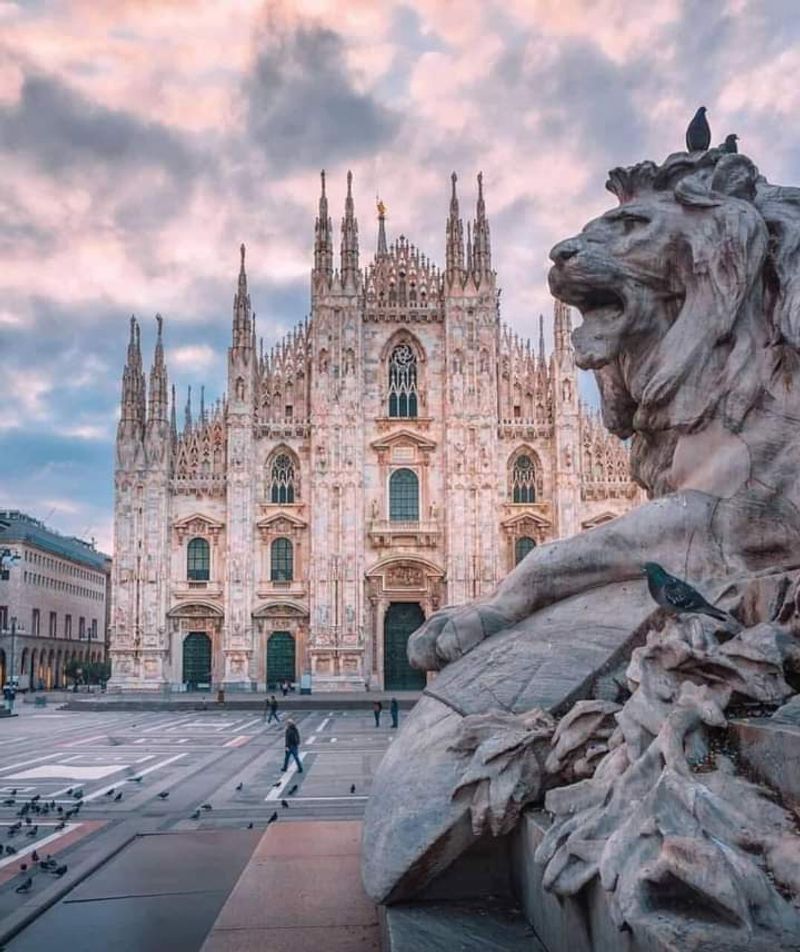
Via Montenapoleone ranked second worldwide in Cushman and Wakefield’s 2025 luxury retail street survey, behind only London’s New Bond Street. The Quadrilatero della Moda surrounding it is essentially a small neighborhood where the entire concept of Italian style is sold at extremely high prices per square foot.
Henley counted 115,000 millionaire residents in Milan in 2025, placing it 11th globally.
Italy’s hospitality sector adds serious depth. Michelin recognized 188 Key hotels nationally in its 2025 global selection, second only to France among European countries.
Milan’s hotels, many housed in historic palazzos, bring a sense of architectural drama to the luxury experience that newer cities simply cannot replicate with a construction project.
The detail that separates Milan from other fashion capitals is authenticity. Luxury here is not imported or curated for tourists.
It is woven into how the city actually operates. The tailored suit at an industry lunch, the espresso taken standing at a marble bar, the centuries-old leather workshop still operating three streets from a flagship store.
Milan makes luxury feel genuinely lived-in, which is a quality that money alone cannot buy and design firms cannot simply manufacture on demand.
Dubai, United Arab Emirates
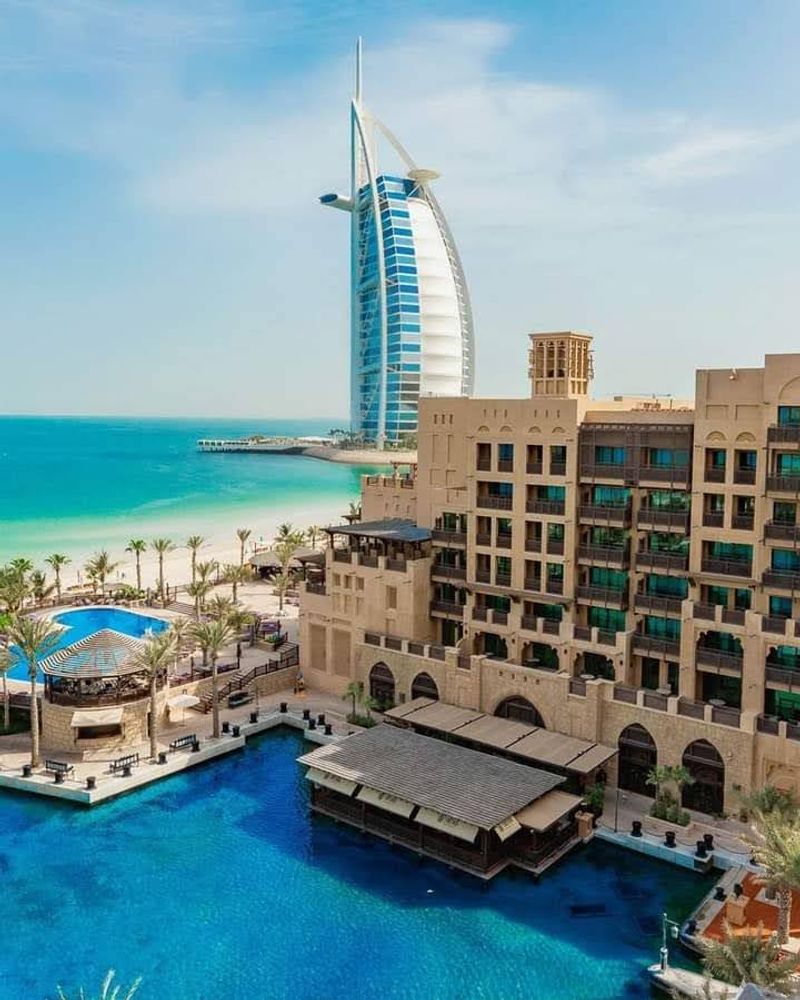
Dubai’s millionaire population grew 102% in a single decade, one of the fastest expansions among major global wealth centers, according to Henley’s 2025 report. That growth rate is not accidental.
The city has been systematically building the infrastructure to attract, house, and entertain extremely wealthy people from around the world.
Savills found Dubai among the leading cities for prime residential price growth in 2025, with gains above 6%. Cushman and Wakefield placed it 11th in its global luxury retail street ranking.
Michelin’s first Middle Eastern Key hotel selection recognized 21 UAE properties, the highest national total in the region.
Then there are the experiences that exist almost nowhere else. Hotel suites with private pools overlooking the desert.
Supercar rental fleets that would embarrass most museums. Yacht charters, sky-high beach clubs, and restaurants designed as architectural statements before a single dish arrives.
Dubai’s philosophy toward luxury is wonderfully straightforward: if something can be made more extravagant, someone will build that version too. The city treats excess not as a warning sign but as a design brief, and the results are consistently spectacular in ways that photographs still fail to fully capture.
Tokyo, Japan
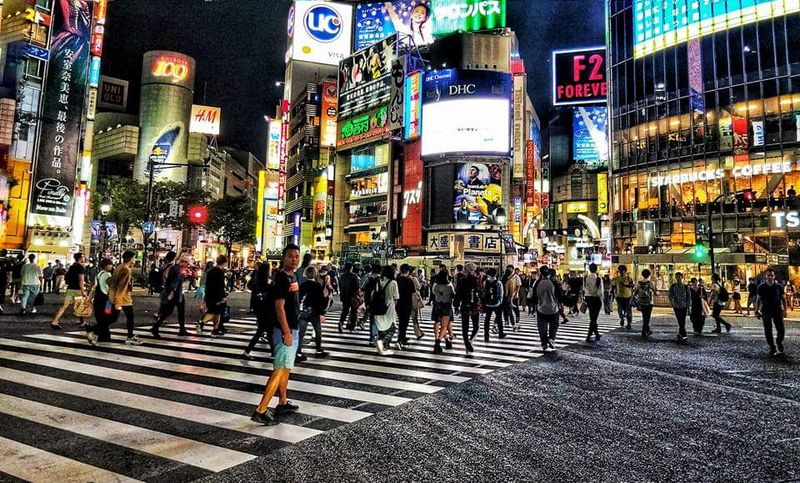
Ginza ranked sixth among the world’s most expensive shopping streets in 2025 after rents climbed roughly 10%, but the price of retail space barely scratches the surface of what makes Tokyo extraordinary for high-end travelers. Henley counted 292,300 millionaires here in 2025, placing Tokyo third globally behind only New York and the San Francisco Bay Area.
Tokyo luxury rewards patience and attention. Department-store service operates at a level of precision that makes most five-star hotels look casual by comparison.
Omakase dining counters, traditional ryokan principles adapted into modern skyscrapers, bespoke ceramics, and meticulously curated whisky bars all cater to people who find meaning in the smallest details.
Savills placed Tokyo among the strongest-performing luxury residential markets of 2025, with prime property values rising more than 6%. Japan received 128 Michelin Key hotels in the 2025 global selection, a figure that reflects just how seriously the country takes hospitality at every level.
Tokyo’s version of luxury is not about volume or spectacle. It is about making ordinary things almost impossibly refined, and then presenting them with a level of care that makes you feel slightly guilty for not appreciating it sooner.
Monaco
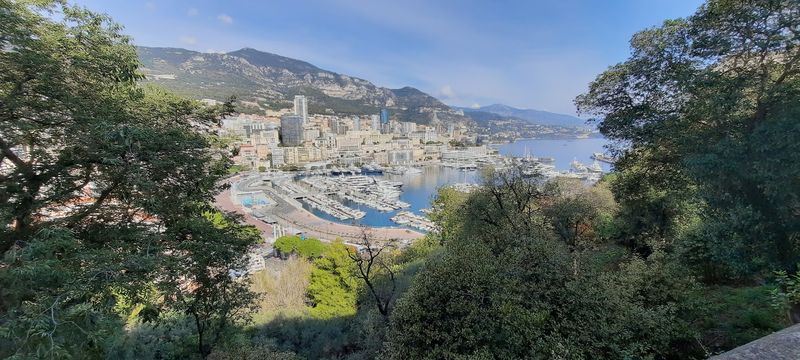
More than 40% of Monaco’s residents qualify as millionaires, and average wealth across the principality exceeds $20 million per person. Henley describes it as the world’s leading city on a wealth-per-capita basis, which is an extraordinary title given the global competition.
In Monaco, the supercar is not a showpiece. It is simply what people drive to the grocery store.
Scarcity defines everything here. There is almost no land available, yet international demand for homes, marina berths, and access to one of Europe’s most favorable tax environments never softens.
That combination of extreme wealth and extreme geographic limits has created a real estate market with almost no ceiling and very little floor space to stand on.
Michelin included two Monaco hotels in its 2025 Key selection, a modest number that becomes more impressive when you remember the principality is roughly the size of a large shopping mall. Casino Square, the harbor full of superyachts, and the Formula One street circuit that cuts through residential neighborhoods all contribute to an atmosphere that feels genuinely cinematic.
Monaco is not the largest luxury city on this list. It may simply be the most concentrated version of wealth that any place on Earth has ever achieved.
Zurich, Switzerland
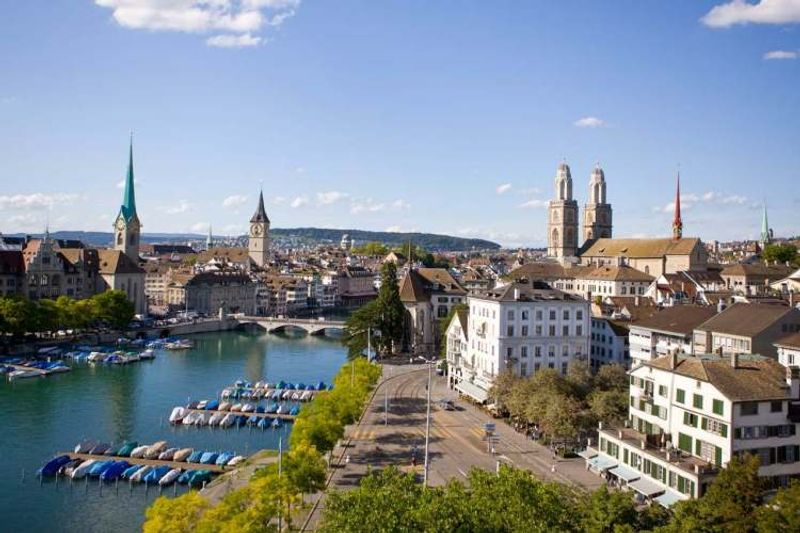
Bahnhofstrasse ranked seventh among the world’s most expensive retail streets in Cushman and Wakefield’s 2025 report. That might sound like a mid-table position until you consider the street’s character: quiet, precise, and lined with watch and jewelry boutiques that collectively represent billions in inventory.
Zurich does not do loud. It does expensive with extreme subtlety.
Switzerland is one of the world’s defining private-banking and wealth-management centers, and Zurich sits at the heart of that infrastructure. The city combines financial gravity with lakefront property, high-end retail, and some of Europe’s strongest per-capita purchasing power.
Michelin recognized 90 Key hotels across Switzerland in 2025, a remarkable total for a country of its size.
The philosophy here is almost the opposite of Dubai’s. There are no record-breaking towers or laser light shows.
Luxury in Zurich looks like a perfectly proportioned hotel suite, a watchmaker who has been in the same family for four generations, and a private bank that has managed wealth since before most countries existed. A five-figure timepiece can disappear under a shirt cuff without comment.
In Zurich, that restraint is not modesty. It is the whole point, and it takes considerable wealth to pull off convincingly.
Los Angeles, United States
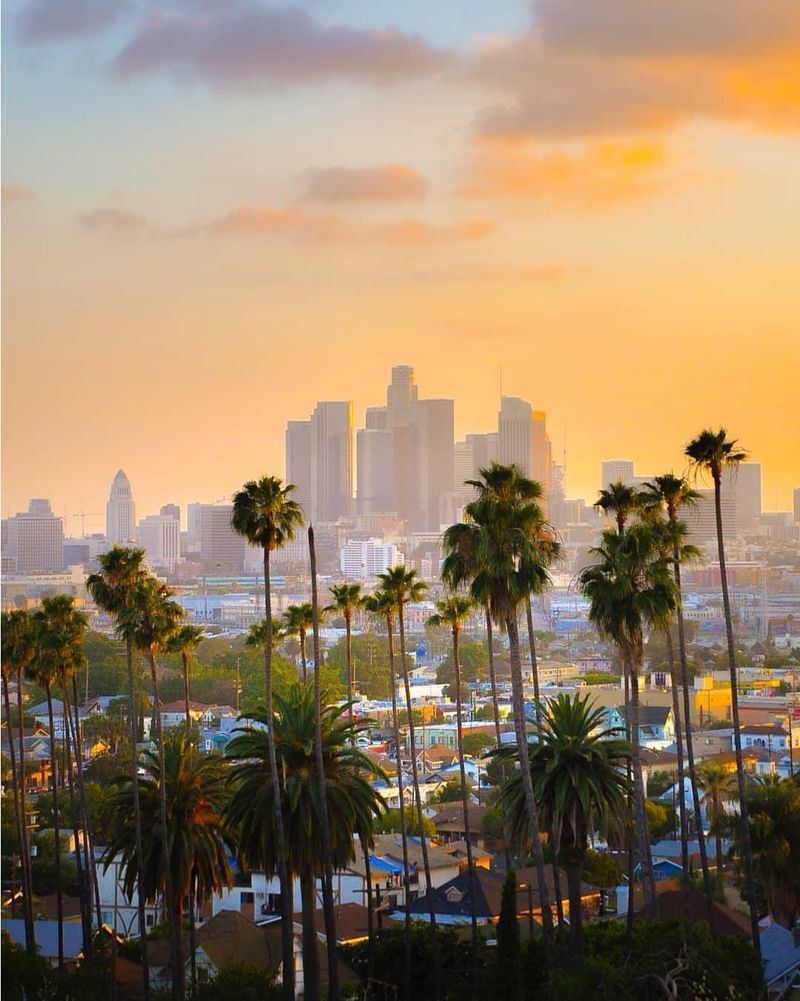
Los Angeles does not concentrate its luxury into one famous street or a single glittering district. It sprawls, which is somehow part of the appeal.
Beverly Hills, Bel Air, Malibu, West Hollywood, and the Hollywood Hills each offer a distinct version of high-end living, from gated estates with ocean views to private screening rooms buried inside homes that rarely appear on any public listing.
Henley placed Los Angeles among the world’s top five cities for resident millionaires in 2025, ahead of London. Savills reported annual luxury rental growth above 10%, one of the strongest figures globally.
Space is the real currency here. Pools, private gyms, car collections, gardens, and ocean sightlines matter in ways they simply do not in denser cities.
What gives Los Angeles luxury its own personality is how much of it happens behind walls and gates rather than on public display. The most expensive lifestyle in this city is often entirely invisible from the street, which creates a fascinating contrast with a place that also built the global entertainment industry.
Fame and wealth overlap here constantly, and the result is a luxury culture that is simultaneously very private and deeply aware of its own image.
Seoul, South Korea
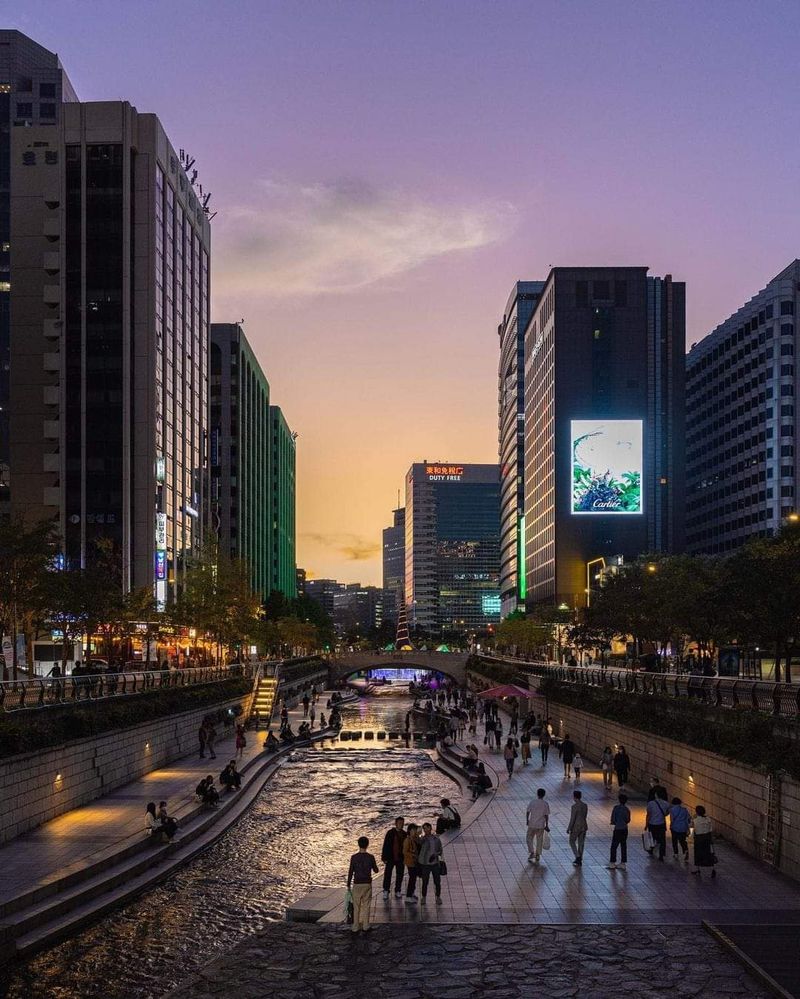
Myeongdong ranked ninth globally among the world’s most expensive retail streets in Cushman and Wakefield’s 2025 report, and that is just the beginning of Seoul’s luxury footprint. Gangnam and Cheongdam have developed into serious high-end districts where international fashion, beauty, and hospitality brands compete for a consumer base that knows exactly what it wants.
Savills identified Seoul as one of the strongest prime-residential performers of 2025, with capital values rising above 6%, and expects the luxury property market to stay among the stronger performers heading into 2026. The appetite for high-end real estate matches a broader cultural shift toward premium consumption across the city.
Seoul’s most interesting quality as a luxury destination is how dynamic it feels. Brands entering this market quickly learn that a flagship store alone is not enough.
The most successful concepts blend retail with food, art installations, celebrity tie-ins, and experiences worth documenting. Seoul demands that luxury justify its presence with something beyond a price tag, which pushes brands to be more creative than they might be anywhere else.
The result is a luxury scene that moves faster, tries harder, and refuses to sit still long enough to feel predictable.
Sydney, Australia
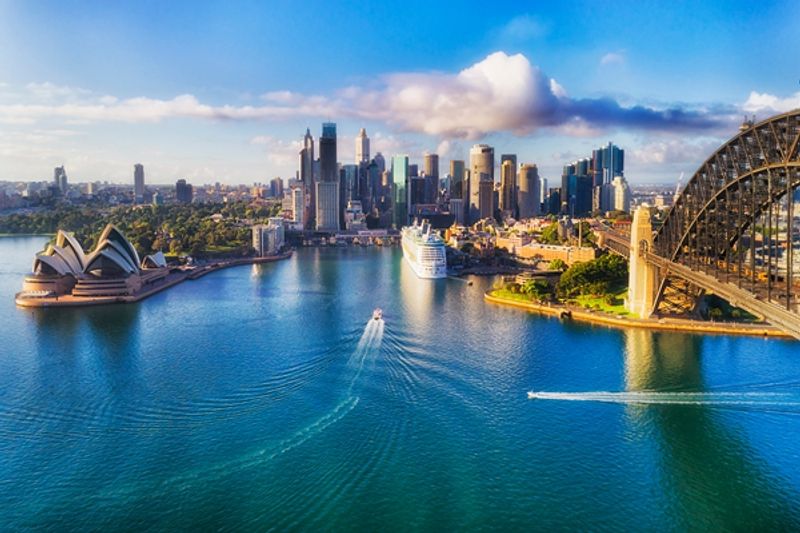
Pitt Street Mall ranked eighth worldwide among luxury retail locations in Cushman and Wakefield’s 2025 report, which would already secure Sydney a place on this list. But the city’s real competitive advantage has nothing to do with a shopping street.
It has to do with the harbor, and the way that body of water makes almost every luxury experience here feel slightly more spectacular than it would anywhere else.
High-end homes overlook the water. Luxury hotels face the Opera House.
Dining rooms combine exceptional food with one of the world’s most recognized cityscapes outside a window. Sydney remained one of Henley’s significant global wealth centers in 2025, reflecting an Australian high-net-worth population that has grown substantially in recent years.
Beachfront neighborhoods, premium restaurants, yacht access, private aviation links to coastal retreats, and a climate that genuinely cooperates with outdoor luxury all contribute to something distinctly Australian in character. Sydney manages to make serious wealth look surprisingly relaxed, which is harder to achieve than it sounds.
The city does not strain for grandeur. It simply has a harbor that does the heavy lifting, and the good sense to build everything important around it.
Shanghai, China
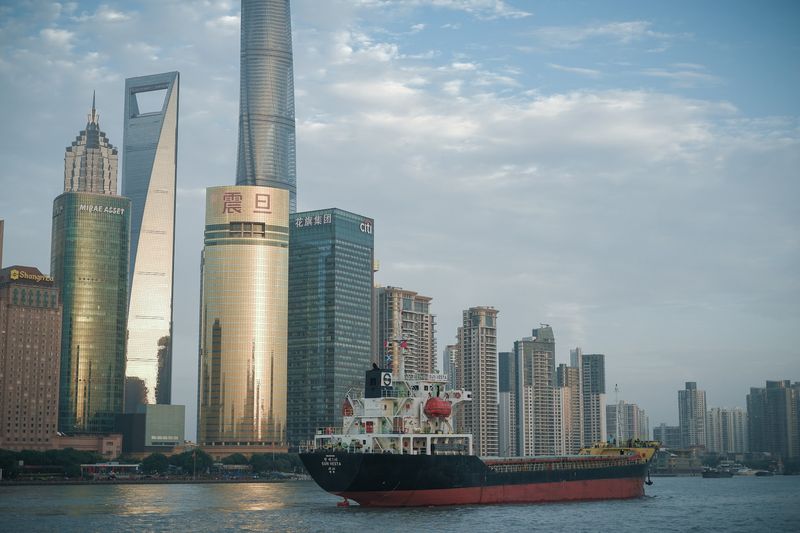
The view from the Bund might be the most dramatic collision of old and new money in the world. Historic European-style facades face the glass towers of Pudong across the Huangpu River, and the contrast captures exactly what Shanghai has been building toward for decades.
Cushman and Wakefield placed it 12th in its 2025 global luxury retail ranking.
Luxury brands operating in Shanghai have increasingly moved beyond conventional retail. In 2025, Louis Vuitton opened its enormous ship-shaped concept store combining retail, exhibition space, and dining in a single architectural statement.
That kind of investment reflects how seriously global brands take Shanghai as both a market and a stage. China received 42 Michelin Key hotels in the 2025 global selection.
Shanghai’s luxury identity suits the city perfectly because it likes scale. Nothing here is done modestly when a grander version is achievable.
Jing’an and Nanjing Road have become international showcases where the competition between brands plays out at an architectural level, not just a retail one. For a city that spent decades transforming its skyline from scratch, turning luxury shopping into destination entertainment feels like a natural next step.
Shanghai does not ask whether something can be bigger. It just builds it bigger and opens on schedule.
Vienna, Austria
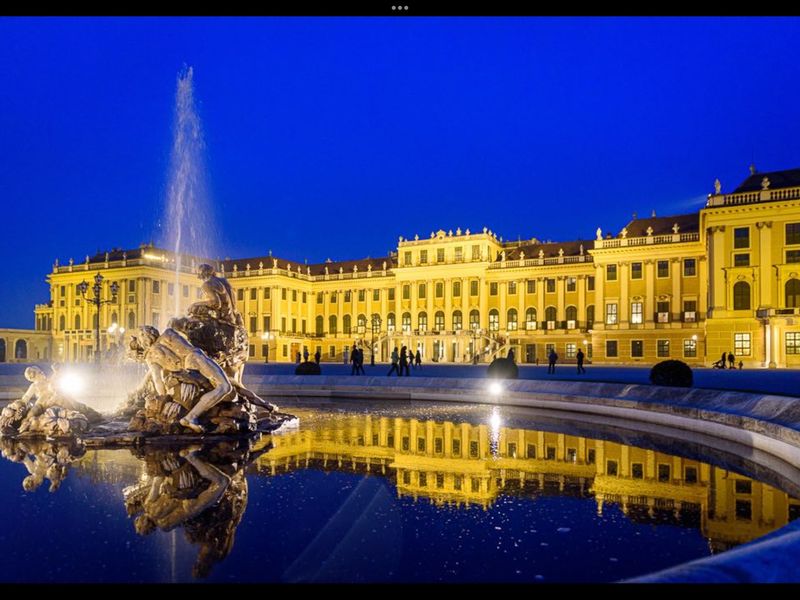
Kohlmarkt ranked 10th among the world’s most expensive retail streets in Cushman and Wakefield’s 2025 report, which is a striking achievement for a city that does not often appear in conversations about global luxury hubs. Vienna’s secret is that the setting does most of the work before anyone opens a wallet.
Walking through streets lined with imperial architecture creates a sense of occasion that newer cities spend enormous money trying to manufacture.
Austria received 65 Michelin Key hotels in the 2025 global selection, a surprisingly deep total for a relatively small country. Grand historic hotels, palace conversions, and beautifully maintained properties give Vienna a hospitality scene with genuine character rather than just thread counts and marble lobbies.
A luxury weekend in Vienna has a rhythm that feels almost theatrical. Designer shopping in the morning, a grand hotel for afternoon coffee and pastries, formal dinner in a wood-paneled room, then opera in a building that would attract tourists even if no performance were scheduled.
The architecture, the music, the food, and the retail all reinforce each other in a way that feels organic rather than assembled. Vienna proves convincingly that you do not need a futuristic skyline to deliver world-class luxury.
Sometimes a very old palace handles the job perfectly well.
Share this story