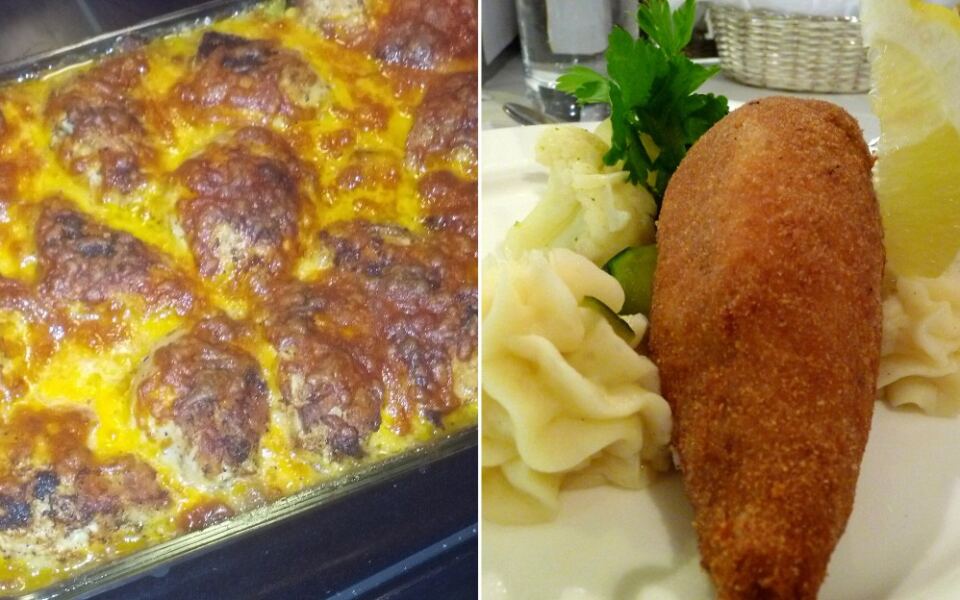
Some dinners fade from the table not because they were bad, but because trends moved on. Think back to the casseroles, gravy-covered plates, and baked dishes that once filled family kitchens across America.
Many of them were built to stretch a budget, feed a crowd, or make a regular weeknight feel a little special. This list brings back 16 of those classics, from creamy casseroles to dramatic dinner-party showstoppers.
Each one has a story behind it, and most are easier to make than you might expect. With fresh ingredients and a bit of care, these retro meals can taste better than the versions you may remember.
Pick a few, try them out, and see which ones earn a spot in your regular dinner rotation again.
Salisbury Steak
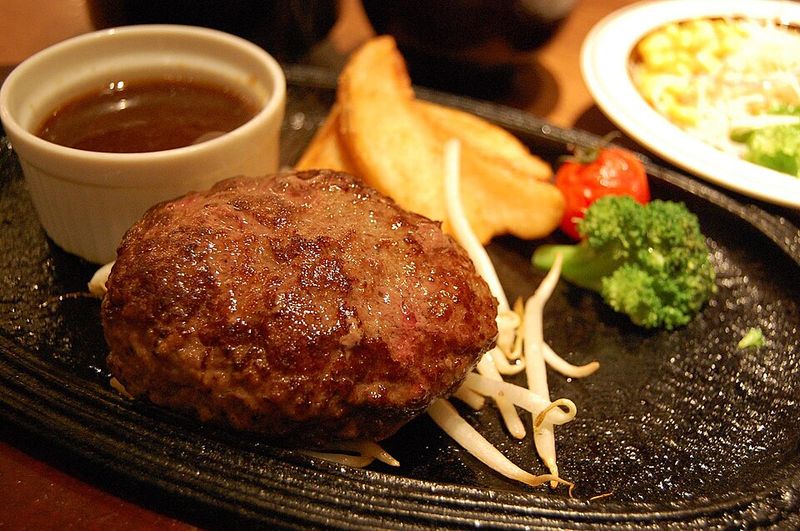
Most people link Salisbury steak to the frozen dinner tray, yet the story starts well before the freezer aisle. It is named for physician James H.
Salisbury, who promoted chopped beef patties in the 19th century as part of his dietary ideas.
By the middle of the 20th century, it had settled into comfort-food territory. The TV dinner boom that began in the 1950s made it a familiar entree, usually served under brown or mushroom gravy with mashed potatoes and vegetables.
Here is the good news for anyone who only knows the tray version. When you make it from scratch with well-seasoned beef, slowly browned onions, and a real mushroom gravy, it turns into a very different meal.
Shape the patties, brown them well, and let them finish gently in the gravy. Serve them over mashed potatoes, and you have a dinner that feels classic without feeling tired.
It is a simple way to show a nostalgic dish its better side.
Tuna Noodle Casserole
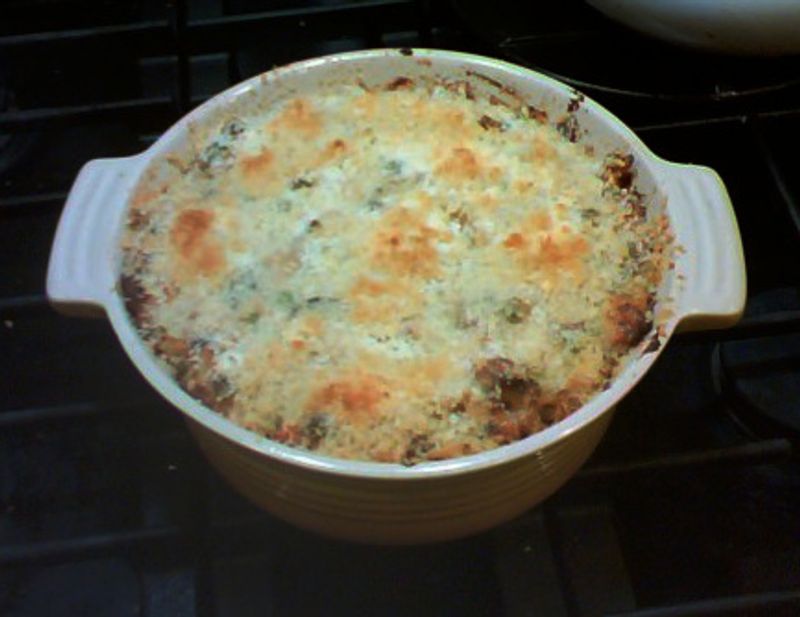
Few dishes say mid-century home cooking as quickly as tuna noodle casserole. The earliest known printed version showed up in Sunset magazine in 1930, but the 1950s is when it became a fixture in American kitchens.
The formula was easy to love. Canned tuna, noodles, condensed soup, and a crunchy topping made an inexpensive dinner that could feed several people from a single baking dish.
Campbell’s promoted recipes built around canned soup, and versions turned up in community cookbooks. It also became a regular at Midwestern potlucks, where one big pan went a long way.
A modern take can make it shine again. Try fresh mushrooms, good-quality tuna, sweet peas, and a homemade cream sauce in place of the can.
Finish it with buttered breadcrumbs or crushed crackers for crunch. It is still affordable, still filling, and still easy to pull together after a long day, which is exactly why casseroles caught on in the first place.
Chicken à la King
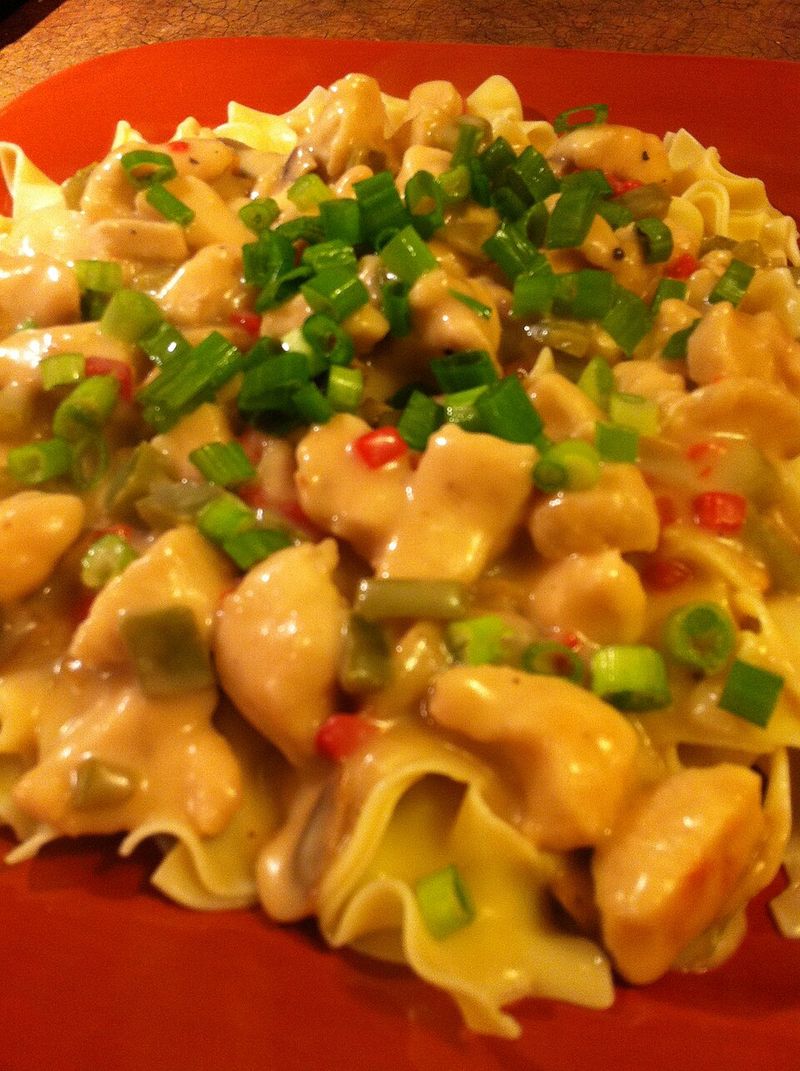
There was a time when this dish sounded fancy enough for hotel dining rooms and dinner parties. Chicken à la King usually pairs diced chicken, mushrooms, and vegetables in a rich cream sauce, sometimes flavored with sherry.
Nobody agrees on who invented it. Stories point to upscale spots from the late 19th or early 20th century, including the Brighton Beach Hotel in New York and Philadelphia’s Bellevue Hotel.
You can serve it over toast, noodles, or rice, or spoon it into pastry shells for a more polished look. Each choice changes the meal a little, so it is easy to adapt to what you already have at home.
The appeal holds up no matter who first stirred the pot. Tender chicken and creamy mushroom sauce over crisp toast feels a bit luxurious, yet the ingredients are ordinary and the steps are simple.
It is a smart way to use leftover chicken, and it brings back a dinner that once felt like a treat.
Beef Stroganoff
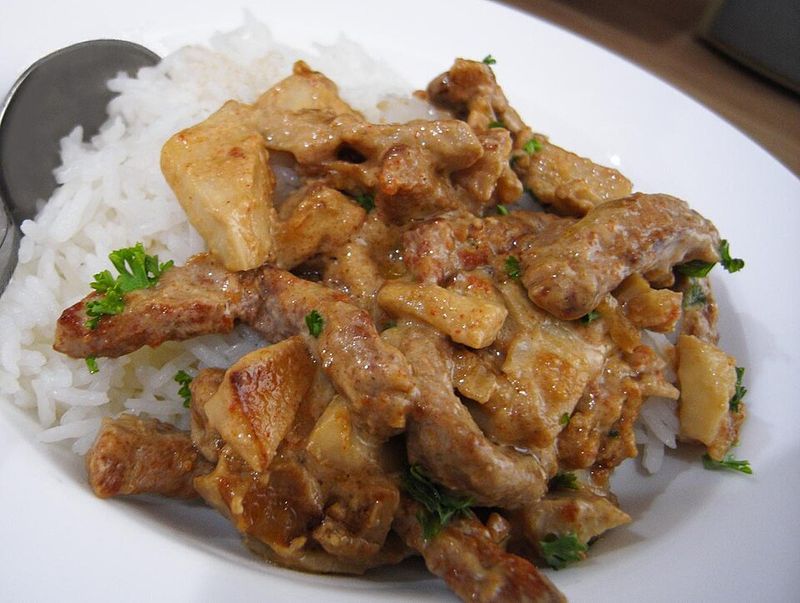
Russia gave the world beef Stroganoff, and America made it a dinner-party star. Recipes date back to the 19th century, usually featuring thin slices of beef in a mustard and cream sauce.
By the middle of the 20th century, Americans had embraced it wholeheartedly. It was especially fashionable in the 1950s and 1960s, when hosts wanted something that looked impressive but cooked quickly.
American versions often added mushrooms, onions, sour cream, and egg noodles. That combination became the rich comfort meal many people recognize today.
A comeback seems almost certain. Use tender beef, brown the mushrooms until they have real color, and add enough sour cream to make the sauce silky instead of heavy.
Stir it in off the heat so it stays smooth. Spoon everything over buttered noodles, and you have an easy cold-weather dinner that still works beautifully on a busy weeknight or when friends come over.
Meatloaf
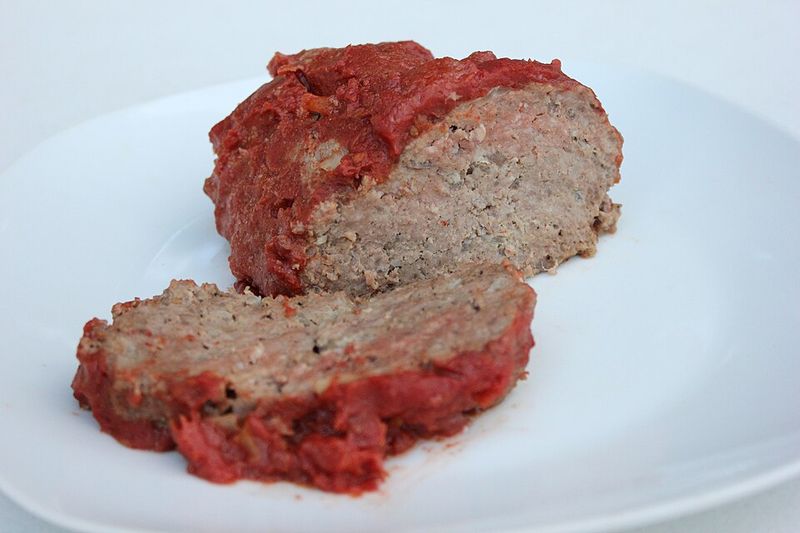
If one meal sums up the vintage family dinner, meatloaf is a strong candidate. Dishes made from minced meat are centuries old, but the American version gained real importance during the Great Depression and wartime years.
Ground meat could be stretched with breadcrumbs, cereal, vegetables, or other cheap ingredients. That meant one loaf could feed a lot more people than the meat alone would suggest.
By the 1950s, meatloaf was a home-cooking staple, and cookbooks offered countless variations. Cooks put their own spin on it, and families often had a favorite version passed down at the table.
The basic idea is still excellent. Seasoned ground meat is baked until tender and usually topped with a tangy glaze.
Serve it with mashed potatoes and green beans, and it is hard to picture a more straightforward comfort meal. Leftovers also make a great sandwich the next day, which gives it one more reason to return.
Chicken Divan
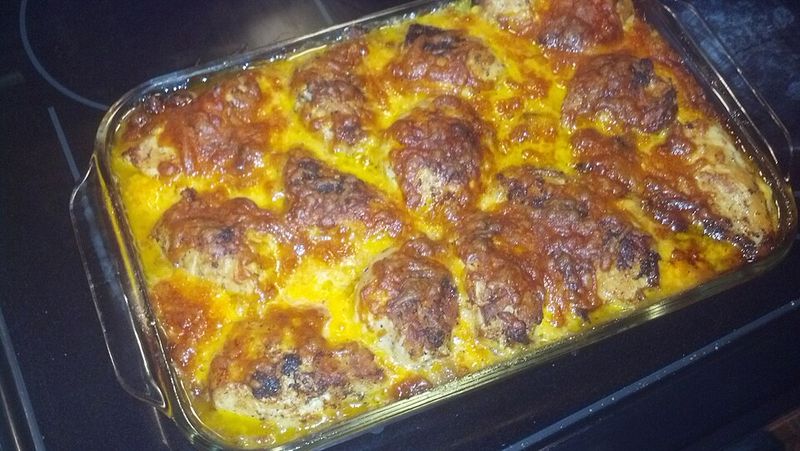
The name alone sounds like it belongs at a fancy mid-century luncheon. Chicken Divan traditionally combines chicken, broccoli, and a creamy sauce in one baked dish.
It was named for the Divan Parisien Restaurant at New York City’s Chatham Hotel, where it was a signature dish. Recipes inspired by the original appeared widely in cookbooks during the late 1950s and early 1960s.
Home cooks later simplified it, using condensed soup, mayonnaise, cheese, and leftover chicken. That made it a handy weeknight casserole, though the shortcuts took some of the polish away.
The homemade version deserves fresh attention. Chicken, broccoli, cheese, and a creamy sauce are hardly outdated ingredients, and nothing about the combination feels old.
A crisp breadcrumb topping gives the casserole the texture it needs. Bake it until bubbly and golden, and you get a dinner that is balanced, filling, and a nice way to get more green on the plate.
Creamed Chipped Beef on Toast
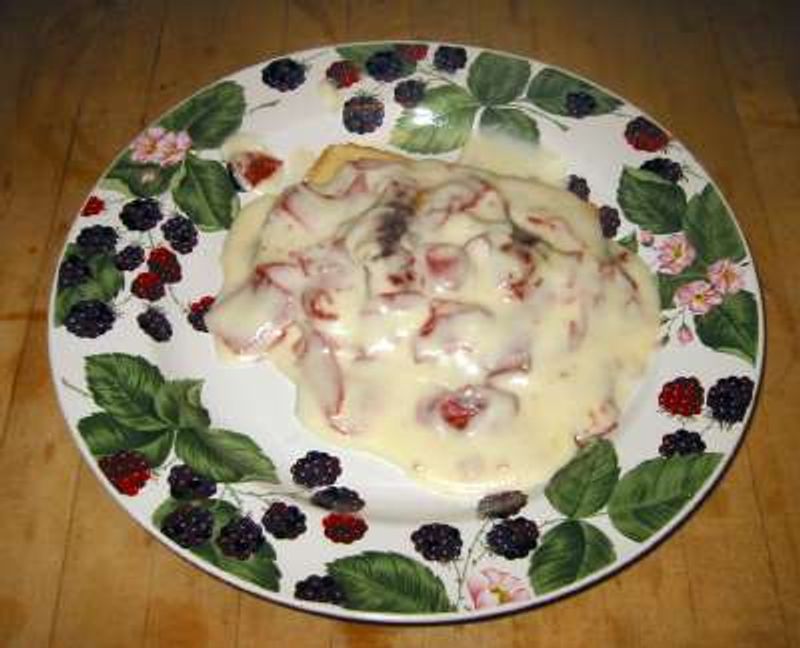
Anyone who grew up around military families may know this meal by a less elegant nickname: SOS. Creamed chipped beef is made of thin pieces of dried beef stirred into a white cream sauce.
It is spooned over toast, biscuits, or sometimes potatoes. The setup is simple, which is a big part of its history.
The dish was familiar in American military cooking because dried beef stored well and could be prepared cheaply for large groups. It stayed common through the first half of the 20th century, although many servicemen reportedly grew tired of it.
For modern diners, it has a different kind of appeal. A properly seasoned cream sauce, crisp toast, and salty beef make an easy breakfast or dinner that feels surprisingly satisfying.
Since the beef is already salty, go light on added salt and finish with black pepper. Rinsing the dried beef briefly can also help if you want to control the seasoning more closely.
Chicken Tetrazzini
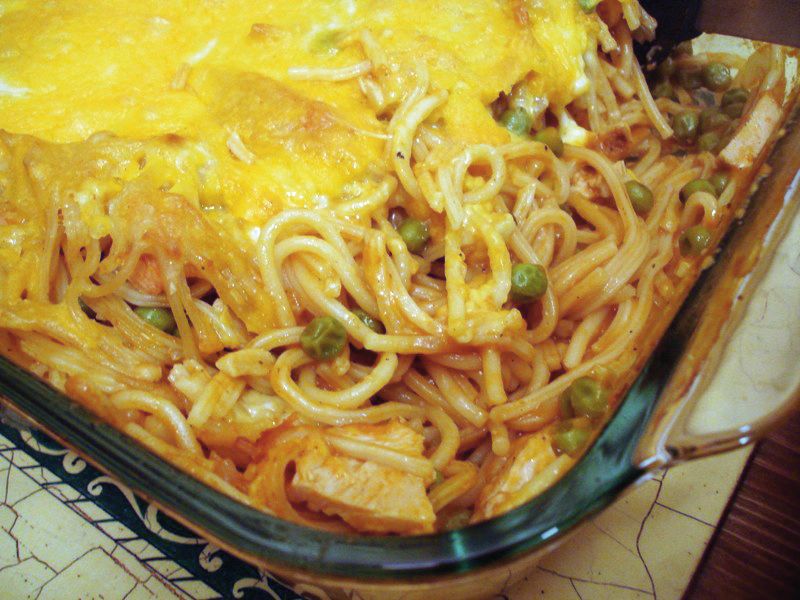
It sounds Italian, but this dish has roots in American restaurant cooking. Chicken Tetrazzini belongs to a family of creamy pasta casseroles named for opera singer Luisa Tetrazzini, who was hugely popular in the United States in the early 20th century.
Cooked chicken or turkey is combined with pasta, mushrooms, and a creamy sauce. It is then baked under a layer of cheese or breadcrumbs until golden.
By the mid-century period, casseroles like this suited the American love of make-ahead meals. They were also a smart answer to leftover poultry, especially after a big roast dinner.
The formula still works. A good homemade sauce and well-browned mushrooms can make leftover roast chicken taste like a brand-new meal.
Assemble it earlier in the day, keep it in the fridge, and bake it when you are ready to eat. That kind of planning ahead is exactly why this dish earned its place in so many family recipe boxes.
Swiss Steak
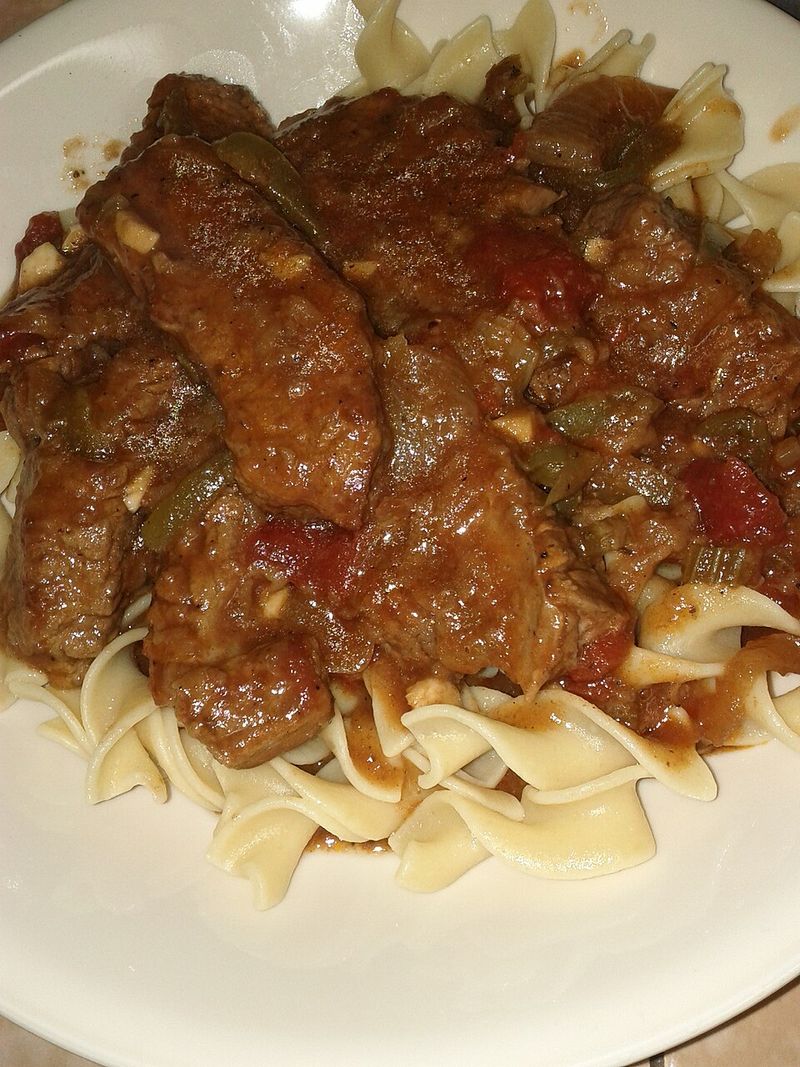
Despite the name, Swiss steak is an American dish, not a Swiss specialty. The name appeared in American cookbooks by the 1920s.
Traditionally, a relatively tough cut of beef was pounded or tenderized and then slowly braised. By around 1950, tomato-based versions had become especially common.
That method made inexpensive beef tender enough to cut with a fork. It also created a rich sauce in the same pan, so dinner and gravy came together at once.
Slow braising never really went out of style, which is why this dish is ready for a comeback. Add onions, tomatoes, peppers, and herbs, then let everything cook gently until the meat gives way.
Today people look for that same result from slow cookers and Dutch ovens. Swiss steak delivers it with pantry-friendly ingredients, and it pairs well with mashed potatoes, rice, or buttered noodles to catch the sauce.
Porcupine Meatballs
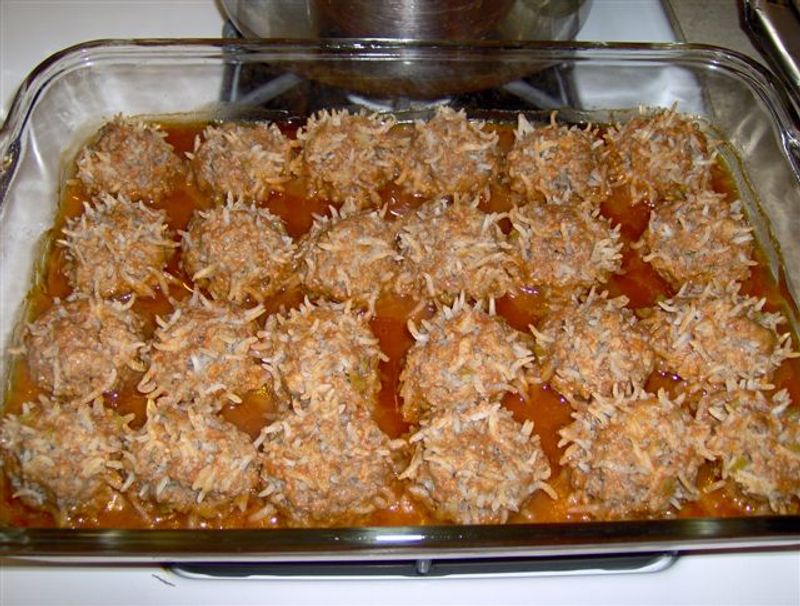
No porcupines are involved in this wonderfully strange vintage dinner. Porcupine meatballs are made by mixing ground beef with uncooked rice.
As the meatballs simmer or bake in tomato sauce, the rice expands and sticks out from the meat. That creates the spiky look that gave the dish its name.
The recipe became tied to Depression-era and mid-century cooking because rice let families stretch a small amount of beef into a hearty meal. Vintage versions were popular during the 1940s and 1950s.
They are inexpensive, filling, and surprisingly fun to make, especially if kids are helping roll the meatballs. Cooking the rice right inside the meat also means fewer pots to wash.
Serve them with mashed potatoes or vegetables and spoon extra sauce over the top. A new generation of home cooks could easily become fans of this quirky classic.
Sloppy Joes
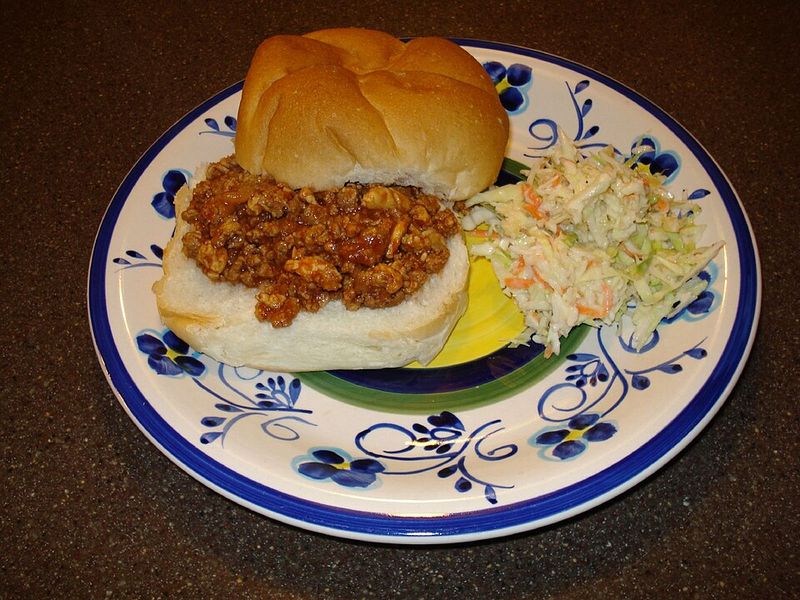
Sloppy Joes never fully disappeared, but they deserve more than being remembered as cafeteria food. The sandwich piles seasoned ground beef in a tomato-based sauce onto a soft bun.
Its exact origin is uncertain, though similar loose-meat sandwiches appeared in the Midwest in the early 20th century. By the 1940s, the name Sloppy Joe was well established in American food culture.
During the Depression and wartime years, ground beef dishes were handy because the meat could be stretched with cheap ingredients. That helped the sandwich spread to home kitchens everywhere.
A homemade version can be far more interesting than the canned-sauce kind many people remember. Brown the beef well, then add onions, peppers, Worcestershire sauce, tomato, and a splash of something tangy.
Toast the buns lightly so they hold up better, and keep napkins close. It is a fast dinner that still feels like a fun break from the usual plate.
Chicken Kiev
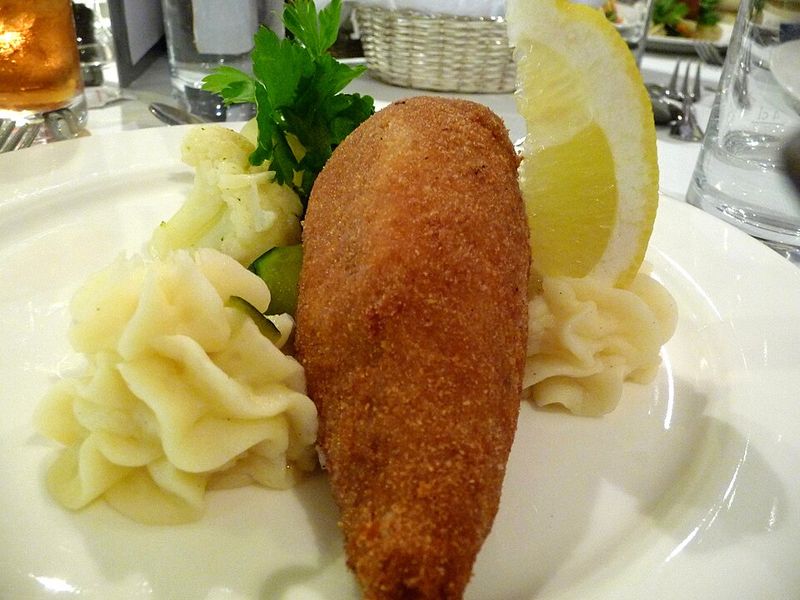
Cutting into a Chicken Kiev and watching the butter run out is part of the fun. The dish is a flattened chicken breast wrapped around cold seasoned butter, then breaded and cooked until crisp.
American newspapers were mentioning it by the late 1930s, and recipes appeared in major publications during the 1940s. By the 1960s, it had become a fashionable dinner-party dish in both America and Britain.
It was exactly what people served when they wanted dinner to feel impressive. The crisp coating and buttery center made it stand out from an ordinary chicken breast.
It does take a little more effort. Chill the butter well, roll the chicken tightly, and seal the edges so the filling stays put during cooking.
That dramatic center makes the extra work worthwhile. Serve it with rice or potatoes and a simple green vegetable, and it still feels like an occasion.
Beef Wellington
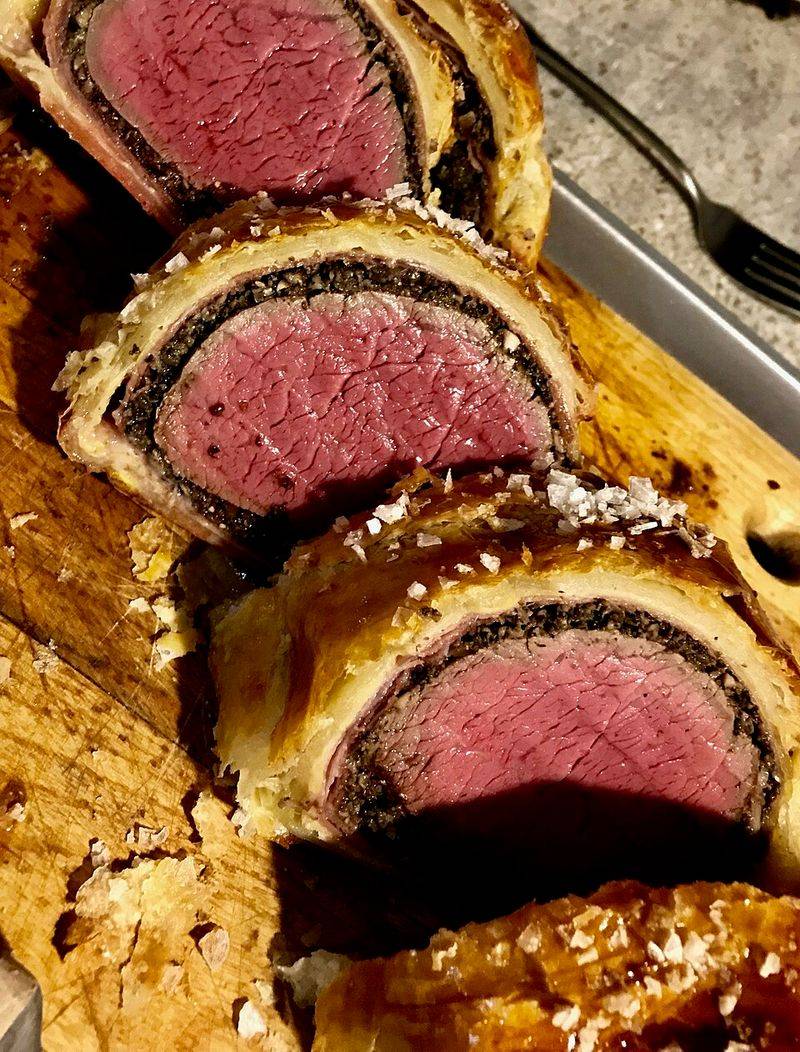
Few vintage meals announced a special occasion as loudly as Beef Wellington. The dish wraps beef tenderloin, usually with a mushroom mixture, inside pastry and bakes it until the outside is crisp and the beef stays tender.
Its exact origins are debated. It became especially fashionable after World War II, with recipes appearing more often in books and magazines during the 1950s and 1960s.
That was a time when elaborate home dinner parties were important symbols of entertaining and status. A golden pastry-wrapped roast on the table said a lot about the host.
It may never become a Tuesday-night meal, and that is part of the charm. Making it takes planning, a good thermometer, and a bit of patience.
In an era of casual entertaining, bringing back one proudly dramatic centerpiece sounds like fun. Save it for a holiday or milestone dinner, and let the slicing be the show.
Green Bean Casserole
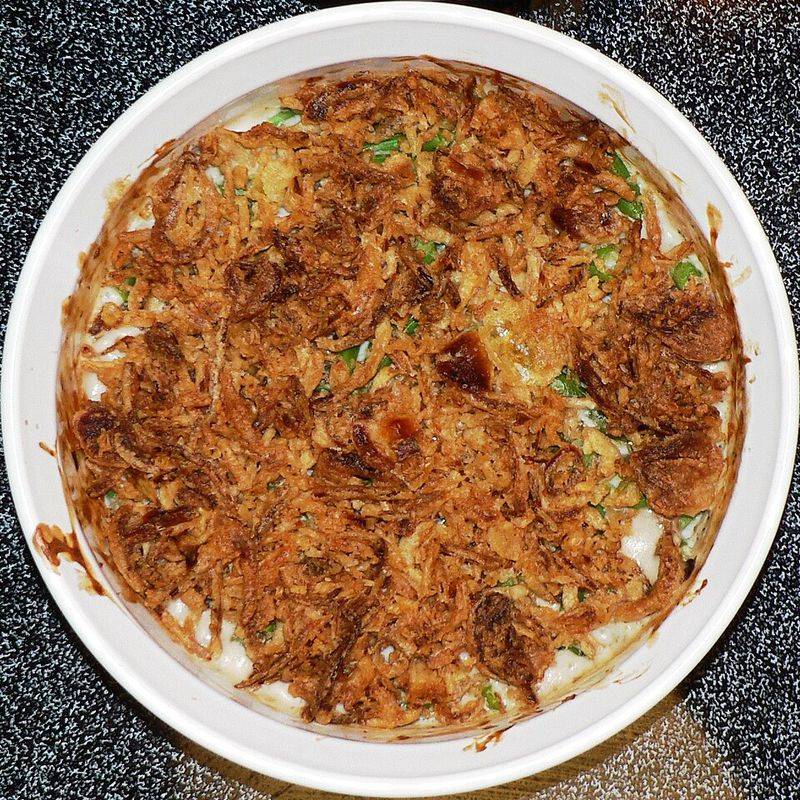
Technically it started as a side dish, but green bean casserole became such a defining part of mid-century American tables that it belongs on any retro-food list. Dorcas Reilly created the original Green Bean Bake in the Campbell’s Test Kitchen in 1955.
The recipe combined green beans, condensed cream of mushroom soup, milk, soy sauce, and crispy fried onions. Its simplicity made it hugely successful, especially around Thanksgiving.
Few recipes have stayed so closely tied to one holiday. Many families would not feel the meal was complete without it.
Modern cooks can easily update it with fresh green beans, sauteed mushrooms, and a homemade sauce. Keep the crisp onions on top, since that crunch is half the reason people love it.
The core idea stays the same: creamy vegetables underneath and crunchy onions above. Make it for the next family dinner, even if it is not a holiday.
Stuffed Bell Peppers
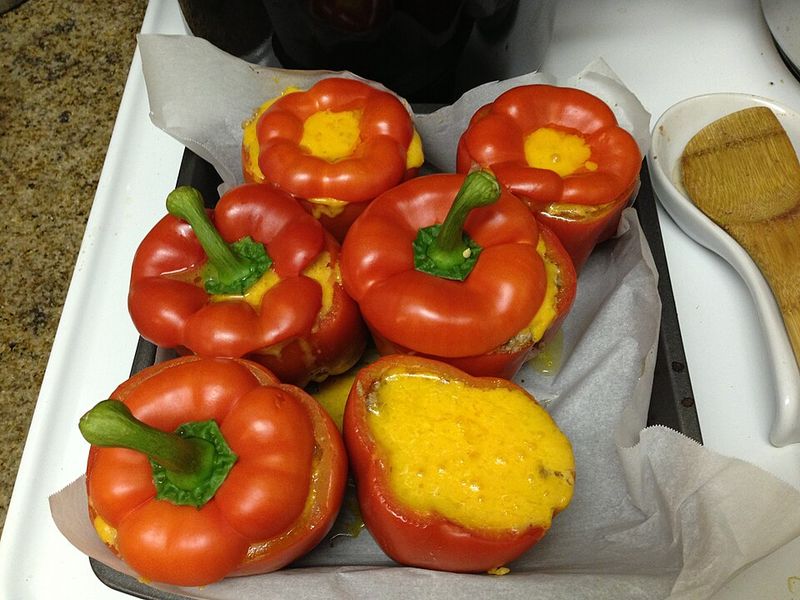
Stuffed peppers were once a dependable way to turn modest ingredients into a full dinner. Classic American versions filled hollowed bell peppers with ground beef, rice, onions, tomato sauce, and seasonings, then baked everything together.
The format suited mid-century family cooking well. One inexpensive mixture delivered meat, starch, vegetables, and sauce in a single portion.
Unlike some vintage dishes, stuffed peppers do not need much rehabilitation. The basic formula still makes sense today.
You can customize the filling with cheese, herbs, mushrooms, different grains, or leftover meat. Green, red, yellow, or orange peppers all work, and the colors make the pan look cheerful.
They also look better on the plate than many casseroles. That may explain why this retro dinner quietly survived while many of its contemporaries faded away.
Swedish Meatballs
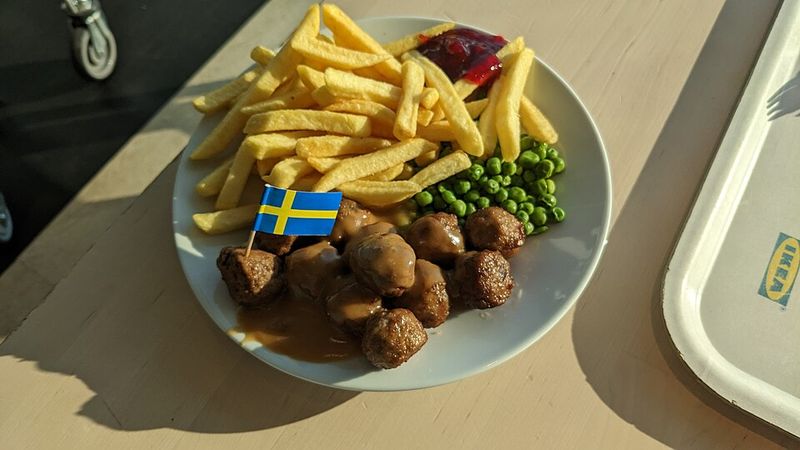
Swedish meatballs have a far longer history than America’s mid-century fascination with Scandinavian food. Even so, they fit the vintage dinner-party style perfectly.
The small meatballs are traditionally served with a creamy gravy. The result is rich but approachable, and it became familiar to generations of American diners.
During the mid-20th century, cocktail-size meatballs turned into popular party fare. Larger versions served with potatoes or noodles worked as a full meal.
A comeback would hardly require reinventing them. Tender beef-and-pork meatballs, warm spices, savory gravy, mashed potatoes, and something tart like lingonberries make a combination that still feels balanced.
Some vintage dishes need serious modernization. Swedish meatballs mostly need people to remember how good they already are.
Share this story