Ireland is famous for its cliffs, castles, and coastal drives, but the country keeps some of its best stories tucked away from the main tourist trail. Beyond the Cliffs of Moher and the Ring of Kerry, there are prehistoric landscapes, forgotten abbeys, and estate gardens that most visitors never hear about.
These places are real, open, and genuinely worth the detour. Whether you are planning your first trip to Ireland or your fifth, this list will give you nineteen good reasons to look beyond the obvious stops and discover something that actually surprises you.
Altamont Gardens, County Carlow
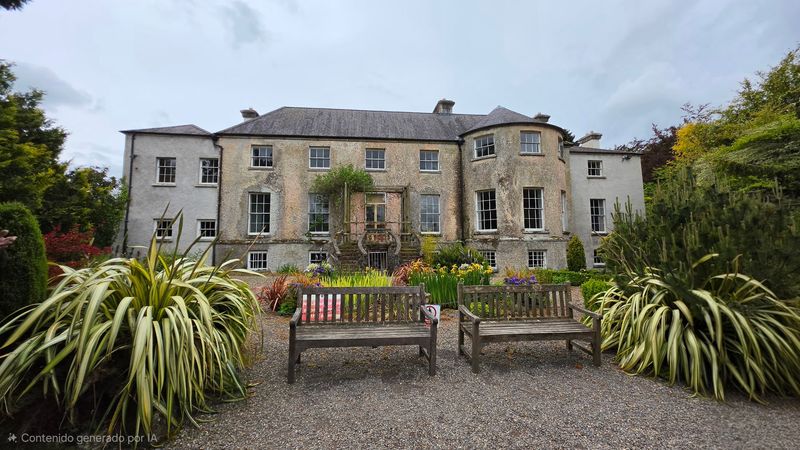
Not many free gardens in Ireland can compete with Altamont for sheer variety of landscape. Spread across roughly 16 hectares in County Carlow, the grounds move from carefully maintained formal lawns and sculpted yews into wilder woodland terrain without feeling abrupt or forced.
The most atmospheric section passes through the Ice Age Glen, where ancient oaks and enormous stone formations create a landscape that feels entirely separate from the manicured gardens near the house. That contrast is one of the reasons Altamont rewards multiple visits across different seasons.
Summer brings roses and herbaceous plants to the formal areas, while autumn turns the woodland paths into something worth photographing. The riverside walk along the Slaney adds another dimension to the grounds.
Altamont is free to enter and open throughout the year, though severe weather can occasionally affect access. For a no-cost afternoon in genuinely beautiful surroundings, this estate is hard to match anywhere in Leinster.
Battle of the Boyne Visitor Centre, County Meath
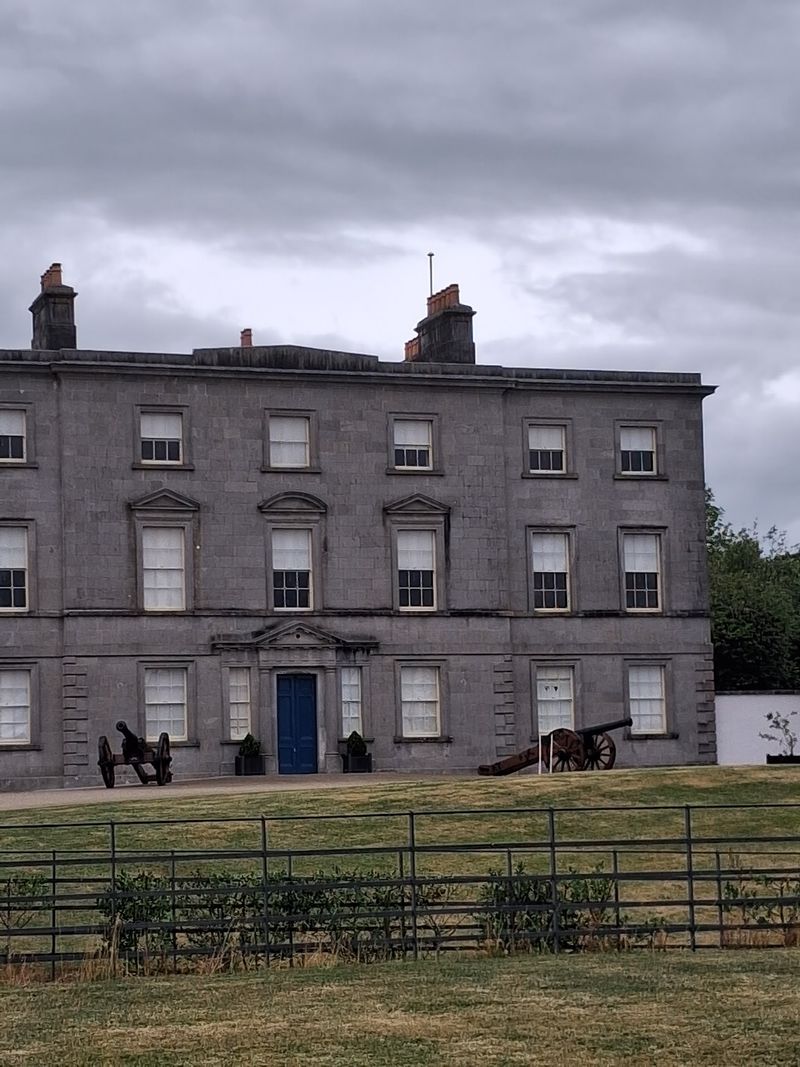
Standing on the quiet green fields of Oldbridge today, it is genuinely hard to picture the scale of what happened here in 1690. Heritage Ireland records that around 36,000 Williamite troops faced approximately 25,000 Jacobites beside the River Boyne, making it the largest concentration of troops ever assembled on an Irish battlefield.
The outcome shaped Irish and British history for centuries, yet the site itself remains far less visited than its significance deserves. Walking routes cross the actual battlefield, giving visitors a sense of the terrain that influenced the fighting.
The walled garden provides a quieter corner of the estate, and the exhibition inside the Stable Yard explains the political and military context clearly without requiring prior knowledge of the period. Oldbridge House itself is currently closed, but the visitor experience remains fully operational through the Stable Yard.
The estate is open throughout the year and makes a straightforward day trip from Dublin.
Castletown House and Parklands, County Kildare
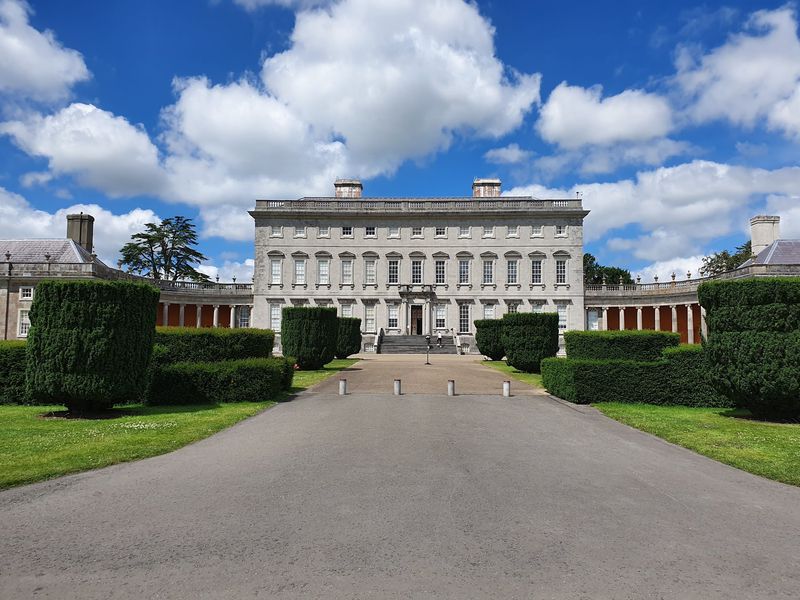
Just outside Dublin, one of Ireland’s most impressive Palladian mansions sits in quiet parkland without drawing anything close to the attention it deserves. Castletown House was built from around 1722 for William Conolly, Speaker of the Irish House of Commons, and the scale of the project reflects his considerable ambitions.
Inside, the house preserves elaborate period interiors that include eighteenth-century Murano glass chandeliers and an unusually well-preserved print room, a decorative feature that was fashionable among wealthy households of the era but rarely survives intact today.
Visitors who prefer open air to formal tours will find the surrounding parkland equally rewarding. Paths follow the River Liffey through an eighteenth-century designed landscape that feels genuinely peaceful given how close it sits to the capital.
House tours run through November 4 during the 2026 season, while the parklands stay open throughout the year. It is a strong alternative to the busier heritage sites clustered around Dublin city.
Ceide Fields, County Mayo
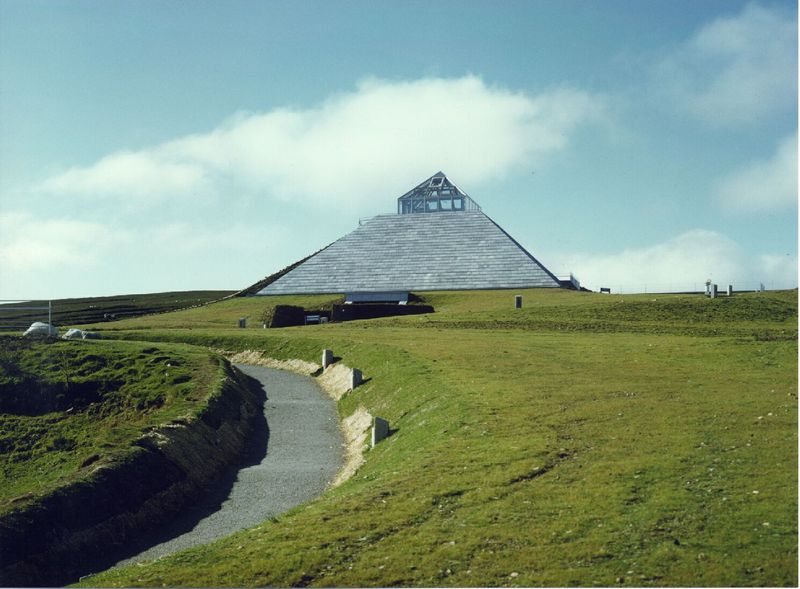
Almost 6,000 years before anyone built a castle in Ireland, farming communities were dividing the land of north County Mayo into organized fields using stone walls. That fact alone makes Ceide Fields one of the most remarkable prehistoric sites in Europe, and Heritage Ireland describes it as the most extensive Stone Age monument in the world.
The walls, fields, dwelling areas, and megalithic tombs were preserved beneath centuries of blanket bog growth, which protected them far better than open air would have. Archaeologists uncovered the network gradually, revealing a planned landscape of extraordinary scale.
A viewing platform at the site looks out over coastal cliffs rising around 110 meters above the Atlantic, adding dramatic scenery to the historical context. The visitor centre is open through November 4 during the 2026 regular season, with winter visits available by advance booking.
Getting here takes some driving through remote Mayo countryside, which only adds to the sense of arrival when you reach it.
Corlea Iron Age Roadway, County Longford
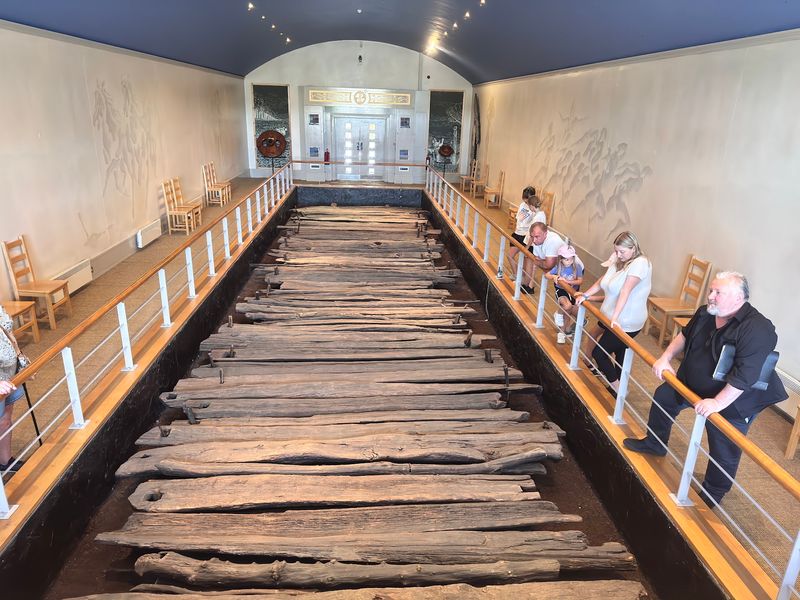
A wooden road built in 148 BC surviving into the twenty-first century is not something most people would expect to find in the Irish midlands. Yet that is exactly what sits inside the visitor centre at Corlea in County Longford, preserved well enough that you can stand a few feet away from it.
The trackway was constructed from heavy oak planks and eventually sank into surrounding peat. That submersion, rather than destroying the wood, kept it protected for roughly two millennia.
When archaeologists excavated it, Heritage Ireland describes what they found as the largest Iron Age roadway of its type ever discovered in Europe.
An 18-meter section is now displayed inside a purpose-built centre with climate control designed to prevent the ancient timber from drying out and cracking. Corlea is free to visit and open daily through November 4 during its 2026 season.
For a free attraction, the experience of seeing something this old up close is genuinely hard to replicate.
Derrynane House, County Kerry
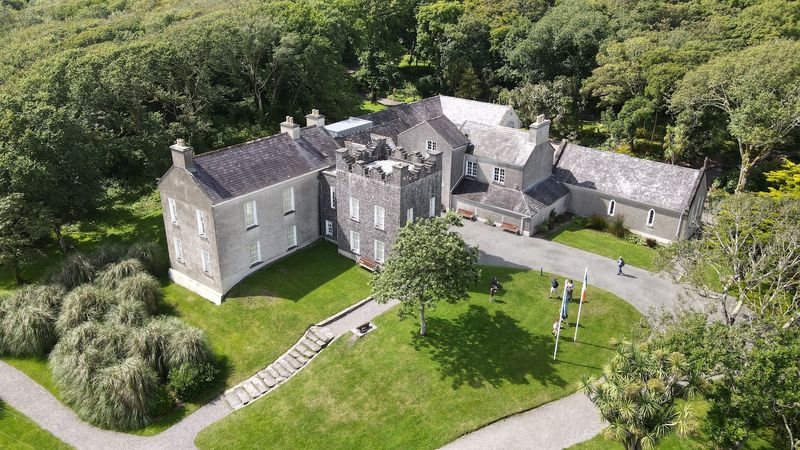
Drivers rounding the Ring of Kerry tend to focus on the water and the mountains, which means Derrynane House often gets passed without a second glance. That is a real miss, because the building connects visitors directly with one of the most important figures in nineteenth-century Irish history.
Daniel O’Connell, known as The Liberator for his campaigns on Catholic emancipation and Irish political rights, grew up partly at Derrynane and returned to it throughout his life. The house still contains personal objects associated with him, including the triumphal chariot presented to him by Dublin citizens in 1844.
The surrounding Derrynane National Historic Park covers more than 120 hectares and combines coastal scenery with archaeological and ecological features worth exploring well beyond the house itself. The building remains open through November 1 during the 2026 season.
Pairing a visit here with the wider Ring of Kerry drive makes the route feel more layered and historically grounded than a purely scenic trip.
Doe Castle, County Donegal
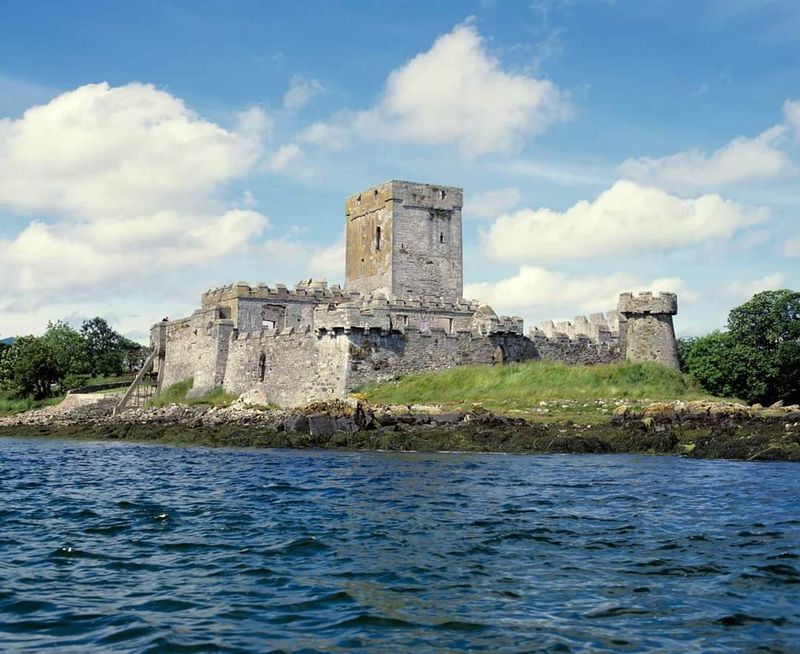
There are castle ruins scattered all over Ireland, but Doe Castle earns its own category based on location alone. The fifteenth-century fortress stands directly beside Sheephaven Bay in northern Donegal, with the kind of view that makes the drive out feel immediately justified.
Built in the 1420s, the castle served as the stronghold of the MacSweeney clan for close to two centuries. Its history connects with several major events in Irish history, including reported shelter given to survivors of the Spanish Armada and a MacSweeney chief who later marched with Red Hugh O’Donnell toward the Battle of Kinsale.
There is no conventional visitor centre here, which keeps the atmosphere around the site noticeably quieter than at more heavily managed heritage properties. The grounds are free and open daily throughout the year.
Interior tours of the keep require advance arrangement. For anyone traveling through Donegal, this is the kind of stop that stays in your memory longer than the more obvious landmarks.
Doneraile Court and Estate, County Cork
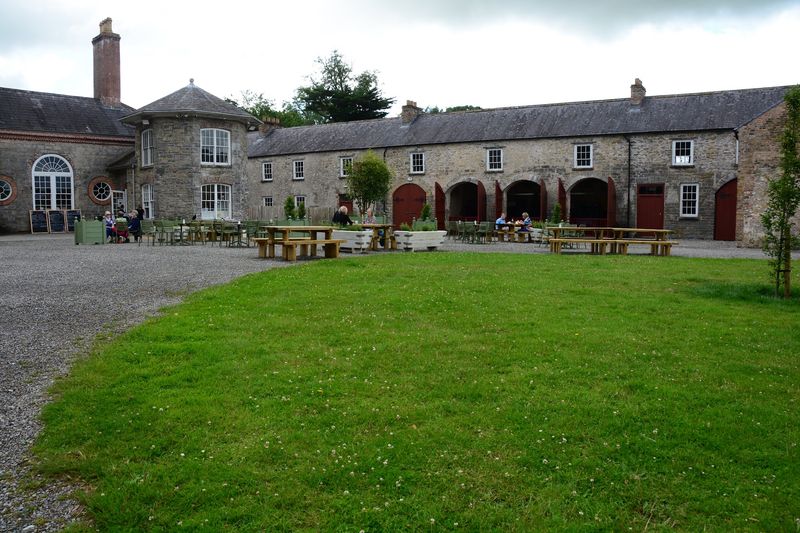
County Cork has no shortage of well-known attractions pulling visitors toward the coast and the city, which may explain why Doneraile Estate remains relatively quiet despite offering a full afternoon of things to see and do.
The grounds cover 160 hectares and include woodland, walking routes, broad lawns, and waterways where wildlife can often be spotted. At the center stands Doneraile Court, the Georgian stately home that anchors the estate and can be explored on guided interior tours before visitors continue into the park.
During the 2026 season, the house operates seven days a week through November 4, while the parkland has separate opening hours and remains accessible beyond the main house season. The combination of formal architecture and open countryside makes Doneraile work equally well for history-focused visitors and those who just want a long walk in pleasant surroundings.
As an alternative to Cork’s busier headline sites, it holds up well without feeling like a consolation prize.
Glebe Gallery and Garden, County Donegal
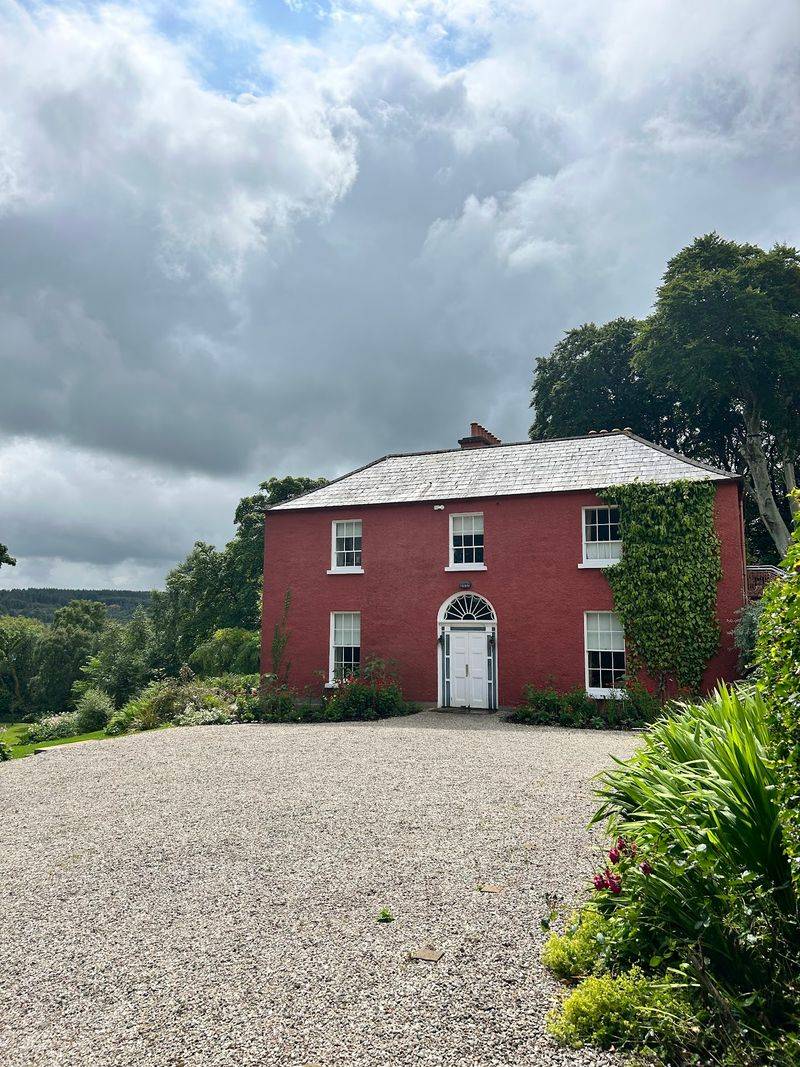
Driving through the Donegal lakeland, most travelers would not guess that a house beside Lough Gartan contains paintings associated with Picasso, Braque, Renoir, and Louis le Brocquy. Glebe House was the home of painter Derek Hill, who lived and worked here from the 1950s until the 1980s before donating the property and his entire collection to the Irish state.
The Regency-era house still carries the character of Hill’s personal taste, with his furnishings and decorative choices largely intact. The artworks span European modernism, Japanese pieces, and works from the Islamic world, creating a collection that feels genuinely eclectic rather than assembled to impress.
The surrounding woodland gardens sit right on the edge of Lough Gartan and are accessible from dawn until dusk. The house and gallery currently operate daily, making this a flexible stop regardless of how your schedule falls.
Few places in rural Ireland offer this combination of fine art and natural surroundings in one compact visit.
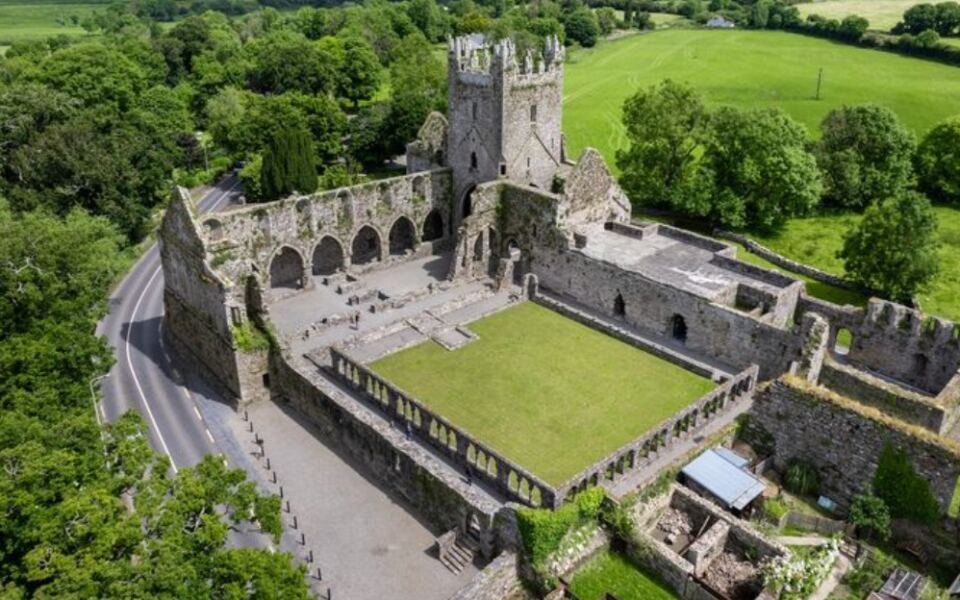
Jerpoint Abbey, County Kilkenny
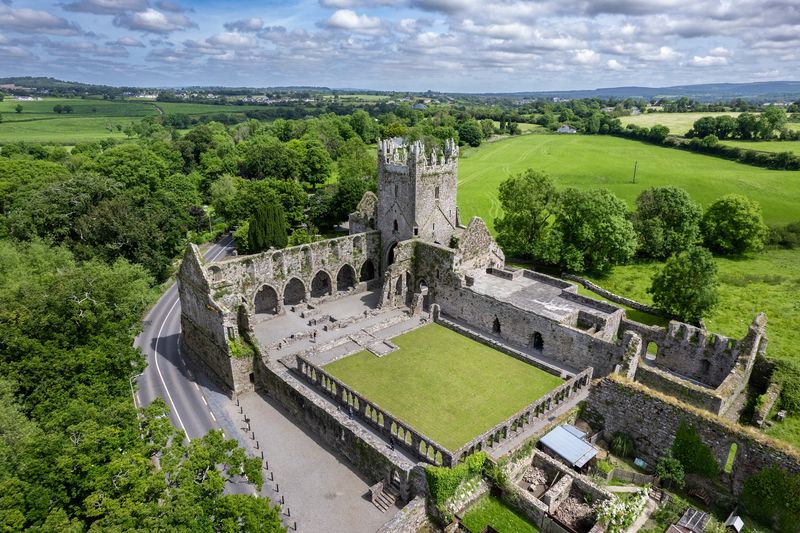
Kilkenny Castle takes most of the attention in this part of Ireland, and that is understandable. But a short drive outside Thomastown brings you to a medieval site that arguably has more to show in terms of surviving craftsmanship and architectural detail.
Jerpoint Abbey was founded in the twelfth century, and its stonework preserves an extraordinary range of medieval carving. Tomb sculpture, figures of knights, saints, animals, and mythical creatures appear throughout the monastery, particularly in the decorated cloister arcade where the quality of the work becomes clear up close.
The abbey also sits at an interesting architectural moment, spanning the transition from Romanesque to Gothic styles in a way that is visible in different sections of the building. Jerpoint is open during the 2026 season through December 2, with adjusted hours later in the year.
Photographs of the cloister carvings exist, but standing inside the ruined space gives the scale and craftsmanship a context that images simply cannot match.
National Botanic Gardens, Kilmacurragh, County Wicklow
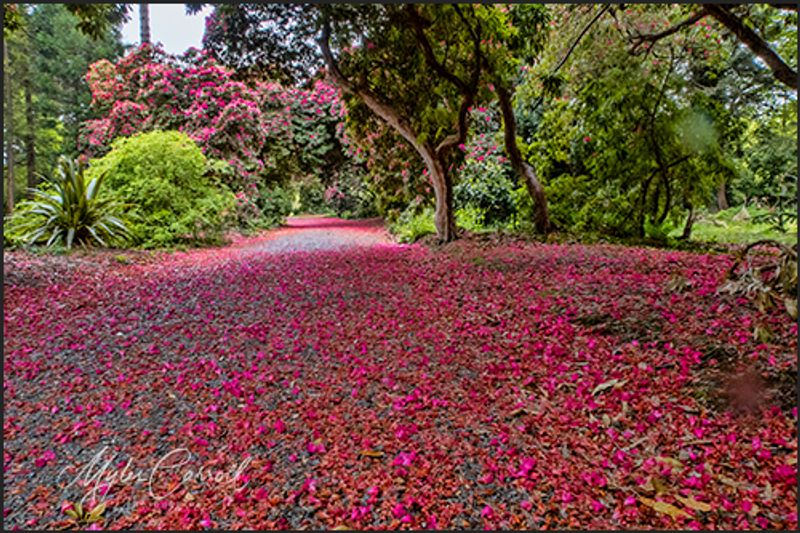
Wicklow already has Powerscourt, Glendalough, and a coastline full of scenery competing for visitor attention. Kilmacurragh sits quietly among all of that, managed by the National Botanic Gardens of Ireland and containing plant collections that would stand out in any botanical garden in Europe.
The estate’s sheltered microclimate made it particularly suitable for species from the Himalayas and southern Asia, which grow here in conditions they would not easily tolerate elsewhere in Ireland. Walking paths weave among mature trees, broad lawns, unusual plant collections, and the structural remains of the original historic estate.
Entry is free, and the gardens remain open throughout the year except Christmas Day. Free guided tours are also offered during part of the season, which is worth checking in advance if you want a more structured visit.
For plant enthusiasts, this is a serious collection in a beautiful setting. For everyone else, it is a free and genuinely peaceful place to spend a few hours in County Wicklow.
Old Mellifont Abbey, County Louth
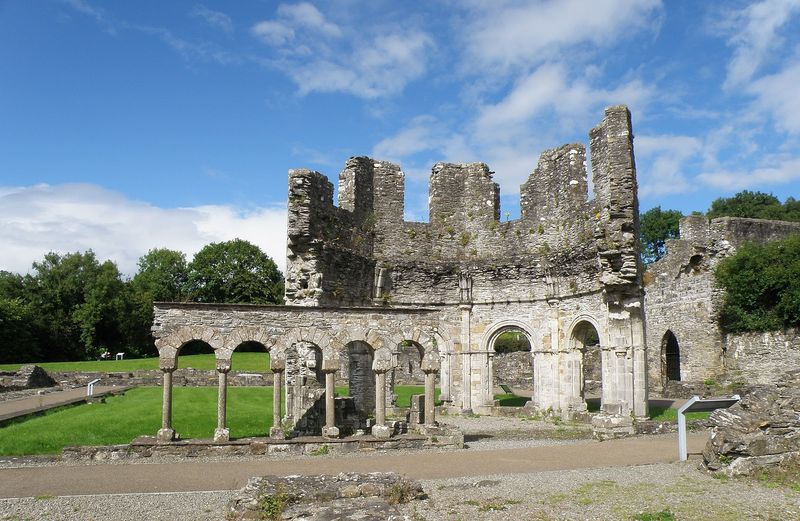
Ireland’s first Cistercian monastery is now a collection of atmospheric ruins in the Mattock River valley outside Drogheda, and it carries more layers of history than most visitors realize before they arrive.
Mellifont was founded in the twelfth century and introduced a new model of monastic architecture to Ireland, one influenced by continental European Cistercian design rather than the earlier Irish monastic tradition. Its most distinctive surviving feature is an octagonal lavabo where monks once washed before meals, an unusual structure that has no real equivalent elsewhere in Irish monastic remains.
The site’s history extends well beyond the medieval period. A major church synod took place here in 1152, the Treaty of Mellifont connected the site with the end of the Nine Years’ War in 1603, and the area was later used by William of Orange during the Boyne campaign.
The visitor centre operates through October 1 during the 2026 season. Coming here before or after the Boyne battlefield makes for a historically rich day in County Louth.
Ormond Castle, County Tipperary
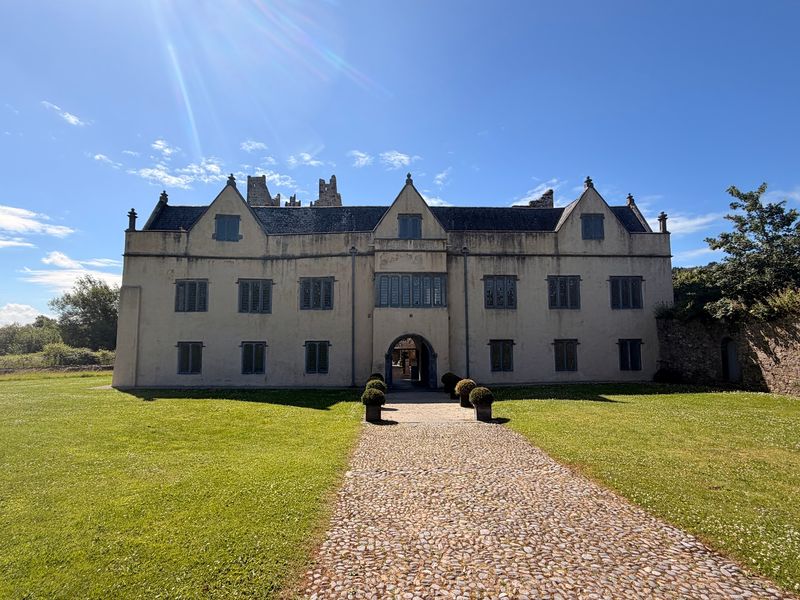
From the outside, Ormond Castle looks like the medieval riverside fortress it partly is. Walk further inside and the building becomes something far less expected in an Irish context.
Thomas Butler, 10th Earl of Ormond, added an Elizabethan manor house to the earlier castle in the sixteenth century. Butler had close connections with Queen Elizabeth I, and those connections are reflected throughout the building.
The Great Hall contains elaborate plasterwork featuring royal imagery associated with Elizabeth I and Edward VI, making it one of the most unusual interior spaces in any Irish historic property.
Heritage Ireland considers Ormond the finest surviving example of an Elizabethan manor house in Ireland, and the audiovisual displays inside help explain the relationship between the building, the Butler family, and Tudor political life in a way that is easy to follow. The castle remains open daily through November 4 for the 2026 visitor season.
Carrick-on-Suir is a straightforward stop between Kilkenny and Tipperary town, making this an easy addition to a midlands or southeast itinerary.
Parke’s Castle, County Leitrim
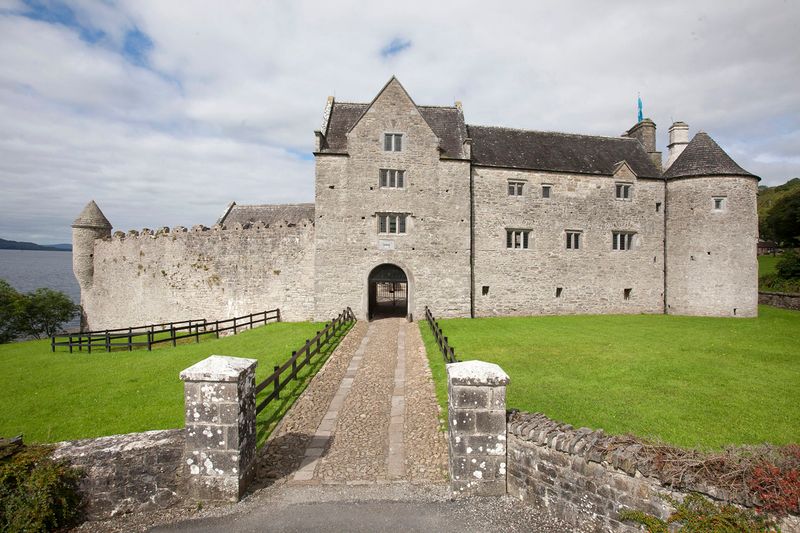
County Leitrim is one of Ireland’s least visited counties, which makes the setting of Parke’s Castle feel like a genuinely private discovery. The restored seventeenth-century fortress sits directly on the shores of Lough Gill, with mountains and woodland filling the views in almost every direction.
The castle is associated with English planter Robert Parke, but the site has older roots. Evidence of an earlier tower house belonging to Gaelic lord Brian O’Rourke is incorporated into the current structure, giving the property a layered history that covers both Gaelic and plantation-era Ireland.
Restoration work in the twentieth century used traditional craft methods and Irish oak to rebuild important sections of the building, a detail that becomes apparent when you examine the woodwork inside. Visitors can explore the courtyard and furnished rooms while learning about the competing histories attached to this one site.
Parke’s Castle remains open into November during its 2026 visitor season. Lough Gill itself, made famous by W.B.
Yeats, is visible from the castle grounds.
Pearse Museum and St. Enda’s Park, Dublin
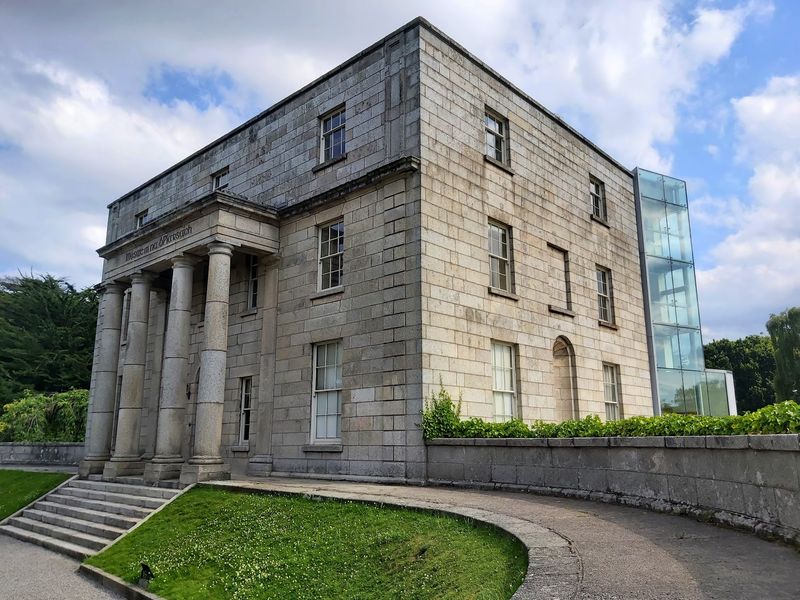
Most Dublin visitors spend their time in the city center, which means a significant number leave without knowing that Rathfarnham contains a free museum sitting inside nearly 20 hectares of parkland. The Pearse Museum occupies the former St. Enda’s School, where Patrick Pearse ran his experimental Irish-speaking school between 1910 and 1916.
Exhibitions inside explore the lives of both Patrick and Willie Pearse, who were executed following the Easter Rising. The building itself carries a quiet weight given what happened in the months after the school closed.
Outside, the park contains woodland, a river valley, wildlife habitats, and eighteenth and nineteenth-century follies that give the grounds an exploratory quality well beyond a standard urban park. Both the museum and the park are free to visit.
The museum remains open throughout the year, with seasonal adjustments to daily closing times. For anyone wanting a meaningful Dublin experience that sits completely outside the standard tourist circuit, this combination of history and open space is genuinely satisfying.
Portumna Castle and Gardens, County Galway
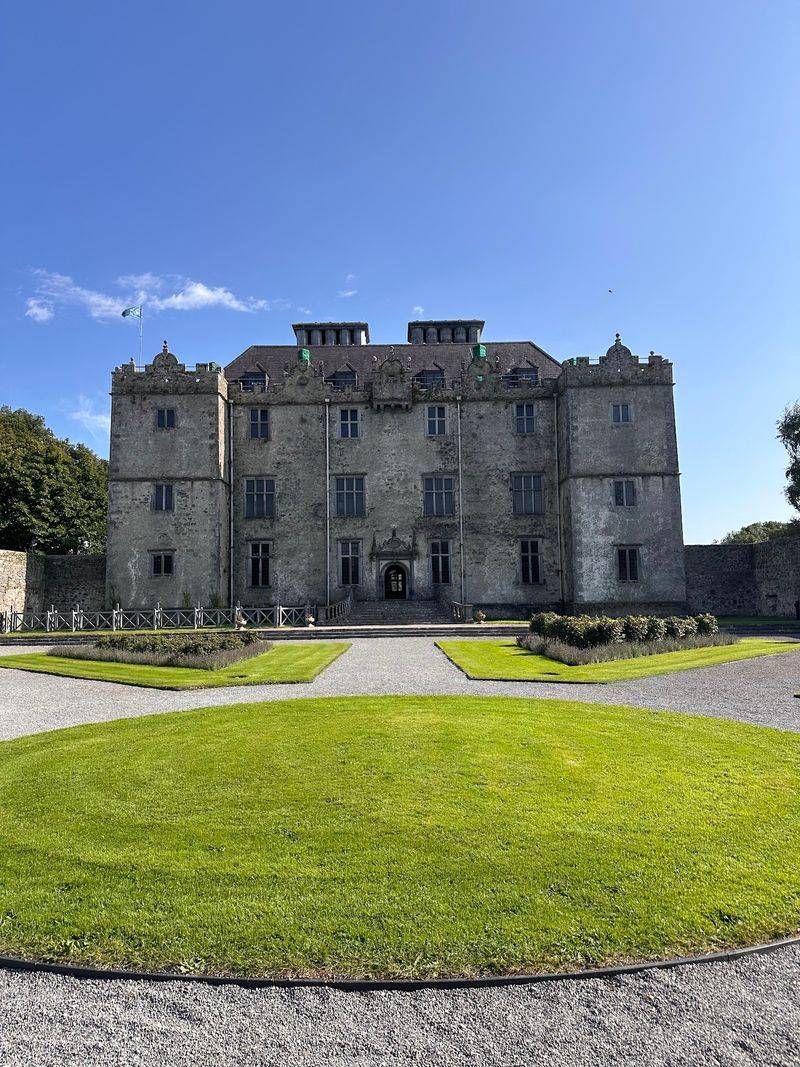
Portumna Castle sits at a genuinely interesting crossroads in Irish architectural history. Built in the early seventeenth century, it blends the defensive massing of a medieval fortress with the symmetry and ordered facade of a Renaissance manor, a combination that was relatively new to Ireland at the time of its construction.
A fire in 1826 removed much of the roofing and left the building in partial ruin, but restoration efforts from the twentieth century onward have brought sections back into usable condition. The ground-floor exhibition gives visitors context for the building’s history and the family that built it.
Outside, the restored walled kitchen garden is one of the more enjoyable parts of the estate to explore at a relaxed pace. Portumna Forest Park and the River Shannon are both nearby, making it practical to combine several different types of attraction in one visit to this part of Galway.
The castle remains open through November 11 in 2026. East Galway rarely gets the attention of the Connemara coast, which makes Portumna a rewarding stop for those willing to look inland.
Scattery Island, County Clare
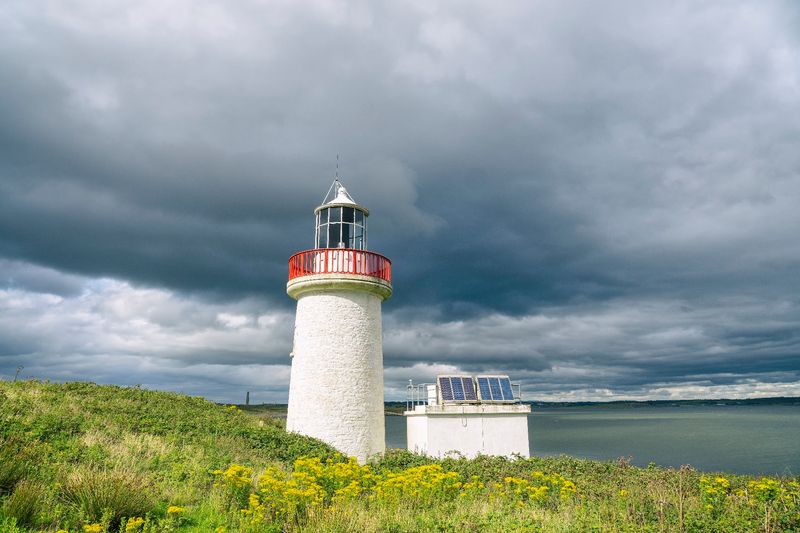
A short ferry crossing from Kilrush leads to an island that packs an unlikely amount of history into a very small footprint. Scattery Island preserves the remains of an early monastic settlement associated with St. Senan, and the structures still standing there span several centuries of Irish history.
Visitors can see a round tower, cathedral ruins, several medieval churches, a lighthouse, an artillery battery, and the remnants of the village that island residents occupied until relatively recently. The absence of any commercial development keeps the atmosphere on Scattery genuinely quiet in a way that is harder to find on the mainland.
Access depends on ferry availability from Kilrush, and both tides and weather affect scheduling. The official 2026 visitor season runs through September 23, so the island is currently operating but is highly seasonal.
Anyone planning a visit should confirm ferry conditions in advance rather than arriving and assuming access. For a half-day trip in County Clare, Scattery offers something genuinely different from the Burren and the Cliffs of Moher.
Dowth, County Meath
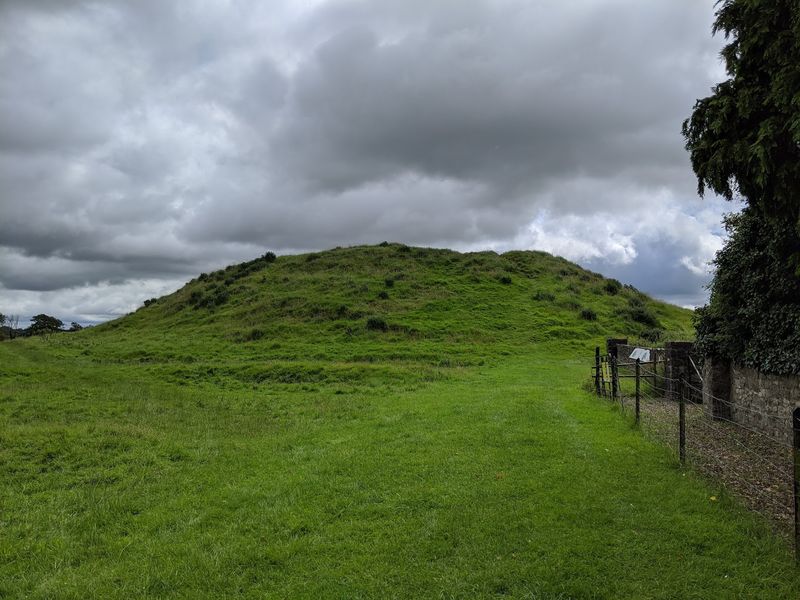
Newgrange draws the crowds in the Boyne Valley, and for good reason. But the passage tomb at Dowth, just a short distance away, offers something that Newgrange cannot: the chance to stand beside a 5,000-year-old monument without a queue or a timed entry ticket.
Dowth is one of the three great passage tombs forming the Bru na Boinne UNESCO World Heritage landscape. The enormous mound contains decorated kerbstones and prehistoric carvings comparable in age and significance to those at Newgrange, and the exterior landscape around it can be explored freely.
The interior chambers are not accessible to visitors because of damage caused during nineteenth-century excavations, but the exterior experience remains striking. The sheer scale of the mound makes its age feel tangible in a way that is harder to appreciate from photographs.
Discover Ireland currently lists Dowth as a free-to-visit site. For anyone already making the trip to the Boyne Valley, skipping Dowth in favor of only Newgrange means leaving the quieter half of the story untold.
Rock of Dunamase, County Laois
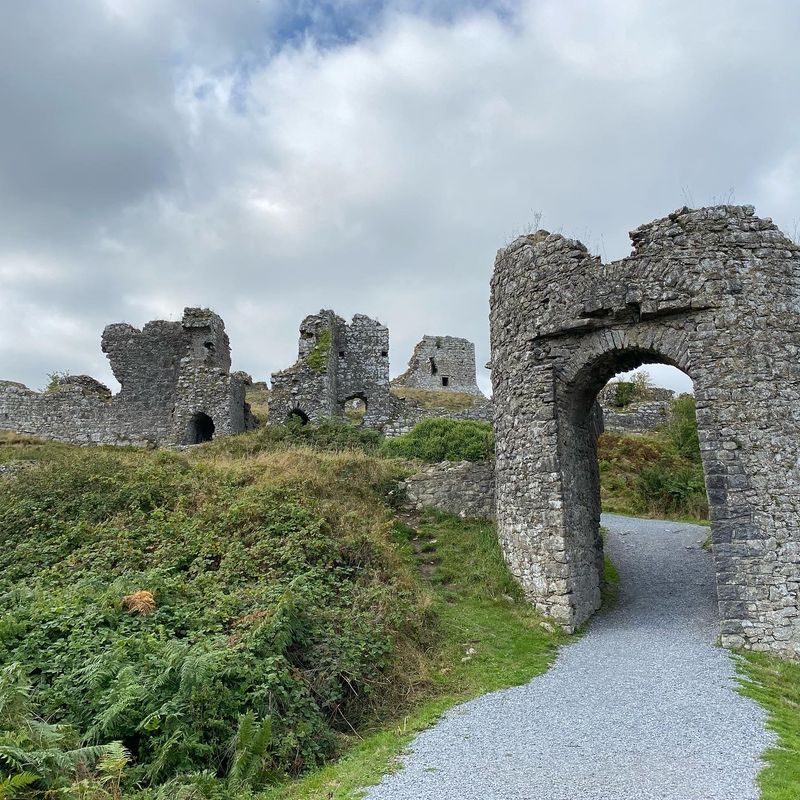
County Laois does not appear on most Ireland itineraries, which makes the Rock of Dunamase one of the country’s more genuinely underappreciated stops. The ruins rise dramatically above the surrounding countryside, and the climb up the rocky hill offers expanding views with every step toward the top.
The site has strategic importance stretching back over a thousand years. Vikings attacked an early Christian settlement here in the ninth century, and the location later developed into a significant Anglo-Norman stronghold.
Its history connects with Diarmuid Mac Murrough, Strongbow, William Marshal, and the O’Moore family, meaning this single rocky hill witnessed some of the most consequential shifts in medieval Irish history.
Little of the castle survives intact today, but the fragmented walls, gateways, and defensive structures scattered across the hilltop create an atmospheric ruin that rewards careful exploration rather than a quick glance from the car park. At the summit, the views over the County Laois countryside provide a clear reward for the short climb.
Discover Ireland currently lists the Rock of Dunamase as free to visit.
Share this story