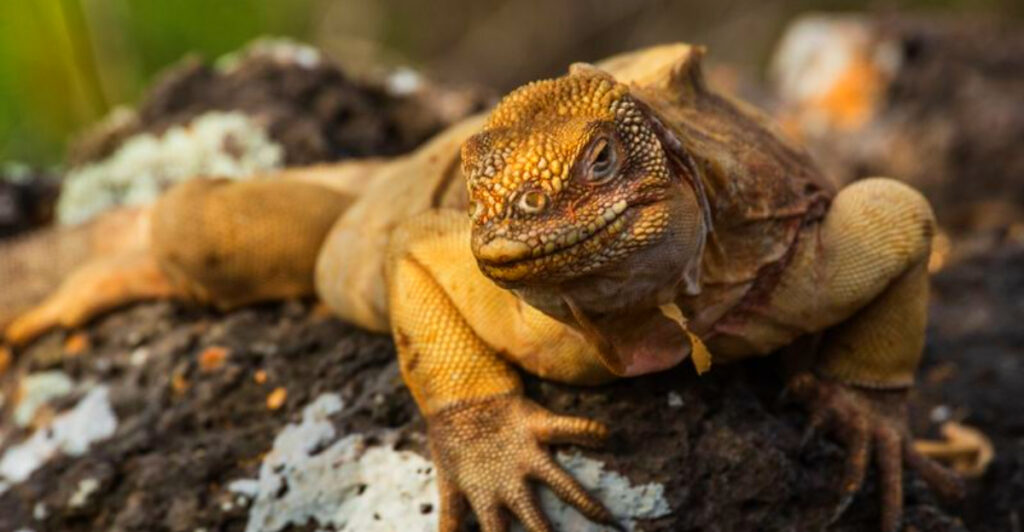
Somewhere between a prehistoric fantasy and a real-life nature documentary, there are islands where ancient reptiles still rule. These are places where evolution took its time, crafted something extraordinary, and then basically said, “You are on your own now.” From a tiny Caribbean cay where endangered rock iguanas greet visitors like old neighbors, to a volcanic island where a pink iguana was only officially recognized as its own species in 2009, the world’s rarest iguanas live in some of its most fascinating corners. Many of these species exist nowhere else on Earth, making their island homes not just travel destinations but genuine conservation lifelines. Whether you are a wildlife enthusiast, a curious traveler, or simply someone who finds lizards more interesting than they probably should, this list will take you to 13 remarkable islands where rare iguanas are the undisputed stars of the show.
1. Isabela Island, Galápagos, Ecuador
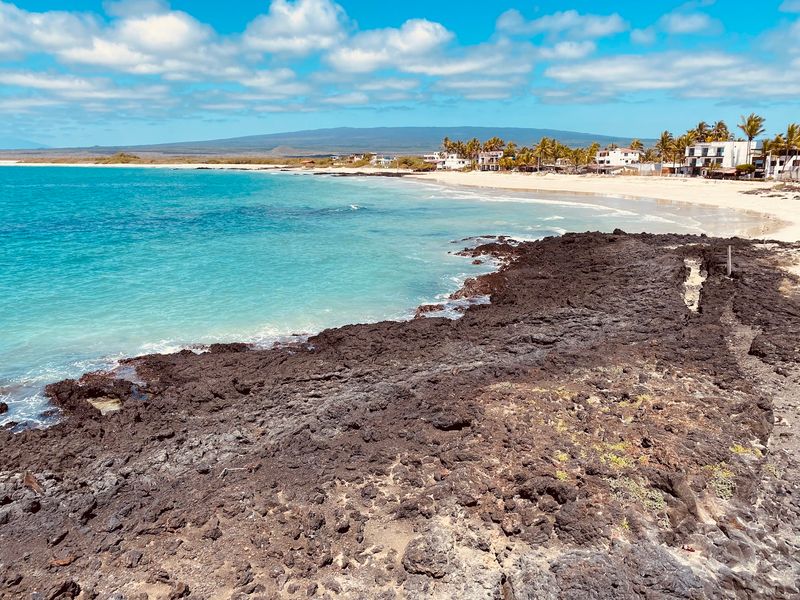
No other island on Earth offers a reptile lineup quite like this one. Isabela is the largest island in the Galápagos and the only place where three distinct iguana species share the same volcanic landscape: the marine iguana, the Galápagos land iguana, and the critically endangered pink land iguana.
The pink land iguana, known scientifically as Conolophus marthae, was only officially recognized as a separate species in 2009. Its rosy coloration comes from a lack of skin pigmentation, which allows the blood beneath to show through. With an estimated population of just 200 to 300 adults, it lives exclusively on the slopes of Wolf Volcano.
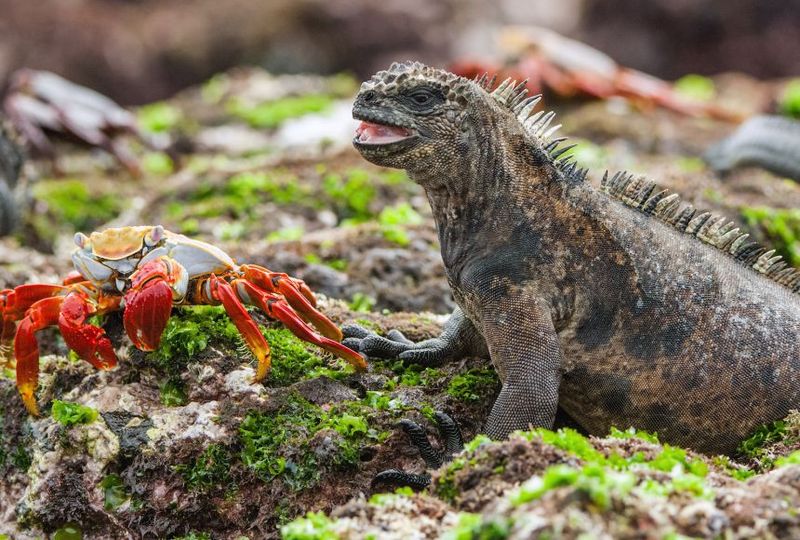
Marine iguanas on Isabela can grow over 100 cm long and are the only lizards on Earth known to swim and feed in the open ocean. They also expel excess salt through nasal glands, which makes them look like they are constantly sneezing. Conservation efforts here include strict access restrictions to Wolf Volcano.
2. Santa Fe Island, Galápagos, Ecuador
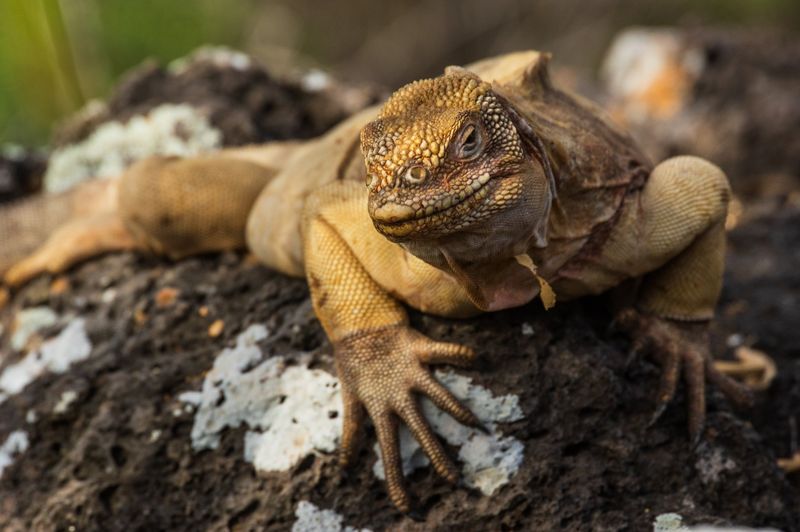
Meet the iguana that built its entire lifestyle around a cactus. The Santa Fe land iguana, Conolophus pallidus, is found nowhere else on the planet and gets roughly 80 percent of its nutrients and water from the island’s towering prickly pear cacti, eating the pads, fruit, flowers, and even the spines.
Compared to its Galápagos land iguana cousins, this species is paler yellow, slightly larger, and sports a more tapered snout with smaller dorsal spines. The island hosts a stable population of between 6,500 and 7,000 individuals, though it remains classified as vulnerable due to its extremely limited geographic range.
Santa Fe is one of the oldest and flattest islands in the Galápagos, with no permanent human settlers due to a lack of fresh water. The eradication of feral goats in 1971 was a turning point for the iguana’s survival. A charming bonus: Darwin’s finches and mockingbirds regularly perch on the iguanas to pick off ticks.
3. South Plaza Island, Galápagos, Ecuador
South Plaza Island pulls off something most places cannot: it packs extraordinary biodiversity into a surprisingly compact area. The island is one of the few locations in the Galápagos where both land iguanas and marine iguanas can be observed together, practically side by side, without hiking for hours to find them.
Galápagos land iguanas gather beneath the island’s distinctive giant cactus forest, while marine iguanas line the rocky shoreline. Watching both species go about their daily routines in such a small space makes it easy to appreciate just how differently evolution shaped each one, despite their shared ancestry.
Sea lions also populate the island in large numbers, adding an extra layer of wildlife spectacle to every visit. South Plaza is typically accessed as a day trip from Santa Cruz Island, making it one of the more accessible wildlife experiences in the archipelago. For anyone counting iguana species on a single trip, this compact island is a genuine two-for-one opportunity.
4. Fernandina Island, Galápagos, Ecuador
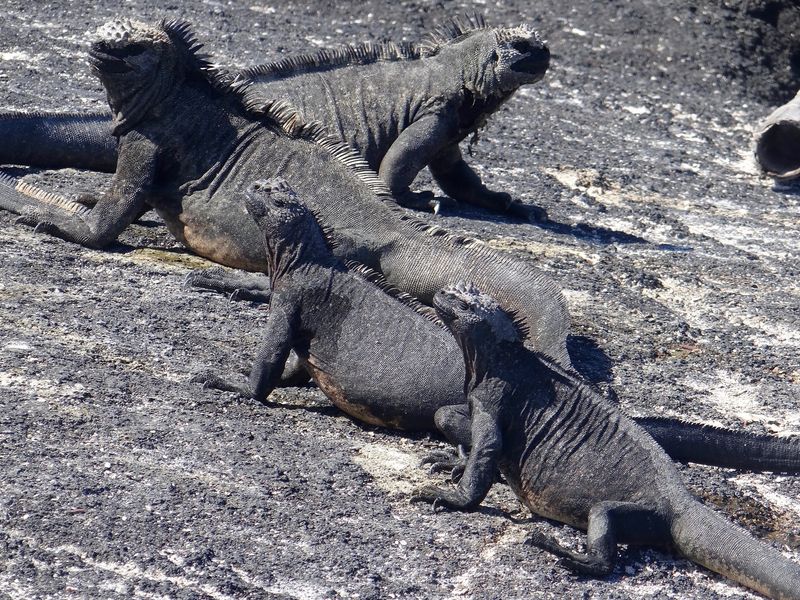
Charles Darwin once described marine iguanas as “imps of darkness,” and Fernandina is where that description makes the most sense. The youngest and westernmost island in the Galápagos, Fernandina is shaped by active volcanoes and rugged lava flows, and its Espinosa Point hosts the largest marine iguana colony in the entire archipelago.
Population estimates for the Fernandina colony range from 10,000 to 30,000 individuals. These sea-going lizards spend their mornings absorbing warmth from black lava rock before plunging into the cold Pacific to graze on algae. Hatchlings emerge from sandy nests around June each year, navigating a landscape that also includes active snake populations.
Fernandina is remarkably free from invasive species, making it one of the most pristine island ecosystems anywhere on Earth. Recent volcanic eruptions in 2005 and 2009 have continually reshaped the landscape, yet the wildlife persists. Flightless cormorants, Galápagos penguins, and sea lions round out an unforgettable wildlife experience on this raw, volcanic island.
5. Allen Cay, Exuma Cays, The Bahamas
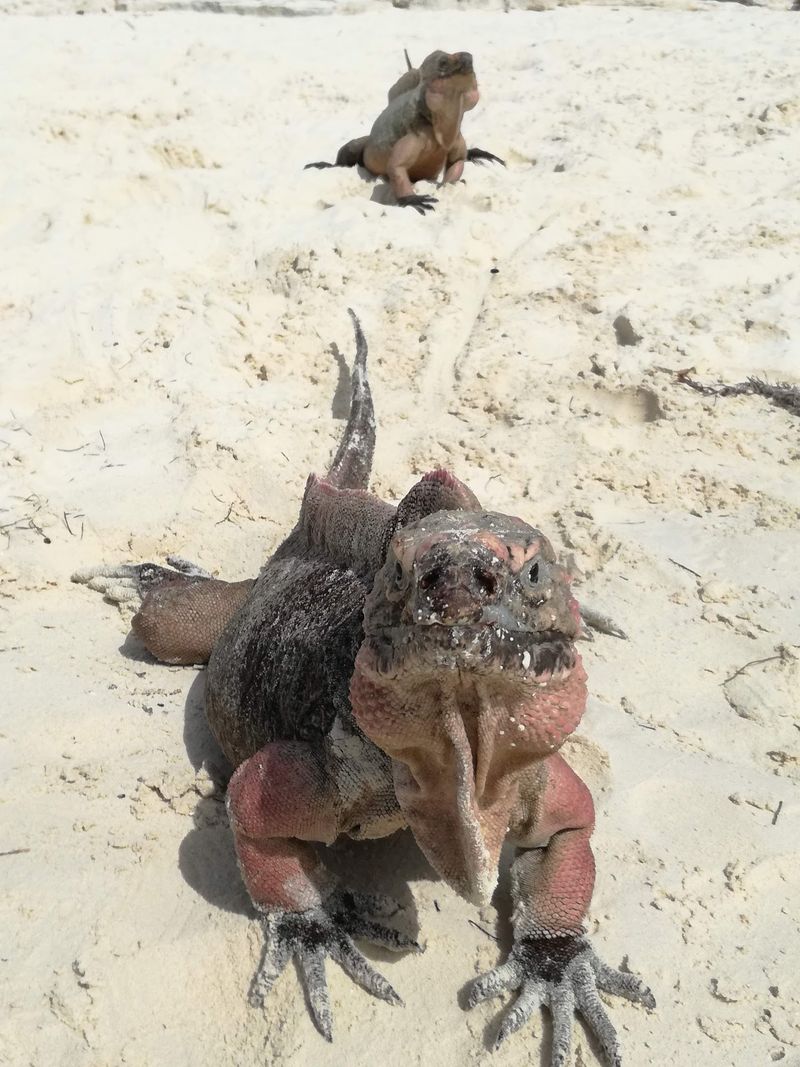
Once believed to be completely gone from the wild, the Allen Cays rock iguana made a comeback that wildlife conservationists still talk about today. This critically endangered subspecies, Cyclura cychlura inornata, was thought extinct in 1916 after years of hunting by local fishermen, but populations survived and have since recovered to at least 482 mature adults on Leaf Cay and U Cay alone, as of 2018.
These lizards can reach up to 75 cm in length, though individuals on Allen’s Cay tend to grow larger, a quirk attributed to the nutrient-rich plants fertilized by abundant seabird droppings. Their diet is primarily plant-based, but they will also eat crabs, mollusks, and insects when the opportunity arises.
Tourism brings up to 150 visitors daily to some cays, which creates real risks including disease transmission and unhealthy feeding habits from human food. Conservation measures include the 1968 Wild Animals Protection Act and a CITES Appendix I listing. Invasive mice have been successfully eradicated from key cays, giving the iguanas a much safer environment to thrive.
6. Andros Island, The Bahamas
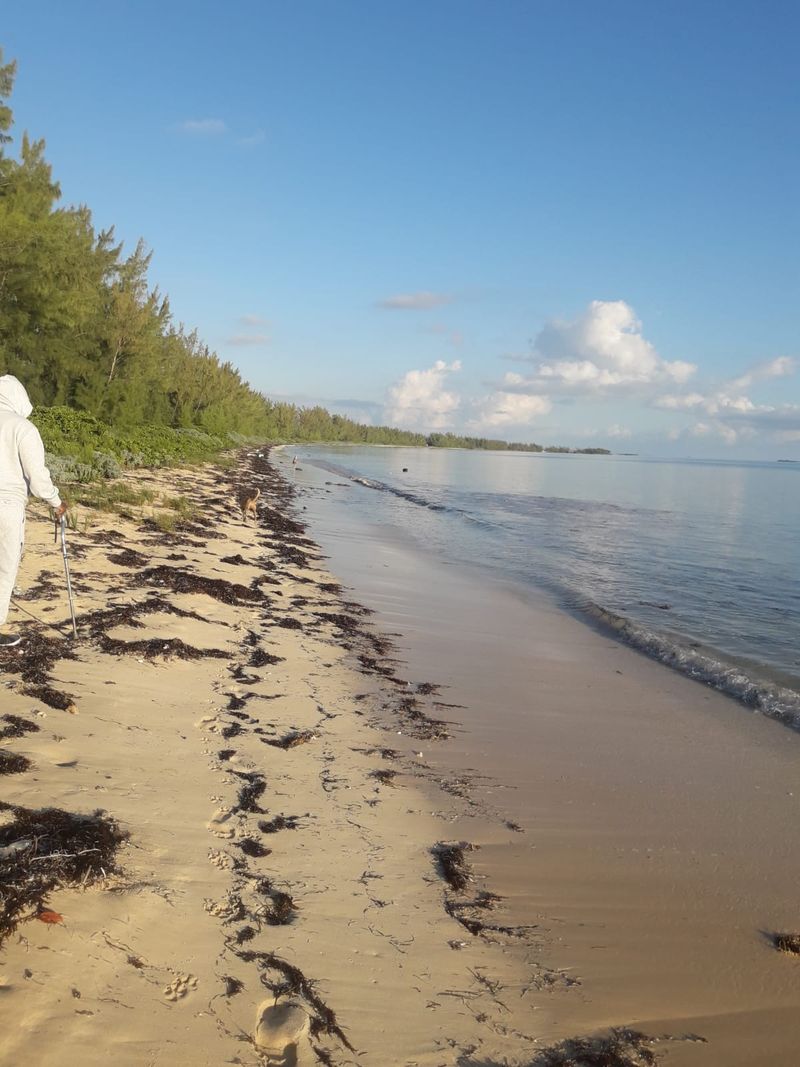
The Andros rock iguana does something that no other iguana species in the world does: it lays its eggs inside termite mounds. This unusual nesting strategy exists because suitable sandy nesting substrate is scarce on the jagged limestone landscape of Andros, and termite mounds offer a stable, well-regulated environment for incubating eggs.
Cyclura cychlura cychlura is one of the largest native terrestrial animals in The Bahamas, reaching lengths up to 1.5 meters and weights over 8 kg. Males develop a reddish-orange tinge to their scales as they mature, contrasting with the dark grey base coloration that gives the species a distinctly prehistoric look. Females guard their termite mound nests aggressively for up to ten weeks after laying.
The wild population is estimated at 3,500 to 3,800 individuals and is currently declining. Illegal hunting, predation by feral dogs, cats, and hogs, and habitat loss from development all pose serious threats. Beyond the iguana, Andros draws visitors with vast pine forests, freshwater blue holes, and some of the Caribbean’s most impressive coral reefs.
7. San Salvador Island, The Bahamas
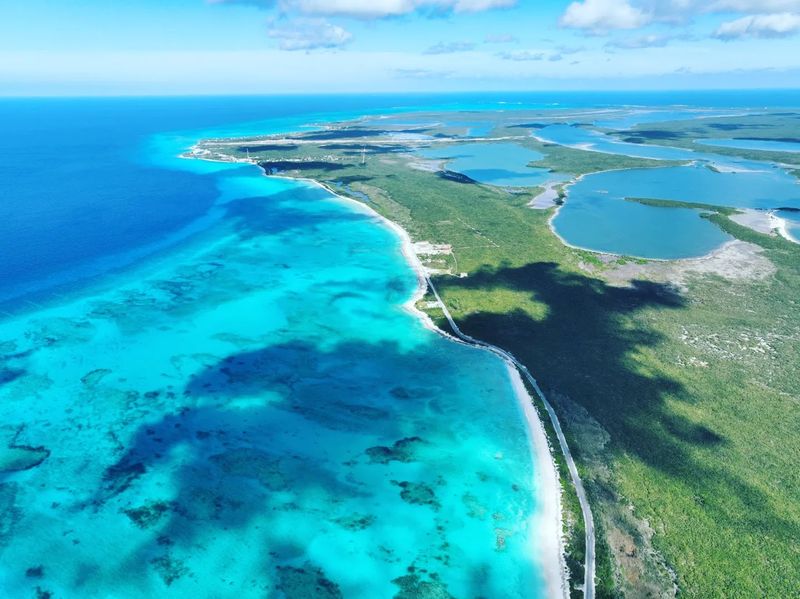
History and herpetology rarely collide this dramatically. San Salvador is widely recognized as the probable site of Christopher Columbus’s first landfall in the Americas on October 12, 1492, and it is also the only natural home of the critically endangered San Salvador rock iguana, Cyclura rileyi rileyi.
Males of this species are genuinely striking, displaying shades of orange, rust red, olive green, turquoise, or slate gray that give them an almost painted appearance. Adults measure about 30 to 38 cm from nose to tail base, with a long tail adding considerably to their total length. Some populations, including a small group on Guana Cay, number fewer than 30 individuals, placing them among the most endangered lizards on the planet.
These iguanas play a vital ecological role as seed dispersers, consuming leaves, flowers, berries, cactus fruit, and young shoots of coastal plants. Conservation efforts include specialized breeding programs, habitat restoration, and the removal of invasive predators. The island’s clear waters and quiet beaches make it a rewarding destination for wildlife-focused travelers.
8. Anegada, British Virgin Islands
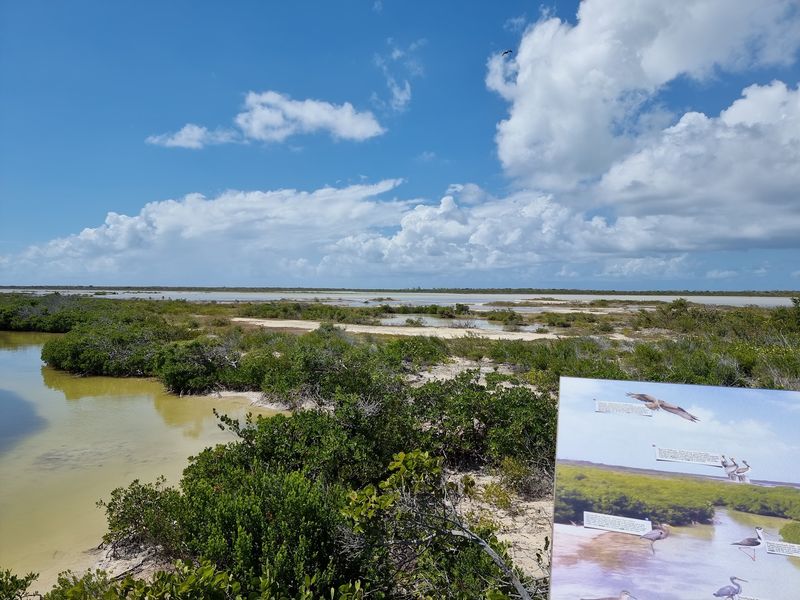
Flat is not a word usually associated with Caribbean islands, but Anegada wears it as a badge of honor. The highest point on this coral and limestone atoll barely reaches 8.5 meters above sea level, earning it the name “drowned land” from Columbus himself. That low profile also makes it a uniquely calm and secluded destination compared to its mountainous neighbors in the British Virgin Islands.
Anegada is the last natural stronghold of the critically endangered Anegada rock iguana, Cyclura pinguis, considered the most genetically ancient of all rock iguanas. The wild population sits at an estimated 300 to 600 individuals. Males average around nine pounds and reach lengths up to 56 cm from snout to vent, making them substantial animals by any measure.
A head-starting program raises hatchlings in protected environments before releasing them into the wild, significantly improving their survival rates. Feral cats, livestock overgrazing, and habitat loss remain persistent threats. The island is also surrounded by Horseshoe Reef, the Caribbean’s largest barrier reef and the fourth largest in the world, which attracts snorkelers and divers from across the region.
9. Grand Cayman, Cayman Islands
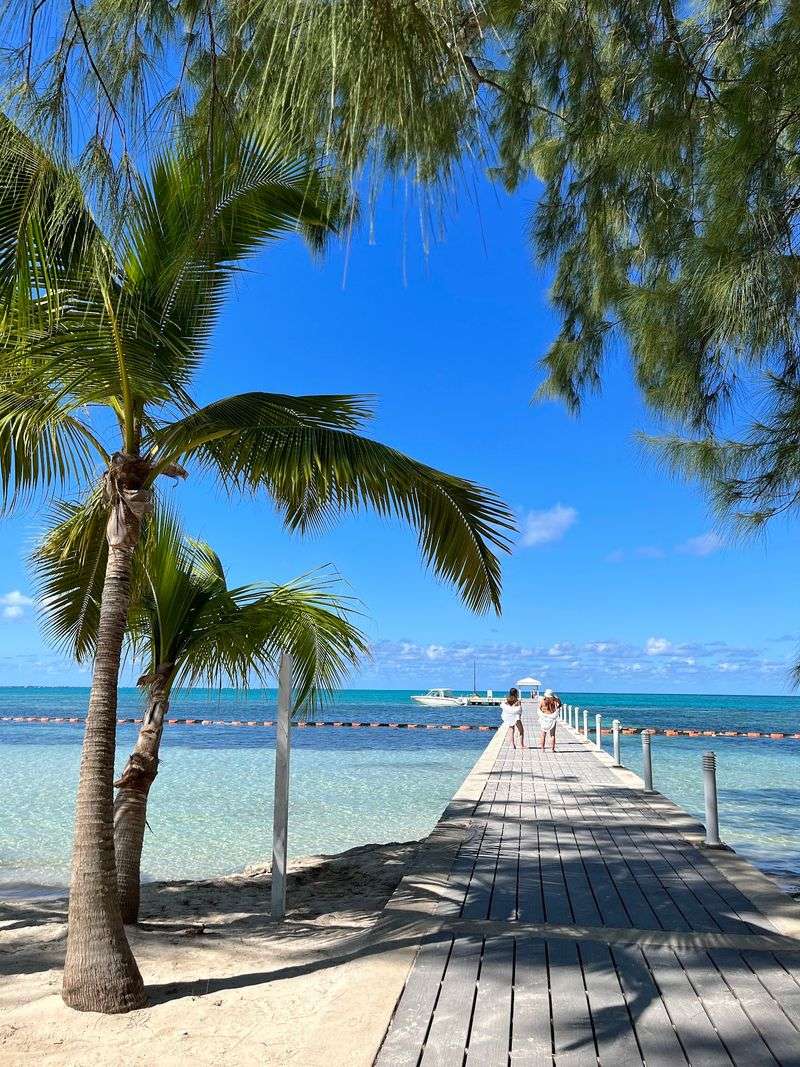
In 2002, the Blue Iguana of Grand Cayman was functionally gone from the wild, with as few as 10 to 25 individuals remaining. That near-collapse triggered one of the Caribbean’s most determined wildlife recovery efforts, and the results have been remarkable. By 2022, over 1,500 blue iguanas had been reintroduced into protected habitats across the island.
Cyclura lewisi is the only place on Earth where this species occurs naturally, and it is Grand Cayman’s largest native terrestrial vertebrate, capable of growing over 1.5 meters in length. Its powder-blue coloration is unmistakable, and in captivity these iguanas have been known to live up to 69 years. The Blue Iguana Recovery Program, run by the National Trust for the Cayman Islands, drove the IUCN status reclassification from Critically Endangered to Endangered by 2012.
Protected areas including the Queen Elizabeth II Botanic Park, the Salina Reserve, and Collier’s Wilderness Reserve form the backbone of the recovery effort. Threats from feral cats, dogs, road collisions, and the invasive common green iguana still require active management. Grand Cayman’s beaches, mangrove forests, and coral reefs make the island a well-rounded destination beyond its reptile conservation story.
10. Little Water Cay, Turks and Caicos Islands
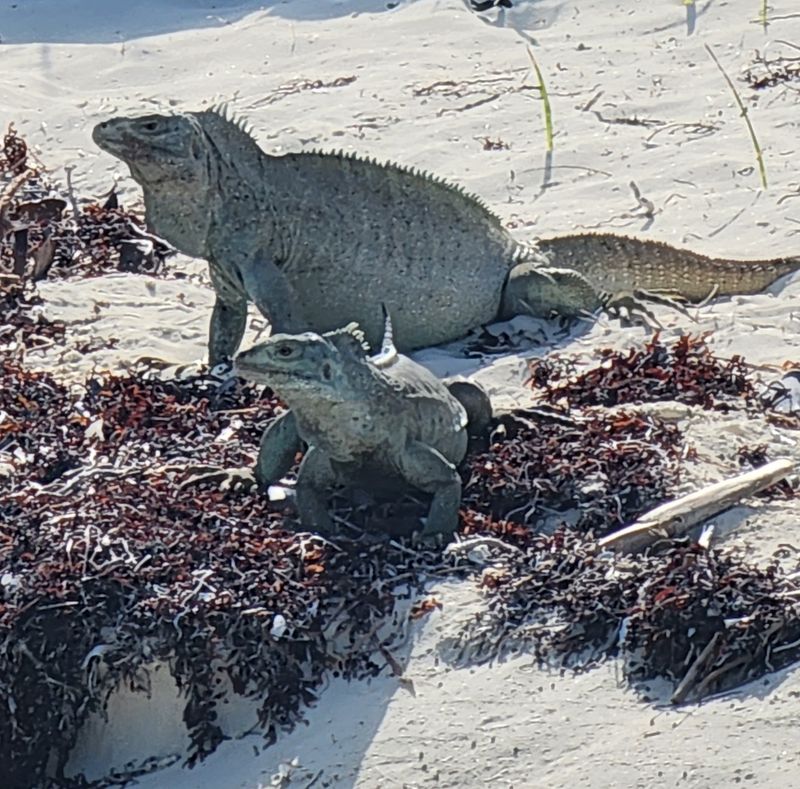
Locals and visitors alike call it Iguana Island, and the nickname is completely earned. Little Water Cay is home to a thriving population of the critically endangered Turks and Caicos rock iguana, Cyclura carinata, one of the smallest Caribbean rock iguana species, typically measuring between 41 and 61 cm in length with a lifespan of around 20 years.
Elevated boardwalks run through the cay’s interior, allowing visitors to observe the iguanas at close range without disturbing their habitat or compacting the sandy ground they depend on for nesting. Males are noticeably larger than females and sport more prominent dorsal spines and dewlaps, giving them a slightly more dramatic silhouette.
These iguanas get all the moisture they need from their food and generally do not drink water at all. The species’ IUCN status was recently upgraded from Critically Endangered to Endangered, reflecting genuine conservation progress, including feral mammal eradication and iguana reintroduction programs. Surrounding mangroves and shallow turquoise water make Little Water Cay a memorable stop on any Turks and Caicos itinerary.
11. Mona Island, Puerto Rico
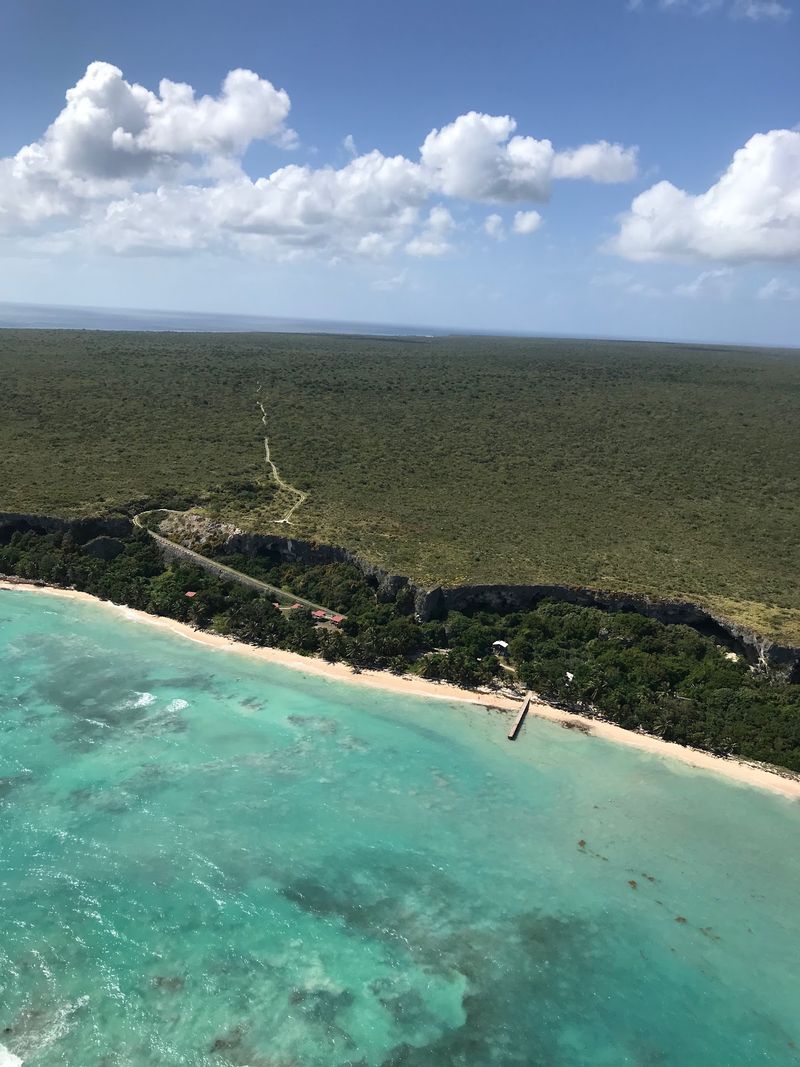
Getting to Mona Island requires real effort, and that is largely the point. This remote nature reserve sits between Puerto Rico and Hispaniola, accessible only by boat or small aircraft, and its isolation is exactly what has kept the critically endangered Mona Rhinoceros Iguana, Cyclura stejnegeri, alive this long.
Formerly classified as a subspecies of the Hispaniolan Rhinoceros Iguana, this species is now recognized as entirely distinct. The island’s rugged limestone terrain provides the underground shelters these iguanas depend on for refuge and nesting. Their diet is primarily plant-based, though they occasionally consume insects, small animals, and carrion for supplemental protein.
Invasive pigs are among the most destructive threats on Mona, capable of destroying up to 100 percent of iguana eggs in heavily impacted nesting areas. A head-starting program launched in 2000 has released 263 iguanas into the wild, measurably improving both adult population numbers and juvenile recruitment. Current conservation work focuses on invasive mammal eradication and habitat restoration. Dramatic sea cliffs, extensive cave systems, and clear Caribbean waters reward the adventurous travelers who make the journey.
12. Cuba, Caribbean
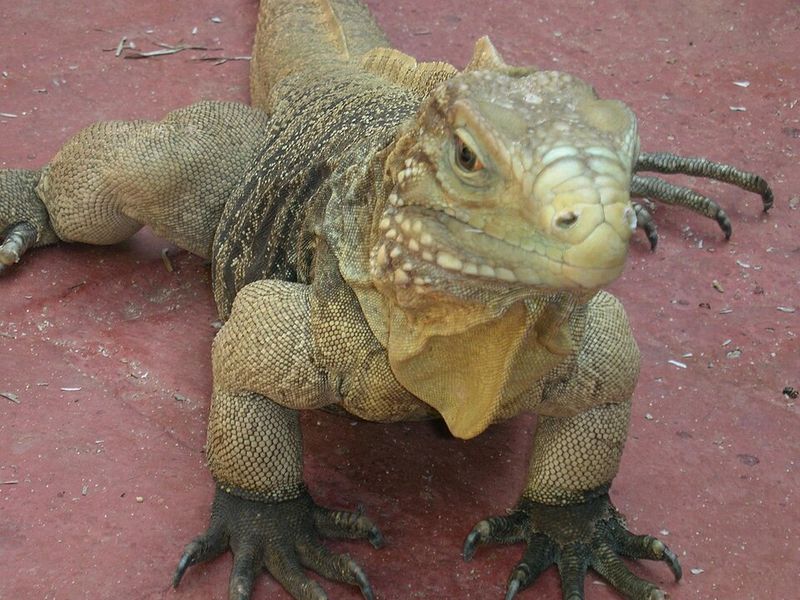
Red eyes, a thick tail, spiked jowls, and a length approaching 1.5 meters: the Cuban rock iguana, Cyclura nubila, looks like it was designed by someone who wanted to make absolutely sure people noticed it. It is one of the largest lizards in the West Indies and one of the most ecologically important, consuming leaves, flowers, and fruit from up to 30 plant species across rocky coastal habitats.
Populations survive across mainland Cuba and its roughly 4,000 surrounding islets, including Isla de la Juventud. Females sometimes use pockets of earth excavated by Cuban crocodiles for nesting, a remarkable example of two very different species inadvertently cooperating. On beaches without crocodiles, females excavate their own sandy nests.
The Cuban iguana is listed as Vulnerable on the IUCN Red List, with its area of occupancy declining by at least 30 percent over the last 50 years. Outside of protected areas like the Guanahacabibes Biosphere Reserve and Desembarco del Granma National Park, the species is considered functionally absent. Captive breeding programs have proven successful and now serve as models for other Caribbean iguana conservation projects.
13. Hispaniola, Dominican Republic
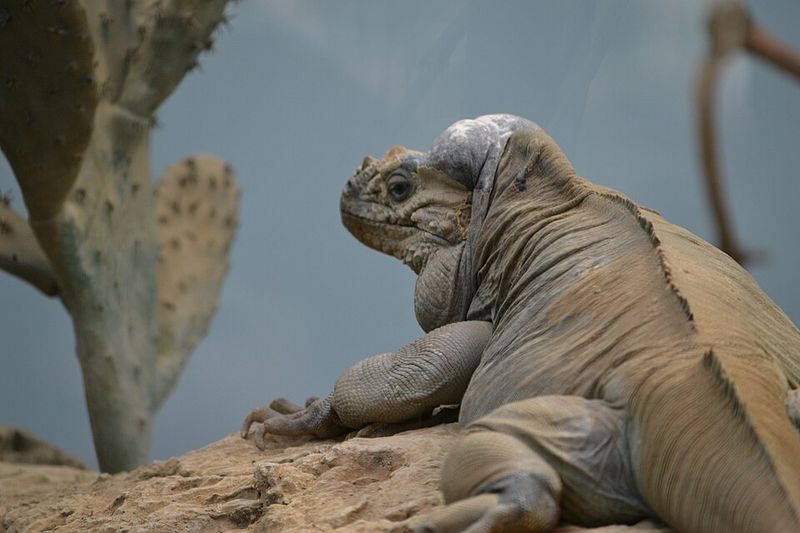
The horn-like scales on its snout are not just for show. The Rhinoceros Iguana, Cyclura cornuta, earned its name from the bony protrusions present on both males and females, giving it one of the most recognizable profiles of any lizard in the Caribbean. Hispaniola, shared by Haiti and the Dominican Republic, is its only natural home on Earth.
These are large, heavy-bodied animals, ranging from 60 to 136 cm in length, with skin coloring from steely gray to dark green and brown. Males have noticeably broader jaw muscles and a bulging dewlap that makes their heads appear impressively oversized. The wild population is estimated between 10,000 and 17,000 individuals, though numbers have declined significantly since the 1950s.
Dry forests, rocky limestone environments, and coastal shrublands in the southern Dominican Republic, including Isla Beata and the Barahona Peninsula, are key strongholds. Threats include charcoal production, agricultural expansion, illegal hunting, and predation by invasive species including mongoose, feral cats, and pigs. Grupo Jaragua manages conservation efforts focused on habitat monitoring, land acquisition, and community outreach. The species holds CITES Appendix I status, restricting international trade.
Share this story